Sunda New Asian
Our verdict
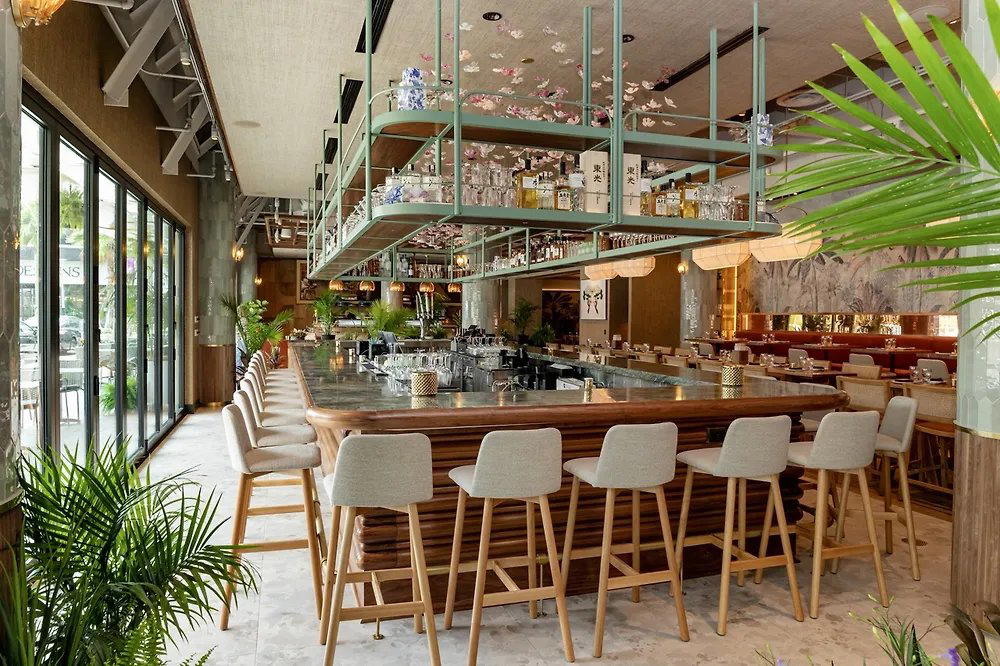
Sunda New Asian pairs Modern Southeast Asian cooking with craft cocktails and a sake program, suited to leisurely brunch or dinner in business casual settings.

Pearl is the En Primeur Club membership app, where members save venues, book tables and use the concierge.
The menu
What to order
- Lobster Wagyu Roll
- Panang Beef Short Rib
- Spicy Tuna Crispy Rice
Asian Technique Meets the Gulf Coast Table
Midtown Tampa has emerged as the city's most deliberate dining district, a planned mixed-use corridor where the restaurant choices reflect national ambitions rather than neighborhood convenience. Sunda New Asian, situated at 3648 Midtown Dr, occupies this context directly: it is part of a Chicago-born concept that applies pan-Asian culinary frameworks to whatever market it enters, and Tampa's version sits in a dining corridor that includes high-ticket contemporaries such as Ebbe (Contemporary) and Lilac (Mediterranean Cuisine), both priced at the top tier of the local market.
The broader category Sunda operates in, pan-Asian with North American luxury-dining conventions applied over the leading, has been a consistent growth format across U.S. cities over the past decade. It differs from the specialist Japanese counter approach taken by Tampa venues like Koya (Japanese) and Kōsen (Japanese), which anchor their identity in a single culinary tradition and tight tasting formats. Sunda's format is deliberately wider: it draws from Japanese, Korean, Thai, Filipino, and Southeast Asian cooking traditions and presents them through a shared plates structure familiar to American fine-casual diners.
The Logic of Global Technique Applied Locally
The editorial angle that makes this format interesting in Tampa specifically is what happens when globally sourced Asian technique meets a Gulf Coast supply chain. Florida's seafood access is among the strongest in the continental United States: the Gulf waters produce grouper, snapper, stone crab, and shrimp at a quality level that rewards precision preparation. Pan-Asian kitchens at this tier routinely apply curing, fermentation, wok hei, and aged-fish techniques developed in East and Southeast Asian traditions, and when those methods meet Florida-sourced product, the results can be genuinely different from the same format executed in a landlocked city.
This kind of ingredient-technique intersection is where the most interesting pan-Asian cooking in the U.S. has been happening. Compare the model to specialist operations at the national level: Atomix in New York City takes Korean fine dining and applies it with extreme precision to globally sourced product; Providence in Los Angeles applies classical French-Japanese technique almost exclusively to West Coast and Hawaiian seafood. Sunda's approach is less single-minded, which makes it more accessible but also means the kitchen must execute across a wider range of culinary traditions in a single service.
Where Sunda Sits in Tampa's Dining Tier
Tampa's premium dining tier has grown considerably in the past five years, driven partly by Midtown's development and partly by an influx of post-pandemic relocation that raised the local diner's expectations. The comparison set now includes not just legacy institutions like Bern's Steak House at the top of the steakhouse category, but newer-format restaurants across multiple cuisines. Rocca (Italian) adds a European fine-dining reference point, while the Japanese specialists Koya and Kōsen represent a more focused counter-dining approach. Sunda's share-plates format occupies a different social register: it works for groups, suits longer evenings with multiple courses ordered freely, and prices itself at a tier that competes with those contemporaries without requiring the same level of mono-cultural depth.
For diners calibrated against national benchmarks, those who have eaten at Le Bernardin in New York City, Alinea in Chicago, or The French Laundry in Napa, Sunda operates in a different register entirely: it is not a tasting-menu destination anchored to a singular chef vision, in the way that Blue Hill at Stone Barns in Tarrytown or Single Thread Farm in Healdsburg are. Instead, it positions itself as a premium social dining format where the Asian culinary vocabulary provides the organizing principle and the execution is measured against that standard.
Planning Your Visit
Sunda New Asian is located in Midtown Tampa at 3648 Midtown Dr, easily accessible from the broader Tampa metro and within the dense restaurant corridor that also houses several of the city's higher-profile openings. The Midtown district is designed for walkability between venues, which makes it practical for an evening that begins with drinks elsewhere and ends with a longer table at Sunda, or vice versa. For reservations and current hours, the venue's booking channels should be confirmed directly, as specific policies and availability windows were not detailed in the information available to us at time of publication. For context on the full range of options in this part of the city, our full Tampa restaurants guide covers the Midtown corridor alongside Hyde Park, Ybor City, and the downtown waterfront.
How Sunda Compares Against Its U.S. Peers
The pan-Asian format at the premium end of U.S. dining has been refined in several markets. Emeril's in New Orleans showed that regionally inflected cooking with global technique could anchor a major American dining market over decades. Addison in San Diego and The Inn at Little Washington in Washington represent the chef-as-auteur model where a single vision drives every element of the experience. Sunda's chain-backed format is structurally different: it spreads across markets, which means the kitchen execution in Tampa depends on local team depth rather than a flagship chef's direct presence. That is a real variable, and it is the question worth asking on arrival: whether the format's promise of high-technique pan-Asian cooking is matched by consistent execution at the Midtown location. The answer to that question is what separates a premium dining experience from a premium-priced one. References such as 8 1/2 Otto e Mezzo Bombana (Hong Kong) in Hong Kong and Lazy Bear in San Francisco each demonstrate what happens when technique and local identity are fully integrated; Sunda's version of that integration is the measure by which a well-travelled diner will judge it.
Frequently asked questions
at Sunda New Asian?
Is Sunda New Asian reservation-only?
What is Sunda New Asian leading at?
Do they accommodate allergies at Sunda New Asian?
Is eating at Sunda New Asian worth the cost?
How does Sunda New Asian fit into Tampa's broader Asian dining scene?
At a Glance
Comparable venues nearby, for context on price, style, and recognition.
| Venue | Cuisine | Price | Notes |
|---|---|---|---|
| Sunda New AsianThis venue (the venue you are viewing) | Modern Southeast Asian | $30–50 | Not listed |
| Donatello | Authentic Northern Italian Fine Dining | $50–100 | South Tampa, Authentic Northern Italian Fine Dining |
| Lona by Chef Richard Sandoval | Modern Mexican | $30–50 | Garrison Channel District, Modern Mexican |
| MEMO Modern Italian | Modern Italian | $30–50 | Westchase, Modern Italian |
| Rome + Fig | Global Bistro | $50–100 | Old West Tampa, Global Bistro |
| 717 South | American Steakhouse & Seafood | Not listed | Courier City-Oscawana, American Steakhouse & Seafood |
Continue exploring
More in Tampa
Restaurants in Tampa
All restaurants in Tampa →
Details
- Lively
- Modern
- Trendy
- Sophisticated
- Energetic
- Date Night
- Group Dining
- Celebration
- Brunch
- Special Occasion
- Open Kitchen
- Craft Cocktails
- Sake Program
- A La Carte
- Small Plates
- Sake Program
- Craft Cocktails
Current opening hours
- Monday
- 5–10 PM
- Tuesday
- 5–10 PM
- Wednesday
- 5–10 PM
- Thursday
- 5–10 PM
- Friday
- 5–11 PM
- Saturday
- 10 AM–2 PM, 5–11 PM
- Sunday
- 10 AM–2 PM, 5–10 PM
Hours can change for holidays and private events. Hours as of .
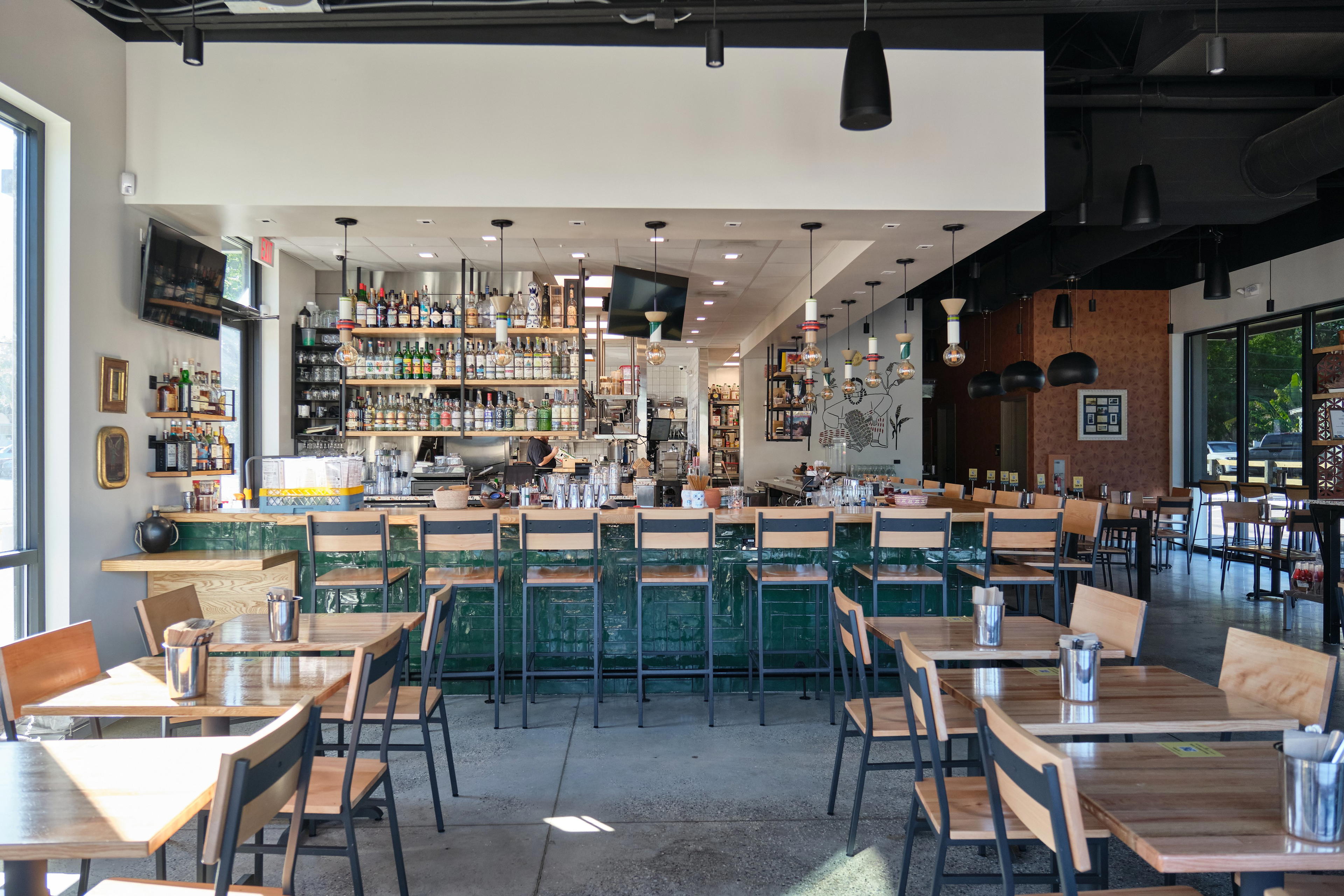
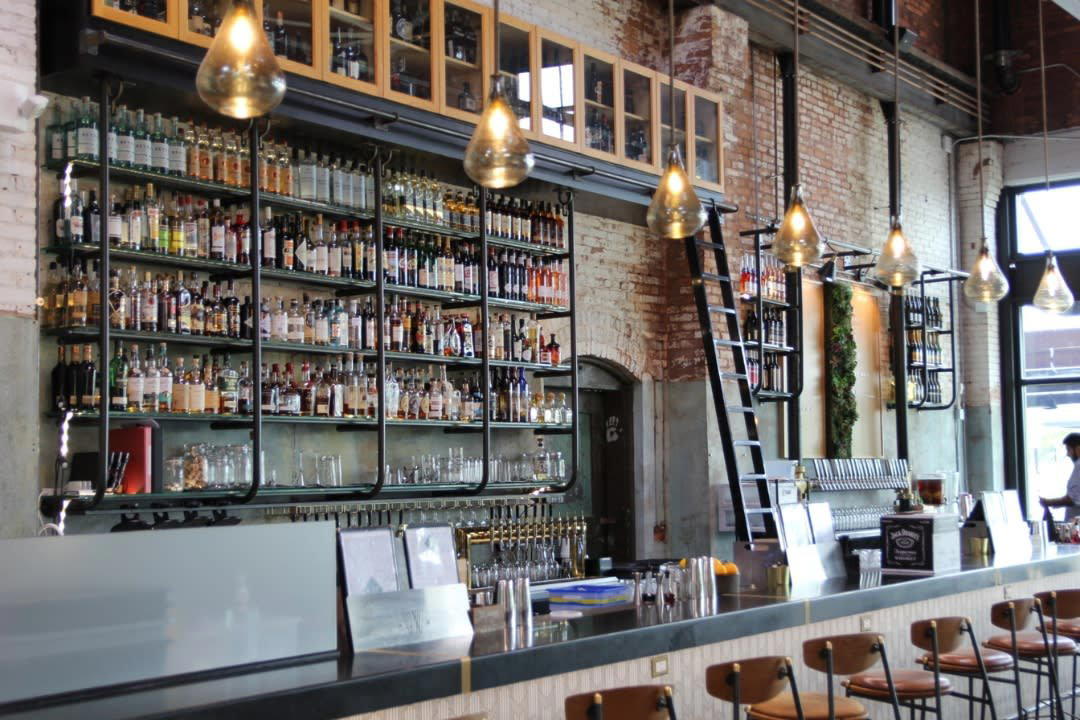
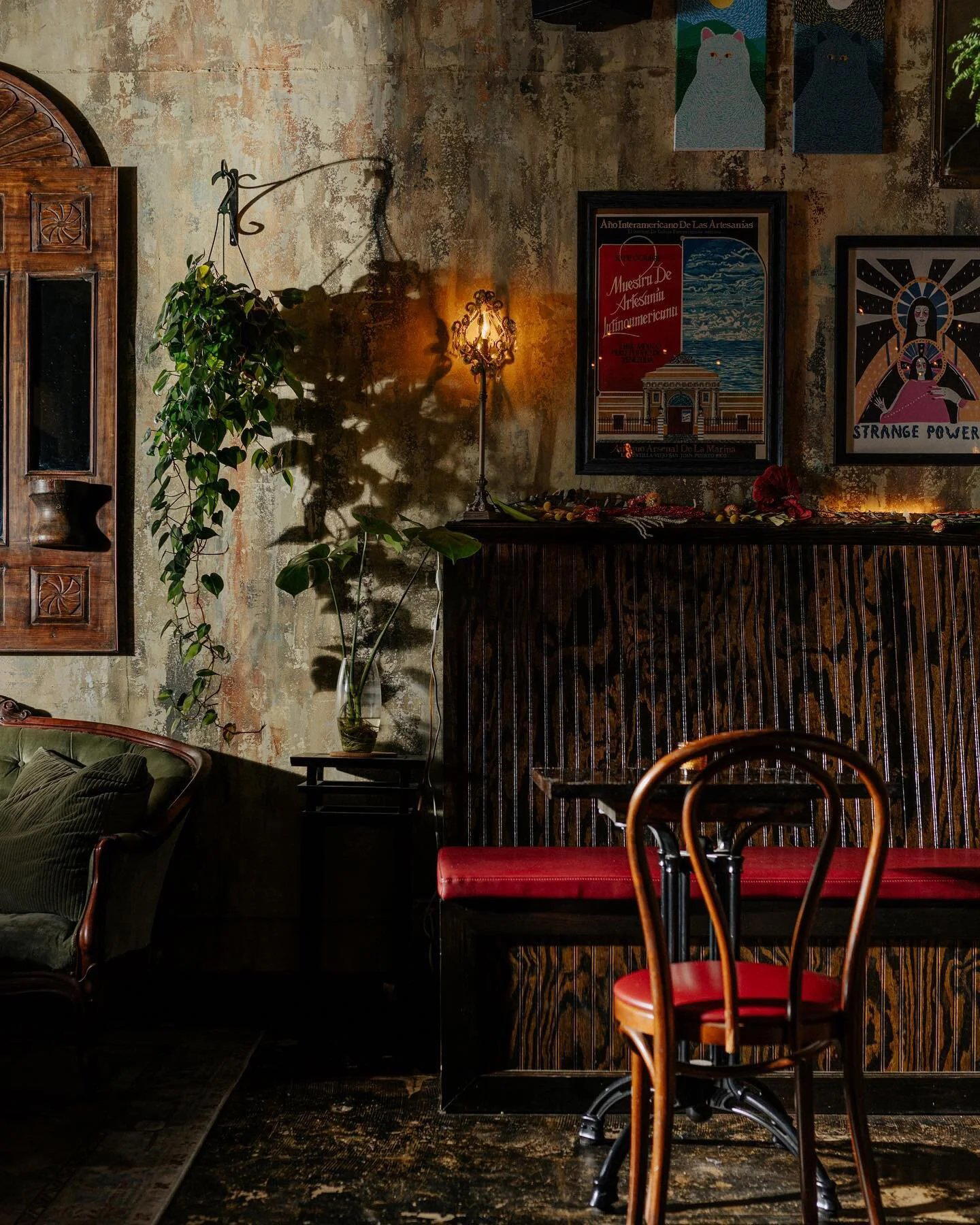
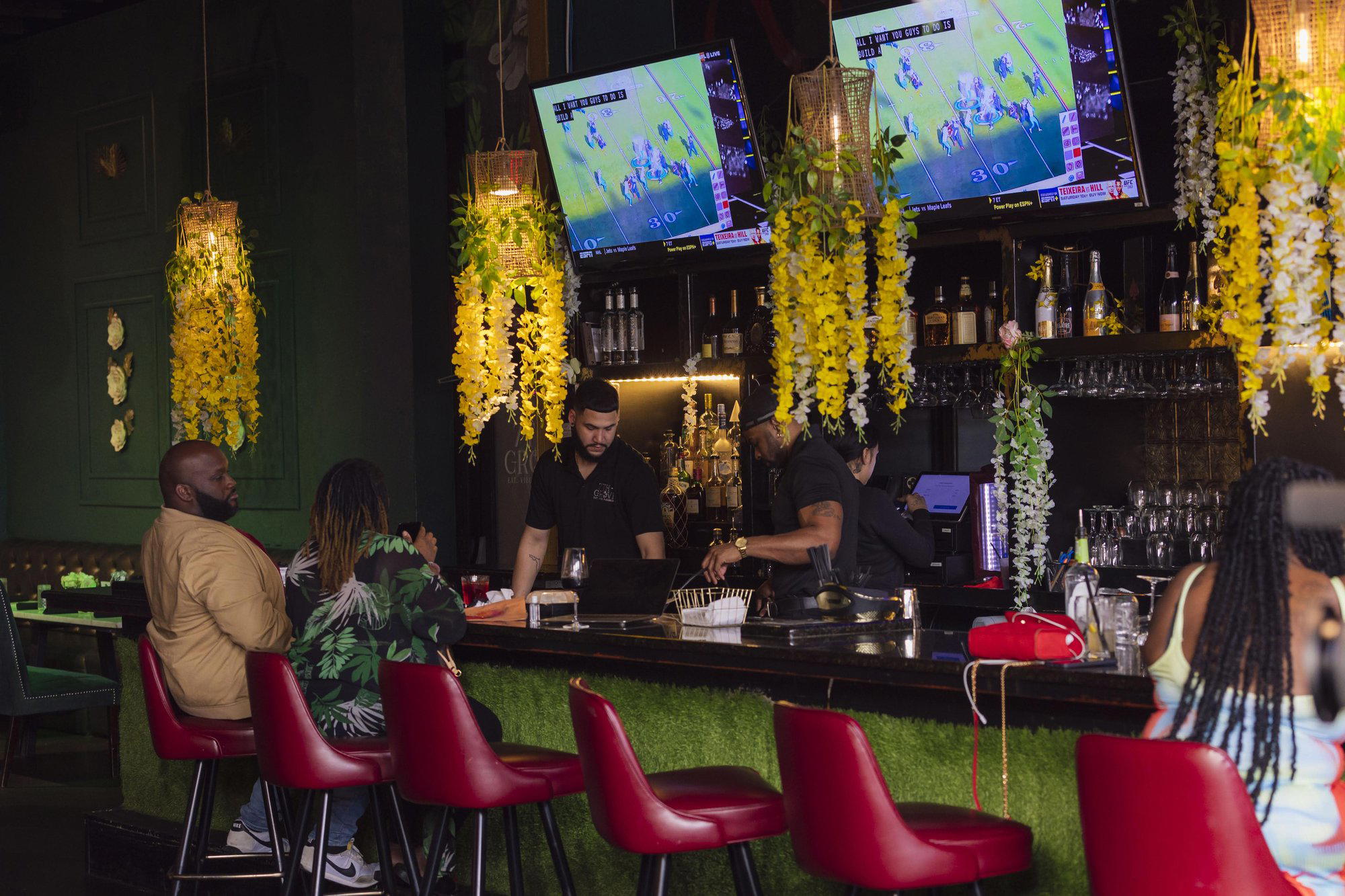
Lively and energetic atmosphere with sophisticated service in Midtown Tampa's entertainment district.