Our verdict
A long-established address on Rue Lauriston in the 16th arrondissement, Paul Chene occupies the quieter register of Paris's classic French dining tradition — neighbourhood in scale, conservative in format, and positioned some distance from the theatrical tasting-menu circuit that dominates the city's top tables. Practical details on booking and current hours are best confirmed directly with the restaurant.

Pearl is the En Primeur Club membership app — saves, bookings, and concierge access live there. Same editors, same standards.
- Address
- 123 Rue Lauriston, 75116 Paris, France
- Phone
- +33143594547
- Hours
- Mon 12–2 PM, 7:30–10 PMTue–Thu 12–2 PM, 7:30–10:30 PMFri–Sat 12:30–2 PM, 7:30–10:30 PMSun Closed
- Website
- xn--bistrotpaulchne-3nb.fr
- Directions
- Get directions
- Booking
- Book on Zenchef
The menu
What to order
- Boeuf Bourguignon
- Shrimp in Tarragon Sauce
- Duck Confit
The 16th's Quiet Persistence: Classic French Dining on Rue Lauriston
Paris's 16th arrondissement has never positioned itself as an avant-garde dining address. Where the 8th delivers grand-hotel formality at places like Le Cinq at the Four Seasons Hôtel George V, and where the Left Bank counter-tradition produced the produce-led radicalism of Arpège, the 16th has historically traded in a different currency: residential comfort, conservative execution, and a clientele that treats dinner as a private occasion rather than a spectacle. Paul Chene, at 123 Rue Lauriston, belongs to that tradition. Its value to the reader lies less in its awards profile than in what it represents about a category of Parisian restaurant that receives little international coverage but continues to function as the backbone of the city's bourgeois dining culture.
Menu Architecture and What It Reveals
In Paris, a restaurant's menu structure is one of the most reliable signals of its self-positioning. The tasting-menu-only format, now standard at addresses like Alléno Paris au Pavillon Ledoyen and Kei, places creative authority entirely with the kitchen and asks the diner to surrender decision-making at the door. The à la carte model, by contrast, implies a different contract: the kitchen proposes, the diner selects. Classic French restaurants in residential arrondissements have largely held to the à la carte or menu-du-jour format precisely because their clientele expects that flexibility. A neighbourhood regular returning twice a month cannot, and will not, sit through a fixed twenty-course progression on every visit.
Paul Chene's address on Rue Lauriston places it in a micro-neighbourhood of the 16th that has historically supported this kind of repeater-trade dining. The street sits within walking distance of the Arc de Triomphe and the Trocadéro, an area dense with embassies, long-term residents, and professionals who have no particular interest in dining as performance. For this cohort, a well-maintained French kitchen offering a readable menu with classical saucing and regional produce is a functional necessity, not a destination experience. That context shapes what the restaurant is and what it is not attempting to be.
Classical French menu logic, in its traditional form, moves through a grammar of courses: a cold or hot starter, a fish course, a meat or poultry main, cheese, and dessert. The proteins are typically secondary to the sauce work: a beurre blanc, a jus réduit, a cream-based velouté. This structure is largely invisible in the contemporary Parisian dining conversation, which has moved toward ingredient-led minimalism (the L'Ambroisie model, refined to the point of severity) or toward the multi-reference tasting format. Paul Chene, by staying within the 16th's residential register, implicitly retains the older grammar. That is not a criticism; it is a description of a specific and underserved category.
Where Paul Chene Sits in the Wider French Fine Dining Picture
France's most-discussed restaurants in recent years have largely been outside Paris or operating at the extreme high end of the capital. The multi-generational houses, like Auberge de l'Ill in Illhaeusern and Troisgros in Ouches, carry institutional weight that transcends geography. The destination properties, from Flocons de Sel in Megève to Mirazur in Menton, draw international visitors willing to build itineraries around a single kitchen. Individual chef-driven projects, like Bras in Laguiole or AM par Alexandre Mazzia in Marseille, have built followings on the basis of a singular culinary point of view.
Paul Chene does not belong to any of these categories. It is neither a multi-generational institution nor a destination property nor a chef-auteur project. It occupies a tier that French dining culture has historically produced in large numbers but that the international press has largely stopped covering: the serious neighbourhood restaurant, committed to classical form, operating within a local rather than a global frame of reference. This tier also exists beyond France, in comparable forms at places like Au Crocodile in Strasbourg or Auberge du Vieux Puits in Fontjoncouse, where regional seriousness operates outside the Paris-centric critical spotlight.
For international visitors accustomed to the tasting-menu format common to highly-rated tables in other cities, including Le Bernardin or Atomix in New York, a classically-structured French restaurant in a residential arrondissement can feel disorienting at first. The pace is different. The room reads as a social space for regulars rather than a stage for first-time diners. The menu rewards familiarity with French technique rather than curiosity about new formats. These are features, not deficiencies, but they require the right frame of reference to read correctly.
Planning a Visit
Paul Chene is located at 123 Rue Lauriston in the 16th arrondissement of Paris. The address is accessible from the Étoile or Trocadéro metro stations, placing it in a well-connected but residential part of the arrondissement. Current hours and booking arrangements are best confirmed in advance. For a broader orientation to Paris dining across price tiers and arrondissements, see our full Paris restaurants guide. Those looking for comparable classical-register dining within the region might also consider Assiette Champenoise in Reims, or Paul Bocuse's Auberge du Pont de Collonges for a more historically-weighted version of the classical French house.
Frequently asked questions
Where exactly is Paul Chene?
Paul Chene is located at 123 Rue Lauriston, 75116 Paris, France, Paris.
Is Paul Chene a good choice for a classical French meal in a non-tourist part of Paris?
The 16th arrondissement, where Paul Chene sits on Rue Lauriston, is one of Paris's most residential dining districts — the clientele skews local rather than visitor, which tends to shape both pacing and atmosphere. For diners whose priority is classical French cooking in a neighbourhood context rather than a grand-hotel setting or a modernist tasting menu, the address is worth considering. The area is accessible from both the Étoile and Trocadéro metro stations.
What do people recommend at Paul Chene?
What the restaurant's address on Rue Lauriston in the 16th arrondissement does signal is a neighbourhood dining culture built around classical French technique rather than trend-driven menus. Diners drawn to that register typically find the appeal in consistency of preparation and proportion, not novelty.
Do they take walk-ins at Paul Chene?
Neighbourhood restaurants in the 16th arrondissement range from strictly reservation-only to genuinely walk-in-friendly depending on the evening and season. Contacting the restaurant directly before arriving is the practical approach, particularly for dinner.
Price and Positioning
Comparable venues nearby, for context on price, style, and recognition.
| Venue | Cuisine | Price | Notes |
|---|---|---|---|
| Paul CheneThis venue — the venue you are viewing | Traditional French Bistro | $30–50 | Not listed |
| Le Grand Pan | French Bistronomie | $30–50 | 15th Arr. - Vaugirard, Classic French Bistro |
| Ripaille | French Bistronomy | $30–50 | Batignolles, French Bistronomy |
| Aux Dés Calés | Traditional French Bistro | $20–30 | Batignolles-Monceau, Traditional French Bistro |
| Lézard Café | Classic French Brasserie | $20–30 | Montorgueil, Classic French Brasserie |
| Le Compas | Traditional French Brasserie | $30–50 | Bonne-Nouvelle, Traditional French Brasserie |
Continue exploring
More in Paris
Restaurants in Paris
Browse all →

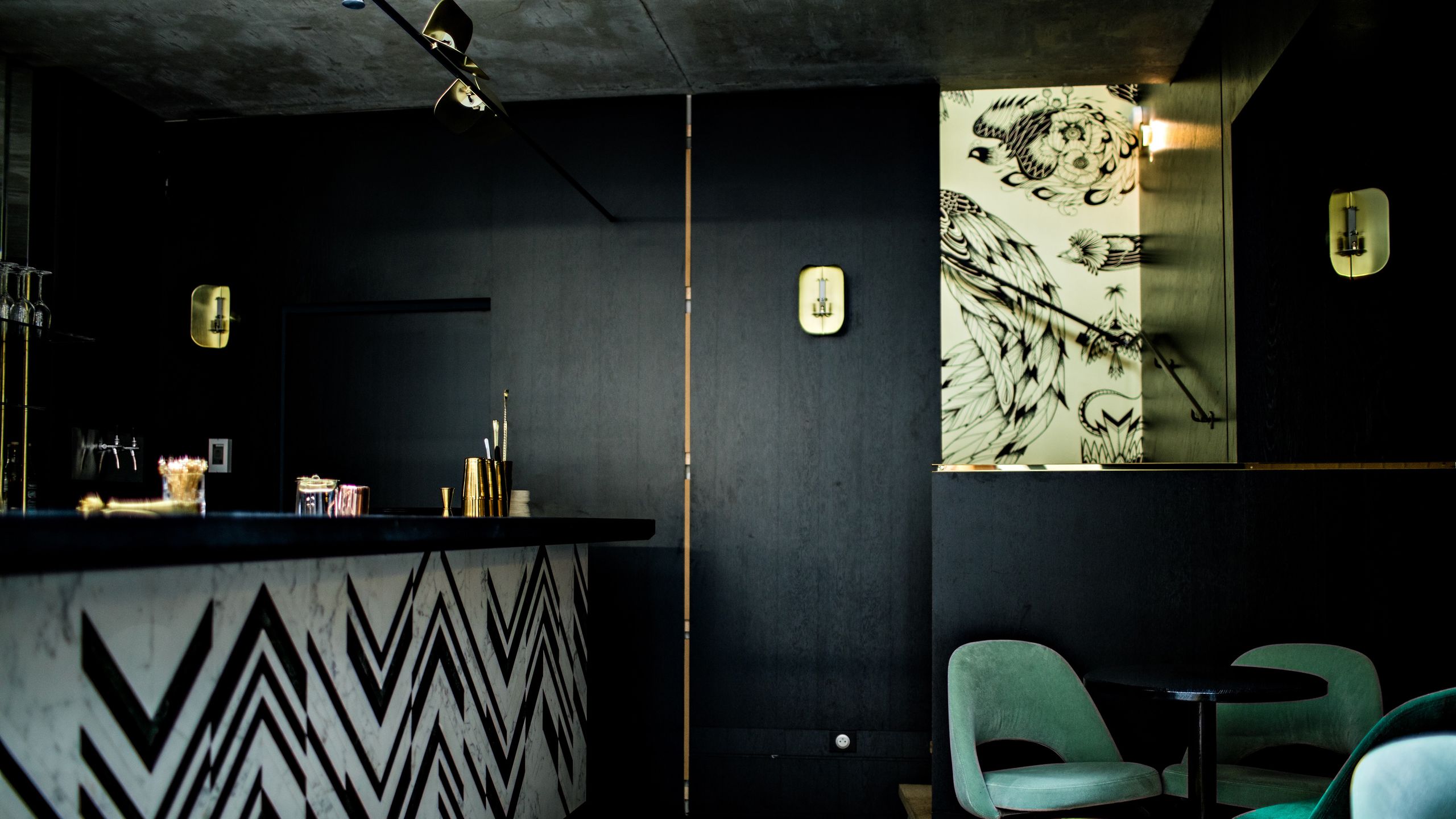
Bars in Paris
Browse all →
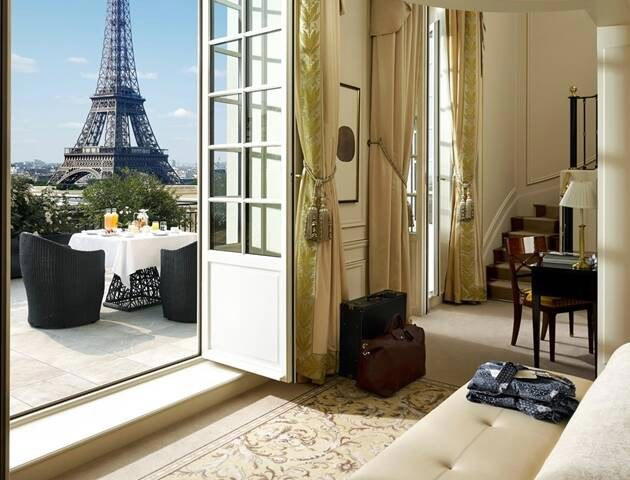
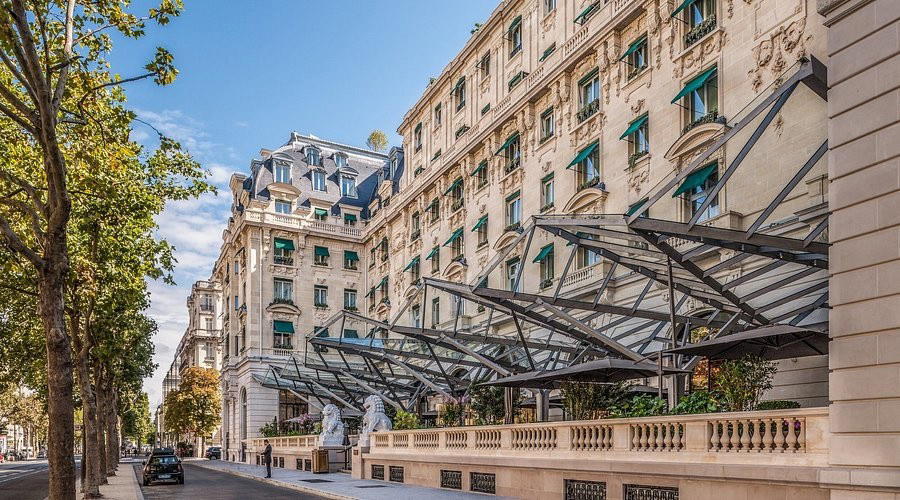
Hotels in Paris
Browse all →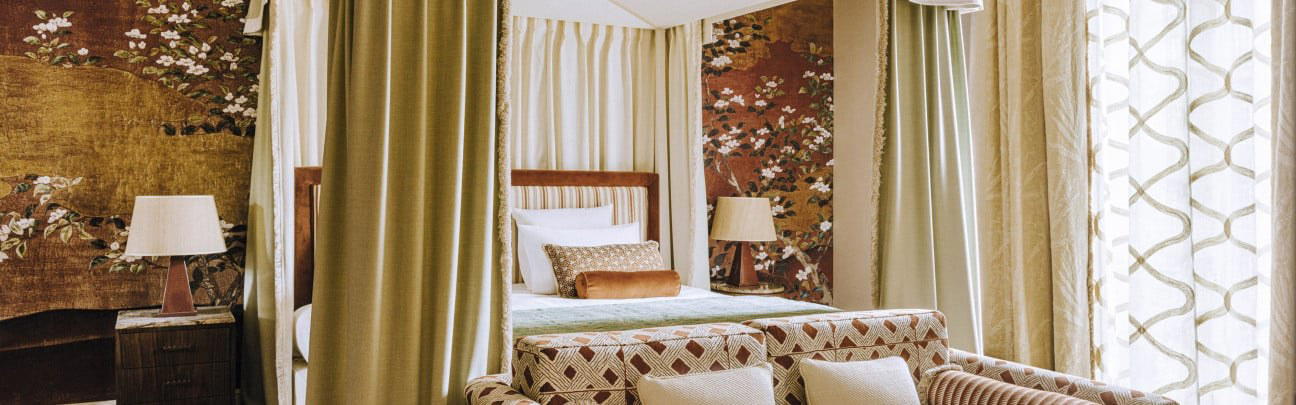
Bistrot Paul Chêne
The wine
- Wine program
- Curated wine list
- Extensive wine list
Details
- Cozy
- Classic
- Lively
- Date Night
- Group Dining
- Casual Hangout
- Terrace
- Extensive Wine List
- Local Sourcing
- Street Scene
- A La Carte
- Vegetarian Friendly
Current opening hours
- Monday
- 12–2 PM, 7:30–10 PM
- Tuesday
- 12–2 PM, 7:30–10:30 PM
- Wednesday
- 12–2 PM, 7:30–10:30 PM
- Thursday
- 12–2 PM, 7:30–10:30 PM
- Friday
- 12:30–2 PM, 7:30–10:30 PM
- Saturday
- 12:30–2 PM, 7:30–10:30 PM
- Sunday
- Closed
Hours can change for holidays and private events. Last verified .
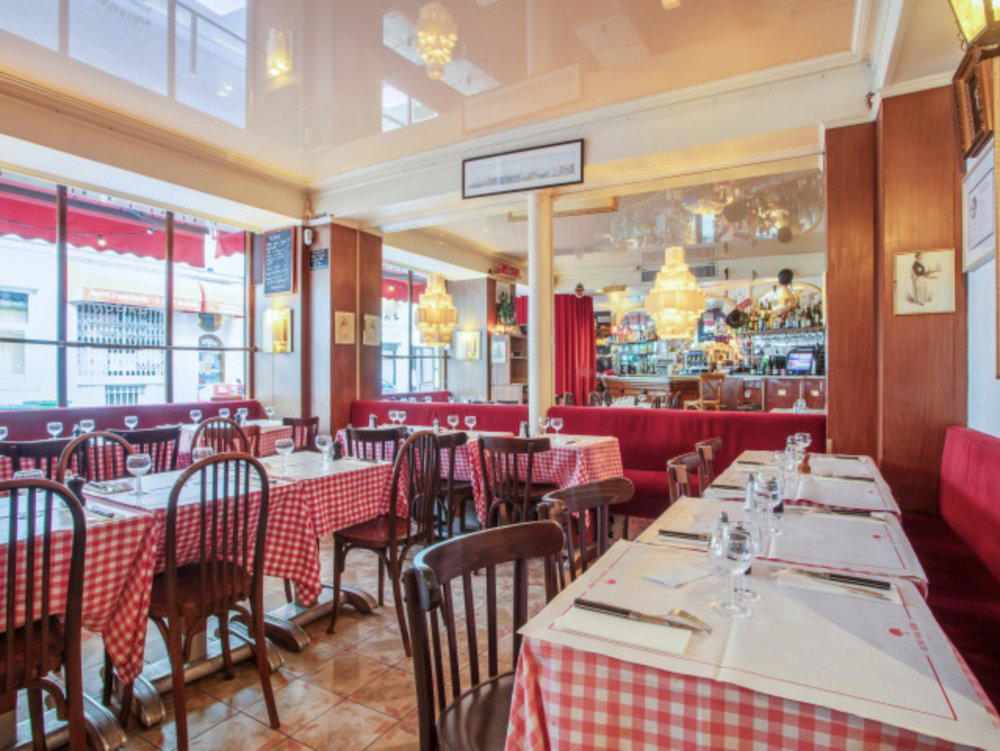
Cozy timeless interior with checkered tablecloths, lively natural bistro sounds without music, and a warm family-like atmosphere.