Patio Filipino

Our verdict
Patio Filipino on El Camino Real is where the Bay Area's Filipino community convenes over serious, family-scaled cooking. Sinigang arrives puckery with tamarind and sized for sharing; oxtail kare-kare and sizzling sisig follow the same logic. This is a restaurant built around the table as a social unit, not the individual plate.

Pearl is the En Primeur Club membership app, where members save venues, book tables and use the concierge.
The menu
What to order
- Sizzling Bangus Sisig
- Crispy Pata
- Kare Kare
The Family Table as the Unit of Measure
El Camino Real through San Bruno is not a street that announces its ambitions. Strip malls, service businesses, and mid-century storefronts run the length of it without much ceremony. That context matters for understanding what Patio Filipino does and why it works: the restaurant sits in a corridor that serves an actual community rather than performing for visitors, and the cooking reflects that orientation entirely. The benchmark here is not the individual tasting portion but the platter, the shared bowl, the table that seats ten.
Filipino family-style dining follows a logic closer to the Chinese banquet or the southern Italian Sunday table than to the composed, individually plated American restaurant meal. Dishes arrive as a collective resource. Proteins are braised or grilled in volumes that assume redistribution. Soups are deep and abundant. Patio Filipino works within that tradition without apology, and the result is a restaurant calibrated to the way Filipino families in the Bay Area actually eat, rather than to any outside expectation about what a restaurant should look like.
What the Kitchen Is Working With
The editorial angle on Filipino cooking in the United States often focuses on the cuisine's moment of mainstream recognition, the critical and media attention that arrived around the mid-2010s and accelerated through the pandemic years as regional American food writing broadened its scope. That conversation is real and worth having, but it tends to miss what was always present in places like San Bruno: a steady, community-anchored restaurant culture that did not require outside validation to function.
The raw materials of Filipino cooking reflect the archipelago's geography and colonial history in equal measure. Souring agents, particularly tamarind, are central rather than incidental. The sinigang at Patio Filipino, documented as a steaming bowl puckery with tamarind and packed with vegetables and pork, operates on that acid principle. Tamarind-soured broth is one of the clearest markers of Filipino culinary identity, distinguishing the cuisine from its Southeast Asian neighbors in a way that a single ingredient rarely does. The pork, the vegetables, and the broth volume, sized to feed a family of six from a single bowl, point toward a kitchen sourcing and cooking in quantities suited to communal service rather than individual portions.
Kare-kare, the peanut-sauced oxtail stew that also circulates at Patio Filipino, represents a different strand of the cuisine's ingredient logic. Oxtail is a cut that demands long cooking and rewards patience, and the peanut base of kare-kare connects the dish to a broader Southeast Asian groundnut tradition while remaining distinctly Filipino in its combination with bagoong, the fermented shrimp paste served alongside. The fact that Patio Filipino runs both sinigang and kare-kare as regulars on the menu signals a kitchen committed to the labor-intensive end of the repertoire.
Sisig occupies a different position. Originally a Pampanga dish built from pig's head and offal, sisig has become one of the most recognizable Filipino dishes internationally, partly because the sizzling plate presentation travels well visually and partly because the flavor profile, fatty, acidic, and savory simultaneously, has broad appeal. At Patio Filipino, the sizzling sisig circulates among the shared platters, which places it in the context where it historically belonged: a drinking companion and a communal dish, not a single-serving appetizer.
Who the Room Is For
The documented scene at Patio Filipino is specific: lolos and lolas (grandparents) with babies, large parties, circulating platters. This is a multigenerational Filipino dining room, and the room's function is social before it is gastronomic. That distinction matters when placing the restaurant in any broader context. The comparison set for Patio Filipino is not Lazy Bear in San Francisco or The French Laundry in Napa, nor the tasting-menu format of Alinea in Chicago or the seafood precision of Le Bernardin in New York City.
The lolos and lolas at the table are the quality signal. Their presence means the cooking reads as correct to people for whom this food is memory, not discovery.
For context on the wider dining range in the area, our full San Bruno restaurants guide covers additional options across cuisines and formats, and Gintei represents the Japanese end of San Bruno's range if you are building a longer itinerary in the city. For bars, hotels, wineries, and experiences, see our San Bruno bars guide, hotels guide, wineries guide, and experiences guide.
Further afield, ingredient-driven kitchens working at the opposite end of the formality spectrum include Blue Hill at Stone Barns in Tarrytown, Single Thread Farm in Healdsburg, and Providence in Los Angeles. The comparison is not in style or price but in the underlying commitment to a specific ingredient logic. Addison in San Diego, Emeril's in New Orleans, Atomix in New York City, The Inn at Little Washington, and Alain Ducasse at Louis XV in Monte Carlo each operate within a defined culinary tradition and serve a known audience with consistency, which is the same underlying discipline, expressed at a very different price point and format.
Planning a Visit
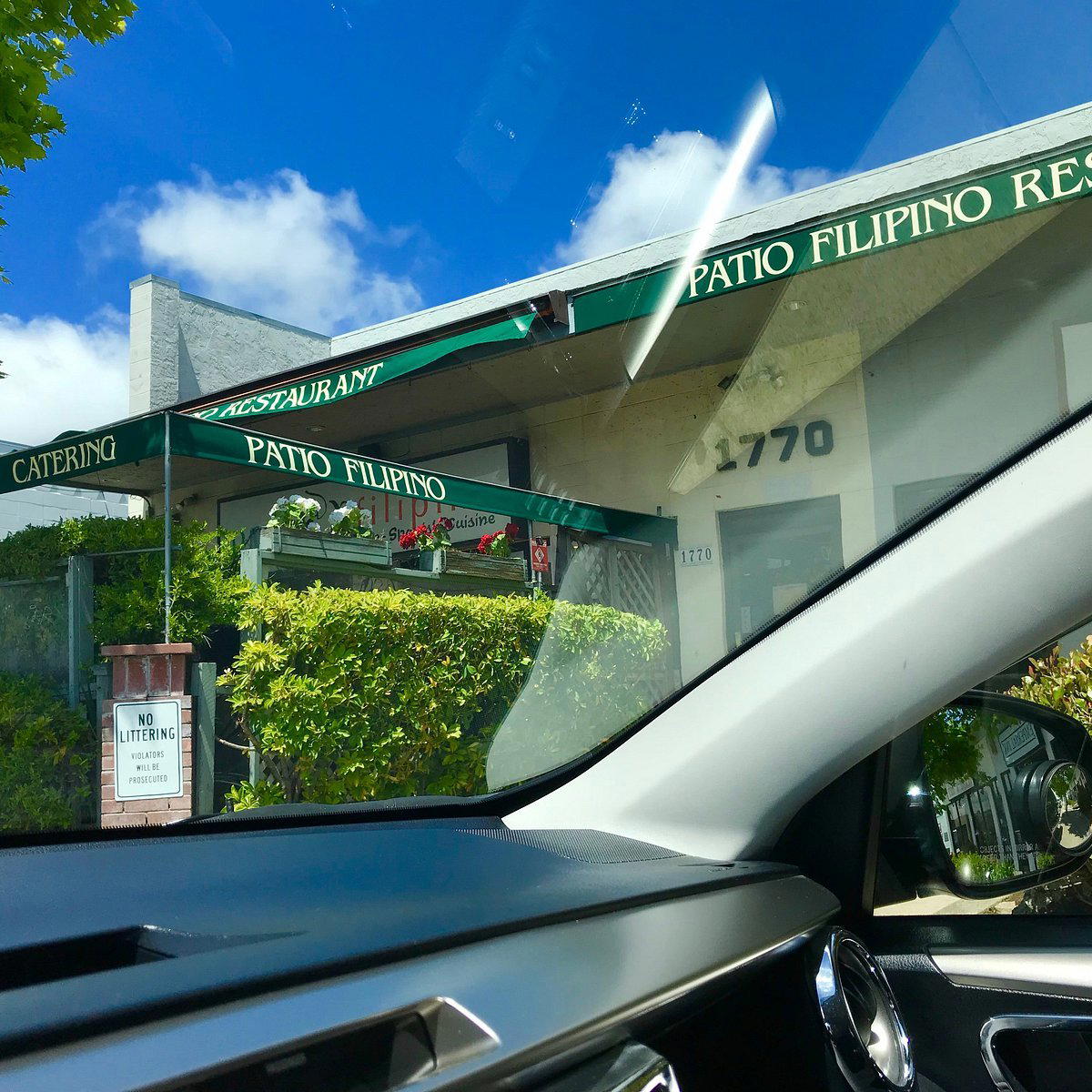
Patio Filipino is located at 1770 El Camino Real, San Bruno, CA 94066, on a stretch of the road that is car-accessible from both the 101 and 280 corridors. The restaurant is built for parties, so arriving in a group and ordering broadly across the menu makes practical and culinary sense. The portions are large: the documented sinigang feeds a family of six, which means that two or three dishes cover a table of four with room.
Frequently asked questions
Would Patio Filipino be comfortable with kids?
Yes. The dining room at 1770 El Camino Real is built around large family groups, with babies on grandparents' knees and platters circulating across multigenerational tables as the norm, not the exception. A solo couple or quiet two-top will feel the contrast. Families with young children will not.
What's the vibe at Patio Filipino?
Loud, communal, and multigenerational. The room runs on the rhythm of large parties: lolos and lolas with babies, extended families working through shared platters of sisig and oxtail stew. This is not a quiet neighborhood bistro, the format is closer to a Filipino family gathering that happens to have a kitchen behind it.
What awards or recognition does Patio Filipino have?
Patio Filipino has received recognition including: At Patio Filipino, a steaming bowl of sinigang, puckery with tamarind and packed with veggies and pork, could easily feed a family of six. That checks out: Large parties are the norm, with _lolos_ and _lolas_ bouncing babies on their knees ….
What do regulars order at Patio Filipino?
The sinigang is the clearest starting point: tamarind-soured broth with pork and vegetables, portioned to feed a family of six. From there, the peanutty oxtail stew (kare-kare) and sizzling sisig are the platters documented circulating the room. Order for the table, not for yourself.
What's the address for Patio Filipino?
Patio Filipino is located at 1770 El Camino Real, San Bruno, CA 94066, San Bruno.
Is Patio Filipino reservation-only?
Given the large-party format and the communal dining room, calling ahead before bringing a group is the practical approach. Walk-in availability on busy evenings is unknown.
What's the signature at Patio Filipino?
The sinigang. A tamarind-soured pork and vegetable soup portioned to feed a family of six is both a menu anchor and a statement of intent about who this kitchen is cooking for. The oxtail kare-kare and sisig follow as the other documented centrepieces of a shared-platter meal.
Side-by-Side Snapshot
| Venue | Cuisine | Price | Awards | Notes |
|---|---|---|---|---|
| Patio FilipinoThis venue (the venue you are viewing) | Authentic Filipino | $20–30 | Not listed | Not listed |
| Le Bernardin | French Seafood Fine Dining | $300–500 | 3 Michelin Stars · World's 50 Best #13 | French, Seafood |
| Atomix | Modern Korean Tasting Menu | $300–500 | 2 Michelin Stars · World's 50 Best #7 | Modern Korean, Korean |
| Lazy Bear | Modern American Tasting Menu | Not listed | 2 Michelin Stars · World's 50 Best #25 | Progressive American, Contemporary |
| Alinea | Avant-Garde Molecular Gastronomy | $300–500 | 2 Michelin Stars · World's 50 Best #37 | Progressive American, Creative |
| Atelier Crenn | Contemporary French Fine Dining | $300–500 | 3 Michelin Stars · World's 50 Best #44 | Modern French, Contemporary |
Recognition history
Dated appearances from independent guides and award organizations, with the underlying list record or original source where available.
San Francisco Chronicle Top 100 Bay Area Restaurants #96
San Francisco Chronicle
Continue exploring
More in San Bruno
Restaurants in San Bruno
All restaurants in San Bruno →
Bars in San Bruno
Browse all →





Details
- Cozy
- Family
- Group Dining
- Casual Hangout
- A La Carte
- Vegetarian Friendly
Current opening hours
- Monday
- 11 AM–2 PM, 5–9 PM
- Tuesday
- Closed
- Wednesday
- 11 AM–2 PM, 5–9 PM
- Thursday
- 11 AM–2 PM, 5–9 PM
- Friday
- 11 AM–2 PM, 5–9 PM
- Saturday
- 11 AM–2 PM, 5–9 PM
- Sunday
- 11 AM–2 PM, 5–9 PM
Hours can change for holidays and private events. Hours as of .
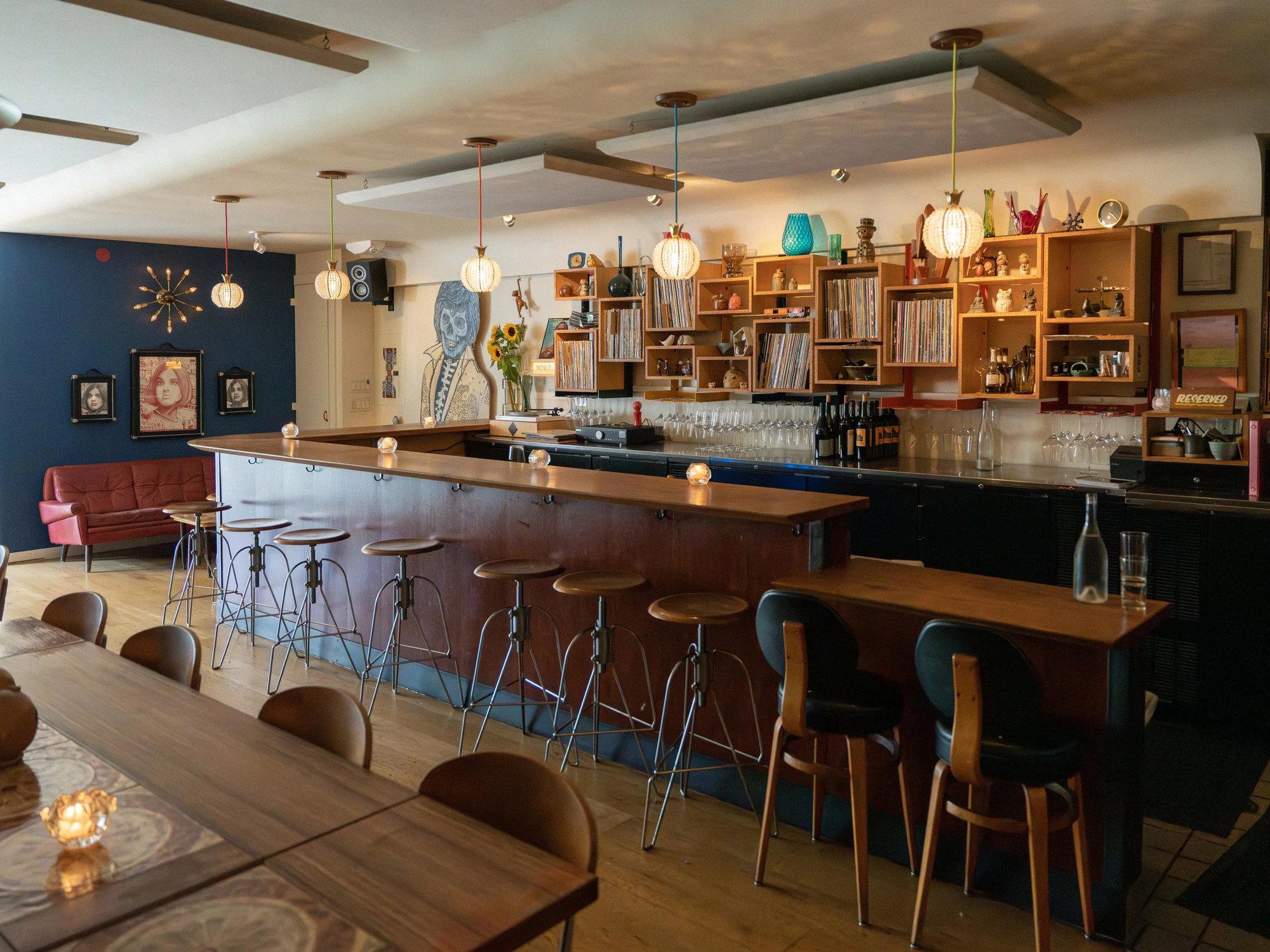
Pleasant and family-oriented with white tablecloths, accommodating large groups in a clean, casual setting.