Pasture
Pasture occupies a former railway arch in Bristol's Redcliffe district, where an open-fire kitchen anchors a menu built around prime British beef and live-fire cookery. The format sits in a narrower tier than Bristol's broader modern British scene, closer in ambition to the city's serious dining addresses than to its casual grill houses. Book ahead, the space fills quickly on evenings and weekends.
 Discover on Pearl
Pearl is the En Primeur Club membership app — saves, bookings, and concierge access live there. Same editors, same standards.
- Address
- 2 Portwall Ln, Redcliffe, Bristol BS1 6NB, United Kingdom
- Phone
- +447741193445
- Website
- pasturerestaurant.com
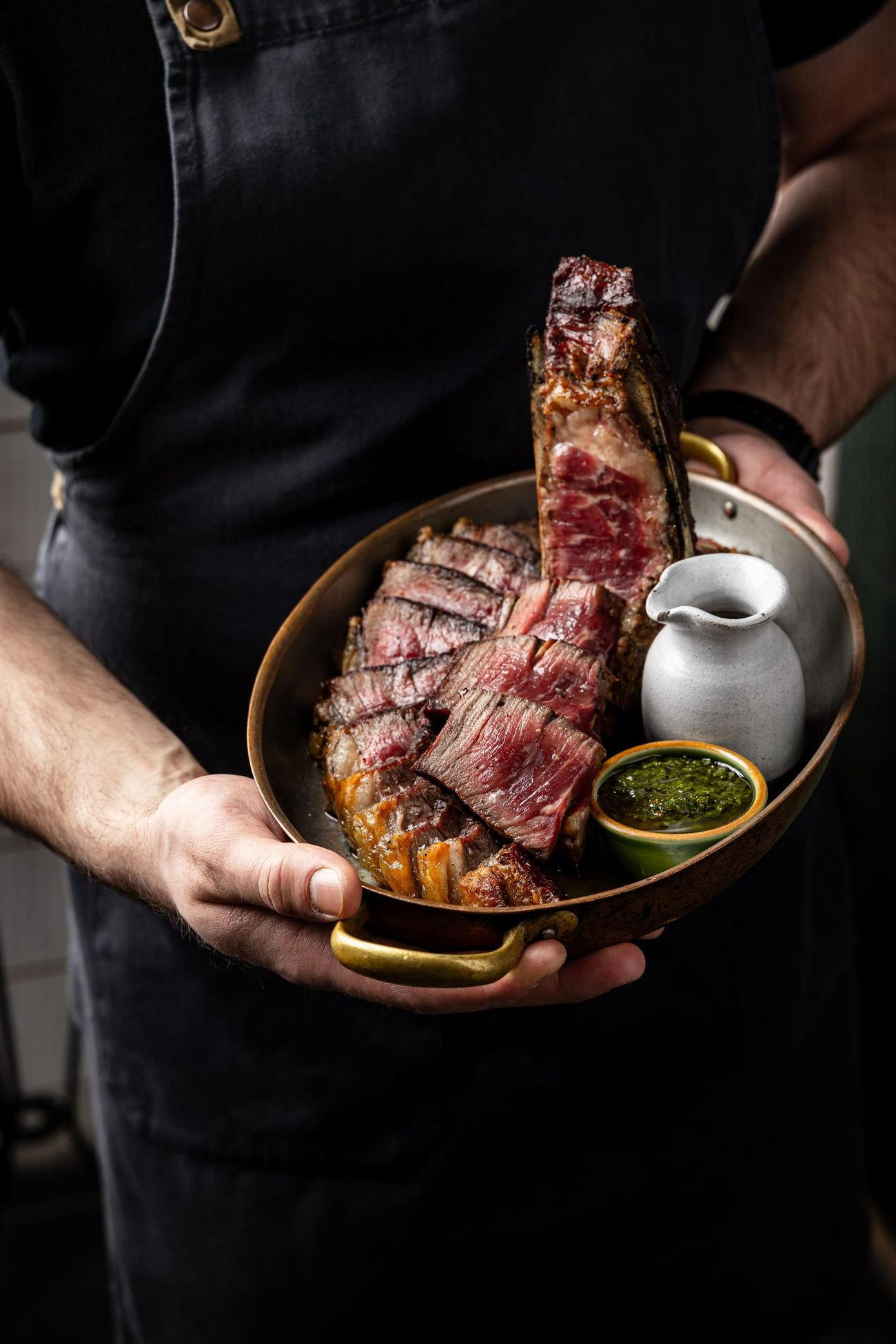
Fire as Architecture: How Pasture Frames Its Menu
Pasture is a restaurant in Bristol's Redcliffe district, serving modern British steakhouse cooking over live charcoal and a wood-fired grill. At one end, modern British rooms like Bulrush and Adelina Yard work through precise, produce-led tasting formats. At the other, casual neighbourhood plates at places like Bianchis or Bank keep things approachable and unfussy. Pasture, on Portwall Lane in Redcliffe, occupies a different position: a live-fire grill room where the cooking method is the menu's organising principle, and where beef sourcing is treated with the same seriousness that other restaurants reserve for wine lists.
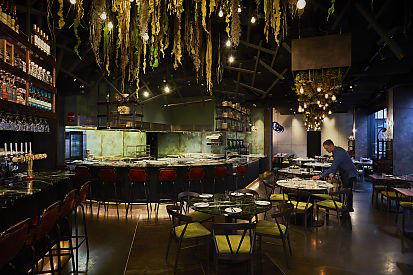
The physical space makes the argument before a single plate arrives. An open kitchen built around a substantial charcoal and wood-fired grill sits in view of the dining room, and the smell of rendered fat and woodsmoke is present from the moment you push through the door. This is not incidental atmosphere, it is the restaurant's clearest statement about what it prioritises. In a city where restaurant interiors have trended toward Scandinavian restraint, Pasture's commitment to heat and spectacle reads as a deliberate counter-position.
Reading the Menu Architecture
Live-fire restaurants tend to organise their menus in one of two ways: either as a steakhouse with modern flourishes, or as a serious grill kitchen where fire is a technique applied across the whole menu rather than just to the centre-cut proteins. Pasture leans toward the latter, which places it in a more interesting competitive set than a conventional steakhouse. The menu structure prioritises beef, traceable, aged, from named British farms, but the surrounding sections exist to frame and contextualise the main event, not merely to pad the bill.
That kind of menu architecture has precedent in the broader UK dining conversation. Restaurants like Moor Hall in Aughton and L'Enclume in Cartmel use produce sourcing as a menu-defining principle at the tasting format end of the spectrum. Pasture applies the same logic to a more accessible, à la carte-friendly format: the sourcing story is told through the menu, but you don't need to commit to twelve courses to receive it. That accessibility is part of what separates it from Bristol's more formal tasting rooms while keeping it several steps above a casual grill house.
For context on what serious live-fire cooking looks like at the upper end of the global spectrum, the grill programs at Le Bernardin in New York City and the technique-first kitchens associated with Atomix sit in a different category entirely, but they illustrate the broader principle that method and sourcing, when made central to the menu, produce a different kind of restaurant than one where they are incidental. Pasture operates in that spirit at a Bristol scale.
Redcliffe and the Restaurant's Location Logic
Portwall Lane sits at the southern edge of Bristol's city centre, a short walk from the waterfront and Temple Meads station. Redcliffe is not Bristol's most densely restaurant-populated neighbourhood, that distinction belongs to Clifton and the harbourside, but its relative quietness works in Pasture's favour. The address draws guests who have made a specific decision to be there, rather than foot traffic that wandered in from a busier strip. That changes the atmosphere inside the room in a way that is difficult to manufacture: the dining room feels chosen rather than convenient.
Bristol's dining geography is worth understanding before you plan a visit. The city's most formal rooms, 1 York Place and the tasting menu format at Bulrush, operate in different postcodes and at different price points. Pasture sits between those extremes, close enough to Temple Meads to make it practical for arrivals by rail from London Paddington (approximately 80 minutes), Bath, or Cardiff.
Where Pasture Sits in the Bristol Dining Tier
Pricing and format place Pasture in the mid-to-upper tier of Bristol restaurants without reaching the full commitment of a tasting menu room. That positioning is deliberate and commercially sensible. Bristol's restaurant-going population has appetite for serious cooking at accessible entry points, a pattern also visible in the success of Adelina Yard and the produce-focused approach at Wilsons. Pasture's live-fire format gives it a clear point of difference within that tier: there are few Bristol rooms where the cooking method itself generates this level of visible theatre without crossing into gimmick territory.
For comparison, the UK's top end of the fire-and-meat spectrum, Hand and Flowers in Marlow, Gidleigh Park in Chagford, or the broader constellation of rooms anchored by chefs with documented Michelin credentials like CORE by Clare Smyth in London and Midsummer House in Cambridge, operate at price points and with institutional recognition that Pasture does not currently match. But the comparison is instructive: Pasture operates in the same tradition of letting a single primary technique organise the entire dining proposition, even if the price tier and award status differ substantially. Similarly, South West England has produced serious cooking at rooms like Le Manoir aux Quat'Saisons in Oxford and hide and fox in Saltwood, which signals that the regional appetite for considered, technique-led cooking beyond London is genuine and sustained. Pasture reads as part of that wider pattern.
A comparable Bristol address in terms of seriousness of intent but different in format is Bulrush, which applies modern British rigour to a tasting structure. The two restaurants serve different decisions: Bulrush is the room for a planned, structured evening; Pasture is the room for when the decision is about a particular kind of cooking rather than a fixed format. Neither is a substitute for the other.
Planning Your Visit
Pasture's address at 2 Portwall Lane, Redcliffe, Bristol BS1 6NB puts it within a ten-minute walk of Bristol Temple Meads, making it a practical choice for visitors arriving by rail.
Recognition Snapshot
Comparable venues nearby, for context on price, style, and recognition.
| Venue | Cuisine | Price | Awards | Notes |
|---|---|---|---|---|
| PastureThis venue — the venue you are viewing | Modern British Steakhouse | $$$ | , | |
| Bianchis | Italian Trattoria | $$$ | 1 recognition | Ashley |
| Pazzo | Modern Italian | $$$ | 1 recognition | Clifton Down |
| Noah’s | Modern British Seafood | $$$ | 1 recognition | Hotwells and Harbourside |
| Caper and Cure | Modern British Bistro | $$$ | 1 recognition | Ashley |
| Muiño | Galician-Inspired British Tapas | $$ | , | Clifton Down |
At a Glance
- Lively
- Modern
- Trendy
- Elegant
- Special Occasion
- Date Night
- Celebration
- Open Kitchen
- Live Music
- Farm To Table
- Local Sourcing
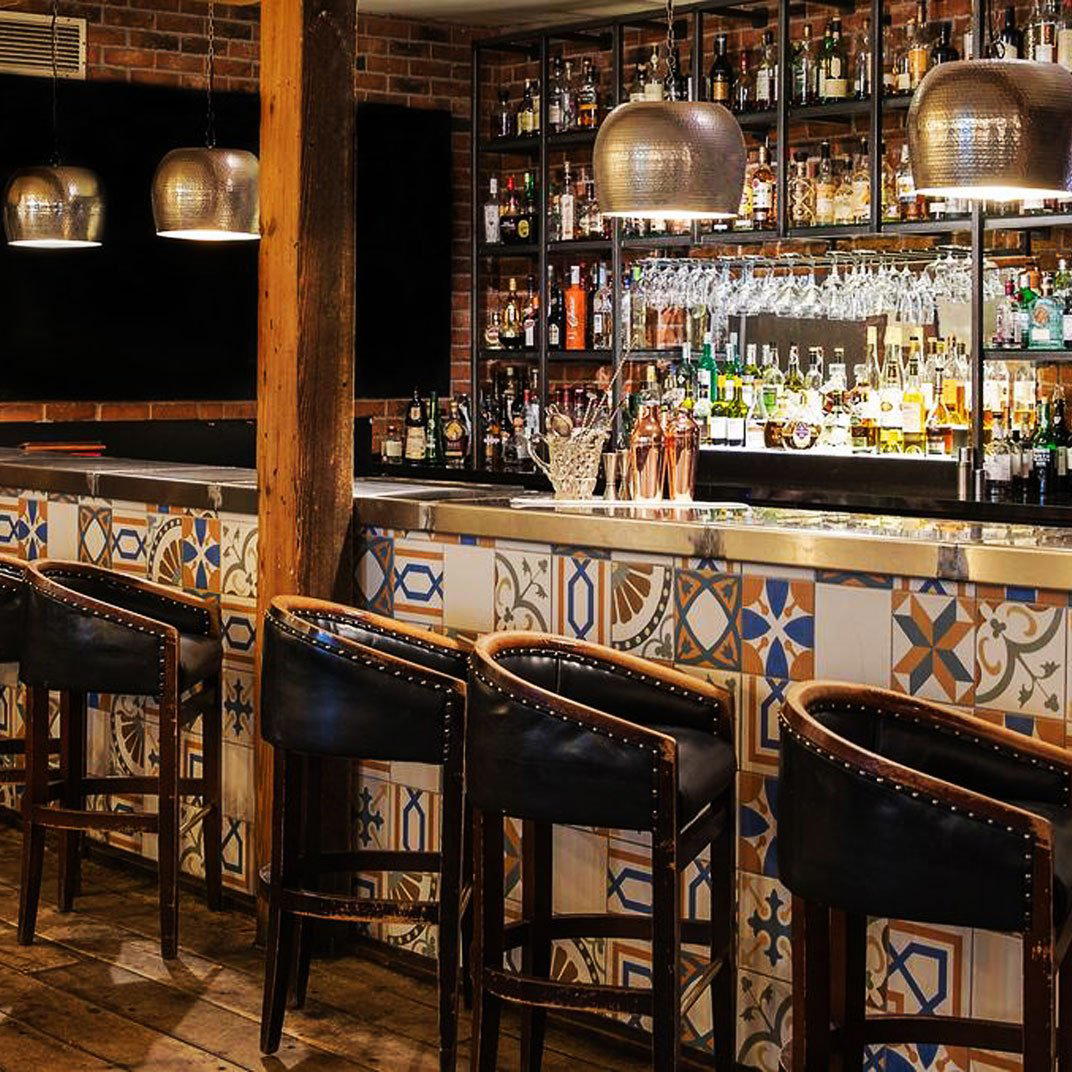
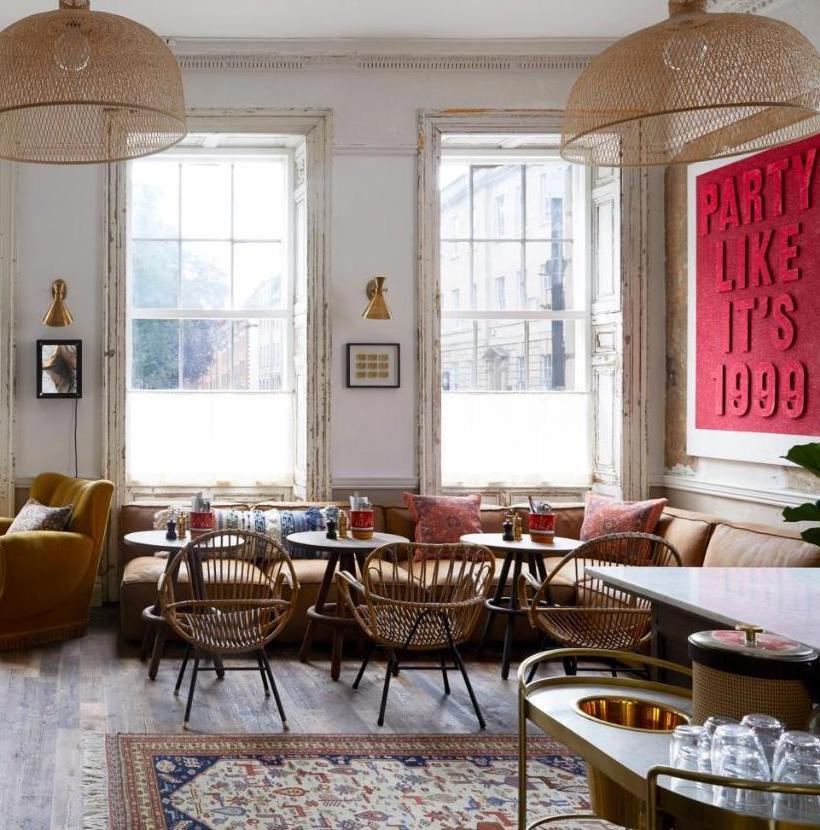
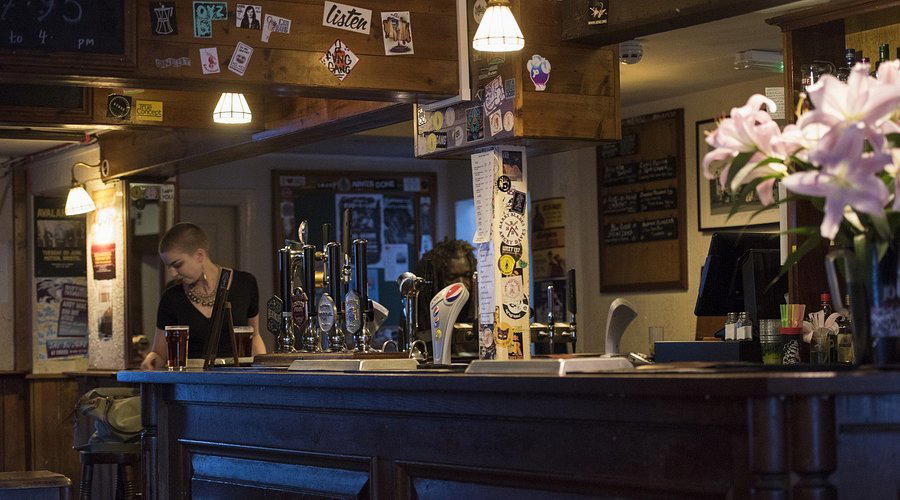
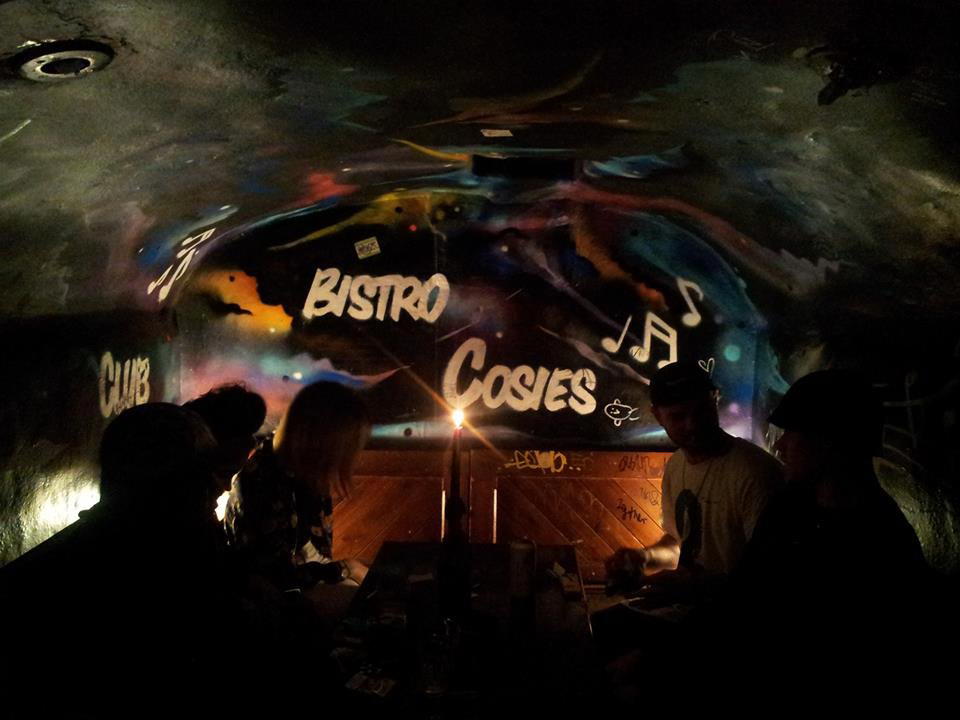
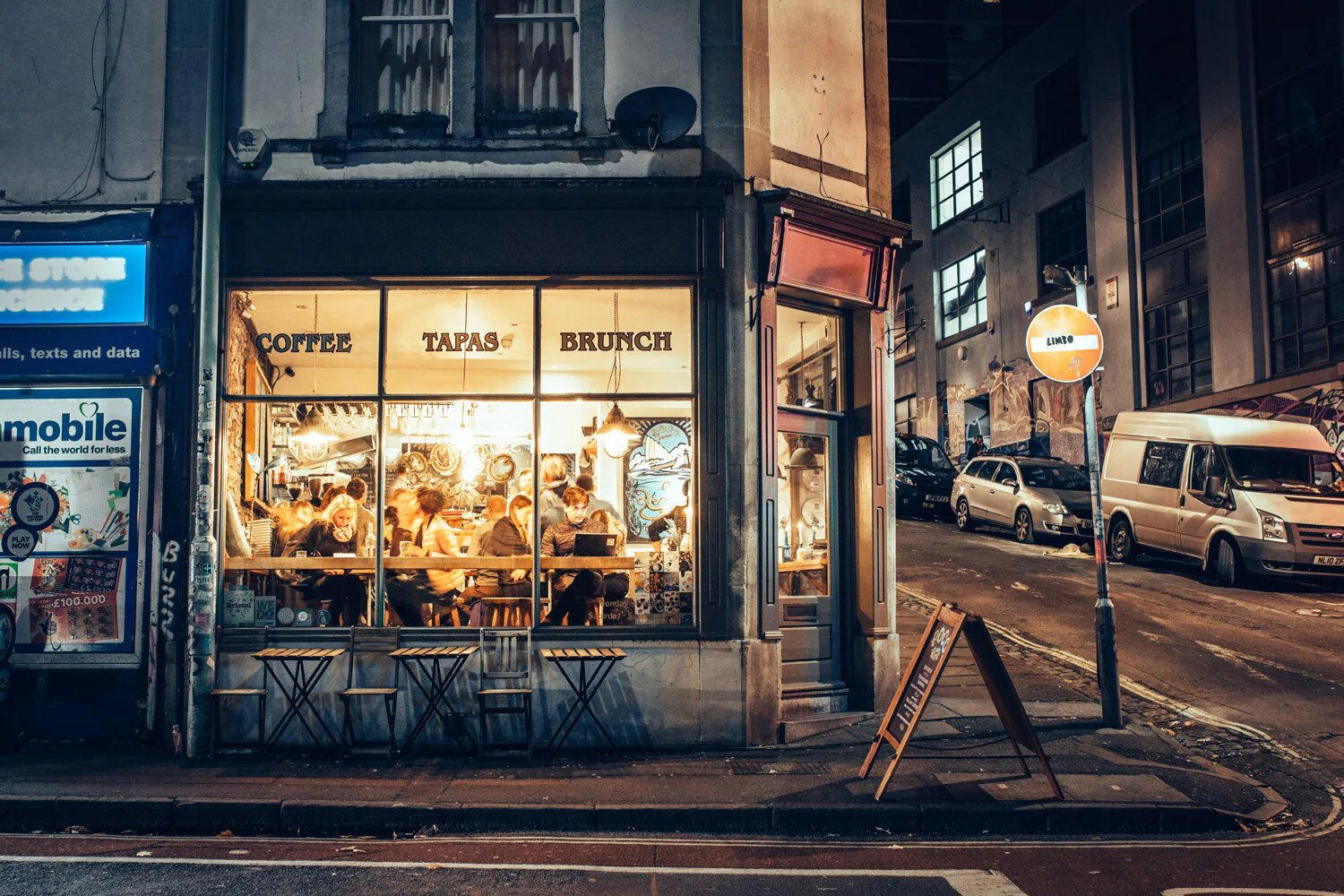
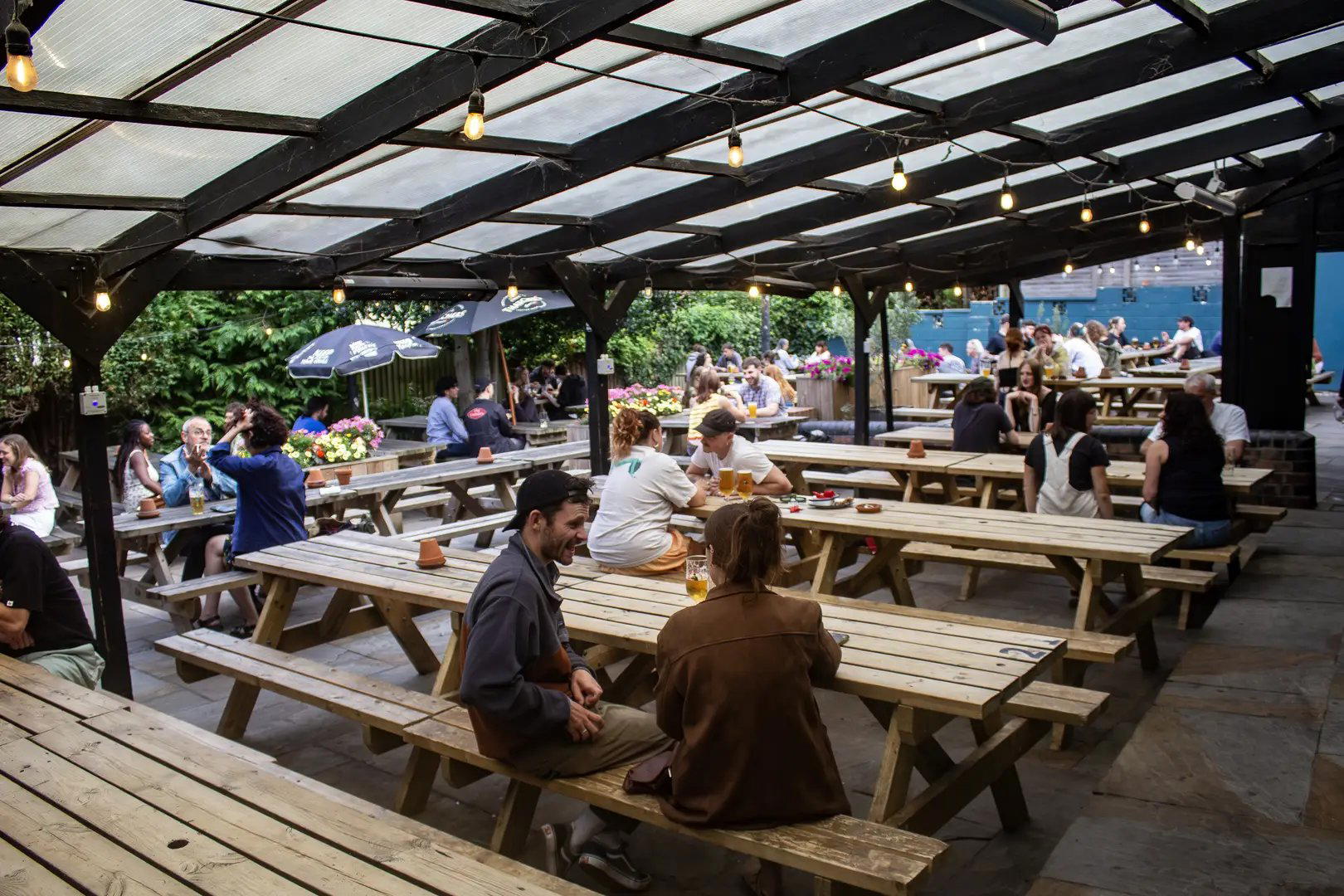
Vibrant atmosphere with open kitchen showcasing charcoal grills, background music, and a cool, glamorous yet fun vibe.