OTHER



Michelin Bib Gourmand · SquareMeal UK Top 100 Restaurants #49
Our verdict
A Michelin Bib Gourmand-recognised small-plates bistro on Cannon Street in Bedminster, OTHER runs a short, constantly rotating menu of sharing dishes that pull technique from fine-dining kitchens and plant it firmly in casual, communal territory. Bright orange walls, communal tables, and local beers from Good Chemistry and Wiper & True set the scene. At the ££ price point, it sits among Bristol's sharper value propositions.

Pearl is the En Primeur Club membership app, where members save venues, book tables and use the concierge.
The menu
What to order
- 28 day aged West Country beef steaks
- Catch of the day from Brixham
Bedminster's Casual Counter-Argument to Fine Dining
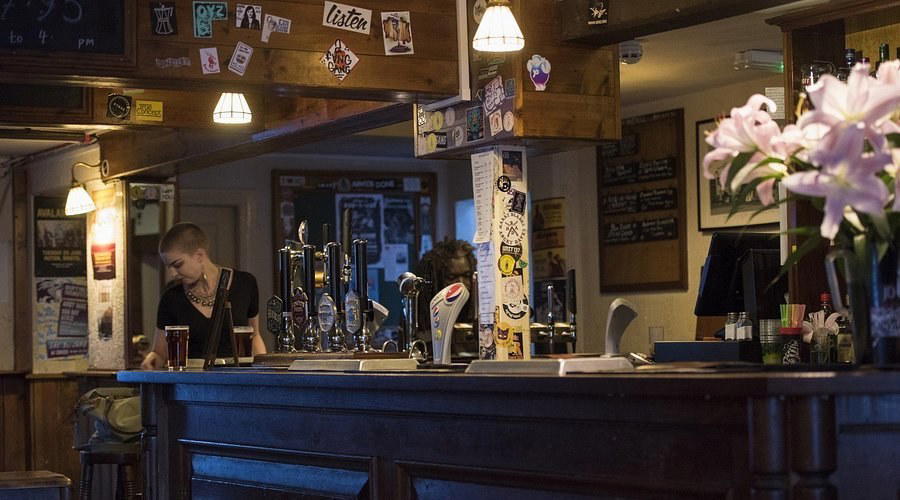
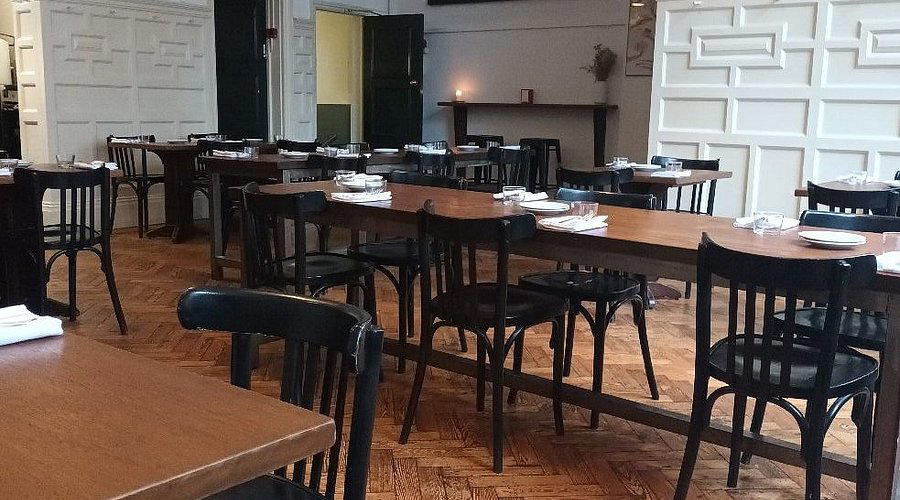
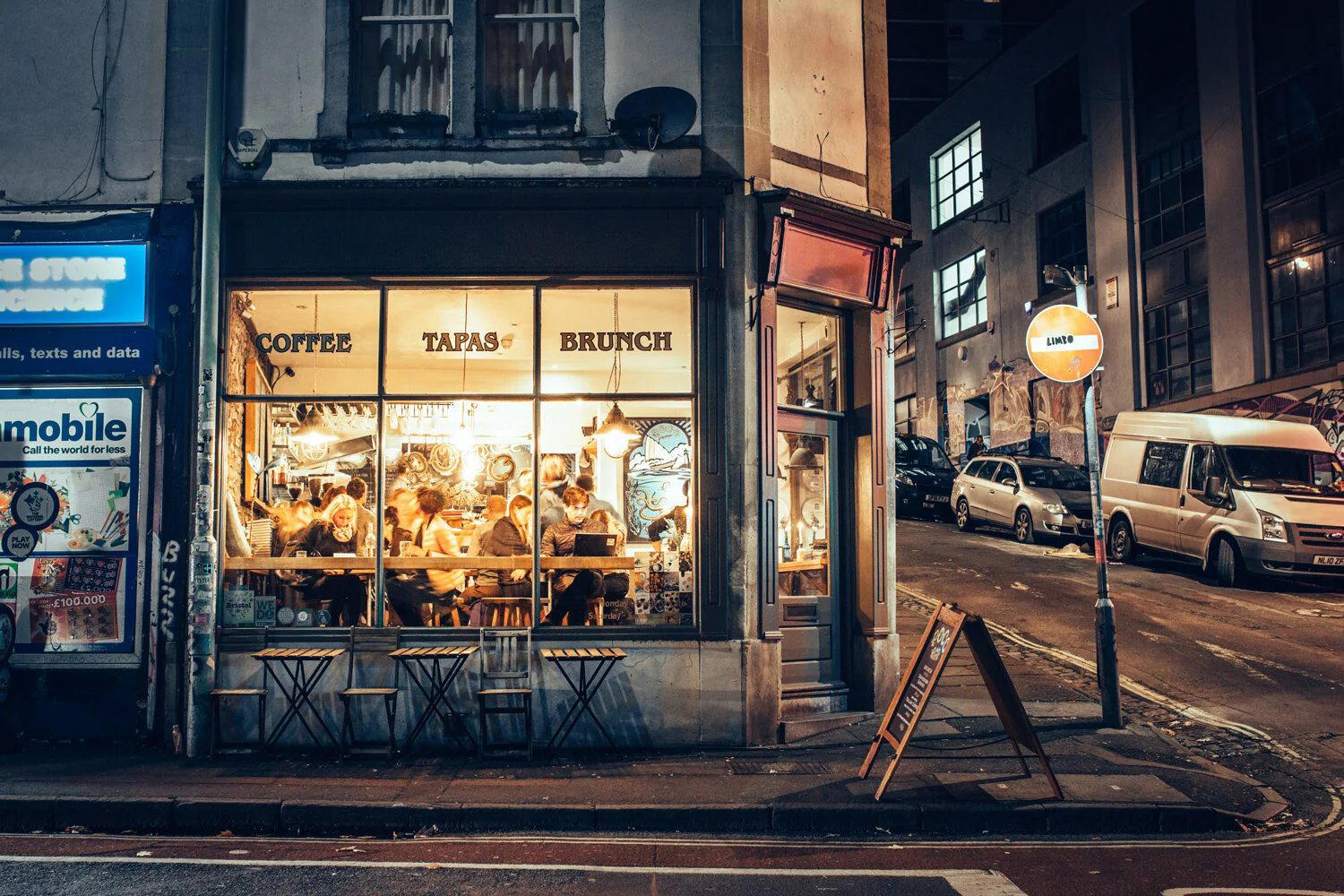
Cannon Street in Bedminster doesn't announce itself the way Bristol's harbour-side does. The graffiti-splattered stretch of BS3 has its own register, scrappier, less curated, more neighbourhood than destination. Walking into OTHER on that street, you are met immediately with the contrast the room is built on: bright orange walls, bespoke framed prints, bare-topped tables pushed together for communal seating, and an eclectic soundtrack that makes the space feel less like a restaurant opening and more like a well-organised gathering. The atmosphere is casual, but the decisions behind it are not.
That tension, casual surface, considered interior, is the point of the format. Bristol's small-plates scene has expanded considerably over the past decade, running from technique-led modern kitchens like Bulrush and Adelina Yard down through more neighbourhood-facing rooms. OTHER positions itself firmly in the latter camp, but with credentials that place it closer to the former. The kitchen has Ynyshir and Casamia in its lineage, both of which operate at a level well above what Bedminster's postcode might suggest. The result is a bistro where the technique quietly exceeds the price tag.
Global Method, Local Register
The editorial angle for understanding OTHER is the gap between training and intent. In many cities, chefs who have passed through serious fine-dining kitchens tend to open in directions that preserve that register: tasting menus, precision plating, restrained portion sizes. The sharing-plates format at OTHER moves in the opposite direction, using technical fluency as a foundation for accessibility rather than as the main event.
The menu draws from a wide range of culinary reference points, Southeast Asian sourness, North African spice, Vietnamese structure, Italian vegetable preparation, and applies them through the kind of craft that only comes from serious kitchen time. Tempura pollock with beer-braised tomatoes and harissa sits alongside roast carrots with cavolo nero pesto, radicchio, chickpeas, and feta. A deconstructed bánh mì arrives with either char-siu pork belly or celeriac, depending on the day. These are not fusion exercises for novelty's sake. They are dishes that use global technique as a means of getting more flavour from familiar ingredients, which is a different thing entirely.
That philosophy extends to the hot and sour crab sauce, which appears on the menu when available and functions as a reliable indicator of the kitchen's precision with acidity and heat. Dishes built around that sauce demonstrate an understanding of flavour balance that is harder to achieve than it looks, the kind of result that comes from knowing when to stop adding rather than when to start. Comparable small-plates formats in Europe, such as IGNIV Zürich by Andreas Caminada or Agnes in Sint-Martens-Bodegem, use the sharing format to build complexity across multiple courses. OTHER does the same at a fraction of the cover charge.
The Menu's Logic
The structure is deliberately shallow. Snacks and sharing plates form the bulk of what arrives, beginning with homemade crisps served alongside satay and aïoli dips. A daily fish special and two or three larger options anchor the bottom of the menu. The list is short enough that a table of three could work through most of it in a single sitting, which is clearly intentional, the format encourages grazing across the full range rather than anchoring to a single dish.
Desserts deserve more attention than the casual format implies. Technical skill surfaces here in constructions like a poppyseed doughnut or a set lemon custard covered with a crisp layer of rye digestive biscuit, citrus jam, and toasted Italian meringue. These are not afterthoughts. They suggest a kitchen that treats the final course as seriously as it treats the middle of the meal, which is not universal at this price point.
The menu changes regularly, which means returning visits are not repetitive. It also means arriving without expectations for specific dishes is the better approach. Whatever is on the menu that day reflects what the kitchen finds worth cooking at that moment, and the discipline of keeping the list short means nothing on it is filler.
Drinks and the ££ Value Equation
The drinks list is minimal by design. Six wines by the glass cover the necessary ground without overcomplicating the decision. Local beers from Good Chemistry Brewing and Wiper & True add a Bristol-specific dimension that sits naturally with the neighbourhood setting. Pricing across food and drink stays at the ££ level, which, when measured against the kitchen's credentials, represents the kind of value proposition that is rare in a post-pandemic restaurant market where ingredient costs have pushed most comparable operations upward.
At Bristol's ££ tier, OTHER shares price space with more direct neighbourhood options. The comparison is instructive. Blaise Inn operates at ££ as a traditional pub-dining format; BOX-E also runs at ££ in modern British territory. OTHER's Michelin Bib Gourmand recognition in both 2024 and 2025 places it at the upper end of what the ££ bracket can produce in this city, and the award, which specifically identifies good cooking at a fair price, is the clearest external validation of that position. Rooms like 1 York Place occupy the European mid-range, while the higher end of Bristol's dining is anchored by £££ and ££££ operations. Chef Zak Hitchman's trajectory through Ynyshir and Casamia connects Bristol's neighbourhood dining to the same lineage that underpins some of Britain's most decorated kitchens, including The Fat Duck, The Ledbury, and L'Enclume, though OTHER deliberately runs in the opposite direction from tasting-menu formality.
Planning a Visit
OTHER is at 32 Cannon Street, Bedminster, Bristol BS3 1BN, a short distance south of the city centre. The room is small, which keeps covers limited and the atmosphere close. For those building a broader Bristol itinerary, the city's dining options extend well beyond Bedminster: see our full Bristol restaurants guide for a wider map of the scene, alongside hotels, bars, wineries, and experiences guides. Given the limited seat count and the word-of-mouth reputation the Bib Gourmand recognition has amplified, booking ahead is the practical approach. The format suits groups of two to four who are prepared to share and work through the full menu rather than anchor to individual dishes.
Frequently asked questions
Is OTHER award-winning?
OTHER has received recognition including: If you were to ask Chef Zak Hitchman what kind of food he cooks, you may not get a clear answer, such is the variety of influences that he skilfully adopts. That’s borne out here in a playful, constantly changing menu served inside this sma….
What dish is OTHER famous for?
The hot and sour crab sauce is the dish most closely associated with OTHER's kitchen. Michelin's Bib Gourmand reviewers specifically called it the clearest encapsulation of Zak Hitchman's approach to flavour. It appears on a menu that rotates regularly, so it is not guaranteed on every visit, but it is the reference point critics reach for when describing what the cooking does well.
Price and Recognition
| Venue | Cuisine | Price | Awards | Notes |
|---|---|---|---|---|
| OTHERThis venue (the venue you are viewing) | Steakhouse with Fresh Seafood | Not listed | Michelin Bib Gourmand · SquareMeal UK Top 100 Restaurants #49 | Not listed |
| Bulrush | Modern British Fine Dining | $50–100 | 1 Michelin Star · The Good Food Guide GFG Very Good | Modern British |
| Blaise Inn | Modern British Gastropub | $30–50 | Michelin Bib Gourmand | Not listed |
| Little Hollows Pasta | Modern Italian Pasta Bistro | $20–30 | Michelin Bib Gourmand | Not listed |
| Root | Modern Vegetable-Led Small Plates | $30–50 | Michelin Bib Gourmand · The Good Food Guide GFG Good | Not listed |
| Wilsons | Modern British Fine Dining | $100–150 | 1 Michelin Star · National Restaurant Awards Top 100 #32 | Not listed |
Recognition history
Dated appearances from independent guides and award organizations, with the underlying list record or original source where available.
Michelin Bib Gourmand
Michelin
SquareMeal UK Top 100 Restaurants #49
SquareMeal
The Good Food Guide Good Food Guide Best Local Restaurant
The Good Food Guide
Full recognition history (6 entries)
Michelin Bib Gourmand
Michelin
The Good Food Guide GFG Good
The Good Food Guide
Michelin Bib Gourmand
Michelin
OTHER
Featured Guides

Continue exploring
More in Bristol
Restaurants in Bristol
All restaurants in Bristol →
Bars in Bristol
All bars in Bristol →
Details
- Elegant
- Lively
- Sophisticated
- Date Night
- Special Occasion
- Business Dinner
- Waterfront
- Live Music
- Hotel Restaurant
- Local Sourcing
- Waterfront
- A La Carte
Current opening hours
- Monday
- Closed
- Tuesday
- 5:45–9 PM
- Wednesday
- 5:45–9 PM
- Thursday
- 5:45–9 PM
- Friday
- 12:30–2 PM, 5:45–9 PM
- Saturday
- 12:30–2 PM, 5:45–9 PM
- Sunday
- Closed
Hours can change for holidays and private events. Hours as of .
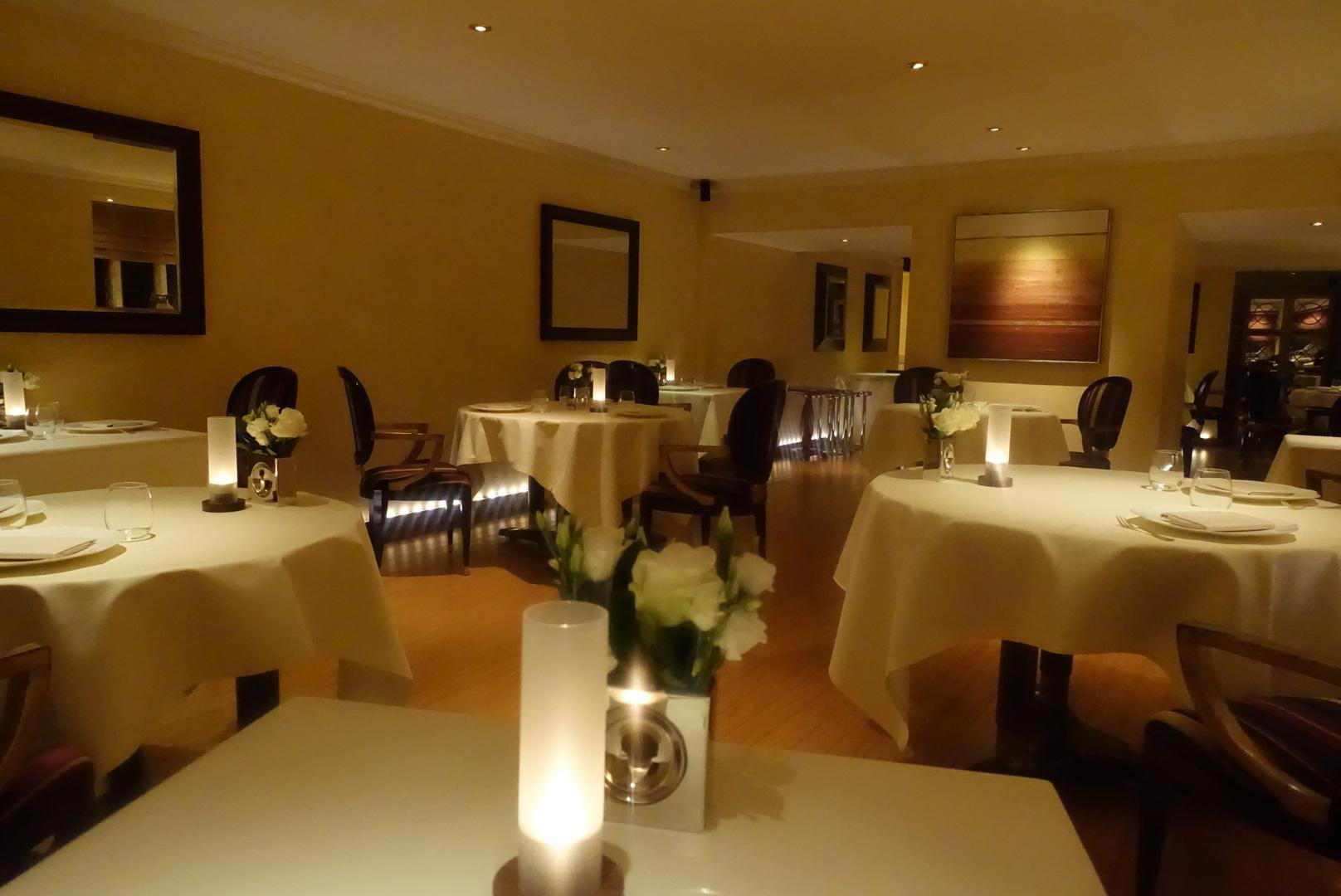
Lively ambience in a lofty space with precise wooden floors and floor-to-ceiling windows.