Koetshuis by Rhederoord
Set within the historic Rhederoord estate grounds in De Steeg, Koetshuis by Rhederoord occupies a former carriage house in the Veluwezoom landscape of Gelderland. The setting places it firmly in the Dutch tradition of countryside fine dining, where the distance from city noise is matched by proximity to the regional produce that shapes the kitchen's approach.
Pearl is the En Primeur Club membership app — saves, bookings, and concierge access live there. Same editors, same standards.
- Address
- Parkweg 19, 6994 CM De Steeg, Netherlands
- Phone
- +31264955358
- Website
- restaurant-rhederoord.nl
- Directions
- Get directions
 Saves & bookings on Pearl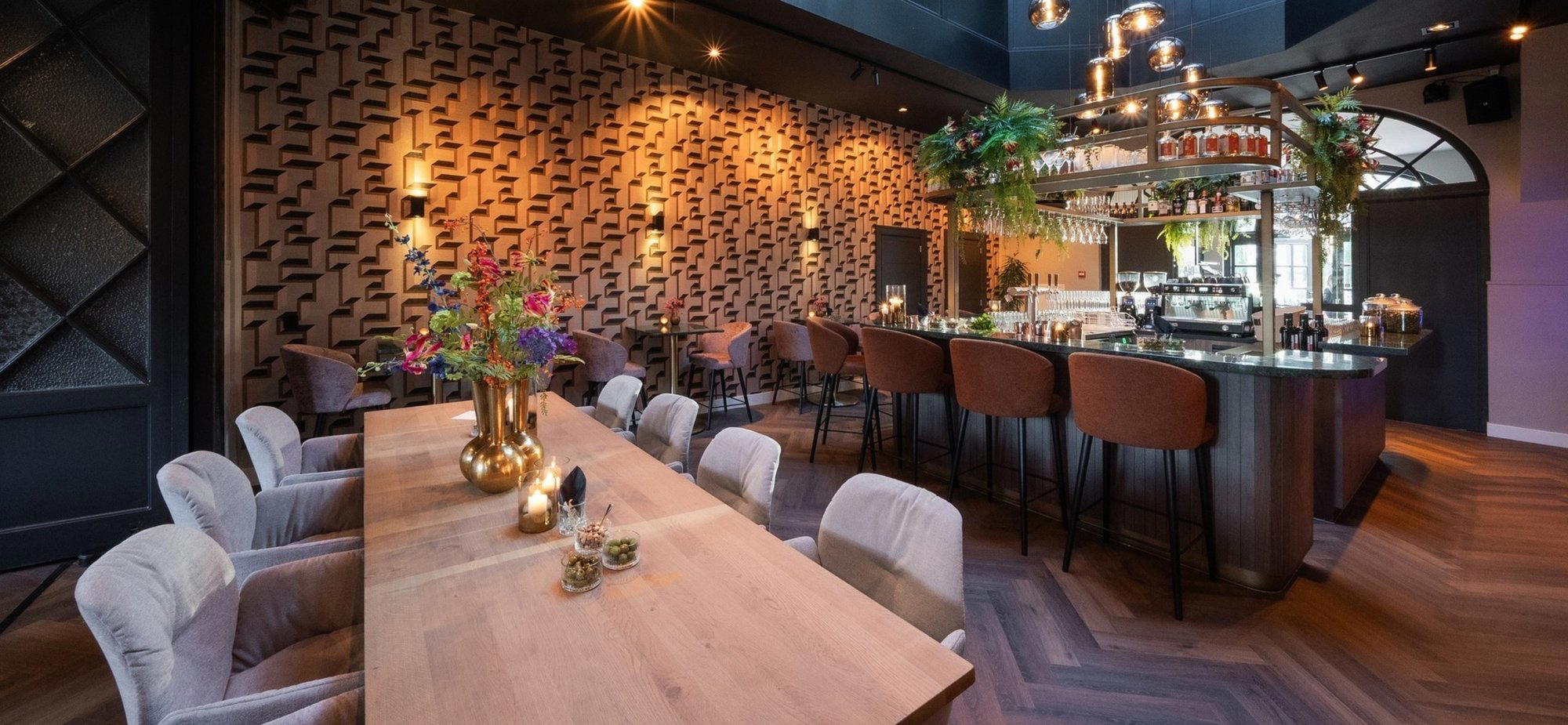
A Carriage House in the Veluwezoom
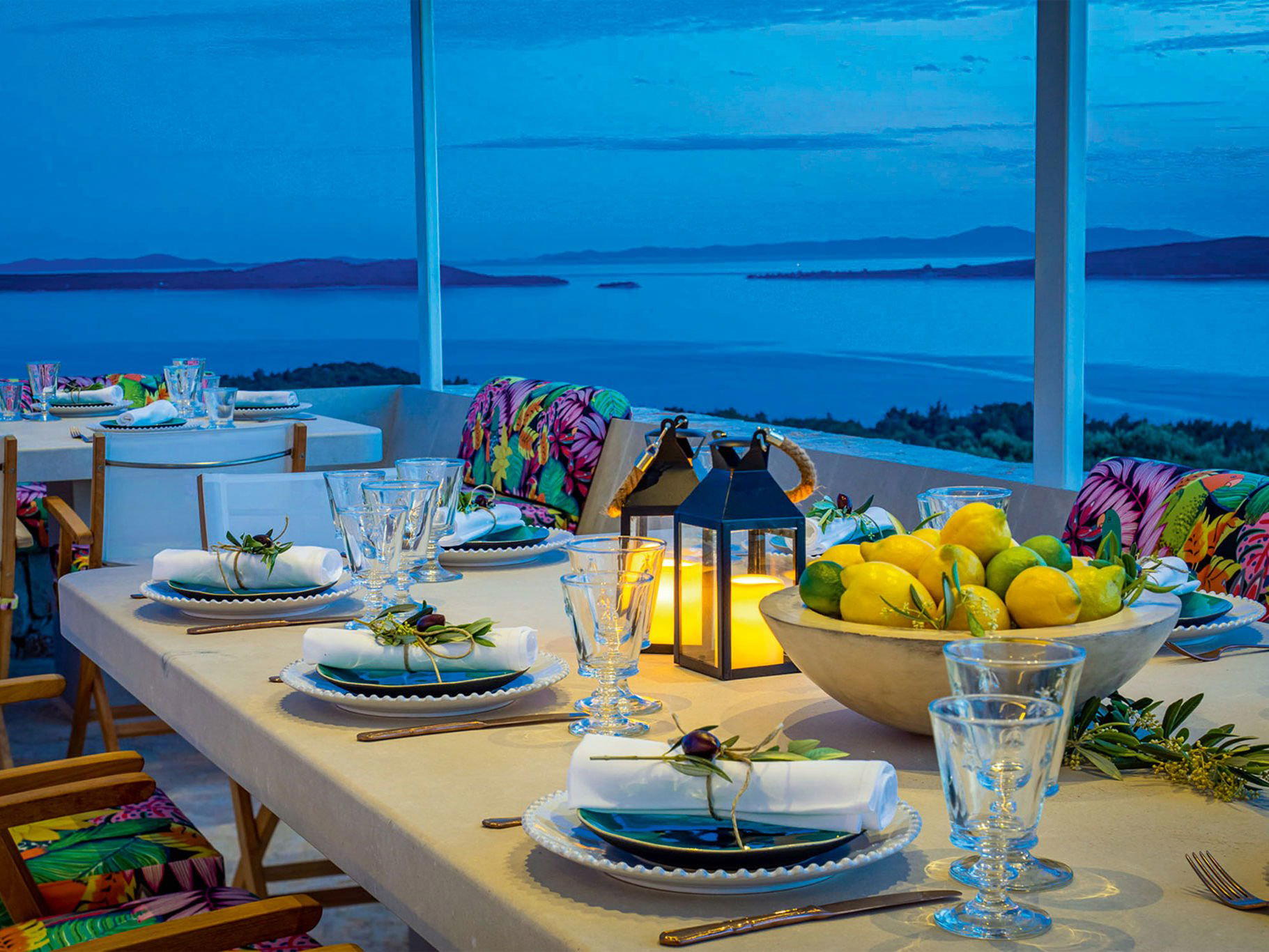
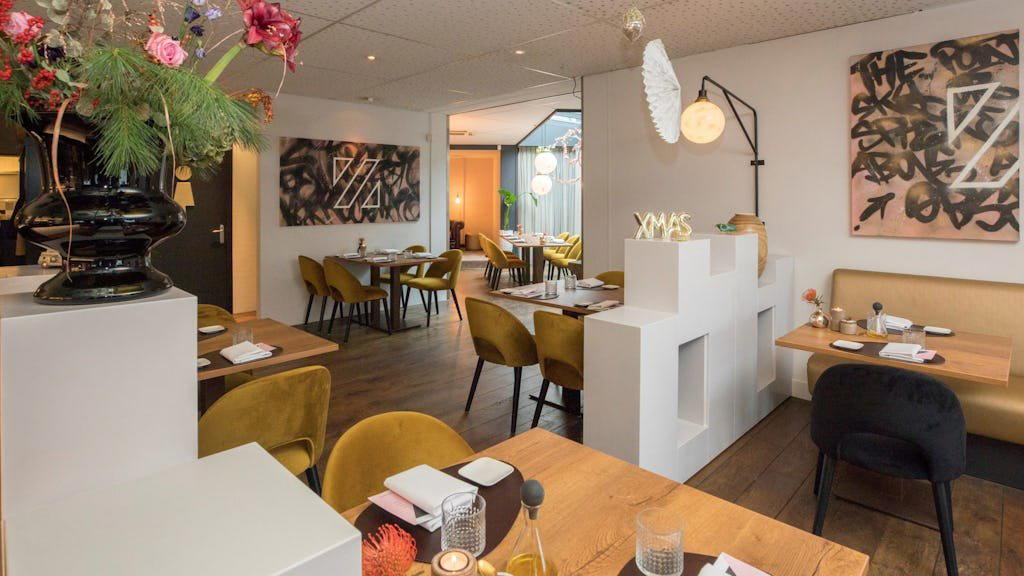
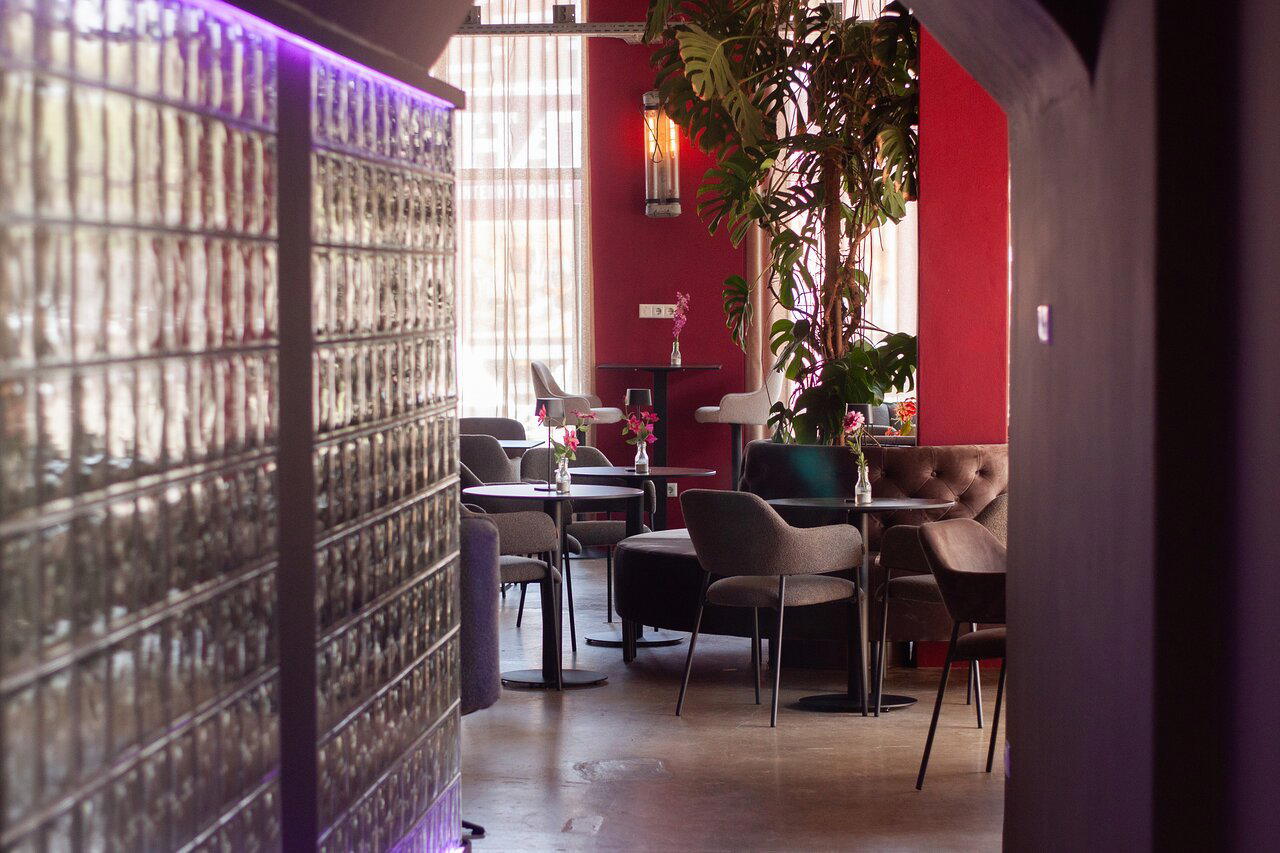
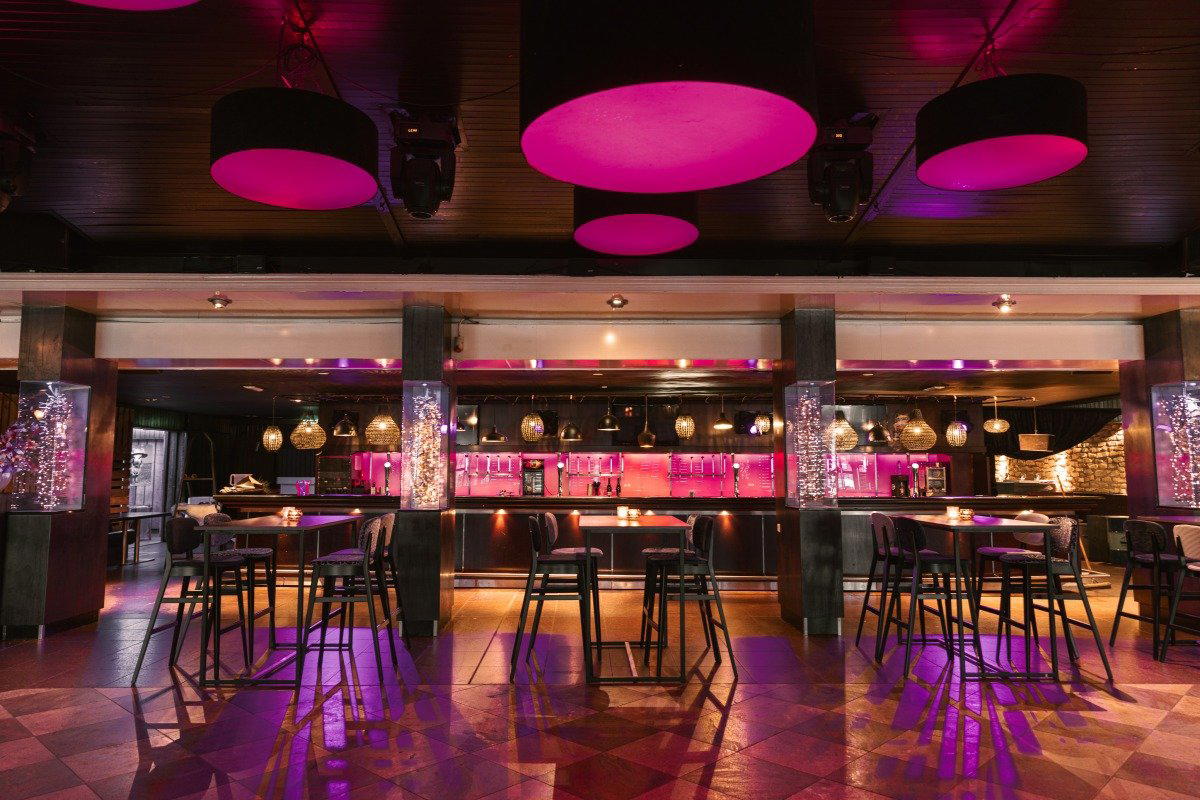
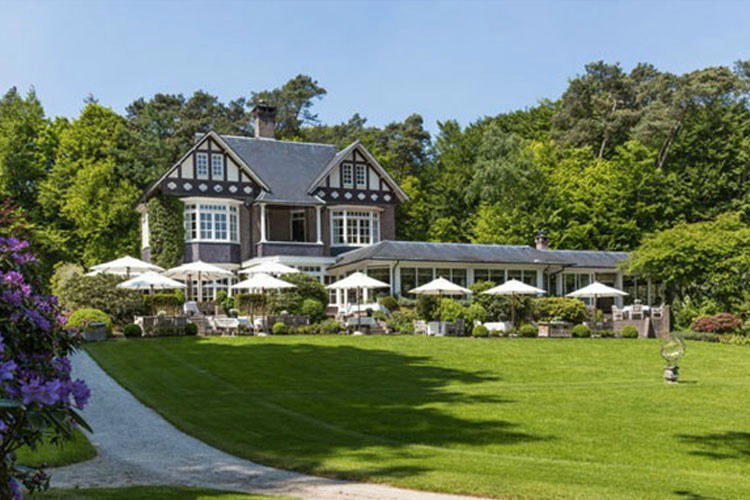
The drive into De Steeg, a small village on the western edge of the Veluwe, is its own kind of preparation. The road narrows through beech and oak, the Rhederoord estate opening behind iron gates onto grounds that feel deliberately removed from the rhythms of Arnhem, twelve kilometres to the south. Koetshuis by Rhederoord sits within this estate, housed in what the name announces plainly: a converted carriage house, the functional architecture of a nineteenth-century country property now serving as the backdrop for table service. Arriving on foot across the gravel forecourt, the building reads as domestic rather than monumental, low eaves, brick warmed by Gelderland weather, and that register carries into the interior. This is a dining room that asks you to slow down before you have ordered anything. Koetshuis by Rhederoord is a restaurant in De Steeg, Netherlands, serving French-Dutch Contemporary cuisine at about $47 per person.
The Veluwezoom corridor, running between the Rhine floodplain and the forested Veluwe ridge, has produced several of the Netherlands' most discussed country-house restaurants. The geography matters because it shapes supply chains. Producers in this part of Gelderland, dairy farmers, market gardeners, estate foresters, operate at a scale that allows direct relationships with restaurant kitchens. Where urban fine dining in the Netherlands tends to pull from national distributors, the better rural houses in this region can trace shorter, more specific lines from field to pass. Koetshuis sits within that structural possibility, and the estate setting reinforces the logic: the grounds themselves provide both context and, in some cases, supply.
Ingredient Sourcing and the Estate Kitchen Tradition
Dutch fine dining has spent the past decade sharpening its position on provenance. The pressure came partly from the rise of Nordic-influenced cooking across northern Europe, where named-farm sourcing and foraged ingredients shifted from novelty to expectation, and partly from the domestic market's own appetite for transparency. Restaurants like De Nieuwe Winkel in Nijmegen, working a certified-organic sourcing model, represent one end of this spectrum. De Librije in Zwolle and 't Nonnetje in Harderwijk represent the higher-pressure, Michelin-measured tier. Koetshuis, in a rural estate house rather than a city dining room, occupies a position where estate-sourced and regionally grounded cooking finds its most coherent physical setting.
The estate model has a long logic in European country-house cooking. When the kitchen and the grounds share an address, the menu is shaped by what is ready rather than what is convenient. Herbs cut from a walled garden, mushrooms gathered from estate woodland, livestock whose proximity to the kitchen shortens the provenance chain, these are not marketing claims but operational realities of the estate format. At Koetshuis, the Rhederoord estate provides precisely this kind of physical proximity to the landscape that feeds the kitchen. The structural conditions for it are present in a way that few urban addresses can replicate.
For context on where this places Koetshuis within the Dutch fine-dining map: properties like De Treeswijkhoeve in Waalre and De Bokkedoorns in Overveen have built similar estate-adjacent or nature-framed identities in other parts of the Netherlands. The country-house restaurant as a category trades on exactly what Koetshuis has: architectural heritage, grounds, and a sense that the menu is tied to a specific piece of land rather than a city postal code. Internationally, the model finds its most rigorous expressions in houses like Inter Scaldes in Kruiningen, where the surrounding Zeeland agricultural character shapes the cooking in documented ways.
De Steeg as a Dining Destination
De Steeg is not a village with a dining scene, it is a village with a restaurant worth planning around. That distinction matters for how you approach a visit. There is no pre-dinner bar crawl, no neighbourhood to walk through before the meal. The draw is the estate itself, and the experience is self-contained in a way that urban dining rarely manages. This makes Koetshuis a natural pairing with a longer stay in the Arnhem-Veluwezoom area, where the Hoge Veluwe National Park, the Kröller-Müller Museum, and the Rhine-IJssel cycle routes give a full two- or three-day programme serious depth.
For readers building a broader Netherlands fine-dining itinerary, the Gelderland table fits well alongside De Nieuwe Winkel in Nijmegen, twenty-five kilometres southeast, and connects logically to the Randstad via Arnhem rail links. Those comparing countryside formats against city-centre fine dining will find the contrast useful: Ciel Bleu in Amsterdam and FG in Rotterdam represent the urban pole of the same market. Brut172 in Reijmerstok and De Lindenhof in Giethoorn offer further rural-format comparisons for those assembling a full picture of Dutch fine dining outside the major cities.
Planning a Visit
De Steeg is reached most directly by car from Arnhem, with the estate accessible via Parkweg 19. Train travellers can reach Dieren station, roughly two kilometres from the estate, on the Arnhem-Zutphen line, though onward transport requires a taxi or bicycle. The estate setting means the meal is leading treated as an evening unto itself rather than a stop within a denser programme. Bookings are advisable well in advance, particularly for weekend tables, given the limited scale typical of estate dining rooms in this format. The restaurant is open daily from 12 to 10 PM, and reservations are recommended.
The contrast sharpens what the Rhederoord estate model offers, not better or worse, but different in kind. Aan de Poel in Amstelveen occupies a middle position, suburban rather than rural, but sharing the landscape-framed identity.
Side-by-Side Snapshot
Comparable venues nearby, for context on price, style, and recognition.
| Venue | Cuisine | Price | Notes |
|---|---|---|---|
| Koetshuis by RhederoordThis venue — the venue you are viewing | French-Dutch Contemporary | $$$ | Not listed |
| 'T Spieck | Modern French Bistro | $$$ | Lattrop-Breklenkamp |
| Lion Noir | Stylish French Bistro | $$$ | Gouden Bocht |
| Spencer's | Modern French Farm-to-Table | $$$ | historic centre |
| LUQS | French-Mediterranean with Local Dutch Influences | $$$ | Slenaken |
| Op de Hej | Modern French Fine Dining | $$$ | Sint Geertruid |
At a Glance
- Elegant
- Scenic
- Cozy
- Romantic
- Date Night
- Special Occasion
- Historic Building
- Garden
- Extensive Wine List
- Organic
- Local Sourcing
- Garden
Current opening hours
- Monday
- 12–10 PM
- Tuesday
- 12–10 PM
- Wednesday
- 12–10 PM
- Thursday
- 12–10 PM
- Friday
- 12–10 PM
- Saturday
- 12–10 PM
- Sunday
- 12–10 PM
Hours can change for holidays and private events. Last verified .
Lovely and stylish atmosphere praised for its sublime location and beautiful decoration, though some note it lacks passion.