Bistro Central
Our verdict
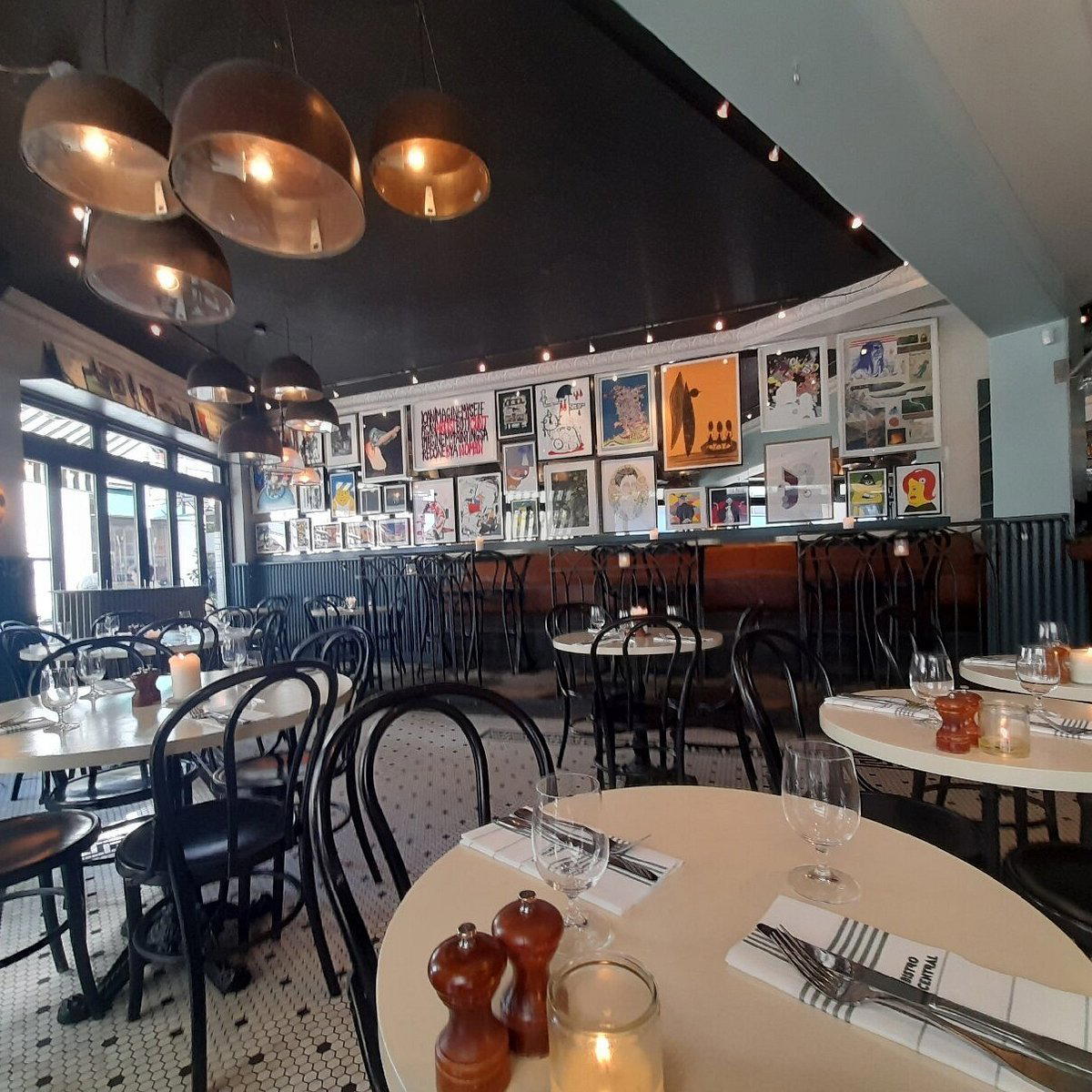
Bistro Central occupies a quiet address on Ny Østergade in Copenhagen's inner city, sitting at an interesting distance from the New Nordic fine-dining circuit that defines the city's international reputation. Where that circuit has grown increasingly theatrical and tasting-menu-dependent, the bistro format represents a quieter counter-argument, one that Copenhagen's dining scene has long needed and, depending on the era, occasionally forgotten how to do well.

Pearl is the En Primeur Club membership app, where members save venues, book tables and use the concierge.
The menu
What to order
- Burrata
- Pork Belly
- Steak Tartare
- Rib Eye Steak
A Different Register in Copenhagen's Dining Conversation
Copenhagen's restaurant identity has been shaped, for better and for some fatigue, by the tasting-menu format. The city that gave the world Noma and Geranium has spent two decades building a reputation on highly choreographed, multi-course experiences where foragers, ferments, and kitchen philosophy take centre stage. The result is a dining culture of genuine seriousness, but also one where the more relaxed, drop-in, neighbourhood-anchored bistro format has become almost conspicuous by contrast. Bistro Central, at Ny Østergade 14 in the inner city, occupies that counter-position, not by accident, but by the logic of what the address and the format together suggest.
Ny Østergade sits in the dense commercial and cultural core of Copenhagen's historic centre, close enough to Strøget's retail traffic to draw passing trade, but embedded in a street-level texture that rewards those who are actually looking for it rather than stumbling upon it. The bistro format, in this context, is less a nostalgic gesture than a practical one: a recognition that not every meal in a city of this dining calibre needs to be an event, and that the infrastructure for a good plate of food eaten without ceremony has its own place in the hierarchy.
The Bistro Form and Its Evolution in Northern Europe
The bistro as a format has gone through several reinventions in Scandinavian cities over the past decade. In the early 2010s, Copenhagen's answer to the post-Noma moment was largely a proliferation of New Nordic small-plates restaurants, casual in aesthetic, serious in sourcing, and broadly expensive for what they delivered. By the mid-2010s, a second wave of more explicitly French-influenced bistros began appearing, drawing on the Parisian zinc-bar tradition but filtering it through local produce and a Nordic instinct for restraint. The format that has settled into Copenhagen's current scene is something of a hybrid: less doctrinaire than either parent, more willing to put a good steak frites or a celeriac preparation on the same menu without needing to write an essay about it.
Where Copenhagen's fine-dining tier has moved progressively toward immersive formats, Alchemist's theatrical multi-act structure, Koan's Nordic-kaiseki synthesis, the bistro end of the market has quietly consolidated around competence rather than concept. The question the format now asks of any specific venue is not whether it has a philosophy, but whether it can execute a dinner that doesn't require a reservation made three months in advance and a budget recalibration. That is a harder thing to do consistently than it sounds, which is why the bistro format, done well, carries its own credibility signal in a city where the high-end is very high indeed.
Context Within the Copenhagen Scene
To place Bistro Central within Copenhagen's dining scene, it helps to understand its leading restaurants. Kadeau works Nordic island produce into a format that is deeply place-specific. Jordnær in Gentofte, a short distance from the city centre, operates at the three-Michelin-star level with a seafood-led menu that represents a different kind of precision. Beyond the capital, Denmark's fine-dining map extends to Frederikshøj in Aarhus, Henne Kirkeby Kro in Henne, Frederiksminde in Præstø, Ti Trin Ned in Fredericia, Dragsholm Slot Gourmet in Hørve, LYST in Vejle, Tri in Agger, Pearl by Paul Proffitt in Kruså, and Syttende in Sønderborg, a constellation that confirms Denmark has built a serious regional dining infrastructure, not merely a capital-city phenomenon.
None of those venues directly competes with what a central Copenhagen bistro does. The comparison set for a place like Bistro Central is closer to the informal but capable mid-tier restaurants that have filled in around the fine-dining anchors: venues that serve a two-course lunch or a three-course dinner without a mandatory wine pairing, where the room is accessible by time of day rather than by waiting list. In that tier, the standard against which Copenhagen judges itself is now meaningfully higher than in most European capitals, which means that even the casual register carries expectations.
What the Format Signals About Where Copenhagen Dining Is Heading
The broader shift in Copenhagen's restaurant culture, visible across the past five years, is a recalibration of ambition. The city's most ambitious kitchens have become more internationally comparative in their reference points, the kind of cross-cultural dialogue that Koan represents, or that international visitors familiar with Le Bernardin in New York City or Lazy Bear in San Francisco might recognise as part of a global fine-dining conversation. But alongside that upward ambition, there is also a return to the idea that a city's dining culture is only as strong as its everyday middle tier. The bistro, in this reading, is not a lesser option but a different and necessary one.
Bistro Central at Ny Østergade 14 sits inside that argument. The address puts it in the heart of the city rather than on a destination-dining pilgrimage route. The format signals accessibility over ceremony. Whether the kitchen consistently delivers at the level the surrounding scene demands is the operative question, and it is one that the bistro format, by design, answers meal by meal rather than through a single theatrical set-piece. For those building a Copenhagen itinerary that goes beyond the tasting-menu circuit, it represents a different kind of engagement with what the city eats. For the full picture of where to eat across the capital and beyond, the EP Club Copenhagen restaurants guide maps the scene in detail.
Planning Your Visit
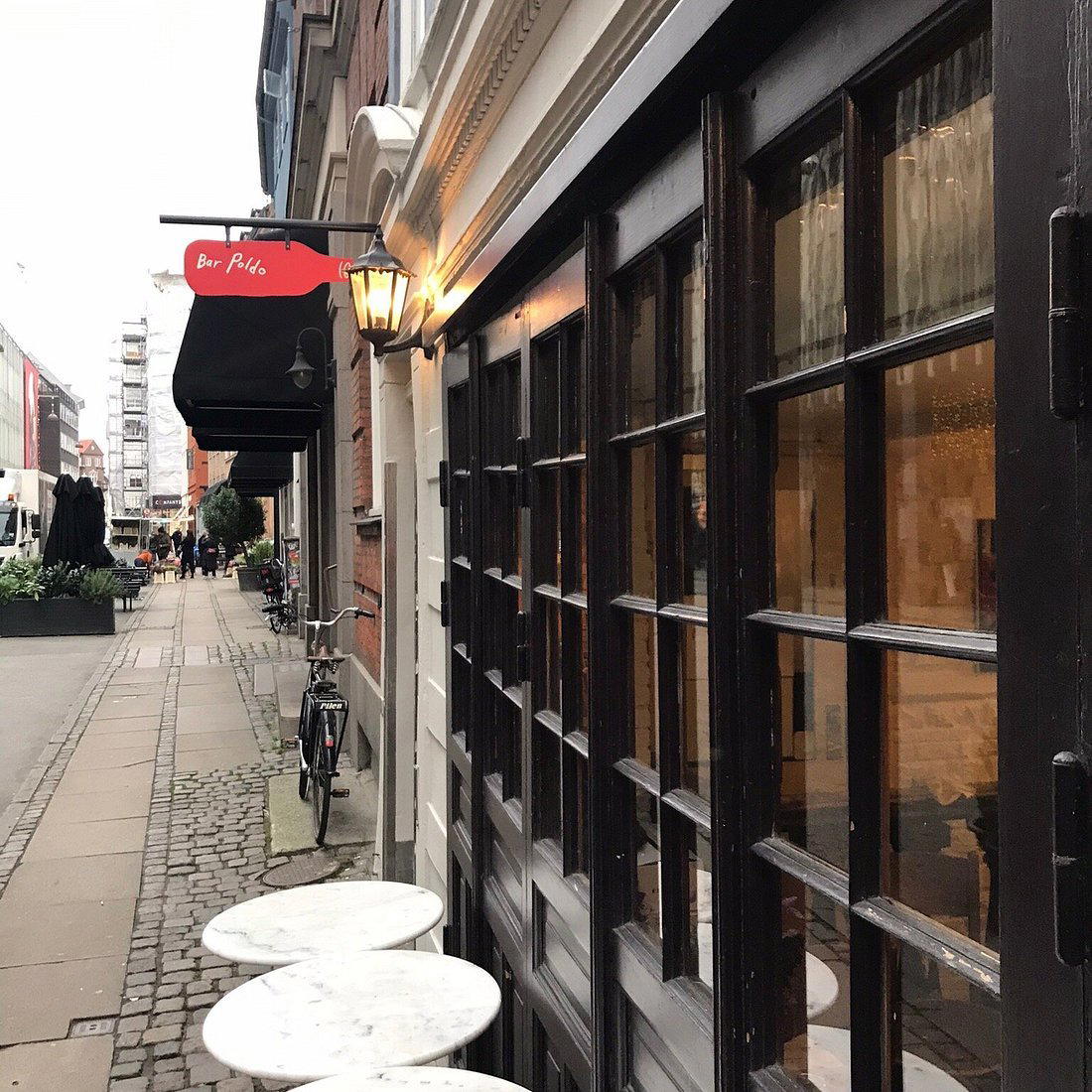
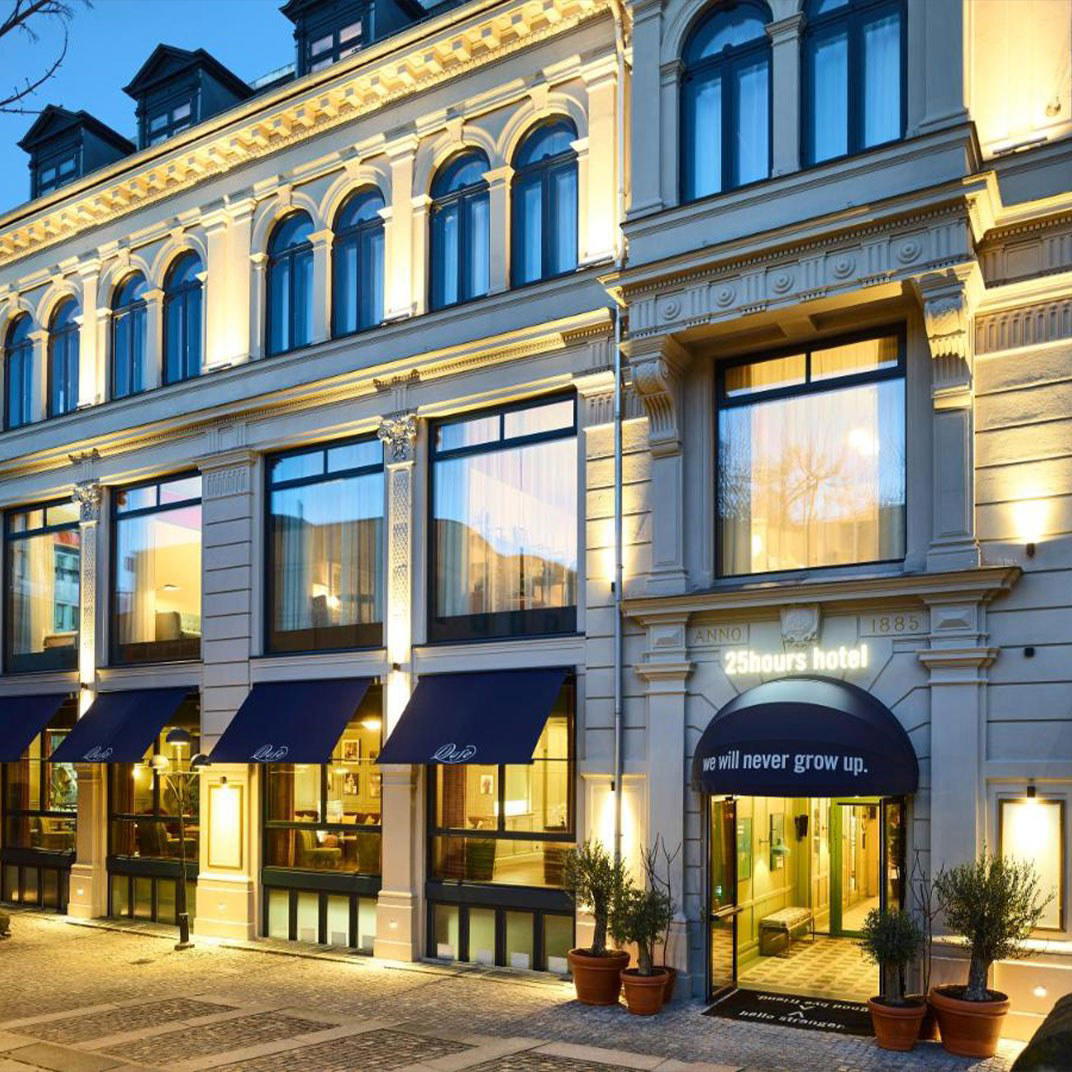
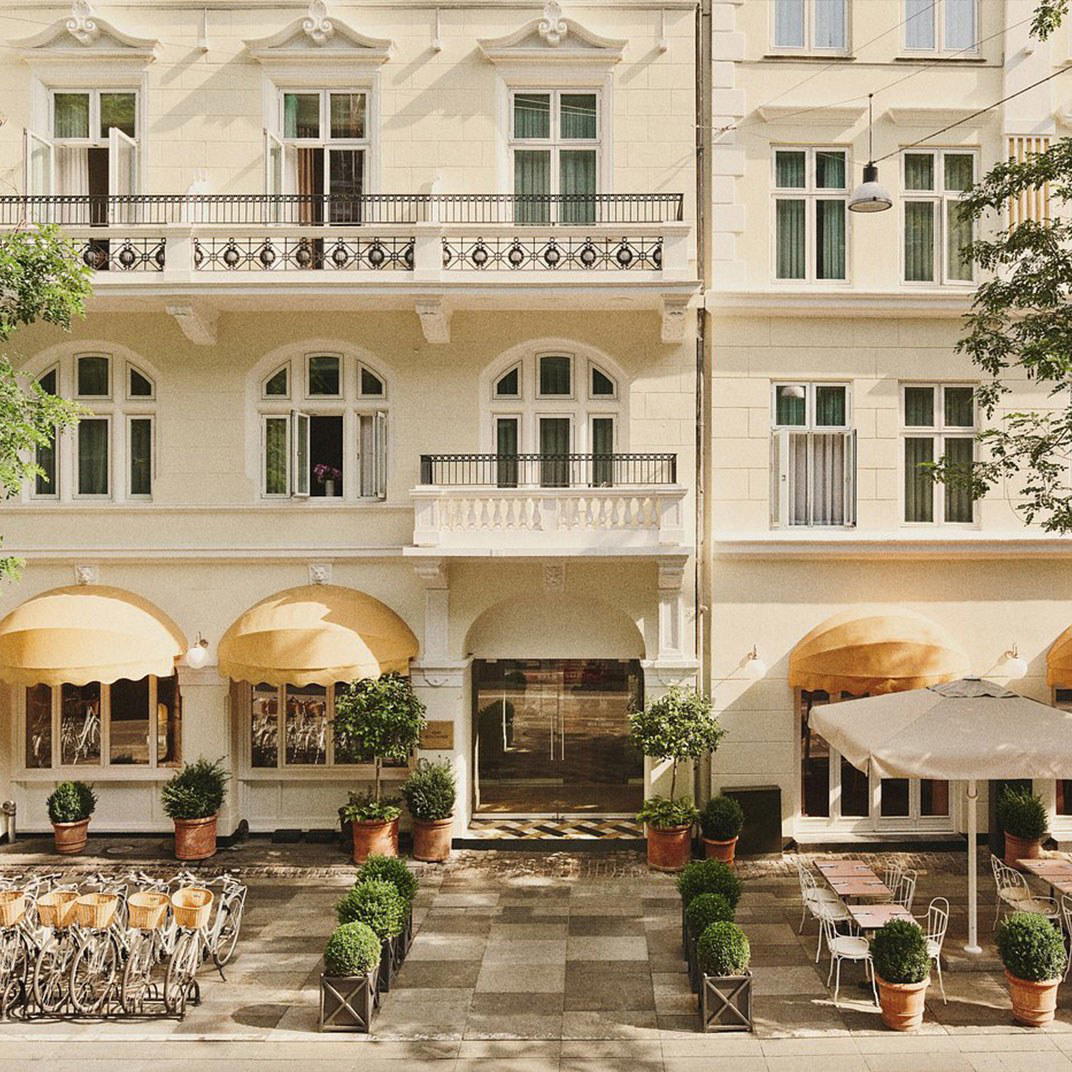
Bistro Central is located at Ny Østergade 14, 1101 København, in central Copenhagen.
Frequently asked questions
What's the ideal way to book Bistro Central?Can I bring kids to Bistro Central?How does Bistro Central fit into a broader Copenhagen dining itinerary that already includes a fine-dining reservation?
Cuisine Lens
A quick peer reference to anchor this venue in its category.
| Venue | Cuisine | Price | Awards | Notes |
|---|---|---|---|---|
| Bistro CentralThis venue (the venue you are viewing) | French Bistro with International Twists | Not listed | Not listed | Not listed |
| Geranium | Modern New Nordic Pescatarian | $500+ | 3 Michelin Stars · World's 50 Best #1 | New Nordic, Creative |
| Noma | New Nordic Fine Dining | $300–500 | 3 Michelin Stars · World's 50 Best #1 | Creative |
| Alchemist | Avant-Garde Molecular Gastronomy with Social Commentary | $500+ | 2 Michelin Stars · World's 50 Best #3 | Progressive, Creative |
| Koan | Modern Korean-Nordic Fine Dining | $300–500 | 2 Michelin Stars · World's 50 Best #57 | New Nordic, Kaiseki, Creative |
| a|o|c | Modern Scandinavian Fine Dining | $300–500 | 2 Michelin Stars · La Liste Top Restaurants | New Nordic, Mediterranean Small Plates, Creative |
Continue exploring
More in Copenhagen
Restaurants in Copenhagen
All restaurants in Copenhagen →
Bars in Copenhagen
All bars in Copenhagen →

Details
- Cozy
- Casual Hangout
- Date Night
- Local Sourcing
- Small Plates
- A La Carte
Current opening hours
- Monday
- 9 AM–12 AM
- Tuesday
- 9 AM–12 AM
- Wednesday
- 9 AM–12 AM
- Thursday
- 9 AM–1 AM
- Friday
- 9 AM–2 AM
- Saturday
- 9 AM–2 AM
- Sunday
- 10 AM–11 PM
Hours can change for holidays and private events. Hours as of .
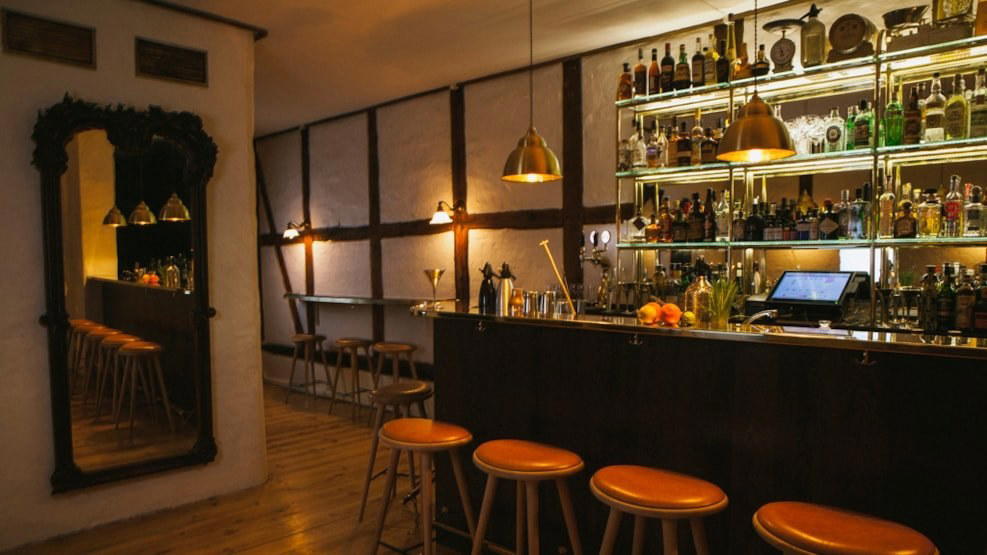
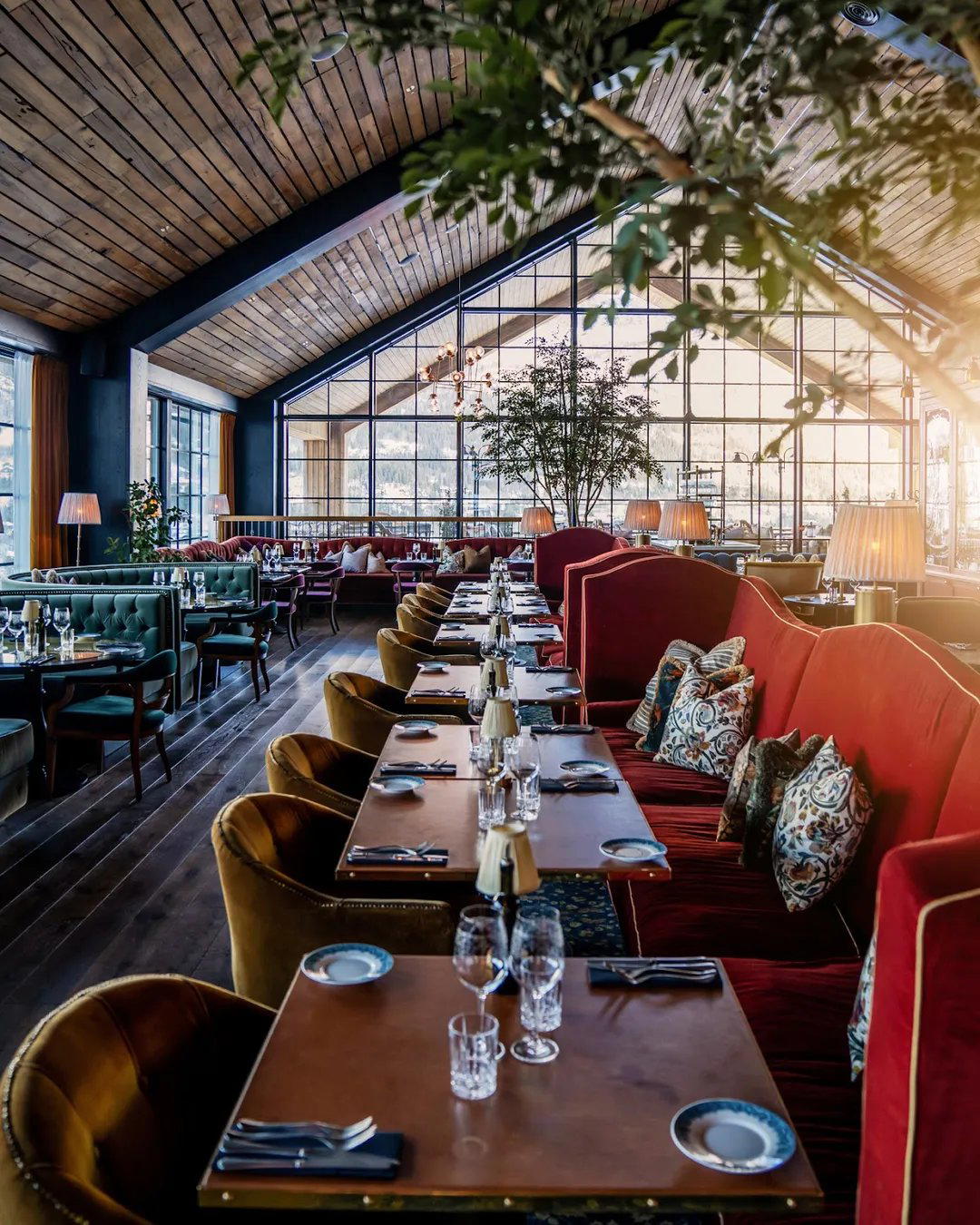
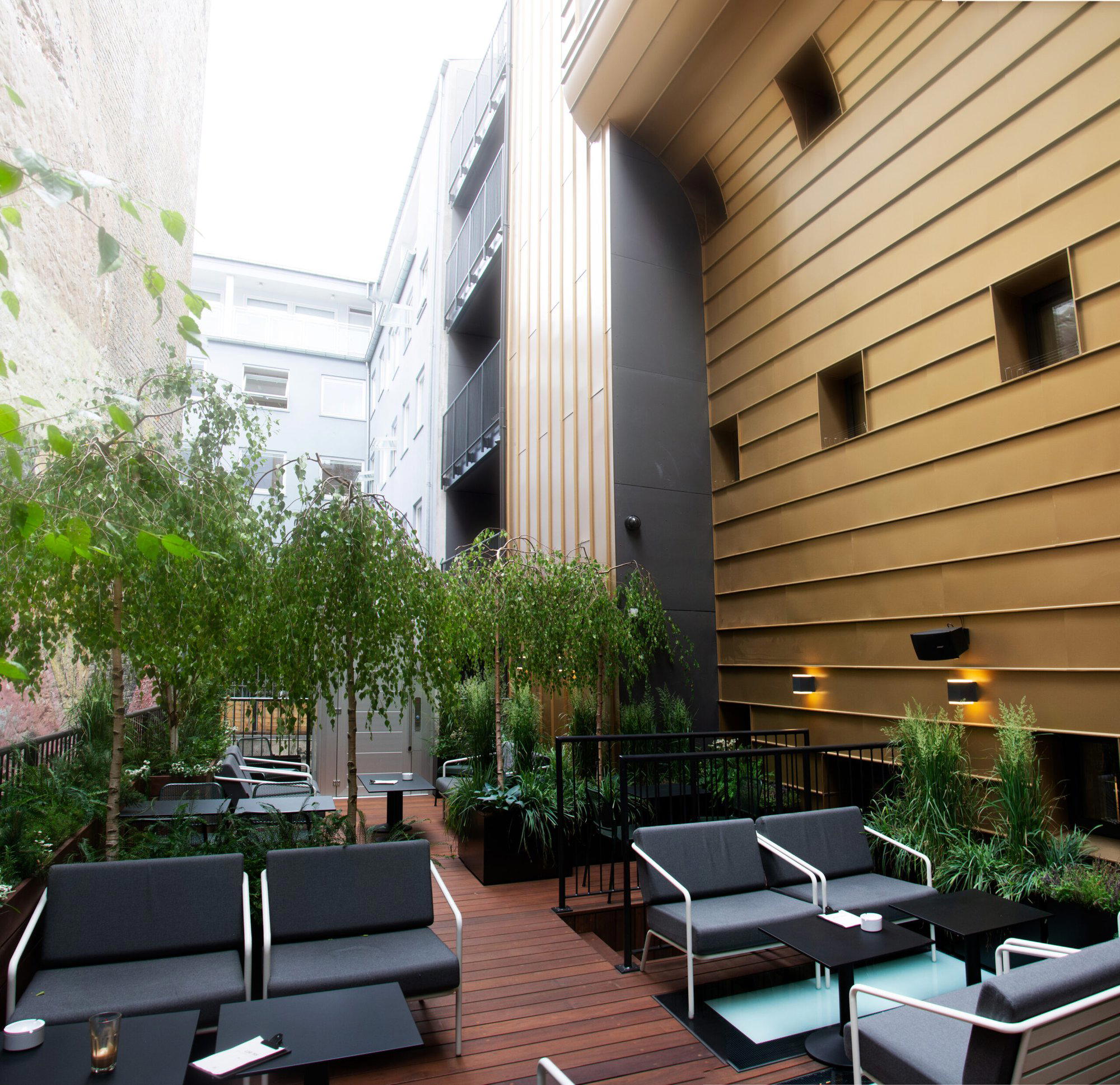
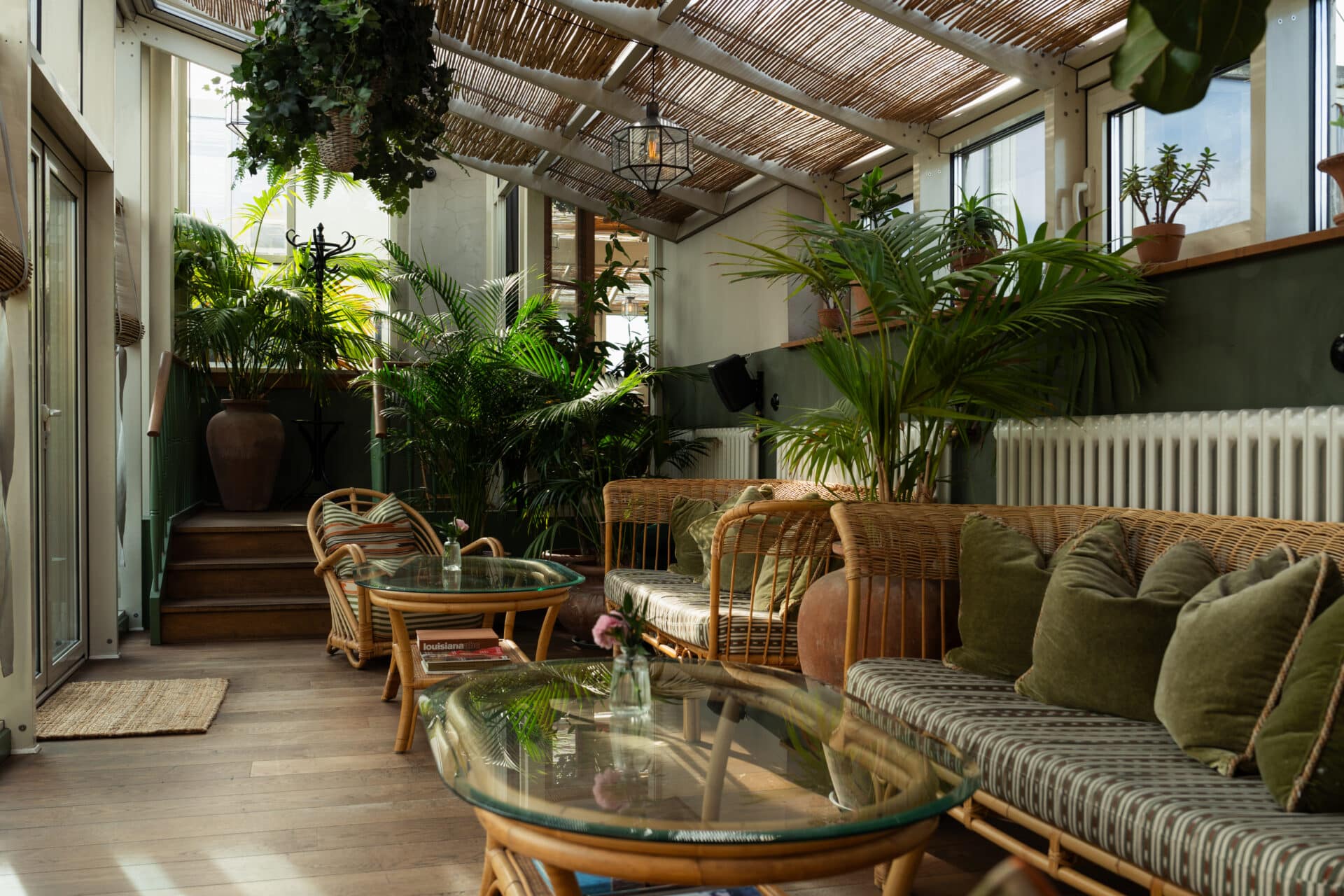
Cozy and inviting with chill vibes and a lively yet relaxed atmosphere.