Passione Emporio
Our verdict
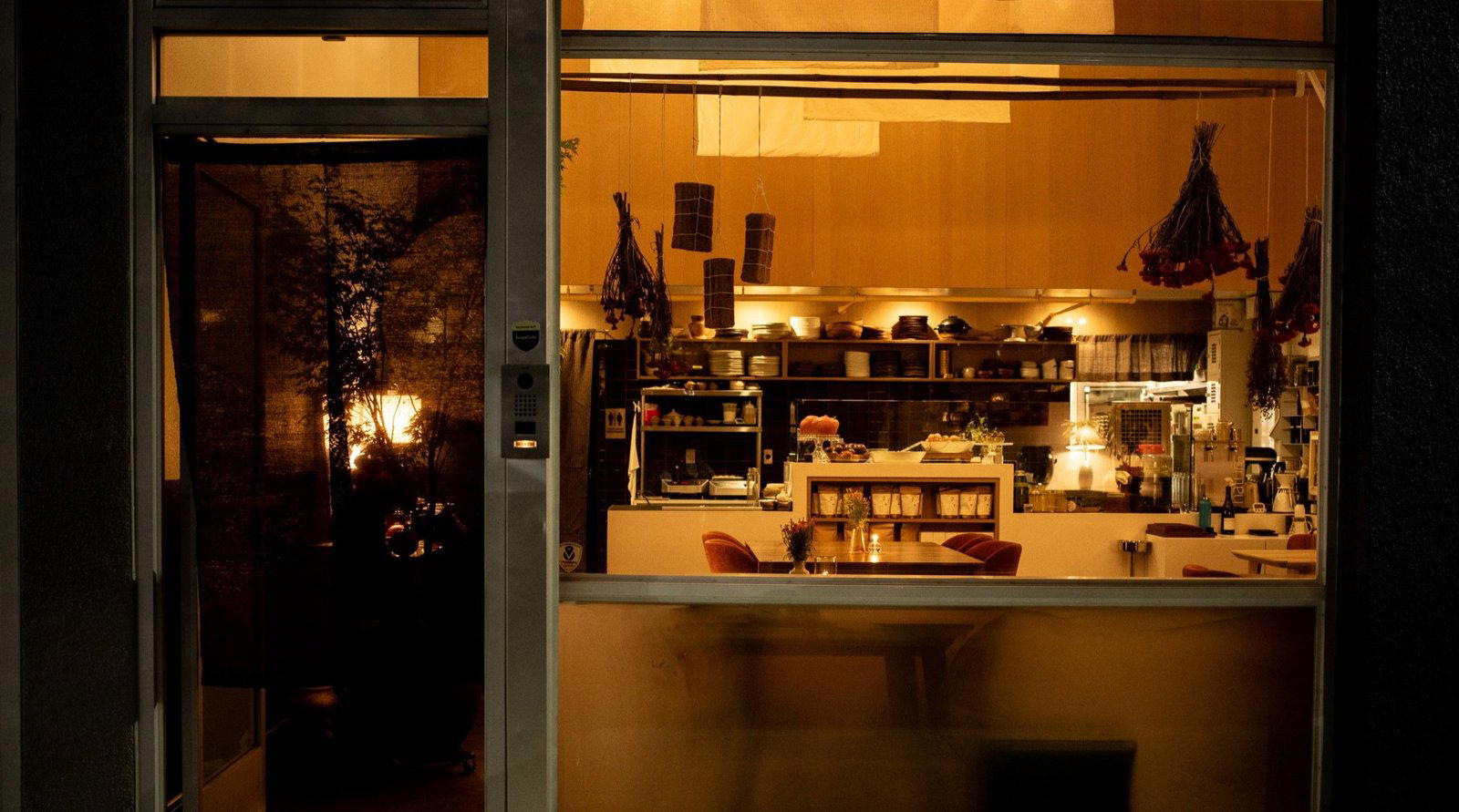
Passione Emporio occupies a Fifth Street address in Berkeley's West Berkeley district, sitting within a neighborhood that has become a proving ground for food concepts that resist easy categorization. With Italian roots signaled by its name and an emporio format that suggests a hybrid of retail and dining, it operates in a city where culinary cross-pollination is the norm rather than the exception.

Pearl is the En Primeur Club membership app — saves, bookings, and concierge access live there. Same editors, same standards.
- Address
- 2324 Fifth St a, Berkeley, CA 94710
- Phone
- (510) 612-8677
- Hours
- Daily 11 AM–9:30 PM
- Website
- passioneemporio.com
- Directions
- Get directions
- Booking
- Book on OpenTable
The menu
What to order
- Tagliatelle Ragù Bianco
- Lasagna
- Gnocchi
- Cannavaro Pizza
West Berkeley's Fifth Street and the Emporio Tradition
The stretch of Fifth Street in West Berkeley has evolved steadily from its industrial origins into a corridor where food businesses, design studios, and small manufacturers share square footage. It is the kind of block where a concept can exist without much fanfare, drawing its audience through reputation rather than foot traffic. Passione Emporio occupies this address at 2324 Fifth Street, and the name alone signals something specific about its intent: an emporio, in Italian commercial tradition, is not simply a shop or a restaurant but a curated gathering of goods, flavors, and provisions under one roof.
The emporio format has deep roots in Italian food culture. From the alimentari of Milan to the rosticcerie of Naples, Italian merchants have long operated hybrid spaces where the line between eating and buying dissolves. A customer might take an espresso at the counter, purchase a jar of preserved anchovies, and leave with a wedge of aged cheese, all in the same transaction. That model traveled with Italian immigration to the United States, where it adapted to local supply chains and neighborhood demographics, sometimes losing its original character in the process and sometimes preserving it with remarkable fidelity.
Berkeley sits at an intersection that makes it unusually hospitable to this kind of concept. The city's food culture is shaped by decades of proximity to the Acalanes and Diablo foothills farming corridor, UC Berkeley's international student and faculty population, and the long shadow of Chez Panisse, which since 1971 has trained generations of cooks in a philosophy of seasonal, producer-driven cooking. That tradition does not belong exclusively to French-Californian cuisine; it has permeated the broader dining culture here, making Berkeley's restaurants, cafes, and specialty food businesses more attentive to provenance and ingredient quality than most American cities of comparable size.
Italian Provisions in the Bay Area Context
Italian food in the Bay Area occupies a layered position. At one end sits the old-school North Beach red-sauce tradition, which has its own legitimacy and its own audience. At the other sits a newer generation of operators importing or producing pasta, salumi, and preserved goods with the same sourcing discipline applied to California produce. Berkeley has a particular concentration of the latter, partly because of its proximity to Oakland's wholesale produce markets and partly because the city's food-literate population creates demand for specificity over nostalgia.
For context on how Italian dining concepts position themselves across different tiers and cities, it is worth noting that venues like 8 1/2 Otto e Mezzo Bombana (Hong Kong) in Hong Kong represent the formal, white-tablecloth end of Italian dining at the international level, while the emporio format deliberately occupies the opposite register: accessible, provisioner-focused, built for regulars rather than occasion dining. That distinction matters when placing Passione Emporio within Berkeley's food ecosystem.
Locally, the comparison set is instructive. Agrodolce addresses Italian cuisine at the restaurant end of the spectrum. 900 Grayson operates in the neighborhood-bistro register. Ajanta and AKEMI each anchor their own culinary traditions with specificity. What the emporio format offers, by contrast, is a relationship with food that precedes the table: it is about stocking a larder, understanding a producer, and choosing an ingredient before any cooking begins.
The Cultural Argument for the Emporio Model
There is a broader argument to be made about why the emporio format resonates in 2020s American food culture. After a decade in which restaurant dining dominated the food conversation, with tasting menus at places like Alinea in Chicago, The French Laundry in Napa, or Lazy Bear in San Francisco representing the apex of dining ambition, there is a countermovement toward the everyday and the provisioned. Consumers who are willing to spend seriously at Single Thread Farm in Healdsburg or Providence in Los Angeles are also, increasingly, interested in the quality of what they cook at home. The emporio serves that second appetite.
Italian food culture has always understood this duality. The same person who books a table at a serious trattoria on Friday also visits the salumeria on Saturday morning. That behavior is not contradictory; it reflects a coherent relationship with food as both craft and daily necessity. Berkeley, with its combination of high food literacy, strong cooking culture, and tolerance for businesses that resist conventional category labels, is among the more natural American homes for a concept built on that premise.
Other American cities have found different solutions to the same problem. Blue Hill at Stone Barns in Tarrytown integrates the farm and the table into a single experience. Le Bernardin in New York City operates at the formal end of the ingredient-driven model. Emeril's in New Orleans built a different kind of relationship with regional produce culture. None of these map directly onto the emporio model, which is precisely the point: the format is Italian in origin and function, and it imports a specific commercial logic that American dining has not fully absorbed.
Neighborhood and Practical Considerations
West Berkeley's food cluster also includes Angeline's Louisiana Kitchen, which occupies a different culinary tradition entirely, and the broader district rewards visitors who treat it as a half-day destination rather than a single-stop errand. The Fifth Street address is accessible by car with street parking available on the surrounding blocks; public transit connections from downtown Berkeley are reasonable but require some planning. For those building a wider picture of Berkeley's current food scene, the full Berkeley restaurants guide covers the full range of options across neighborhoods and cuisine types.
For reference points outside California, Atomix in New York City, Addison in San Diego, and The Inn at Little Washington in Washington represent the formal end of American dining ambition, useful context for understanding where the emporio sits on the wider spectrum: it is not competing in that register, nor does it try to.
Frequently asked questions
Is Passione Emporio a family-friendly restaurant?
The emporio format — a provisions-and-prepared-foods model rather than a full sit-down dining room — tends to suit families well, since the pace is self-directed rather than tied to a multicourse service structure. Passione Emporio sits at 2324 Fifth Street in West Berkeley, a neighborhood corridor that draws a practical, mixed-age crowd rather than a strictly evening dining scene. That said, confirming current seating arrangements and hours directly with the venue is advisable before visiting with young children.
What is the atmosphere like at Passione Emporio?
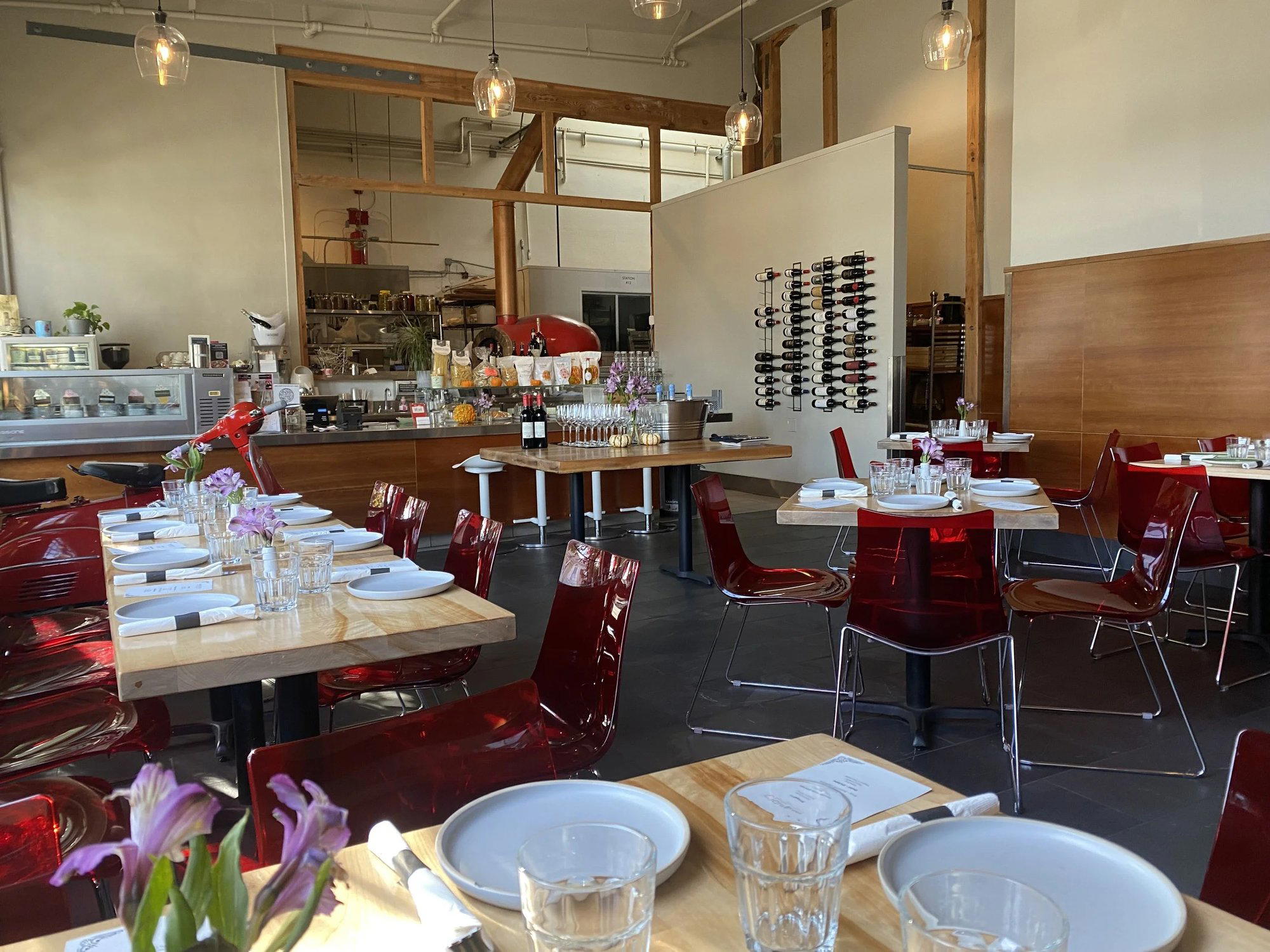
Fifth Street in West Berkeley has transitioned from industrial use into a mixed-use corridor of food businesses and design studios, and Passione Emporio fits that context — functional, neighborhood-oriented, and closer to a working Italian provisions shop than a restaurant with front-of-house theater. The emporio model, rooted in Italian tradition, prioritizes the product on the shelf and in the case over ambient dining. Expect a working-shop atmosphere rather than a lounge-style room.
How does Passione Emporio differ from a conventional Italian restaurant in the Bay Area?
Where most Bay Area Italian operations run along restaurant lines — timed reservations, plated service, wine lists — the emporio model Passione Emporio follows is structured around provisions retail and prepared foods, closer to what you'd find in a Bolognese salumeria than a North Beach trattoria. That positions it differently from the old-school red-sauce establishments in San Francisco and from the tasting-menu-driven Italian cooking that has grown elsewhere in the East Bay. The address at 2324 Fifth Street, West Berkeley, places it within a food-and-industry corridor that reinforces the working-shop identity.
What should I order at Passione Emporio?
The emporio format centers on provisions and prepared Italian goods rather than à la carte dining, so the selection is product-driven — think cured items, prepared foods, and pantry staples in the Italian tradition. Because specific menu details are best confirmed with the venue directly at 2324 Fifth Street, Berkeley, the most reliable approach is to visit and ask what has come in recently, which is how the emporio model is meant to function in the first place.
Comparison Snapshot
Comparable venues nearby, for context on price, style, and recognition.
| Venue | Cuisine | Price | Awards | Notes |
|---|---|---|---|---|
| Passione EmporioThis venue — the venue you are viewing | Authentic Handmade Italian Pasta & Pizza | $30–50 | Not listed | Not listed |
| GIOIA Pizzeria | New York-Style Pizza | $10–20 | Not listed | Northbrae |
| Rose Pizzeria | Thin-Crust California Pizza | $20–30 | 50 Top Pizza USA #50 | Downtown |
| Kirala | Traditional Japanese Sushi and Robata | $30–50 | Not listed | South Berkeley |
| Ippudo | Hakata-Style Tonkotsu Ramen | $20–30 | Not listed | Gourmet Ghetto |
| Gregoire | French Takeout Bistro | $20–30 | Not listed | Gourmet Ghetto |