Kirala
Our verdict
Kirala has held a place in Berkeley's Japanese dining conversation long enough to function as a reference point for the neighborhood's approach to the cuisine. Located on Ward Street, the restaurant draws a regular crowd that returns for its izakaya-leaning format and grilled preparations. For visitors mapping Berkeley's dining options, it sits in the mid-tier of the city's Japanese offerings, readable alongside neighbors like Ajanta and AKEMI.

Pearl is the En Primeur Club membership app — saves, bookings, and concierge access live there. Same editors, same standards.
- Address
- 2100 Ward St, Berkeley, CA 94705
- Phone
- (424) 316-2862
- Hours
- Mon ClosedTue–Wed 5–8:45 PMThu 12–2 PM, 5–8:45 PMFri 12–2 PM, 5–9:15 PMSat 5–9:15 PMSun 5–8:45 PM
- Website
- kiralaberkeley.com
- Directions
- Get directions
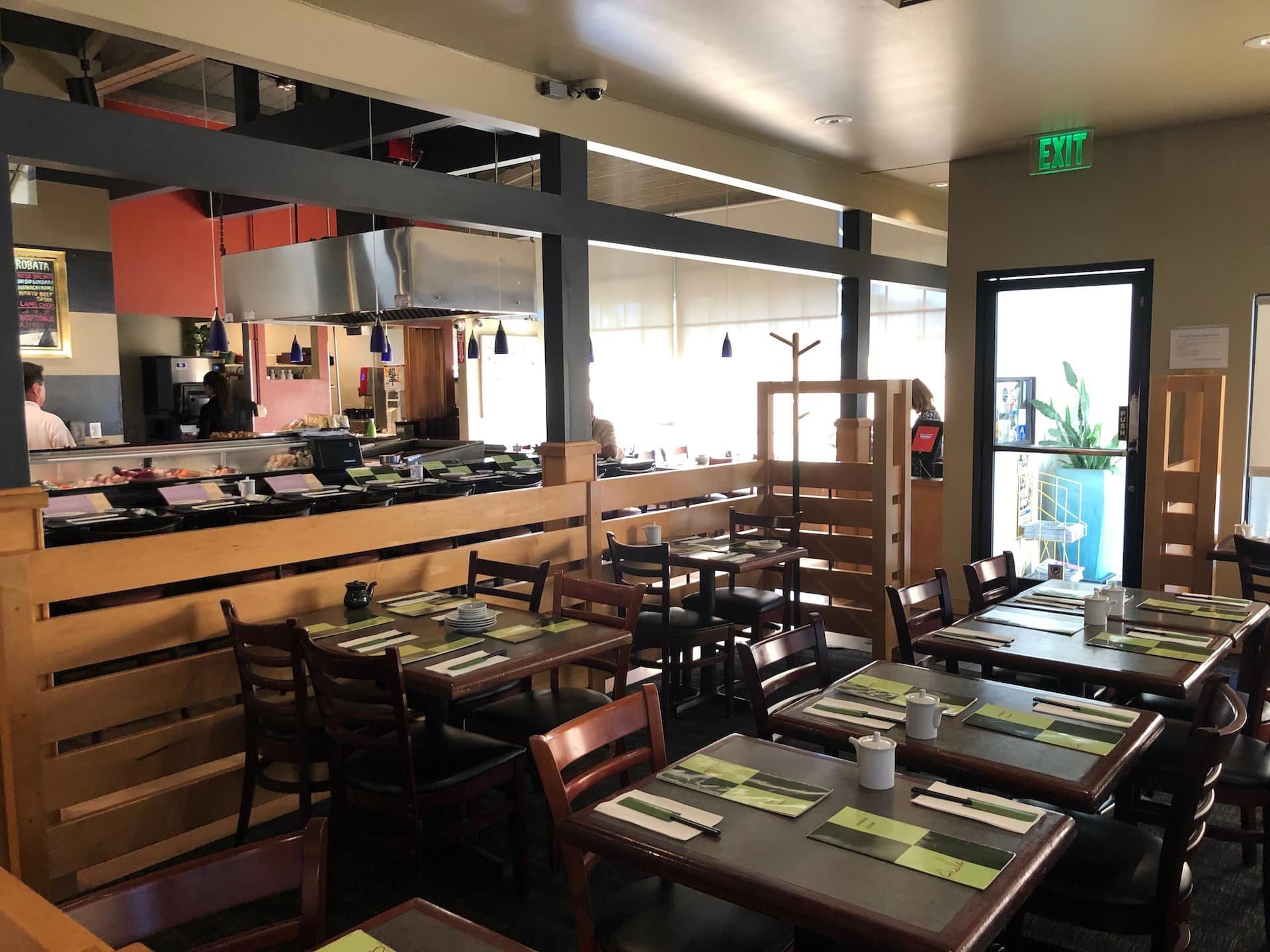
The menu
What to order
- Miso cod
- Baby lobster tails
- Spicy sardine skewers
Ward Street and the Shape of Berkeley Japanese Dining
Berkeley's approach to Japanese cuisine has never followed a single template. The city hosts everything from ramen counters and sushi bars to more considered izakaya formats where grilled skewers and small plates define the rhythm of a meal. Kirala, at 2100 Ward St in the Elmwood-adjacent pocket of south Berkeley, occupies a position in that middle register: a sit-down Japanese restaurant with enough local history to function as a neighborhood anchor rather than a destination import. The room itself sets expectations plainly. It reads as a working restaurant, not a concept space, and the crowd that fills it on a given evening reflects that — a mix of regulars from the surrounding blocks and diners who've tracked it across years of Berkeley dining.
That kind of durability carries its own editorial weight in a city where restaurants turn over quickly and dining trends arrive from San Francisco a season or two after they've peaked. Kirala's continued presence on Ward Street signals something about what Berkeley diners want from their Japanese options: consistency, a defined format, and a room that doesn't require a special occasion to justify the visit. For a broader read on how Berkeley's dining scene distributes across cuisines and price points, the full Berkeley restaurants guide maps the city's options in detail.
The Logic of the Izakaya Format
The izakaya model, in its original Tokyo form, is built around drinking and grazing: small plates arrive without a fixed sequence, conversation drives the pace, and the kitchen's leading work often comes from the grill rather than a sauce pot. American adaptations of that format have ranged from faithful to loose, and the results vary significantly by city. In Berkeley's case, the izakaya-adjacent restaurants that have lasted tend to be those that anchor their menus in grilled preparations, because that's the format that travels leading: it rewards proximity to quality protein sourcing, it doesn't require the kind of theatrical plating that ages poorly, and it gives a kitchen a clear technical identity.
The tasting arc at a restaurant like Kirala — whether the kitchen uses a formal progression or a more casual small-plates approach, follows a logic that Japanese dining has refined over decades: lighter, more delicate preparations first, richer and more intensely flavored dishes as the meal deepens, and the grill as the throughline that connects the sequence. That structure contrasts with the multi-course Western tasting format practiced at places like Lazy Bear in San Francisco or, at a different scale entirely, Alinea in Chicago, where the kitchen controls every variable of the progression. The izakaya version puts more of that sequencing in the diner's hands, which is part of its appeal.
To place Kirala accurately, it helps to read it against the restaurants that define Berkeley's current dining conversation. The city's most-discussed addresses tend to cluster around ingredient-forward Californian cooking, strong brunch programs, and a handful of international cuisines with deep local community roots. Japanese restaurants occupy a specific tier in that mix: not the high-end omakase format that defines San Francisco's Japantown counters or the kind of kaiseki precision associated with Atomix in New York City, but a grounded, accessible register that prioritizes regularity of experience over occasion dining.
Within Berkeley specifically, the relevant comparison set includes places like Ajanta (Indian, similarly neighborhood-anchored and long-established) and AKEMI (Japanese, occupying a different part of the format spectrum). Restaurants like 900 Grayson, Agrodolce, and Angeline's Louisiana Kitchen fill out a picture of a city that values cooking with a point of view and a sense of place. That's a position that takes years to build and is harder to hold than it appears.
For contrast, consider how Japanese cuisine functions at the higher end of the American dining spectrum. At Providence in Los Angeles or at multi-starred American kitchens drawing on Japanese technique, the format is formal, the price point reflects it, and the experience is occasion-specific. The neighborhood izakaya operates under an entirely different set of pressures: it needs to be good enough to justify a Tuesday, not just a birthday. The restaurants that pass that test over a decade are the ones that earn the label of institution.
A Note on the Broader California Japanese Dining Context
California's Japanese restaurant scene is layered in ways that matter for context. The state has the largest Japanese-American population in the continental US, and that community history has shaped what kind of Japanese cooking took root here, not just sushi bars, but ramen shops, izakayas, Japanese-Californian hybrids, and precision tasting formats that compete with the nation's most recognized fine-dining addresses. The French Laundry in Napa and Single Thread Farm in Healdsburg represent the apex of that fine-dining register in Northern California, though they operate in a different category entirely from a neighborhood Japanese restaurant in Berkeley. The point of that comparison is simply this: the region has a strong dining culture at every price point, and a restaurant that survives in it for years has passed real competition.
Planning a Visit
Kirala is located at 2100 Ward St, Berkeley, CA 94705, in the southern part of the city within reach of the Elmwood neighborhood's retail strip. Given the restaurant's standing as a local fixture, weeknight visits are generally more relaxed than weekends, when demand from neighborhood regulars and East Bay visitors tends to compress. Booking in advance for weekend tables is advisable. For diners coming from San Francisco, Berkeley is accessible via BART to the Ashby or Rockridge stations, with the Ward Street location roughly equidistant from both.
Frequently asked questions
Where is Kirala in Berkeley?
Kirala is located at 2100 Ward St, Berkeley, CA 94705, Berkeley.
How does Kirala compare to other Japanese restaurants in the Berkeley and East Bay dining scene?
Berkeley's Japanese dining options span a wide register, from counter-service ramen to more formal sushi bars, but izakaya-format restaurants occupying a sit-down, full-service position in the southern part of the city are a smaller subset. Kirala's location at 2100 Ward St places it within reach of the Elmwood neighborhood's established retail and dining corridor, giving it a consistent local audience that many newer East Bay openings are still building.
What dish is Kirala famous for?
Kirala operates within the izakaya tradition, which means the menu is structured around a range of small plates rather than a single signature dish. The format, rooted in Japanese drinking-and-grazing culture, typically spans grilled items, cold preparations, and snacks designed to share across the table. Specific current menu items are best confirmed directly with the restaurant at 2100 Ward St, Berkeley.
Should I book Kirala in advance?
Berkeley's most-discussed Japanese restaurants at this address tier tend to fill on weekday evenings and run at capacity on weekends, so reservations ahead of your visit are a practical precaution. Kirala sits near the Elmwood neighborhood, an area with consistent foot traffic and a dining public that plans ahead. check the venue's official channels at 2100 Ward St, Berkeley, CA 94705 to confirm current booking options.
What has Kirala built its reputation on?
Kirala has developed its standing in Berkeley's Japanese dining conversation through the izakaya format: an approach that prioritizes communal, order-as-you-go grazing over fixed tasting sequences. In a city that hosts everything from sushi counters to ramen bars, that consistent commitment to the izakaya model as a primary format distinguishes Kirala's position on Ward Street.
Is Kirala allergy-friendly?
Japanese izakaya menus frequently include soy, wheat (in sauces and marinades), shellfish, and fish in forms that are not always immediately visible on a menu description.
Awards and Standing
Comparable venues nearby, for context on price, style, and recognition.
| Venue | Cuisine | Price | Notes |
|---|---|---|---|
| KiralaThis venue — the venue you are viewing | Traditional Japanese Sushi and Robata | $30–50 | Not listed |
| Hana Japan Steak and Seafood | Japanese Teppanyaki Hibachi Steakhouse | $30–50 | Marina |
| Ramen House Ryowa | Japanese Ramen | Not listed | Downtown Berkeley |
| Tuk Tuk Thai Cafe | Thai Noodles & Curries | Not listed | Downtown |
| Casa Bernal Taqueria | Mexican Taqueria | Not listed | Downtown Berkeley |
| Teance Fine Teas | Specialty Asian Teahouse | $10–20 | Berkeley |
Continue exploring
More in Berkeley
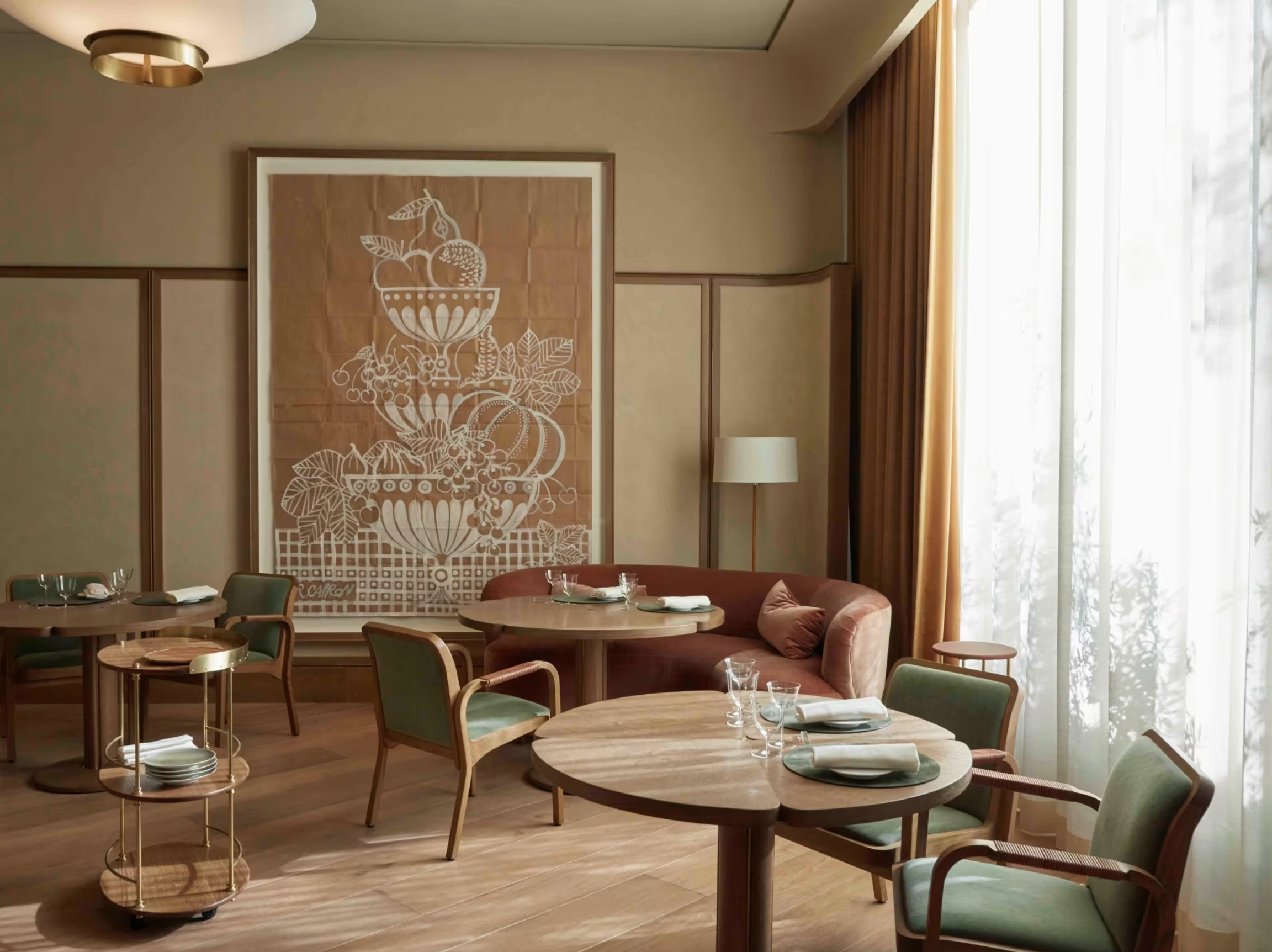
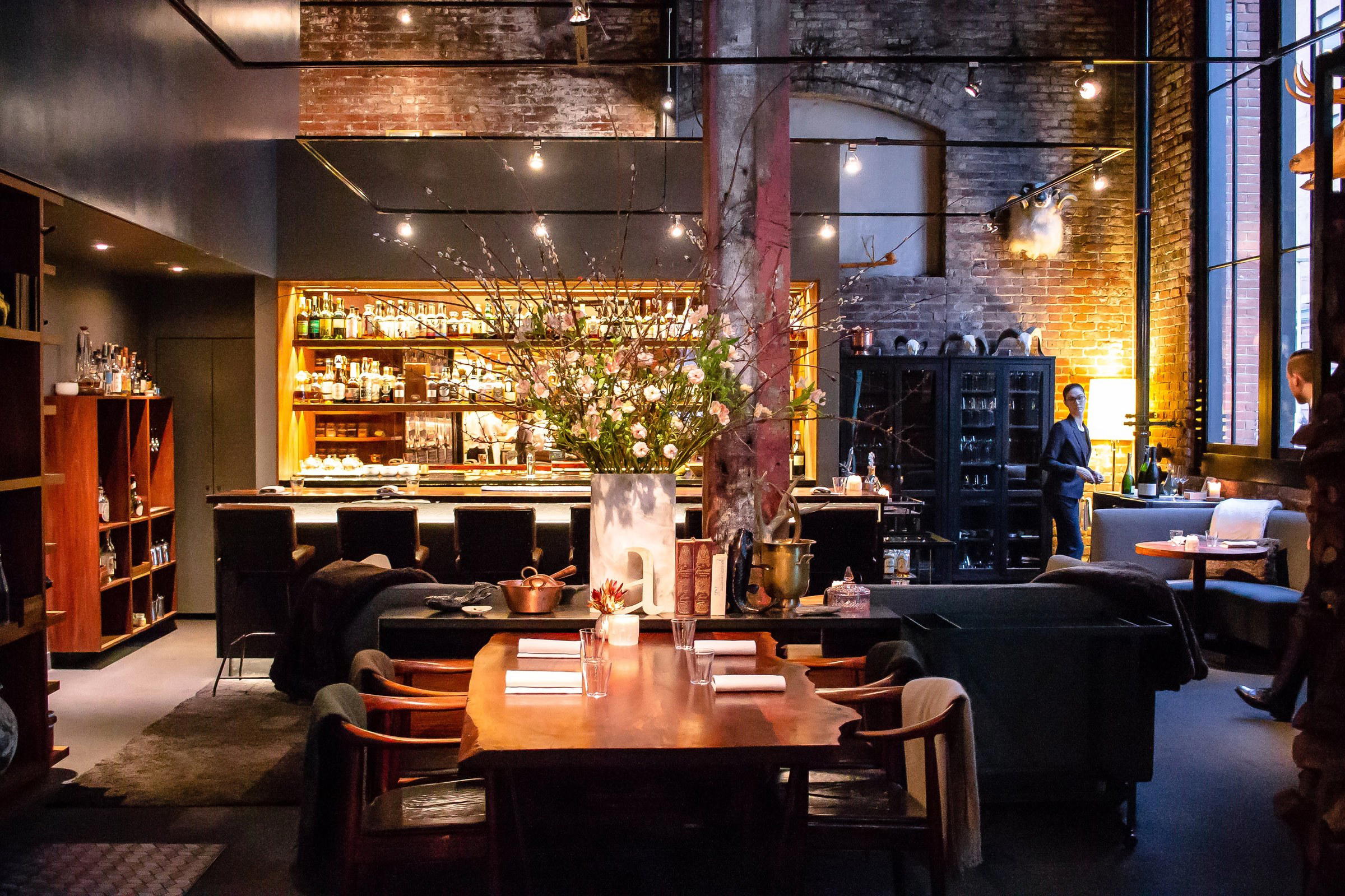
Restaurants in Berkeley
Browse all →
Bars in Berkeley
Browse all →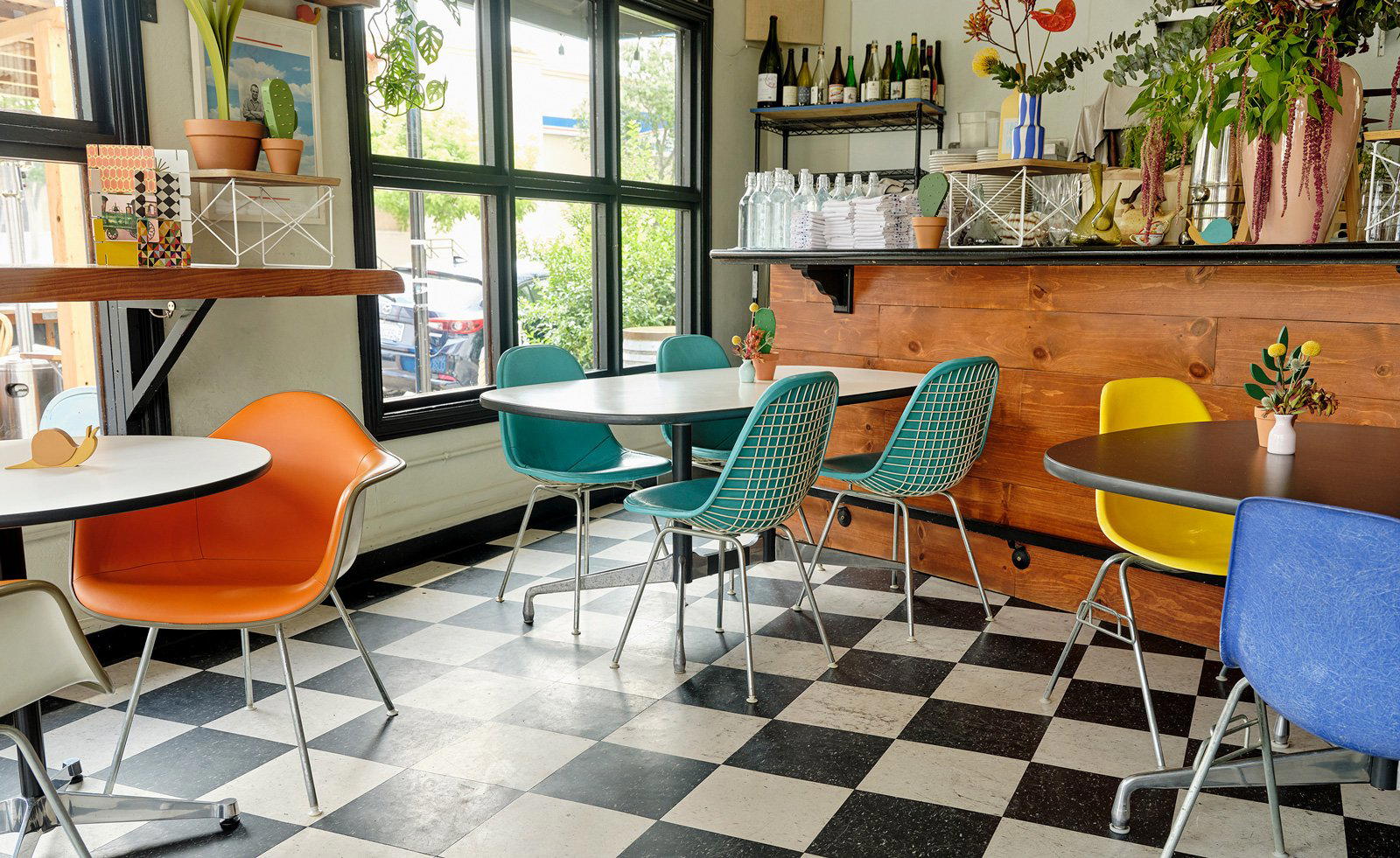
Hotels in Berkeley
Browse all →

Details
- Cozy
- Elegant
- Intimate
- Date Night
- Family
- Open Kitchen
- Sake Program
- A La Carte
- Vegetarian Friendly
- Vegan Options
- Gluten Free Options
Current opening hours
- Monday
- Closed
- Tuesday
- 5–8:45 PM
- Wednesday
- 5–8:45 PM
- Thursday
- 12–2 PM, 5–8:45 PM
- Friday
- 12–2 PM, 5–9:15 PM
- Saturday
- 5–9:15 PM
- Sunday
- 5–8:45 PM
Hours can change for holidays and private events. Last verified .