Parkhotel de Wiemsel
Parkhotel de Wiemsel occupies a quietly serious position in Ootmarsum, the small Twente village that has produced a concentration of fine dining tables disproportionate to its size. Set on the edge of a pastoral landscape shaped by centuries of agricultural tradition, the hotel and its kitchen operate at the intersection of regional ingredient culture and contemporary Dutch cooking ambition. For the eastern Netherlands, it is a meaningful address.
Pearl is the En Primeur Club membership app — saves, bookings, and concierge access live there. Same editors, same standards.
- Address
- Winhofflaan 2, 7631 HX Ootmarsum, Netherlands
- Phone
- +31541791010
- Website
- hoteldewiemsel.nl
- Directions
- Get directions
 Saves & bookings on Pearl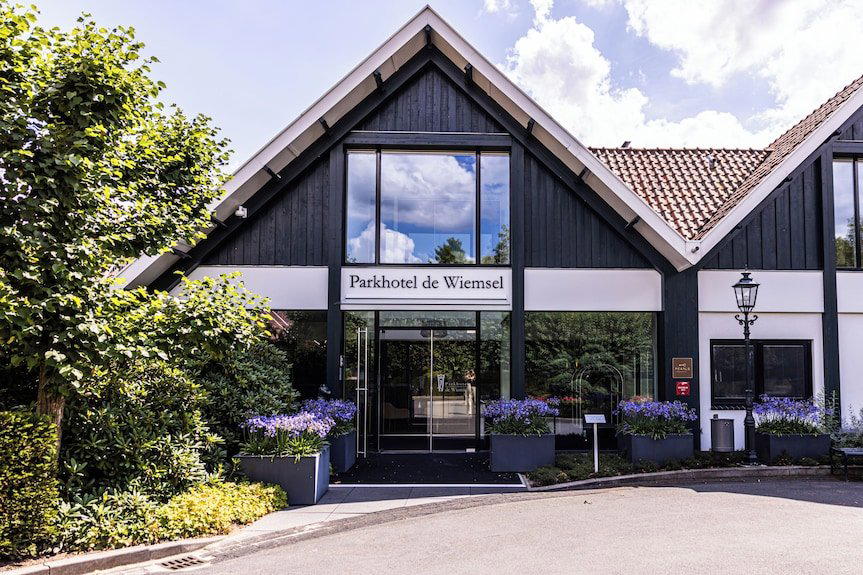
Where Twente's Ingredient Culture Meets the Dining Room
Ootmarsum is the kind of Dutch village that earns its reputation quietly. With a historic centre of half-timbered houses, rolling farmland, and a long-established connection to craft and agriculture, it sits in the Twente region of Overijssel, close to the German border, roughly equidistant from Enschede and Almelo. What distinguishes it among comparable market towns in the eastern Netherlands is the density of serious kitchen work concentrated within its boundaries.
The approach to the property along Winhofflaan sets the register immediately. The surrounding countryside in this part of Overijssel is defined by meadows, small woodlands, and a working agricultural texture that has not been entirely smoothed out by modernisation. That physical context is not incidental to the kitchen's identity. Across the Netherlands, particularly credible fine-dining tables in non-urban settings have consistently built their sourcing logic around proximity, and the eastern provinces offer raw material that urban kitchens in Amsterdam or Rotterdam often source from further afield: dairy from Twente farms, freshwater fish from regional waterways, game from surrounding estate land, and seasonal produce from the sandy-soil agriculture characteristic of this part of the country.
The Sourcing Logic of the Eastern Netherlands
Understanding what Parkhotel de Wiemsel represents requires understanding the ingredient geography of Twente and the broader Overijssel region. Dutch fine dining underwent a significant shift over the past two decades, moving away from Franco-classical frameworks toward kitchens that treat regional provenance as a primary creative constraint rather than a marketing footnote. The properties that have held sustained recognition in this tier, De Librije in Zwolle to the west, and destination tables such as Inter Scaldes in Kruiningen or De Bokkedoorns in Overveen in other Dutch regions, have each built sourcing identities that reflect their immediate geography.
In Twente specifically, that geography favours a particular kind of restraint. The region's culinary identity is rooted in modest, agricultural-era preparations: buckwheat pancakes, smoked meats, and dairy-rich dishes that reflect the landscape's productive but unpretentious character. A hotel kitchen operating in this context faces an interesting creative tension: how much to honour that vernacular tradition, and how much to transpose it into a contemporary tasting format. The leading rural Dutch hotel-restaurants have found ways to hold both impulses simultaneously, and the question with any serious Twente table is where it sits on that spectrum.
For comparable approaches to ingredient-first rural dining in the Netherlands, De Groene Lantaarn in Staphorst and De Lindenhof in Giethoorn offer useful reference points, both operate in small Overijssel and Drenthe communities where the surrounding countryside shapes the sourcing calendar. In Ootmarsum itself, de Wanne represents the immediate local comparable set, operating at the €€€ tier with a modern cuisine focus.
Ootmarsum's Position in the Dutch Fine Dining Map
The concentration of serious restaurant ambition in a village of Ootmarsum's scale is not an accident of geography. Small Dutch towns with strong regional identities and proximity to agricultural supply chains have repeatedly produced kitchen talent and hospitality projects that punch above their demographic weight. The pattern holds across the country: De Lindehof in Nuenen, De Treeswijkhoeve in Waalre, Brut172 in Reijmerstok, and Tribeca in Heeze all demonstrate that rural location in the Netherlands functions as a sourcing asset rather than a liability for kitchens operating at this level.
Within that pattern, hotel-restaurants occupy a specific niche. The kitchen serves guests who have committed to staying, which creates conditions for longer menus, more involved preparations, and a dining pace that destination restaurants in urban settings struggle to replicate. The hotel context also means the kitchen's identity is tied to the property's broader offer: room quality, spa facilities, grounds, and the general character of an overnight stay all inform how a meal is framed. At Parkhotel de Wiemsel, the address on the edge of village farmland positions the property in the tradition of Dutch country-house hospitality, a category with its own set of expectations around seasonal menus and agricultural connection.
For readers who want a comparative sense of how ambitious Dutch kitchen work operates across different price tiers and urban contexts, Ciel Bleu in Amsterdam, FG - François Geurds in Rotterdam, De Nieuwe Winkel in Nijmegen, and 't Nonnetje in Harderwijk each map a different point on the country's fine dining spectrum. At the international end of the comparison set, counters such as Le Bernardin in New York City and Atomix in New York City illustrate how ingredient sourcing and cultural provenance function as primary creative frameworks at the highest levels, a logic that filters down into serious provincial kitchens throughout Europe. Aan de Poel in Amstelveen offers a useful Dutch parallel: a fine dining table operating just outside a major city, where the kitchen's relationship to its suburban-edge setting shapes both sourcing and tone.
Planning a Visit
Ootmarsum is accessible by car from Enschede in approximately 25 minutes and from Almelo in a comparable timeframe; public transport to the village is limited, making a private vehicle the practical choice for most visitors. The village's compact historic centre and the hotel's position on its edge mean that arrival at Winhofflaan 2 requires no particular navigation complexity for drivers approaching from either direction. Given the hotel's role as both an accommodation and dining destination, a two-night stay is the format that allows the kitchen's full range to register: one evening for the restaurant, one for exploring the village and surrounding Twente countryside on foot or by bicycle, which is the standard mode of rural exploration in this part of Overijssel.
Side-by-Side Snapshot
Comparable venues nearby, for context on price, style, and recognition.
| Venue | Cuisine | Price | Awards | Notes |
|---|---|---|---|---|
| Parkhotel de WiemselThis venue — the venue you are viewing | French-Inspired Fine Dining | $$$ | Not listed | Not listed |
| de Wanne | Modern European Fine Dining | $$$ | Michelin Plate | Ootmarsum |
| Kruidt | Modern French Fine Dining | $$$ | Not listed | centrum |
| TITUS | French-Dutch Fusion | $$$ | Not listed | Megen |
| Koetshuis by Rhederoord | French-Dutch Contemporary | $$$ | Not listed | De Steeg |
| Restaurant First | French Fine Dining with Dutch and Seafood | $$$ | Not listed | Zeist |
Continue exploring
More in Ootmarsum
At a Glance
- Cozy
- Elegant
- Scenic
- Special Occasion
- Date Night
- Hotel Restaurant
- Garden
- Local Sourcing
- Garden
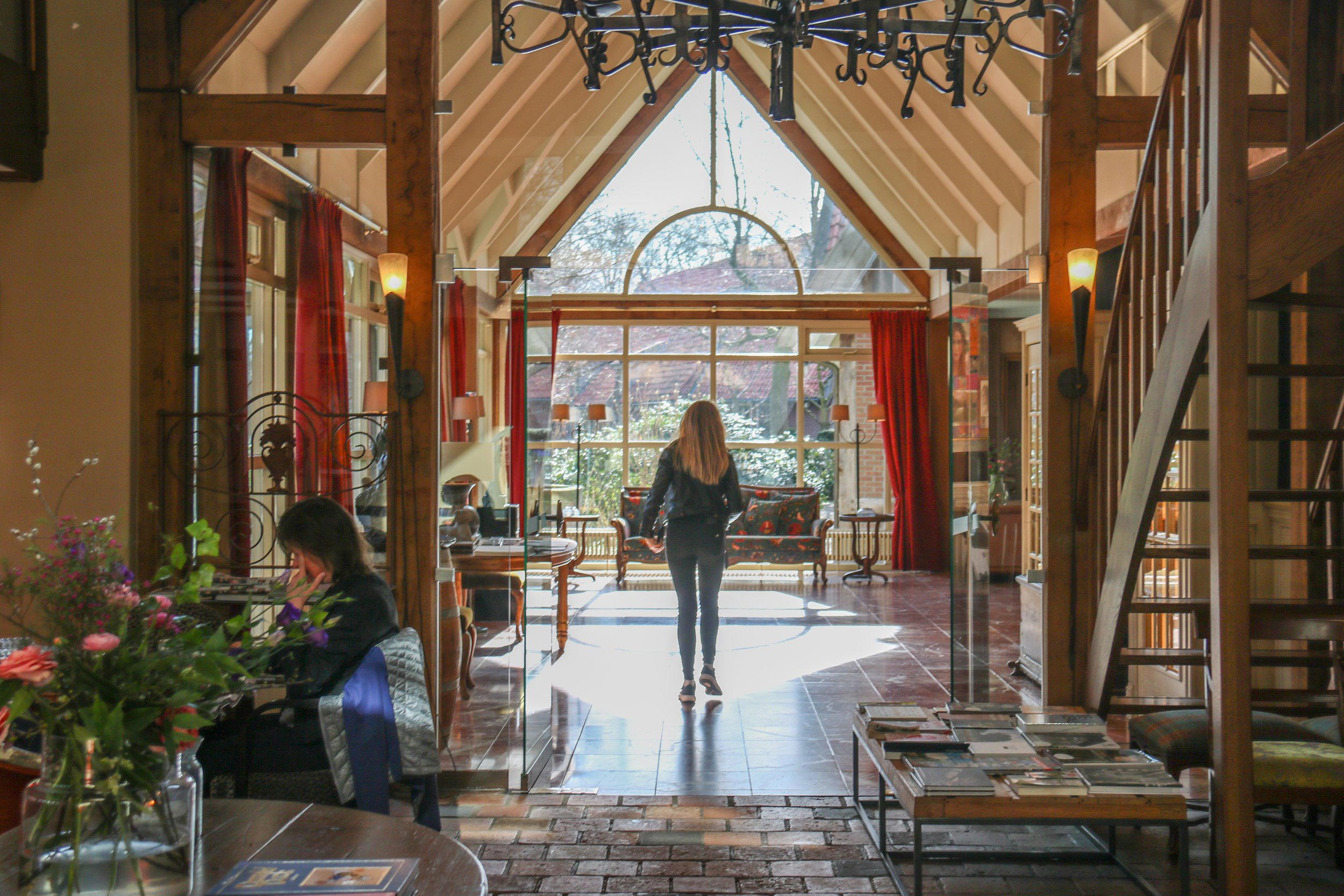
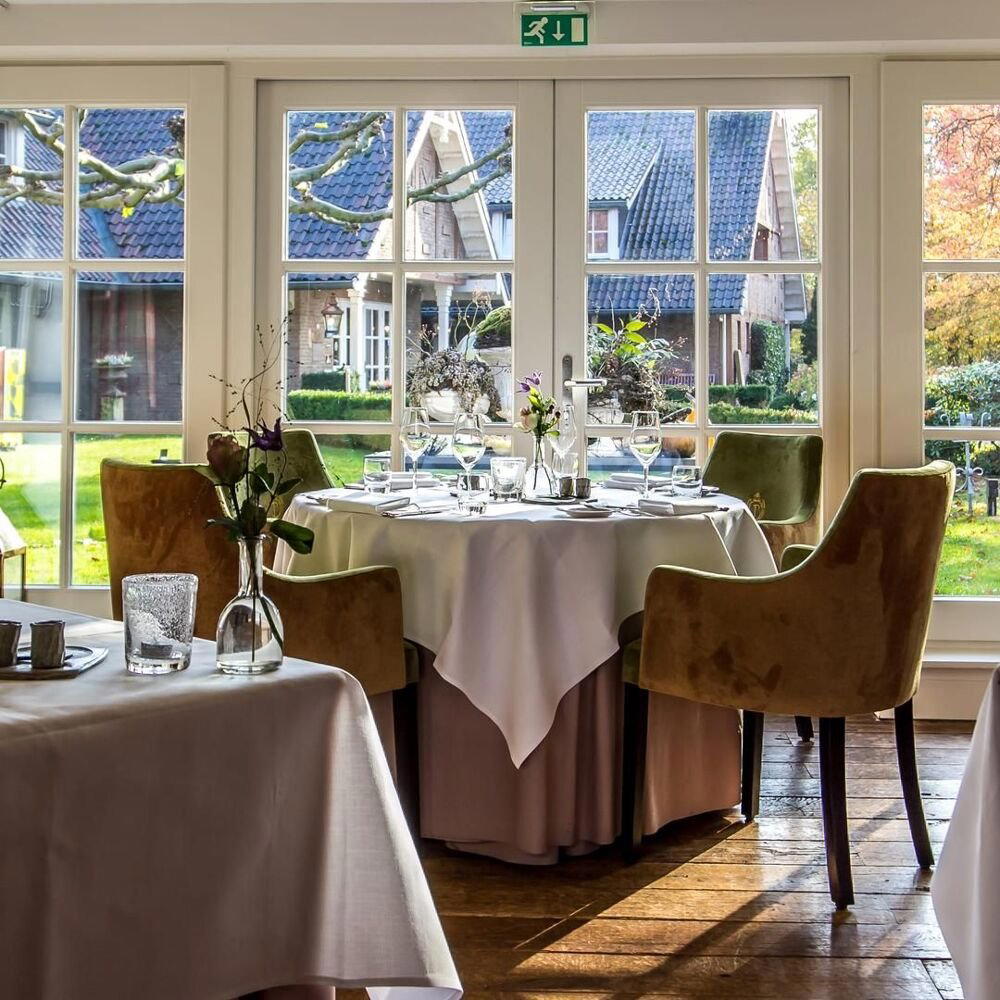
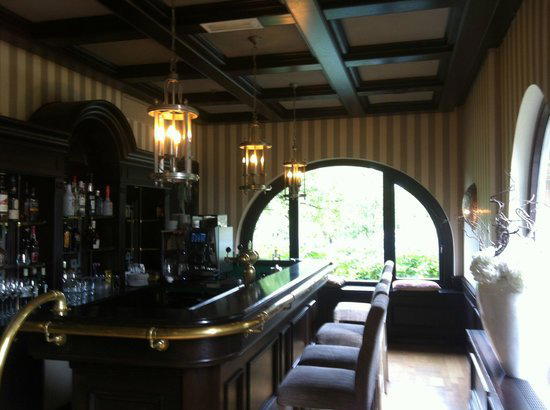
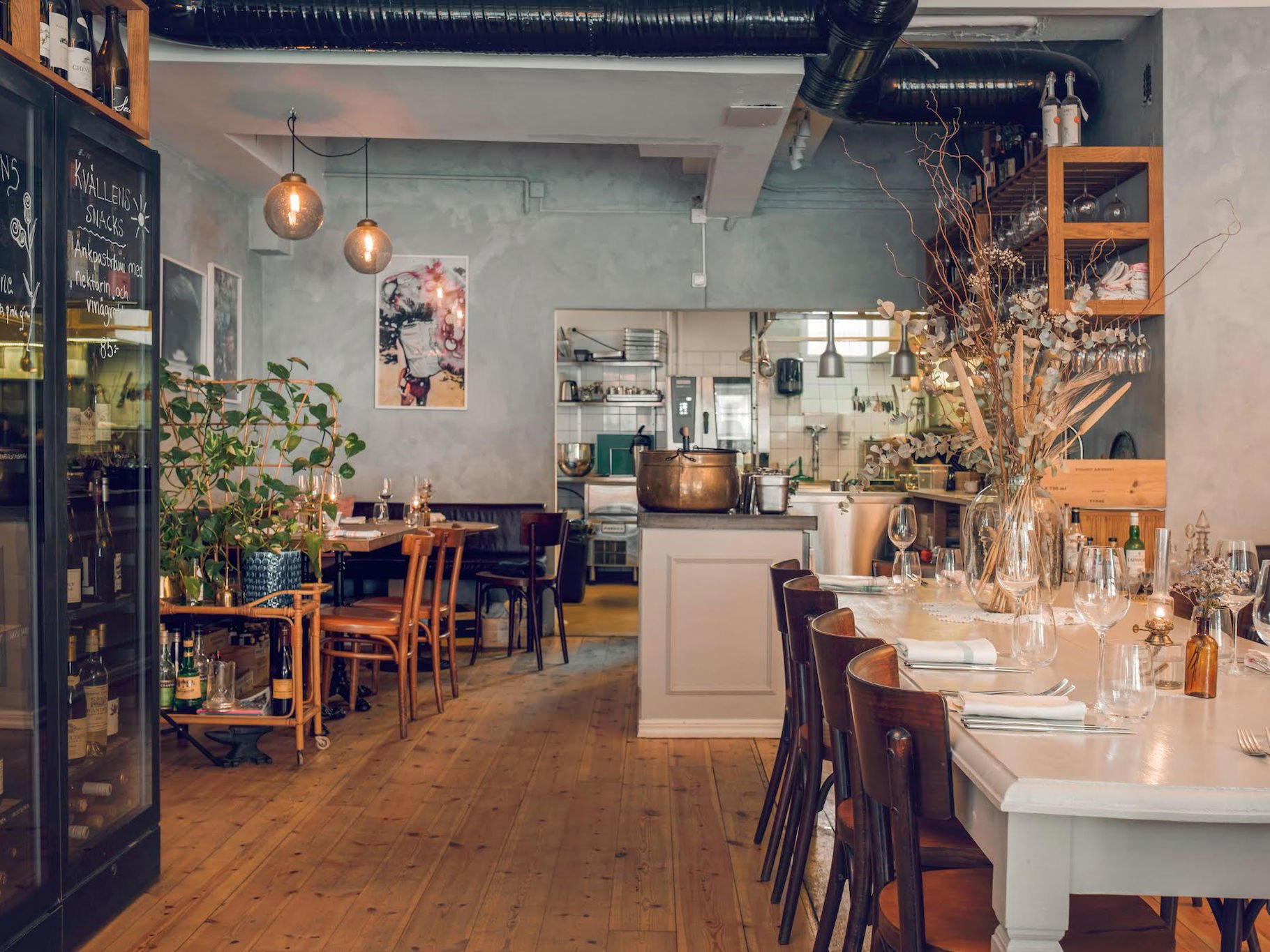
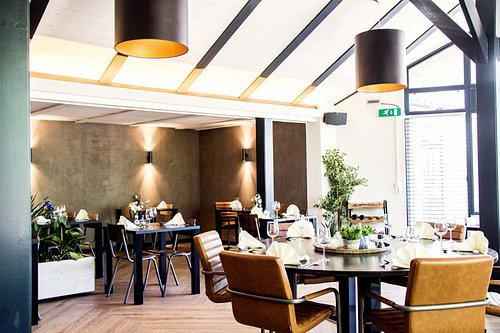
Cozy and elegant atmosphere with serene tranquility, classic interior, and soothing surroundings enhanced by park views.