TITUS
TITUS occupies a quiet address on Torenstraat in Megen, a small fortified town on the Maas in North Brabant. The restaurant sits within a dining tradition that takes provincial Dutch cuisine seriously, drawing on the agricultural and riverine produce of the surrounding region. For visitors making the case for fine dining beyond the Randstad, Megen and TITUS represent a credible reason to come this far south-east.
Pearl is the En Primeur Club membership app — saves, bookings, and concierge access live there. Same editors, same standards.
- Address
- Torenstraat 3, 5366 BJ Megen, Netherlands
- Phone
- +31412462275
- Website
- restauranttitus.nl
- Directions
- Get directions
 Saves & bookings on Pearl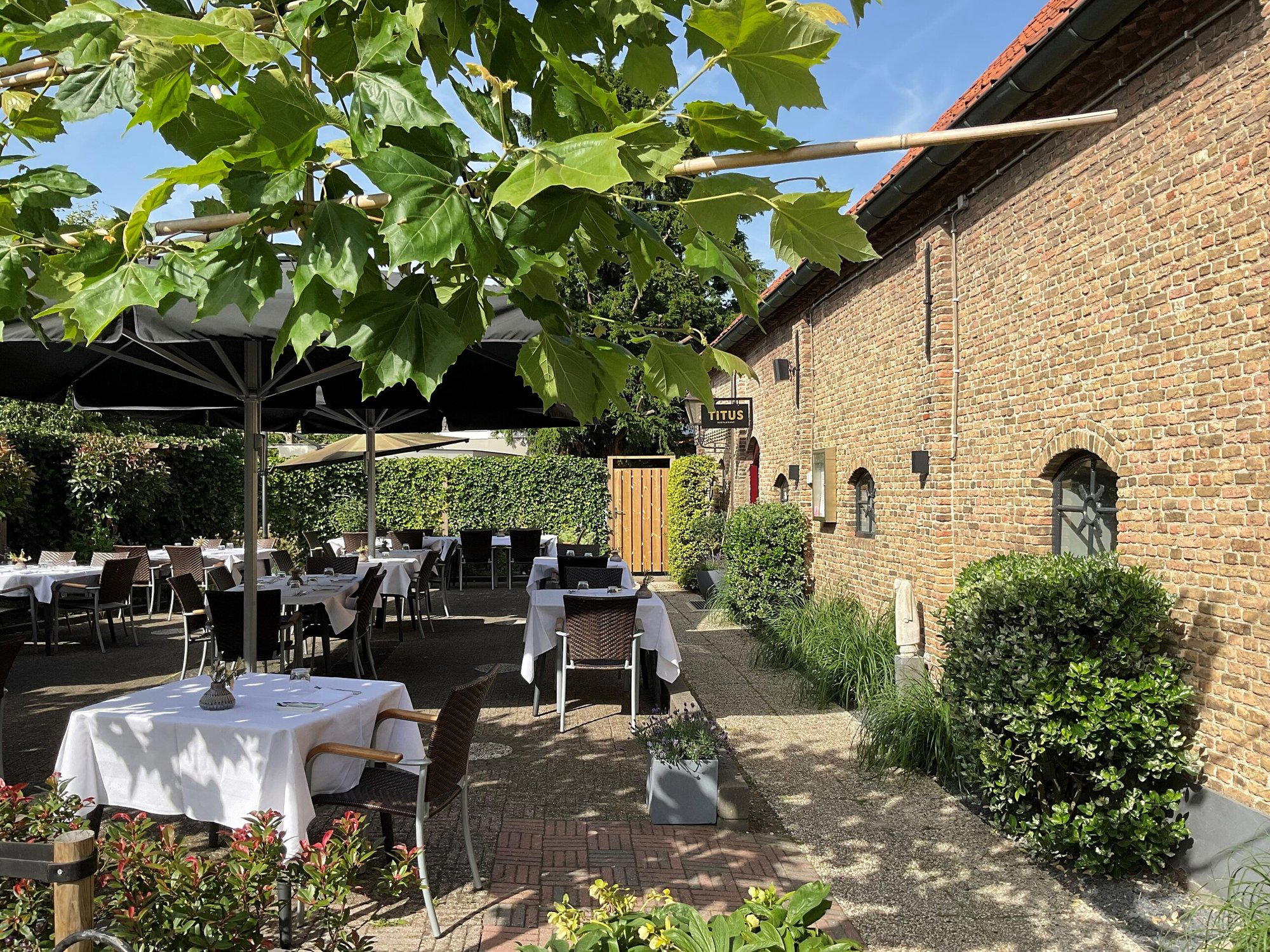
Megen and the Case for Dining Beyond the Randstad
The Dutch fine dining conversation tends to collapse around Amsterdam, with periodic acknowledgements of Rotterdam and the occasional hat-tip to Zwolle, where De Librije has anchored serious cooking in the north-east for decades. What gets less attention is the steady accumulation of destination-worthy restaurants in smaller provincial towns, places where the overhead pressures of a capital city are absent and the connection to local produce is shorter and more direct. Megen, a fortified town of fewer than a thousand residents on the Maas river in North Brabant, belongs to that overlooked tier. It sits inside this pattern: a restaurant that asks you to travel deliberately, not incidentally.
North Brabant's agricultural output is substantial. The province is one of the Netherlands' primary regions for livestock, horticulture, and arable farming, and the Maas corridor specifically has a long history of riverine food culture: freshwater fish, wildfowl, river-bank herbs, and the kind of market-garden produce that urban chefs often source at considerable remove. Restaurants in this part of the country that take ingredient provenance seriously operate with a structural advantage over their counterparts in larger cities, where supply chains are longer and local sourcing is more of a marketing position than a kitchen reality.
What the Setting Signals Before You Sit Down
Approaching Megen itself is part of the experience. The town retains its original fortified layout, with a compact centre organised around the Augustijnenkerk, and Torenstraat runs close to that historic core. The physical scale of the town means that a restaurant here is not competing for attention with a dozen other options on the same block. You arrive with intention, and the setting reinforces a quieter, more deliberate kind of meal. This is the model that places like Inter Scaldes in Kruiningen and De Groene Lantaarn in Staphorst have demonstrated works in the Netherlands: remove the urban noise, tighten the sourcing radius, and let the food carry the weight of the journey.
Across the Netherlands, a number of restaurants in smaller towns have demonstrated that provincial positioning is not a limitation but a curatorial choice. De Lindenhof in Giethoorn and De Bokkedoorns in Overveen both built their reputations partly on the discipline imposed by geography: when you cannot rely on passing trade, every service has to justify the reservation. TITUS occupies a similar position in the Brabant interior.
Ingredient Sourcing as Culinary Position
The broader shift in Dutch fine dining over the past decade has been a move away from Franco-classical frameworks toward something more explicitly rooted in Dutch and North Sea terroir. De Nieuwe Winkel in Nijmegen, which holds two Michelin stars and operates an organic, plant-forward kitchen, represents one end of that spectrum. Aan de Poel in Amstelveen and Tribeca in Heeze represent different points along it. What unites the more serious operators in this regional category is a deliberate commitment to sourcing that predates the current trend for provenance-led menus and goes deeper than a supplier list on the back of a menu card.
For a restaurant in Megen, the agricultural context of North Brabant is the relevant frame. The province's farms, river systems, and horticultural operations represent a larder that few restaurants in the Randstad can access with the same efficiency. When ingredient sourcing functions as a genuine kitchen logic rather than a narrative device, the food it produces tends to be more seasonal in character, more responsive to what is actually available, and more distinctive in flavour than menus assembled from national wholesale catalogues. This is the standard against which restaurants in this part of the Netherlands are increasingly being measured, by critics and by the Michelin inspectorate alike.
Internationally, the comparison points for this kind of produce-led, destination-format cooking exist at different price points and scales. Le Bernardin in New York City built its reputation on sourcing discipline applied to seafood; Atomix, also in New York, applies similar rigour to Korean ingredient traditions. The specifics differ, but the underlying logic is the same: the kitchen's relationship with its suppliers is the first creative act, and the menu is its expression.
Where TITUS Sits in the North Brabant Scene
North Brabant has a cluster of serious restaurants that have attracted sustained critical attention. De Lindehof in Nuenen, De Treeswijkhoeve in Waalre, and Brut172 in Reijmerstok each operate at the upper end of the province's dining register. Megen is geographically distinct from those addresses, sitting closer to the Gelderland border and oriented toward the Maas rather than the Brabantse Kempen or the Belgian frontier. That positioning gives TITUS a different regional character, one shaped by the river and the particular agricultural traditions of this part of the province.
For a broader sense of where Megen's restaurant scene sits relative to other Dutch dining destinations, our full Megen restaurants guide maps the options in more detail. Within the national context, the relevant comparable set for a restaurant at this address includes not just Brabant neighbours but also places like FG in Rotterdam, 't Nonnetje in Harderwijk, and 't Amsterdammertje in Loenen aan de Vecht, all restaurants where the decision to locate outside a major city has been part of the identity, not an accident of circumstance. Ciel Bleu in Amsterdam represents the urban end of the Dutch fine dining spectrum, for comparison.
Planning a Visit
How It Stacks Up
Comparable venues nearby, for context on price, style, and recognition.
| Venue | Cuisine | Price | Notes |
|---|---|---|---|
| TITUSThis venue — the venue you are viewing | French-Dutch Fusion | $$$ | Not listed |
| Crijns | French-Dutch Bistro | $$$ | Bladel |
| Cuisson | Modern International Fine Dining | $$$ | Arnhem city center |
| Bistro Twee33 | French-Dutch Bistro | $$$ | historical centre |
| Hendrickje Stoffels | French-Oriental Fusion Bistro | $$$ | Hoorn Harbor |
| Eetlokaal Klinkers | Modern French-Dutch Bistro | $$$ | centrum |
At a Glance
- Elegant
- Cozy
- Intimate
- Sophisticated
- Date Night
- Special Occasion
- Group Dining
- Historic Building
- Terrace
- Extensive Wine List
Current opening hours
- Monday
- Closed
- Tuesday
- Closed
- Wednesday
- 5:30–10 PM
- Thursday
- 5:30–10 PM
- Friday
- 12–3 PM, 5:30–10 PM
- Saturday
- 12–3 PM, 5:30–10:30 PM
- Sunday
- 12–3 PM, 5:30–11:30 PM
Hours can change for holidays and private events. Last verified .
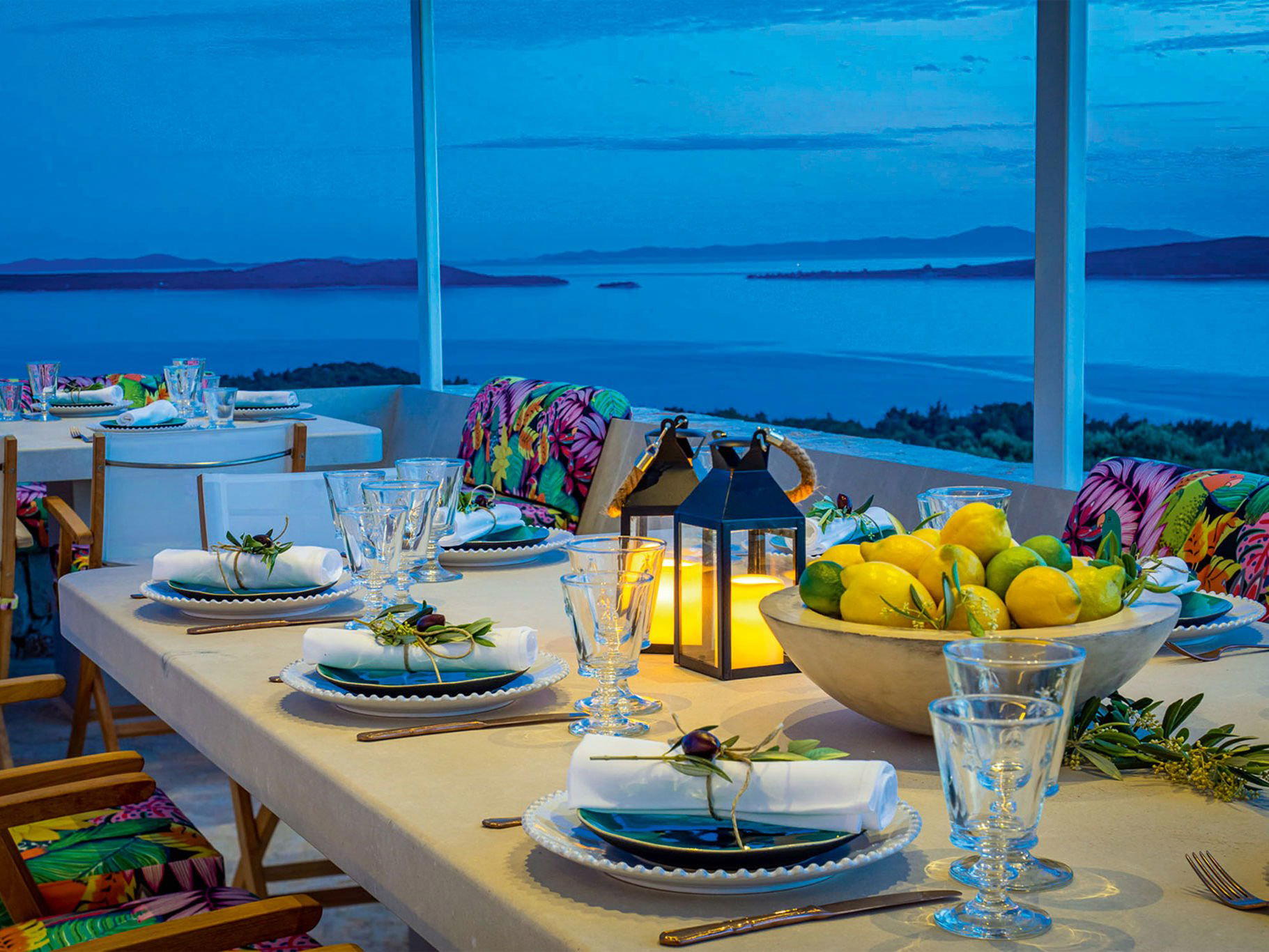
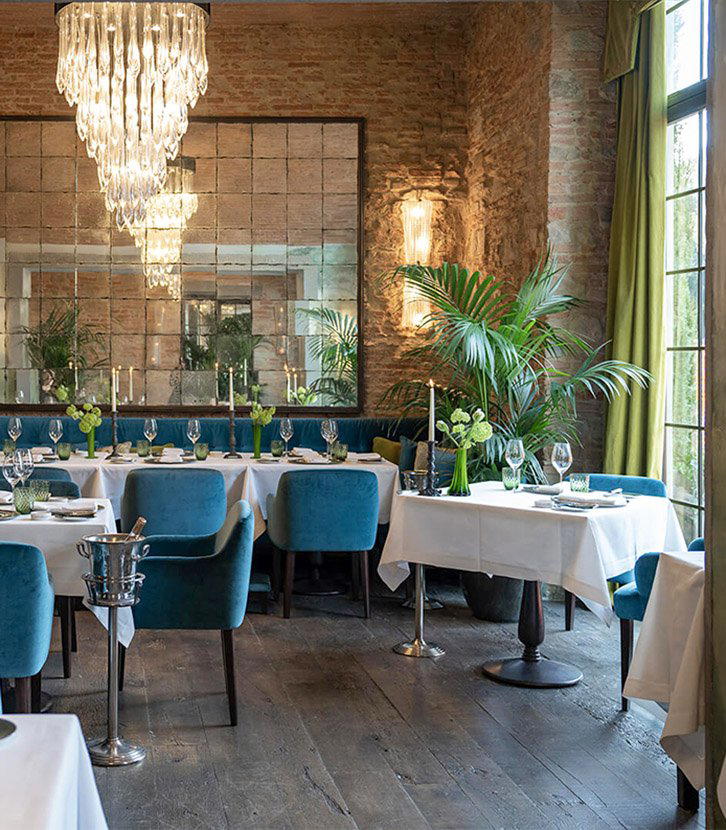
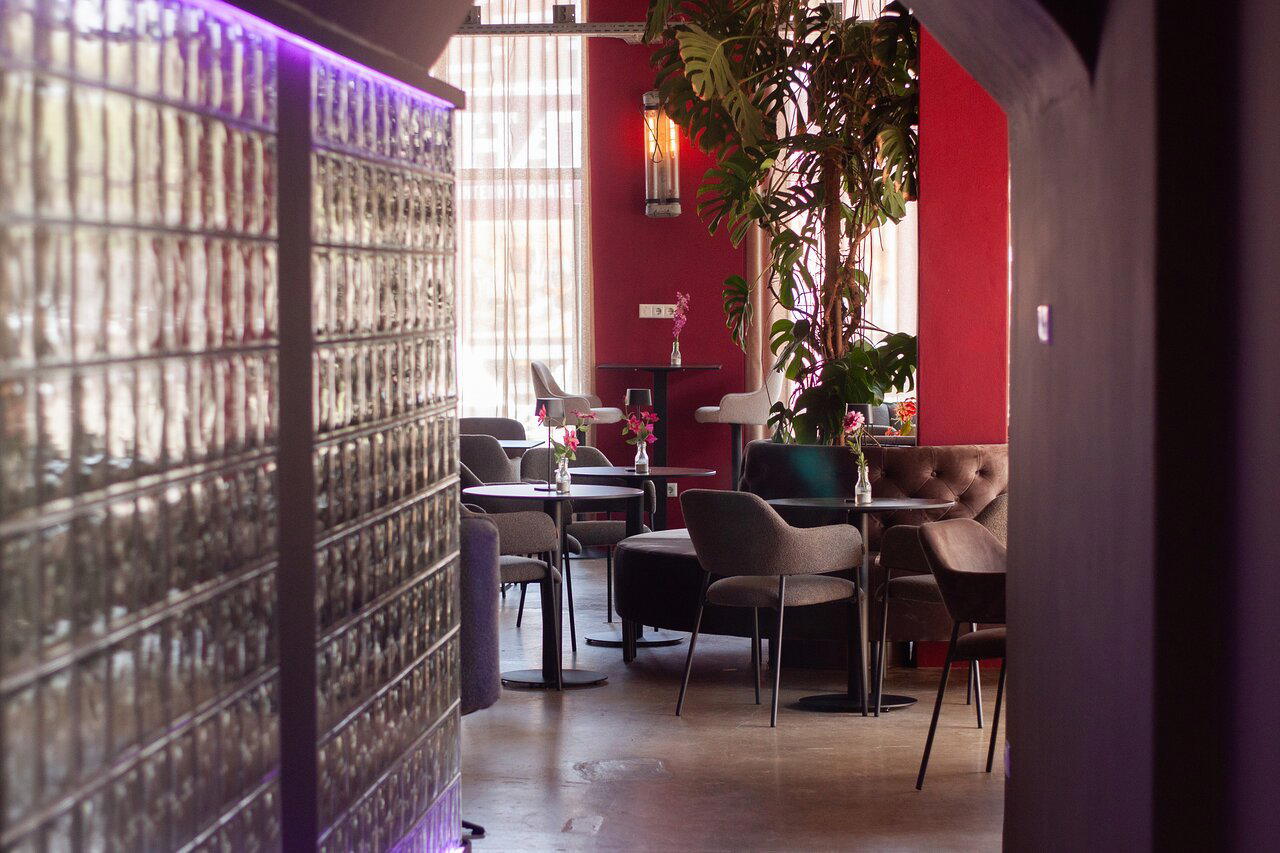
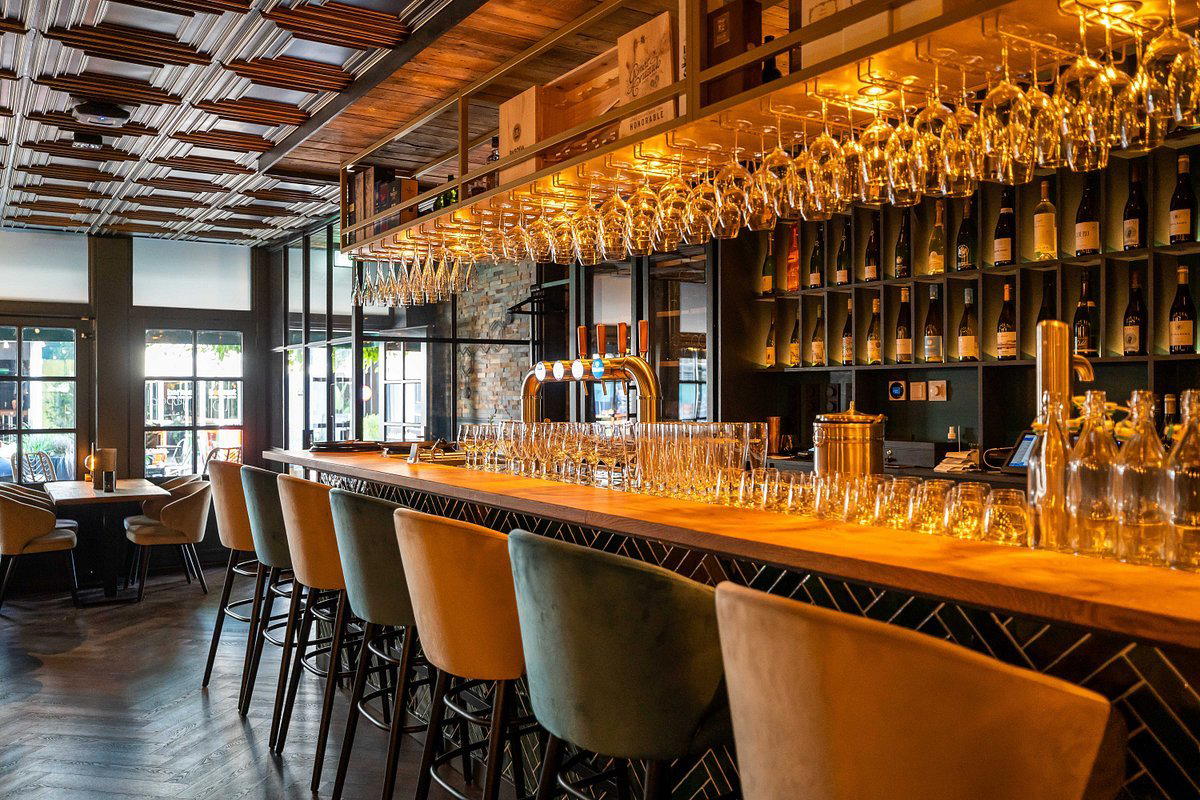
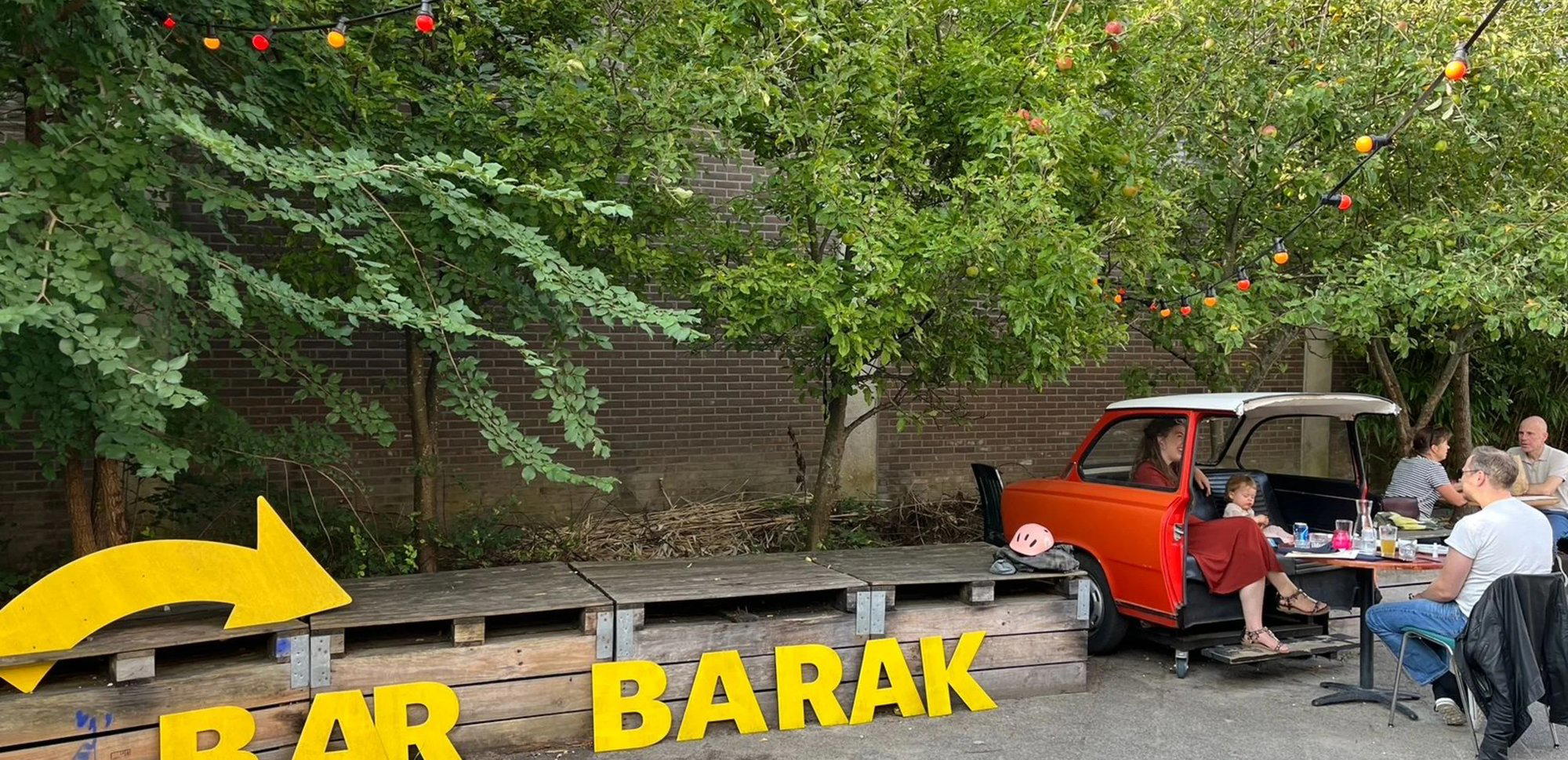
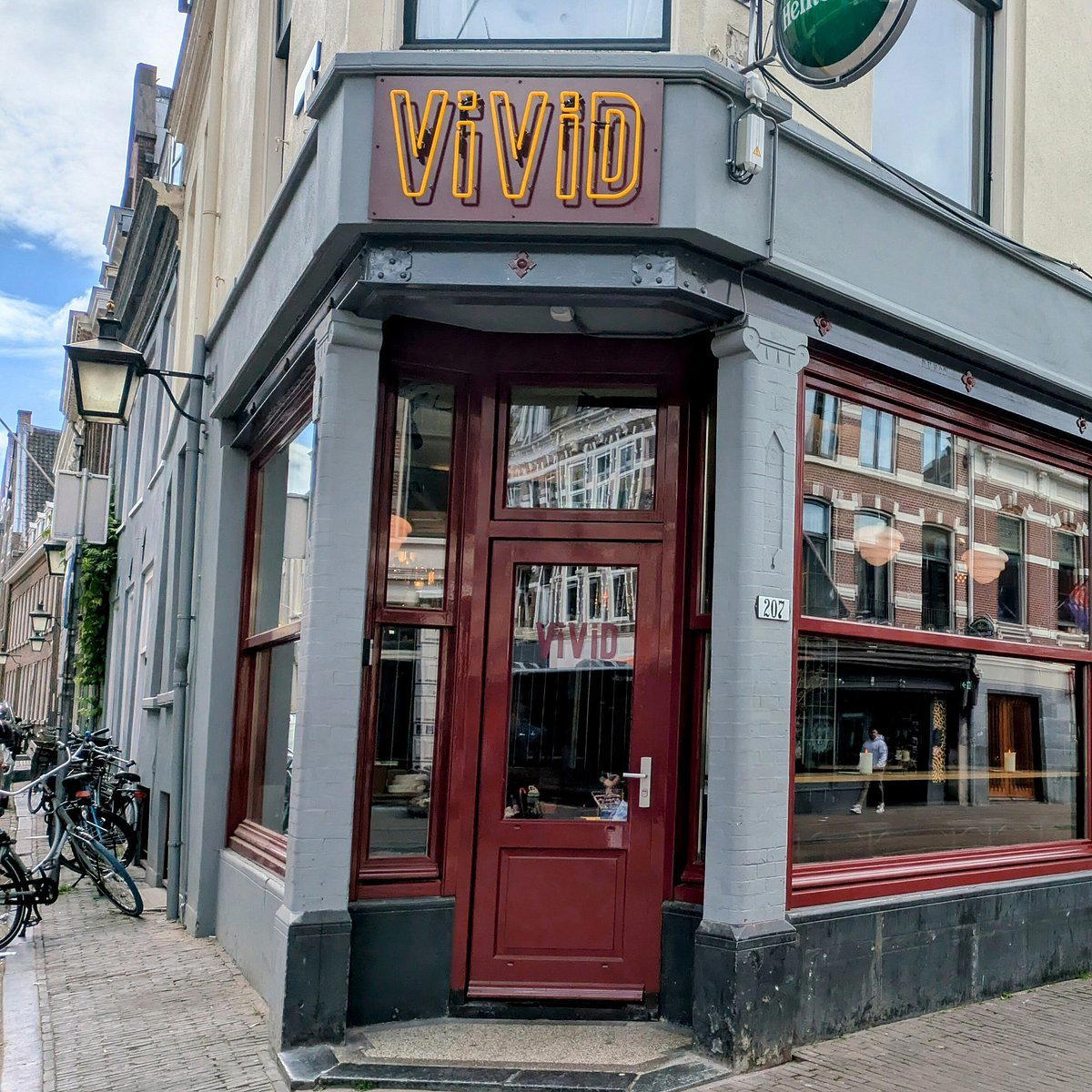
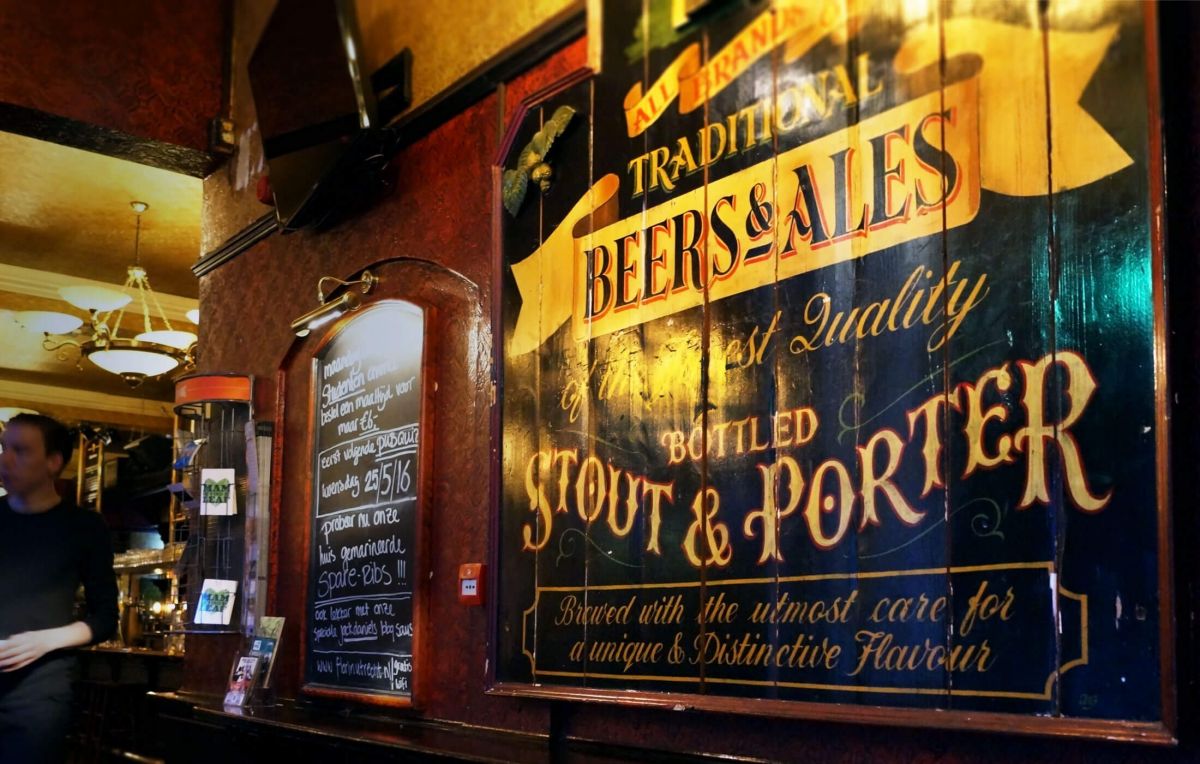
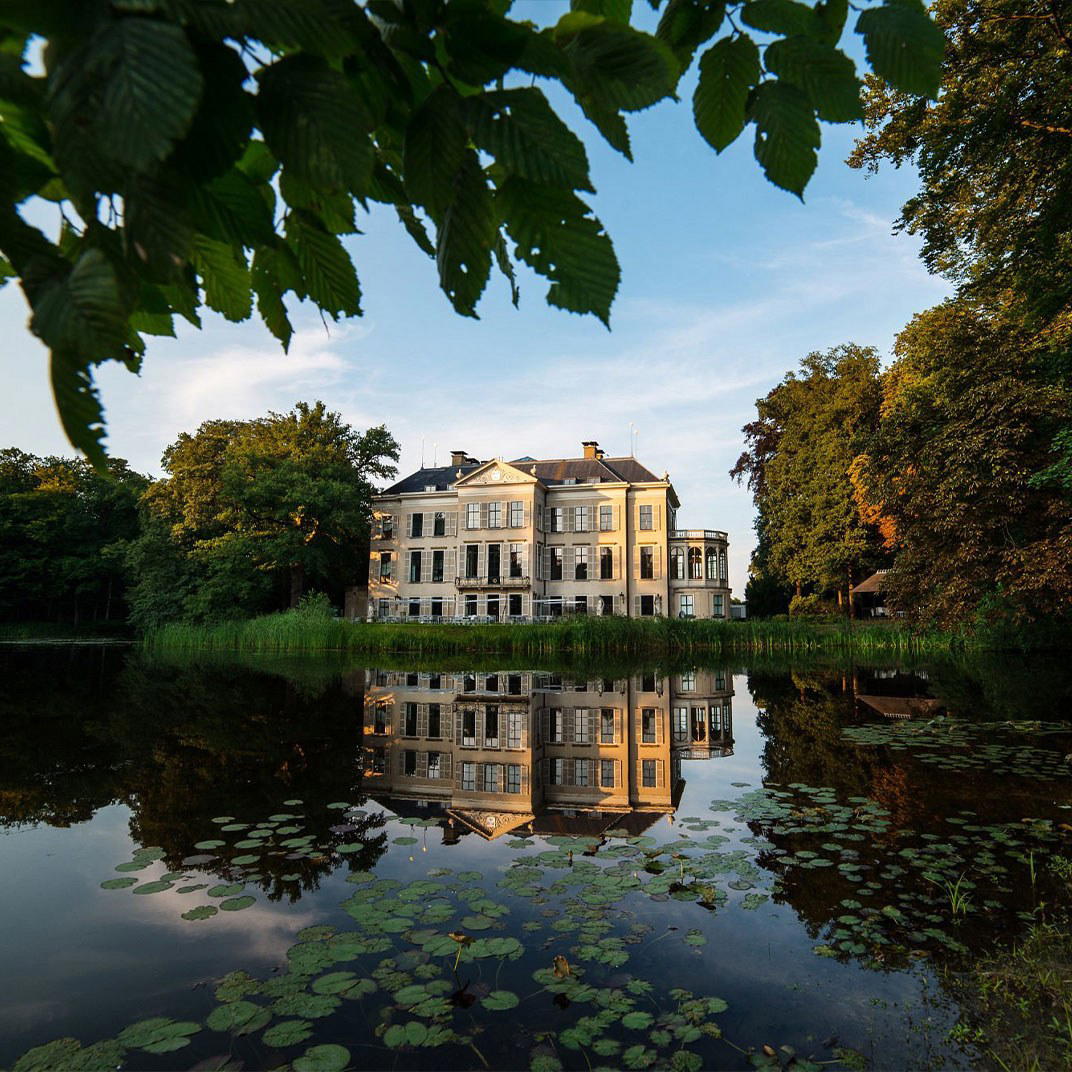
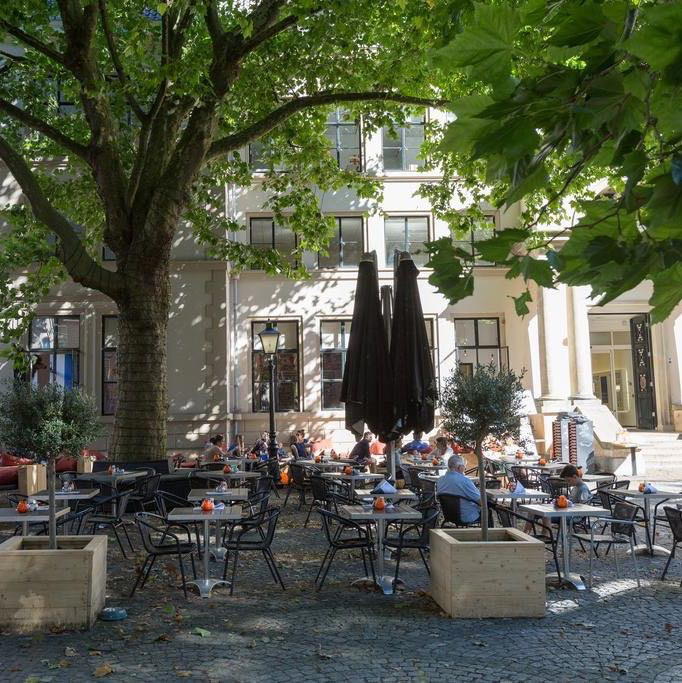
Relaxed and atmospheric with a fresh contemporary interior, cozy fireplace, and pleasant terrace seating.