Ledeboer


Chef Rick Blanken's kitchen in Almelo works from a produce-led philosophy with a flexible menu structure, though the kitchen's approach to vegetarian cooking is still catching up with its own ambitions.
Pearl is the En Primeur Club membership app — saves, bookings, and concierge access live there. Same editors, same standards.
- Address
- Wierdensestraat 2, 7607 GH Almelo, Netherlands
- Phone
- +31 546 745 781
- Website
- restaurantledeboer.nl
- Directions
- Get directions
 Saves & bookings on Pearl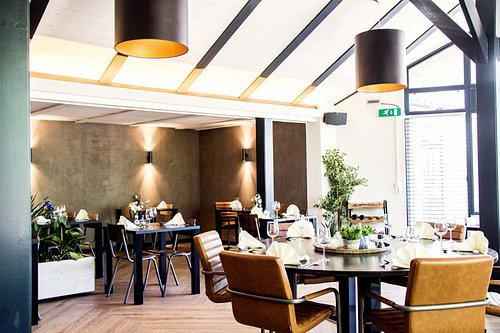
Farm-to-Table Dining in Overijssel: Where Ledeboer Sits in the Dutch Picture
The Netherlands has developed a credible farm-to-table tier in the years since sourcing and seasonality became explicit menu arguments rather than implied background conditions. That tier splits roughly between the high-investment, €€€€-bracket kitchens, De Nieuwe Winkel in Nijmegen, which operates at an entirely different price ceiling with a Michelin Green Star, or De Librije in Zwolle with its multi-star recognition, and a more accessible middle ground where the sourcing commitment is genuine but the format remains hospitable to guests who are not building a pilgrimage around the meal. Ledeboer, on Wierdensestraat in Almelo, operates in that second register.
Almelo is an industrial city in the Twente region of Overijssel, not a destination that draws food tourists in the way Maastricht or Amsterdam does. That matters for how Ledeboer functions. It serves as a serious dining option within its city rather than a stop on a wider culinary circuit, which shapes everything from its pricing (€€, accessible by Dutch restaurant standards) to its kitchen's need to read a broadly local audience. The nearby regional farm-to-table comparators, such as De Woage in Gramsbergen and Spetters in Breskens, reflect how widely the format has spread across smaller Dutch cities and towns.
What the Sourcing Argument Actually Means Here
Farm-to-table as a label has been stretched in many directions. At its weakest, it means a chalk-written daily special and a mention of the local dairy on the menu. At its most disciplined, it means a kitchen organised around what is available rather than what is convenient, with sourcing relationships that constrain the menu by design. Ledeboer's approach under chef Rick Blanken sits closer to the second end: the kitchen operates from a produce-led format with flexibility built in, guests can decide on the day whether to take a vegetarian menu, which implies a kitchen confident enough in its vegetable larder to offer that as a real-time alternative rather than a pre-planned fixed option.
That flexibility is a meaningful structural commitment. Dutch farm-to-table kitchens at the middle price tier often keep the vegetarian menu as a secondary track, supported primarily by cheese rather than vegetables treated as the main event. Ledeboer has drawn specific critical attention on exactly this point: Ledeboer's vegetarian service leans heavily on cheese-based substitutes, which can leave room for more vegetable-driven preparations to do the same structural work with greater interest. The observation is worth taking seriously, because it points to a gap between a sourcing philosophy and its execution in the vegetarian format. The ambition to offer a fully spontaneous vegetarian menu is real; the kitchen's willingness to follow through on that without retreating to the dairy shelf appears to be a work in progress.
For the broader Dutch farm-to-table tier, this is not an isolated tension. Compare the approach at De Groene Lantaarn in Staphorst or the more technically ambitious vegetable work at De Nieuwe Winkel in Nijmegen, which built a Michelin Green Star around the argument that vegetables deserve the full kitchen budget. Ledeboer is not competing in that bracket by price or format, but it is making a claim that invites the comparison.
The Experience at the Table
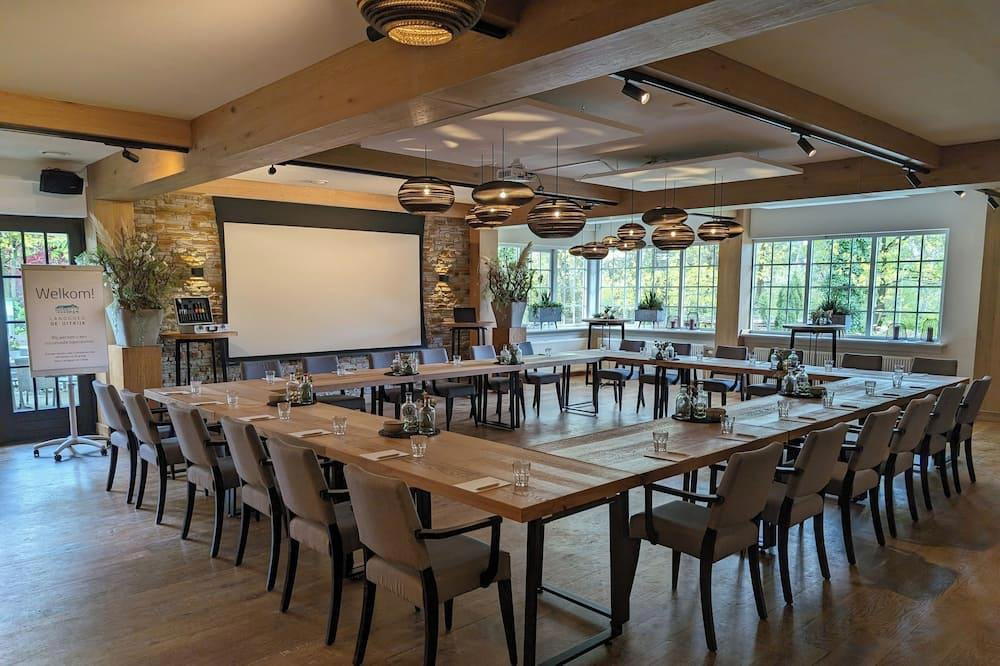
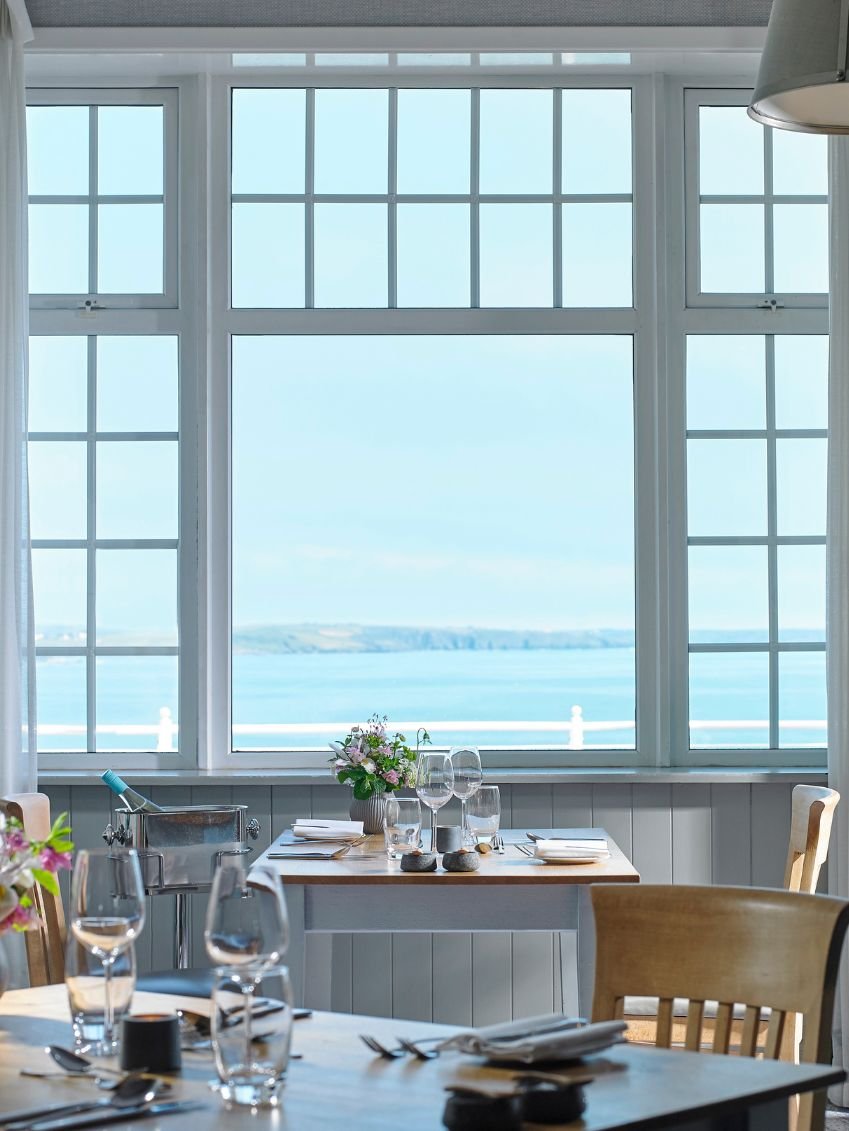
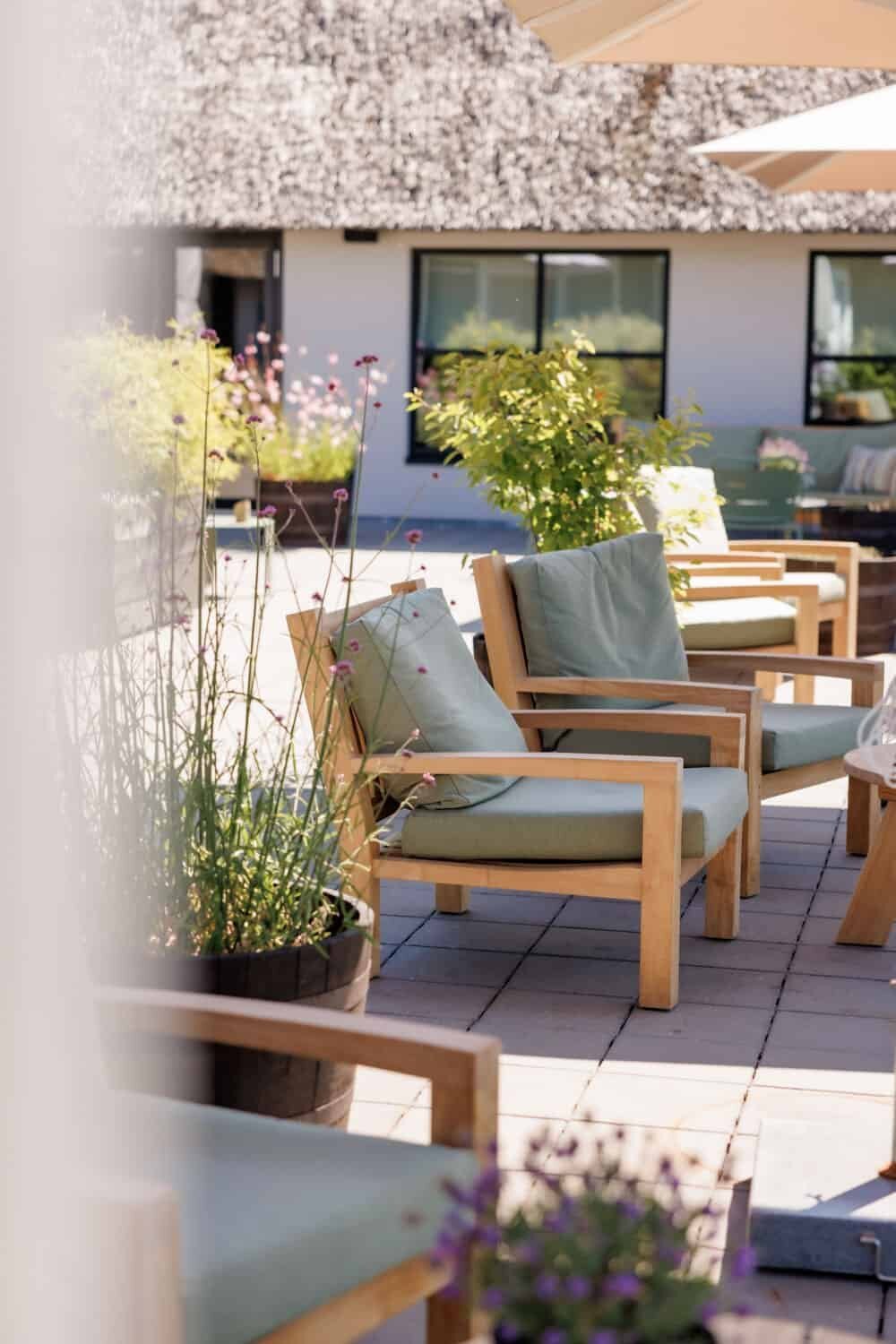
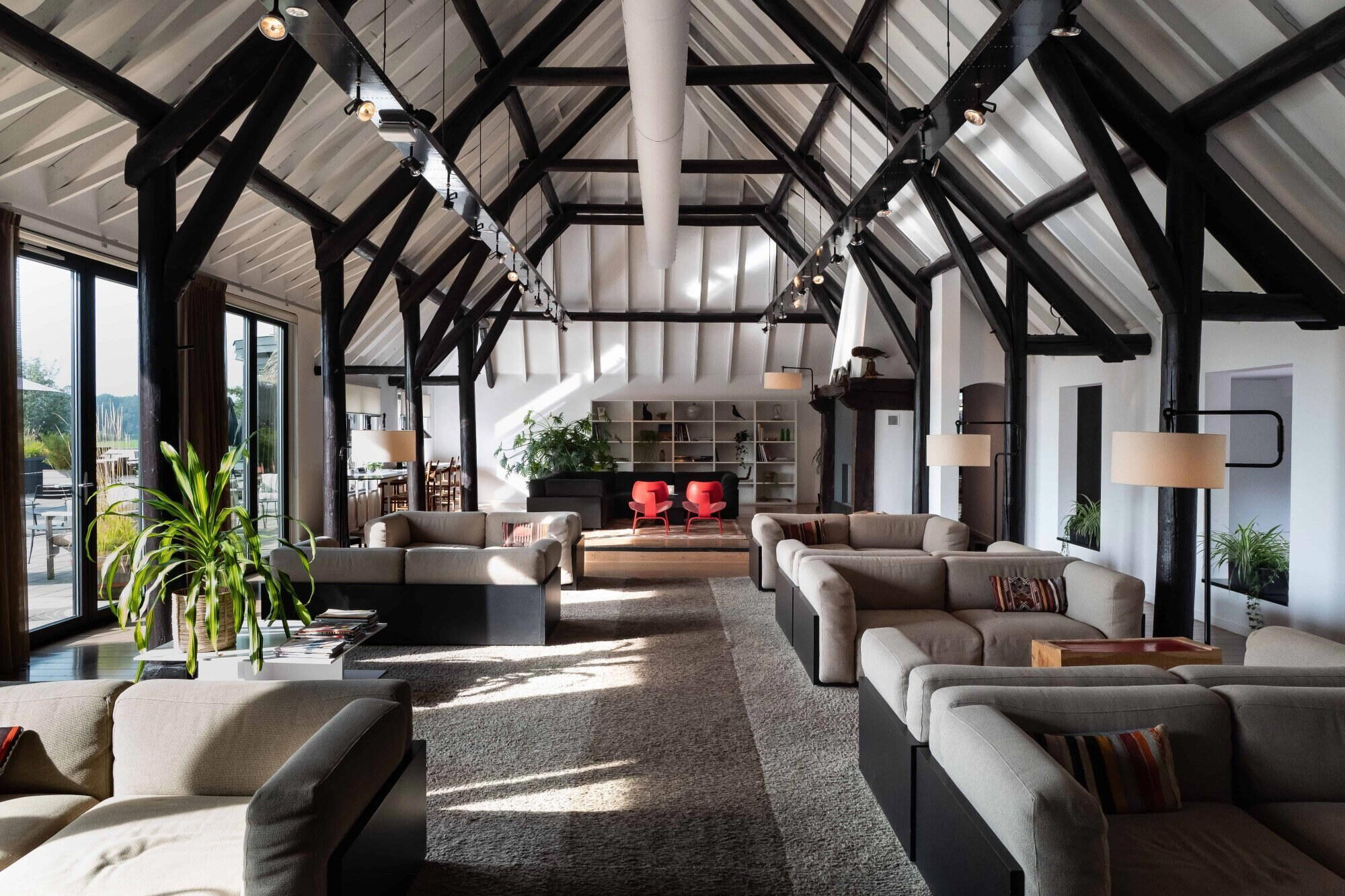
The address on Wierdensestraat puts Ledeboer in a straightforwardly urban setting within Almelo, no country estate backdrop, no deliberately rustic staging. Farm-to-table kitchens in the Netherlands increasingly operate without the pastoral aesthetic that the label used to imply, and Ledeboer fits that pattern. The dining room atmosphere, indicated by sustained high review scores, reads as warm and unhurried rather than formal. At a €€ price point, the format is accessible enough that it functions as a regular-use destination for local diners rather than a once-a-year occasion restaurant.
Chef Blanken's stated direction is forward movement, an explicit intention to develop the business rather than maintain it. At the Michelin Plate level, where recognition signals consistency and competence rather than rarefied technique, the more interesting question is usually what a kitchen chooses to do next. The vegetarian track is one evident development area. Whether the broader menu continues to tighten its relationship with sourcing specificity, naming producers, adjusting dishes to shorter supply windows, reducing the category-default ingredients, will determine how far Ledeboer moves within the farm-to-table tier.
For broader context on the Dutch dining scene and where Ledeboer sits relative to higher-bracket options, Aan de Poel in Amstelveen, De Bokkedoorns in Overveen, Fred in Rotterdam, Inter Scaldes in Kruiningen, Brut172 in Reijmerstok, Ciel Bleu in Amsterdam, and De Lindenhof in Giethoorn each represent different positions in the country's higher-end dining hierarchy. De Lindehof in Nuenen offers another data point in the contemporary Dutch creative tier.
Planning Your Visit
Ledeboer is at Wierdensestraat 2, 7607 GH Almelo, in the Overijssel province of the eastern Netherlands. At a €€ price bracket with Michelin Plate recognition, it occupies a relatively rare position in Almelo's dining offer, serious kitchen credentials at a price that does not require treating the meal as a special occasion expenditure. Given the on-the-day menu flexibility the kitchen operates, arriving with a clear preference (vegetarian or omnivore) and communicating it at booking is one practical approach, particularly if you want the kitchen to move away from cheese-default substitutions. Booking in advance is advisable for a restaurant carrying Michelin recognition at this price tier in a city without a deep pool of comparable options.
Comparison Snapshot
Comparable venues nearby, for context on price, style, and recognition.
| Venue | Cuisine | Price | Awards | Notes |
|---|---|---|---|---|
| LedeboerThis venue — the venue you are viewing | Modern European Fine Dining | $$$ | Michelin Plate | Not listed |
| Restaurant Renilde | Modern European Fine Dining | $$$ | Michelin Plate | Dijkzigt |
| Onglet | Modern European Meat-Focused | $$$ | Michelin Plate | Wyck |
| Den Burgh | Modern European Fine Dining | $$$ | Michelin Plate | Beukenhorst Oost |
| Bistro Nijeholt | Modern European Bistro | $$$ | Bib Gourmand | Beetsterzwaag |
| The Green Rose | French-Asian Fusion Seasonal Tasting | $$$ | Michelin Plate | Markt |
Recognition history
Dated appearances from independent guides and award organizations, with the underlying list record or original source where available.
Michelin Plate
Michelin
We're Smart World 4 Radishes
We're Smart World
Michelin Plate
Michelin
At a Glance
- Cozy
- Elegant
- Industrial
- Intimate
- Sophisticated
- Date Night
- Special Occasion
- Business Dinner
- Group Dining
- Open Kitchen
- Historic Building
- Private Dining
- Extensive Wine List
- Farm To Table
- Local Sourcing
Current opening hours
- Monday
- Closed
- Tuesday
- Closed
- Wednesday
- 6 PM–12 AM
- Thursday
- 6 PM–12 AM
- Friday
- 6 PM–12 AM
- Saturday
- 6 PM–12 AM
- Sunday
- Closed
Hours can change for holidays and private events. Last verified .
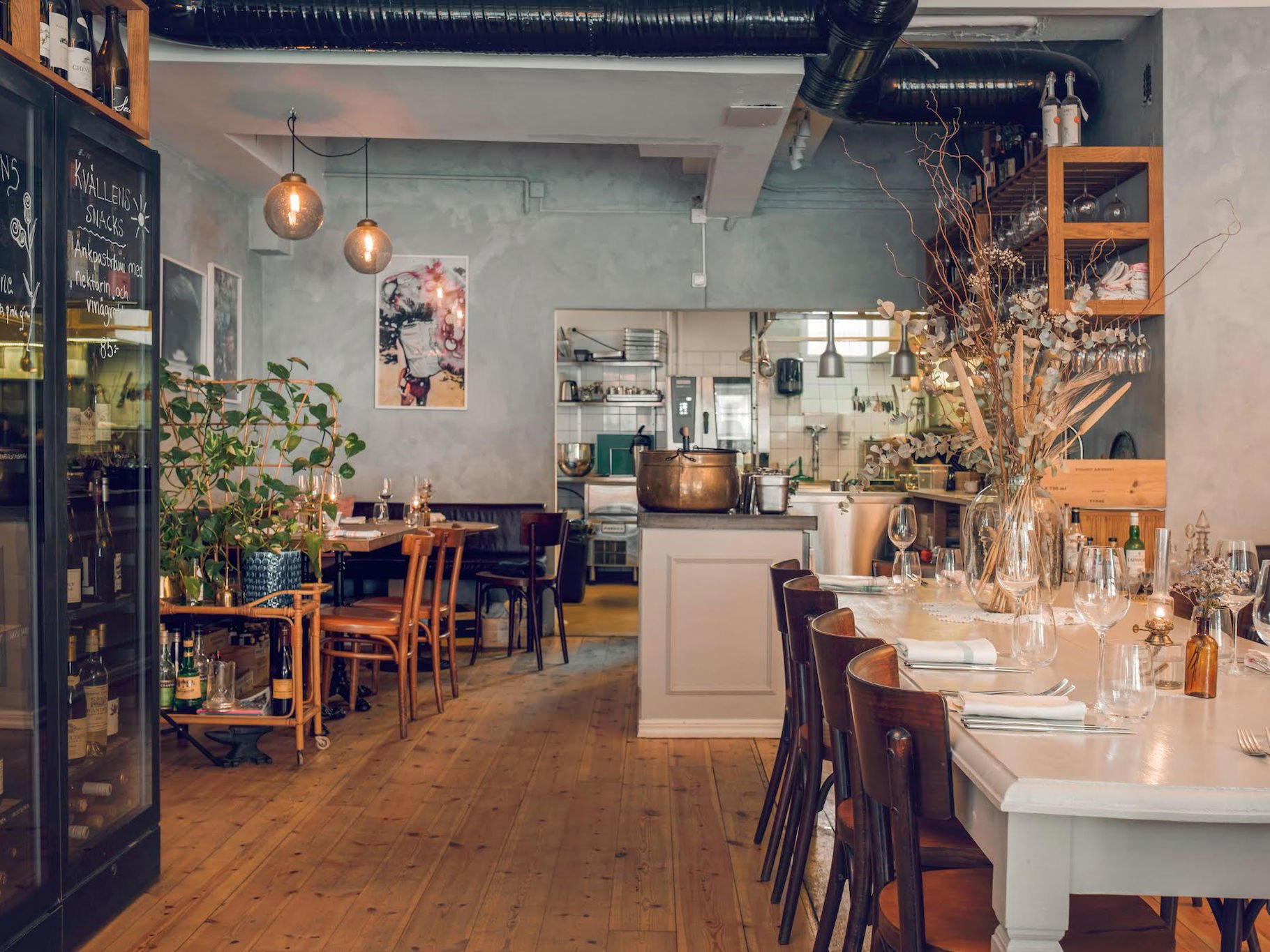
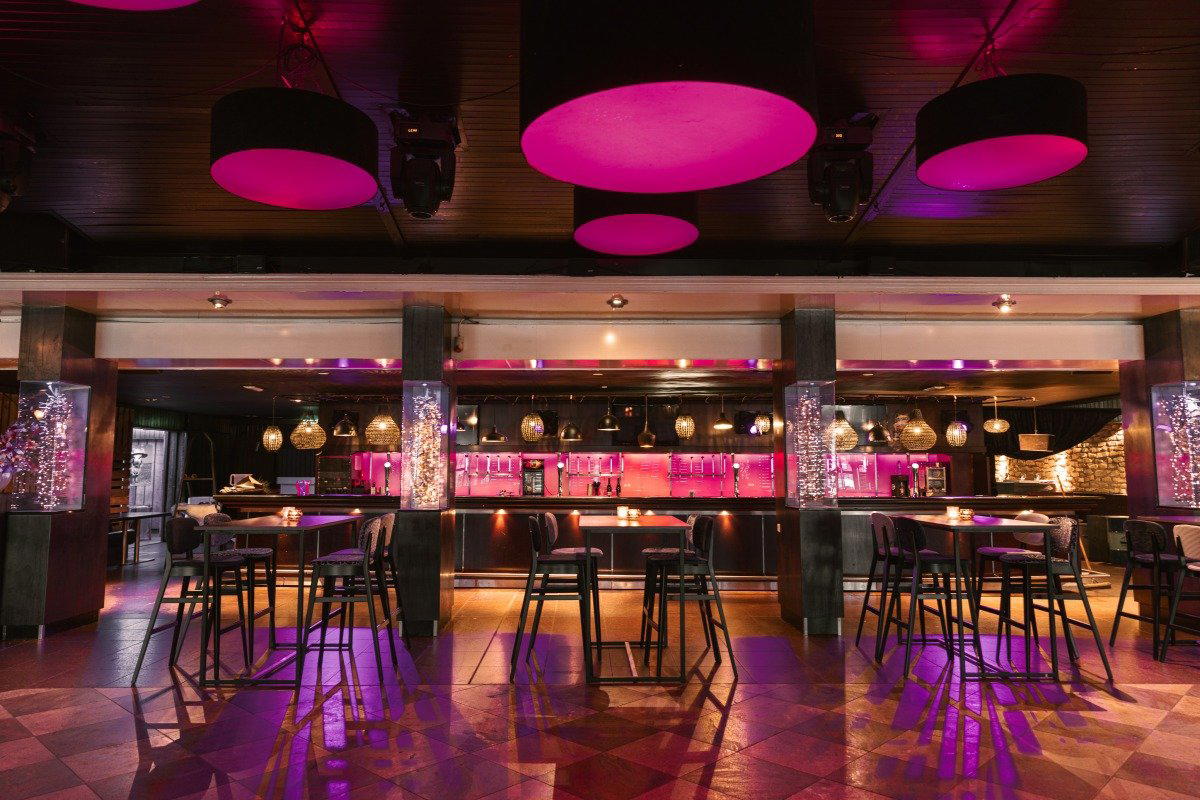
Cozy and warm atmosphere with soft lighting, modern industrial decor, and an inviting, elegant setting praised for its sfeervol ambiance.