Landgoed de Wilmersberg


Michelin Plate · Star Wine List
Our verdict
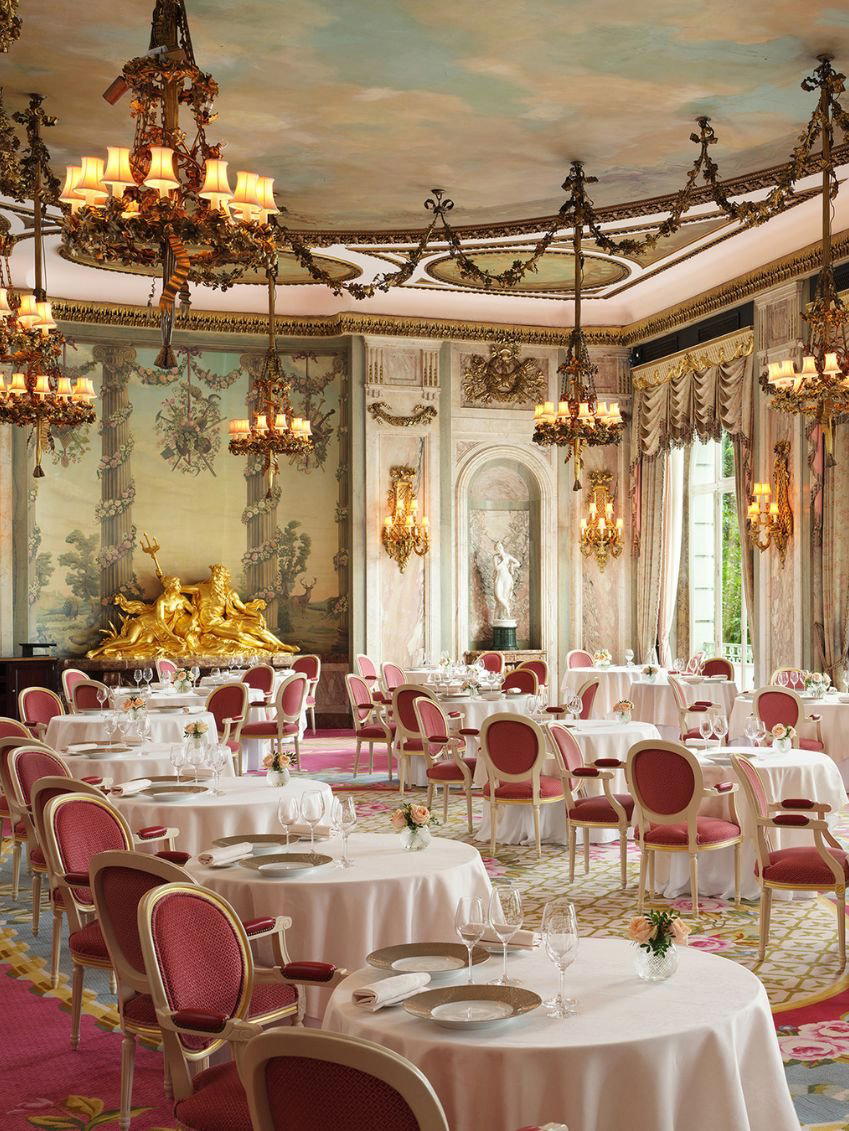
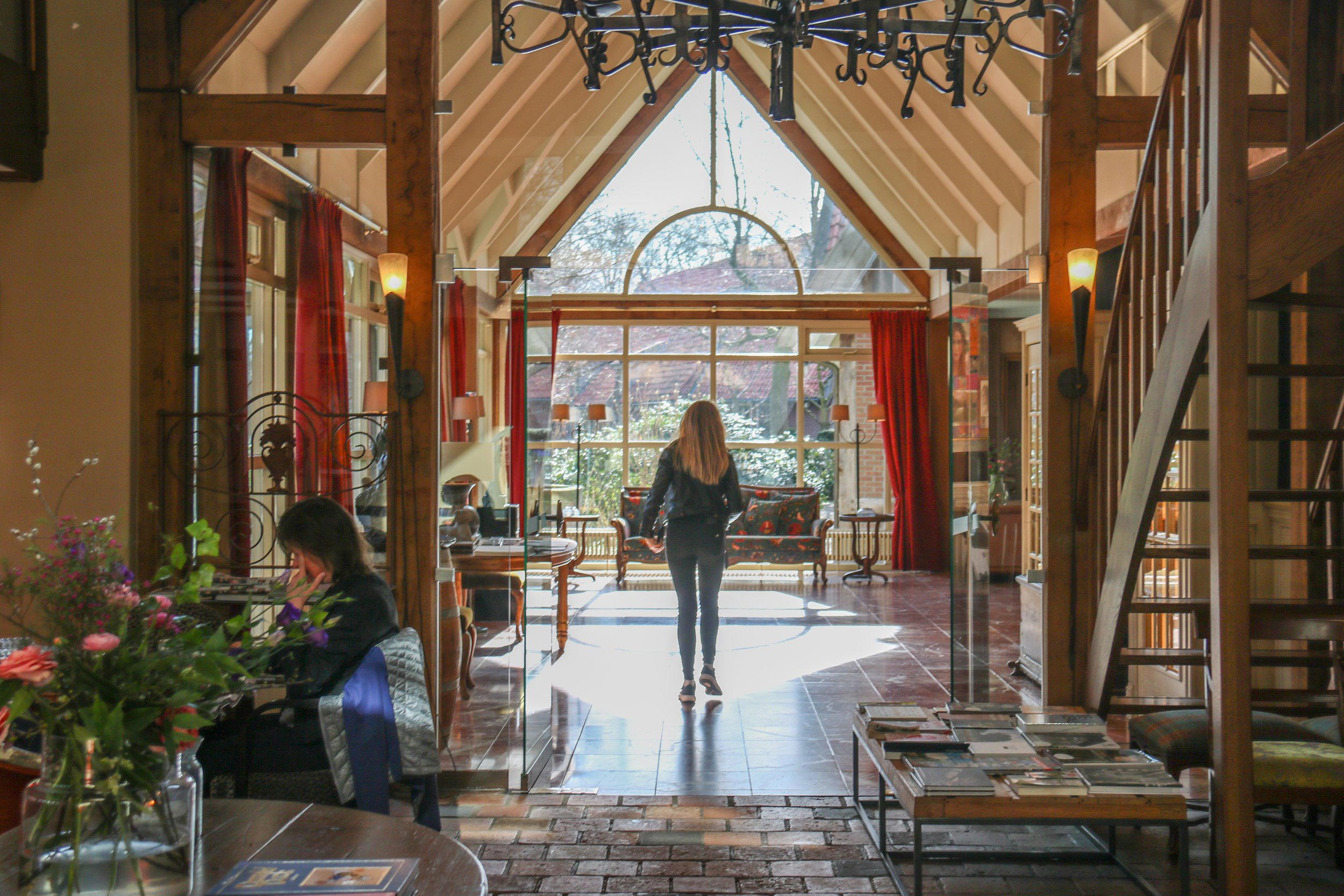
A country-house hotel and restaurant in the Twente village of De Lutte, Landgoed de Wilmersberg holds a Michelin Plate in 2024 and 2025 alongside a White Star recognition from Star Wine List, placing it within the €€ modern cuisine tier. The setting — estate grounds on the edge of the Dinkelland countryside — frames a dining room that draws both overnight guests and regional visitors seeking a kitchen with consistent formal credentials.

Pearl is the En Primeur Club membership app — saves, bookings, and concierge access live there. Same editors, same standards.
- Address
- Rhododendronlaan 7, 7587 NL De Lutte, Netherlands
- Phone
- +31 541 585 555
- Website
- wilmersberg.nl
- Directions
- Get directions
- Booking
- Book on the venue's website
Twente's Country-Estate Dining Tradition
The Twente region of Overijssel occupies an eastern corner of the Netherlands that most international visitors pass over entirely, which is exactly why the dining culture here developed on its own terms. Unlike the Randstad, where restaurant reputations are shaped by proximity to Amsterdam's critical mass of reviewers and tourists, Twente's better kitchens have always had to earn their standing from a regional clientele with high expectations and no patience for imported pretension. Country-estate restaurants in this part of the Netherlands belong to a specific tradition: the landgoed or landed property, where the kitchen operates as an integral part of a broader hospitality offer — rooms, grounds, and table forming a single proposition rather than a restaurant that happens to have a hotel bolted on.
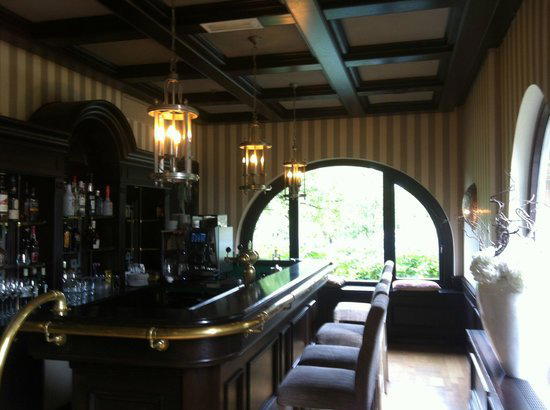
Landgoed de Wilmersberg sits squarely within that tradition. The estate address on Rhododendronlaan in De Lutte places it at the edge of one of the quieter Twente villages, within the Dinkelland municipality, where the agricultural and forested character of the Overijssel countryside remains intact. Approaching through estate grounds, the physical setting does what the leading Dutch country-house properties do: it slows the pace before the meal has even begun. That spatial grammar — long approach, green perimeter, the gradual transition from public road to private grounds, is doing editorial work on the guest's expectations before the kitchen delivers a word.
What the Michelin Plate Signals
The Michelin Plate, awarded in both 2024 and 2025, is not a starred recognition but it is a deliberate one. Michelin introduced the Plate designation to identify restaurants where the food quality is considered good enough to warrant a reader's attention, even without the full criteria for star candidacy being met. In the Dutch context, where the starred tier runs from committed regional kitchens like De Groene Lantaarn in Staphorst and De Lindenhof in Giethoorn up to the multi-starred ambitions of De Librije in Zwolle and Ciel Bleu in Amsterdam, a Plate at the €€ price tier positions Wilmersberg as a kitchen operating with formal discipline at a point of entry that the starred houses no longer occupy. The consecutive awards across two guide cycles (2024 and 2025) confirm consistency rather than a single strong year, which in Michelin's inspection methodology carries its own weight.
The White Star recognition from Star Wine List, published in November 2023, adds a second independent signal. Star Wine List's White Star tier is reserved for venues where the wine program demonstrates genuine curation and knowledge, not simply volume. For a country-estate restaurant in a relatively small Dutch village, that recognition places the cellar in a category alongside urban competitors with far greater resources and profile. Within the broader Dutch wine program context, it places Wilmersberg alongside properties that take the list as seriously as the kitchen, a pairing that is less automatic in this tier than the starred world might suggest.
Modern Cuisine in a Dutch Country Context
Classification of €€ Modern Cuisine carries specific implications in the Dutch dining framework. Modern cuisine at this price tier in the Netherlands tends to draw on seasonal and regional sourcing, apply French-influenced technique without full classical ceremony, and present food that is considered rather than casual, without the elaborate theatrics of the tasting-menu-only format. It is the category that the Dutch dining public uses most reliably for celebratory meals that do not require the full formal commitment of a starred tasting counter.
Comparable positions within this tier can be traced to venues like Bij Hammingh in Garnwerd and Bistro Sophie in Eindhoven, both €€ Modern Cuisine operations drawing local loyalists at the mid-formal register. The difference at Wilmersberg is the estate context, which shifts the guest's relationship to the meal. A country-house hotel kitchen is not competing for the same attention as a city bistro; it is offering a format where the architecture, the grounds, and the overnight option contribute to how the food lands. That is neither advantage nor limitation, it is a different transaction, and the Michelin and wine recognitions confirm the kitchen is holding up its end of it.
For comparison, the closest property in De Lutte itself is De Bloemenbeek, which operates at the €€€ Modern French tier and carries a stronger formal footprint. The two properties address adjacent but distinct segments of Twente's dining public: De Bloemenbeek pitches at the fully committed fine-dining occasion, while Wilmersberg occupies the more flexible position of estate hospitality with a kitchen that takes its craft seriously without demanding the same formality from guests.
The Estate Setting and What It Changes
Country-house hotels in the eastern Netherlands have a specific relationship with their grounds that urban properties cannot replicate. The Twente countryside, with its brinken (village greens), working farms, and Saxon-influenced rural architecture, provides a context where the dining room is one node in a larger experience of place. Guests arriving to stay at Wilmersberg are not choosing between it and an Amsterdam restaurant; they are choosing between a kind of Dutch rural hospitality and something else entirely. The restaurant, in that framing, functions as the evening anchor of an experience that begins in the afternoon and continues into the following morning.
This is a format with real precedents in the Dutch tradition: Inter Scaldes in Kruiningen and De Bokkedoorns in Overveen represent the refined end of that country-estate model; Wilmersberg operates at a more accessible price point within the same structural format. For guests who find the €€€€ tier of most destination country restaurants prohibitive, the €€ positioning here opens access to the genre without requiring the full financial commitment of a starred estate weekend.
Planning a Visit
De Lutte is accessible from both Enschede (approximately 20 kilometres to the northwest) and the German border town of Gronau, making it a plausible destination from either the Dutch Twente corridor or across the regional border. The estate address at Rhododendronlaan 7, 7587 NL De Lutte provides the clearest navigation anchor. Given the hotel format, advance booking for both rooms and the restaurant is the standard approach for weekends, when the estate draws regional traffic from across Overijssel. For dining alone, confirming directly with the property on availability windows is advisable, particularly during the spring rhododendron season when the estate grounds attract broader visitor attention. The €€ price tier makes Wilmersberg one of the more accessible formal dining propositions in the Twente region, sitting well below the €€€€ ceiling of the area's highest-profile kitchens. Further context on the De Lutte dining scene is available in our full De Lutte restaurants guide, with additional coverage of the region's accommodation in our full De Lutte hotels guide. For broader exploration of what the area offers, see our De Lutte bars guide, our De Lutte wineries guide, and our De Lutte experiences guide.
Frequently asked questions
What's the signature dish at Landgoed de Wilmersberg?
Pricing, Compared
| Venue | Cuisine | Awards |
|---|---|---|
| Landgoed de WilmersbergThis venue — the venue you are viewing | Vegetarian-Focused Fine Dining | Michelin Plate · Star Wine List |
| De Librije | Modern Cuisine | Michelin 3 Star |
| Aan de Poel | Creative | Michelin 2 Star |
| De Lindehof | Contemporary Dutch, Creative | Michelin 2 Star |
| Fred | Creative French | Michelin 2 Star |
| De Nieuwe Winkel | Organic | Michelin 2 Star |
Recognition history
Dated appearances from independent guides and award organizations, with the underlying list record or original source where available.
Michelin Plate
Michelin
Star Wine List
Star Wine List
Full recognition history (3 entries)
Michelin Plate
Michelin
Continue exploring
More in De Lutte
Landgoed de Wilmersberg
The wine
- Wine program
- Curated wine list
- Extensive wine list
Details
- Elegant
- Romantic
- Cozy
- Scenic
- Sophisticated
- Date Night
- Special Occasion
- Garden
- Terrace
- Historic Building
- Hotel Restaurant
- Extensive Wine List
- Farm To Table
- Organic
- Local Sourcing
- Garden
- A La Carte
- Vegetarian Friendly
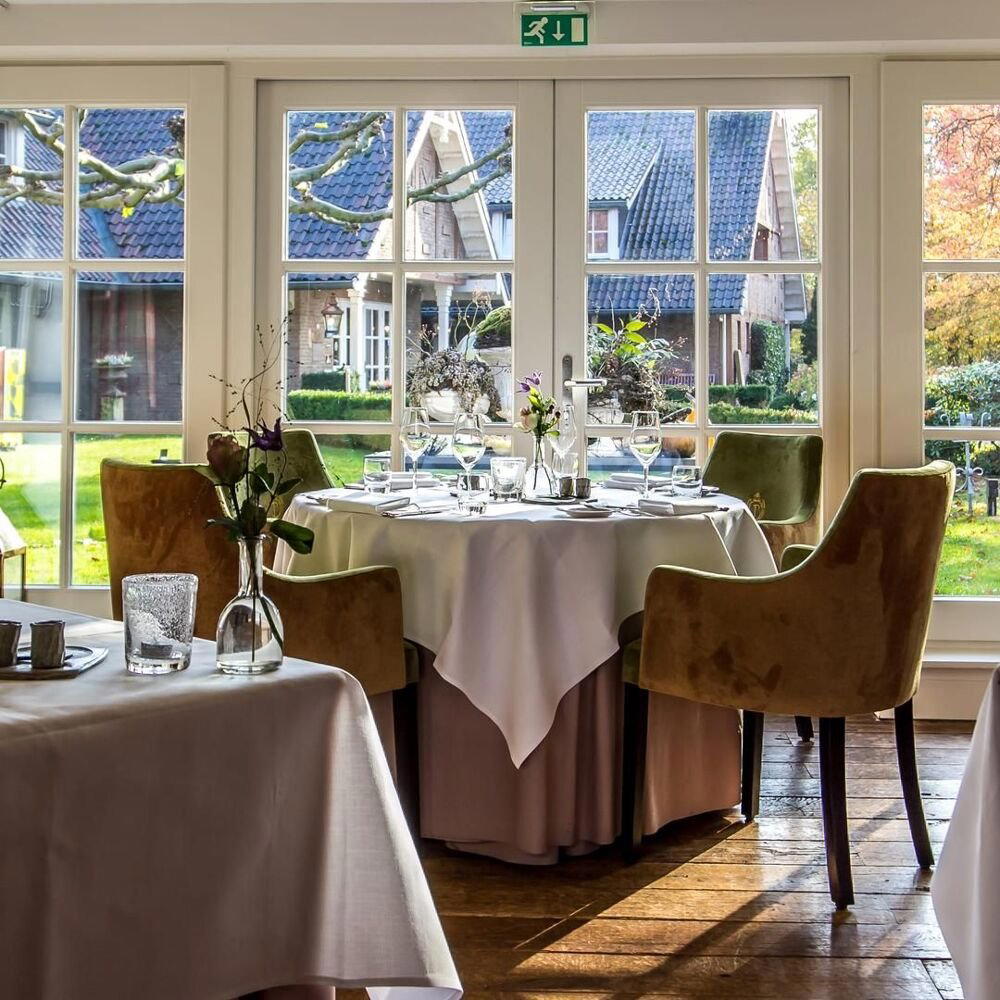
Warm, welcoming atmosphere in a historic manor with cozy lounges, tasteful decor, and serene natural surroundings.