Pareidolia sits on Carrer de Balmes in Barcelona's Sarrià-Sant Gervasi district, a neighbourhood that consistently draws serious dining rather than tourist traffic. The address places it within reach of ABaC and other upper-tier creative Spanish tables, positioning it inside a competitive residential dining tier where cooking credentials carry more weight than location spectacle. Check current booking windows and menus directly before planning a visit.
Pearl is the En Primeur Club membership app — saves, bookings, and concierge access live there. Same editors, same standards.
- Address
- Carrer de Balmes, 246, Sarrià-Sant Gervasi, 08006 Barcelona, Spain
- Website
- opentable.com
- Directions
- Get directions
 Saves & bookings on Pearl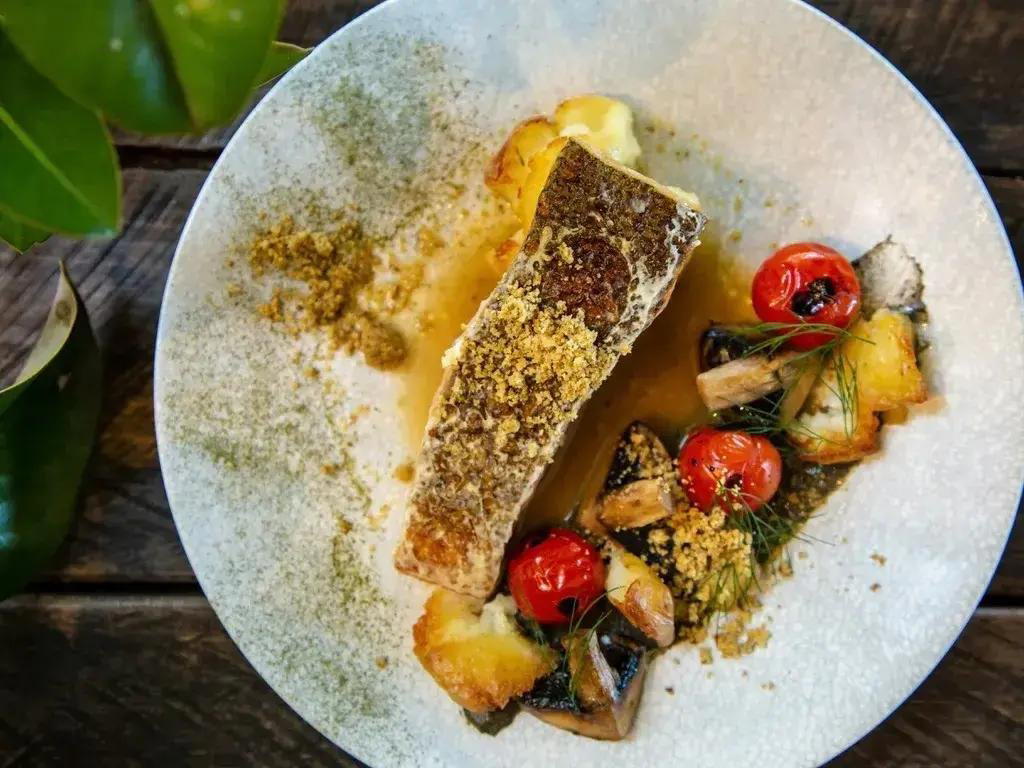
Sarrià-Sant Gervasi and the Geography of Serious Dining
Pareidolia is a restaurant in Barcelona's Sarrià-Sant Gervasi district, at Carrer de Balmes, 246. Barcelona's fine dining scene does not cluster in one place. The tourist-heavy Eixample and Gothic Quarter attract a different kind of table than the residential upper districts, and Sarrià-Sant Gervasi has long functioned as a quieter counterpoint: a neighbourhood where long-standing local clientele sustains restaurants that do not depend on foot traffic or hotel concierge referrals. Carrer de Balmes, one of the district's main arteries, runs the length of Barcelona from the waterfront to the hills, and its upper stretch through Sarrià-Sant Gervasi carries a noticeably different energy from the lower commercial blocks. The apartments are larger, the pace is slower, and the restaurants that survive here tend to do so on cooking rather than visibility.
Pareidolia occupies an address at Carrer de Balmes, 246, in that upper residential register. The name itself is a perceptual term, the tendency to find recognisable patterns in ambiguous images, which signals something about the kind of dining it is likely to propose: attentive, detail-oriented, asking something of the guest rather than simply delivering comfort. In a city that has produced some of Spain's most technically demanding restaurants, that is a coherent positioning choice.
Where It Sits in Barcelona's Creative Tier
Barcelona's upper creative tier is unusually dense for a city of its size. Disfrutar, regularly placed among the world's highest-ranked tables, operates a hyper-technical progressive format with a long tasting menu and booking lead times that stretch months in advance. Cocina Hermanos Torres works in a converted greenhouse space in Les Corts, with two Michelin stars and a theatrical presentation format. Lasarte holds three stars under Martín Berasategui's wider group and represents the more formal, product-driven end of the city's creative Spanish tradition. ABaC occupies a hotel in Sarrià itself, two Michelin stars and a garden setting that separates it visually from every other entry in the city's leading bracket. Enigma runs a highly structured format through the Albert Adrià network, with a dedicated booking system and a menu that changes substantively season to season.
That absence is itself editorial information. In a city where Michelin coverage is thorough and the Guide España publishes annually, restaurants without starred recognition either operate below that threshold by format or price, or are newer entries that have not yet accumulated the review cycles. The Sarrià-Sant Gervasi address and the name choice suggest ambition rather than casualness, but the practical details, confirmed format, price range, menu structure, are not yet in the public record in a form that allows direct characterisation.
The Neighbourhood as Context for the Visit
What the address does confirm is the competitive environment. Sarrià-Sant Gervasi is one of Barcelona's wealthiest residential districts, with a local dining culture that has historically supported independent restaurants over chain formats. ABaC, at Avinguda del Tibidabo, is the district's most decorated table, but the broader neighbourhood sustains a range of serious independent operations that rarely appear in city-centre roundups. Visitors who plan a meal at Pareidolia are likely to find the area quieter than Eixample or Gràcia, with better parking, fewer queues for adjacent restaurants, and an atmosphere that reads as neighbourhood rather than destination.
That local character matters in practical terms. Arriving by metro (lines that connect through Gràcia and Eixample reach the upper Balmes corridor) or by taxi is direct from the city centre. The upper stretch of Balmes is walkable from Diagonal, though the full length of the street is long enough that most visitors arriving from central hotels will choose transport. For those combining the meal with a broader visit to the upper city, the Tibidabo funicular, the Collserola park access points, and the Pedralbes monastery are all within reasonable range.
Spain's Broader Creative Spanish Context
To understand what any Barcelona creative table is working against, it helps to map the national reference points. El Celler de Can Roca in Girona remains the clearest model for multi-generational Spanish creative cooking, combining technique with emotional and cultural register in a way few European restaurants match. Mugaritz in Errenteria operates at the more conceptual end, where the guest's discomfort is explicitly part of the format. Arzak in San Sebastián represents the historical anchor of Basque nouvelle cuisine, now in its fourth decade of starred recognition. Further south, Aponiente in El Puerto de Santa María has built a marine-focused format unlike anything else on the peninsula, and Quique Dacosta in Dénia represents the Mediterranean coast's most technically precise creative tradition. DiverXO in Madrid, Azurmendi in Larrabetzu, Martin Berasategui in Lasarte-Oria, Ricard Camarena in València, and Atrio in Cáceres complete the map of Spain's most referenced creative tables. Barcelona's contribution to that national field is disproportionately large for a single city, which is part of why even restaurants operating below the starred tier here are competing against a demanding comparable set.
For international comparison, formats like Le Bernardin in New York City and Atomix in New York City illustrate how serious tasting-menu restaurants in major cities calibrate their competitive signals: formal booking processes, transparent pricing structures, and documented culinary lineage. Barcelona's leading tables largely follow the same logic.
Planning Your Visit
| Factor | Pareidolia | ABaC (nearby peer) | Disfrutar (city-wide peer) |
|---|---|---|---|
| District | Sarrià-Sant Gervasi | Sarrià-Sant Gervasi | Eixample / Les Corts border |
| Price tier | €€ | €€€€ | €€€€ |
| Booking window | Verify directly | Several weeks ahead | Multiple months ahead |
| Format | Not confirmed | Tasting menu | Tasting menu |
| Michelin recognition | Not in current records | Two stars | Two stars (and rising) |
The Minimal Set
Comparable venues nearby, for context on price, style, and recognition.
| Venue | Price | Notes |
|---|---|---|
| PareidoliaThis venue — the venue you are viewing | $$ | Not listed |
| OMA Bistró | $$ | l'Antiga Esquerra de l'Eixample, International Brunch Cafe |
| Parking Pizza | $$ | Sant Gervasi - Galvany, Modern Italian Pizza |
| Casa Anita En Paris | $$ | l'Antiga Esquerra de l'Eixample, Mediterranean Seafood & Spanish Tapas |
| Restaurant gut | $$ | la Vila de Gracia, Mediterranean-Asian Fusion |
| Lateral Consell | $$ | la Dreta de l'Eixample, Spanish & Catalan Tapas |
Continue exploring
More in Barcelona
Restaurants in Barcelona
Browse all →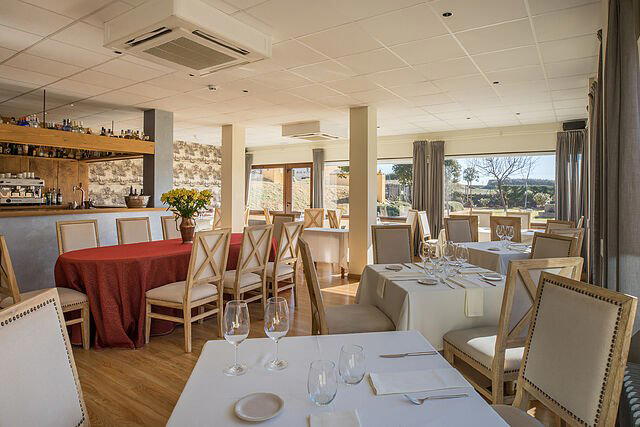
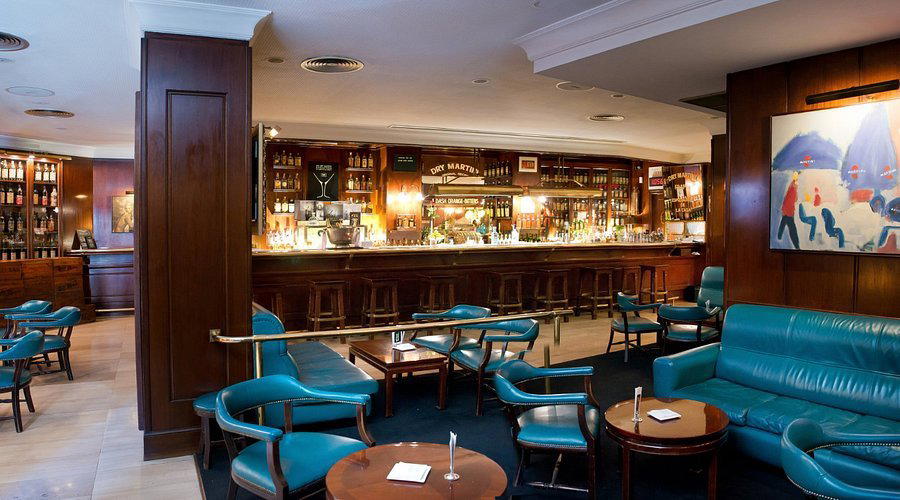
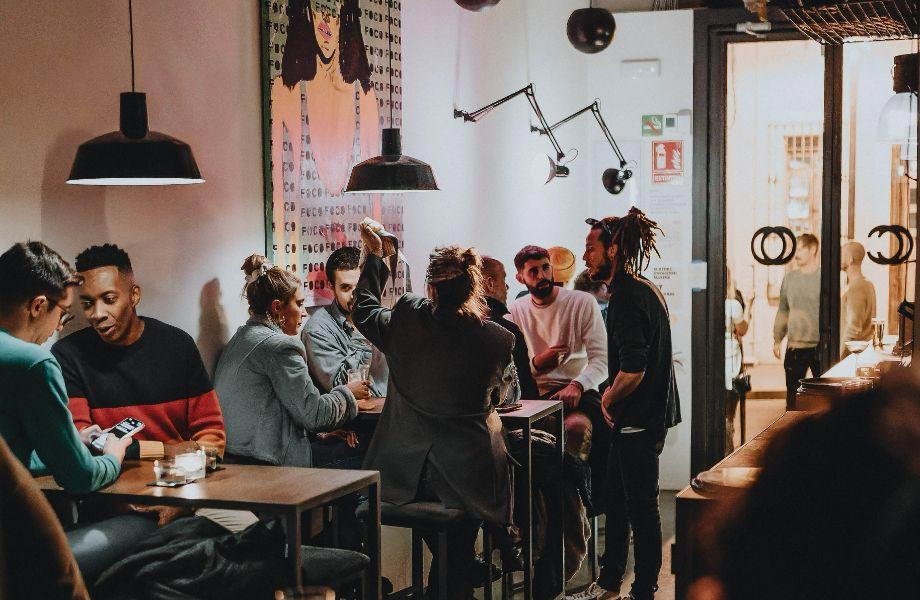
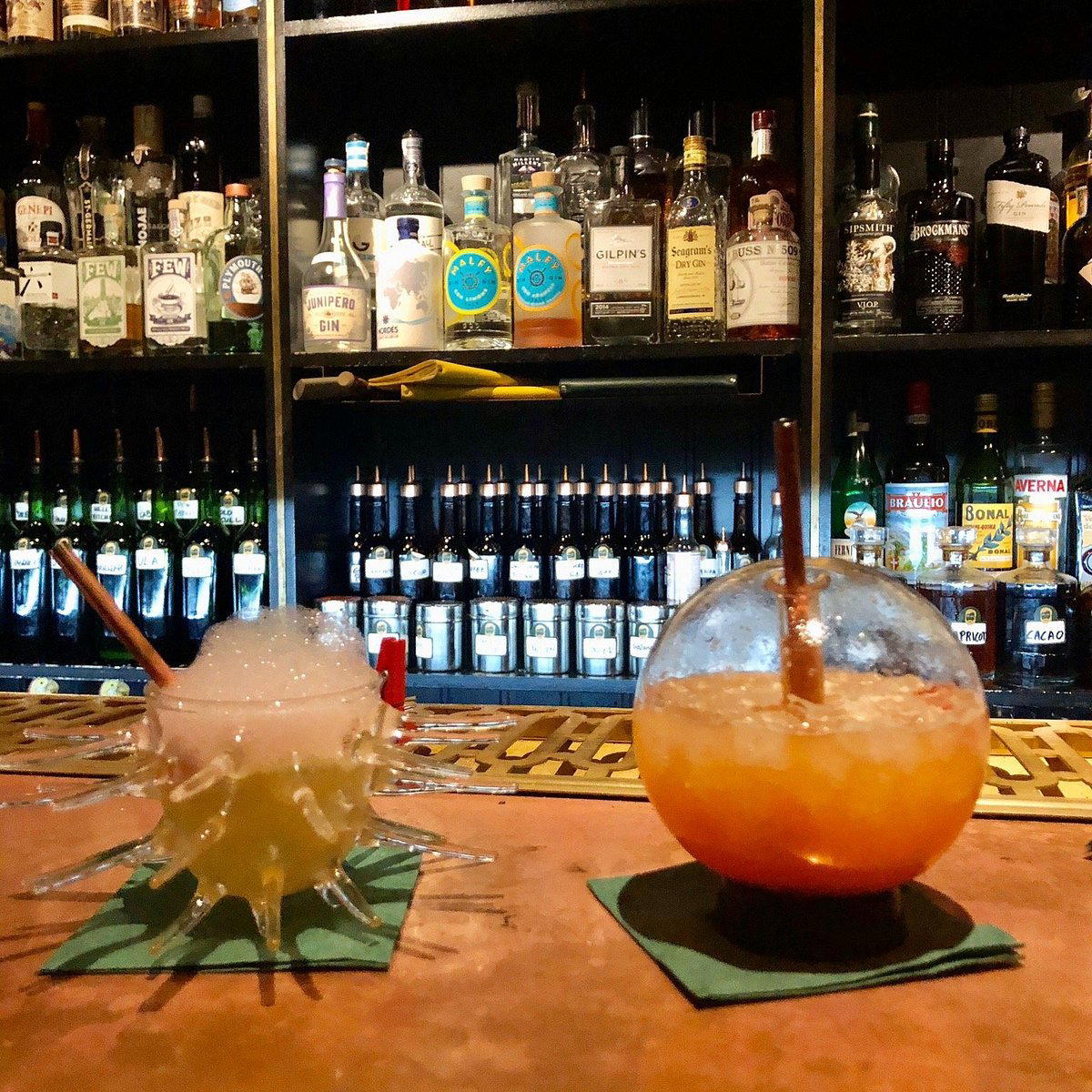
Bars in Barcelona
Browse all →
Hotels in Barcelona
Browse all →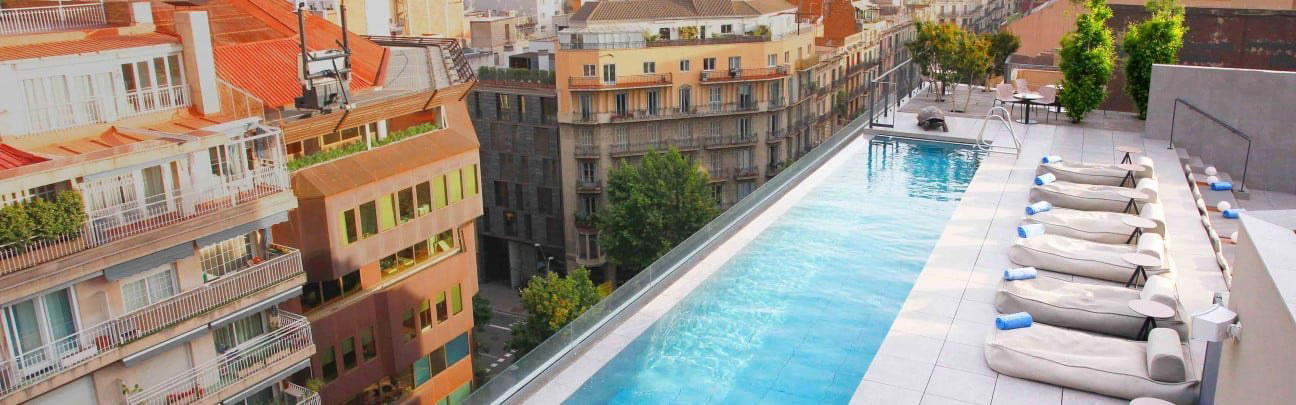
At a Glance
- Trendy
- Cozy
- Modern
- Sophisticated
- Date Night
- Casual Hangout
- Craft Cocktails
- Local Sourcing
Current opening hours
- Monday
- Closed
- Tuesday
- 7 PM–2 AM
- Wednesday
- 7 PM–2 AM
- Thursday
- 7 PM–2 AM
- Friday
- 7 PM–2 AM
- Saturday
- 7 PM–2 AM
- Sunday
- Closed
Hours can change for holidays and private events. Last verified .
Cozy and slightly upscale atmosphere well-suited for date nights with a welcoming, lively energy.