Restaurant gut serves Mediterranean-Asian fusion in Gràcia, with local sourcing, an open kitchen, and a conversational room for lunch or dinner.
Pearl is the En Primeur Club membership app — saves, bookings, and concierge access live there. Same editors, same standards.
- Address
- Carrer del Perill, 13, Gràcia, 08012 Barcelona, Spain
- Phone
- +34644919013
- Website
- restaurantgut.com
- Directions
- Get directions
 Saves & bookings on Pearl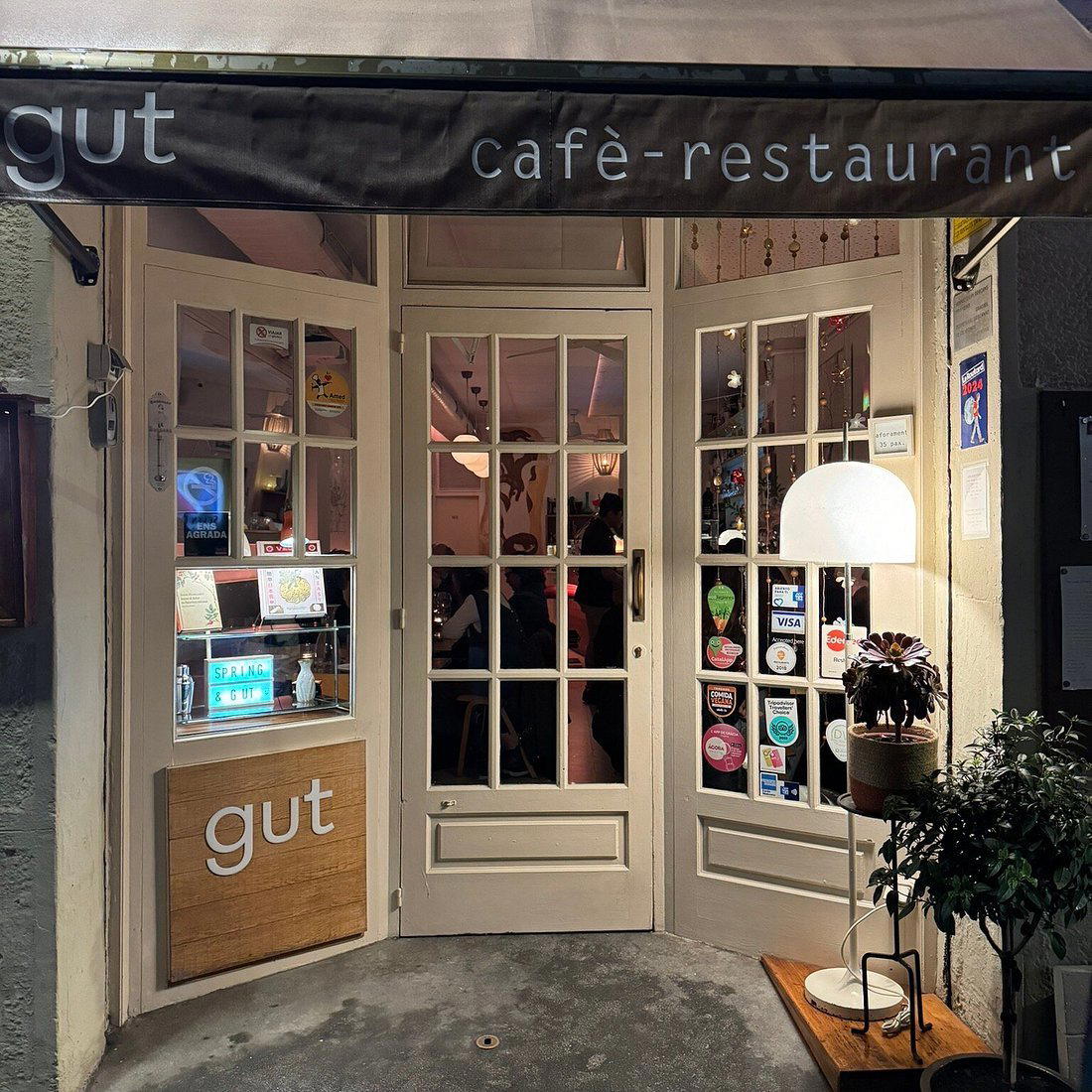
Gràcia's Quieter Register
Carrer del Perill sits in the interior of Gràcia, one of Barcelona's most self-contained districts, where the density of neighbourhood restaurants is high and the tourist overlay is comparatively thin. The street itself is narrow enough that a table outside places you close to passing foot traffic, and the buildings retain the low-rise scale that distinguishes this part of the city from the grid to the south. Restaurant gut occupies that setting without fanfare, which is consistent with a certain category of Barcelona dining: places that operate inside local rhythms rather than alongside the city's higher-visibility creative circuit.
Disfrutar (Progressive, Creative), Cocina Hermanos Torres (Creative), ABaC (Creative), Lasarte (Progressive Spanish, Creative), and Enigma (Creative) all operate in that tier, each with Michelin recognition and price points to reflect it. Restaurant gut is positioned differently. Its address in Gràcia places it within a neighbourhood dining tradition that values consistency and regularity over ceremony, and its name, a Catalan term loosely meaning good or well, signals a certain plainspokenness about its intentions.
What the Menu Structure Reveals
Across Barcelona's mid-market and neighbourhood restaurant categories, menu architecture tends to follow one of two patterns. The first is the set menu or tasting format, which allows kitchens to control pacing, sourcing, and waste, and which has become the preferred structure for restaurants operating at a higher creative register, from the elaborate sequences at Enigma to the produce-driven progression at Cocina Hermanos Torres. The second pattern is the à la carte or shared-plate format, which suits the neighbourhood context better: it allows tables to arrive at different times, order at different paces, and spend at different levels without disrupting service flow.
The name and address of Restaurant gut suggest it belongs to the second category. In Gràcia specifically, the shared-plate and à la carte format has allowed a generation of smaller restaurants to establish regulars without requiring the kind of booking infrastructure or advance commitment that defines the city's Michelin tier. That format choice is itself editorial: it tells you something about who the restaurant is for and how it expects to be used. Menu architecture at this level is less about sequencing flavour and more about making the room work across a full evening service, when tables turn and groups vary in size and appetite.
For comparison, the formal tasting sequences at Spain's most decorated rooms, El Celler de Can Roca in Girona, Mugaritz in Errenteria, or Martin Berasategui in Lasarte-Oria, demand a different kind of commitment from the diner: a set time, a set price, and a set number of courses. Neighbourhood restaurants like those on Carrer del Perill operate on the other end of that axis, where spontaneity and flexibility are features rather than limitations.
Gràcia in the Barcelona Dining Map
Understanding Restaurant gut requires understanding Gràcia's position within Barcelona's dining geography. The district sits north of the Eixample, bounded roughly by Avinguda Diagonal to the north and Carrer de Provença to the south, and it has maintained a character distinct from the tourist-heavy Gothic Quarter and the design-forward Sant Pere. The resident density is high, average incomes are mid-range, and the restaurant culture reflects both factors: it favours places that are open most evenings, priced to allow repeat visits, and structured to accommodate the rhythms of local life rather than visitor itineraries.
That context shapes what success looks like for a restaurant on Carrer del Perill. It is not measured by international reservation wait times, the model that governs seats at Disfrutar or at peer-level rooms like Aponiente in El Puerto de Santa María or Quique Dacosta in Dénia. It is measured by neighbourhood retention: whether the same tables return, whether the kitchen earns trust over time rather than spectacle in a single visit.
Spain's broader fine dining circuit, which runs from Arzak in San Sebastián to Azurmendi in Larrabetzu and DiverXO in Madrid, operates in a different economy of attention. Those rooms compete globally. A neighbourhood restaurant in Gràcia competes locally, and the criteria are different: execution at the level that keeps Barcelonans coming back on a Tuesday.
Situating gut Against Its Nearest Peers
The comparison tier for the restaurant is not the Michelin circuit. It is the cluster of neighbourhood restaurants across Gràcia and Eixample that have built reputations on consistent cooking and fair pricing rather than creative ambition or critical recognition. Within that set, the differentiating factors tend to be: the specificity of the cuisine on offer, the tightness of the menu (fewer, better-sourced dishes rather than broad lists), and the quality of the room itself, whether it has been considered rather than simply furnished.
For readers who want to cross-reference Barcelona's fuller dining range, our full Barcelona restaurants guide maps the city's options across price tiers and neighbourhood contexts, from the creative tasting menus at ABaC and Lasarte to the neighbourhood registers that gut occupies. For international reference points in how neighbourhood-anchored restaurants build long-term credibility, the models offered by Le Bernardin in New York City (at a higher formal register) and Atomix in New York City (in terms of how tightly edited menus signal confidence) both illustrate the principle that restraint in scope often indicates seriousness of purpose. And for Spanish coastal cooking that operates in a related register of product-focus, Ricard Camarena in València and Atrio in Cáceres show what regional commitment looks like at a higher investment level.
Planning a Visit
| Factor | The restaurant | Disfrutar | Cocina Hermanos Torres |
|---|---|---|---|
| Neighbourhood | Gràcia | Eixample | Les Corts |
| Price tier | Not confirmed | €€€€ | €€€€ |
| Format | Neighbourhood | Tasting menu | Tasting menu |
| Booking lead time | Not confirmed | Several months | Several months |
| Awards | Not confirmed | Michelin-starred | Michelin-starred |
The address, Carrer del Perill, 13, Gràcia, is accessible from the Diagonal or Fontana metro stops (L3), and the surrounding blocks offer enough pre- or post-dinner options to make the area worth arriving early. The restaurant is open Monday to Thursday from 1 to 3:30 PM and 7:30 to 10:30 PM, Friday and Saturday from 1 to 4 PM and 7:30 to 11:30 PM, and Sunday from 1 to 4 PM. Pricing is about $25 per person.
At a Glance
Comparable venues nearby, for context on price, style, and recognition.
| Venue | Cuisine | Price | Notes |
|---|---|---|---|
| Restaurant gutThis venue — the venue you are viewing | Not listed | $$ | Not listed |
| EdeNova | Not listed | $$ | la Dreta de l'Eixample, Uzbek-Spanish Fusion |
| A Vocados | Not listed | $$ | Sant Gervasi - Galvany, Mediterranean Flexitarian with Pizza & Poke |
| Rasoi BCN | Not listed | $$ | l'Antiga Esquerra de l'Eixample, Authentic Indian |
| Bodegó del Pop | Not listed | $$ | el Putxet i el Farro, Traditional Spanish Tapas |
| La Taverna Del Suculent | el Raval, Modern Spanish Tapas | $$ | Not listed |
Continue exploring
More in Barcelona
Restaurants in Barcelona
Browse all →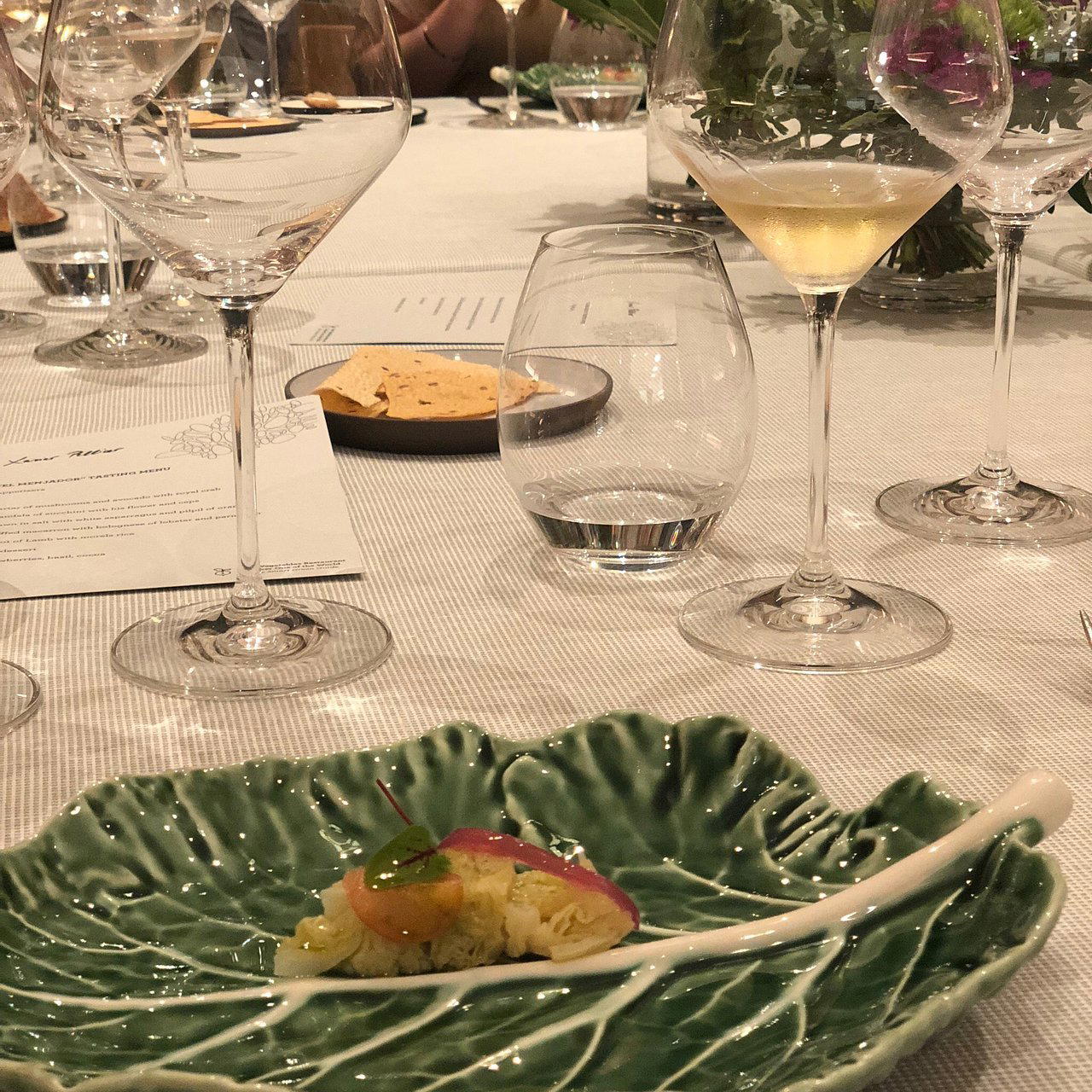
Bars in Barcelona
Browse all →

Hotels in Barcelona
Browse all →

At a Glance
- Modern
- Cozy
- Minimalist
- Casual Hangout
- Date Night
- Open Kitchen
- Local Sourcing
Current opening hours
- Monday
- 1–3:30 PM, 7:30–10:30 PM
- Tuesday
- 1–3:30 PM, 7:30–10:30 PM
- Wednesday
- 1–3:30 PM, 7:30–10:30 PM
- Thursday
- 1–3:30 PM, 7:30–10:30 PM
- Friday
- 1–4 PM, 7:30–11:30 PM
- Saturday
- 1–4 PM, 7:30–11:30 PM
- Sunday
- 1–4 PM
Hours can change for holidays and private events. Last verified .
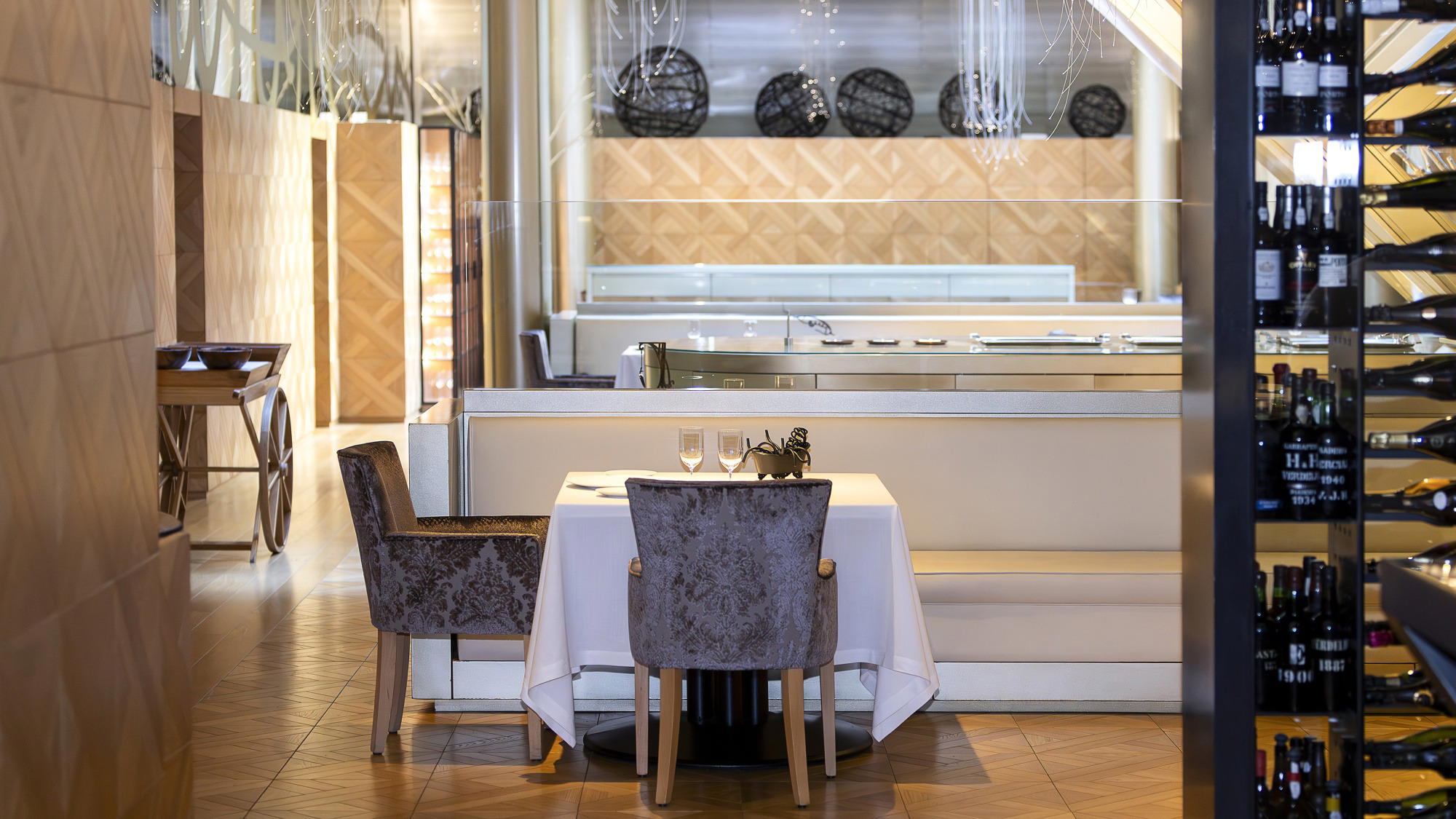
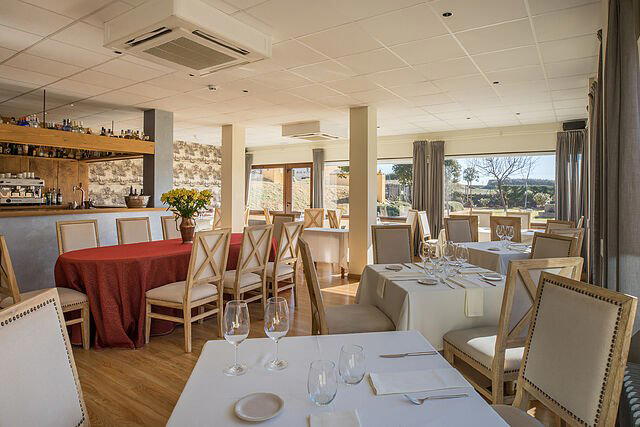
Pristine white furniture with vintage wooden chairs creates a comfy, soft, minimalist atmosphere.