OMA Bistró occupies a quietly watched address on Carrer del Consell de Cent in L'Eixample, where Barcelona's mid-tier creative scene is producing some of its most considered work. The bistro format here signals a deliberate step back from tasting-menu formality, with a floor team and kitchen working in close coordination to deliver a meal that reads as effortless rather than engineered. It sits in a city where the competition above it includes multiple Michelin-starred rooms, which makes its positioning all the more precise.
Pearl is the En Primeur Club membership app — saves, bookings, and concierge access live there. Same editors, same standards.
- Address
- Carrer del Consell de Cent, 227, L'Eixample, 08011 Barcelona, Spain
- Phone
- +34933487049
- Website
- omabarcelona.com
- Directions
- Get directions
 Saves & bookings on Pearl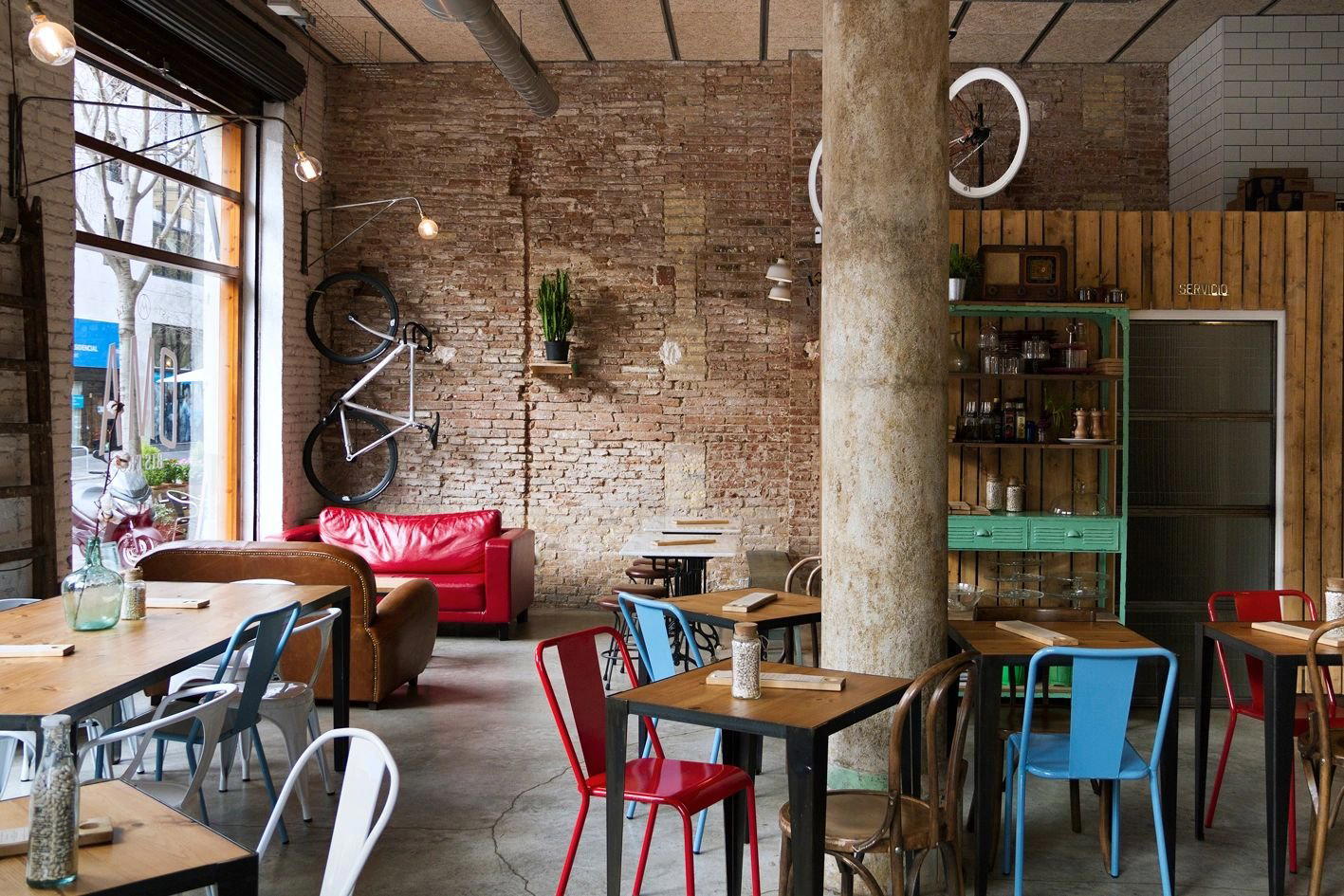
L'Eixample's Bistro Register
Barcelona's restaurant geography has a well-documented upper tier: the multi-Michelin rooms clustered across the city's smarter postcodes, from Disfrutar and Cocina Hermanos Torres to ABaC and Lasarte. What gets less attention is the tier directly beneath that constellation, where chefs and teams with serious technical formation choose the bistro format deliberately, not as a fallback, but as a statement about how they want to cook and how they want guests to feel in the room. OMA Bistró is an International Brunch Cafe at Carrer del Consell de Cent 227 in L'Eixample, Barcelona, and it sits in that register.
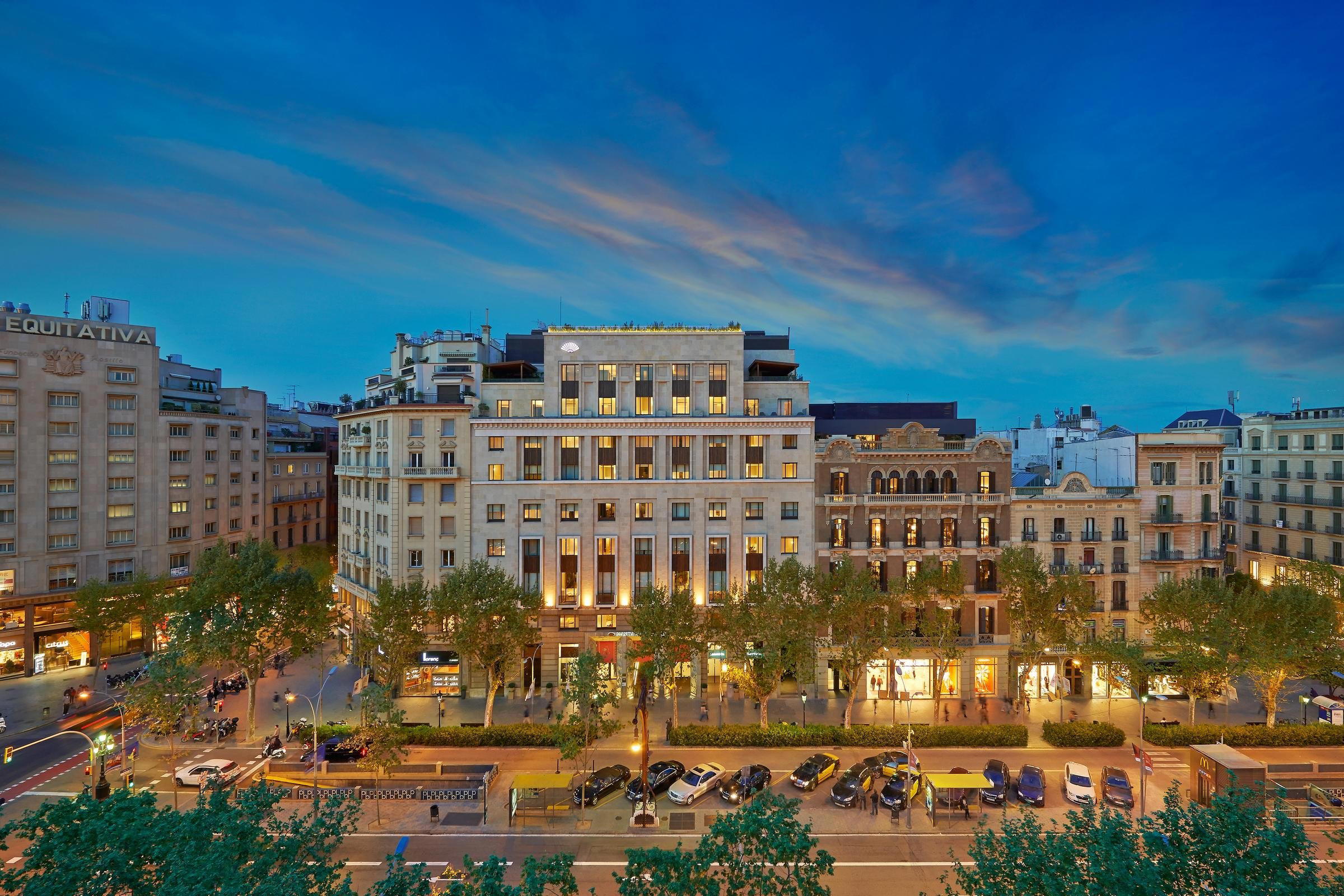
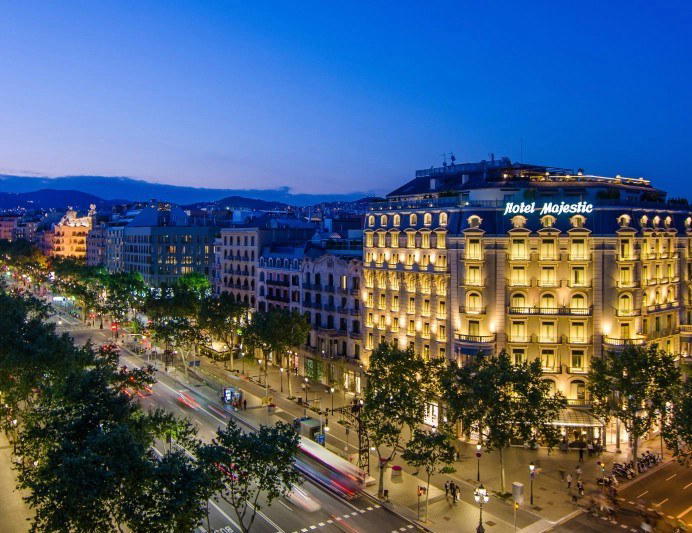
The street itself is a useful locator. Consell de Cent runs east-west through the Eixample grid that Ildefons Cerdà laid out in the 1860s, the same rational block pattern that gave the neighbourhood its chamfered corners and its particular quality of afternoon light. The address places OMA in a residential and commercial stretch that has absorbed a steady run of independent restaurants over the past decade, distinct from the higher-visibility tourist circuits around the Ramblas or the Born. Arriving here, you are coming specifically, not stumbling past.
The Coordination Underneath the Apparent Ease
The bistro format rewards close collaboration between kitchen, floor, and whoever manages the wine program in ways that more formal tasting-menu restaurants sometimes obscure behind ceremony. At the starred end of the Barcelona spectrum, at Enigma, for instance, service choreography is part of the product, visible and deliberate. The bistro register asks something different: it asks the team to make the coordination invisible, so that the meal reads as natural and the transitions between courses feel uncontrived.
That invisibility is harder to achieve than it appears. It requires a front-of-house that can read a table's rhythm and adjust wine pacing accordingly, a kitchen that is not rigidly sequencing but listening to the floor, and a sommelier or wine lead who can make recommendations that feel like conversation rather than upsell. Spain has a long tradition of this kind of integrated hospitality, you see it in the great Basque restaurants, in Arzak and in the more relaxed satellite projects that the country's senior chefs have opened over the years, but it is not automatic in city bistros, where the economics of a faster-turning dining room can pull teams apart.
Barcelona in a Broader Spanish Context
To understand what a serious Barcelona bistro is working with and against, it helps to hold the wider Spanish fine-dining map in view. Spain's most decorated kitchens are spread across the peninsula in a way that is unusual by European standards: El Celler de Can Roca sits less than two hours north in Girona; Martin Berasategui anchors the Basque country alongside Mugaritz and Azurmendi; DiverXO holds Madrid's highest-profile seat; Aponiente, Quique Dacosta, Ricard Camarena, and Atrio represent the breadth further south and west. Barcelona competes within that network, and its bistro-tier restaurants inherit both the technical seriousness that proximity to those kitchens produces and the market pressure to price and position realistically against them.
That context shapes what the better bistros in L'Eixample are attempting. The comparison set is not other European capitals' casual-dining scenes; it is a country where cooking ambition runs unusually deep even below the formal tasting-menu tier. Compare this to what Le Bernardin in New York or Atomix represent in their own cities' hierarchies, the gravitational pull of a national fine-dining tradition affects every room below the top tier. In Spain, that pull is considerable.
What the Bistro Format Signals Here
Choosing the bistro register in a city with this competitive density is a considered act. It signals a preference for shorter menus over elaborate multi-course architecture, for ingredient-focused cooking over technique-first showmanship, and for a room temperature that allows genuine conversation. It also signals a particular approach to the guest relationship: the bistro team earns repeat visits through consistency and attentiveness rather than through spectacle, which is a harder and more durable version of hospitality to sustain.
In Barcelona's current mid-tier, this format is gaining ground. The generation of cooks who trained through the city's creative boom of the 2000s and 2010s, when Ferran Adrià's influence reshaped global cooking from a kitchen in El Bulli, has largely moved past the need to demonstrate technical complexity. The more interesting question now is what discipline looks like when the tools are simpler. That is the conversation the better L'Eixample bistros are having, and OMA is part of it.
What It’s Closest To
Comparable venues nearby, for context on price, style, and recognition.
| Venue | Cuisine | Price | Notes |
|---|---|---|---|
| OMA BistróThis venue — the venue you are viewing | International Brunch Cafe | $$ | Not listed |
| Caravelle | Modern Brunch & International Cafe | $$ | el Raval |
| Pareidolia | International Gastro Cocktails | $$ | Sant Gervasi - Galvany |
| L' Antica Pizzeria Da Michele | Authentic Neapolitan Pizza | $$ | la Dreta de l'Eixample |
| El Boliche del Gordo Cabrera | Uruguayan/Argentinean Steakhouse | $$ | la Dreta de l'Eixample |
| Can Kenji | Japanese Izakaya with Mediterranean Fusion | $$ | la Dreta de l'Eixample |
Continue exploring
More in Barcelona
Restaurants in Barcelona
Browse all →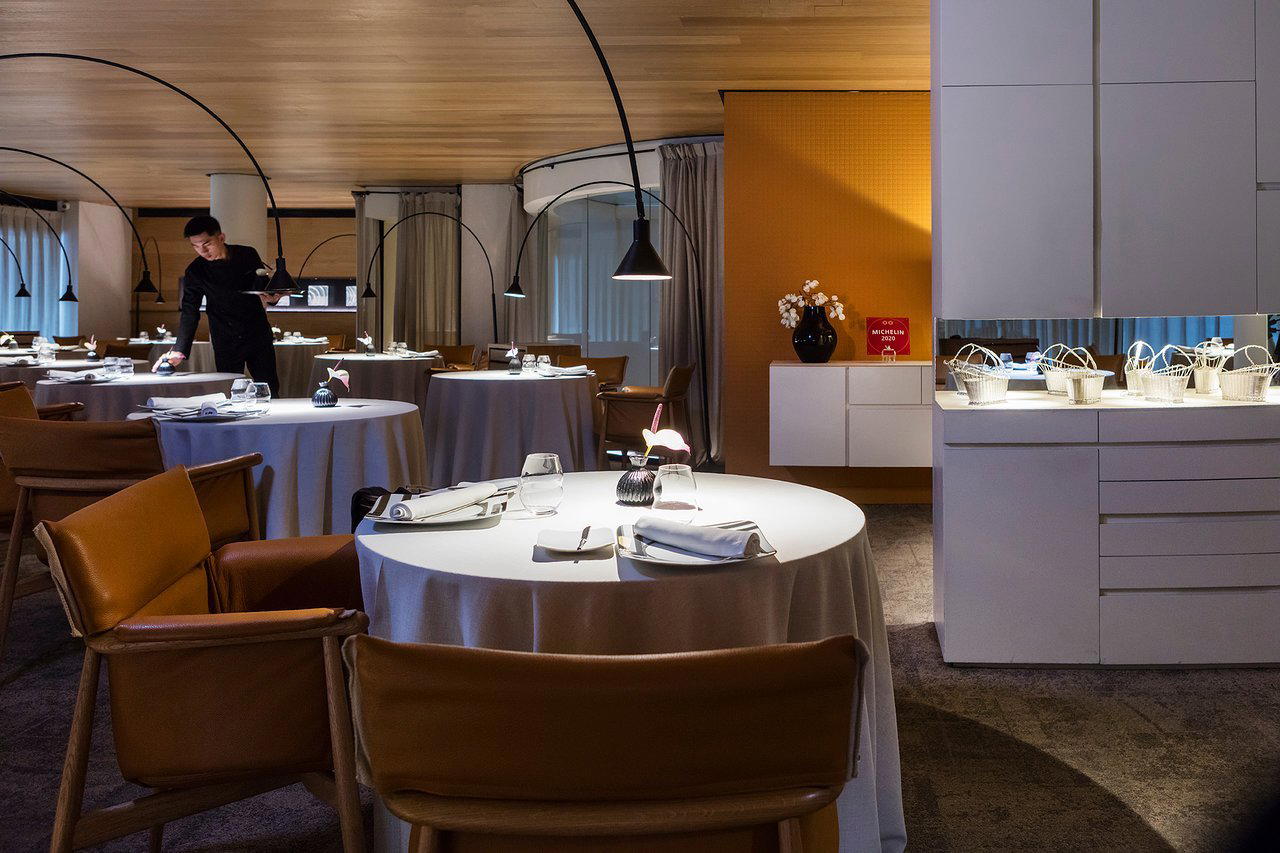
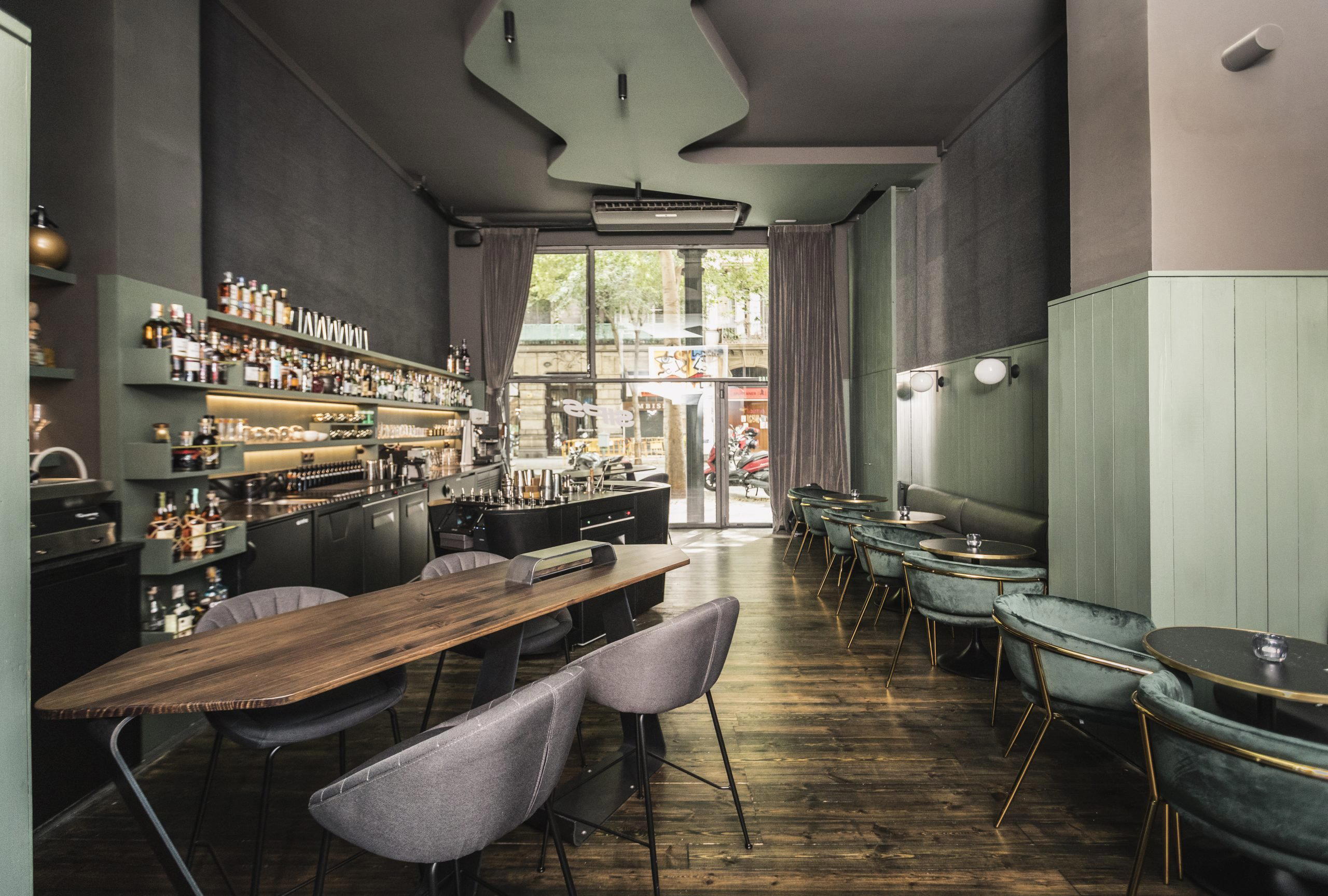
Bars in Barcelona
Browse all →
Hotels in Barcelona
Browse all →
At a Glance
- Cozy
- Trendy
- Industrial
- Modern
- Brunch
- Casual Hangout
- Open Kitchen
- Beer Program
Current opening hours
- Monday
- 8 AM–9 PM
- Tuesday
- 8 AM–9 PM
- Wednesday
- 8 AM–9 PM
- Thursday
- 8 AM–9 PM
- Friday
- 8 AM–9 PM
- Saturday
- 9 AM–9 PM
- Sunday
- 9 AM–4:30 PM
Hours can change for holidays and private events. Last verified .
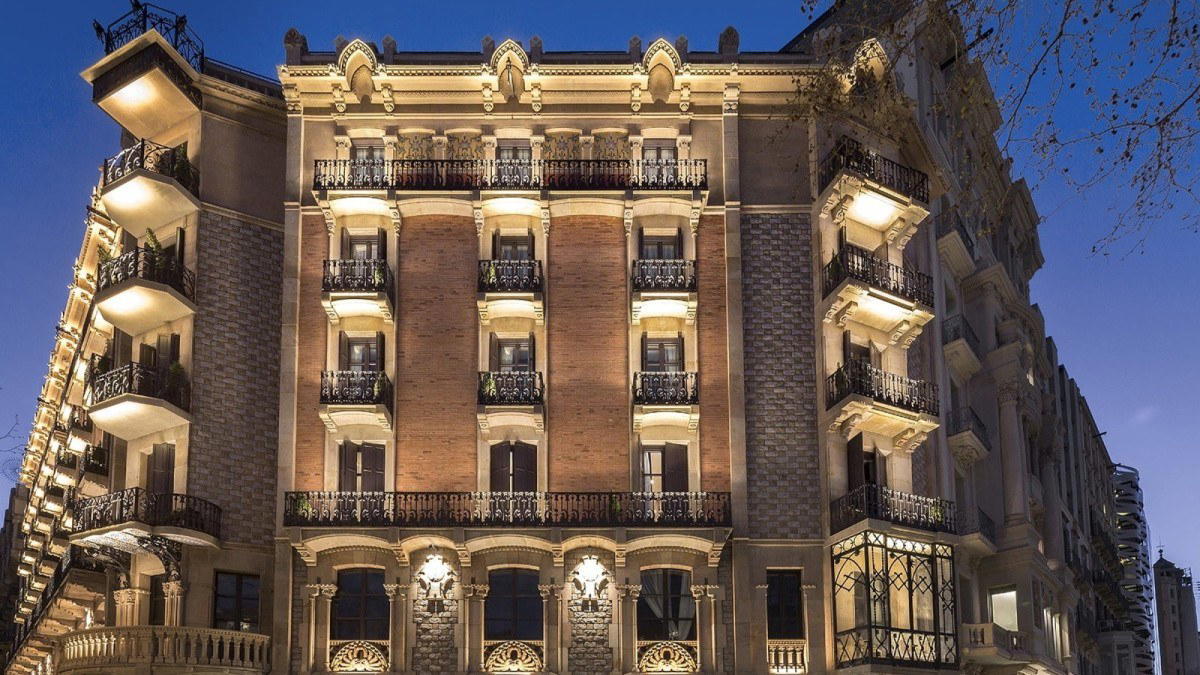
Cozy industrial-chic cafe with exposed brick walls, hanging bikes, huge windows, comfortable sofas, and sunny laid-back atmosphere.