Our verdict
On a narrow alley just off Cusco's Plaza de Armas, Papacho's occupies a space where the city's colonial architecture sets the backdrop for a menu rooted in Peruvian tradition. The address on Santa Catalina Angosta puts it at the centre of Cusco's most concentrated dining corridor, within reach of the city's broader restaurant scene without the tourist-strip noise.
The menu
What to order
- Anticuchera
- Cusco
- Miraflorina
A Street That Does Most of the Work
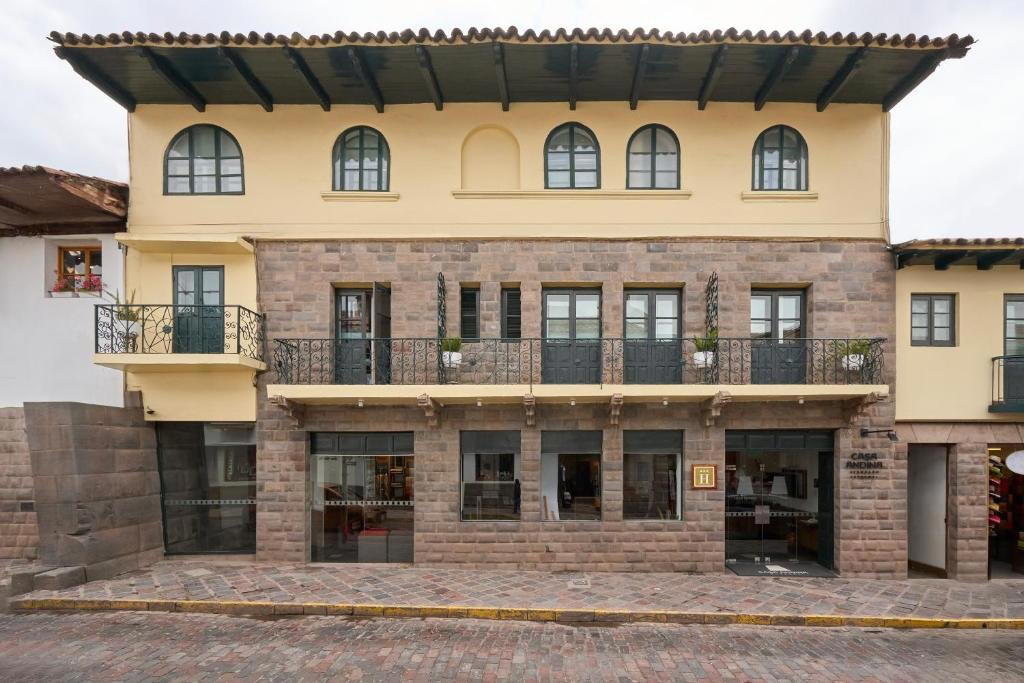
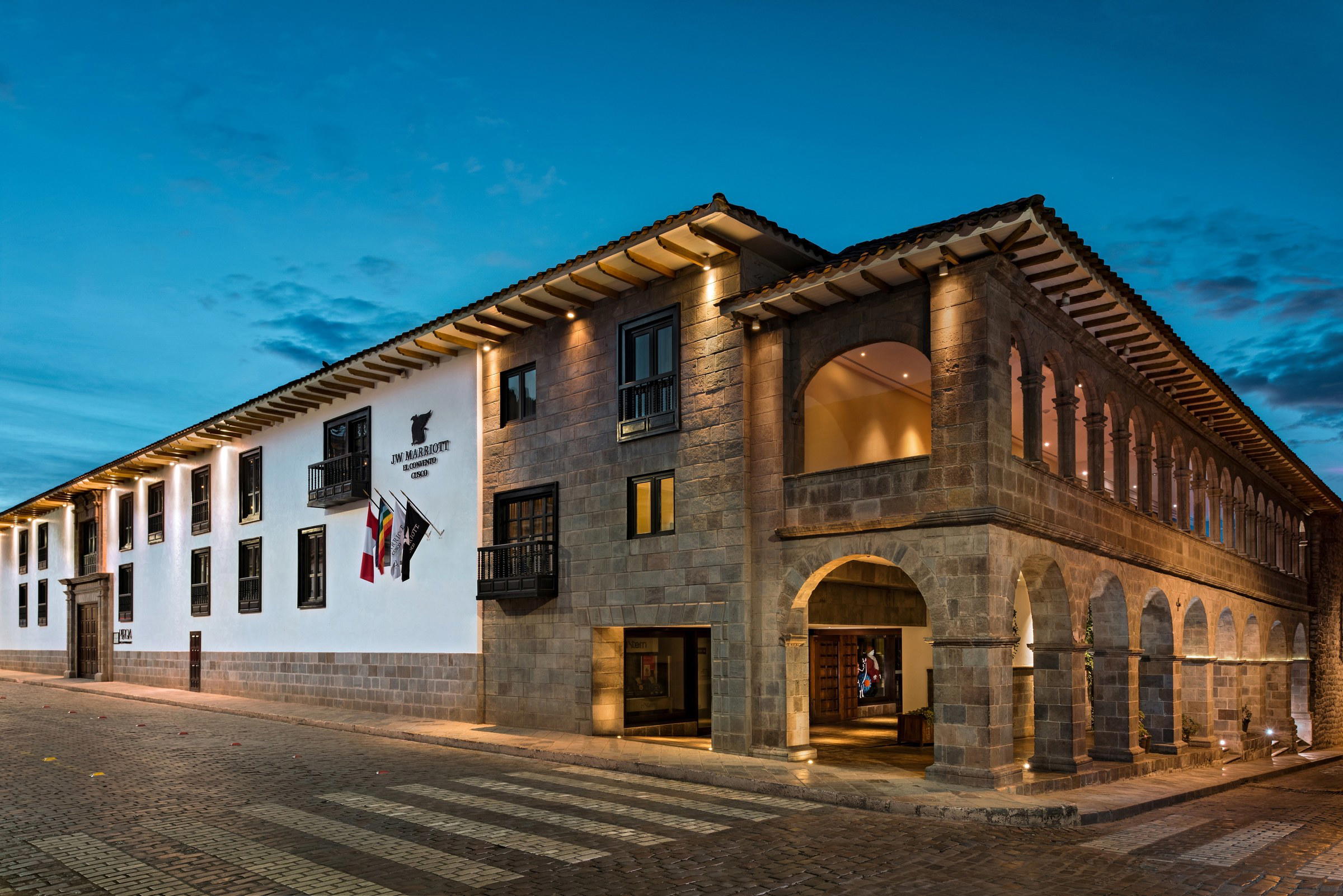
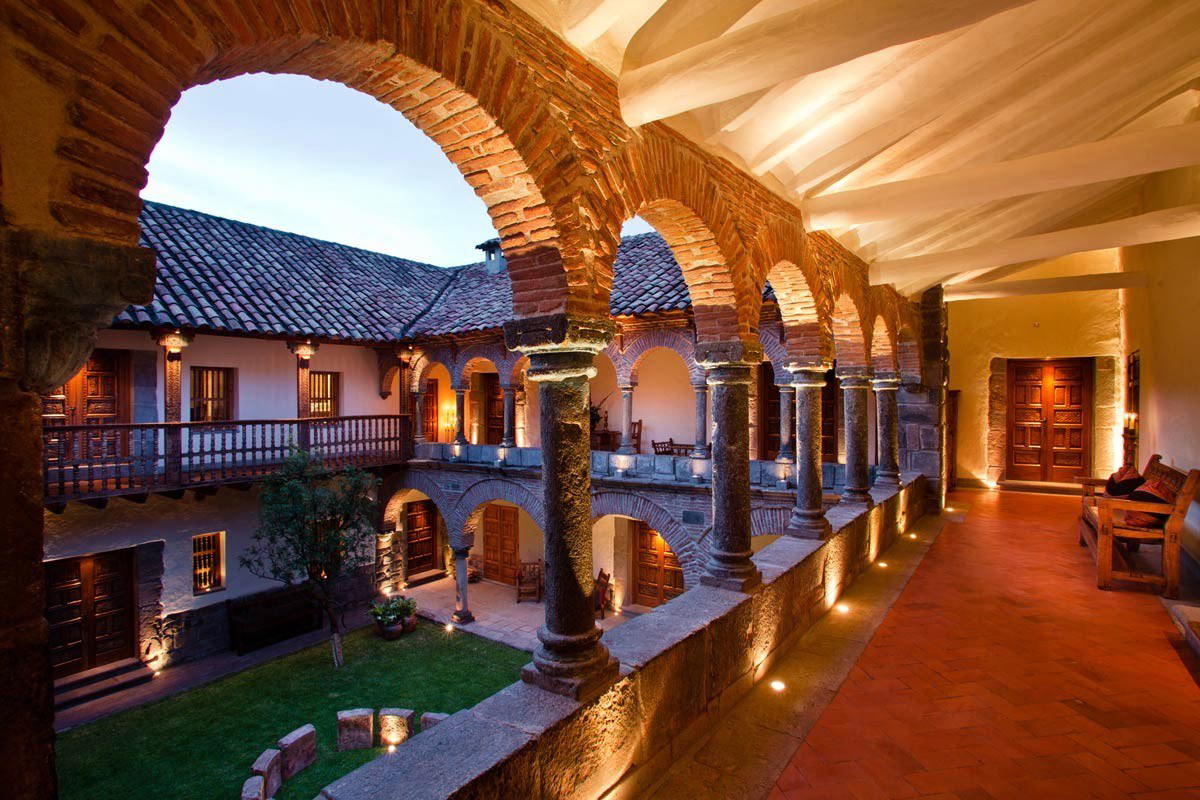
Santa Catalina Angosta is one of those Cusco lanes where the stonework does most of the talking. The walls date to Inca foundations overlaid with Spanish colonial construction, and the narrow passage creates an acoustic intimacy that larger plazas cannot replicate. Restaurants on this strip compete not just on food but on what they offer the moment a guest steps through a doorway: relief from altitude, a shift in light, and the particular quiet of thick stone walls. Papacho's address at number 115 puts it precisely in that corridor, a positioning that carries inherent editorial weight before a single dish arrives.
That physical context matters in Cusco more than in most Peruvian cities. At 3,400 metres, the dining experience is shaped by the body's adjustment to altitude as much as by any kitchen output. Visitors arriving in the first day or two eat more cautiously, drink water rather than wine, and pay closer attention to the room around them. A well-composed interior in this neighbourhood earns repeat visits in a way that wouldn't hold at sea level.
Where Papacho's Sits in Cusco's Dining Tier
Cusco's restaurant scene has restructured noticeably over the past decade. The city now sustains a mid-to-premium tier that extends well beyond the historic staples of tourist menus and set lunches. Properties like Chicha por Gaston Acurio established that Andean ingredients could anchor serious tasting formats, while Cicciolina demonstrated that a European-influenced sensibility could take root without losing local credibility. Fallen Angel pushed the theatrical end of the spectrum, and Green Point carved space for plant-forward approaches.
Papacho's sits within that tier rather than outside it, drawing on a Cusco dining tradition where the address itself signals intent. The Santa Catalina Angosta strip is not where a restaurant ends up by accident. It is where you position yourself when you are competing for a specific type of visitor: one who has already researched the city, plans to eat seriously across multiple nights, and is cross-referencing options before booking.
For context across Peru's broader restaurant spectrum, the concentrated ambition visible in Cusco's historic centre connects to larger forces shaping Peruvian cuisine nationally. Astrid & Gastón in Lima established decades ago that Peruvian cooking could compete at the highest international level, and that confidence has filtered outward into regional cities.
The Sensory Architecture of Eating in the Historic Centre
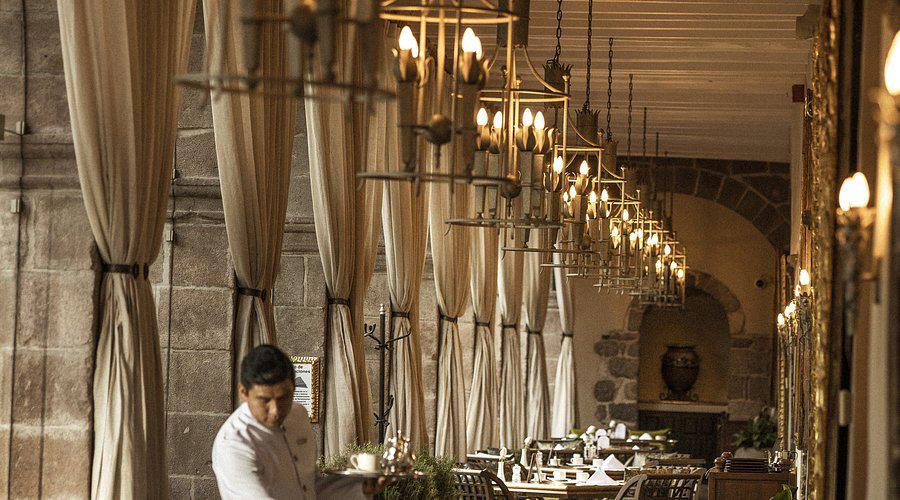
The sensory conditions of a Cusco dinner are worth addressing directly because they differ from almost any other major dining city in South America. The light at altitude shifts quickly after sunset, and the cold that settles on the streets by early evening pushes guests toward interiors with genuine warmth rather than decorative fireplaces. Stone-walled rooms absorb sound differently than modern construction, producing an ambient register that is lower and less reflective. A kitchen that understands this produces food calibrated to the room: warm preparations, layered flavour, an architecture of the meal that responds to where the guest has been all day.
Peruvian highland cuisine has always worked within these parameters. Dishes built around Andean potato varieties, slow-cooked proteins, and fermented or dried ingredients were developed in mountain conditions, and their logic holds in a dining room at the same elevation. The broader Cusco scene has absorbed enough Lima-trained technique to introduce ceviche, tiradito, and coastal preparations alongside the Andean core, but the restaurants that perform leading in the historic centre tend to lead with the highland register.
Those planning a broader circuit of Peru's regional dining should note that Cusco's mountain context differs sharply from the jungle-adjacent experience at venues like Delfin Amazon Cruises in Iquitos or the agricultural research-led format at Mil Centro in Moray, just outside the city in the Sacred Valley.
Practical Bearings
The address at Santa Catalina Angosta 115 places Papacho's within a short walk of the Plaza de Armas, making it logistically direct for guests staying in the historic centre. The concentrated nature of this dining corridor means that visitors can reasonably compare multiple options on foot before committing to a table, and the proximity to major hotels removes any transport variable from the evening. For those approaching from the San Blas neighbourhood or the market area, the lane is accessible through the central plaza without requiring navigation of Cusco's steeper streets.
Guests should verify current hours and booking availability directly on arrival or through their accommodation concierge, which remains the most reliable method for securing tables at popular historic-centre addresses in Cusco. Walk-in availability on this strip tends to be better at lunch than dinner, with the evening service filling earlier in peak months from June through August.
Visitors building a multi-night Cusco itinerary should consider placing Papacho's within a broader restaurant plan that includes the Andean fine-dining reference points above alongside more casual options. Cantina Vino Italiano covers a different register entirely for evenings when the appetite runs toward European formats. The full picture of what Cusco sustains as a dining city is mapped in our full Cusco restaurants guide.
Peru's restaurant infrastructure beyond Cusco offers useful comparison points for understanding what makes mountain-city dining distinct. The Nikkei tradition at Osaka Nikkei in San Isidro and the coastal precision at Costanera 700 in Miraflores represent Lima's parallel development, while regional spots like Cirqa in Arequipa, El Rey in Oxapampa, and Marañón Province in Maranon demonstrate how Peru's culinary geography spreads far beyond any single city. The Sacred Valley adds another dimension through Mapacho Craft Beer Restaurant in Urubamba, which reflects a different register of the region's food culture. For those charting international comparisons, the commitment to place-specific produce visible across the better Cusco restaurants echoes what Lazy Bear in San Francisco and Le Bernardin in New York City demonstrate in their respective categories: that sourcing precision, not spectacle, is the reliable through-line of serious restaurants. The Delfin I dining room in Nauta rounds out the Amazonian end of that Peruvian spectrum.
Frequently asked questions
What's the address for Papacho's, Cuzco?
Papacho's, Cuzco is located at Sta. Catalina Angosta 115, Cusco 08002, Peru, Cusco.
Is Papacho's Cusco a good option for dining near the Plaza de Armas in the historic district?
The address at Santa Catalina Angosta 115 puts Papacho's squarely inside Cusco's historic centre, on a lane where Inca stonework underlies Spanish colonial construction, the kind of architectural context that few dining cities in South America can match. Cusco's restaurant tier in this zone has matured significantly over the past decade, moving beyond tourist-facing basics into more considered cooking. Papacho's position on this street places it within that upgraded mid-to-premium conversation, though verifiable awards or ratings are not currently on record.
What's the must-try dish at Papacho's, Cuzco?
What the address does confirm is placement deep in Cusco's colonial core, a neighbourhood where kitchens tend to draw on Andean staples, think potato varieties, highland grains, and slow-cooked proteins, rather than pan-Latin fusion. Visiting with an open approach to the day's offerings is the practical move.
How hard is it to get a table at Papacho's, Cuzco?
That said, Santa Catalina Angosta sits within a short walk of the Plaza de Armas, which means foot traffic from both Cusco residents and visitors is consistent year-round. Arriving early or enquiring locally about peak service times is the most reliable approach until direct contact details become available.
Nearby-ish Comparables
| Venue | Cuisine | Price | Awards | Notes |
|---|---|---|---|---|
| Papacho's, CuzcoThis venue (the venue you are viewing) | Peruvian Gourmet Burgers | Not listed | Not listed | Not listed |
| Cicciolina | Italian-Peruvian Fusion | $30–50 | Not listed | Peruvian |
| Chicha por Gaston Acurio | Modern Peruvian | $20–30 | Not listed | Peruvian |
| Inkaterra La Casona | Traditional Peruvian Fine Dining | Not listed | Relais Chateaux Award | Peruvian Fusion |
| Mauka | Modern Peruvian Fine Dining | $50–100 | Not listed | Modern Peruvian |
| Green Point | Modern Vegan Peruvian | $20–30 | We're Smart World 3 Radishes | Not listed |
Continue exploring
More in Cusco
Restaurants in Cusco
All restaurants in Cusco →

Bars in Cusco
Browse all →
Details
- Lively
- Trendy
- Cozy
- Casual Hangout
- Group Dining
- Open Kitchen
- Craft Cocktails
- Street Scene
- A La Carte
- Vegetarian Friendly
- Vegan Options
- Gluten Free Options
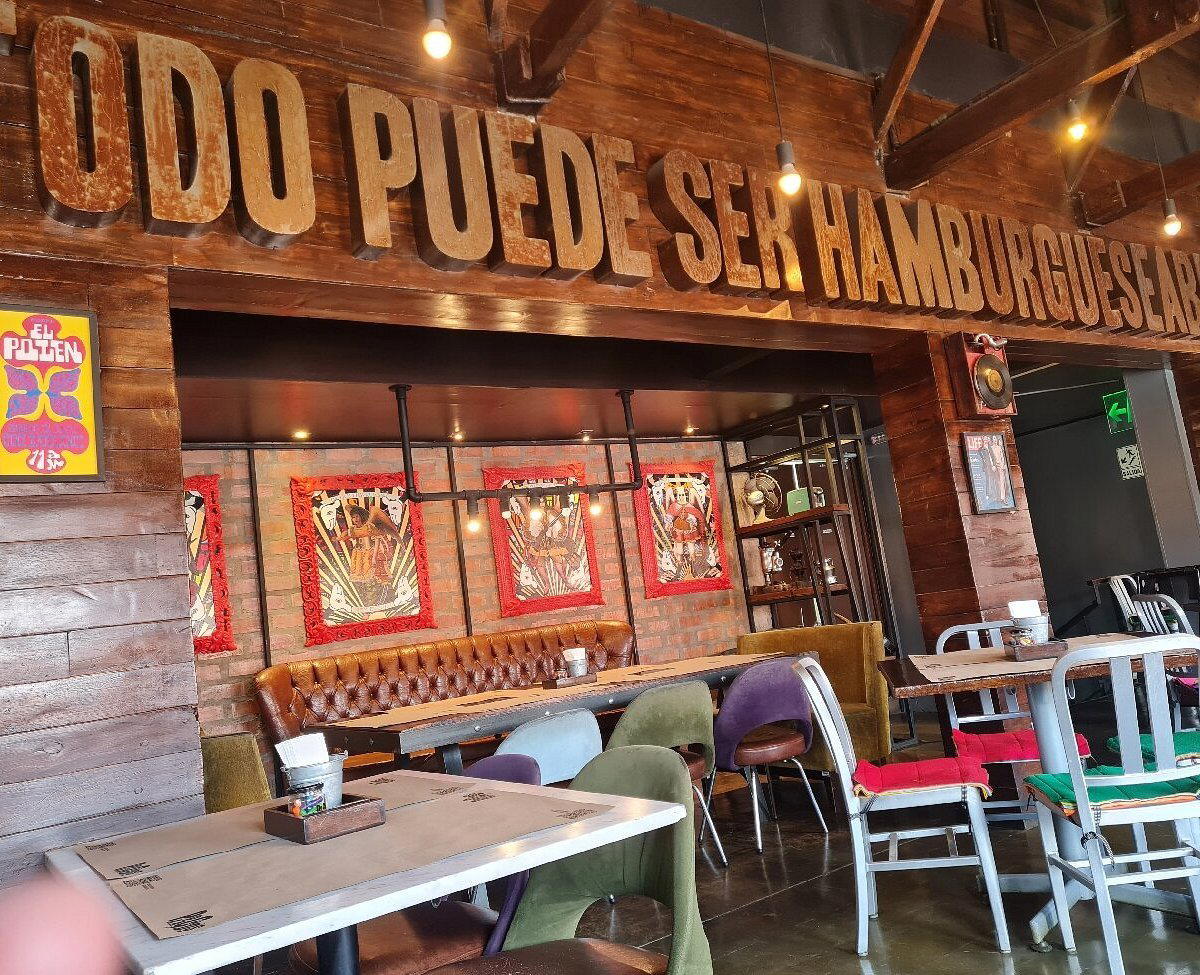
Casual and funky decor with good music like Kings of Leon, relaxed vibe, and balcony overlooking Plaza de Armas.