Positioned on Josef-Brandstätter-Straße in Salzburg's western quarters, Panorama occupies a tier of the city's dining scene where setting and culinary ambition converge. The address places it within reach of a city that takes fine dining seriously year-round, not only during festival season. Salzburg's most considered restaurants reward advance planning, and Panorama fits that pattern.
Pearl is the En Primeur Club membership app — saves, bookings, and concierge access live there. Same editors, same standards.
- Address
- Josef-Brandstätter-Straße 6, 5020 Salzburg, Austria
- Phone
- +43662428609
- Website
- panoramacaffebrasserie.com
- Directions
- Get directions
 Saves & bookings on Pearl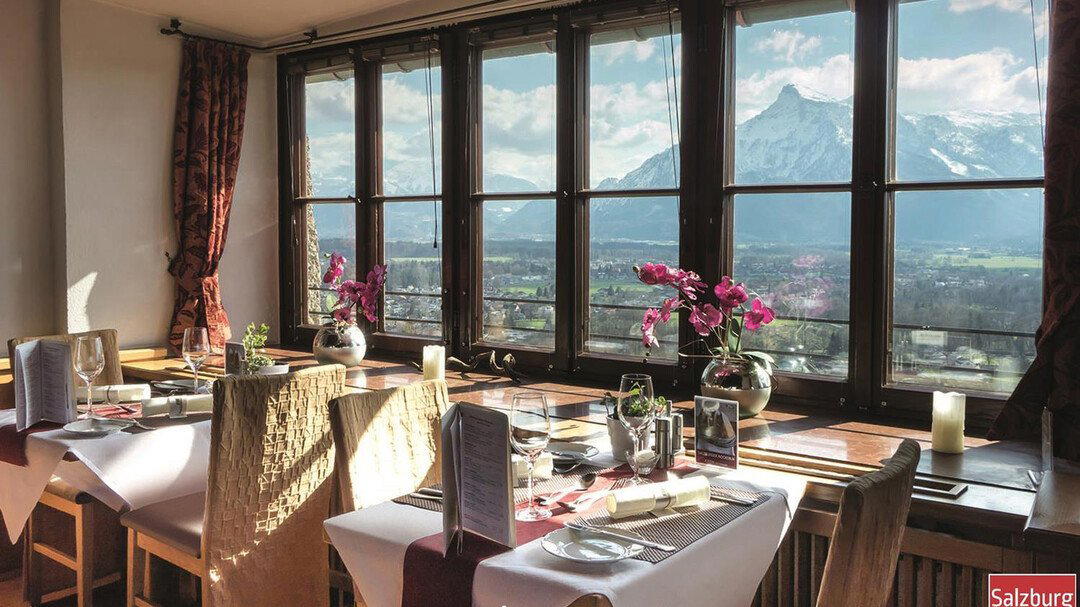
Where Salzburg's Dining Scene Sets Its Own Terms
Salzburg has long operated on a culinary register that the city's size doesn't immediately suggest. The festival calendar draws international visitors with specific expectations, but the restaurants that endure here do so on local terms: a year-round clientele, a regional produce tradition running south through the Salzach valley, and a civic pride in the table that predates any tourism infrastructure. Panorama, at Josef-Brandstätter-Straße 6, sits inside that longer narrative rather than simply serving it.
The city's dining progression tracks a broader Austrian arc. What began as a scene defined by Viennese formality and alpine-lodge conventions has shifted toward something more technically engaged and self-aware. Salzburg's upper tier now includes addresses like Ikarus, which rotates guest chefs through a creative Modern European format, and Esszimmer, where Modern Austrian cooking operates at a creative register that positions it clearly in the €€€ bracket. Pfefferschiff and Senns extend that range, the former at the €€€€ tier with a creative emphasis, the latter working Austrian tradition in a less formal register. Panorama's address on Josef-Brandstätter-Straße places it in the same city, operating in a scene that has genuinely evolved its standards rather than merely dressed them up.
The Evolution of a Salzburg Address
The trajectory of serious restaurants in mid-sized European cities often follows a recognisable pattern: an initial identity shaped by the conventions of its decade, then a period of reassessment, then a consolidation around a more considered position. Salzburg's dining scene underwent exactly this kind of reckoning through the 2000s and 2010s, as Austrian fine dining broadly shed some of its heavier ceremonial weight and began engaging more directly with provenance, seasonality, and technique borrowed from, but not deferential to, the wider European conversation.
Panorama's location on Josef-Brandstätter-Straße, in the 5020 postal district, places it west of the Altstadt's tourist density, in a quarter where restaurants tend to build their clientele through repeat visits rather than first-time discovery. That geographic logic carries its own editorial signal: addresses that survive and develop in Salzburg's non-festival quarters are doing something with sustained local appeal. The city's hospitality infrastructure is sophisticated enough that casual foot traffic alone doesn't sustain a dining room at any serious level.
For context on how Austrian regional fine dining evolves across geography, the trajectory of Obauer in Werfen, south of Salzburg in the Salzach gorge, offers a useful parallel: a family-run address that reinvented its register over decades while maintaining a clear regional identity. Further afield, Döllerer in Golling an der Salzach operates in the same geographic corridor, demonstrating how the Salzburg region sustains serious cooking well beyond the city limits. These addresses don't merely coexist; they define what the region's dining culture looks like when it's operating at full depth.
Salzburg in a Wider Austrian Frame
To understand where a Salzburg restaurant sits, it helps to place the city within Austria's culinary geography. Vienna anchors the country's prestige tier, Steirereck im Stadtpark remains the reference point for how Austrian ingredients and technique can operate at an international level, but the provinces have developed their own distinct voices. The Tirol corridor, where Gourmetrestaurant Tannenhof in Sankt Anton am Arlberg and Griggeler Stuba in Lech operate at a high technical level within alpine resort contexts, shows one direction. The Danube valley, represented by Landhaus Bacher in Mautern an der Donau, shows another. The Salzburg region occupies a middle position: less alpine-resort dependent than Tirol, more produce-rich than the eastern plains, with a cultural confidence that comes from being a city that genuinely uses its restaurants through twelve months, not just four.
Upper Austria adds further dimension through addresses like Ois in Neufelden, while the Pongau valley south of Salzburg contributes Kräuterreich by Vitus Winkler in Sankt Veit im Pongau, a herb-forward address that signals how seriously the region takes its alpine produce tradition. Schwarzer Adler in Hall in Tirol and Restaurant 141 by Joachim Jaud in Mieming round out a western Austrian tier that competes on provenance and technique rather than metropolitan density. Panorama enters that conversation from the Salzburg side.
Reading the Room: Format, Setting, and What the Address Signals
Restaurants that occupy non-central Salzburg addresses and maintain serious operations tend to do so through a clarity of offer rather than the ambient tourism traffic that sustains Altstadt dining rooms. The Josef-Brandstätter-Straße location implies a dining experience built for guests who have made a deliberate choice to be there, which in Salzburg typically maps onto a format with some degree of structure, whether that means a set menu, a focused carte, or a culinary identity specific enough that regulars return for it specifically.
Within Salzburg's dining geography, the city's creative tier also includes The Glass Garden, which occupies the creative register from a different physical and conceptual position. The plurality of approaches within a city of this size reflects a dining public that has developed genuine range in its expectations, and that funds a variety of formats rather than converging on a single dominant mode.
For international reference points on how urban fine dining evolves its register over time, the trajectories of Le Bernardin in New York City and Atomix in New York City illustrate two ends of the reinvention spectrum: the former sustaining a formal haute format across decades, the latter establishing a new reference point for tasting-menu dining in under a decade. Austrian regional restaurants tend to evolve more gradually, with reinvention measured in menu philosophy and sourcing shifts rather than wholesale concept changes.
Planning a Visit
Panorama's address at Josef-Brandstätter-Straße 6, 5020 Salzburg, is accessible by taxi or car from the Altstadt in under ten minutes, and the western Salzburg location sits outside the pedestrian-zone complexity that can make central addresses harder to reach by vehicle. For guests visiting during the Salzburg Festival period (late July through August), city-wide demand can compress reservation availability across serious addresses, and planning ahead is sensible. Outside festival season, Salzburg's dining rooms generally operate with more flexibility, though addresses with local repeat clientele tend to fill their better weekend tables on their own.
Reputation Context
Comparable venues nearby, for context on price, style, and recognition.
| Venue | Cuisine | Price | Awards | Notes |
|---|---|---|---|---|
| PanoramaThis venue — the venue you are viewing | Traditional Austrian & International | $$$ | Not listed | Not listed |
| M32 | Modern Austrian with Mediterranean Influences | $$$ | Not listed | Linke Altstadt |
| KOLLER+KOLLER am Waagplatz | Traditional Austrian with International Influences | $$$ | Not listed | Altstadt |
| Huber's im Fischerwirt | Modern Austrian with Seafood | $$$ | Michelin Plate | Altliefering |
| Blaue Gans Salzburg | Modern Austrian with Mediterranean influences | $$$ | Not listed | Linke Altstadt |
| Jakob's Esskultur | Austrian & Mediterranean Fine Dining | $$$ | Not listed | Linke Altstadt |
At a Glance
- Scenic
- Classic
- Elegant
- Romantic
- Date Night
- Business Dinner
- Group Dining
- Celebration
- Special Occasion
- Panoramic View
- Historic Building
- Terrace
- Private Dining
- Beer Program
- Local Sourcing
- Mountain
- Skyline
Current opening hours
- Monday
- 4–11 PM
- Tuesday
- 4–11 PM
- Wednesday
- Closed
- Thursday
- 4–11 PM
- Friday
- 4–11:30 PM
- Saturday
- 12–10:30 PM
- Sunday
- 12–10:30 PM
Hours can change for holidays and private events. Last verified .
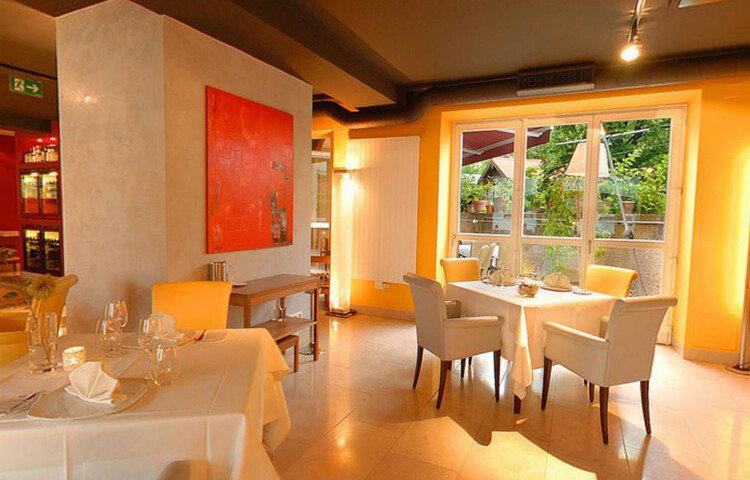
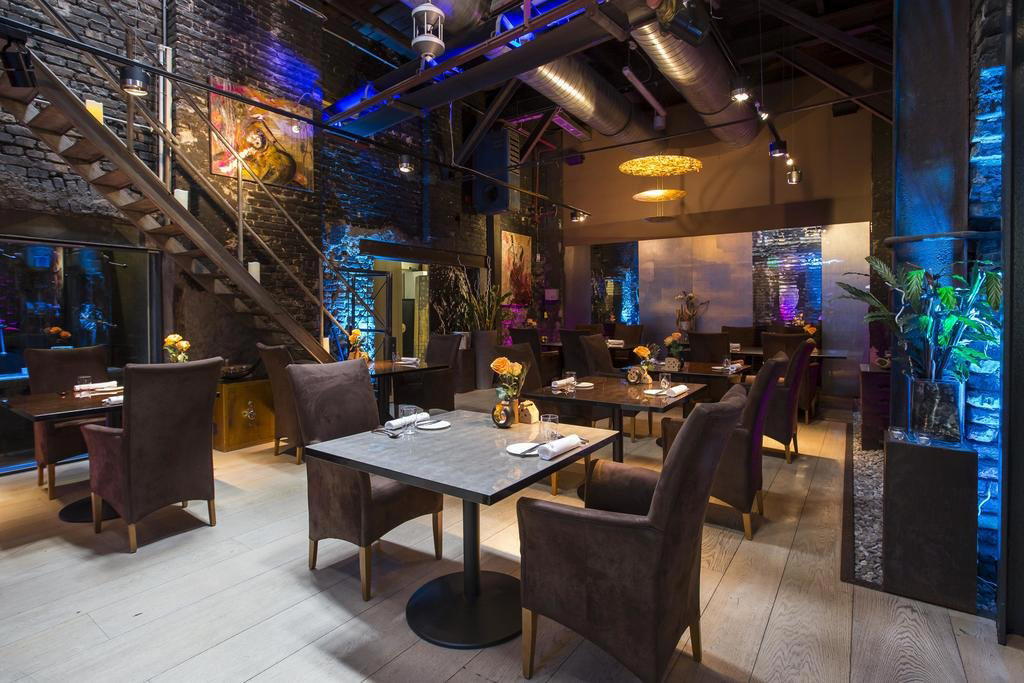
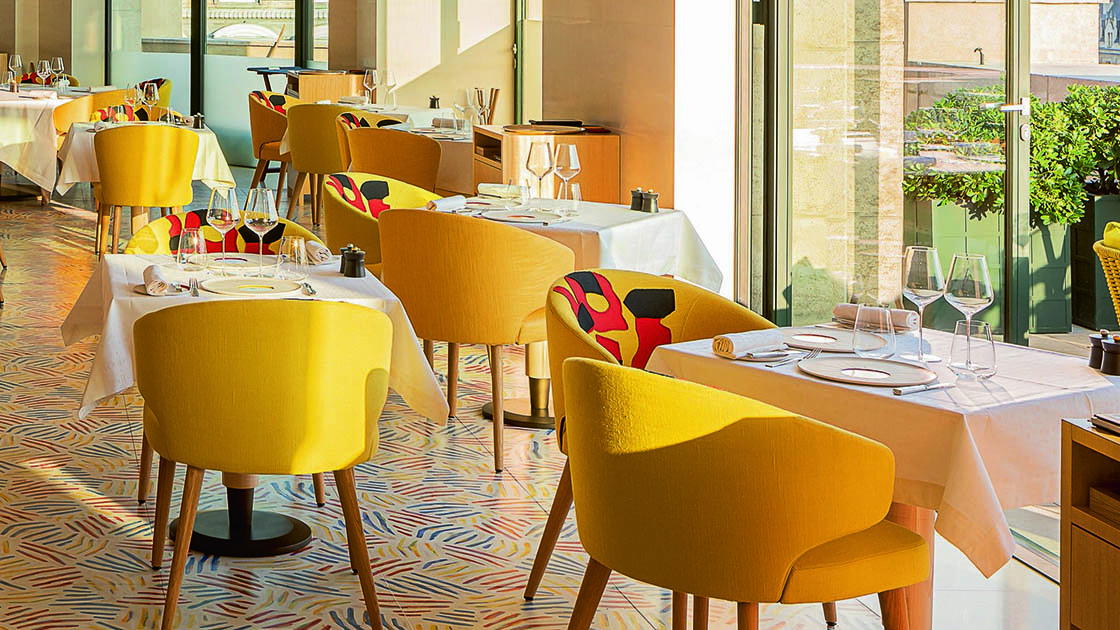
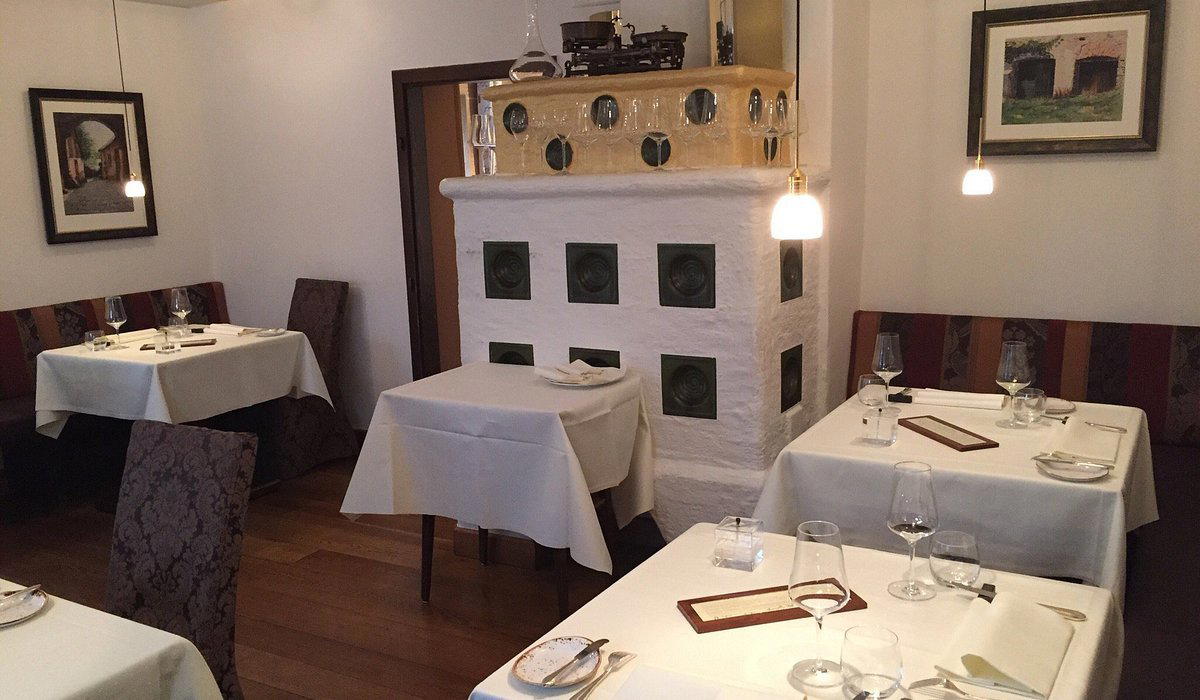
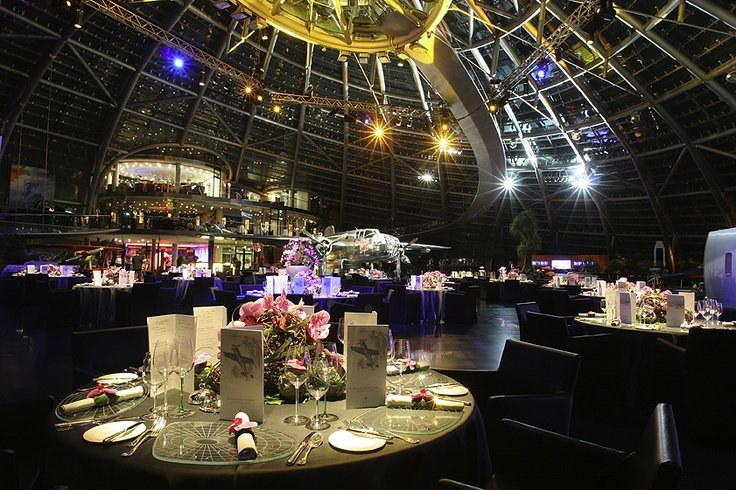
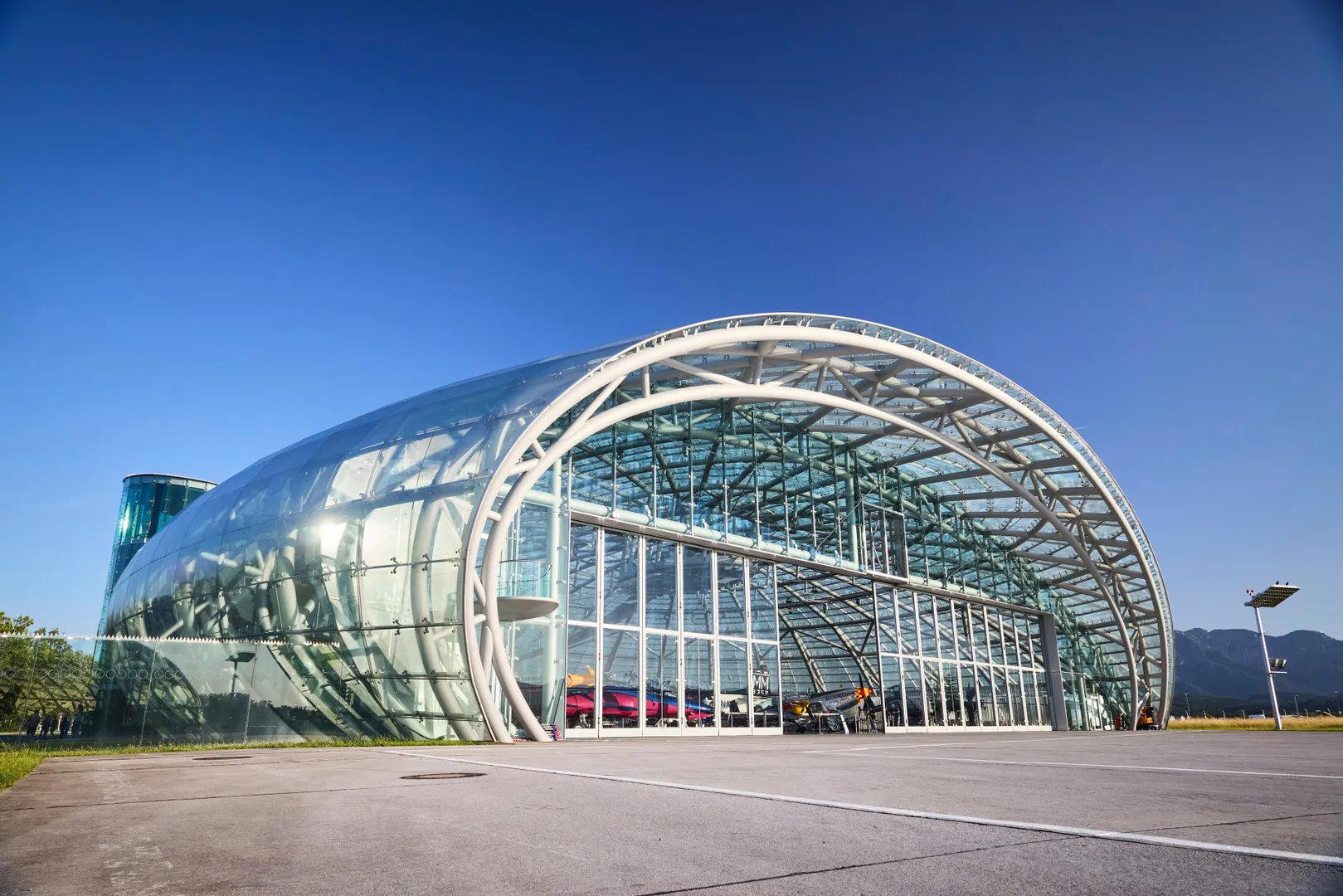
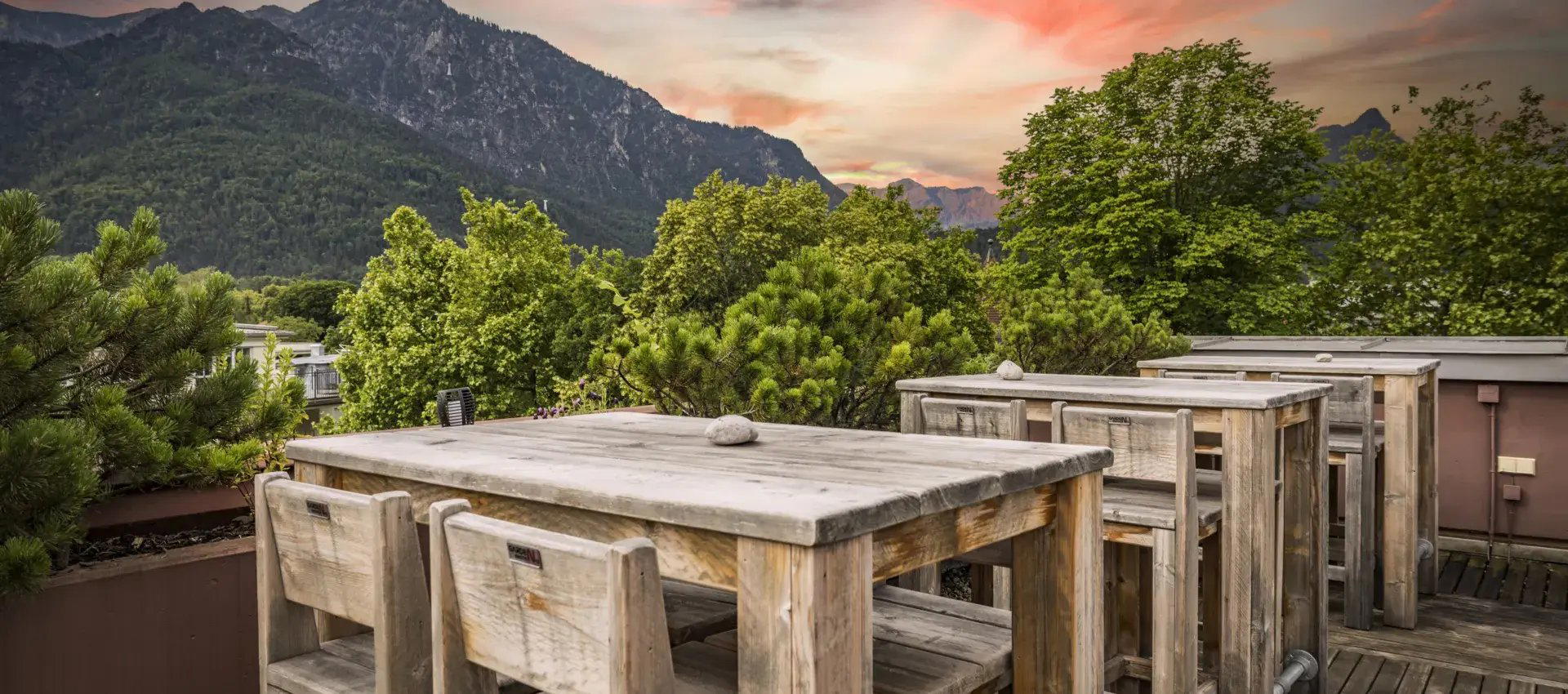
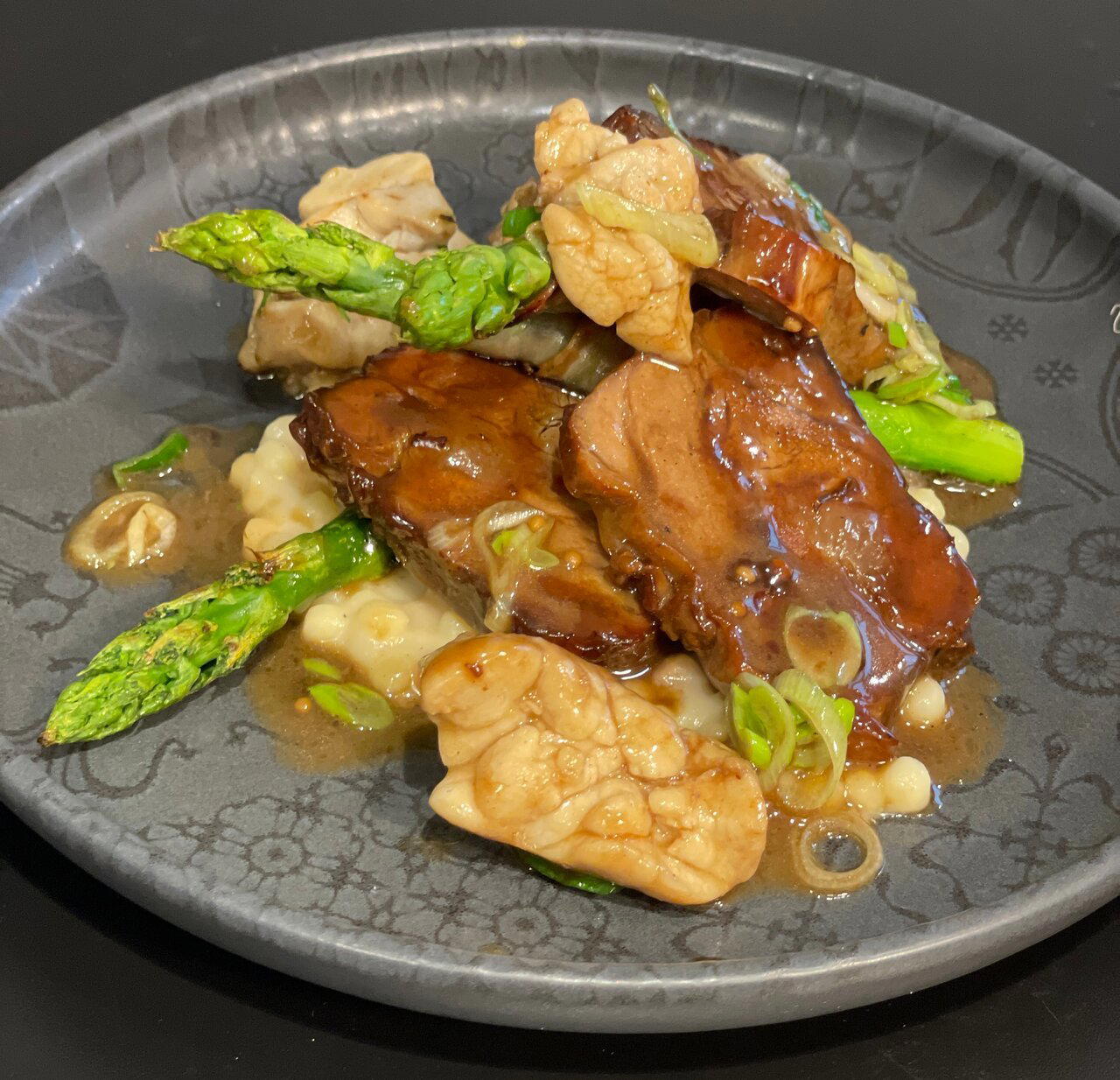
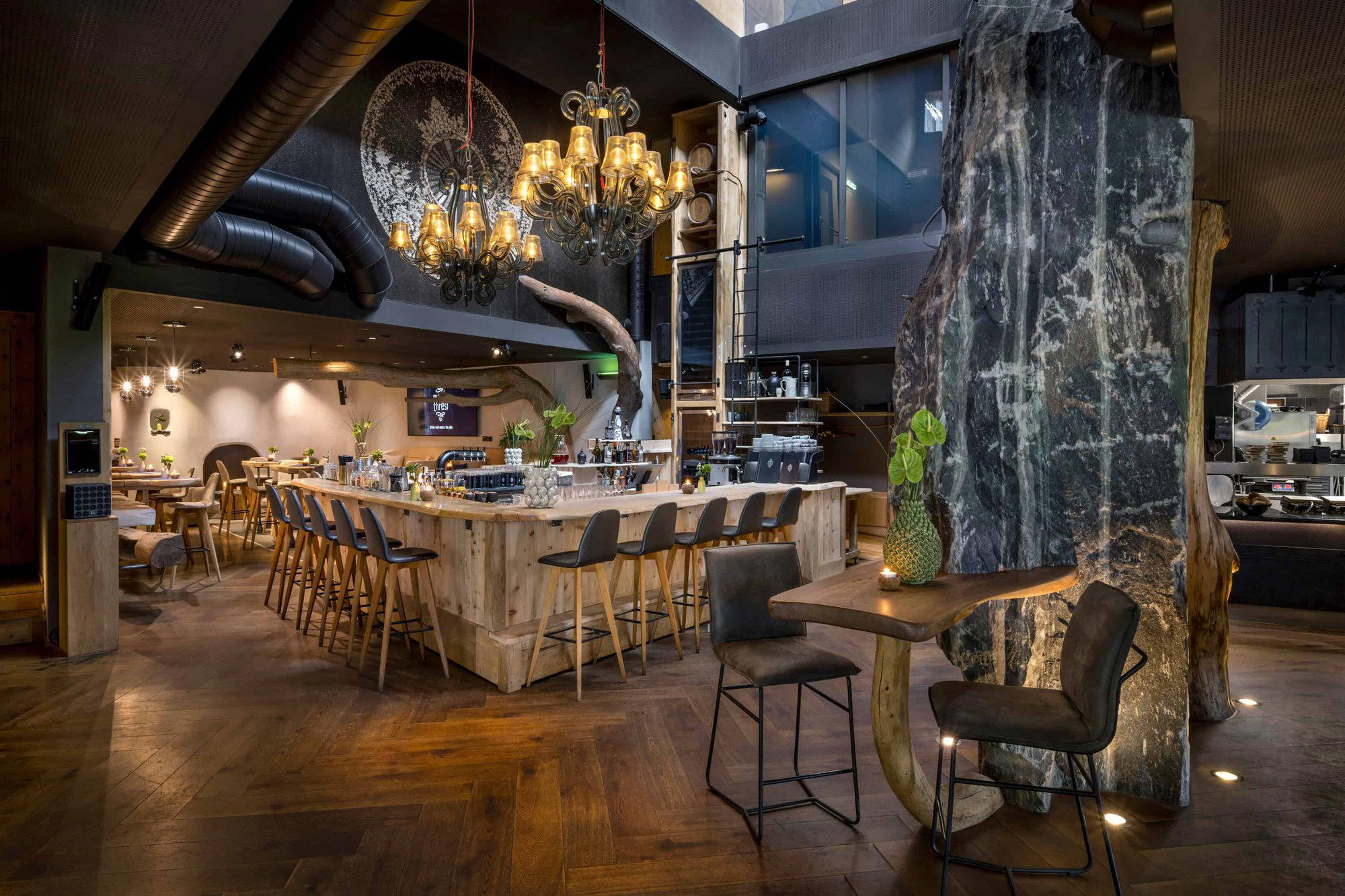
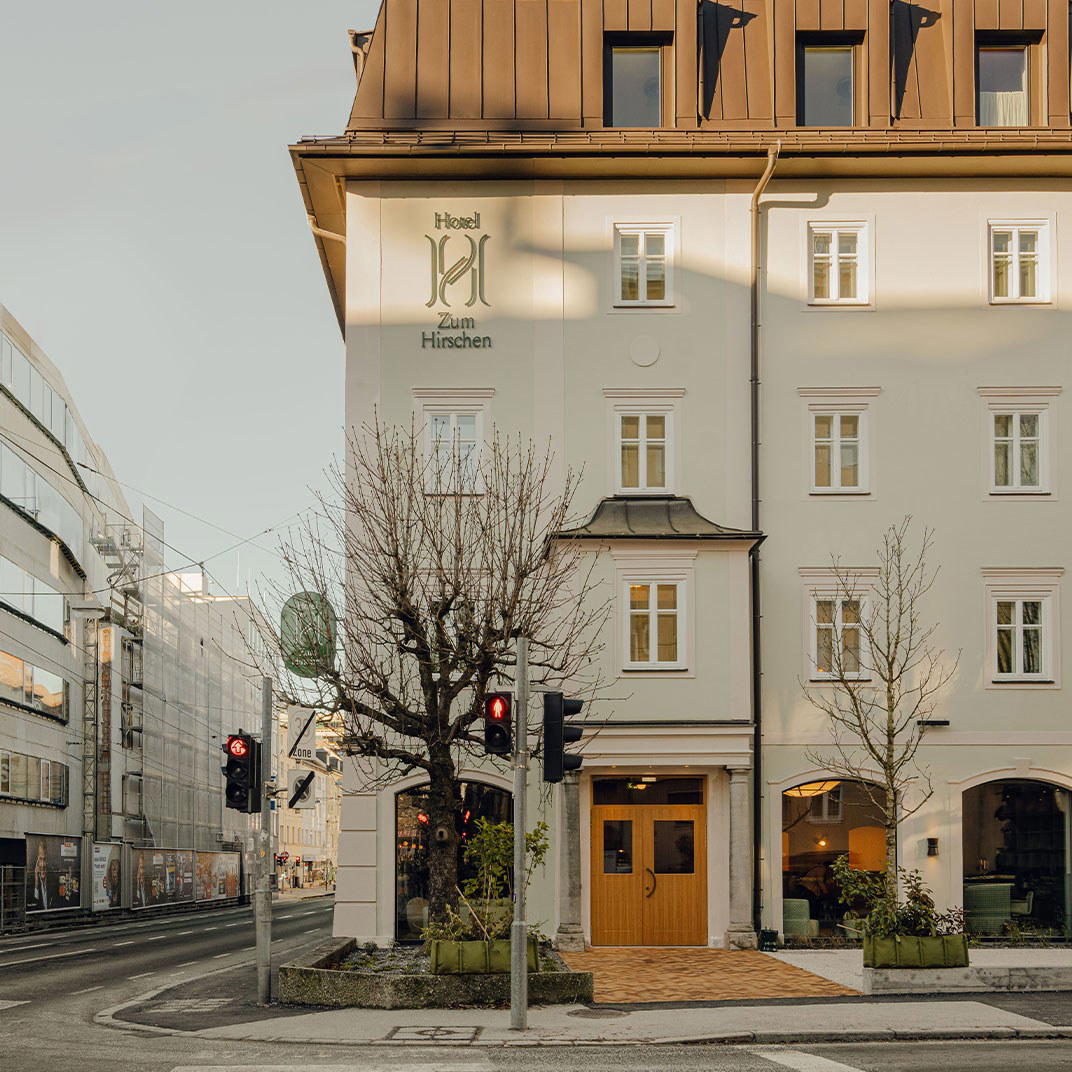
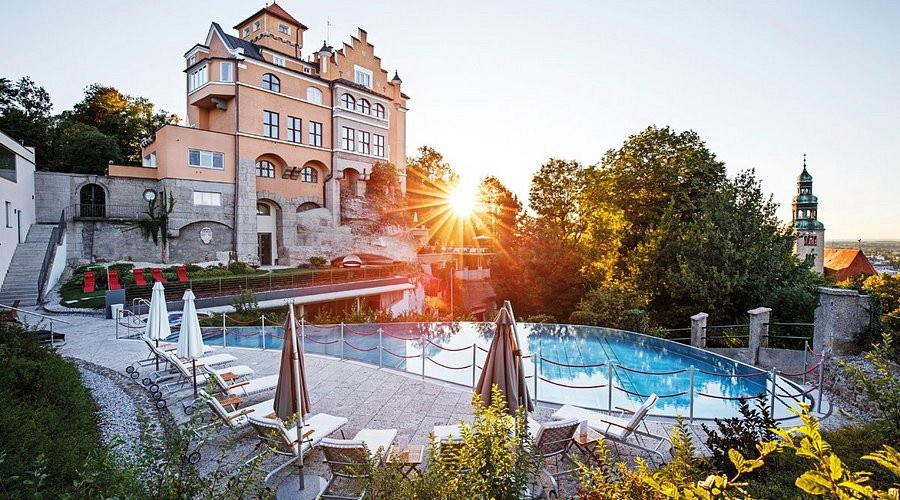
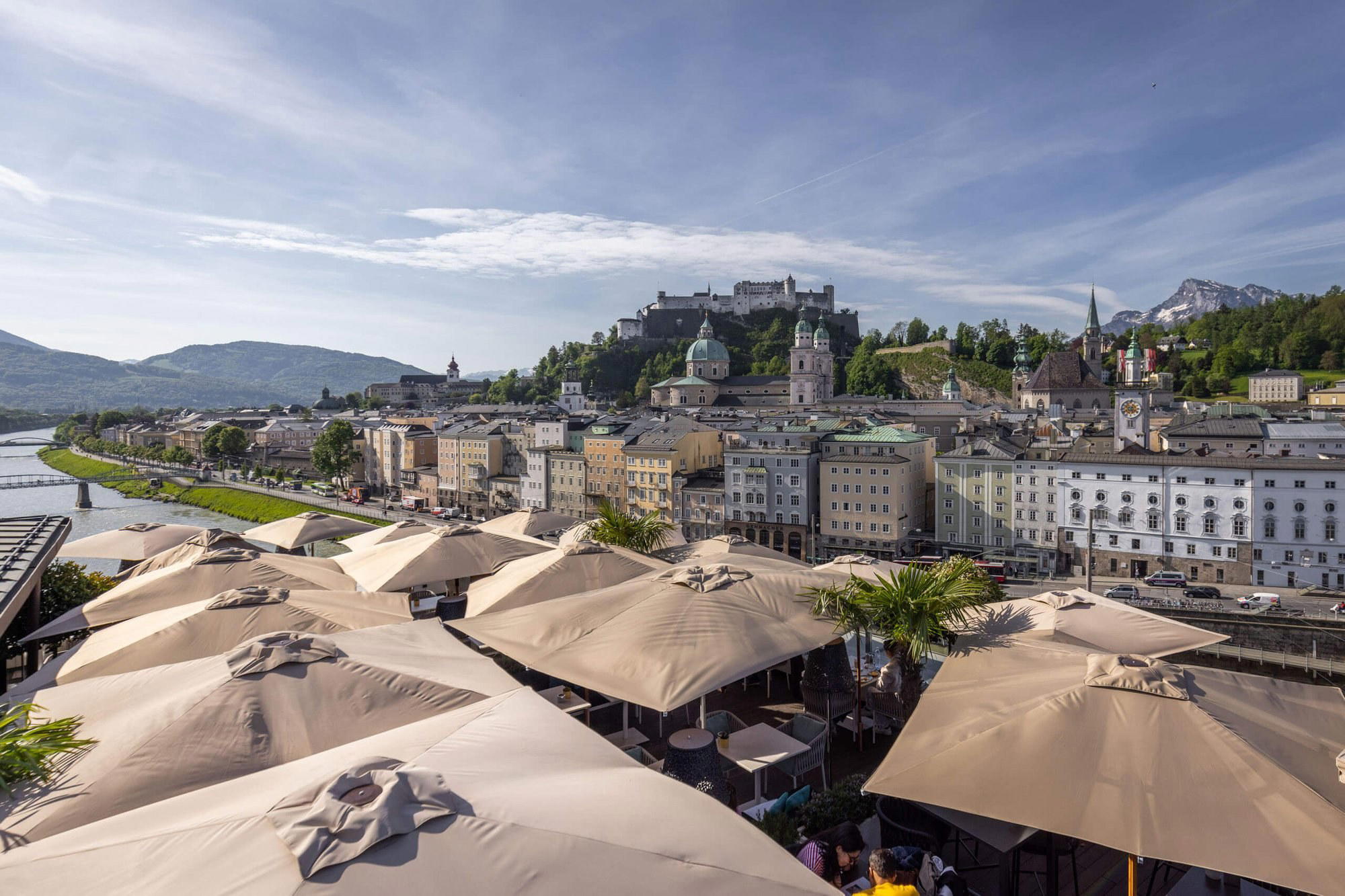
Elegant and refined with warm lighting, surrounded by historic fortress walls, offering spectacular sunset views over the city and surrounding Alpine landscape.