Pane & Olio occupies a quietly considered address on Chemin du Chêne aux Haies in Mons, positioning itself within the city's growing tier of neighbourhood-anchored restaurants that trade on cohesion between kitchen, floor, and cellar. The name signals Italian roots, though Mons dining culture tends to draw those references through a French-Belgian lens. Reserve in advance; the format rewards guests who arrive without a schedule.
Pearl is the En Primeur Club membership app — saves, bookings, and concierge access live there. Same editors, same standards.
- Address
- Chem. du Chêne aux Haies 52, 7000 Mons, Belgium
- Phone
- +32477777878
- Website
- paneolio.be
- Directions
- Get directions
 Saves & bookings on Pearl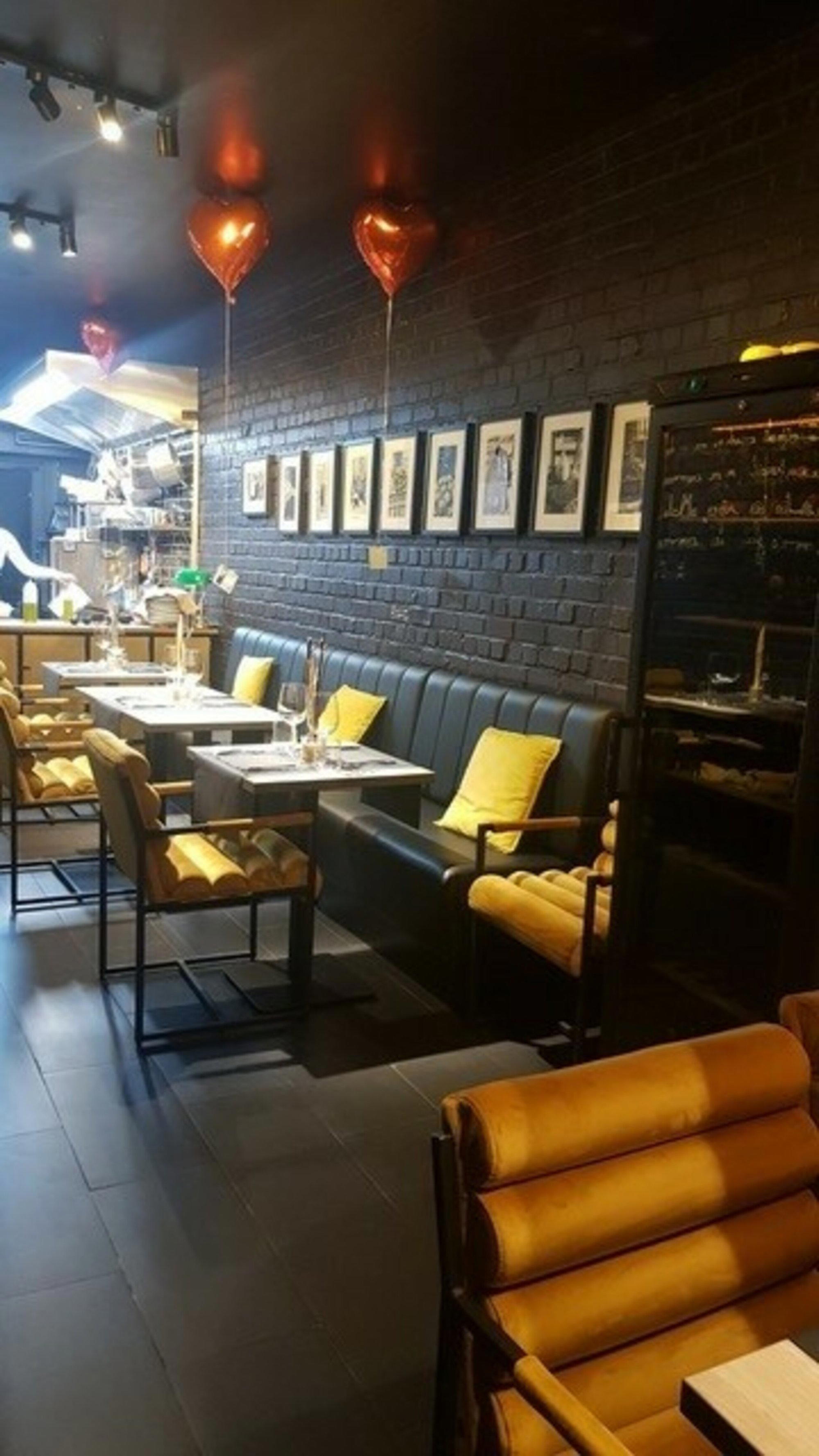
Where Mons Eats Away from the Centre
Mons has spent the better part of a decade building a dining identity that sits at an angle to Brussels. The city's better restaurants tend to avoid the grand-boulevard posture of the capital, favouring rooms that feel more personal in scale and menus that shift to reflect what the kitchen actually wants to cook. Pane & Olio, an Authentic Italian Fine Dining restaurant in Mons, sits at Chem. du Chêne aux Haies 52 and fits that pattern. The address sits outside the old town grid, which in Mons typically signals a restaurant that draws on repeat local custom rather than tourist volume. That distinction matters when you're reading a room: guests here tend to know the rhythm of the place before they sit down.
The name itself, bread and oil, reduced to its simplest form, gestures at an Italian or Mediterranean reference point, though Belgian restaurants that adopt that vocabulary rarely replicate it wholesale. More often, Italian structural instincts (product clarity, restraint with technique, a preference for letting an ingredient carry the plate) get filtered through French-Belgian sourcing and kitchen culture. That tension, when it works, produces food with less fuss and more focus than either tradition alone. Among Mons restaurants at the neighbourhood level, that approach places Pane & Olio alongside addresses like L'Envers and La Bergerie, which also prioritise intimacy and a defined culinary point of view over scale.
The Room and What It Signals
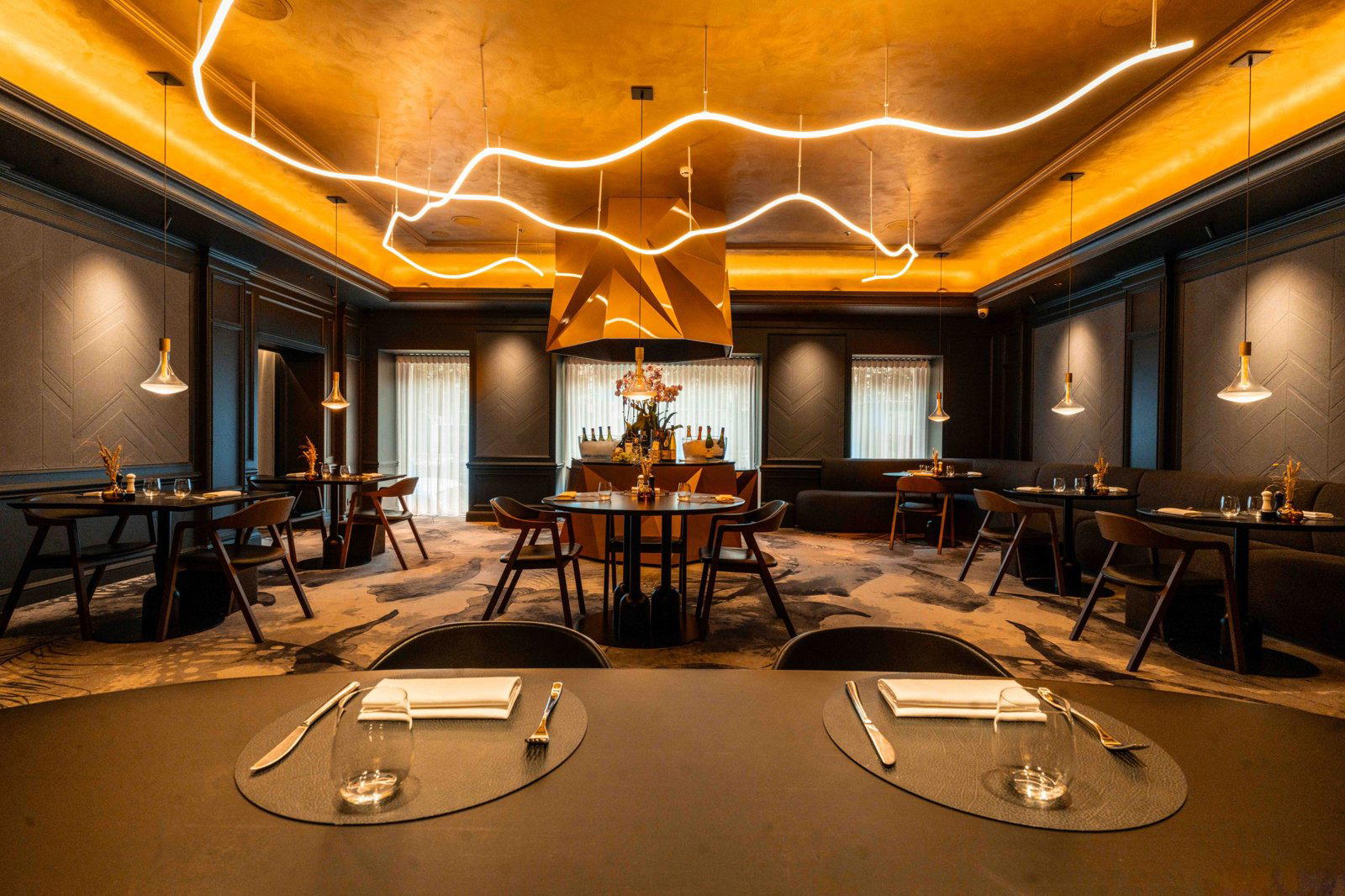
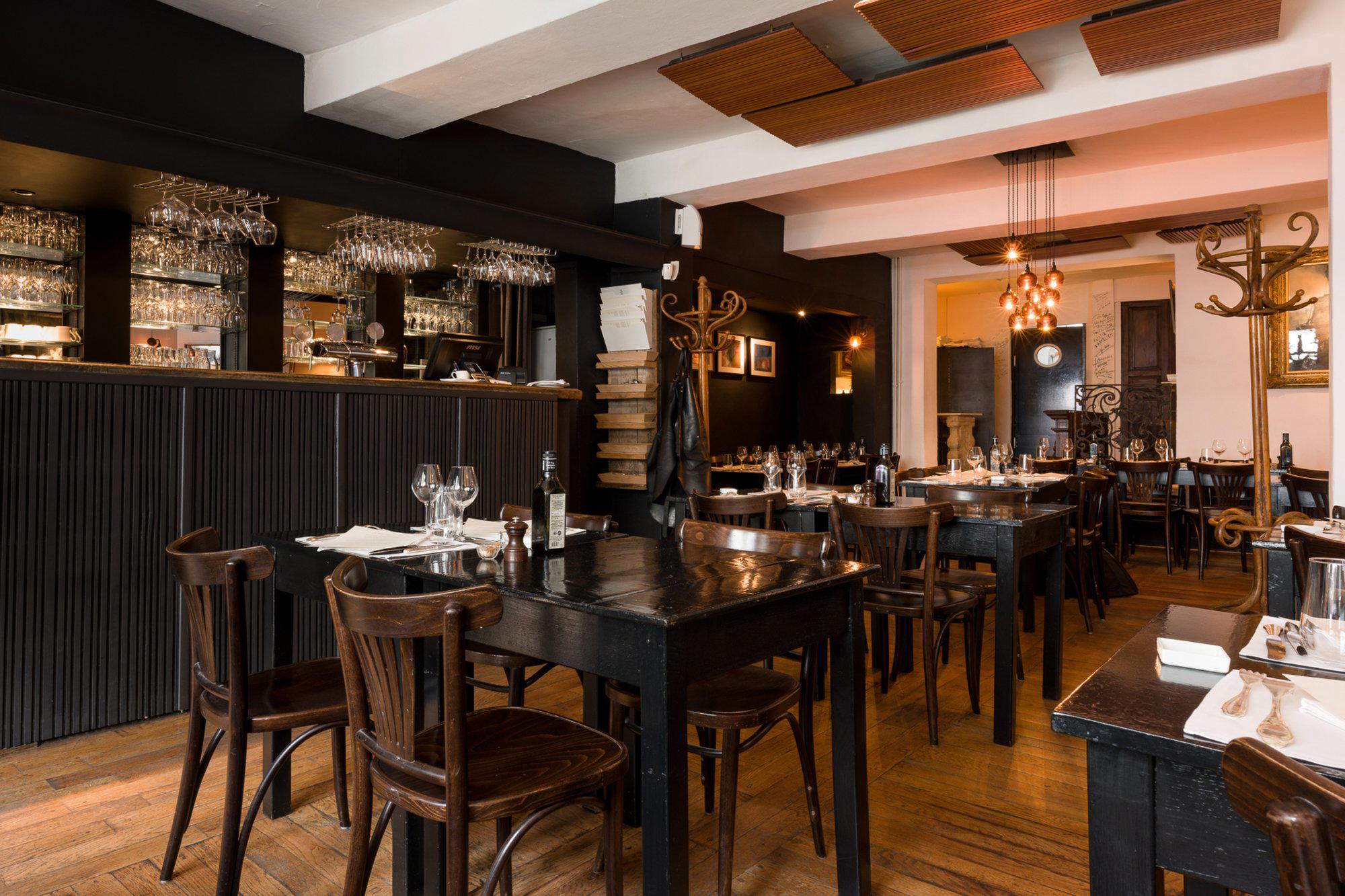
Approaching a restaurant on a residential route like Chemin du Chêne aux Haies, the immediate read is quieter than the city centre options. There is no street-front theatre, no queue visible from the pavement. Belgian dining culture at this tier tends to favour that understatement: the room is for eating, and the experience is meant to unfold after you've crossed the threshold. What you find inside typically reflects the ownership's priorities more directly than a larger operation would allow, the music level, the table spacing, the way front-of-house addresses regulars versus first-timers all carry information about what kind of place this is built to be.
In smaller Belgian restaurants operating at the neighbourhood premium level, the team dynamic between kitchen and floor is often the product's defining feature. When a chef and a front-of-house lead share a language about the food, where it comes from, how it was prepared, what wine or non-alcoholic pairing would sit alongside it, the guest benefits from a coherence that larger brigade operations can struggle to maintain. That coherence is precisely what distinguishes the better addresses in Mons from the merely competent ones. For context on what that floor-and-kitchen alignment looks like at a higher formal register in Belgium, the approach at Hof van Cleve in Kruishoutem or Boury in Roeselare represents what that discipline looks like when scaled and decorated, Pane & Olio operates in a smaller register but within the same tradition of service as content.
Reading the Menu Through a Belgian-Italian Frame
Belgian dining at the neighbourhood level has moved away from the fixed tasting-menu dominance of the mid-2010s. More restaurants now offer formats that allow the guest to set the pace, three courses or four, with or without wine direction from the floor. That flexibility tends to suit the local clientele, who often eat out frequently and want a format that doesn't commit them to a long evening every time. Where Italian vocabulary enters that equation, it typically influences the opening of the meal more than its close: lighter starters, a sharper use of acidity, less reliance on cream-heavy reductions.
Among Mons restaurants with a comparable price and neighbourhood positioning, La Maadeleine and La Cour des Dames each represent a slightly different answer to the same question: what does accessible premium dining look like in a mid-sized Belgian city? The comparison set also includes L'Art des Mets, which works at a more formal register. Pane & Olio's name positions it at the more casual, product-focused end of that spectrum, a place where the food does its work without ceremony.
For guests who want to benchmark Mons against wider Belgian cooking ambition, Zilte in Antwerp and L'air du Temps in Liernu represent the formal apex of what Belgian kitchens can produce. Pane & Olio operates at a different altitude, but the underlying instinct, quality of ingredient, economy of technique, is legible from the same tradition. Internationally, the product-first ethos finds a different expression at places like Le Bernardin in New York, where reduction of fuss is itself the statement, or Atomix, where precision and restraint are carried to a different formal extreme.
The Mons Dining Scene: Where Pane & Olio Sits
Mons has historically been underweighted in Belgian food media relative to Bruges, Ghent, or Liège. That is changing. The city's designation as European Capital of Culture in 2015 brought infrastructure investment and, over the years that followed, a dining scene that began to retain talent rather than export it to Brussels. The current peer group in Mons, which also includes d'Eugénie à Emilie in nearby Baudour, reflects that retention. Restaurants now have a local audience sophisticated enough to sustain mid-premium pricing without requiring Michelin signage to justify the bill.
That context matters for how to place Pane & Olio. It is not competing with the starred rooms in Flanders or the benchmark addresses reviewed in Brussels dining coverage like Bozar Restaurant. It is competing for the Mons guest who eats out regularly and wants a room where the food and the service share a consistent point of view. In Belgian dining culture, that is its own respectable category, and often the one that produces particularly reliable meals. Addresses like Willem Hiele in Oudenburg and Bartholomeus in Heist have shown that Belgian restaurants outside the major cities can hold a distinct and serious identity. Pane & Olio reads as part of that same movement within Hainaut.
Planning Your Visit
Chemin du Chêne aux Haies 52 is accessible by car from the Mons ring, with parking typical of a residential quarter, easier than the old town on a weekend evening. Given the neighbourhood format and likely limited covers, booking ahead is advisable rather than optional; this is not a walk-in destination. Dress code at this type of address in Mons tends toward smart-casual: neither the formality required at a starred room nor the complete informality of a bistro.
Price and Positioning
Comparable venues nearby, for context on price, style, and recognition.
| Venue | Cuisine | Price | Notes |
|---|---|---|---|
| Pane & OlioThis venue — the venue you are viewing | Mons, Authentic Italian Fine Dining | $$$ | Not listed |
| La Maadeleine | Not listed | $$$ | Old Town Center (Mons), Modern Seafood & Surf-and-Turf |
| Osmose | Centre-ville, Modern French Fine Dining | $$$ | Not listed |
| La Bergerie | Hyon, French-Mediterranean | $$$ | Not listed |
| Oscar | Not listed | $$ | Grand-Place, French-Belgian Brasserie with Thai Accents |
| L'Art des Mets | City Centre, Refined Traditional French | $$$ | Not listed |
Continue exploring
More in Mons
Restaurants in Mons
Browse all →
Bars in Mons
Browse all →
Hotels in Mons
Browse all →
Wineries in Mons
Browse all →
At a Glance
- Intimate
- Charming
- Elegant
- Date Night
- Special Occasion
- Open Kitchen
- Extensive Wine List
Current opening hours
- Monday
- Closed
- Tuesday
- Closed
- Wednesday
- 12:30–3:30 PM
- Thursday
- 7:30 PM–12 AM
- Friday
- 7:30 PM–12 AM
- Saturday
- 7:30 PM–12 AM
- Sunday
- Closed
Hours can change for holidays and private events. Last verified .
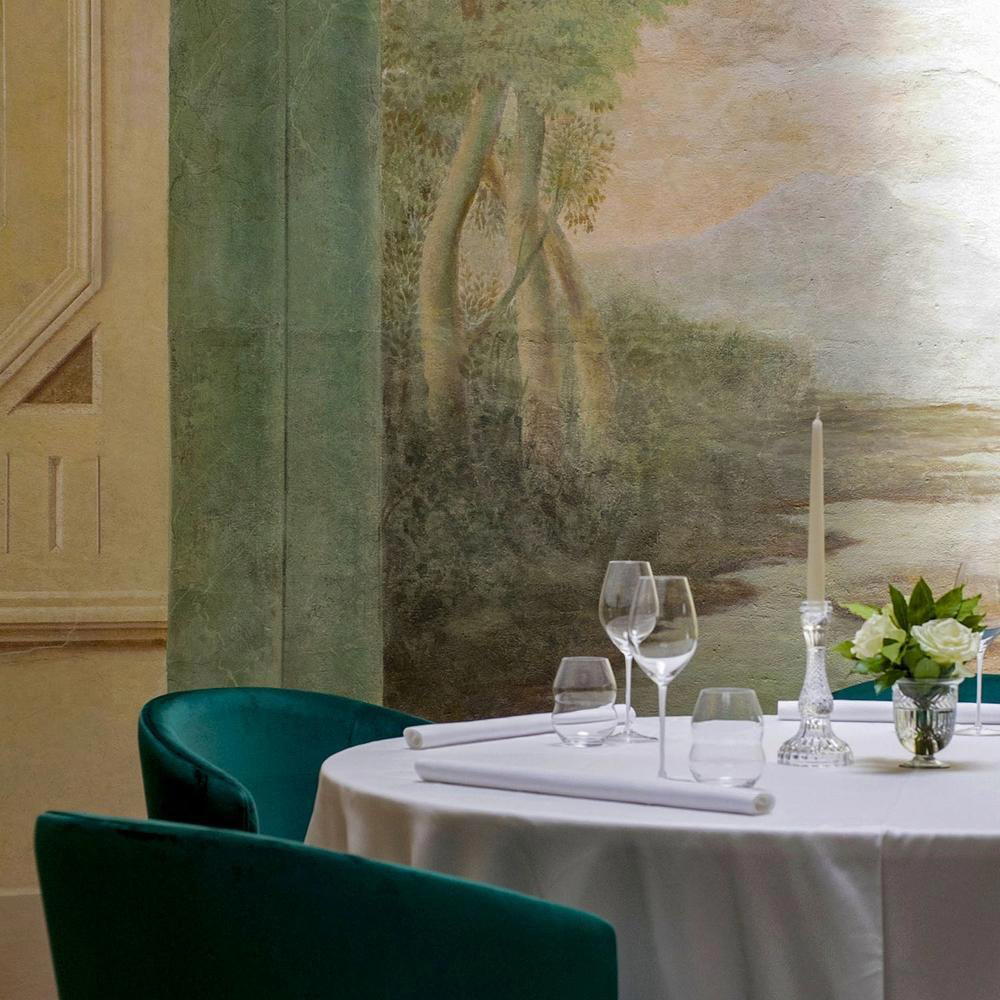
Intimate and calm atmosphere in a beautifully furnished 45m² garage-like space with minimalist decor, open kitchen, and warm personal service fostering guest interaction.