Paloma Blanca
Paloma Blanca sits on Broadway in San Antonio's Alamo Heights district, where the Mexican culinary tradition runs deeper than most Tex-Mex shortcuts suggest. The restaurant draws from that tradition's interior Mexican roots, placing it in a different tier from the combination-plate norm that dominates much of the region. It is a reference point for the neighborhood's more serious dining conversation.
Pearl is the En Primeur Club membership app — saves, bookings, and concierge access live there. Same editors, same standards.
- Address
- 5800 Broadway #300, San Antonio, TX 78209
- Phone
- +12108226151
- Website
- palomablanca.net
 Saves & bookings on Pearl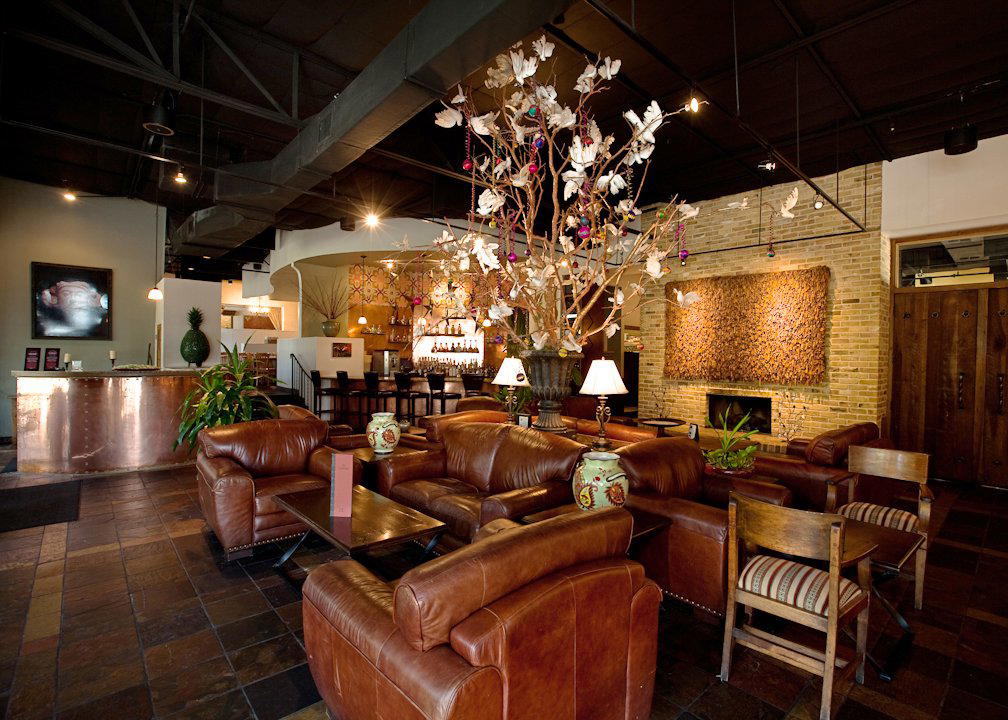
Where Broadway Meets Interior Mexico
Paloma Blanca is a restaurant in Alamo Heights, San Antonio, serving Authentic Mexican Cuisine at about $25 per person. The neighborhood runs along the Broadway corridor north of the city center, and its restaurant strip has gradually separated itself from the broader San Antonio market by hosting venues with more editorial ambition than the surrounding suburban sprawl typically produces. In that context, Paloma Blanca at 5800 Broadway occupies a meaningful address: visible enough to draw from the wider city, specific enough in its approach to hold a distinct identity within the corridor.
San Antonio's relationship with Mexican food is longer and more layered than most American cities can claim. The city sits less than 150 miles from the border, and its culinary history draws on both the ranching traditions of northern Mexico and the mission-era foodways that preceded Texas statehood. That history creates two competing dining cultures in the city: the Tex-Mex canon, which is a legitimate regional cuisine in its own right with flour tortillas, yellow cheese, and cumin-heavy chile gravies, and the interior Mexican tradition, which reaches further south for its reference points, toward Oaxacan moles, Veracruz seafood preparations, and the chile-based sauces of Puebla and Mexico City. Paloma Blanca positions itself in conversation with the latter, which places it in a smaller and more demanding competitive set than the combination-plate category that defines most of the market.
The Cultural Weight of the Cuisine
Interior Mexican cooking in American restaurant settings carries a specific challenge: the cuisine's complexity is frequently misread as simplicity by diners expecting Tex-Mex markers, and its depth requires sourcing decisions, technique, and recipe knowledge that most kitchens in the United States do not prioritize. Mole negro, to cite the clearest example, is a sauce that can involve more than 30 ingredients and multiple days of preparation. Cochinita pibil demands achiote, bitter orange, and underground or slow-roasting time. Chiles en nogada, Mexico's most ceremonially freighted dish, requires a seasonal alignment of pomegranate, walnut cream, and poblano chile that has no convenient shortcut. These are not dishes that emerge from a line designed around speed and volume; they require a kitchen organized around different priorities.
That distinction matters in Alamo Heights because the neighborhood's dining strip, while more considered than the city's outer rings, still operates within a market where price sensitivity and familiarity drive most covers. Restaurants that commit to the interior Mexican tradition are making a deliberate bet that a segment of the local and visiting audience will follow them into more demanding territory. That bet is more viable in Alamo Heights than in most San Antonio zip codes, given the neighborhood's demographic profile and its proximity to the city's cultural institutions along Broadway.
The Alamo Heights Dining Context
The Broadway corridor in Alamo Heights has become one of San Antonio's more consistent stretches for restaurants with a defined point of view. Broadway 50-50 holds a position in the neighborhood's broader dining conversation, as does Osaka Steak and Sushi, which operates in a different category entirely, and The Argyle, which draws on a different kind of institutional history. The cumulative effect is a neighborhood where several distinct dining identities coexist without significant overlap, which is a better condition for any individual restaurant than a strip saturated with direct competitors. Alamo Heights restaurants guide maps the broader picture for visitors approaching the neighborhood for the first time.
Within that context, a restaurant oriented around interior Mexican cooking occupies a niche that the neighborhood's other prominent addresses do not fill. That absence of direct local competition is a structural advantage, though it also means the venue carries the full burden of representing a tradition that diners may not arrive with full context to appreciate.
Where Paloma Blanca Sits in a National Frame
The American fine dining conversation around Mexican cuisine has shifted materially over the past decade. A generation of chefs and restaurateurs has pushed the cuisine's reference points away from the Tex-Mex category and toward the regional specificity that defines serious treatment of French, Japanese, or Italian food in American contexts. That shift is visible at the high end of the market nationally, where tasting menu formats and single-region focus have become more common. Paloma Blanca operates at a more accessible register than the tasting menu tier, which is where the majority of serious regional Mexican cooking in the United States actually lives.
The comparison set for a restaurant at this level includes places like Le Bernardin in New York City, Alinea in Chicago, or The French Laundry in Napa, nor the produce-driven destination formats represented by Single Thread Farm in Healdsburg or Blue Hill at Stone Barns in Tarrytown. It also sits apart from the prestige-format American restaurants recognized in other regions: Emeril's in New Orleans, Lazy Bear in San Francisco, Providence in Los Angeles, Addison in San Diego, The Inn at Little Washington, Bacchanalia in Atlanta, Brutø in Denver, Atomix in New York City, or 8½ Otto e Mezzo Bombana in Hong Kong. Paloma Blanca's relevant peer group is the cluster of Mexican-cuisine specialists in mid-sized American cities that treat the cuisine as a serious regional tradition.
That positioning is where much of the most interesting Mexican cooking in the United States tends to happen. The tasting-menu end of the market has its own logic, but the broader tradition is best represented at neighborhood scale, where the cooking connects to actual communities rather than to an international dining circuit.
Planning Your Visit
Paloma Blanca is located at 5800 Broadway, Suite 300, in Alamo Heights, which places it on the main commercial strip that connects the neighborhood to the broader San Antonio grid. The address is accessible from central San Antonio by car in under fifteen minutes depending on traffic. Visitors planning ahead should verify hours and reservation availability directly with the restaurant, particularly for weekend evenings when the neighborhood's dining traffic is at its highest. The Alamo Heights strip draws both local regulars and visitors making their way up from the city center, so timing matters more on Friday and Saturday than on weekday evenings.
Pricing, Compared
Comparable venues nearby, for context on price, style, and recognition.
| Venue | Cuisine | Price | Awards | Notes |
|---|---|---|---|---|
| Paloma BlancaThis venue — the venue you are viewing | Alamo Heights, Authentic Mexican Cuisine | $$ | , | |
| Osaka Steak & Sushi | $$ | , | Alamo Heights, Japanese Steakhouse & Sushi | |
| Broadway 50-50 | $$ | , | Alamo Heights, Classic American Burgers & Bar Food | |
| The Argyle | $$$ | , | Alamo Heights, Classic American Fine Dining | |
| Cappy's Restaurant | Alamo Heights, lounge | $$$ | , | |
| Paloma Blanca Mexican Cuisine | Alamo Heights, Bar | $$ | , |
Continue exploring
More in Alamo Heights
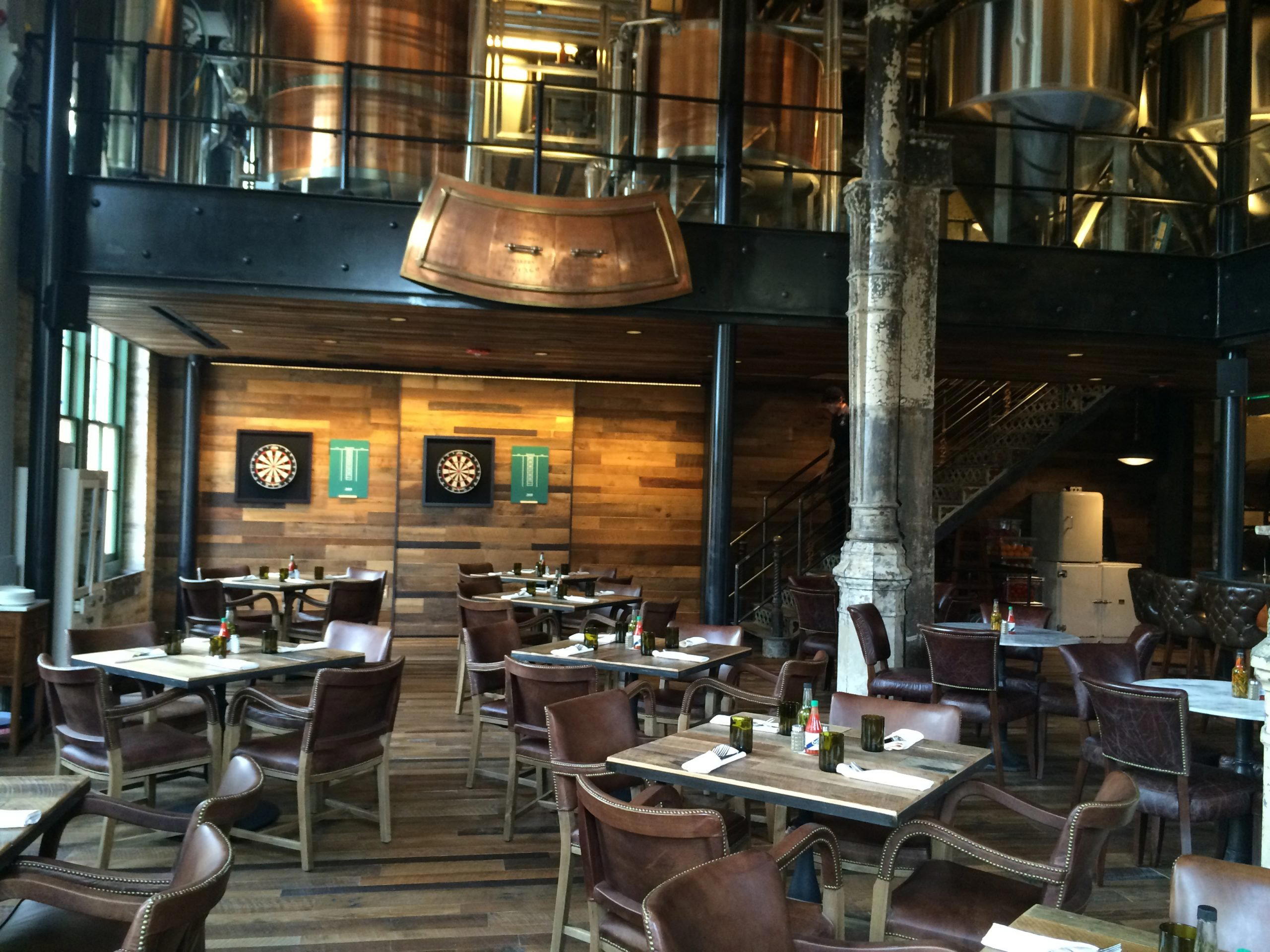
Restaurants in Alamo Heights
Browse all →
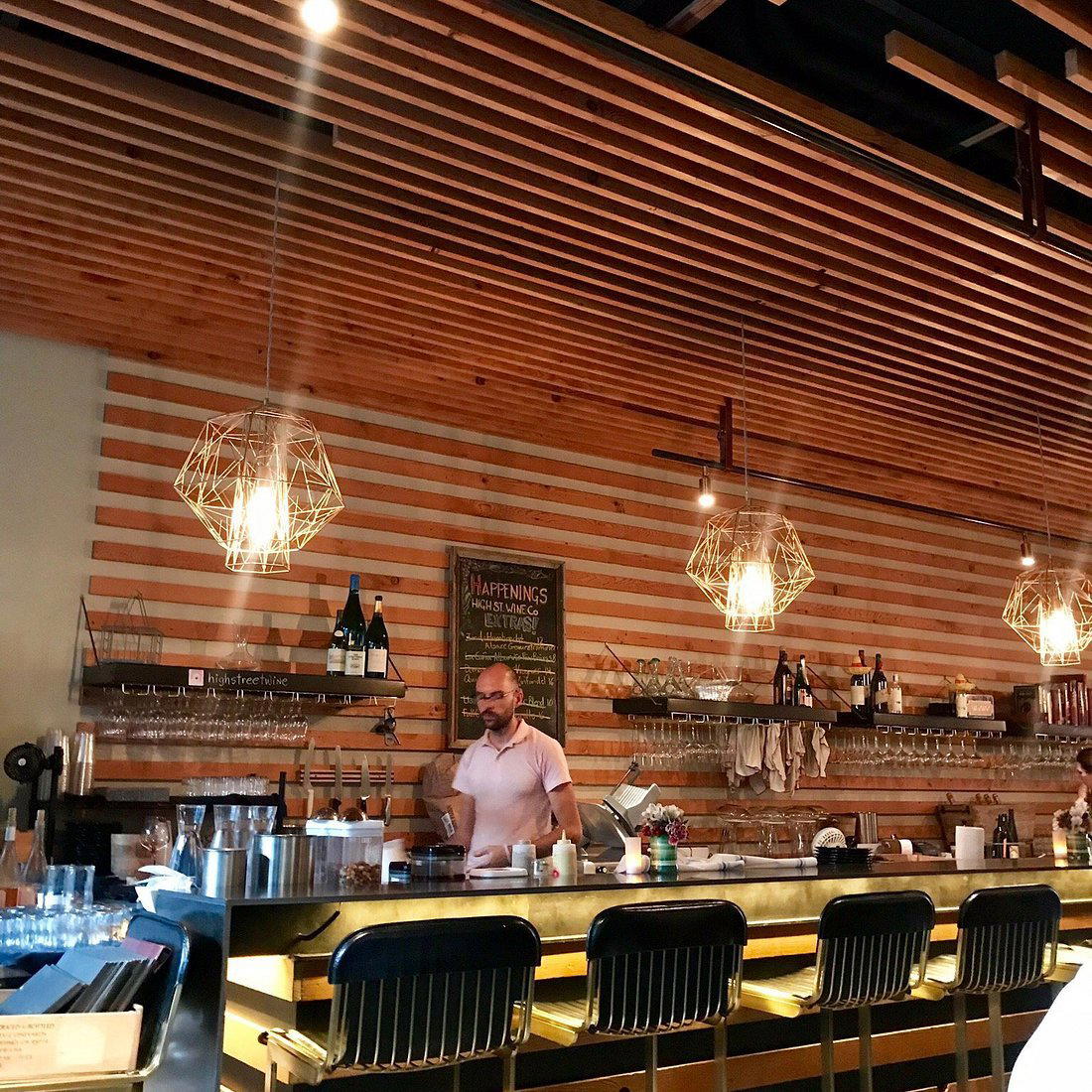
Bars in Alamo Heights
Browse all →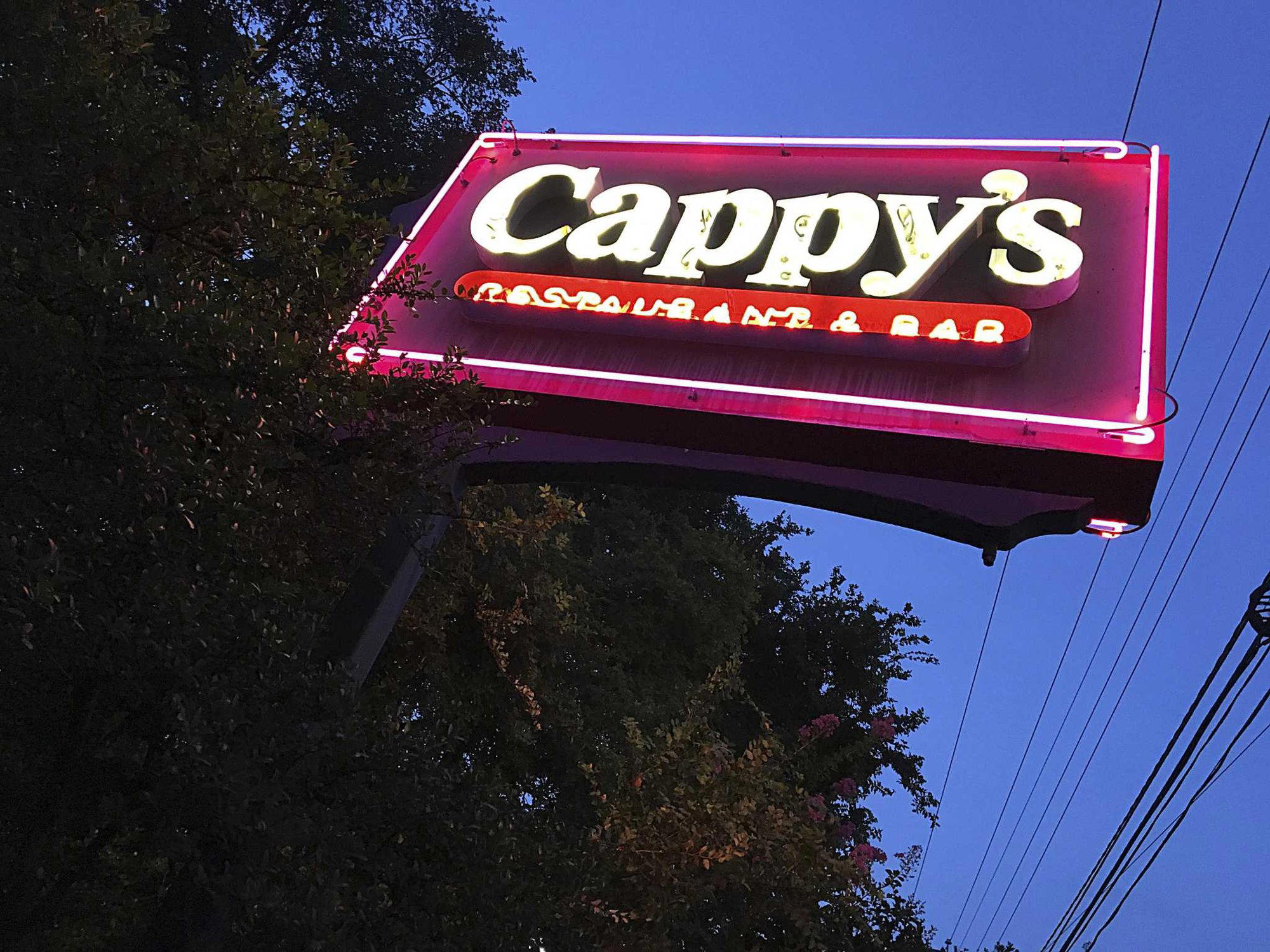
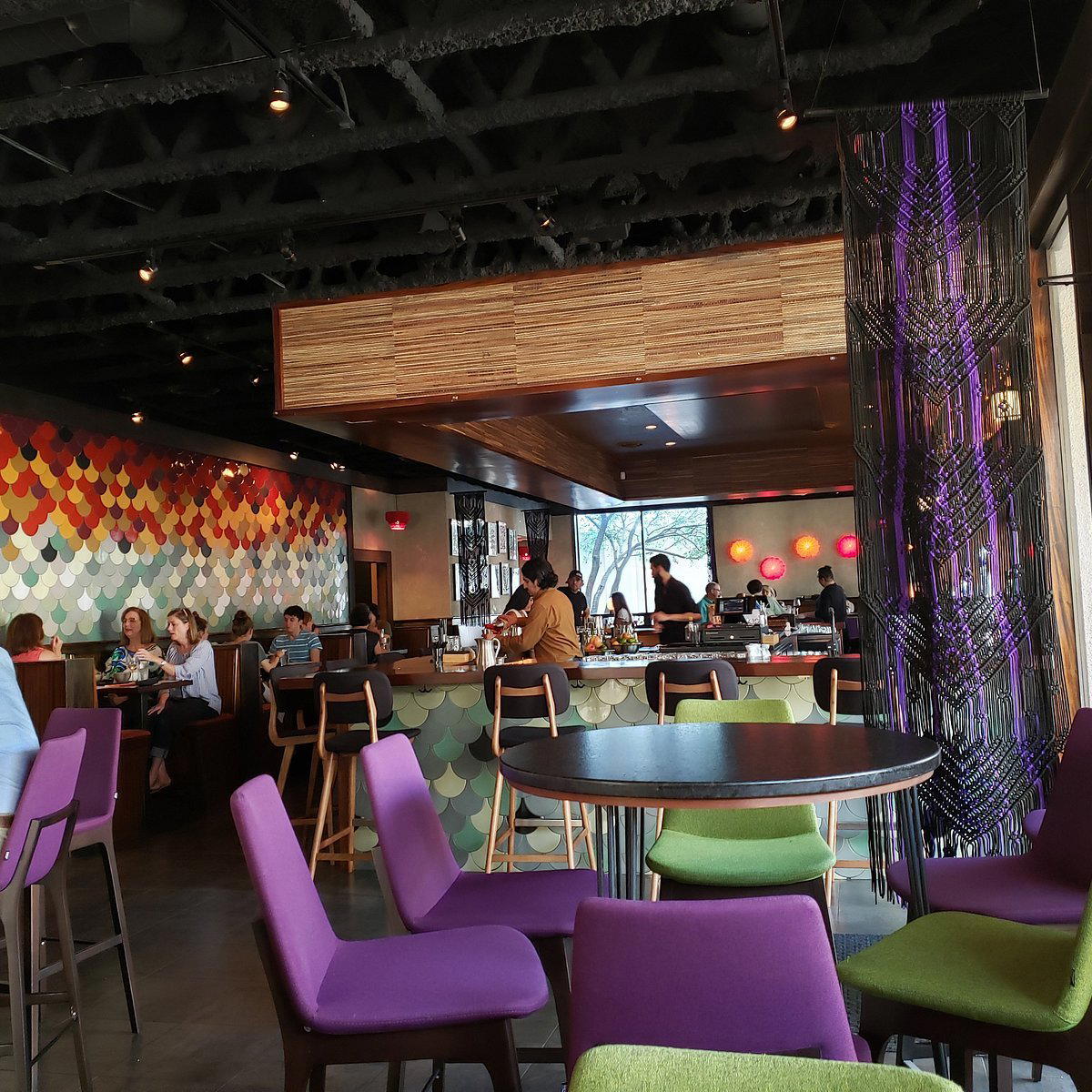
Hotels in Alamo Heights
Browse all →


At a Glance
- Classic
- Cozy
- Family
- Brunch
- Group Dining
- Terrace
- Craft Cocktails
- Local Sourcing
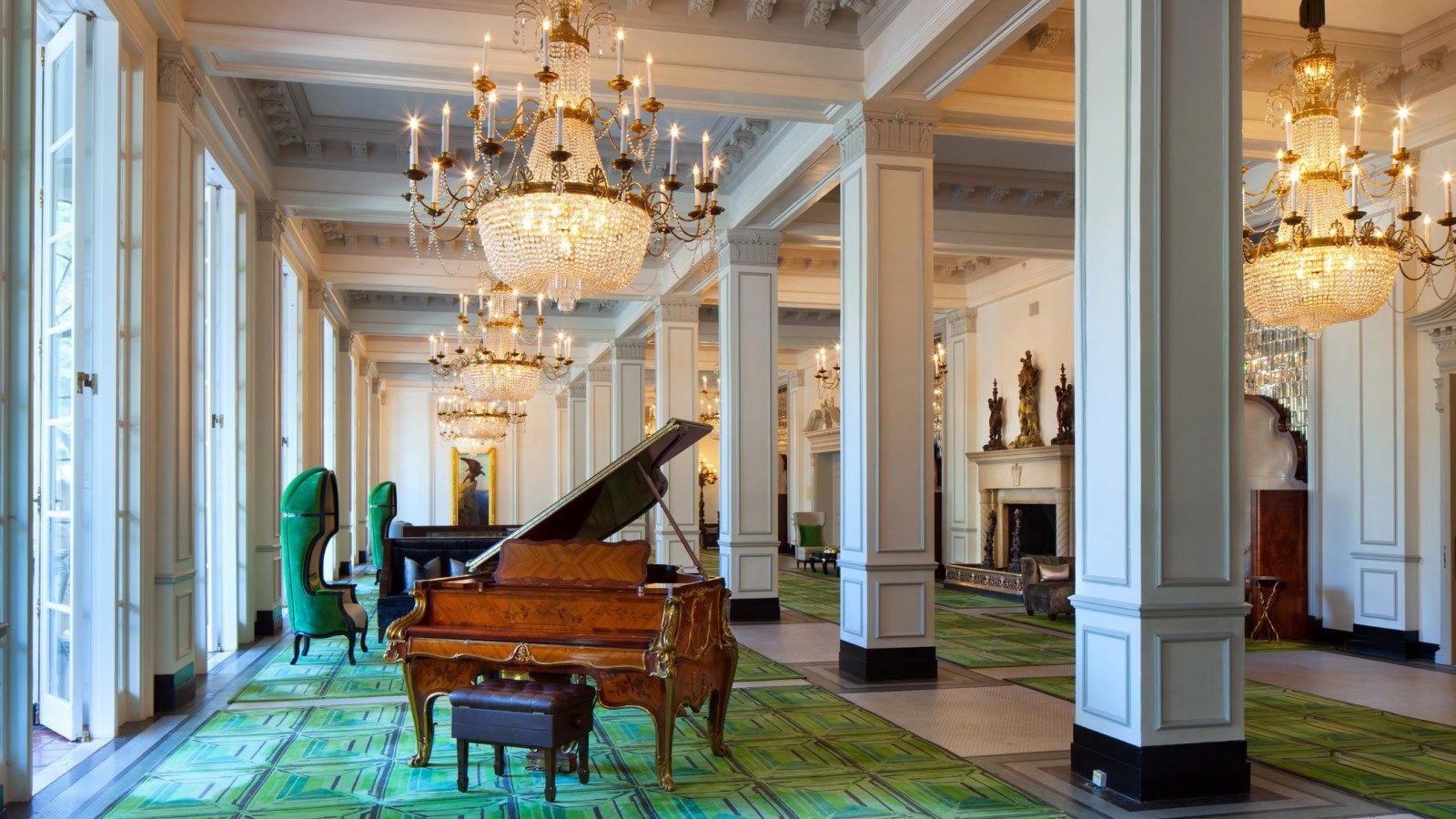
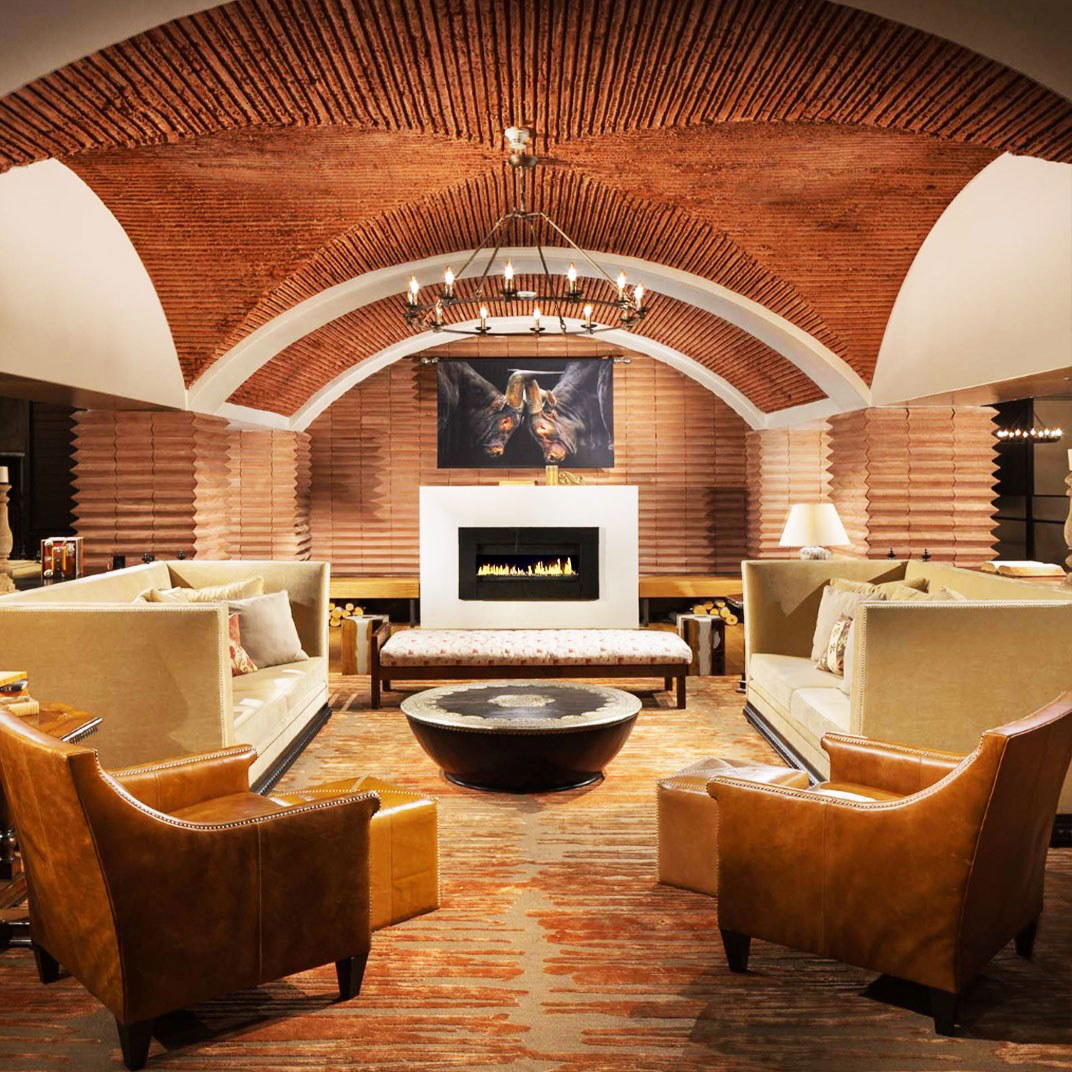
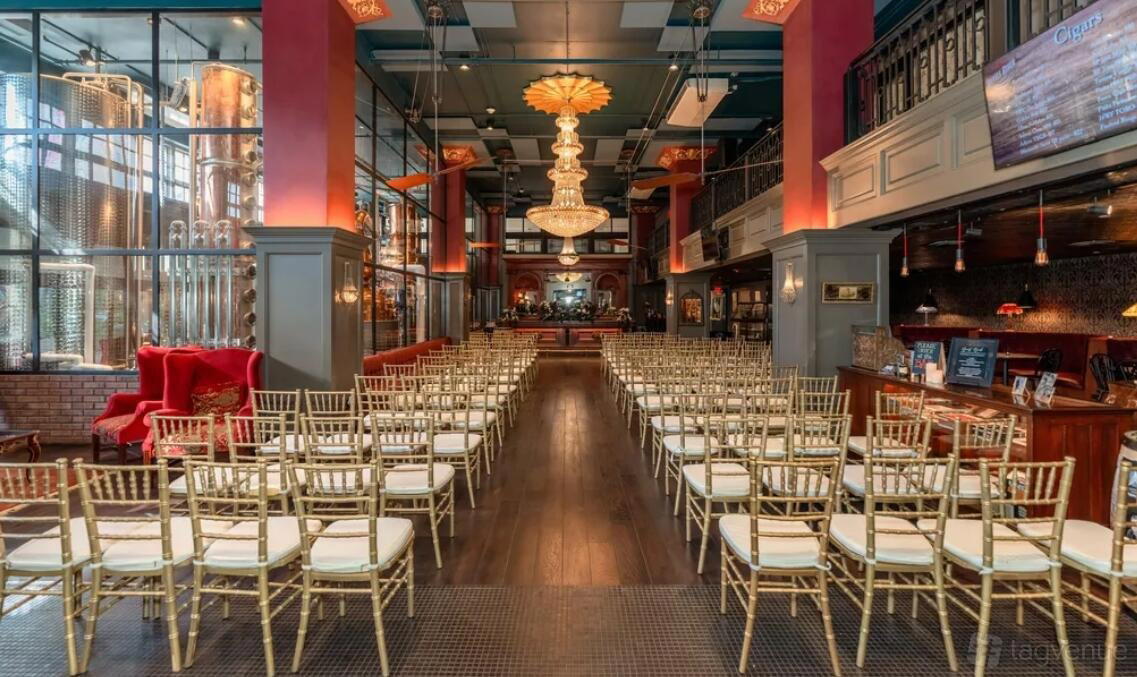
Hacienda-style dining rooms with relaxing terrace by a cool fountain, offering moderate noise and comfortable atmosphere.