Osaka Steak & Sushi
On Broadway in Alamo Heights, Osaka Steak & Sushi sits within one of San Antonio's most consistently active dining corridors, where Japanese steakhouse traditions and sushi-bar formats have long coexisted under one roof. The combination reflects a broader American pattern of pairing tableside theatre with raw-fish craft, and on this stretch of Broadway, it competes in a neighbourhood already well-served by destination dining.
Pearl is the En Primeur Club membership app — saves, bookings, and concierge access live there. Same editors, same standards.
- Address
- 4902 Broadway, San Antonio, TX 78209
- Phone
- +12108220300
- Website
- osakasteaknsushi.com
 Saves & bookings on Pearl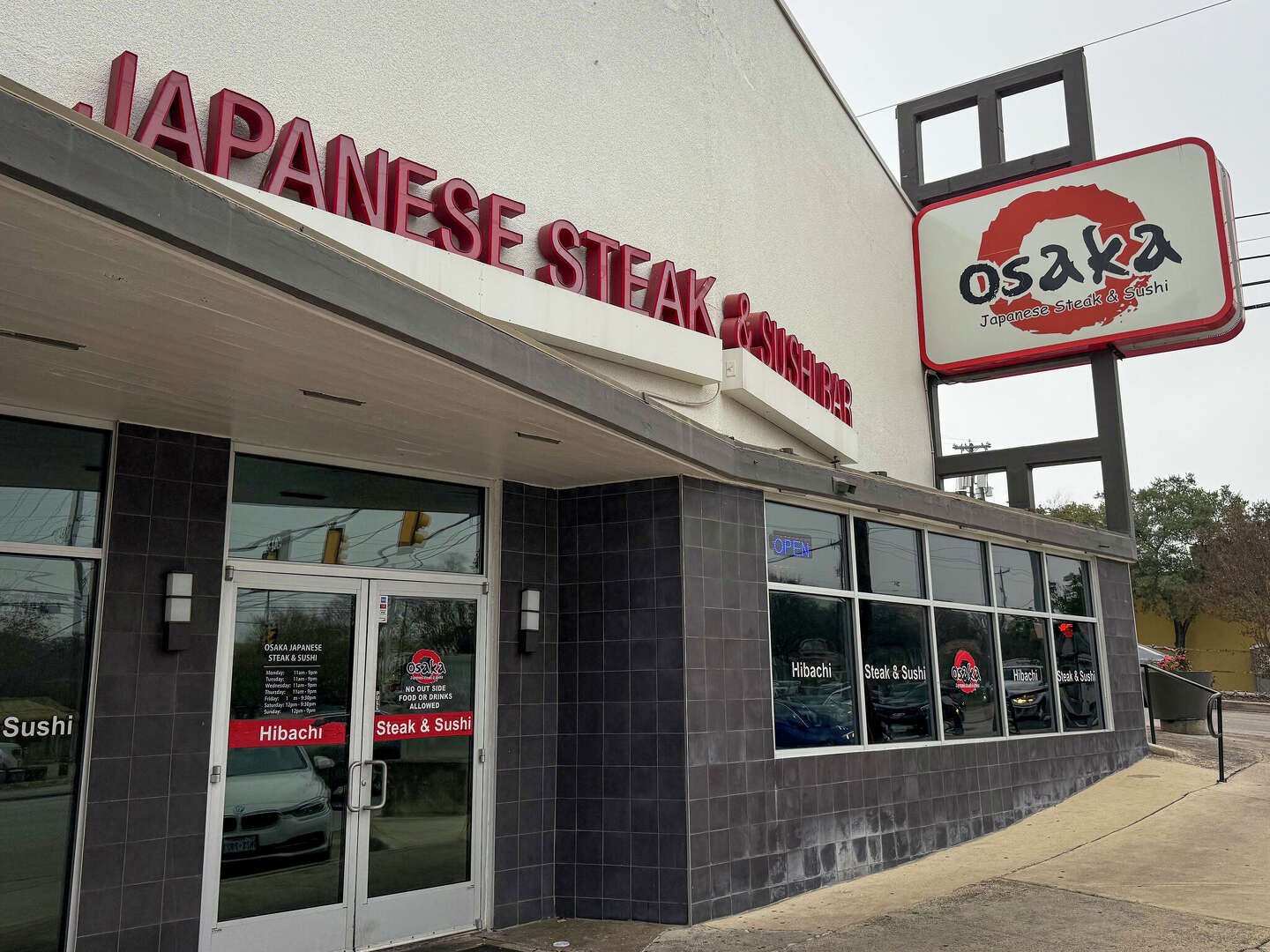
Broadway's Dual-Format Japanese Dining
The Broadway corridor in Alamo Heights has functioned as one of San Antonio's most reliable concentrations of sit-down dining for decades. Between the neighbourhood's low-rise retail and the steady northward pull from downtown, restaurants here operate with a level of foot traffic and repeat local custom that insulates them from the volatility affecting more peripheral addresses. Osaka Steak & Sushi occupies a specific position in that corridor at 4902 Broadway: the dual-format Japanese steakhouse and sushi bar, a category that multiplied across American mid-size cities through the 1980s and 1990s and has since settled into a fixture role in neighbourhoods like this one.
The format itself carries a particular set of signals. Teppanyaki-style steakhouses, where protein is cooked on iron griddles at or near the table, arrived in the United States through a specific chain lineage and were later adapted into independent neighbourhood formats. The sushi component that typically accompanies them in American contexts follows a different tradition entirely: counter-based preparation, raw and lightly cured fish, and a craft sensibility rooted in Japanese technique. Combining both under one roof requires managing two distinct supply chains, two kitchen disciplines, and two service models simultaneously. When the combination works, it is because sourcing and execution are treated as separate problems rather than collapsed into a single undifferentiated kitchen output.
Ingredient Sourcing in the Japanese-American Steakhouse Format
Steakhouse half of this format lives or dies on beef sourcing. In the American context, teppanyaki-style cooking tends to feature domestic beef at various USDA grades, with wagyu or wagyu-cross options increasingly present on menus that aim upward in their price architecture. Texas is, in this respect, a more interesting context for beef-forward dining than many other states: the state's own ranching infrastructure, combined with access to both domestic Prime grades and imported A5 Japanese wagyu through distribution networks serving Texas's larger cities, means that steakhouses here have a wider sourcing palette available than counterparts in regions with less developed agricultural supply chains.
Sushi side introduces a separate set of sourcing considerations. Fish quality at a neighbourhood Japanese restaurant in an inland American city is shaped primarily by distribution geography. San Antonio sits far enough from both coasts that same-day fish is effectively impossible without premium freight arrangements. The practical consequence is that quality at a sushi operation in this market depends on the reliability of its distributor relationships, the turnover rate of its fish inventory, and the kitchen's decisions about which preparations are viable at the freshness levels achievable inland. Operations that lean into cooked maki, lightly marinated preparations, and selective sashimi menus tend to manage this constraint better than those attempting full omakase breadth without the sourcing infrastructure to support it.
For reference, the gap between inland neighbourhood sushi and what restaurants in coastal markets achieve is worth holding in mind. Operations like Le Bernardin in New York City or Providence in Los Angeles operate at the high end of seafood sourcing with direct relationships and airfreight arrangements that are structurally unavailable to most inland neighbourhood venues. The comparison is not to diminish what Alamo Heights offers, but to frame what the category can and cannot deliver in a non-coastal market.
Alamo Heights and the Neighbourhood Dining Pattern
Alamo Heights functions as a dining neighbourhood with genuine range. On the same stretch of Broadway, Paloma Blanca anchors the Mexican fine-dining end of the spectrum, Broadway 50-50 operates in a more casual register, and The Argyle represents the neighbourhood's event-and-atmosphere tier. Osaka Steak & Sushi fits into a gap that the other venues don't directly occupy: the Japanese steakhouse format, with its combination of tableside cooking theatre and sushi-bar options, draws a distinct customer pattern from the Mexican-leaning and American casual venues around it.
That distinctiveness matters for understanding who comes here and why. The teppanyaki format in particular has a well-documented family-dining pull: the theatrical element of griddle cooking at the table has made it a reliable choice for celebrations, birthday dinners, and group occasions across American markets. It sits in a different competitive frame from, say, the stripped-back omakase counters that have proliferated in larger American cities, or the farm-sourcing-first tasting menu operations like Blue Hill at Stone Barns in Tarrytown or Single Thread Farm in Healdsburg, where the sourcing story is the organizing principle of the entire menu. Here, the sourcing story is less visible but no less consequential: it shows up in the texture and temperature of the beef, the freshness of the fish, and the daily decisions the kitchen makes about what to serve.
Planning Your Visit
Osaka Steak & Sushi is located at 4902 Broadway in Alamo Heights, positioned within easy reach of central San Antonio and accessible from the main Broadway arterial that connects the neighbourhood to the broader city. The dual-format nature of the menu means the venue accommodates a range of group configurations: those arriving for teppanyaki should expect a communal table format typical of the genre, where groups are often seated together with other parties around a shared griddle, while sushi-bar seating typically operates on a more individual or couple basis. Visiting on a weeknight generally offers more flexibility than weekend evenings, when the theatrical cooking format draws larger celebratory groups and the room fills accordingly. Hours run Mon to Thu from 11 AM to 9 PM, Fri from 11 AM to 9:30 PM, Sat from 12 PM to 9:30 PM, and Sun from 12 PM to 9 PM; reservations are recommended.
Comparison Snapshot
Comparable venues nearby, for context on price, style, and recognition.
| Venue | Cuisine | Price | Awards | Notes |
|---|---|---|---|---|
| Osaka Steak & SushiThis venue — the venue you are viewing | Japanese Steakhouse & Sushi | $$ | , | |
| Broadway 50-50 | Classic American Burgers & Bar Food | $$ | , | Alamo Heights |
| Paloma Blanca | Authentic Mexican Cuisine | $$ | , | Alamo Heights |
| The Argyle | Classic American Fine Dining | $$$ | , | Alamo Heights |
| Cappy's Restaurant | lounge | $$$ | , | Alamo Heights |
| Paloma Blanca Mexican Cuisine | Bar | $$ | , | Alamo Heights |
Continue exploring
More in Alamo Heights
Restaurants in Alamo Heights
Browse all →
Bars in Alamo Heights
Browse all →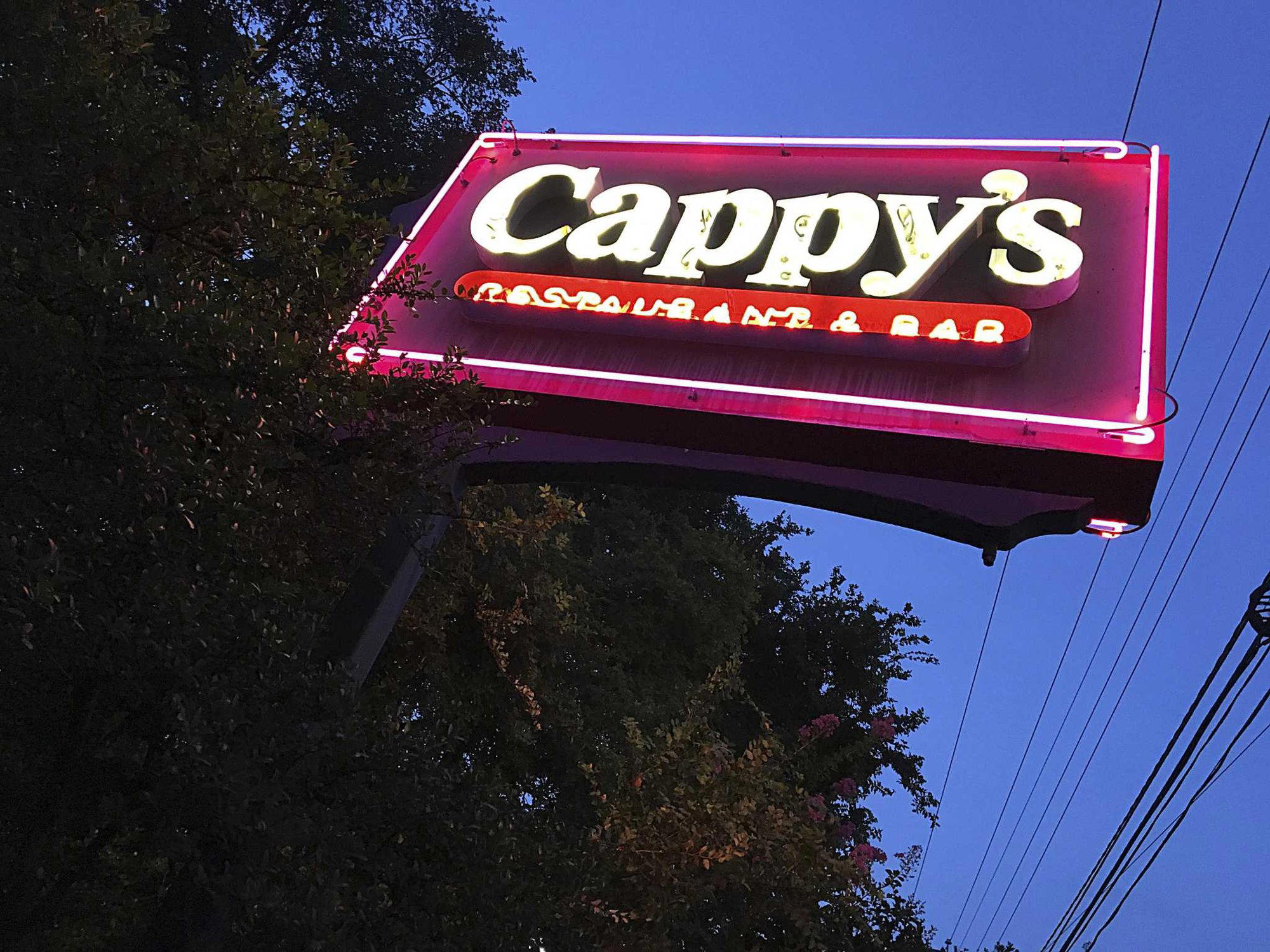
Hotels in Alamo Heights
Browse all →

At a Glance
- Lively
- Energetic
- Group Dining
- Family
- Casual Hangout
- Open Kitchen
- Sake Program
Lively atmosphere with energetic grill shows and casual dining vibe