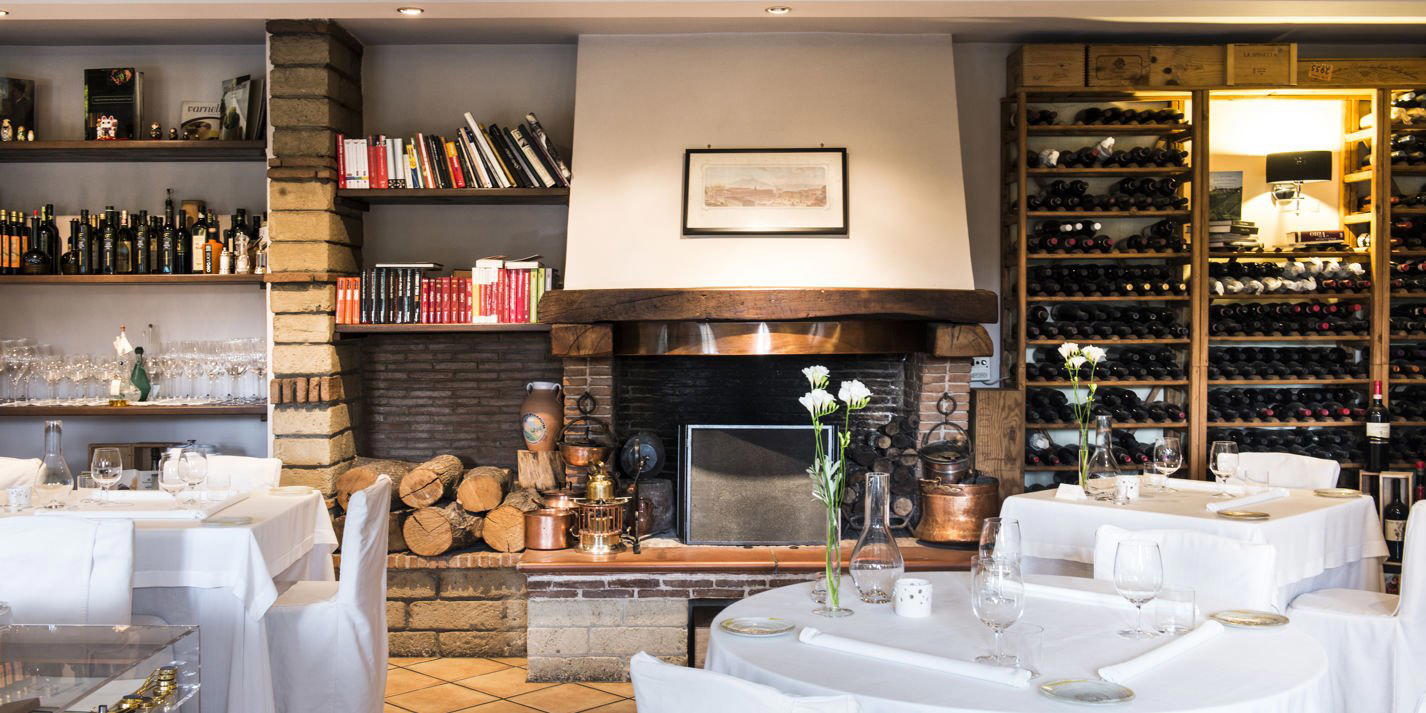
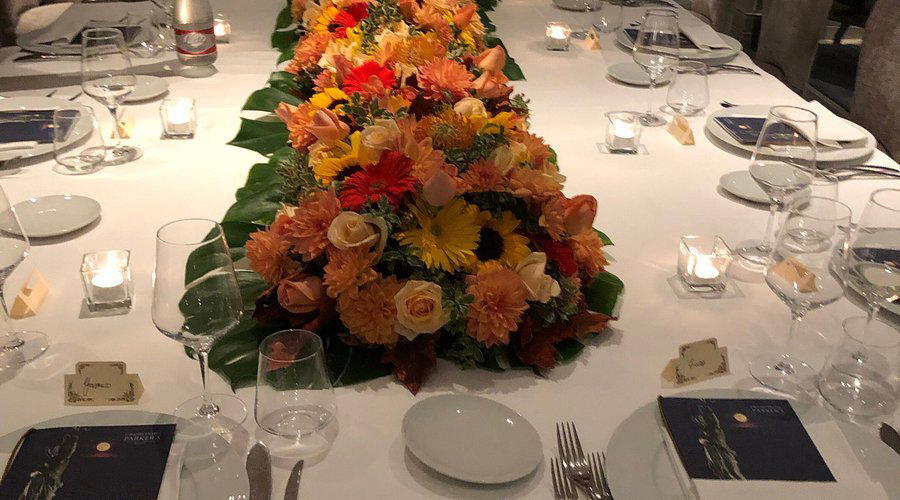
Palazzo Quattrocento occupies a historic address on Piazza Guglielmo Pepe in Naples, placing it at the intersection of the city's architectural memory and its contemporary dining ambitions. The property signals the kind of setting where spatial atmosphere carries as much weight as what arrives at the table, a register increasingly common among Naples's more considered restaurant openings. For visitors working through the city's serious dining tier, it warrants attention alongside the neighbourhood's other destination addresses.
Pearl is the En Primeur Club membership app — saves, bookings, and concierge access live there. Same editors, same standards.
- Address
- Piazza Guglielmo Pepe, 9, 80142 Napoli NA, Italy
- Phone
- +398118205856
- Website
- opentable.com
- Directions
- Get directions
 Saves & bookings on Pearl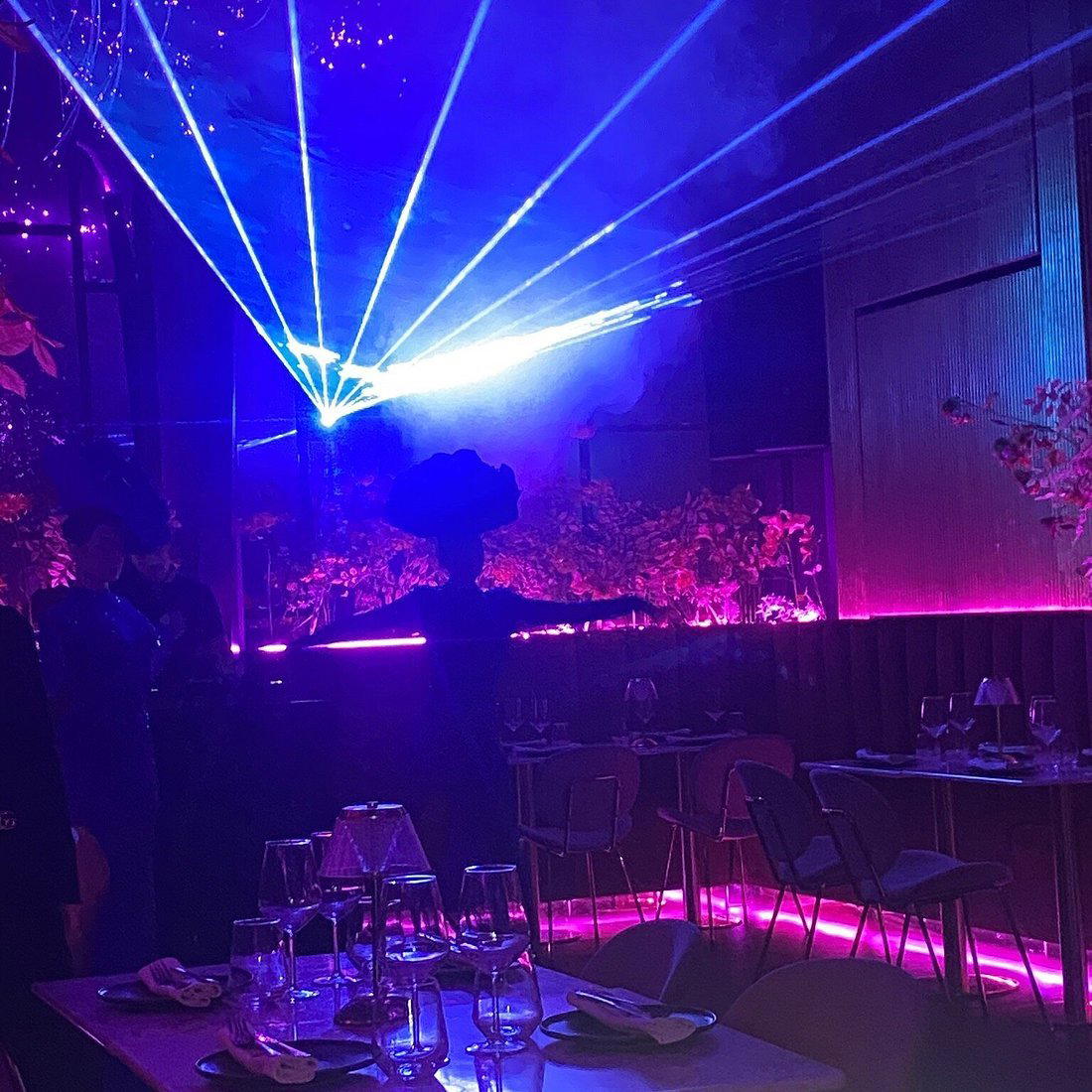
A Piazza Address in Naples's Dining Hierarchy
Naples has always organised its serious dining around a tension: the city's most celebrated food is also its most democratic. Pizza at 1947 Pizza Fritta or a bowl of pasta at 12 Morsi competes on equal cultural footing with anything served beneath a vaulted ceiling. What distinguishes the upper tier of the city's restaurant scene is not a retreat from Neapolitan tradition but a more deliberate framing of it, in spaces that use the city's historic fabric as both backdrop and argument.
Palazzo Quattrocento operates from Piazza Guglielmo Pepe, 9, a square in the 80142 postal district that sits within the older residential and commercial fabric north of the centro storico. The address alone positions the venue differently from the tourist-facing waterfront or the polished commercial strip of Via Toledo. Piazzas of this type in Naples carry a particular weight: they are working civic spaces, not stage sets, and a restaurant that chooses one as its base makes an implicit statement about who it is cooking for and what kind of atmosphere it is trying to produce.
The Physical Setting as Editorial Argument
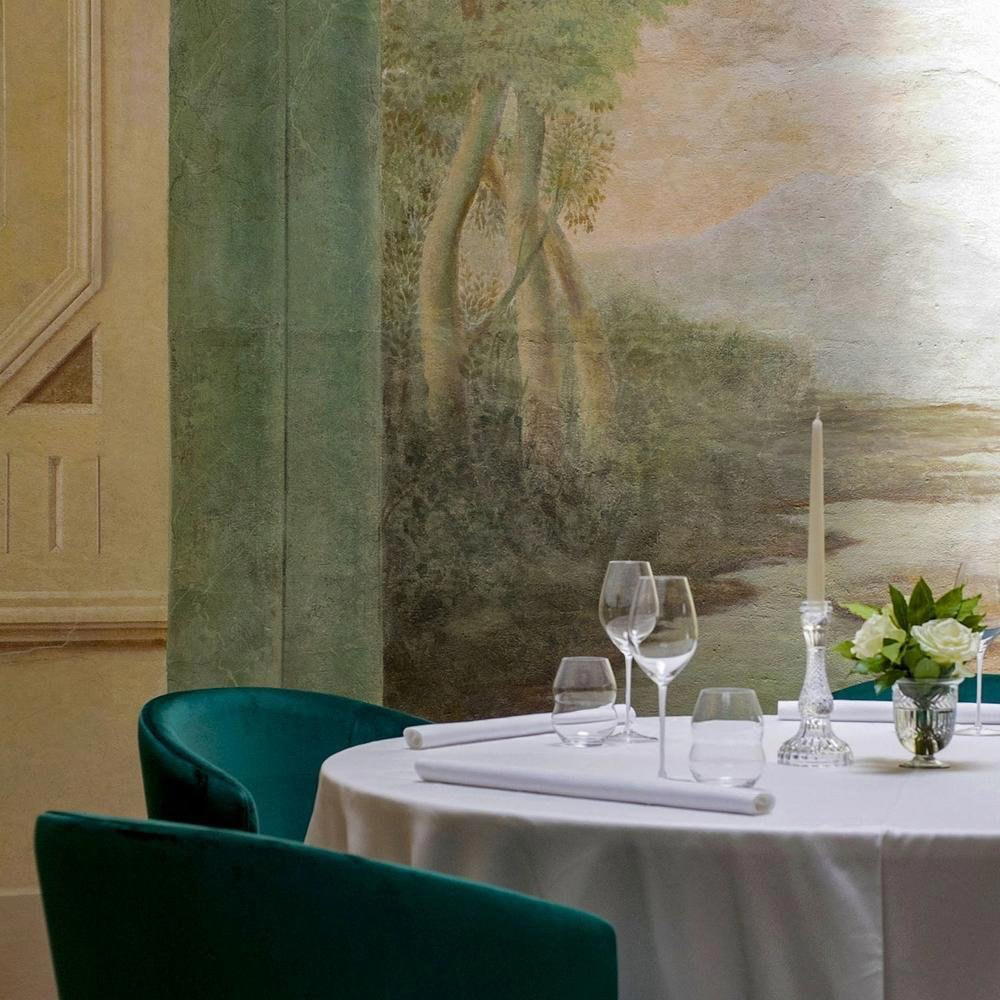
In Italian dining culture, the name palazzo is not decorative. It signals a building of substance, thick walls, high ceilings, a staircase with ambition, and that architecture shapes the experience before a dish is ordered. The leading palazzo conversions in Naples use their spatial inheritance well: rooms that would otherwise feel cold become something else with the right lighting and table density. The challenge these buildings pose is getting that balance right, because the architecture can easily overwhelm the food or, worse, reduce it to a supporting act for the room.
Among Naples's more formal dining addresses, this is a recurring question. George Restaurant and Veritas both operate at the €€€€ register in spaces with strong visual identities, and both have found ways to keep the food as the primary conversation. 177 Toledo takes a different approach, anchoring its contemporary Italian format to a more intimate spatial footprint. Palazzo Quattrocento's piazza setting suggests a property more interested in civic presence than hotel-lobby discretion, which, if handled well, is the more interesting choice.
The Collaboration Model in Neapolitan Fine Dining
The editorial angle that defines this tier of Neapolitan dining is less about the individual chef as auteur and more about the operational team that holds the experience together across a full service. At Italy's most considered restaurants, Osteria Francescana in Modena, Le Calandre in Rubano, Enoteca Pinchiorri in Florence, the front-of-house and sommelier functions are as carefully constructed as the kitchen. The dining room team is not a service mechanism; it is part of the argument the restaurant is making about how and why this food should be eaten in this place.
That model has taken longer to establish in Naples than in the north. The city's hospitality culture has historically prized informality, and a sommelier who wants to explain a Campanian Fiano or an Aglianico from the Taurasi zone is operating in a context where the default expectation is a carafe of the house red. What is shifting, particularly at addresses that have invested in a formal setting, is the appetite for a more structured service collaboration, where the person managing the wine list, the person reading the room, and the kitchen are working from a shared script rather than independent instincts.
Italy's broader fine dining circuit has produced strong evidence for what this looks like when it works. Uliassi in Senigallia built its three-Michelin-star reputation in part on the front-of-house and kitchen operating with unusual coherence. Reale in Castel di Sangro, geographically close enough to Campania to be relevant, has made the wine-and-kitchen dialogue central to its identity. For a Neapolitan palazzo setting to compete seriously in this company, it needs the same integration, not just a well-sourced wine list but a sommelier who is shaping the conversation at the table, and a front-of-house team that understands pacing as a form of hospitality intelligence.
Where Palazzo Quattrocento Sits in the Wider Italian Context
The Italian restaurant scene at the serious end is not short of reference points. Piazza Duomo in Alba and Dal Pescatore in Runate represent different poles of what a family-operated, place-rooted Italian restaurant can achieve at the highest level. Atelier Moessmer Norbert Niederkofler in Brunico shows what happens when a kitchen commits to a regional sourcing thesis without compromise. Enrico Bartolini in Milan and Quattro Passi in Marina del Cantone demonstrate how southern Italian kitchens can carry serious technical ambition without losing their geographical identity.
Naples, as a city, has the raw materials to produce a restaurant that belongs in that peer group: access to some of Italy's most characterful seafood and produce, a culinary tradition with genuine depth, and a historic building stock that provides setting without the need for expensive interior design. What it has occasionally lacked is the sustained operational discipline that converts those advantages into a dining room experience that holds together from arrival through the final course. The addresses that have managed it, and Palazzo Petrucci at the €€€€ tier has demonstrated it is possible, tend to be those that treat service as a craft rather than a function.
Planning a Visit
The restaurant sits on Piazza Guglielmo Pepe, 9, 80142 Napoli NA, Italy, and serves Modern Italian Grill dining in Naples. For visitors building a broader Naples dining itinerary, the full Naples restaurants guide provides a mapped view of the city's dining tiers, from street-level pizza to formal table service.
Pricing, Compared
Comparable venues nearby, for context on price, style, and recognition.
| Venue | Cuisine | Price | Notes |
|---|---|---|---|
| Palazzo QuattrocentoThis venue — the venue you are viewing | Mercato, Modern Italian Grill | $$$ | Not listed |
| Ciro a Santa Lucia | Not listed | $$ | San Ferdinando, Neapolitan Pizza & Fresh Seafood |
| Vincenzo Capuano | Not listed | $$$ | San Ferdinando, Contemporary Neapolitan Pizza |
| Bidder Terrace | Chiaia, Traditional Neapolitan Italian | $$$ | Not listed |
| Pizzeria Brandi | Not listed | $$ | San Ferdinando, Authentic Neapolitan Pizza |
| Diego Vitagliano Pizzeria | San Ferdinando, Modern Neapolitan Pizza | $$$ | Not listed |
Continue exploring
More in Naples
Restaurants in Naples
Browse all →
Bars in Naples
Browse all →
Hotels in Naples
Browse all →
At a Glance
- Elegant
- Cozy
- Sophisticated
- Date Night
- Group Dining
- Special Occasion
- Historic Building
- Extensive Wine List
- Street Scene
Current opening hours
- Monday
- 7:30 PM–1 AM
- Tuesday
- Closed
- Wednesday
- 7:30 PM–1 AM
- Thursday
- 7:30 PM–1 AM
- Friday
- 7:30 PM–2 AM
- Saturday
- 7:30 PM–2 AM
- Sunday
- 7:30 PM–1 AM
Hours can change for holidays and private events. Last verified .
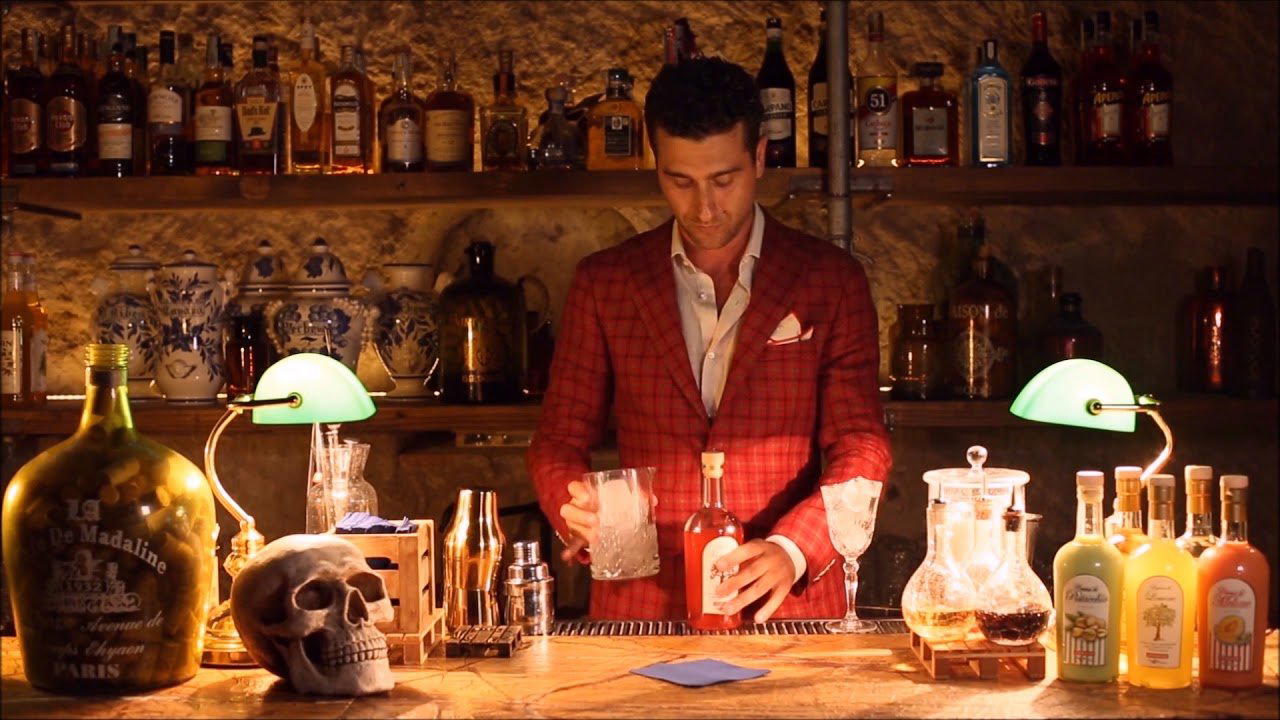
Elegant atmosphere full of colors, relaxing and cool with play of lights and magical design.