Toronto's Northern Thai dining scene has a clear anchor on Yonge Street. PAI Northern Thai Kitchen brings the regional cooking of Thailand's north, dishes built around galangal, lemongrass, and fermented pastes that differ markedly from the pan-Thai menus common across the city, to a room that regulars return to with the kind of frequency that says something about consistency.
Pearl is the En Primeur Club membership app — saves, bookings, and concierge access live there. Same editors, same standards.
- Address
- 2335 Yonge St Upper Level, Toronto, ON M4P 2E6, Canada
- Phone
- +16479465226
- Website
- paitoronto.com
- Directions
- Get directions
 Saves & bookings on Pearl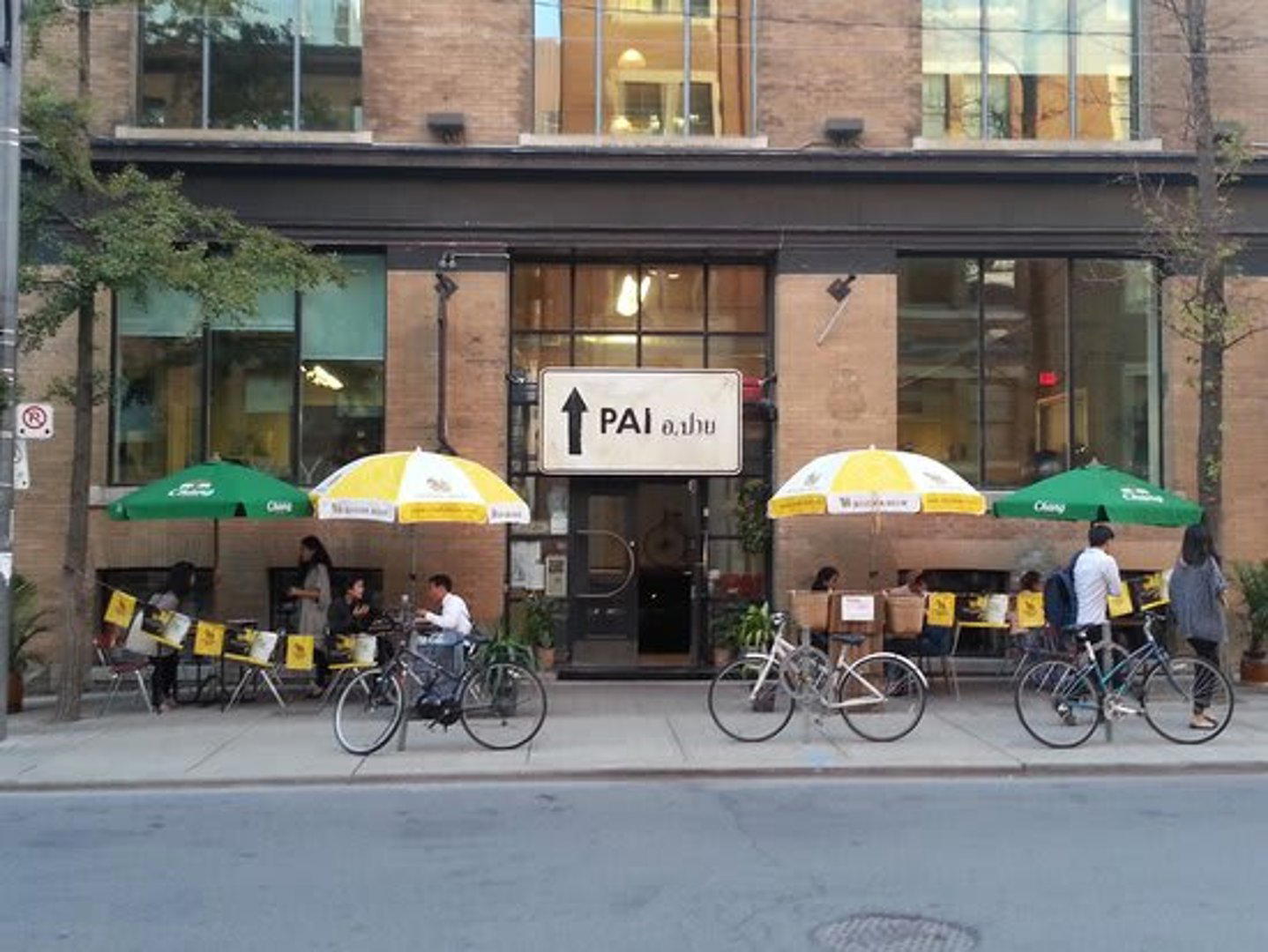
The Room on the Upper Level
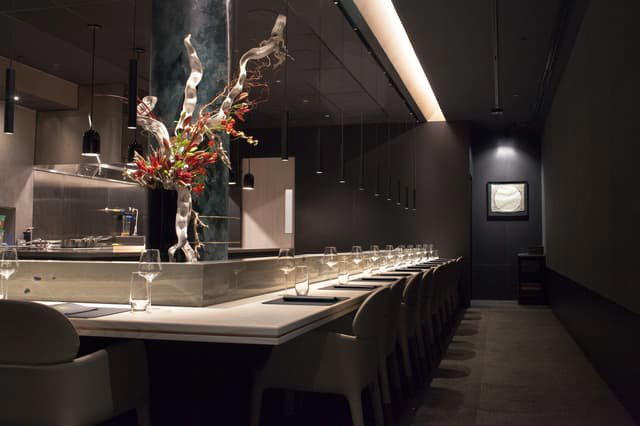
There is a particular kind of Toronto restaurant that earns its following through the slow accumulation of reliable meals. PAI Northern Thai Kitchen is a Northern Thai Kitchen in Toronto, located at 2335 Yonge St Upper Level, Toronto, ON M4P 2E6, Canada. The staircase climb filters the room from street traffic; what you find at the summit is a space that reads as intentional rather than incidental, a room where the regulars know where to sit and what to order before they open a menu.
Northern Thai cooking is a distinct regional tradition, and Toronto has historically underserved it. The cuisine of Chiang Mai and the surrounding highlands relies on fermented soybean pastes, dried spices, and aromatics that diverge sharply from the coconut-heavy, sweeter profiles of central and southern Thai cooking that built the city's Thai restaurant baseline. PAI operates in that northern register, which is why its loyalists return.
What the Regulars Order
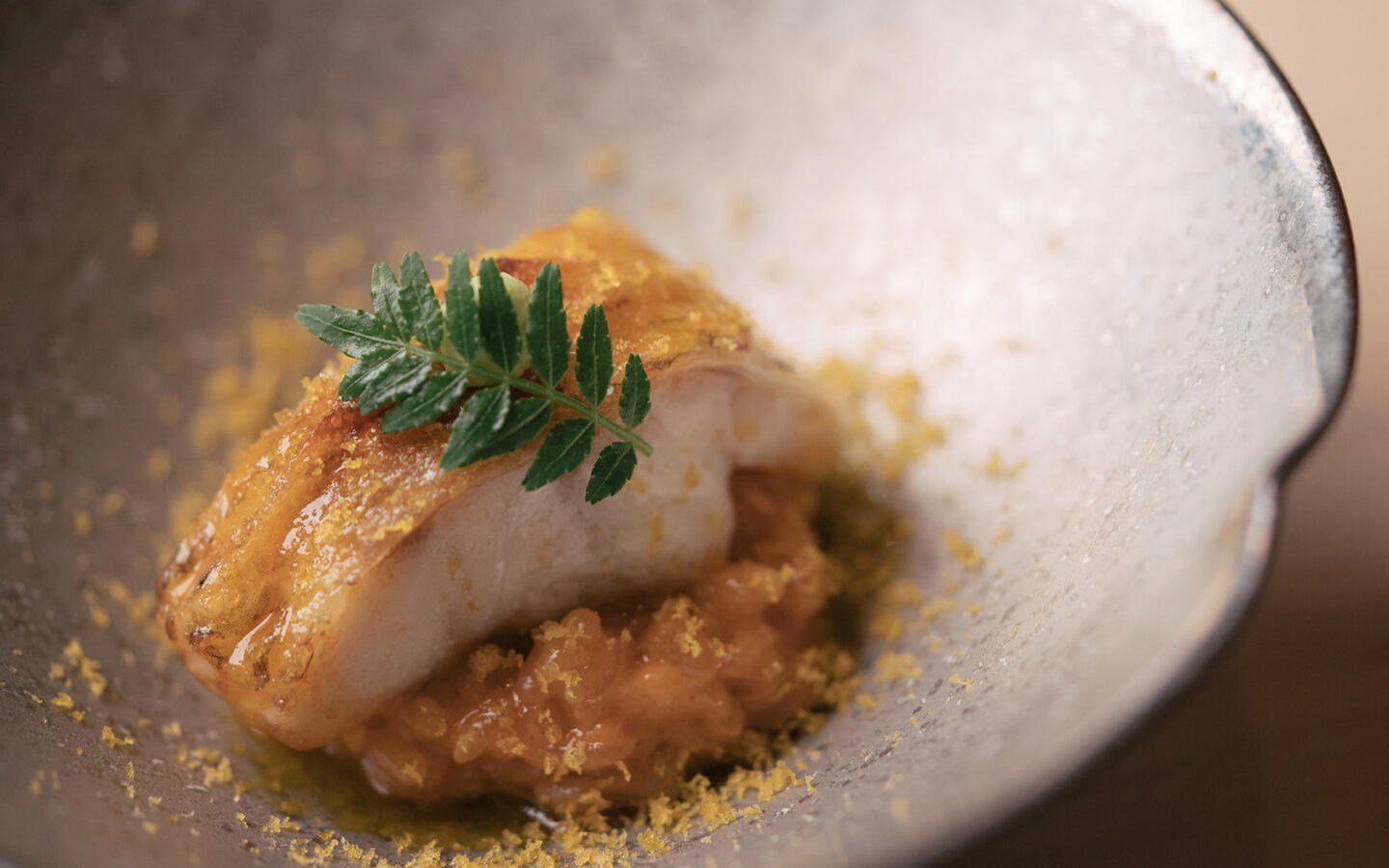
The clearest marker of a restaurant with genuine repeat clientele is the gap between what a first-time visitor orders and what a regular orders. At PAI, that gap is readable. The northern-specific preparations, the fermented and cured items, the dishes that require some familiarity with the tradition, draw the return visits. Khao soi, the Chiang Mai egg-noodle curry with its crispy noodle garnish and rich, lightly spiced broth, is one cited dish in public conversation around PAI and functions as the room's entry point for newcomers. But regulars tend to move past it toward the drier, more pungent preparations that reflect the highlands more accurately.
That pattern, a restaurant with an accessible gateway dish and a deeper menu that rewards exploration, is the structure of a place with real staying power. It means the kitchen is not built around one item. It means the regulars have somewhere to go after the first five visits.
PAI in Toronto's Dining Price Structure
Toronto's premium dining tier has compressed around a small number of tasting-menu formats. Alo, Sushi Masaki Saito, Aburi Hana, DaNico, and Don Alfonso 1890 occupy the city's leading price bracket, where per-person spend at dinner routinely clears $200 before wine. PAI sits around $25 per person, making it a different kind of choice entirely. PAI sits in a different tier entirely, which means it is not competing with those rooms on occasion spend. It is competing on frequency: how often a household comes back, whether it becomes a standing Thursday plan, whether it is the answer when someone asks where to eat in Midtown without a reservation secured three months out.
That position, accessible enough to visit regularly, specific enough to feel considered, is increasingly difficult to hold in a city where rents have pushed mid-market restaurants toward either casualisation or premium repositioning. PAI's continued operation on Yonge Street is evidence that the model works when the cooking justifies the return.
Northern Thai in a Pan-Asian City
Toronto's Asian restaurant scene is deep and geographically dispersed, with Scarborough's Chinese corridors, the Koreatown stretch on Bloor, and the Vietnamese concentration along Spadina each representing distinct regional traditions. Thai cooking in the city has historically clustered around a narrower set of dishes: pad thai, green curry, mango salad. The northern tradition, with its emphasis on preserved meats, herb-forward soups, and the nam prik ong pork-and-tomato relish that anchors many Chiang Mai tables, has had fewer dedicated venues.
That scarcity creates the conditions for genuine loyalty. When a restaurant represents a tradition that has limited local competition, its regulars have fewer alternatives and stronger motivation to return. PAI benefits from that dynamic, but it only holds if the execution justifies the claim. A restaurant that positions itself as the city's northern Thai standard-bearer and then delivers inconsistent cooking will lose its base quickly. PAI's sustained presence on Yonge Street suggests the kitchen has maintained the standard.
The Midtown Context
The Yonge and Eglinton corridor has changed considerably over the past decade, with condominium density adding a residential population that eats out frequently and locally. The upper Yonge stretch toward Lawrence has a different character: more established, less transient, with a clientele that tends to have longer neighborhood roots. A restaurant on this block is not drawing heavily from tourist traffic or from the weekend-destination-dining crowd. It is drawing from the immediate area, which means its survival depends on converting first-time visitors into regulars, and then keeping those regulars engaged.
That is a harder brief than it sounds. The city's dining options for that residential Midtown population are broad. PAI's positioning, specific cuisine, accessible price point, Midtown address, has proven durable in that competitive local context.
Beyond Toronto: Where Northern Thai Fits in Canada's Dining Conversation
Canada's food cities each have a dominant lens through which they approach Asian cuisine, shaped by their immigration histories and neighbourhood geographies. Montreal's Thai representation is thinner than Toronto's; Vancouver's Southeast Asian scene is broader but skews toward Vietnamese and Filipino traditions. For readers exploring the country's dining range, the spectrum runs from tasting-menu rooms like Tanière³ in Quebec City and AnnaLena in Vancouver to regional specialists like PAI that hold a different kind of value: depth within a specific tradition rather than ambition across a broad one. Jérôme Ferrer - Europea in Montreal, Restaurant Pearl Morissette in Lincoln, and Eigensinn Farm in Singhampton represent entirely different registers of Canadian dining, as does The Pine in Creemore. PAI's value proposition is narrower and more specific, which is exactly the point.
Know Before You Go
Know Before You Go
- Address: 2335 Yonge St, Upper Level, Toronto, ON M4P 2E6
- Access: Upper level entry; look for the staircase from street level on Yonge
- Neighbourhood: Midtown Toronto, between Davisville and Eglinton
- Cuisine: Northern Thai, distinct from central or southern Thai traditions
- Booking: Check current reservation availability directly with the venue; walk-in availability varies by day and time
- Nearby: Davisville and Eglinton TTC stations both within walking distance
Compact Comparison
Comparable venues nearby, for context on price, style, and recognition.
| Venue | Cuisine | Price | Notes |
|---|---|---|---|
| PAI Northern Thai KitchenThis venue — the venue you are viewing | Not listed | $$ | Not listed |
| Queen Mother Cafe | Not listed | $$ | Queen West, Global Comfort Food with Lao-Thai Influence |
| 898 Queen St E | Not listed | $$ | South Riverdale, Authentic Thai Street Food |
| Pai Northern Thai | Not listed | $$ | Entertainment District, Northern Thai Street Food |
| Osmow's | Uptown Yonge, Mediterranean Shawarma | $$ | Not listed |
| Fresh on Eglinton | Mount Pleasant West, Modern Vegan | $$ | Not listed |
Continue exploring
More in Toronto
Restaurants in Toronto
Browse all →
Bars in Toronto
Browse all →
Hotels in Toronto
Browse all →

At a Glance
- Trendy
- Lively
- Modern
- Casual Hangout
- Group Dining
- Date Night
- Open Kitchen
Current opening hours
- Monday
- 4–9:30 PM
- Tuesday
- 11:30 AM–9:30 PM
- Wednesday
- 11:30 AM–9:30 PM
- Thursday
- 11:30 AM–9:30 PM
- Friday
- 11:30 AM–10 PM
- Saturday
- 11:30 AM–10 PM
- Sunday
- 11:30 AM–9:30 PM
Hours can change for holidays and private events. Last verified .
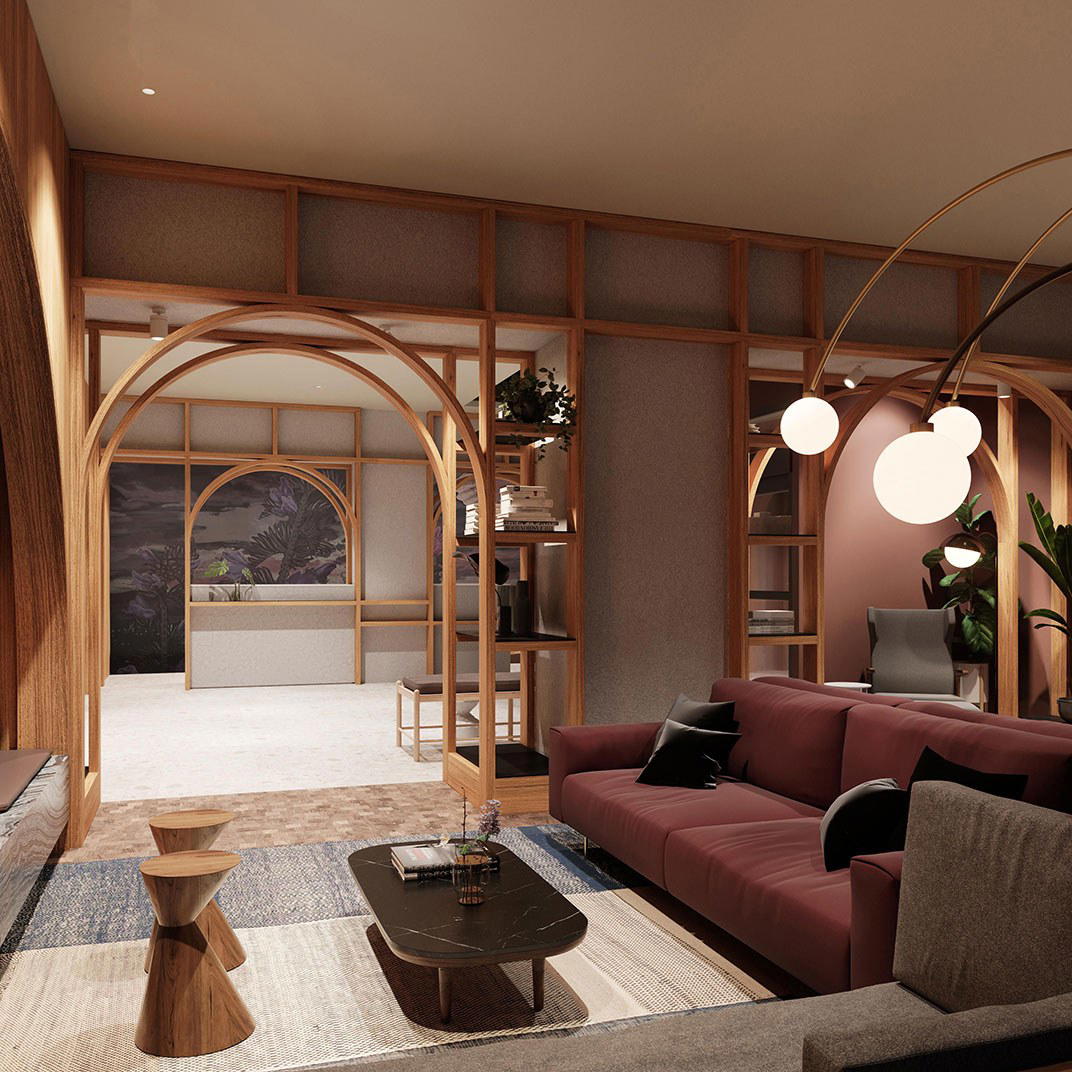
Busy and lively atmosphere with a trendy, modern feel that captures the energy of northern Thai street food.