Pai Northern Thai on Duncan Street brings the cooking traditions of Thailand's northern provinces into the heart of Toronto's Entertainment District, grounding dishes in regional technique rather than the pan-Thai approximations that dominate the city's midmarket. The kitchen works across a register of curries, larbs, and grilled proteins that rarely appear on Toronto menus, making it a reference point for Northern Thai cooking in Canada.
Pearl is the En Primeur Club membership app — saves, bookings, and concierge access live there. Same editors, same standards.
- Address
- 18 Duncan Street, Toronto, Ontario, Canada M5H 3G8
- Directions
- Get directions
 Saves & bookings on Pearl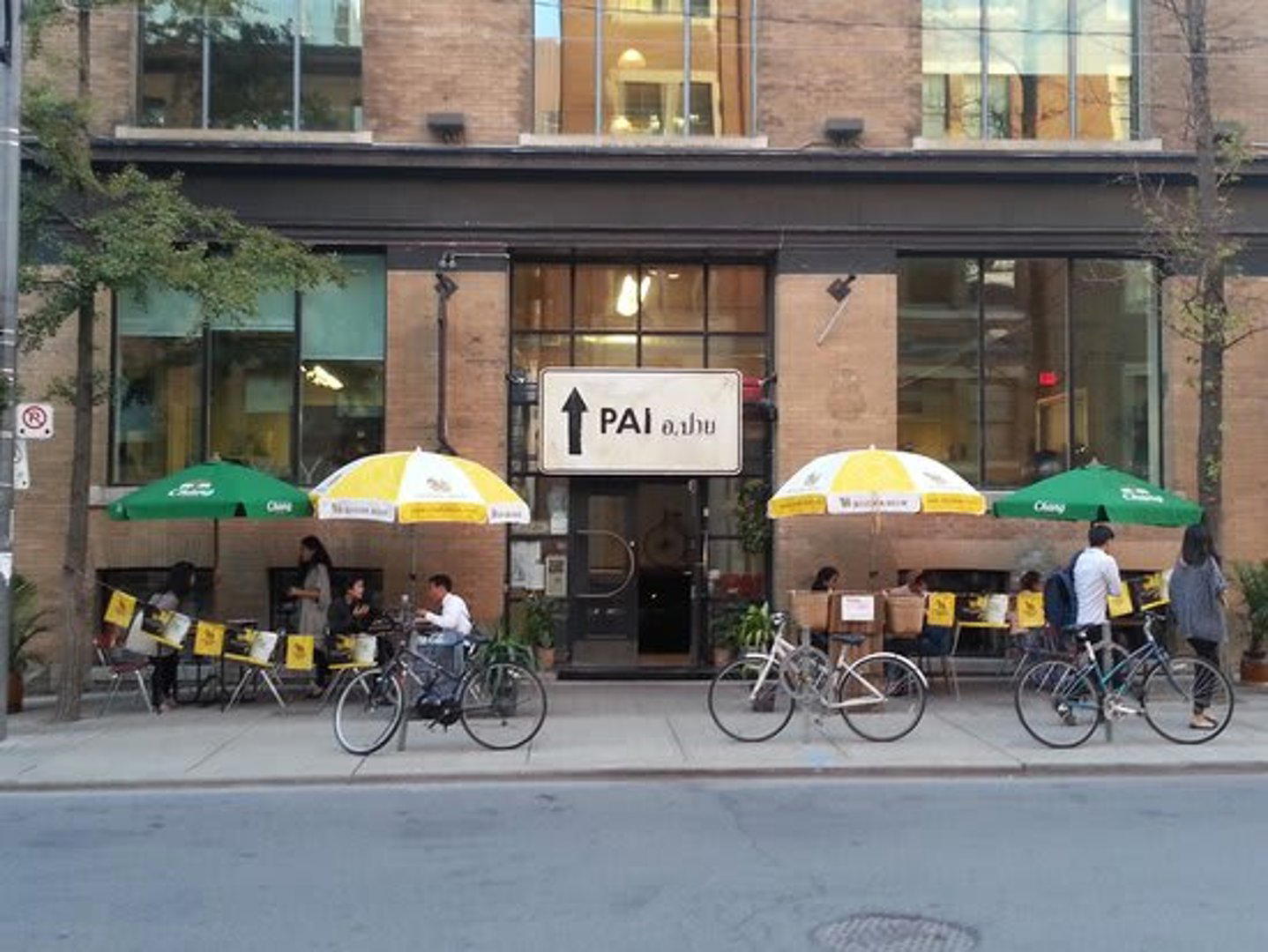
Northern Thai Cooking in a City That Knows Its Curries
Toronto's Thai restaurant scene has long skewed toward the central and coastal traditions: pad thai, green curry, jasmine rice in abundance. The cooking of Thailand's northern provinces, Chiang Mai and the surrounding highlands, operates from a different pantry and a different logic. Curries there tend toward the drier, spice pastes run deeper and more complex, and fermented elements appear with a regularity that most Thai restaurants further afield tend to edit out. Pai Northern Thai, at 18 Duncan Street in Toronto's Entertainment District, is a Northern Thai Street Food restaurant with.
That specificity matters in a dining city where regional distinctions within a cuisine often get smoothed into commercial familiarity. The northern Thai kitchen shares more DNA with the cooking of Laos, Myanmar, and Yunnan than it does with Bangkok street food, and that cross-border character gives the menu here a range of references that Toronto's broader Thai offering largely avoids. For diners accustomed to southern Thai sweetness and coconut richness, the shift requires calibration, and that calibration is part of what makes the restaurant worth understanding on its own terms.
Where Duncan Street Sits in the Broader Toronto Dining Picture
The Entertainment District runs from University Avenue west toward Spadina, and it catches most of its traffic from pre-theatre crowds, post-work groups, and hotel guests. The restaurant density is high but the culinary ambition is uneven. Pai operates in a middle tier that prioritises volume and accessibility over the fixed-price formality you find at, say, Alo (Contemporary), which anchors Toronto's highest-ticket dining. The comparison is instructive: where Alo or Sushi Masaki Saito operate on reservation precision and tasting-menu discipline, Pai works in a more casual, higher-turnover register that keeps the cooking grounded and the room accessible without simplifying what arrives on the table.
That positioning puts it alongside Toronto's other mid-tier specialists rather than its omakase counters or kaiseki rooms. Aburi Hana and its kaiseki format, or the Italian formality of DaNico and Don Alfonso 1890, belong to a different occasion and a different price ceiling. Pai's value lies in delivering a cuisine with genuine regional identity at a price point that makes repeat visits sustainable for most Toronto diners.
The Editorial Angle: Imported Technique, Northern Thai Logic
Toronto's dining culture has developed a strong instinct for what might be called precision regionalism: the idea that a cuisine is most interesting when it is cooked as closely as possible to its source tradition, not averaged toward a North American palate. This instinct has driven the city's Japanese restaurants toward increasingly rigorous sourcing and technique, and the same impulse shows up in the better Thai kitchens. At Pai, the northern Thai framework is not a theme applied to a generic Asian menu; it is the structural logic of the kitchen. Khao soi, the egg noodle curry that is one of northern Thailand's most documented dishes, represents the kind of preparation where technique and ingredient sourcing do most of the argumentative work: the curry paste, the broth depth, the contrast between braised and crispy noodle, the condiment spread alongside. Getting those elements right requires knowing the cuisine rather than approximating it.
Across Canada, restaurants working in similar territory of imported culinary tradition applied with technical rigour include Tanière³ in Quebec City, which applies fine-dining technique to Quebec's terroir, and Restaurant Pearl Morissette in Lincoln, where winemaking precision extends into the kitchen's handling of Ontario ingredients. The method differs but the seriousness about source tradition is recognisable across all three. Further afield, AnnaLena in Vancouver and Jérôme Ferrer's Europea in Montreal represent the same pattern applied to European frameworks in Canadian cities.
What the Room Tells You Before the Food Arrives
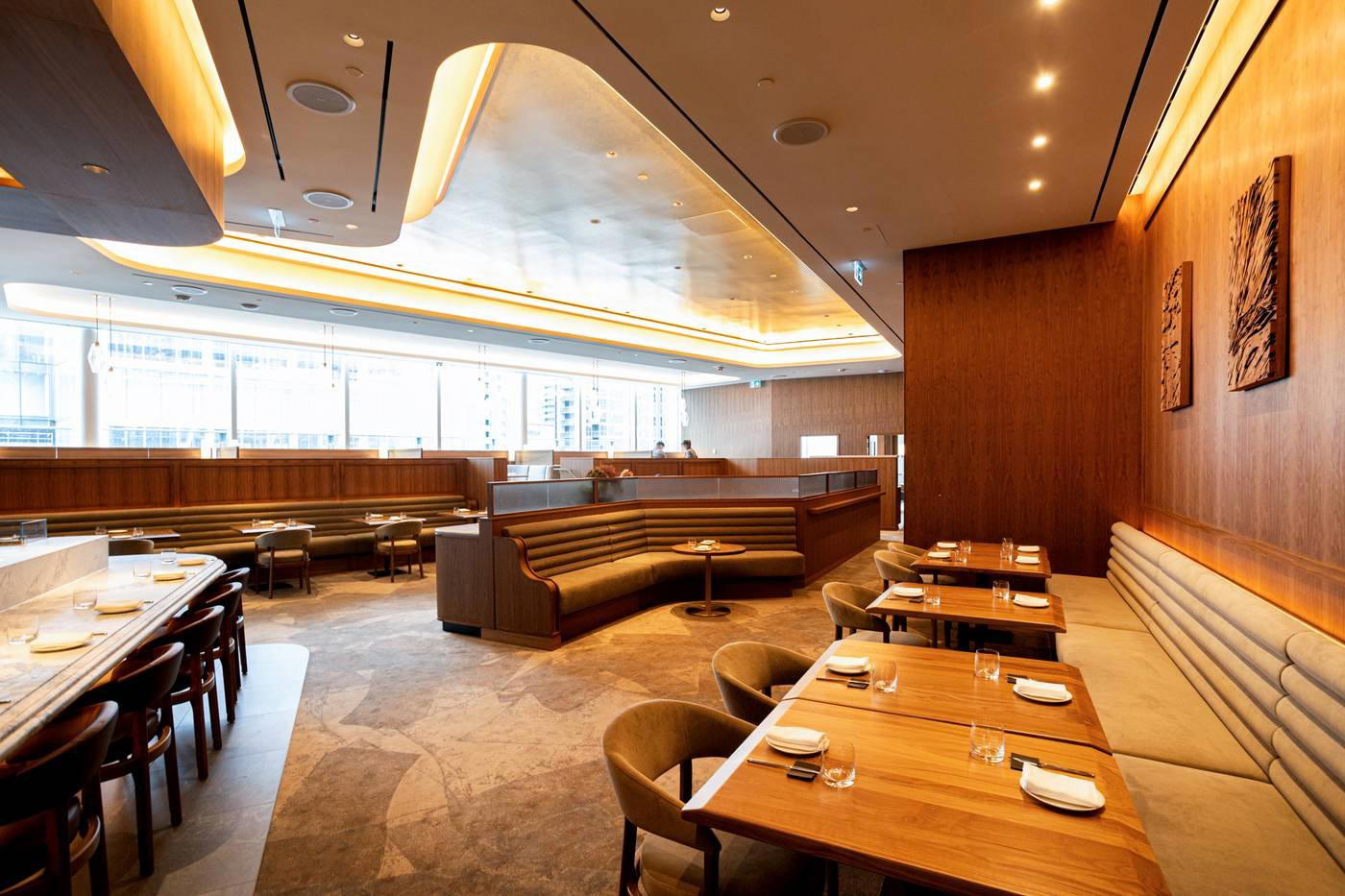
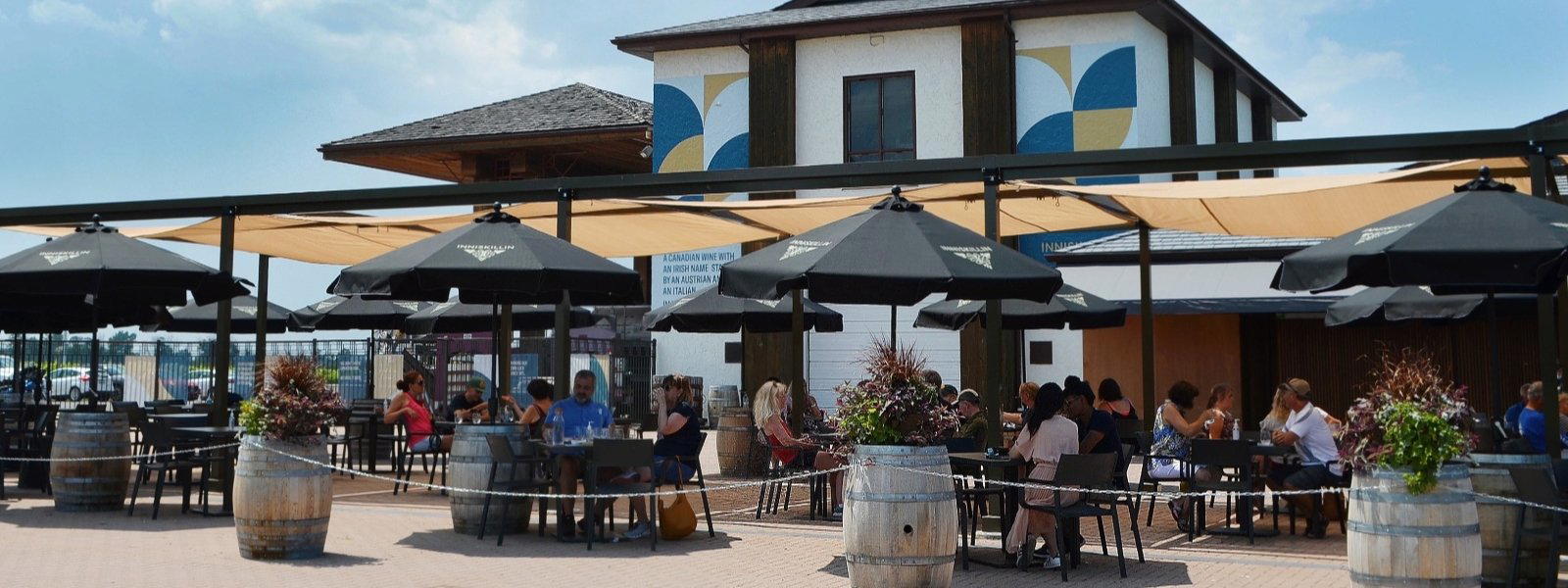
The physical environment at Pai runs warmer and more informal than the Entertainment District's hotel-adjacent competitors. The space works at a pace and noise level suited to groups and shared orders rather than extended tasting sequences. That is appropriate to the cuisine: northern Thai eating is communal in structure, built around a table of dishes arriving together rather than a linear progression of courses. The room's character supports that format rather than fighting it.
How Pai Fits the Canadian Dining Conversation
Canada's serious food conversation has broadened considerably in the last decade, and the country now has a set of reference restaurants that extend well beyond its major cities. Eigensinn Farm in Singhampton and Fogo Island Inn Dining Room in Joe Batt's Arm represent the extreme of place-specific cooking, where geography is the dominant ingredient. The Pine in Creemore and Narval in Rimouski work smaller markets with regional focus. Busters Barbeque in Kenora and Cafe Brio in Victoria anchor local dining cultures in their respective cities. Against that range, Pai occupies a specific niche: a city restaurant making a credible argument for a regional cuisine that most Toronto diners encounter in diluted form. That argument is worth engaging with, even if the format is casual and the price point is modest by the standards of, say, Le Bernardin in New York City or Lazy Bear in San Francisco.
Know Before You Go
- Address: 18 Duncan Street, Toronto, Ontario, Canada M5H 3G8
- Neighbourhood: Entertainment District, central Toronto
- Cuisine Focus: Northern Thai regional cooking
- Booking: Walk-ins are welcome; weekend evenings can be busy given the location
- Format: Casual, table-service; suited to shared ordering across multiple dishes
- Nearest reference: Walking distance from St. Andrew subway station (Osgoode is also close)
Pricing, Compared
Comparable venues nearby, for context on price, style, and recognition.
| Venue | Cuisine | Price | Awards | Notes |
|---|---|---|---|---|
| Pai Northern ThaiThis venue — the venue you are viewing | Not listed | $$ | Not listed | Not listed |
| Crystal Thani | Not listed | $$ | Not listed | Palmerston-Little Italy, Thai Kitchen + Bar |
| Tha Phae Tavern | Queen West, Northern Thai Fusion Bar | $$ | Not listed | Not listed |
| Bangkok Garden | Downtown Yonge, Authentic Thai | $$ | Not listed | Not listed |
| Khao San Road | Entertainment District, Northern Thai | $$ | Not listed | Not listed |
| Koh Lipe Thai Kitchen | Not listed | $$ | Michelin Plate | Kensington-Chinatown, Authentic Southern Thai |
Continue exploring
More in Toronto
Restaurants in Toronto
Browse all →
Bars in Toronto
Browse all →
Hotels in Toronto
Browse all →
Wineries in Toronto
Browse all →
At a Glance
- Lively
- Bohemian
- Well Known
- Casual Hangout
- Group Dining
- After Work
- Late Night
- Open Kitchen
- Standalone
Current opening hours
- Monday
- 4–9:30 PM
- Tuesday
- 11:45 AM–9:30 PM
- Wednesday
- 11:45 AM–9:30 PM
- Thursday
- 11:45 AM–9:30 PM
- Friday
- 11:45 AM–10 PM
- Saturday
- 11:45 AM–10 PM
- Sunday
- 11:45 AM–9:30 PM
Hours can change for holidays and private events. Last verified .
Perpetually busy casual dining environment with laid-back, welcoming atmosphere reminiscent of Pai's hippie vibes; warm and energetic.