Our verdict
Pa Ting sits in Don Sak, the ferry-port town on Surat Thani's eastern coast that most travellers pass through rather than pause in. The surrounding Gulf of Thailand waters and Surat Thani's inland farms define what Southern Thai cooking at this latitude has always looked like: tidal rhythms dictating the catch, local produce filling the gaps. For travellers willing to stop, it represents the kind of unmediated regional eating that itinerary-heavy tourism rarely delivers.

Pearl is the En Primeur Club membership app — saves, bookings, and concierge access live there. Same editors, same standards.
- Address
- Don Sak, Don Sak District, Surat Thani 84220, Thailand
- Phone
- +6677371126
- Hours
- Mon 9 AM–8:30 PMTue–Sun 9:30 AM–8:30 PM
- Directions
- Get directions
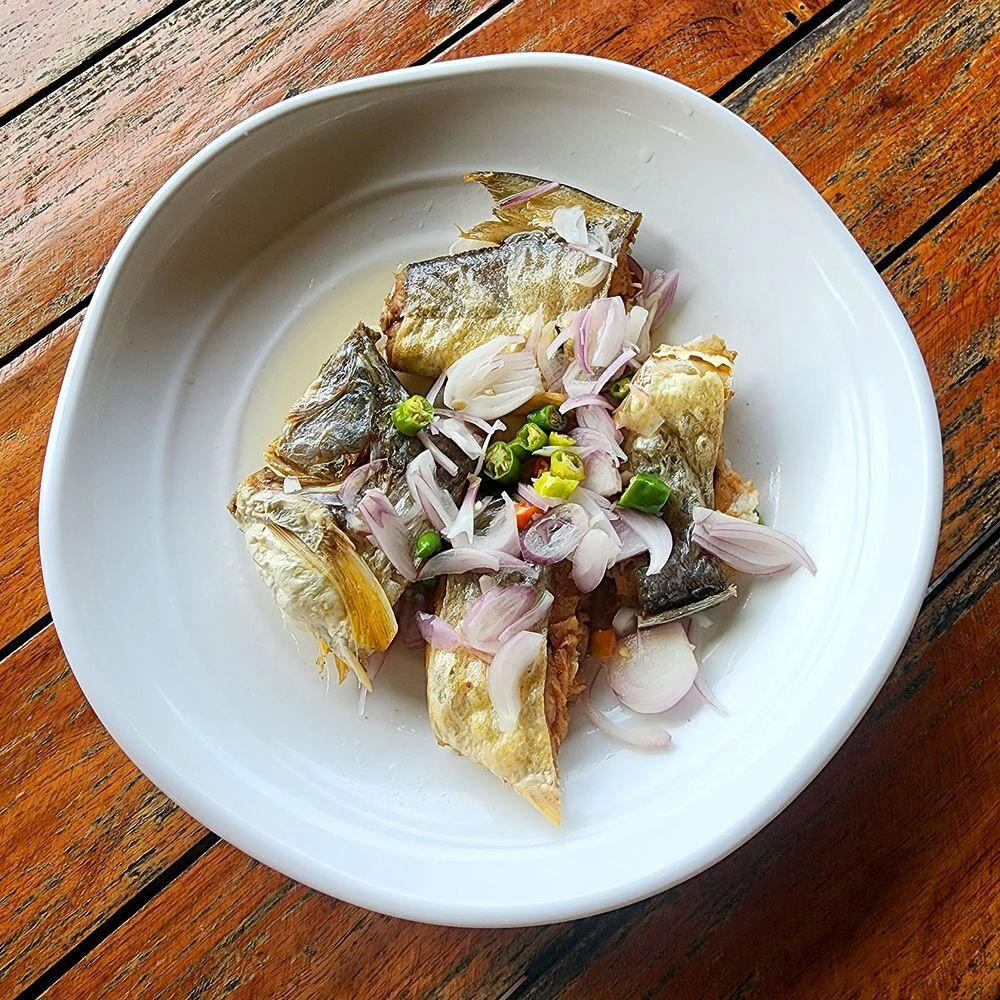
The menu
What to order
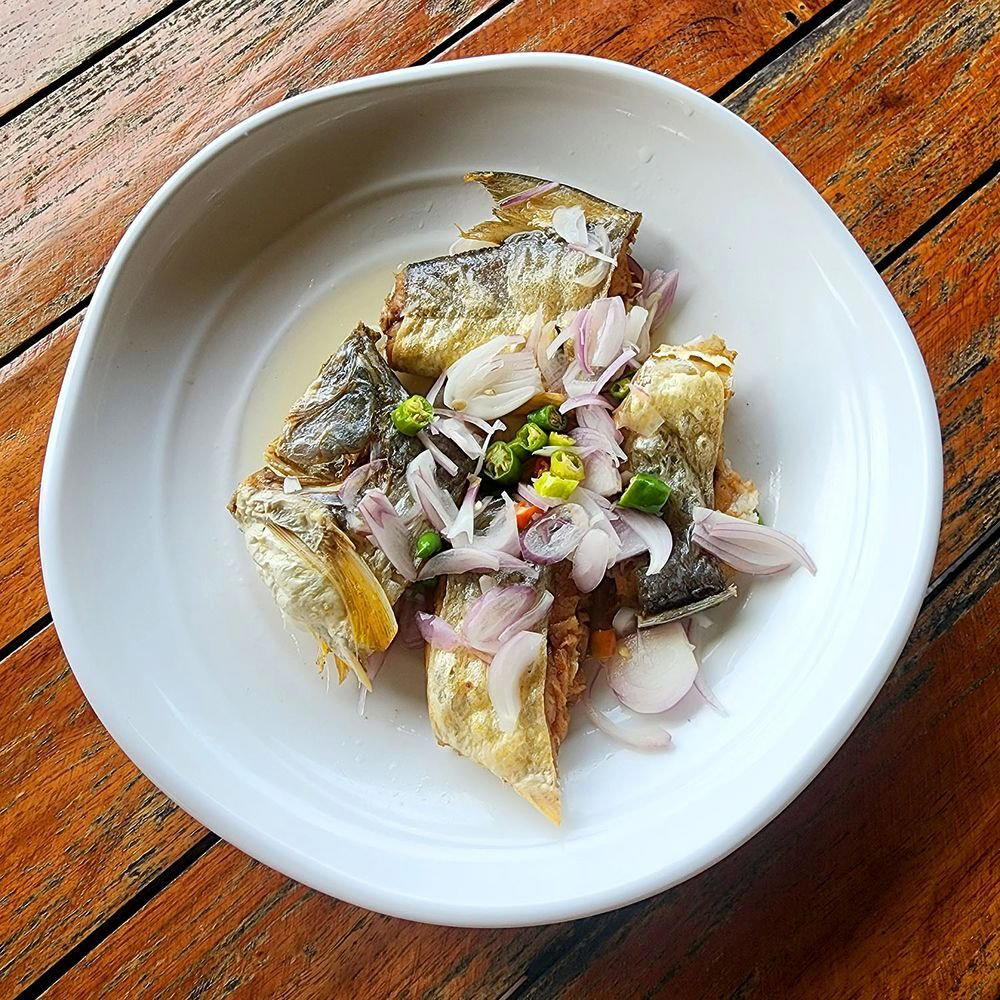
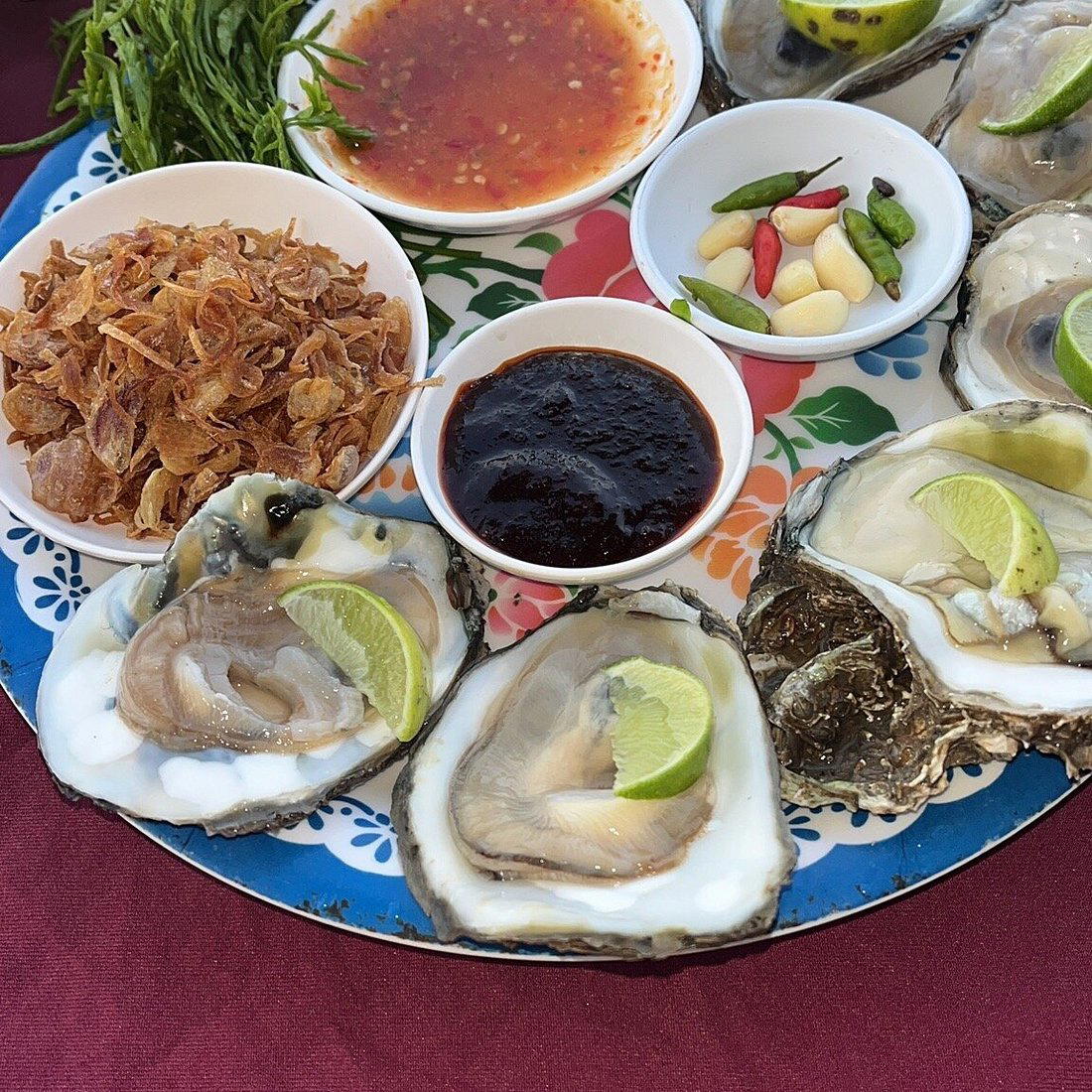
- Salted Kulao fish salad
- Crab curry
- Long tong
Where the Ferry Route Meets the Table
Don Sak is the kind of place that functions as punctuation in most travel narratives: the dot between the mainland and Koh Samui or Koh Tao, where passengers queue for departing ferries and rarely look beyond the pier. That transit-town character has historically kept its restaurants off the radar of the food press that clusters around Bangkok's fine-dining corridor or Phuket's resort strips. What it has preserved, partly because of that neglect, is a kitchen culture tied directly to what the Gulf of Thailand and Surat Thani's hinterland actually produce. Pa Ting operates within that context, drawing from the same ingredient geography that defines Southern Thai cooking at its least mediated. For a broader picture of where Pa Ting sits among the province's dining options, see our full Don Sak restaurants guide.
The Ingredient Geography of the Upper Gulf South
Southern Thai cooking is frequently misread in tourist contexts as a monolith, reduced to its heat level and coconut base. The reality is a cuisine that shifts considerably by coastline, latitude, and what the local boats bring in. Don Sak sits on Surat Thani's eastern seaboard, facing the Gulf of Thailand rather than the Andaman, which means the catch profile differs from the seafood traditions at Phuket-side restaurants like PRU in Phuket or coastal spots on the Andaman coast such as DEVASOM BEACH GRILL in Takua Pa. Gulf-side kitchens in this region work with different species: shrimp varieties specific to these waters, crab sourced from mangrove-adjacent fishing grounds, and fish that appear on menus here but rarely make it to urban restaurant supply chains.
The province's interior compounds this ingredient specificity. Surat Thani is one of Thailand's larger agricultural provinces, producing significant volumes of palm oil, coconuts, and tropical fruits that feed into local cooking at a freshness level unavailable to restaurants in Bangkok sourcing via central wholesale markets. This is the supply logic that places a roadside or local restaurant in Don Sak in a structurally different position from the Bangkok fine-dining tier, which, however accomplished, is working with longer supply chains. The high-end Southern Thai sourcing argument made by Bangkok restaurants like Sorn, which built its Michelin-starred reputation on the premise of authentic Southern sourcing, points back to exactly this kind of origin geography. Pa Ting's proximity to those sources is simply a function of where it is.
Reading a Ferry-Town Kitchen
Places like Don Sak tend to produce cooking that is calibrated to local demand rather than visitor expectation. The practical consequence is menus that reflect seasonal availability and regional preference rather than a curated Southern Thai greatest-hits format. This is not always comfortable for visitors accustomed to the explanatory scaffolding of tasting-menu restaurants or the English-language menus of tourist-district spots. But it is precisely the absence of that scaffolding that signals proximity to the source. The dishes that appear in kitchens like this are versions refined by repetition and local appetite, not by what a particular audience is willing to pay.
The comparison set for Pa Ting is not Bangkok's ฿฿฿฿ tier, the bracket occupied by Sorn, Baan Tepa, Sühring, or Gaa. It is the network of provincial Thai restaurants operating outside the awards and recognition infrastructure, where quality is indexed to the local community rather than to international food guides. That operating context produces a different kind of reliability: kitchens that have served the same dishes to the same community for years tend to have those dishes calibrated with a precision that is invisible in the guidebook sense but immediately legible on the plate. For contrasting regional approaches to Thai cooking within the country, AKKEE in Pak Kret and Loet Rot in Mueang Chiang Mai illustrate how different Thai regional traditions develop when rooted in specific local contexts.
Arriving in Don Sak
Don Sak is reachable by road from Surat Thani city, roughly 60 kilometres to the west, and functions primarily as the departure point for Seatran and Raja Ferry services to Koh Samui and Koh Tao. Most travellers arrive by bus or private transfer and proceed directly to the ferry terminal. Stopping to eat in town rather than grabbing convenience-counter food at the pier is both a practical and a qualitatively better choice. The ferry timetables create natural meal windows, and a town that processes this volume of transit traffic has developed a serviceable food infrastructure around those rhythms. Don Sak is not a destination in itself, but treating it as one for the duration of a meal changes the character of what is otherwise a logistical interval.
For those building a broader Southern Thailand itinerary, the dining landscape between Don Sak and the coast offers a useful counterpoint to the resort-zone restaurants on Koh Samui. The Spa in Lamai Beach represents a different register entirely, as does the Japanese-inflected Little Edo Suratthani in Mueang Surat Thani for those spending time in the provincial capital. The range across the province is wider than the transit-route framing suggests.
Planning a Visit
Arriving at the tail end of the ferry rush, when the immediate queue from departing passengers has thinned, tends to produce a calmer experience. Payment in cash is standard practice at restaurants operating at this level in Surat Thani province, and English-language menus should not be expected. Pointing at dishes on neighbouring tables or at the day's displayed catch, where applicable, is the functional approach.
Frequently asked questions
Is Pa Ting good for families?
Don Sak's dining scene is built around practicality — locals, ferry passengers, and day travellers passing through to Koh Samui or Koh Tao. A kitchen calibrated to that crowd tends to handle mixed groups without friction. Portion formats in southern Thai cooking typically suit shared ordering, which works in families' favour. Confirmed seating configuration and children's options are not on the public record, so checking directly on arrival is the sensible move.
How would you describe the vibe at Pa Ting?
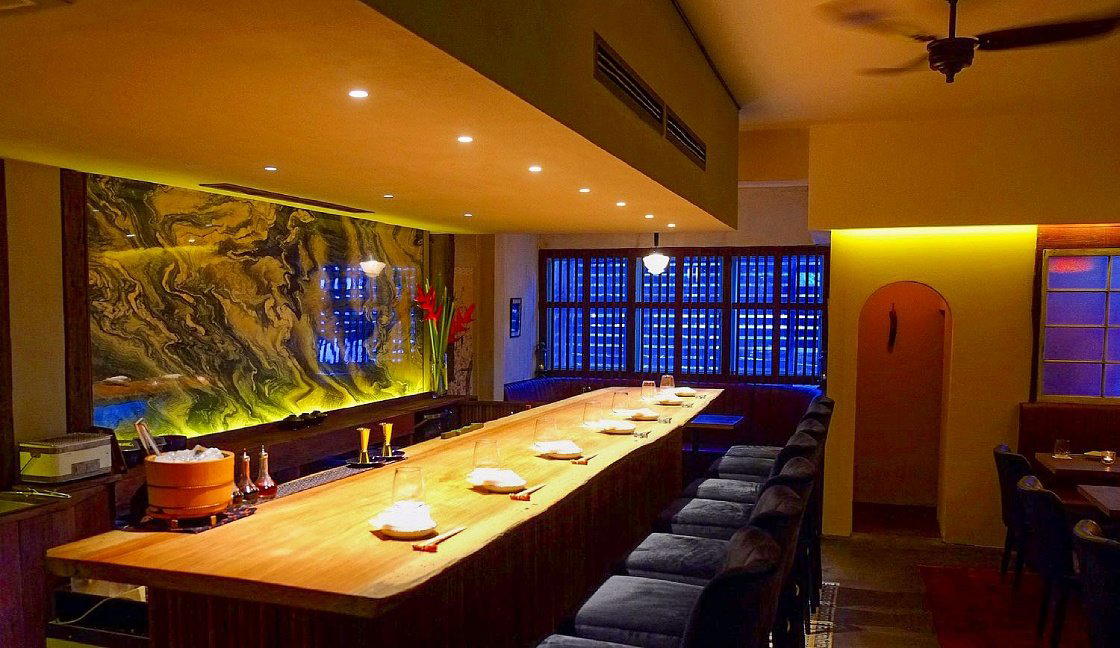
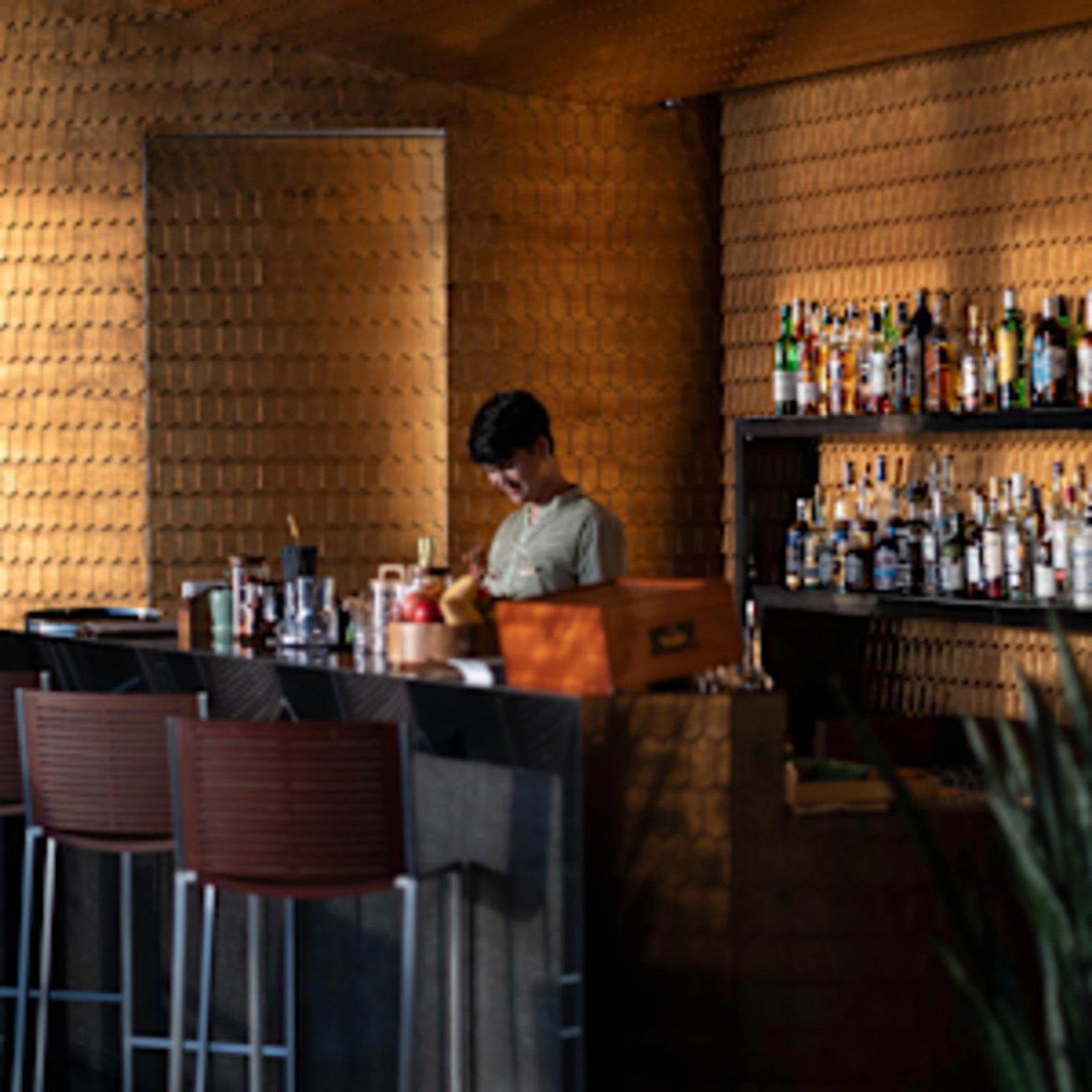
Don Sak functions as a transit town rather than a destination, and its restaurants reflect that: the atmosphere at places like Pa Ting is shaped by local regulars and travellers killing time before a ferry departure. Expect utility over theatre — the cooking and the crowd take precedence over décor. That directness is part of the appeal for anyone who prefers a room calibrated to the food rather than to the Instagram frame.
Is Pa Ting worth stopping at if you're catching a ferry from Don Sak to Koh Samui?
Don Sak sits roughly 60 kilometres east of Surat Thani city and serves as the primary mainland departure point for Seatran and Raja ferry services to the islands. Pa Ting is positioned within that corridor, making it a practical option for a meal before or after boarding. Southern Thai cooking at this latitude tends to differ noticeably from the diluted versions served at resort restaurants on the islands, which gives a stop here some genuine culinary logic beyond mere convenience.
What's the best thing to order at Pa Ting?
Without a documented menu in the public record, specific dish calls would be speculation. What the geography does suggest: the upper Gulf South around Surat Thani has access to fresh seafood from the Gulf of Thailand alongside the dried spices, turmeric, and sator beans that define regional southern Thai cooking. Asking staff what came in that day is the most reliable guide to what's worth ordering.
A Quick Peer Check
Comparable venues nearby, for context on price, style, and recognition.
| Venue | Cuisine | Price | Notes |
|---|---|---|---|
| Pa TingThis venue — the venue you are viewing | Southern Thai Seafood | $10–20 | Not listed |
| ข้าวมันไก่ กฤษโอชา (Kris Ocha) (กฤษโอชา) | Traditional Hainanese Chicken Rice | $1–10 | Three Kings Monument (Saam Gsat) |
| Coca Suki (สุกี้โคคา) | Thai Suki Hotpot | $1–10 | Chang Phueak |
| Guay Jab Nam Khon | Thai Guay Jab Noodle Soup | $1–10 | Si Phum |
| Cherng Doi Roast Chicken (ไก่ย่างเชิงดอย) | Northern Thai Grilled Chicken | $1–10 | Su Thep |
| เย็นตาโฟนายอ้วน มิชลิน 4 ปีซ้อน | Traditional Thai Yentafo | Not listed | Sao Chingcha |

Details
- Rustic
- Scenic
- Family
- Casual Hangout
- Waterfront
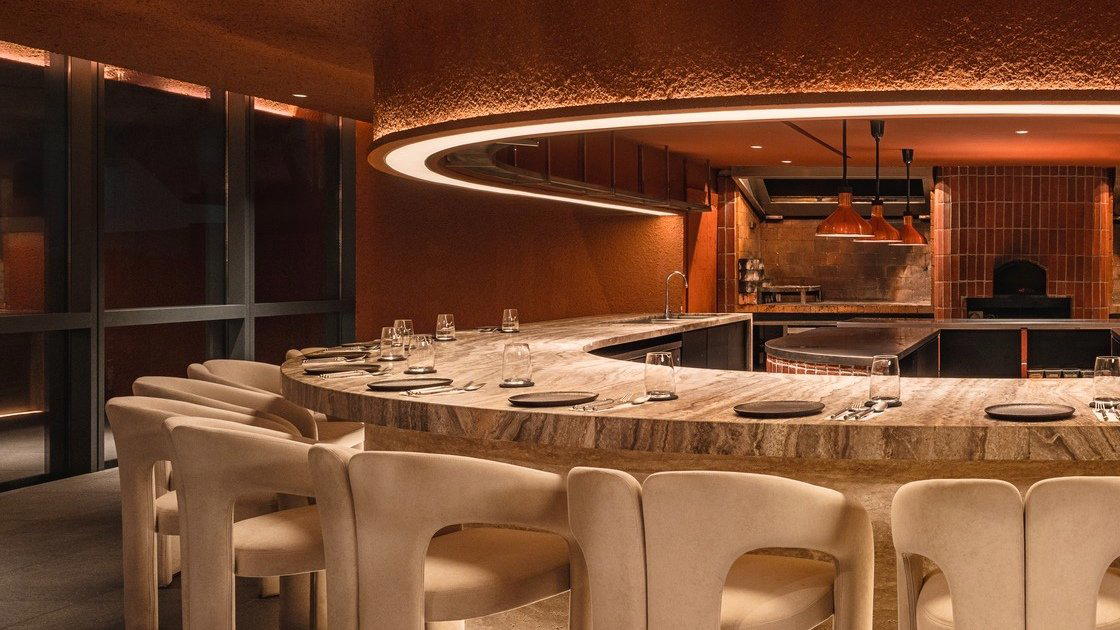
- Open Kitchen
- Local Sourcing
- Waterfront
- A La Carte
Current opening hours
- Monday
- 9 AM–8:30 PM
- Tuesday
- 9:30 AM–8:30 PM
- Wednesday
- 9:30 AM–8:30 PM
- Thursday
- 9:30 AM–8:30 PM
- Friday
- 9:30 AM–8:30 PM
- Saturday
- 9:30 AM–8:30 PM
- Sunday
- 9:30 AM–8:30 PM
Hours can change for holidays and private events. Last verified .
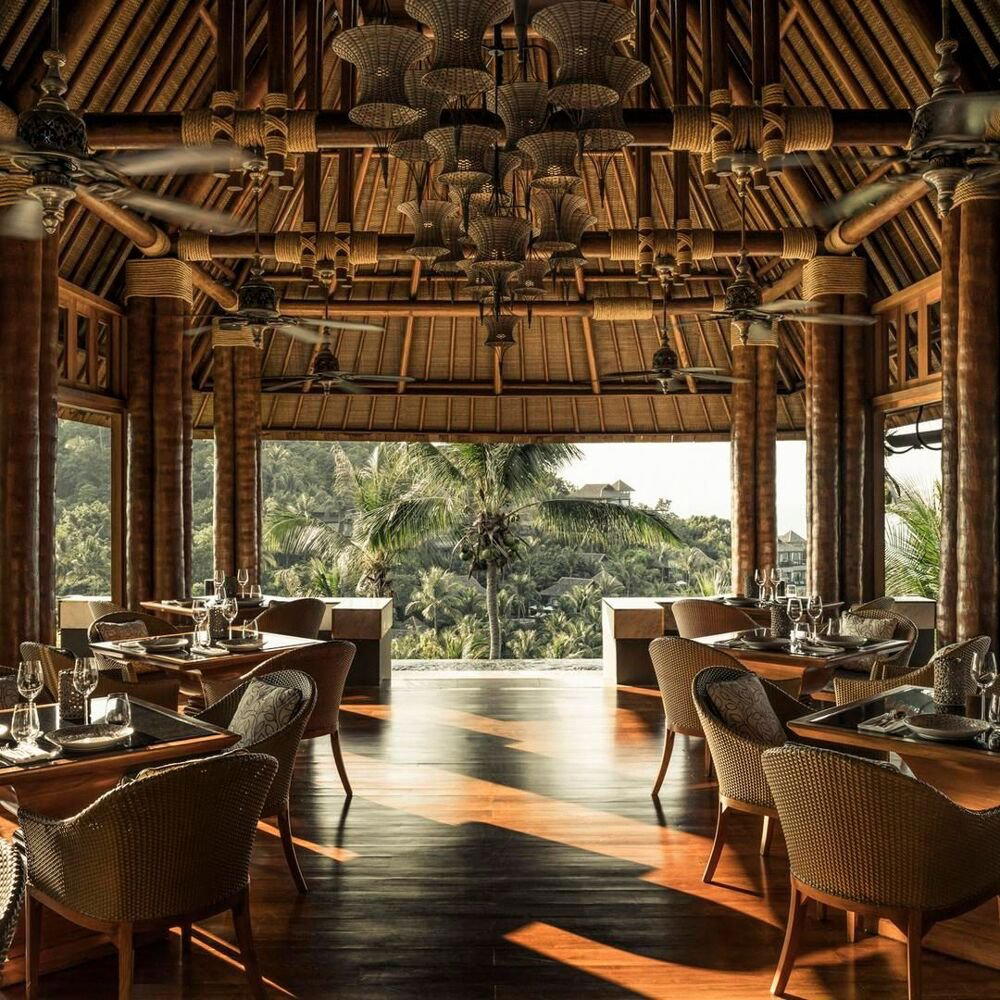
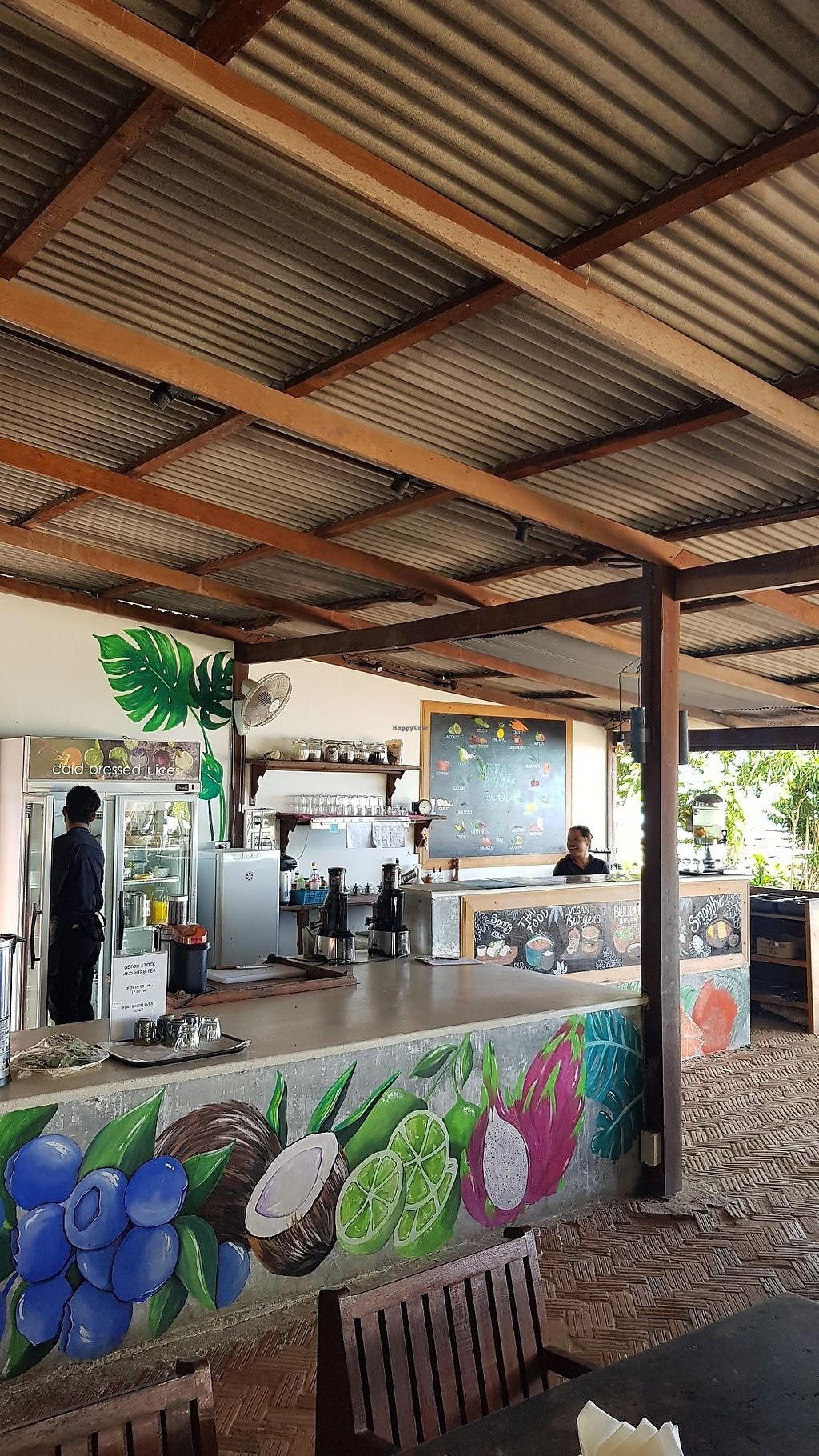
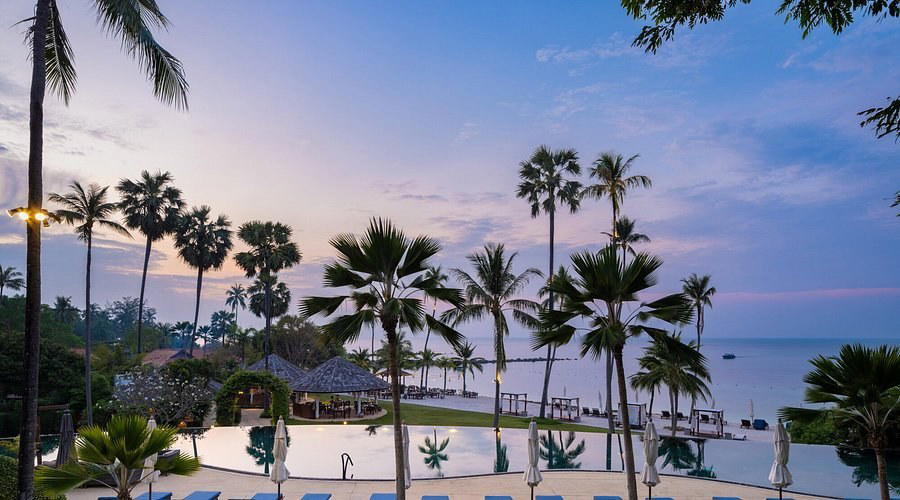
Casual open-air atmosphere overlooking the Don Sak River with views of fishing boats.