Gai Yang Cherng Doi
On Suk Kasame Road in the Su Thep district of Chiang Mai, Gai Yang Cherng Doi sits within a city that has made northern Thai grilled chicken into something approaching a culinary institution. The restaurant addresses a tradition that runs deep in Lanna cooking, where spice pastes, slow fire, and specific cuts define the ritual as much as the protein itself. For visitors mapping Chiang Mai's grilled-meat circuit, it is a reference point worth understanding in context.
Pearl is the En Primeur Club membership app — saves, bookings, and concierge access live there. Same editors, same standards.
- Address
- 2, 8 Suk Kasame Rd, Tambon Su Thep, Mueang Chiang Mai District, Chiang Mai 50200, Thailand
- Phone
- +66818811407
- Website
- l.facebook.com
- Directions
- Get directions
 Saves & bookings on Pearl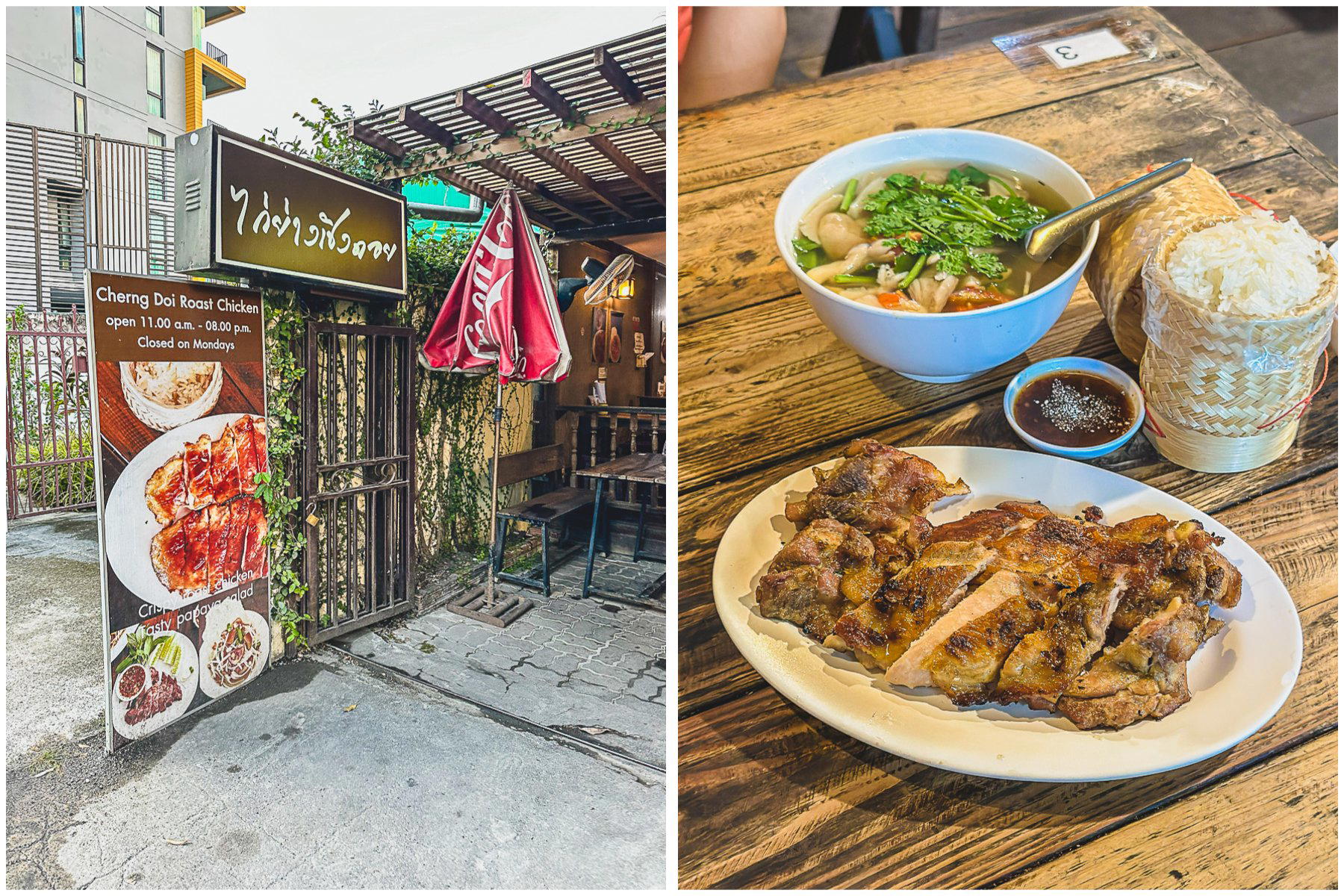
Where the Smoke Meets the Street
Suk Kasame Road in the Su Thep district sits southwest of Chiang Mai's old walled city, in a neighbourhood that skews residential and academic rather than tourist-facing. This part of Mueang Chiang Mai lacks the Night Bazaar's foot traffic and the Nimman strip's café density, which means the places that draw a crowd here tend to do so on the strength of what they cook rather than where they are positioned on a map. Gai Yang Cherng Doi is a restaurant in Chiang Mai serving Northern Thai Grilled Chicken, with a casual dress code and walk-in-friendly service.
In northern Thailand, gai yang is not simply grilled chicken. The Lanna version of the dish carries a distinct identity: birds are marinated in galangal, lemongrass, coriander root, and garlic, then cooked low and slow over charcoal rather than blasted at high heat. The result is a skin that crisps without charring, and flesh that stays moist through the bone. Across Chiang Mai, this preparation anchors a specific dining ritual, one that begins with the chicken arriving whole or halved at the table, continues through a rotation of dipping sauces and sticky rice, and ends with supplementary vegetables or larb that reset the palate between bites. The pacing is deliberate, the portions communal, and the expectation is that you will eat slowly and in rounds.
Reading the Ritual
Northern Thai grilled-chicken culture shapes how a meal at a place like Gai Yang Cherng Doi is meant to unfold. Khao niao, glutinous sticky rice served in a small woven basket, is not a side dish in the passive sense. It is the structural element of the meal: diners pinch small amounts, roll them into balls with their fingers, and use them to lift pieces of chicken or dip into nam jim jaew, a tamarind-forward dipping sauce with dried chilli and fish sauce. The sauce's acidity and heat modulate the richness of the charcoal-grilled skin. Each component is designed around the others, and eating any one of them in isolation misses the point of the tradition entirely.
This kind of meal does not rush. Northern Thai dining at the gai yang tier is structured around sharing and conversation rather than individual progression through courses. A table orders early and eats across a long window, with additional dishes arriving as the group signals readiness. For visitors accustomed to Western tasting-menu pacing, or to Bangkok's faster-tempo street food rhythm, this can require a recalibration. The restaurants that do this tradition well, including those operating in Chiang Mai's outer residential districts, tend to hold the line on this tempo rather than adjust it for outside expectations.
Thailand's broader restaurant culture has seen significant institutional recognition in recent years. Sorn in Bangkok holds two Michelin stars for its interpretation of southern Thai cuisine, while PRU in Phuket has built a farm-to-table framework within the fine-dining tier. These represent one end of the Thai dining spectrum. Gai Yang Cherng Doi, by address and format, operates much closer to the specialist neighbourhood restaurant tier, the category that sustains local regulars and rewards visitors who seek it out rather than stumble upon it.
Chiang Mai's Grilled-Chicken Geography
Chiang Mai has enough gai yang specialists that the category functions almost as its own restaurant subtype. The differentiation between them runs on variables that are difficult to assess from outside: the specific charcoal used, the ratio of galangal to lemongrass in the marinade, the resting time before service, and whether the accompanying sticky rice is sourced locally or supplied commercially. These details rarely appear on menus or in reviews, which means local knowledge, or repeat visits, is the primary mechanism for building a reading of where one restaurant sits relative to its peers.
Within Chiang Mai's broader dining circuit, places like Han Teung Chiangmai address northern Thai cuisine from a more formal angle, while Khaomao-Khaofang has built a reputation around garden-setting dining that leans into the Lanna aesthetic. Baan Khun Nine Kitchen and KOBQ - Kad Thaweechoke represent other points on the city's spectrum. The restaurant, given its location in Su Thep rather than near the old city or Nimman, sits in a less trafficked segment of that spectrum, which, depending on your priorities, is either a drawback or the point. Caramellow Cafe illustrates how the city has simultaneously developed a café and dessert culture that operates in parallel to these more tradition-rooted establishments.
Across Thailand's regional cities, one instructive comparison point for the gai yang tradition may be Isan, where places like Baan Heng in Khon Kaen and Baan Chik Pork Noodles in Udon Thani demonstrate how regional Thai cooking anchors itself in specific local ingredients and preparation methods that diverge sharply from Bangkok's centralised food culture. The northern Thai version of gai yang shares this regionalist logic: the marinade composition, the charcoal sourcing, and even the chicken breed can vary by province, and Chiang Mai's version carries markers that distinguish it from the Isan preparation most international visitors encounter first.
Planning the Visit
The restaurant's address, 2/8 Suk Kasame Road, Tambon Su Thep, Mueang Chiang Mai, places it in the Su Thep subdistrict, accessible by songthaew or rideshare from the old city in roughly ten to fifteen minutes depending on traffic. The area near Chiang Mai University draws a mix of students, faculty, and local families, which shapes the surrounding restaurant culture toward value-oriented, high-frequency dining rather than destination-restaurant positioning. For visitors staying near Nimman or Pratu Tha Phae, it is a deliberate journey rather than a walk-by discovery, and the meal works well when approached that way, as a specific destination within a broader exploration of how northern Thai cooking distributes itself across the city's neighbourhoods.
Given the neighbourhood's local-diner character, arriving earlier in a meal period tends to be a more reliable strategy than arriving late, when popular items at charcoal-grill restaurants often sell down before service closes.
Cuisine and Credentials
Comparable venues nearby, for context on price, style, and recognition.
| Venue | Cuisine | Price | Notes |
|---|---|---|---|
| Gai Yang Cherng DoiThis venue — the venue you are viewing | Northern Thai Grilled Chicken | $ | Not listed |
| ลาบดวงดีมีสุข | thai | Not listed | Mueang Chiang Mai |
| Baan Khun Nine Kitchen | Northern Thai Neighborhood Kitchen | $$ | Mueang Chiang Mai |
| Caramellow Cafe | European Cafe with Homemade Pastries | $$ | Mueang Chiang Mai |
| Loet Rot | Northern Thai Neighborhood | $$ | Pa Tan |
| Han Teung Chiangmai | Authentic Northern Thai | $ | Suthep |
Continue exploring
More in Mueang Chiang Mai
Restaurants in Mueang Chiang Mai
Browse all →
Bars in Mueang Chiang Mai
Browse all →
At a Glance
- Cozy
- Rustic
- Casual Hangout
- Family
- Open Kitchen
- Garden
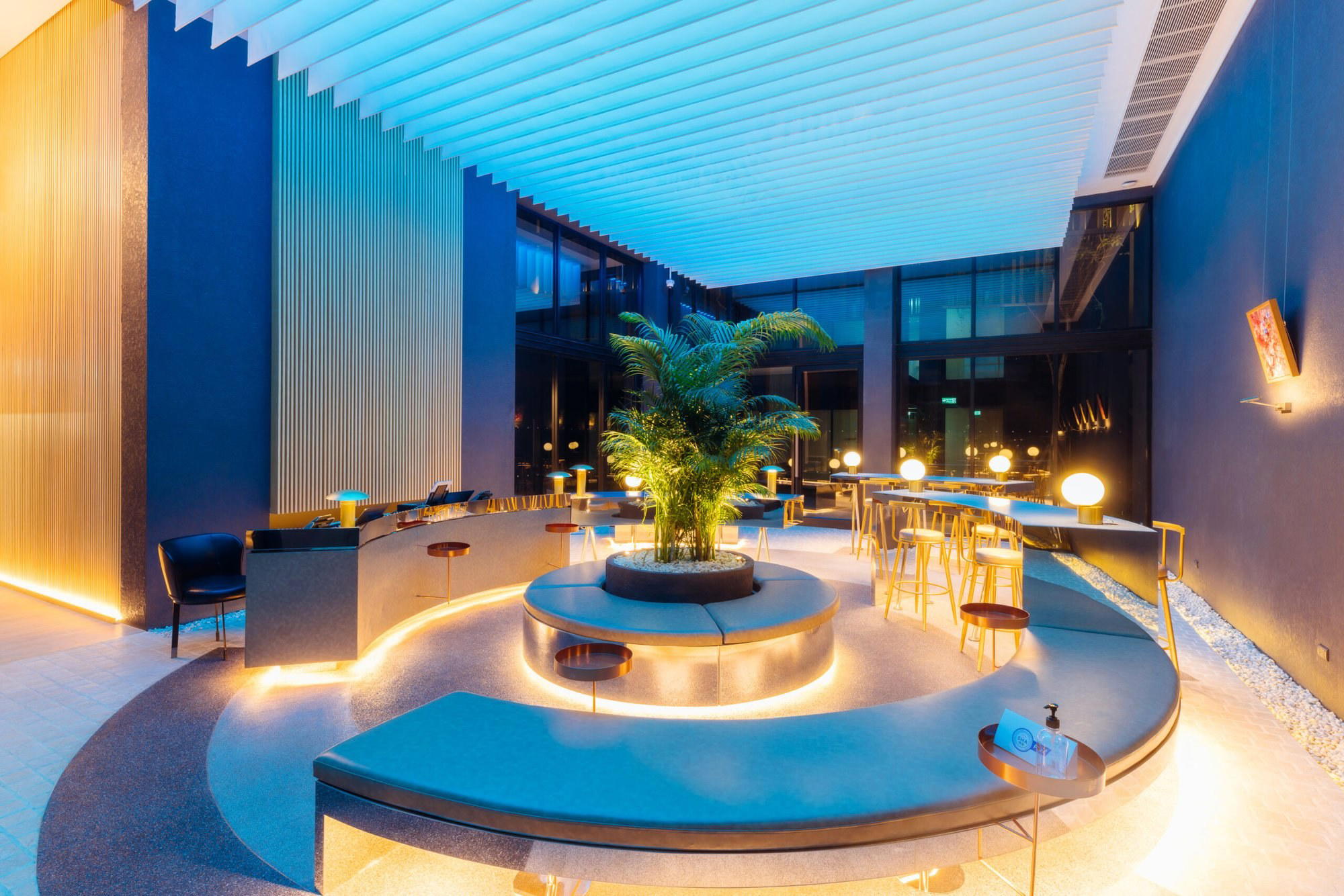
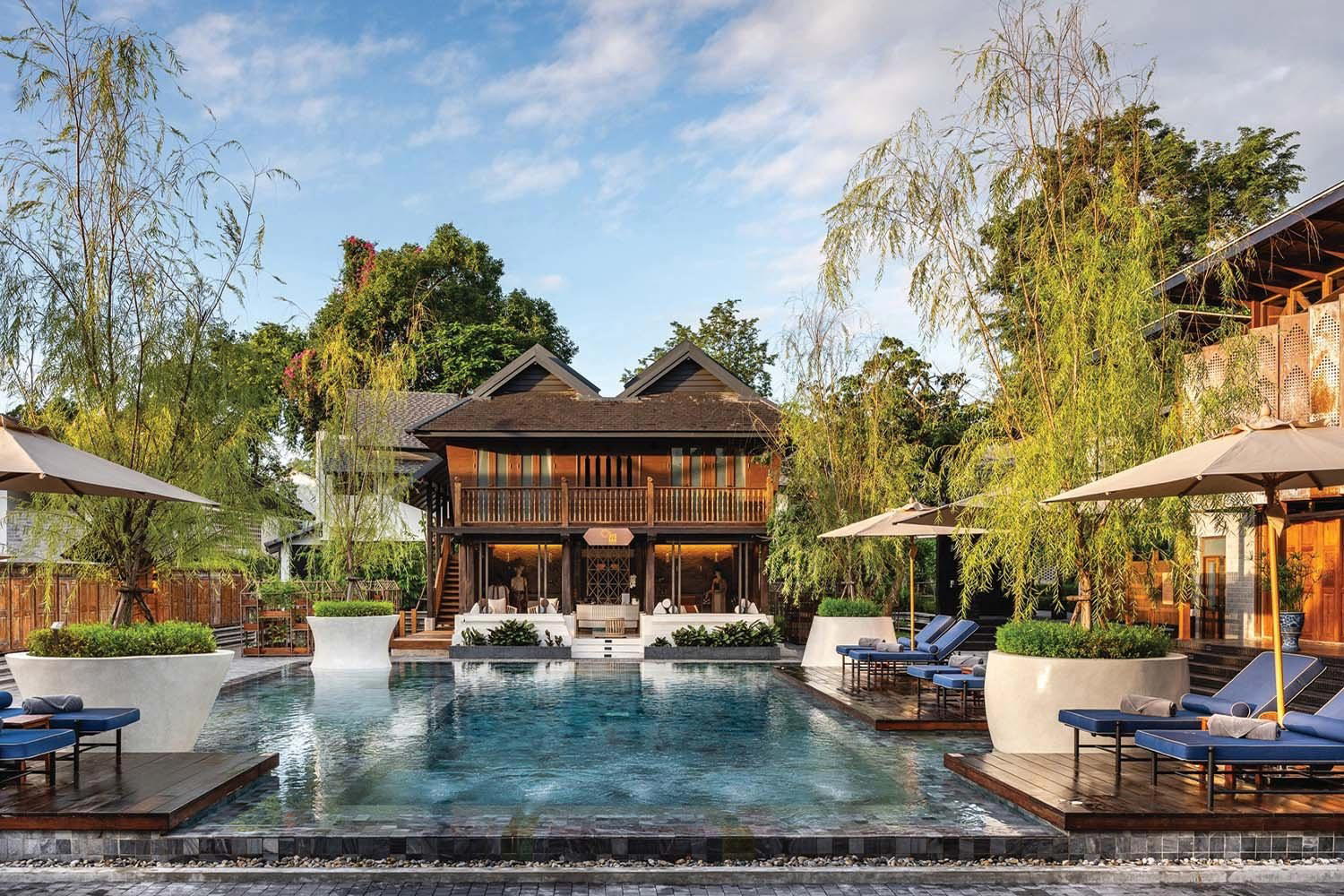
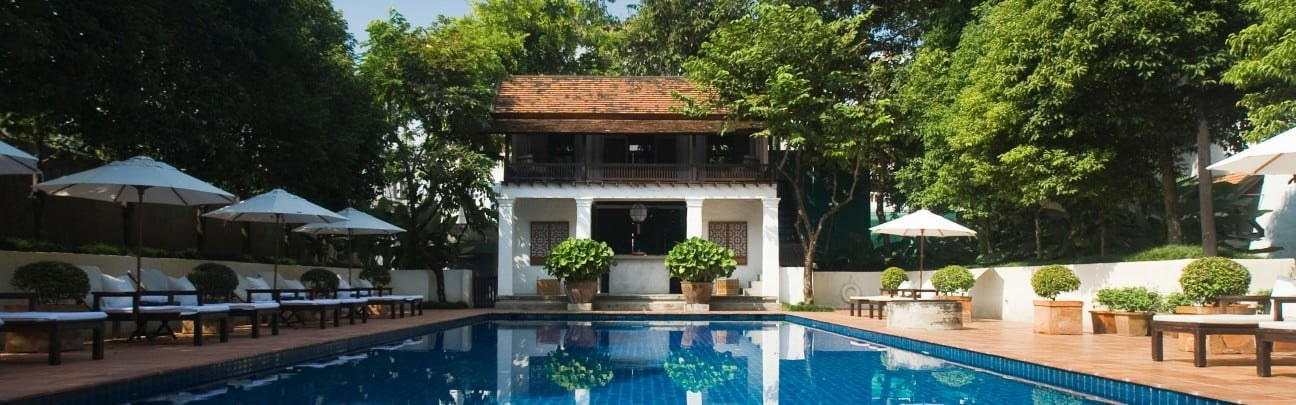
Cozy garden setting with a casual, rustic atmosphere bridging local eateries and trendy spots, featuring fresh grilled aromas and fresh outdoor seating.