Osteria Reale sits in Tramonti, a hillside commune in the Lattari Mountains above the Amalfi Coast where agricultural traditions have survived commercial tourism largely intact. The kitchen draws on this geography directly, working with the produce, cured meats, and dairy that have defined the area's cooking for generations. For travellers looking beyond the coast's better-known restaurants, it represents a different register entirely.
Pearl is the En Primeur Club membership app — saves, bookings, and concierge access live there. Same editors, same standards.
- Address
- Via Gete, 84010 Tramonti SA, Italy
- Phone
- +39 089 856144
- Website
- aziendaagricolareale.it
- Directions
- Get directions
 Saves & bookings on Pearl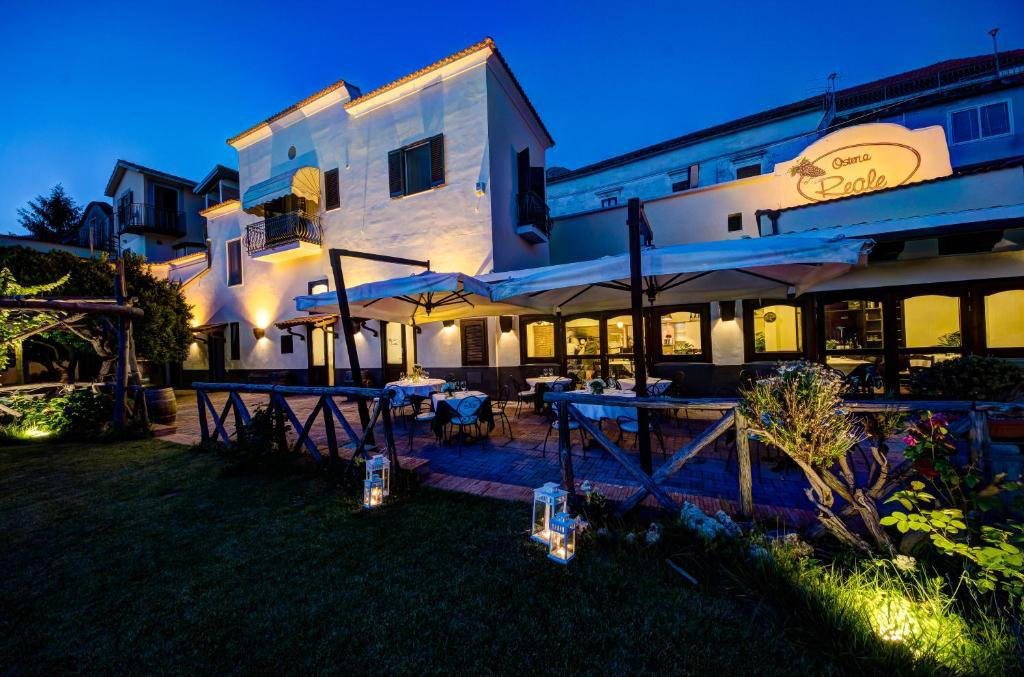
Where the Lattari Mountains Meet the Table
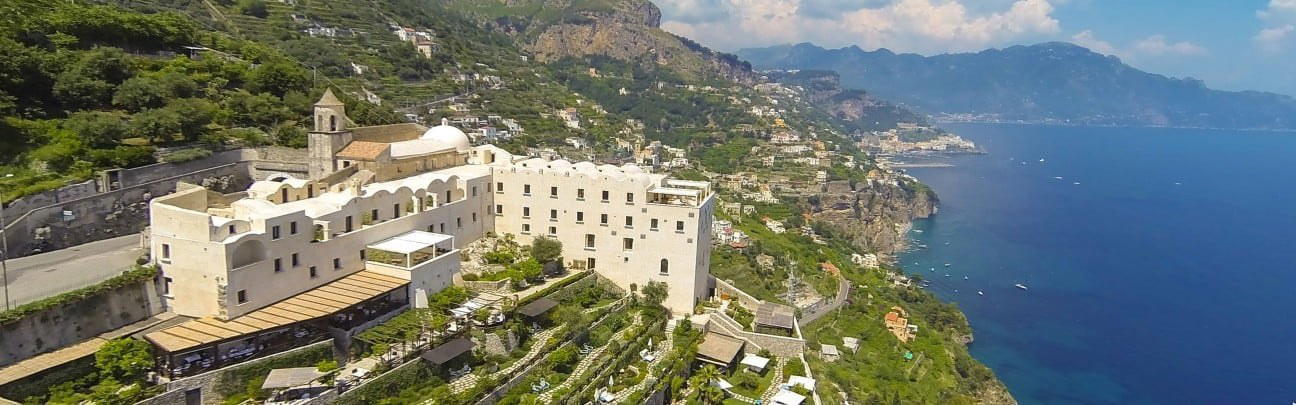
The road into Tramonti climbs away from the Amalfi Coast's crowd-facing strip and into a different Italy. The commune sits at altitude in the Lattari Mountains, a stretch of Campania where the terraced hillsides still produce fior di latte, cured meats, and vegetables shaped by volcanic soil and mountain air rather than by logistics networks serving the tourist economy below. Osteria Reale is addressed to Via Gete within this agricultural enclave, and the approach on foot or by car carries that transition from coast to interior in a way that frames everything that follows. Arriving here is an act of orientation: you are in the hill country above the Amalfi Coast, at Osteria Reale in Tramonti, a casual restaurant where traditional Amalfi Coast Italian cooking meets Neapolitan pizza at about $75 per person.
While three-Michelin-star counters in Milan and Rome, from Enrico Bartolini to La Pergola, compete on elaboration and international credential, places like Osteria Reale operate in a quieter register where the kitchen's primary argument is provenance. What the land around Tramonti produces defines what ends up on the plate. That is not a marketing position. It is a structural reality of cooking in an area where the supply chains are short and the ingredients are genuinely localised.
Tramonti's Agricultural Identity and Why It Matters
To understand what Osteria Reale is cooking with, it helps to understand what Tramonti produces. The commune is known throughout Campania for its fior di latte, a fresh cow's milk mozzarella distinct from the buffalo milk version made further south in Paestum and Caserta. The Lattari mountain dairy tradition here is centuries old, and the cheese is softer and more delicate than its coastal-facing counterparts, suited to immediate consumption rather than transport. The hillside also supports salumi production, smallholder vegetable growing, and a wine tradition that has recently attracted more serious attention as southern Italian viticulture gains a wider audience.
This kind of hyper-localised sourcing connects Tramonti to a broader pattern in Italian regional cooking. Some of the country's most considered kitchens, from Dal Pescatore in Runate to Atelier Moessmer Norbert Niederkofler in Brunico, have built their reputations in part by anchoring their sourcing to specific micro-geographies rather than drawing from national or European wholesale markets. The restaurant belongs to this tradition in its Campanian form, where the question of ingredient origin is as defining as technique.
The Amalfi Coast corridor has several restaurants operating at the summit of the price and prestige scale, with Quattro Passi in Marina del Cantone representing the area's most formally recognised end of the spectrum. The restaurant sits in a different tier by design, rooted in the osteria format rather than the contemporary fine dining mode, which means the experience trades elaboration for directness. That distinction matters for how you plan your visit.
The Osteria Format in the Italian South
The word osteria carries specific weight in Italian dining culture. It signals informality, a kitchen that answers to tradition rather than to trend, and an expectation that the food and wine are the conversation rather than the mise en scène around them. In northern Italy, the osteria has been extensively revived and sometimes refined into something closer to a trattoria di lusso, as at Osteria Francescana in Modena, which uses the name deliberately against the grain of its three-Michelin-star reality. In the south, and particularly in Campanian mountain communes, the format retains more of its original character: locally sourced, seasonally driven, and built around the producer relationships that come from operating in a small community.
For the diner, this means that the menu at the restaurant will read differently from a tasting-menu restaurant in a major city. Dishes are more likely to reflect what is available in Tramonti that week than to follow a fixed creative programme. Ingredients that elsewhere would be supporting elements, the fior di latte, the mountain-cured pork, the seasonal vegetables from the terraces above the restaurant, become the central subject of the plate. This is not rusticity as aesthetic choice. It is the natural result of cooking within a specific and productive landscape.
Travellers accustomed to the kind of precision cooking visible at Le Calandre in Rubano, Piazza Duomo in Alba, or Da Vittorio in Brusaporto will find the restaurant operating according to a different logic. There is no less seriousness here, but the expression is different: ingredient fidelity over technical transformation, regional continuity over seasonal menu reinvention. That is the osteria covenant, and Tramonti is one of the places where it still holds.
Planning Your Visit
Tramonti is not serviced by the ferry network that connects the coastal towns of Amalfi, Positano, and Ravello, so the approach is by road. From the SS163 Amalfitana, the climb into the Lattari Mountains takes roughly twenty minutes by car. The commune is spread across several hamlets and Via Gete requires a specific address rather than a general navigation to the town centre. Visitors arriving from Naples should allow ninety minutes to two hours from the city depending on coastal traffic, which between June and September can add significant time. Coming earlier in the day for lunch, rather than driving down from the mountains in the dark, is the more practical choice for those unfamiliar with the roads.
The restaurant's address in Tramonti's agricultural interior means it draws a more local and regional clientele than the coast-facing venues, which tends to support more consistent availability outside high summer.
For context on what the wider Campanian and southern Italian dining scene offers at various price points and styles, Gambero Rosso in Marina di Gioiosa Ionica represents the Calabrian coastal counterpart, while Uliassi in Senigallia and Reale in Castel di Sangro illustrate the range of southern and central Italian kitchens that have built international reputations while staying anchored to specific regional identities. The restaurant in Tramonti operates at a different scale from all of these, but it belongs to the same broader argument: that Italian cooking is most legible when it is most specific about where it comes from.
At-a-Glance Comparison
Comparable venues nearby, for context on price, style, and recognition.
| Venue | Cuisine | Price | Notes |
|---|---|---|---|
| Osteria RealeThis venue — the venue you are viewing | Traditional Amalfi Coast Italian with Neapolitan Pizza | $$ | Not listed |
| Arso Trattoria Moderna | Traditional Roman Trattoria | $$ | .null |
| Antica Trattoria e Pizzeria da Donato | Authentic Neapolitan Trattoria & Pizzeria | $$ | Il Vasto |
| Pizz'Stop | Neapolitan Pizza | $$ | Marina Grande |
| Don Antonio 1970 | Neapolitan Pizza & Campania Cuisine | $$ | Salerno waterfront |
| Venchi Cioccogelateria | Italian Chocolate Gelateria | $$ | San Marco |
Continue exploring
More in Tramonti
Restaurants in Tramonti
Browse all →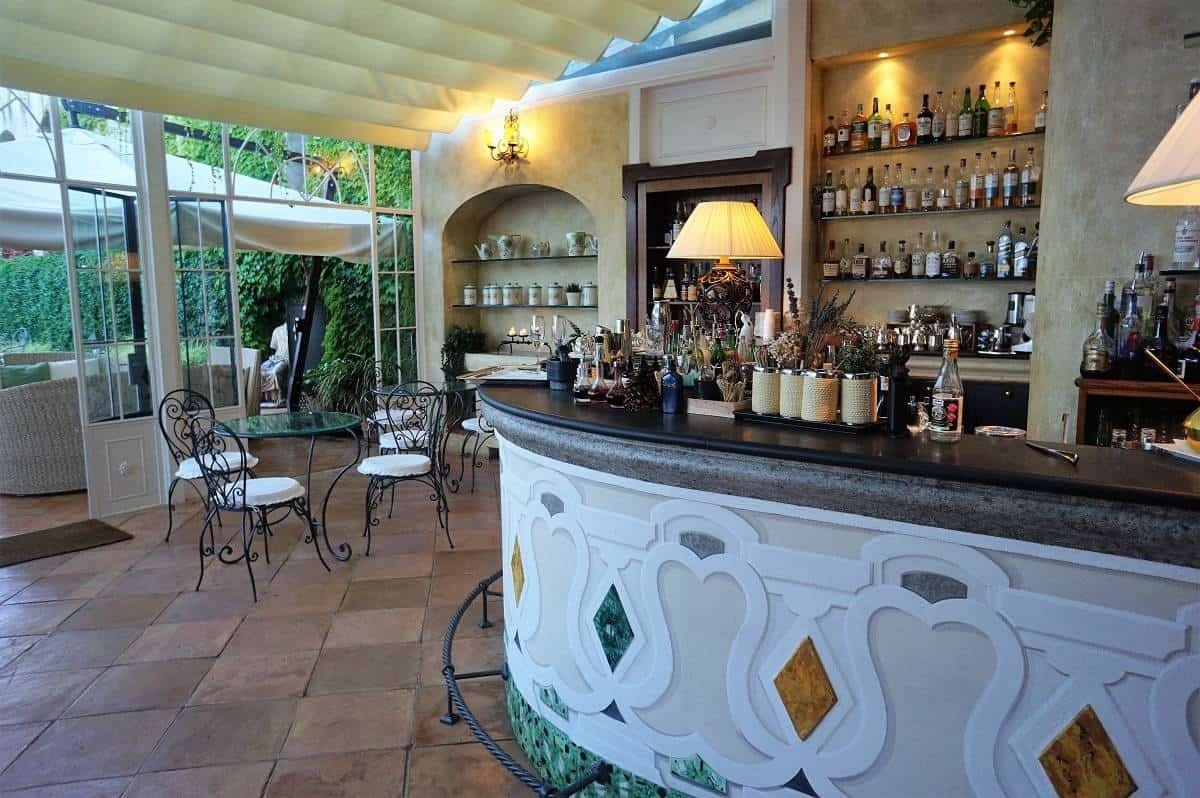
Bars in Tramonti
Browse all →
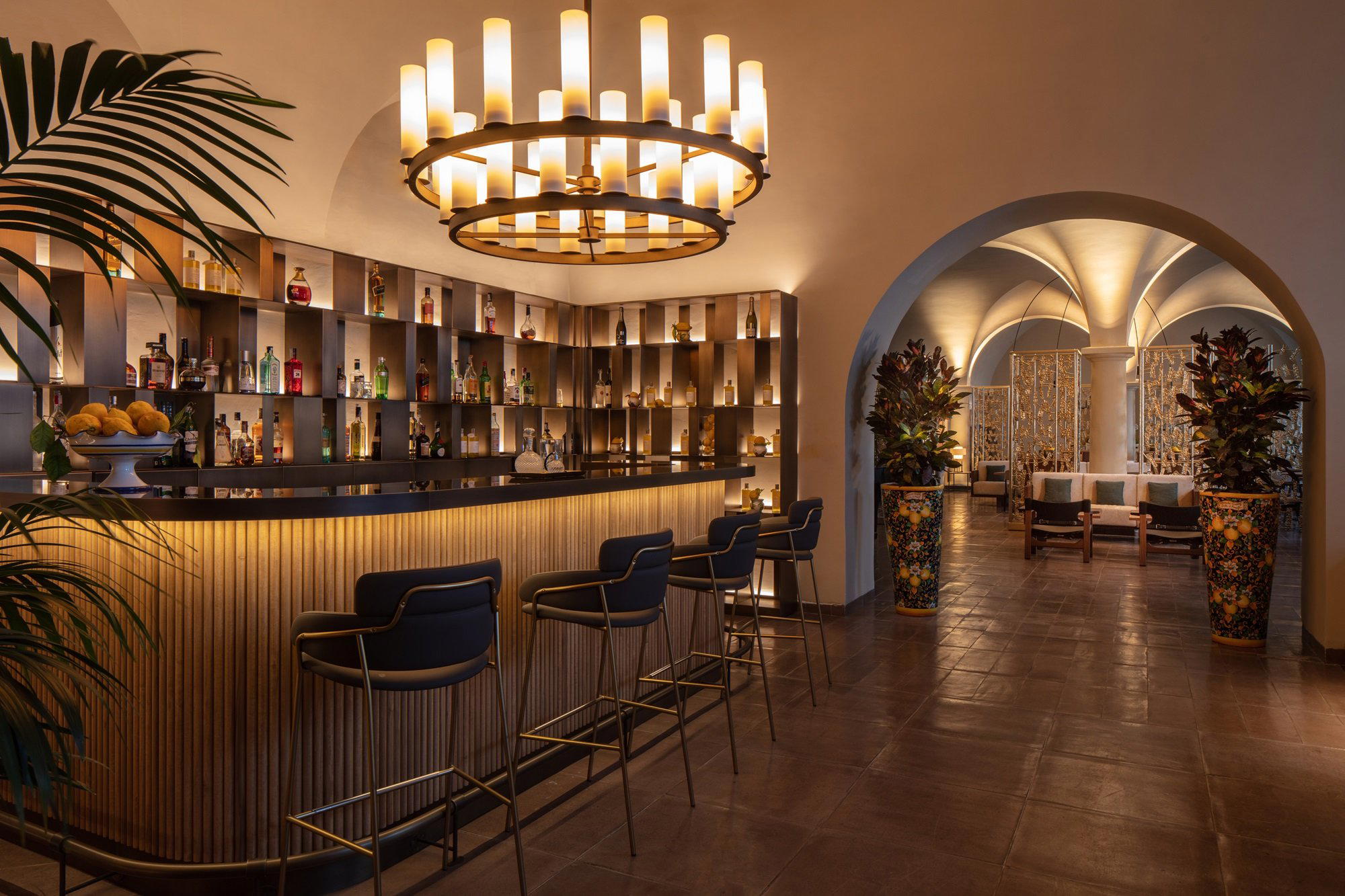
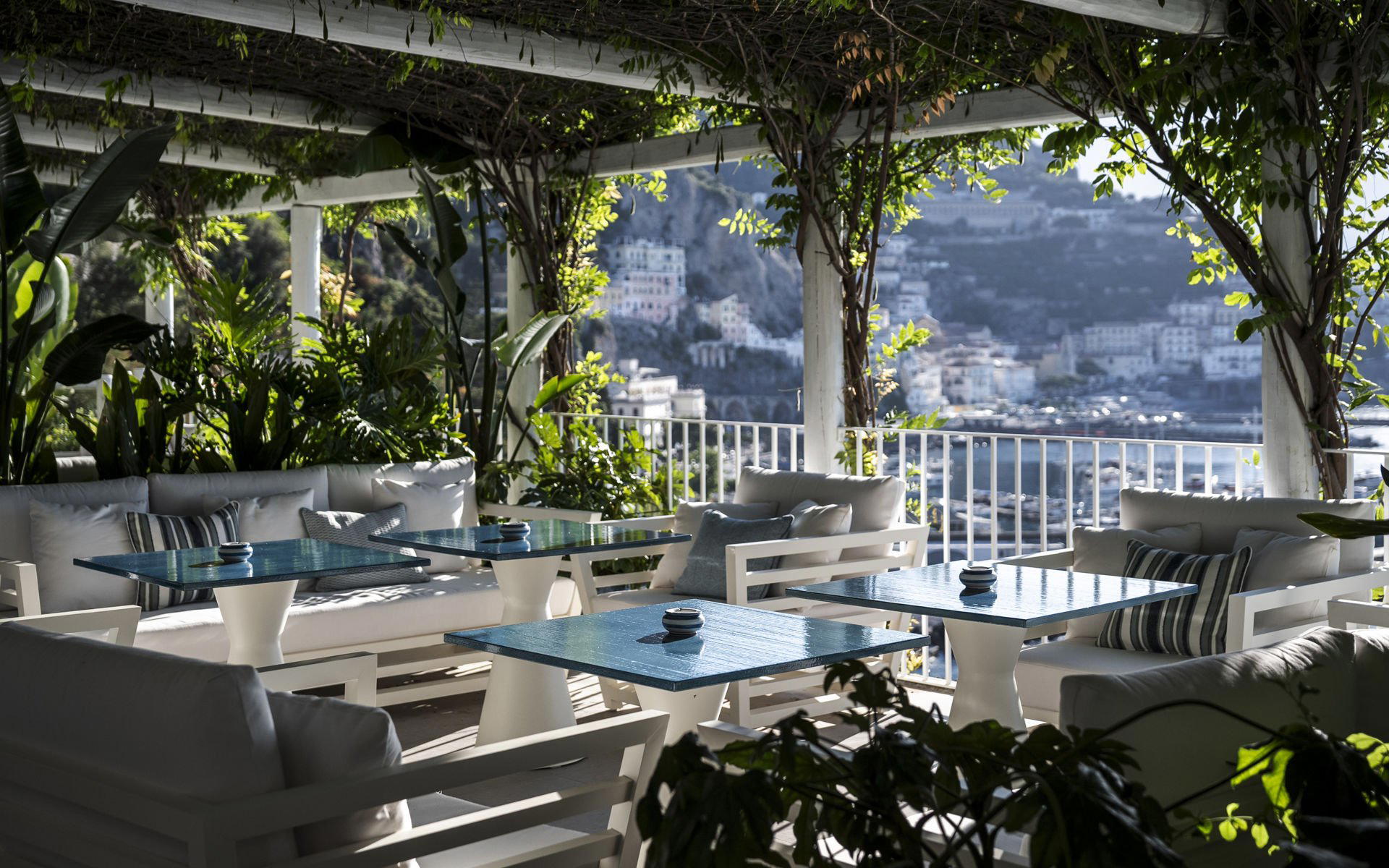
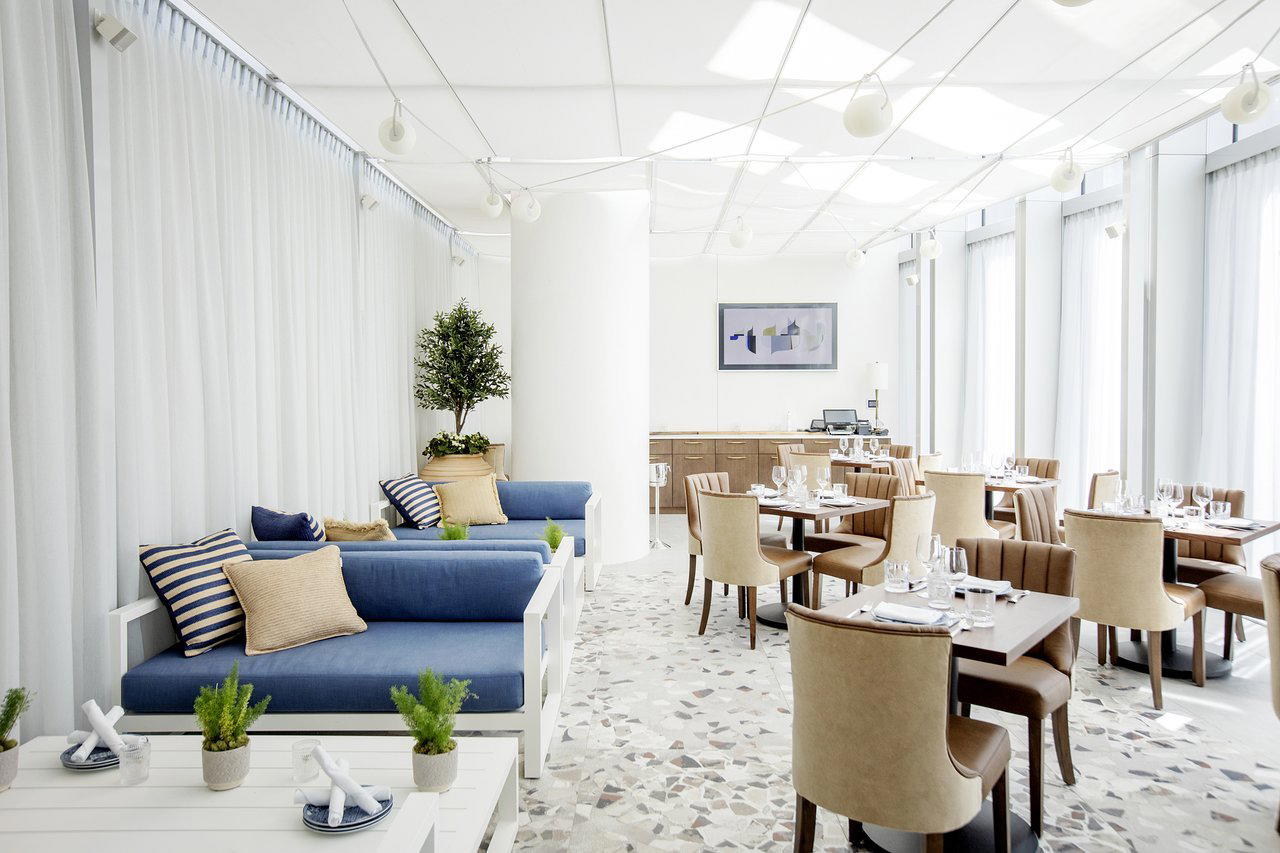
Hotels in Tramonti
Browse all →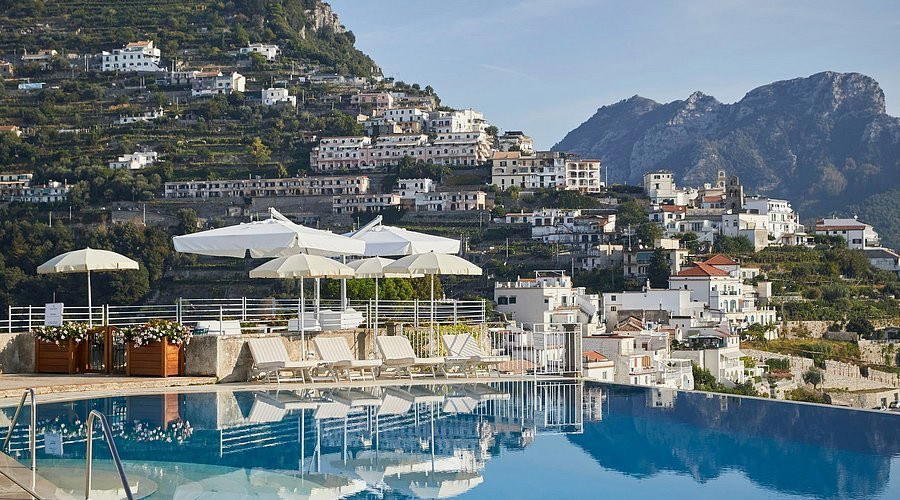

At a Glance
- Rustic
- Romantic
- Scenic
- Cozy
- Date Night
- Group Dining
- Special Occasion
- Celebration
- Wine Cellar
- Garden
- Terrace
- Panoramic View
- Private Dining
- Extensive Wine List
- Sommelier Led
- Farm To Table
- Organic
- Local Sourcing
- Mountain
- Vineyard
- Garden
Current opening hours
- Monday
- Closed
- Tuesday
- Closed
- Wednesday
- Closed
- Thursday
- Closed
- Friday
- Closed
- Saturday
- 12:30–2:30 PM, 7:30–11 PM
- Sunday
- 12:30–2:30 PM, 7:30–10:30 PM
Hours can change for holidays and private events. Last verified .
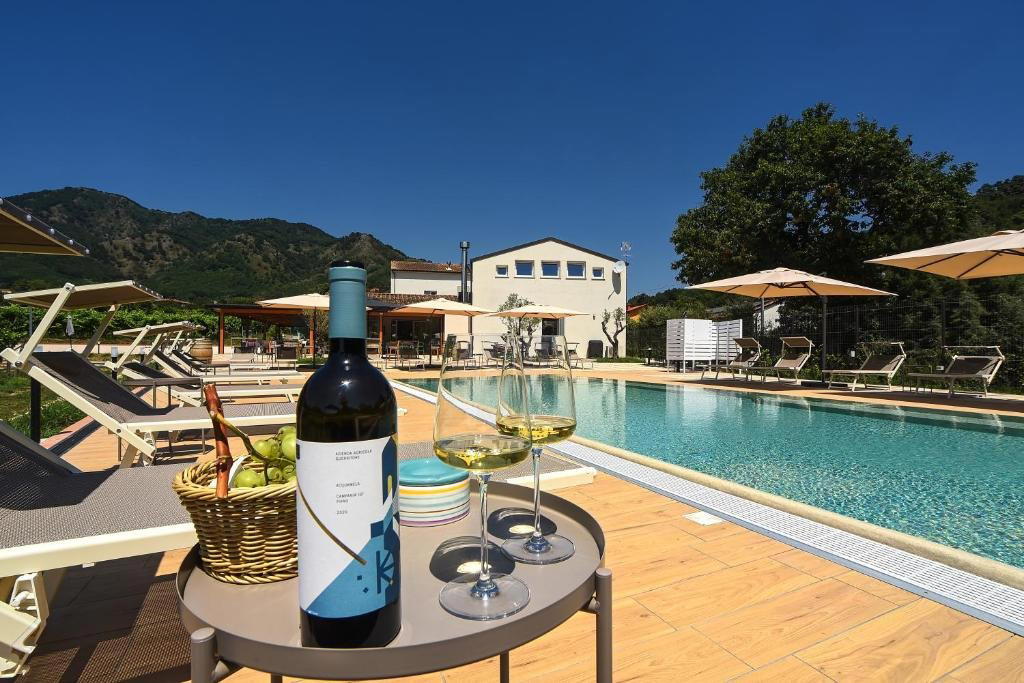
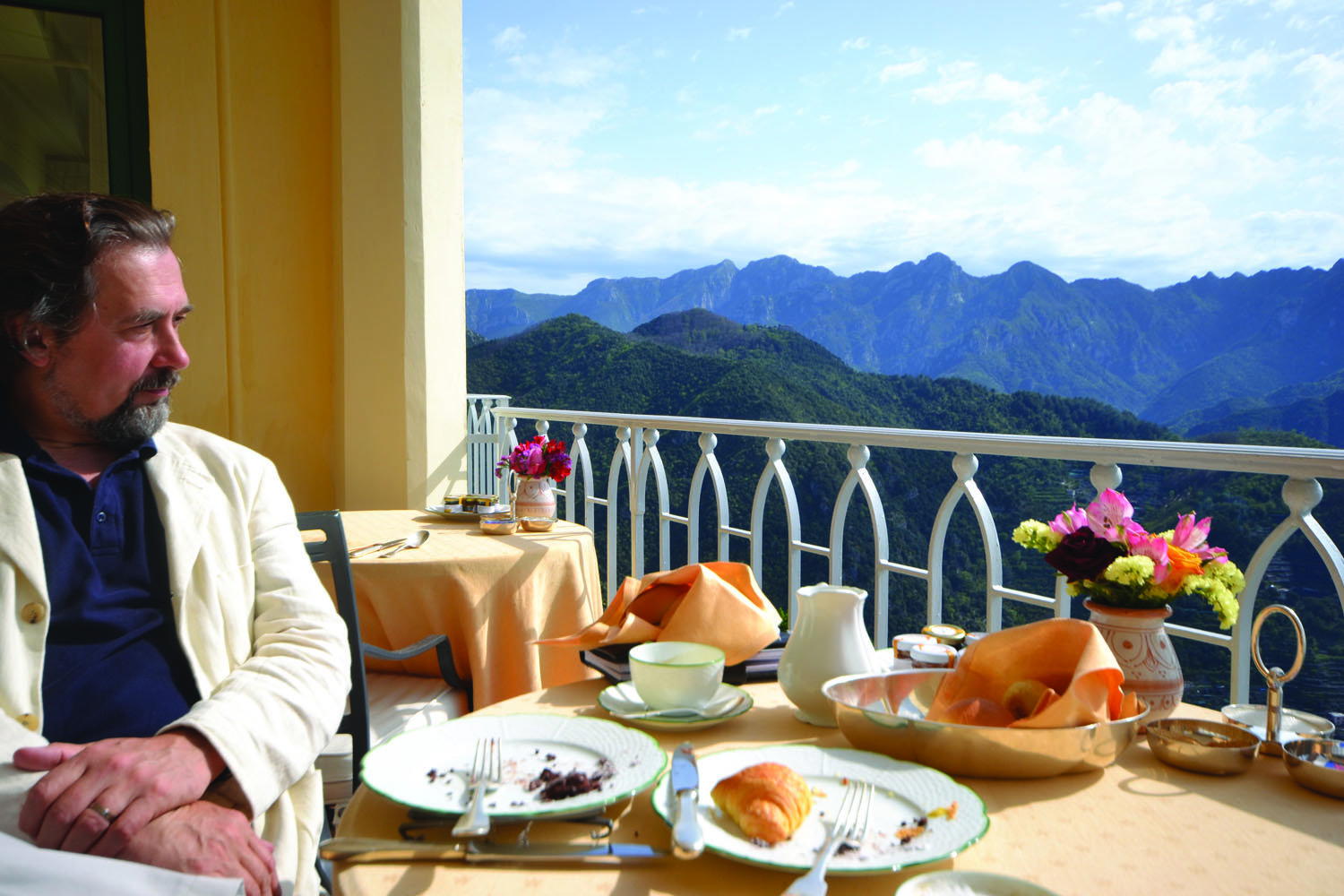
Warm and welcoming with natural light from garden and vineyard views; rustic elegance with tastefully furnished rooms overlooking the Lattari Mountains and surrounding valleys.