Donna Elvira

Falstaff Winery - Listed
Donna Elvira is a small Irpinian estate in Montemiletto, working native Campanian grapes across Fiano di Avellino DOCG, Greco di Tufo DOCG, Irpinia DOC and Taurasi. Its interest lies in altitude, volcanic-influenced soils and a tightly focused portfolio rather than scale: Fiano, Greco, Falanghina and Aglianico are treated as markers of place, not generic Campania labels.

Pearl is the En Primeur Club membership app — saves, bookings, and concierge access live there. Same editors, same standards.
- Address
- Montemiletto, Campania, Italien
- Directions
- Get directions
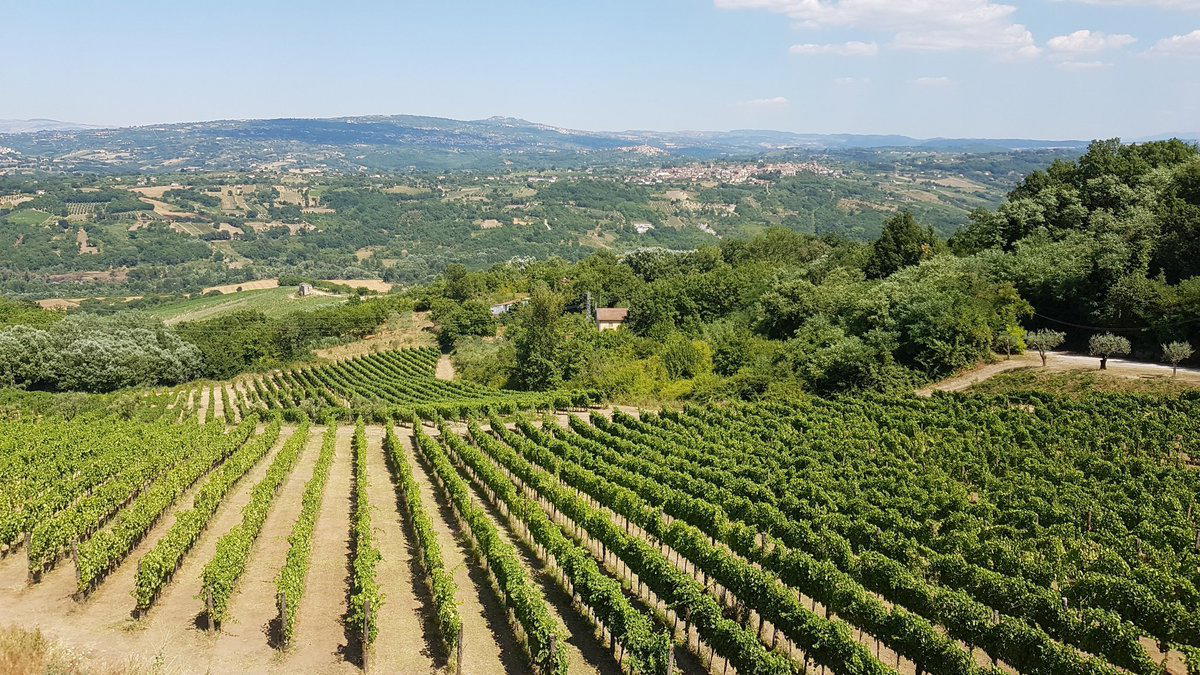
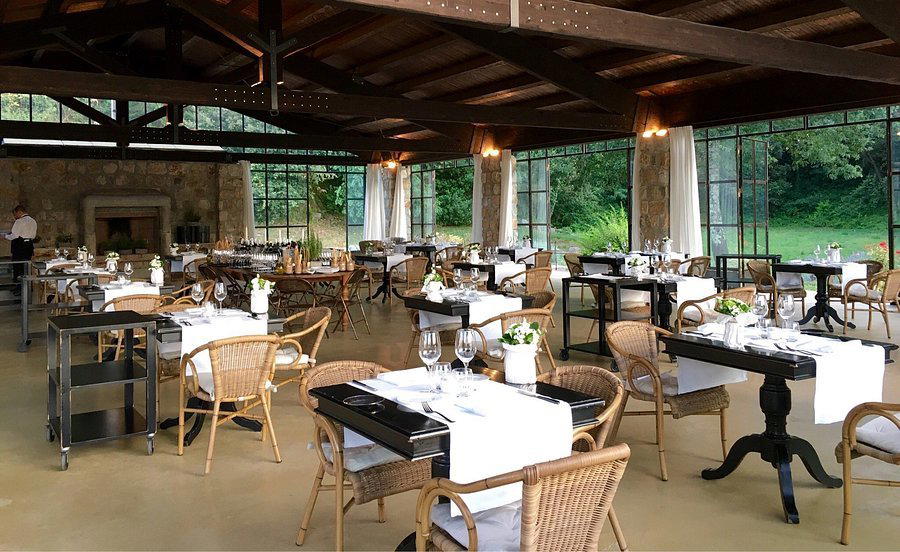
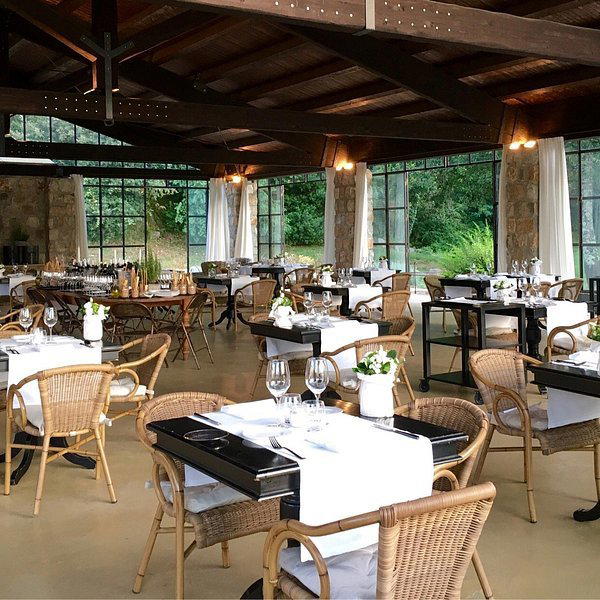
Donna Elvira in Montemiletto is best understood through its Irpinian setting: a rural, agricultural hillside estate where the emphasis is on native Campanian grapes and wines shaped by place. The appeal is not built around spectacle or a broad hospitality concept, but around a focused winery identity rooted in Campania’s inland wine country. In that sense, the estate reads less like a destination designed around extras and more like a compact expression of its surroundings, where the landscape, grape varieties, and winemaking direction carry the main weight of the experience.
The profile is concise but useful. Donna Elvira is a boutique Irpinian estate winery, working with traditional vineyard practices and modern winemaking to produce refined, terroir-driven DOC and DOCG wines. Its style is elegant and rustic, with a sense of the surrounding countryside remaining central to the experience. Those two qualities, elegance and rusticity, are not opposites here so much as complementary signals: the wines are presented as considered and refined, while the estate identity remains grounded in a rural hillside context rather than polished into something detached from place.
Irpinia's hillside setting frames the estate
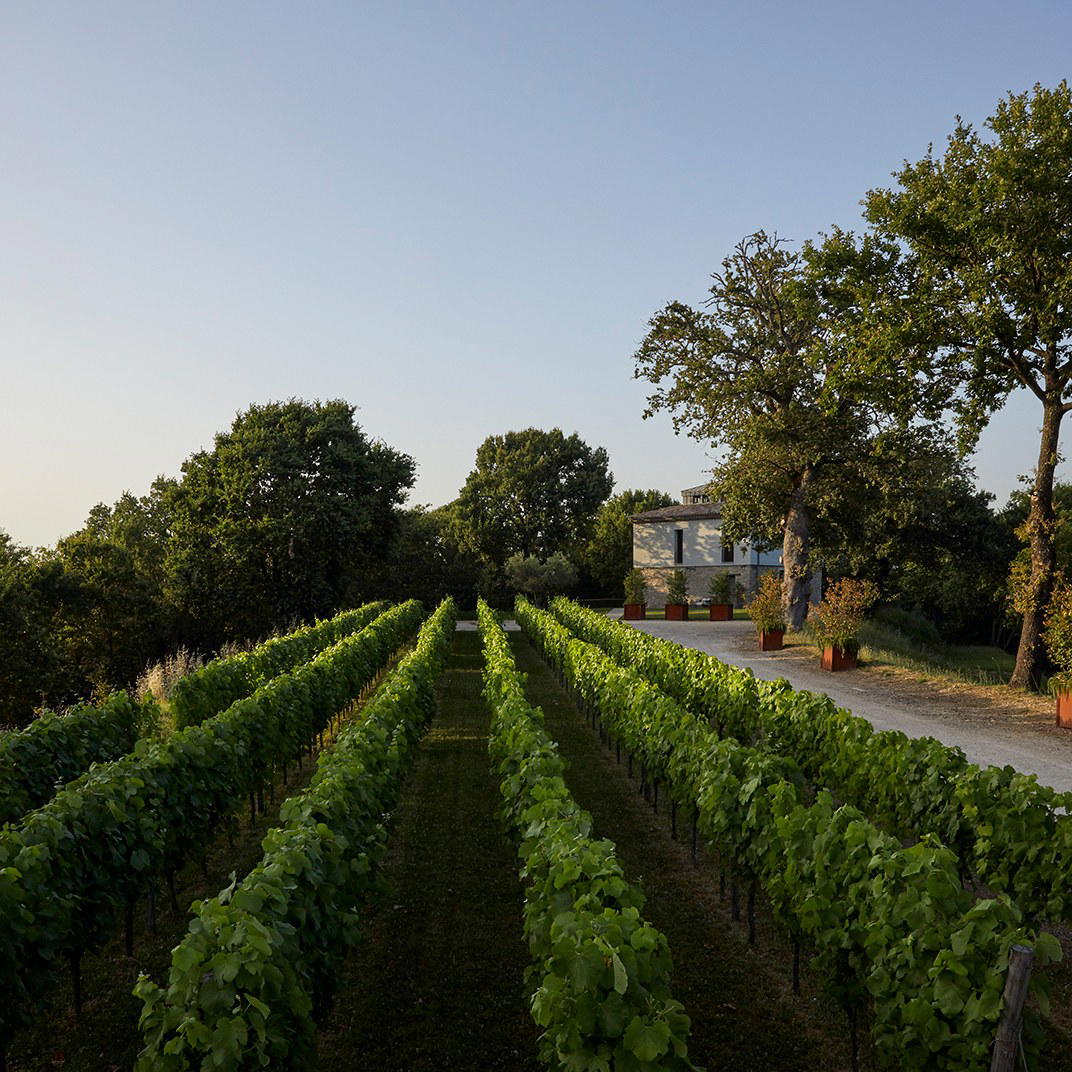
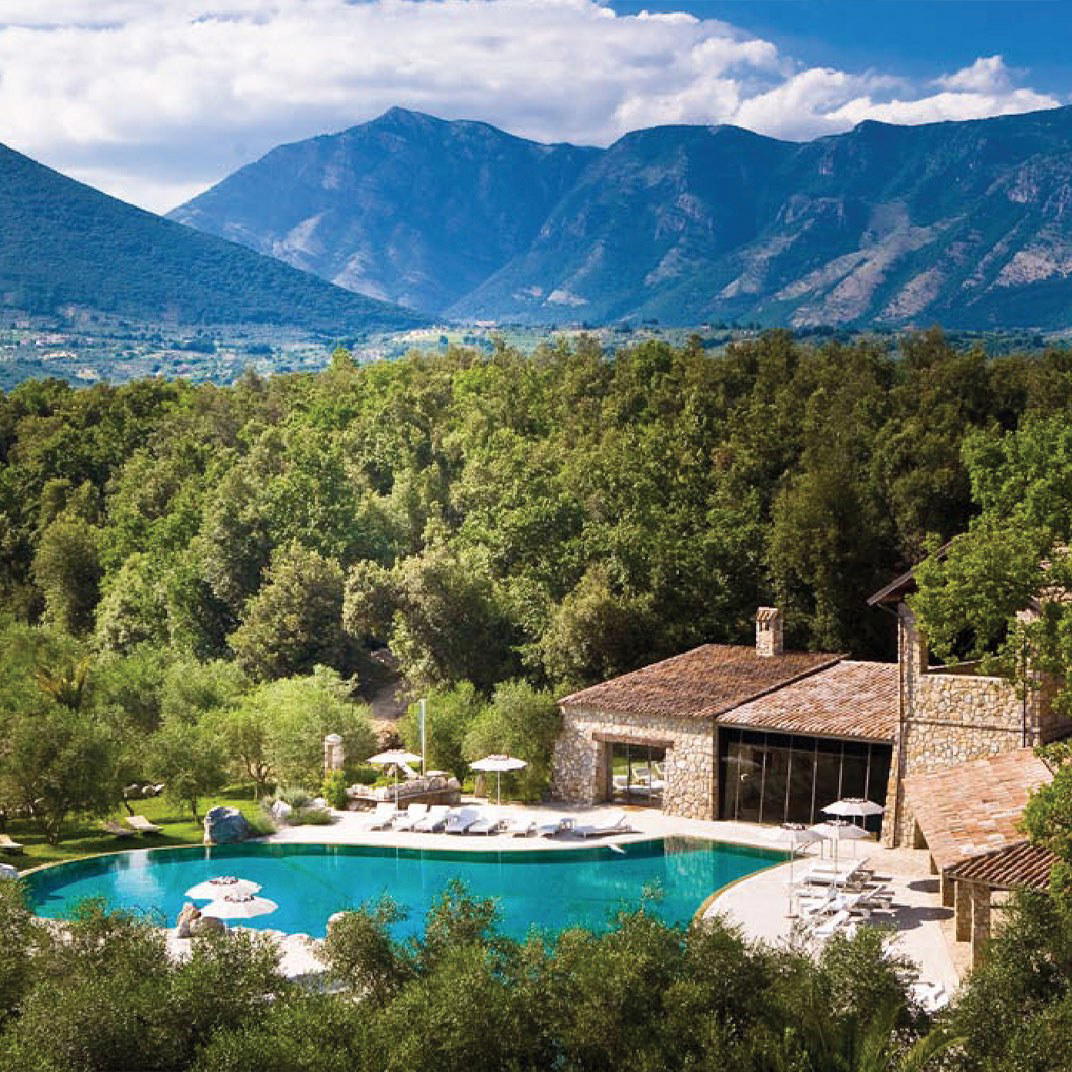
What can be stated with confidence is that Donna Elvira belongs to the rural hillside range of Montemiletto, in Irpinia. Rather than presenting the estate as a coastal Campanian escape or an urban tasting room, the more accurate frame is agricultural and inland: a winery connected to native grapes, local terrain, and the slower rhythm of vineyard country. This matters because it sets expectations correctly. The draw is not a generic Campania backdrop, but the particular feeling of an inland wine area where viticulture and countryside are central to the identity.
The grounded point is broader: Donna Elvira’s identity is tied to native Campanian varieties and to DOC and DOCG wines made with a terroir-driven approach. That language suggests a winery whose character should be read through origin and regional expression, not through novelty for its own sake. The emphasis falls on wines that belong to a specific place and category, with the estate’s Montemiletto setting providing the context in which that identity makes sense.
For travelers comparing wine experiences in the area, Donna Elvira should be read as a focused estate rather than a generalized dining or resort destination. Its value is in the winery profile itself: Campanian native grapes, an Irpinian hillside setting, and a balance between tradition and contemporary winemaking. Visitors looking for a broad leisure complex may need to calibrate their expectations, while those interested in a direct encounter with the region’s wine culture will find the framing more useful. The strongest reason to consider it is the clarity of that focus.
Native grapes, traditional practice, and modern winemaking
The description points to a boutique winery that combines traditional vineyard practices with modern winemaking. That is the safest way to understand the production philosophy without adding unconfirmed technical claims about training systems, harvest dates, fermentation vessels, ageing periods, or vineyard size. The important distinction is that the estate is not being presented as purely old-fashioned or overtly experimental. Instead, the available description places it between continuity and control: respect for established vineyard work on one side, and a contemporary approach to making refined wines on the other.
The wines are described as refined and terroir-driven, with DOC and DOCG identity forming part of the estate’s profile. That gives Donna Elvira a clear place within Campanian wine for visitors who are interested in regional character rather than a broad, entertainment-led hospitality format. DOC and DOCG references also reinforce the idea that the winery is best understood through recognized regional wine categories, while the term terroir-driven keeps attention on the relationship between the wines and their place of origin. The result is a profile that is narrow in scope but coherent.
Practical takeaway is to treat Donna Elvira as a wine-focused Montemiletto estate and confirm operational details directly before planning around them. The available description supports the winery identity, but it does not provide enough detail to build assumptions about the shape of a visit, the structure of tastings, or any hospitality elements beyond the estate’s core wine focus. A direct check is therefore the sensible step for anyone turning interest into an itinerary.
How to read the visit: the winery profile comes first
Donna Elvira is most accurately framed as a rural Irpinian winery in Montemiletto, with an elegant, rustic character and a focus on native Campanian grapes. The available information supports a picture of a boutique estate rather than a large hospitality complex. Read this as a place where the main subject is the wine and its setting, not an expanded set of amenities. That does not diminish the appeal; it simply places the emphasis where the existing profile places it, on regional grapes, countryside identity, and a restrained estate character.
The price positioning is listed as $$$.
For Montemiletto planning, Donna Elvira can be considered alongside other local dining and travel options in a general way, but the winery itself remains the only named venue in this profile. Use it as a focused Irpinian wine stop centered on DOC and DOCG wines, native Campanian grapes, and a rural hillside setting. The clearest way to approach it is to keep the winery profile first: inland Campania, boutique scale, traditional practice, modern winemaking, and a style that is described as both refined and rustic.
Recognition history
Dated appearances from independent guides and award organizations, with the underlying list record or original source where available.
Falstaff Winery - Listed
Falstaff
Continue exploring
More in Montemiletto
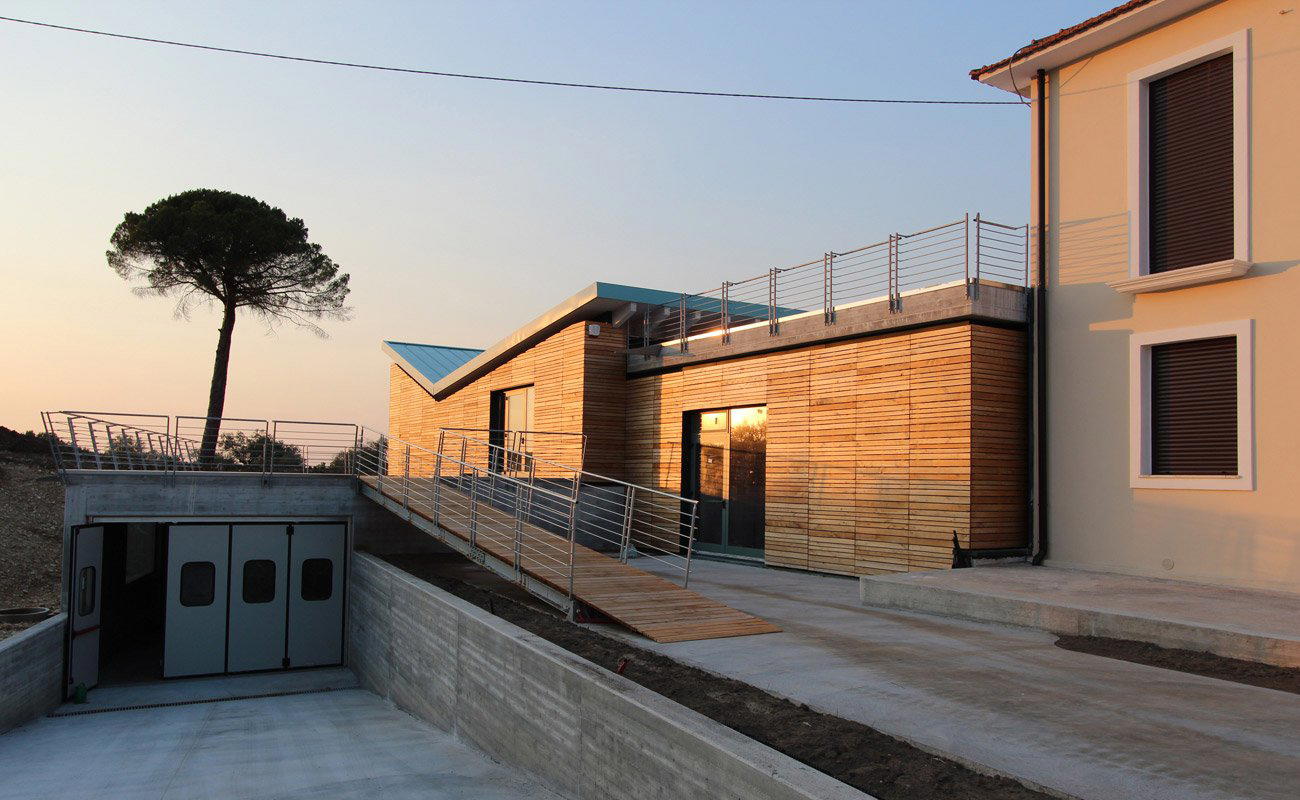
Wineries in Montemiletto
Browse all →

Bars in Montemiletto
Browse all →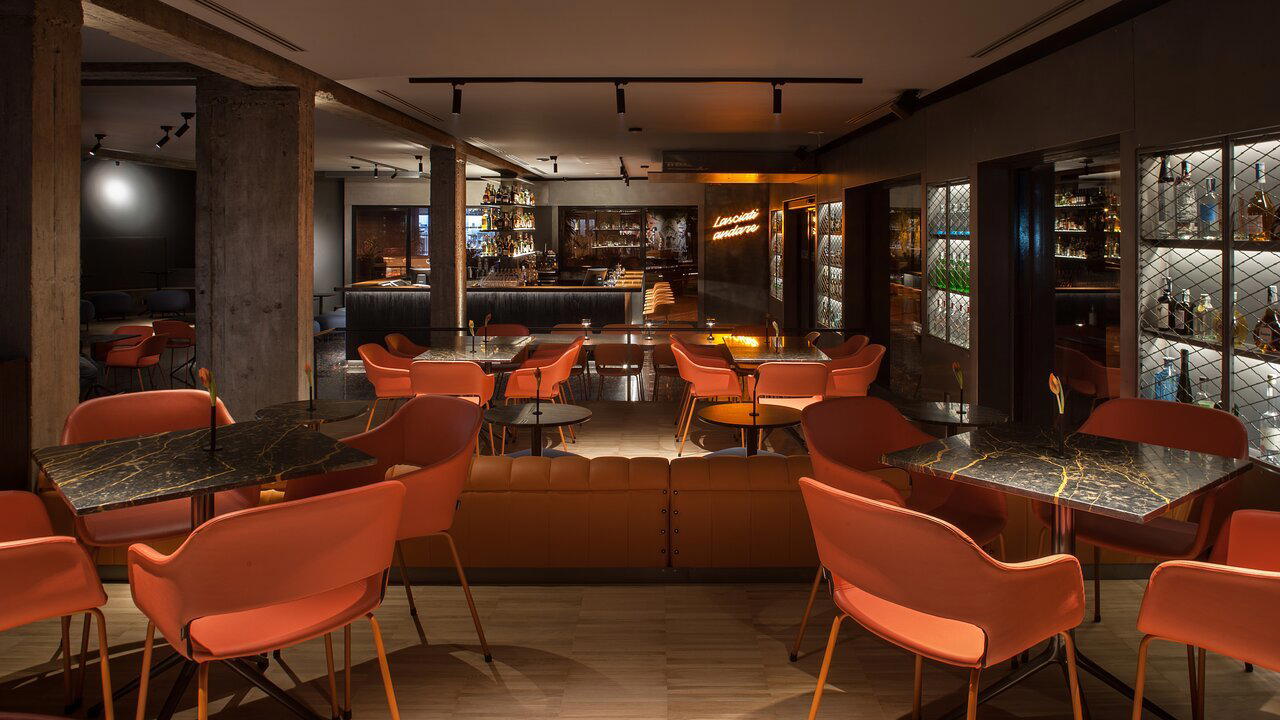
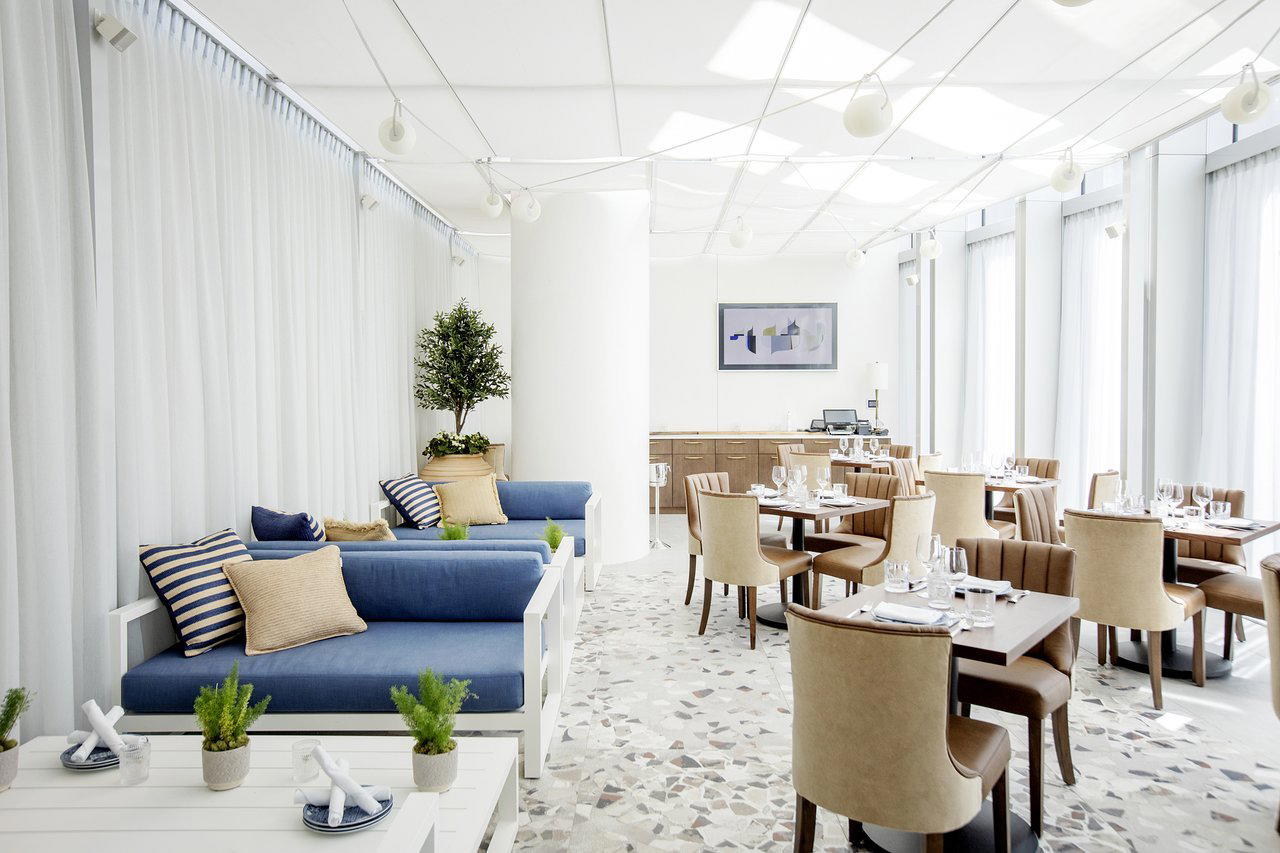
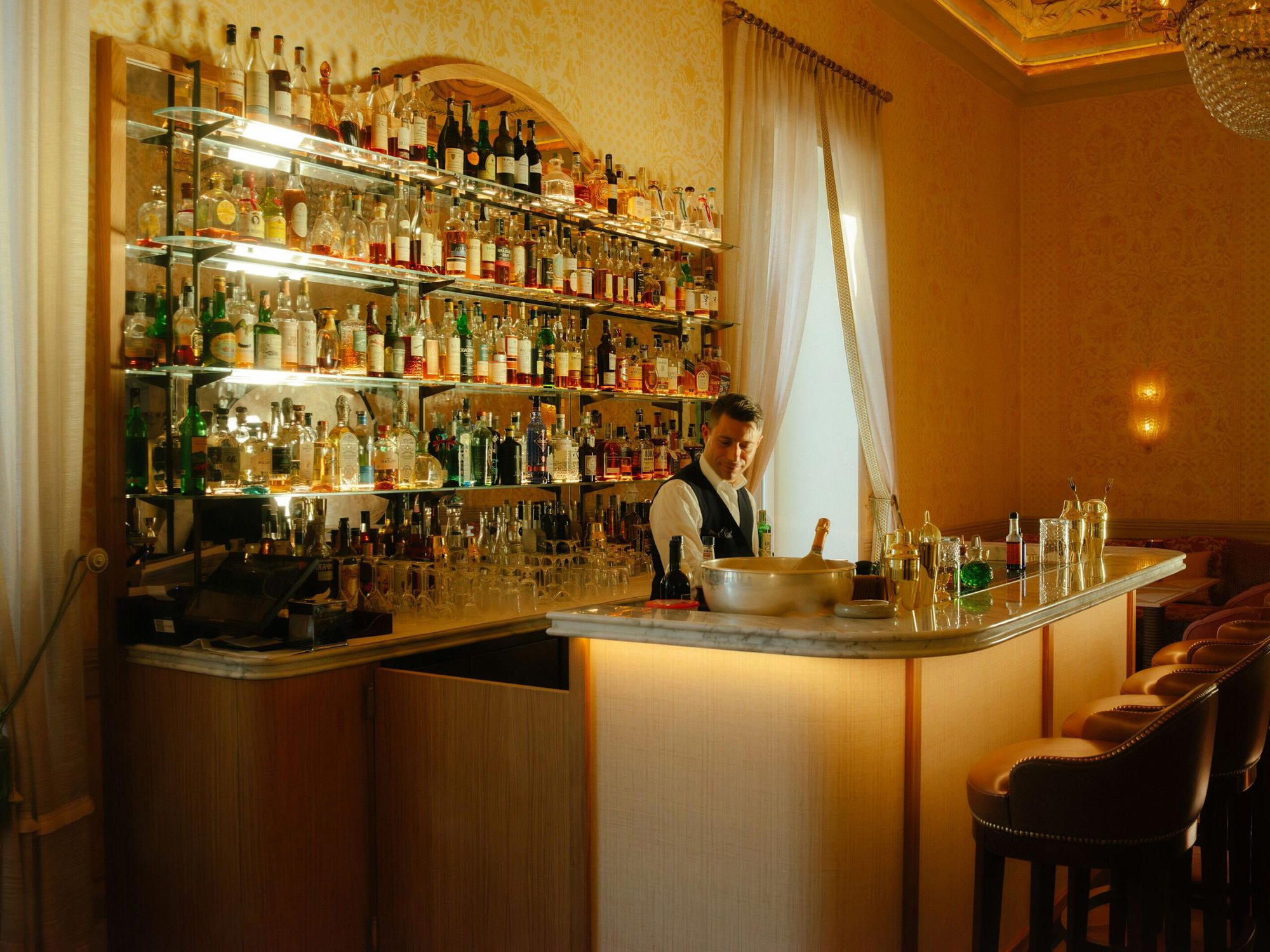
Restaurants in Montemiletto
Browse all →

Details
- Elegant
- Rustic
- Scenic
- Romantic
- Intimate
- Romantic Getaway
- Group Outing
- Solo Exploration
- Wine Education
- Special Occasion
- Estate Grounds
- Vineyard Tour
- Private Tasting
- Sustainable
- Vineyard
- Mountain
- Fiano
- Greco
- Falanghina
- Aglianico
- Taurasi
- Still White
- Still Red
- Still Rosé
- Sparkling
- Estate Tasting
- Vineyard Focused Tasting
- Vertical Tasting
- Italian
- English
Boutique Irpinian estate winery focused on native Campanian grapes, combining traditional vineyard practices with modern winemaking for refined, terroir-driven DOC and DOCG wines in a rural, agricultural hillside setting.