Osteria Nero d'Avola sits on Piazza San Domenico de Guzman in Taormina, positioning itself within a dining scene shaped by the island's deepest agricultural and coastal traditions. The name alone signals intent: Nero d'Avola, Sicily's most celebrated red grape, is also a cultural shorthand for the island's southern terroir and centuries of Moorish, Greek, and Norman influence on the table.
- Address
- Piazza S. Domenico de Guzman, 2B, 98039 Taormina ME, Italy
- Phone
- +39 0942 628874
- Directions
- Get directions
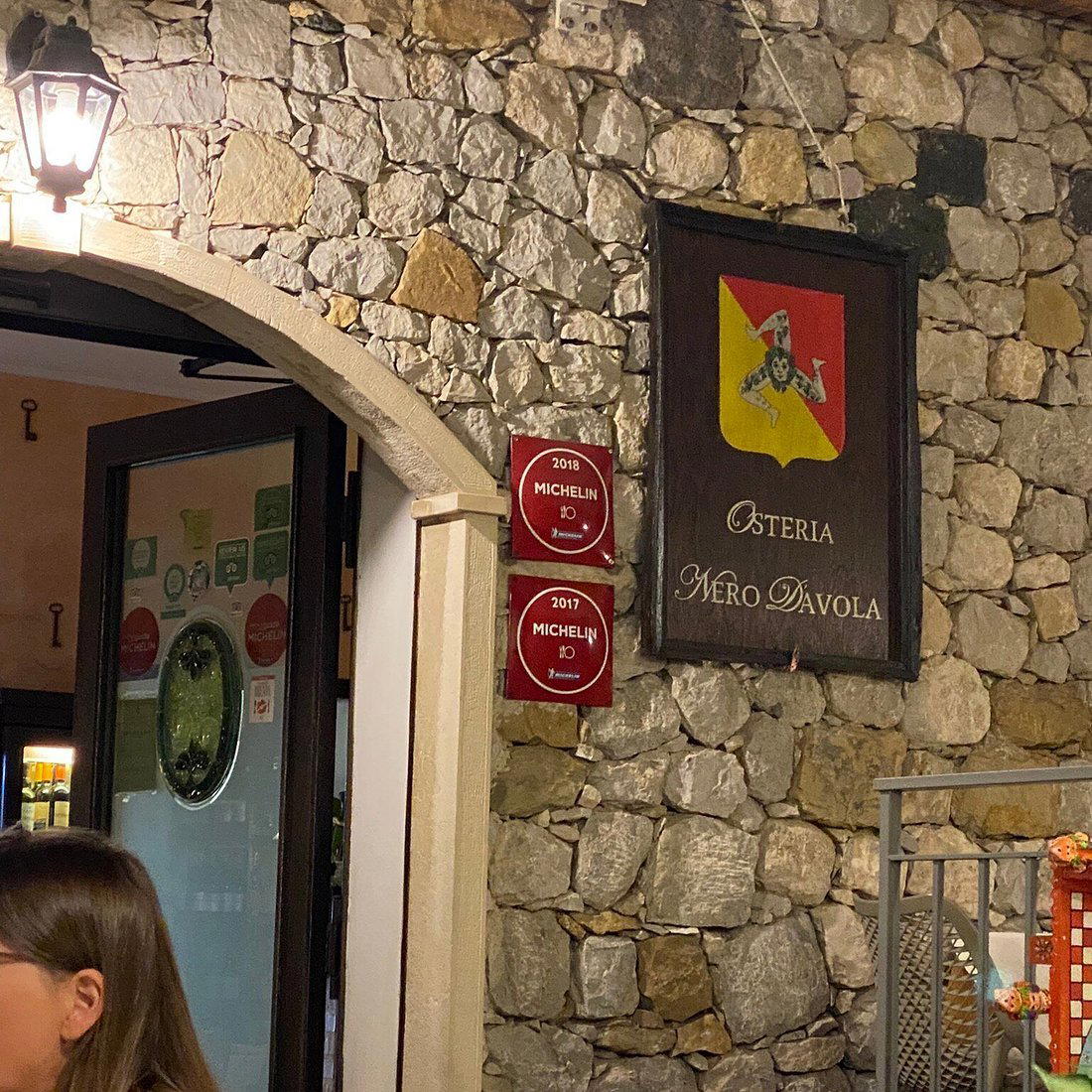
A Piazza Address in One of Sicily's Most Competitive Dining Towns
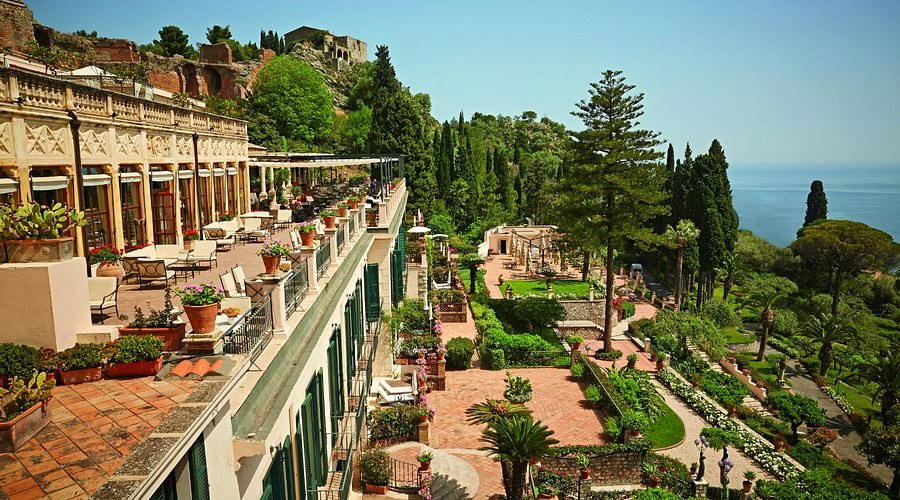
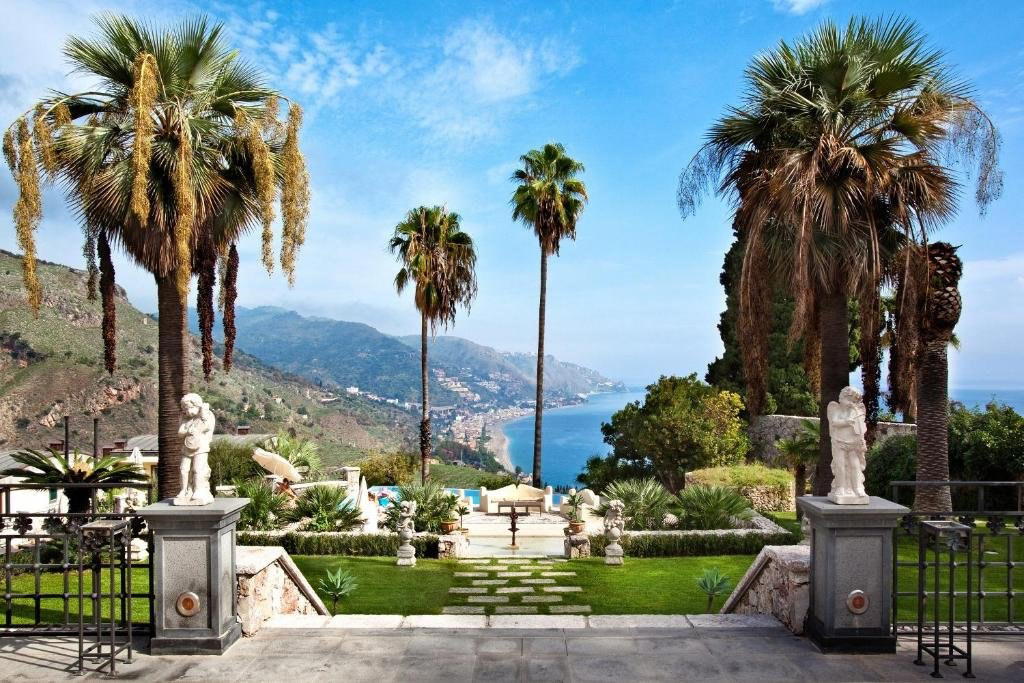
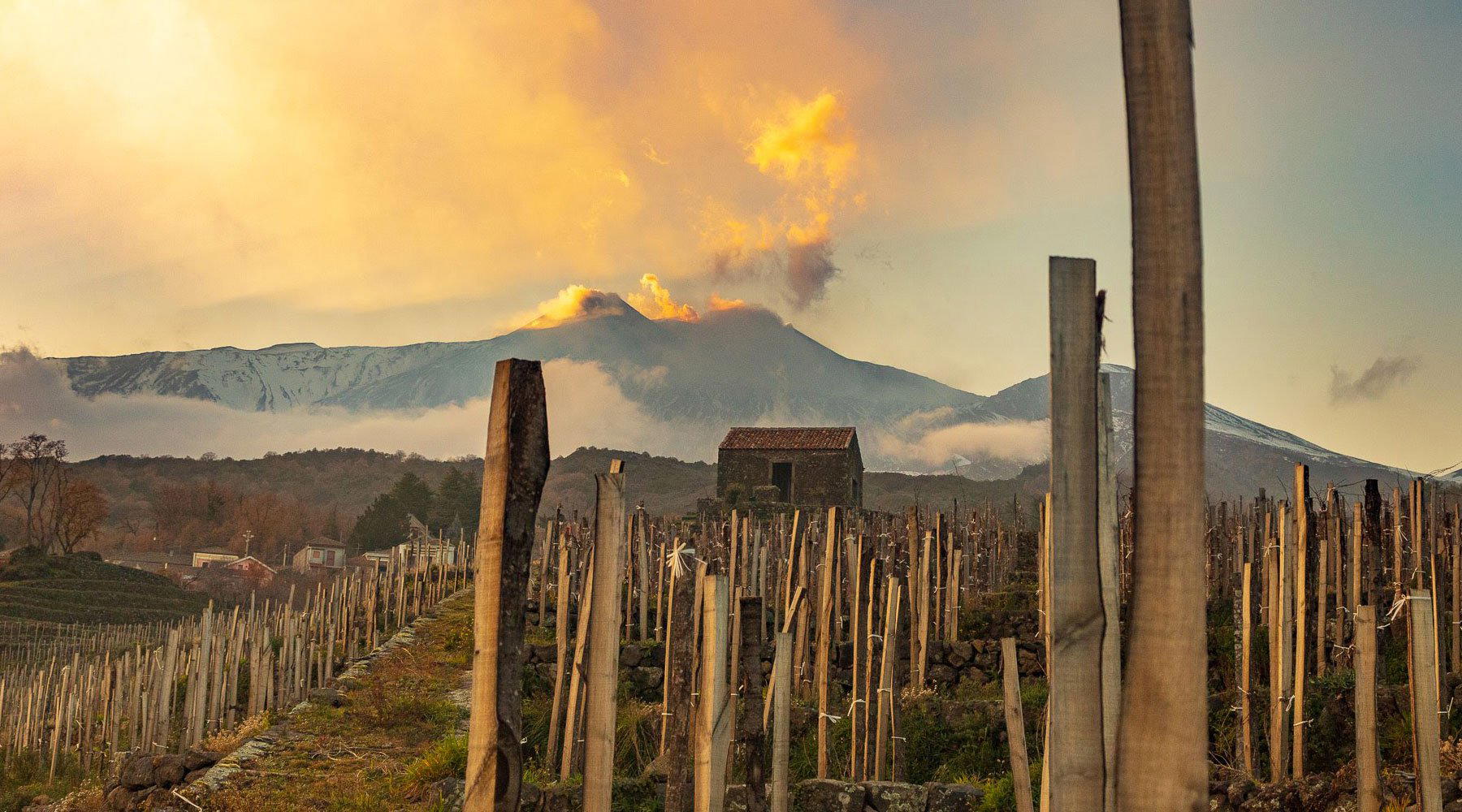
Taormina has always asked a lot of its restaurants. The town sits on a ridge above the Ionian Sea with Mount Etna visible to the southwest, and the combination of that setting with a high concentration of international visitors means competition among dining rooms is unusually sharp. At the middle and upper tiers of the market, places like La Capinera (Sicilian, €€€) and Vineria Modì (Italian Contemporary, €€€) hold the mid-range with clear culinary identities, while St. George by Heinz Beck, Otto Geleng, and Principe Cerami occupy the €€€€ tier with serious technical ambition. Osteria Nero d'Avola positions itself on Piazza San Domenico de Guzman, one of the town's more composed squares, away from the main Corso Umberto foot traffic. That address choice alone communicates something about the register it is aiming for: quieter, more local in feel, anchored in a specific place rather than pitched at the passing tourist corridor.
What the Name Carries: Nero d'Avola as a Cultural Statement
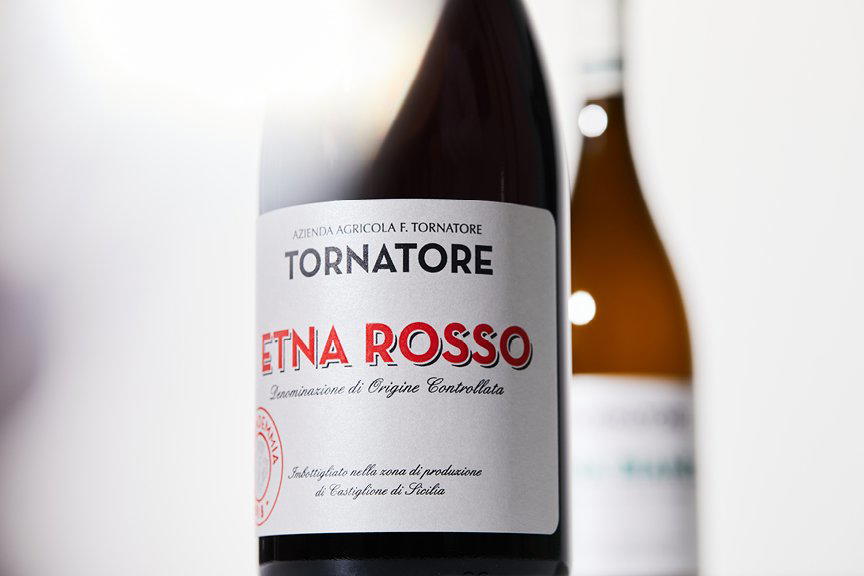
Naming a restaurant after a grape variety is not neutral. Nero d'Avola is the dominant red varietal of eastern Sicily, grown primarily in the provinces of Syracuse and Ragusa, and it carries a specific cultural freight: earthy, warm-climate intensity, resistance to the kind of international homogenization that flattened so many southern Italian wine traditions in the mid-twentieth century. When Sicilian producers began reclaiming Nero d'Avola seriously from the 1990s onward, they were also asserting something about regional identity against the dominance of northern Italian and French benchmarks. A restaurant that takes this grape as its name is aligning itself with that assertion, signalling a commitment to the island's own idiom rather than an aspirational tilt toward the cooking styles of Piedmont or Lombardy.
That kind of positioning matters in Taormina specifically, where the pressure to perform for an international audience can push kitchens toward safe Mediterranean generalism. The osteria format itself carries weight here: in Italian dining culture, the osteria sits between the trattoria and the ristorante, traditionally associated with honest regional cooking and a wine-forward table, less formal than a ristorante but more considered than a simple trattoria. The category signals intent before a single dish arrives.
Sicily's Culinary Architecture and Where This Style Fits
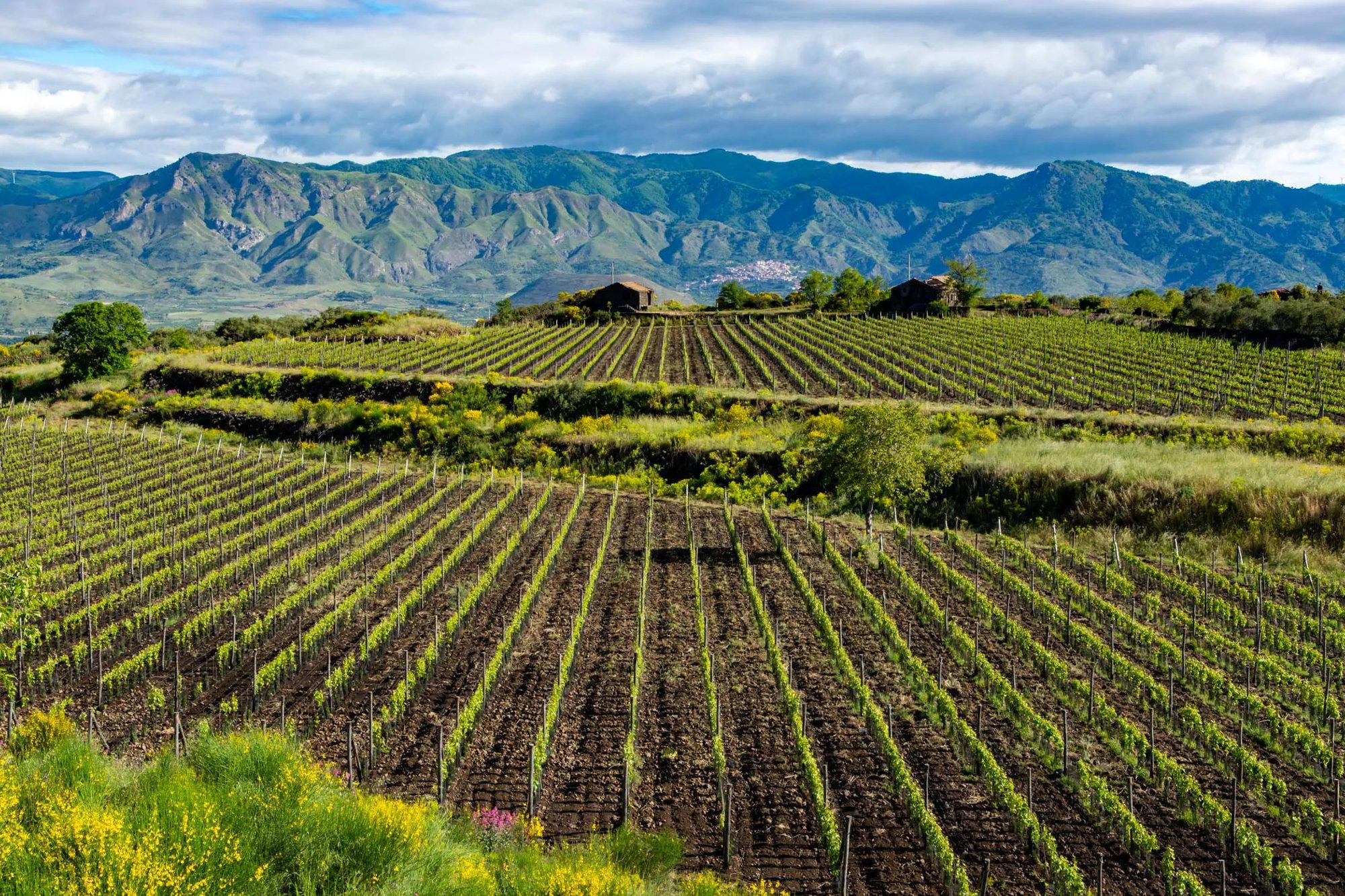
Sicilian cooking is among the more historically layered in Europe. The island was successively colonized by Greeks, Romans, Arabs, Normans, and Spaniards, and each culture left traceable marks on the pantry and the technique. Arab influence is visible in the use of raisins, pine nuts, and sweet-sour agrodolce preparations; Norman and Spanish periods contributed meat braises and the island's distinct pastry culture; Greek settlement shaped the coastal fish traditions that run through every fishing town from Messina to Marsala. Eastern Sicily, which is Taormina's quadrant of the island, has its own internal distinctions: the proximity to the sea brings swordfish and tuna into the repertoire, while Etna's volcanic soils produce tomatoes, pistachios, and citrus with a mineral intensity that is measurably different from produce grown on limestone plains.
An osteria drawing on this tradition has considerable raw material to work with. Dishes rooted in this canon tend to prioritize technique that serves the ingredient rather than technique that displays itself, which places them in a different register from the modernist cooking at places like Osteria Francescana in Modena or the elaborate tasting formats at Le Calandre in Rubano. The cultural roots of Sicilian osteria cooking are closer in spirit to the produce-first ethos at Dal Pescatore in Runate or the regional anchoring at Uliassi in Senigallia, where the cooking derives authority from place rather than from innovation for its own sake.
The Taormina Dining Tier and Where This Address Sits
Taormina's restaurant scene stratifies fairly clearly. The €€€€ tier is anchored by hotel-affiliated rooms and Michelin-recognized kitchens that set pricing against an international visitor base willing to pay for occasion dining. The €€€ tier, where a number of serious Sicilian-focused kitchens operate, is the more interesting competitive zone: it is where regional identity tends to be most clearly expressed, and where the leading value-to-craft ratio usually sits. Restaurants operating in this band across Italy, from Quattro Passi in Marina del Cantone to Reale in Castel di Sangro, often draw the loyal local following precisely because they are not calibrating every decision against the expectations of a luxury hotel guest. The piazza location of Osteria Nero d'Avola, away from the main tourist artery, suggests a kitchen that is primarily addressing a guest who has sought the place out rather than stumbled into it.
For comparison with the broader Italian fine dining conversation, Taormina's serious dining tier sits well below the density of Milan (see Enrico Bartolini), Florence (Enoteca Pinchiorri), or Alba (Piazza Duomo), but the raw ingredient quality available on the island is not inferior. The deficit, if there is one, is in the concentration of kitchens with the technical resources and staffing depth of those northern rooms. An osteria format that works honestly within its means is, in this context, often more satisfying than a kitchen straining toward a register it cannot consistently sustain. For a further map of where Osteria Nero d'Avola sits within the full local picture, the EP Club Taormina restaurants guide covers the competitive set in detail, including comparisons with newer entrants to the scene.
It is also worth placing Taormina's dining scene in the wider context of southern Italian ambition. Rooms like Atelier Moessmer Norbert Niederkofler in Brunico or the technically precise work at Lazy Bear in San Francisco show how strongly a defined philosophy of place and produce can anchor a dining room's identity across wildly different geographies. The osteria tradition in Sicily carries exactly that kind of philosophical anchor, even when the cooking is less technically elaborate. The question for any individual restaurant operating in this idiom is how faithfully it maintains that anchor under the seasonal pressure of high summer tourist volumes in a town like Taormina.
Planning a Visit
Taormina operates on a pronounced seasonal rhythm: peak summer, from late June through August, compresses the town's dining rooms and raises the difficulty of securing tables at any serious address. Visiting in May, early June, or September gives a materially different experience, with fewer crowds and kitchens that are not running at capacity stress. Piazza San Domenico de Guzman is reachable on foot from the Corso Umberto and sits within the historic centro, which is pedestrianized for most of its length. As with all addresses in Taormina's old town, arriving by car requires planning ahead for parking at the periphery.
Price and Positioning
Comparable venues nearby, for context on price, style, and recognition.
| Venue | Cuisine | Price | Awards | Notes |
|---|---|---|---|---|
| Osteria Nero d'AvolaThis venue — the venue you are viewing | Taormina, Traditional Sicilian Osteria | $$$ | Not listed | Not listed |
| Osteria Rosso Divino | Not listed | $$$ | Not listed | Historic Center, Modern Sicilian Seafood Osteria |
| Malvasia | Not listed | $$ | Not listed | Central Taormina, Traditional Sicilian Trattoria |
| La Baia | Taormina, Italian Pizza with Sea Views | $$ | Not listed | Not listed |
| Blum | Mazzarò, Modern Sicilian Fine Dining | $$$$ | Michelin Plate | Not listed |
| Vineria Modì | Not listed | $$$ | Michelin 1 Star | historic centre, Modern Sicilian Fine Dining |
Continue exploring
More in Taormina
Restaurants in Taormina
Browse all →
Bars in Taormina
Browse all →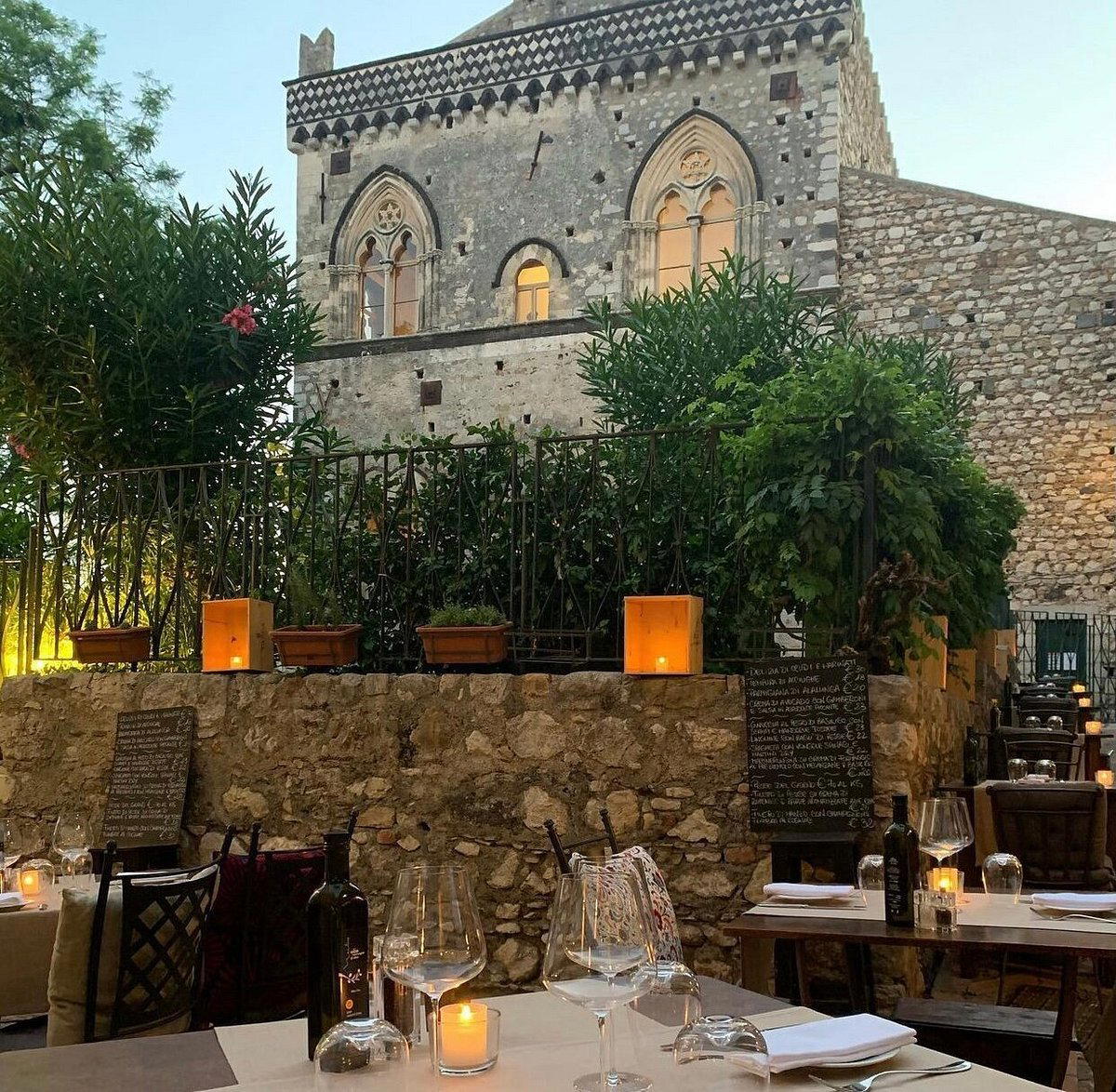
Hotels in Taormina
Browse all →
At a Glance
- Rustic
- Cozy
- Romantic
- Date Night
- Special Occasion
- Terrace
- Extensive Wine List
- Local Sourcing
- Street Scene
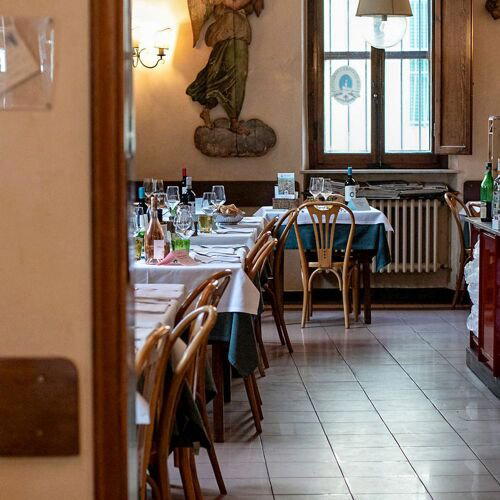
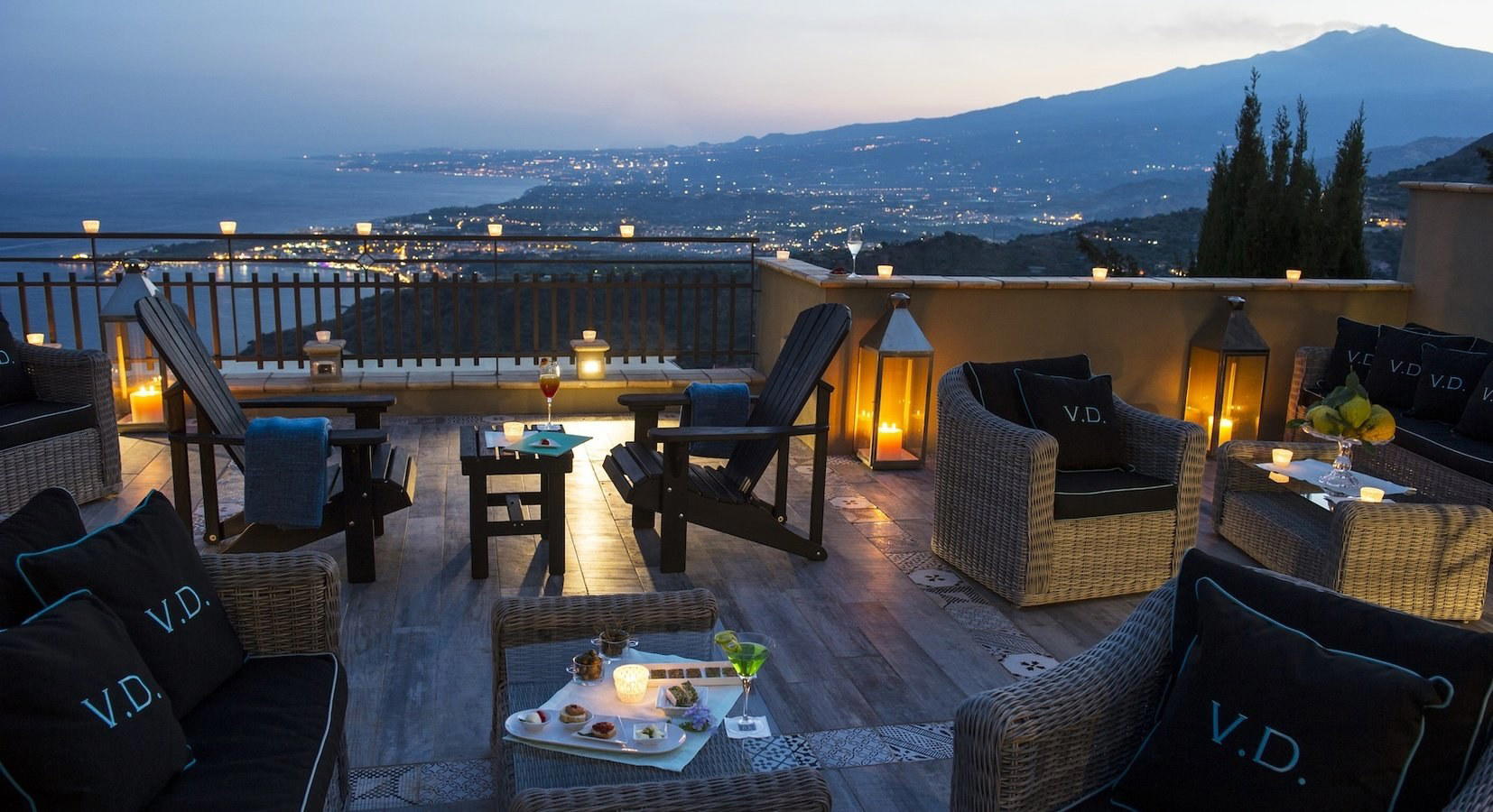
Charming terrace on a placette in summer and cozy interior with red tiled floors, offering a relaxed yet elegant atmosphere.