
A Michelin-starred terrace on via Teatro Greco 59, Otto Geleng distills the Sicilian fine-dining proposition into eight tables, an Etna-facing view, and a tasting menu format that re-reads regional classics through a precise modern lens. Among Taormina's upper-tier restaurants, it occupies one intimate end of the €€€€ bracket, where format discipline and a 400-label wine list carry as much weight as the cooking itself.
Pearl is the En Primeur Club membership app — saves, bookings, and concierge access live there. Same editors, same standards.
- Address
- via Teatro Greco 59, Taormina, 98039, Italy
- Phone
- +39 0942 627 0200
- Website
- belmond.com
- Directions
- Get directions
 Saves & bookings on Pearl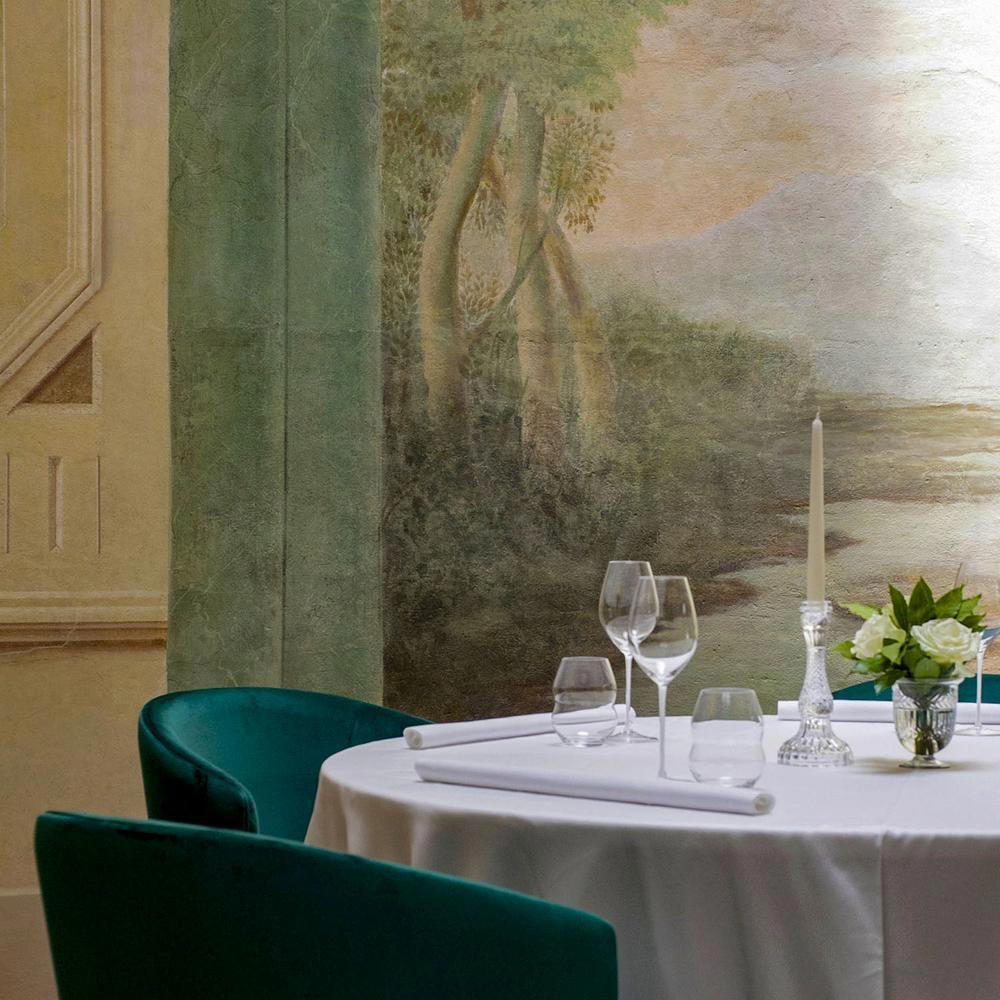
Eight Tables, One Terrace, and the Weight of Sicilian Precedent
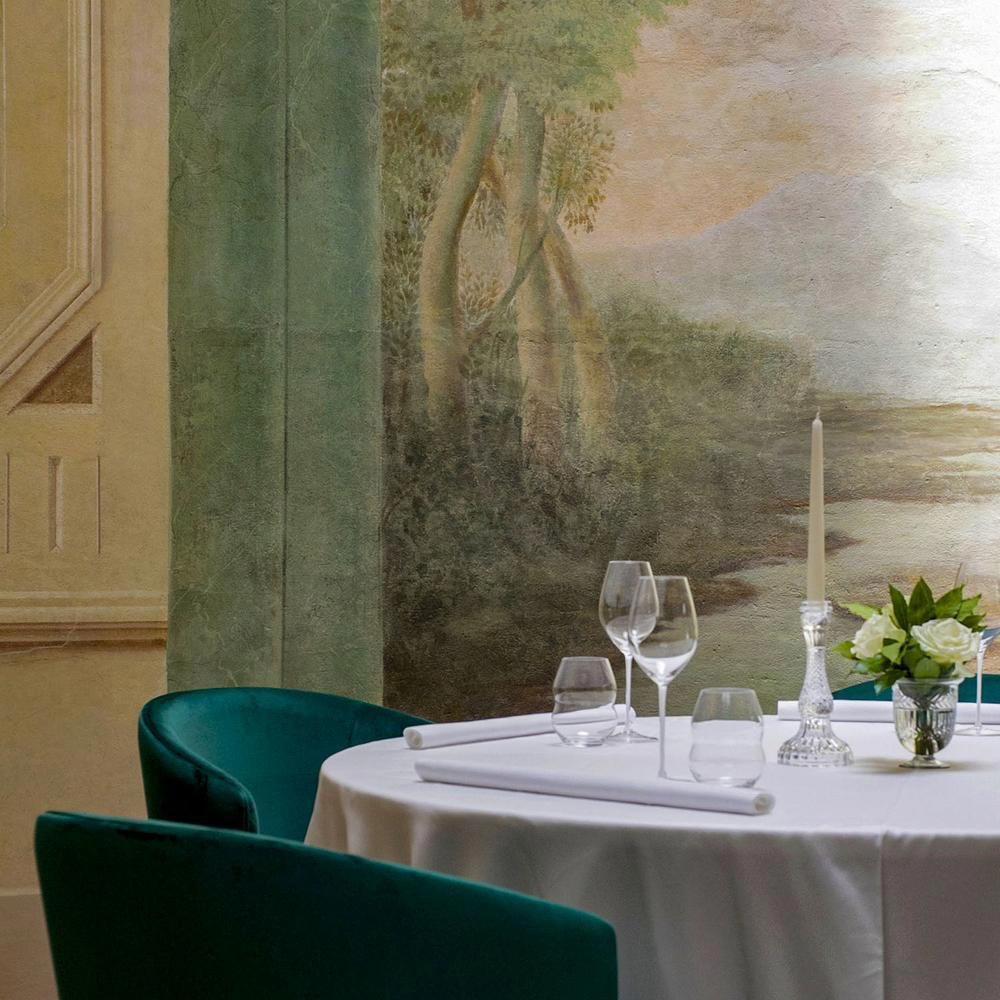
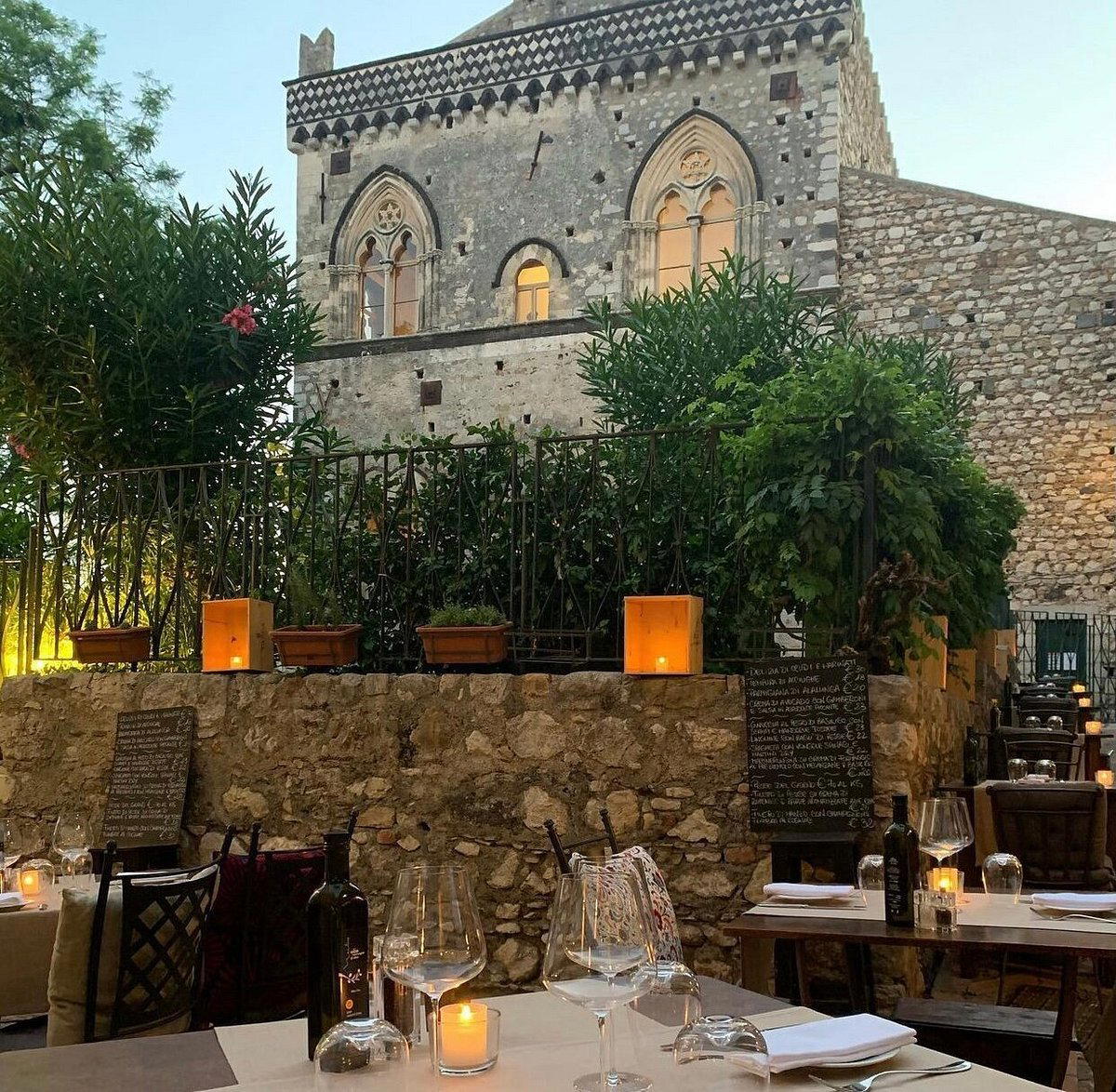
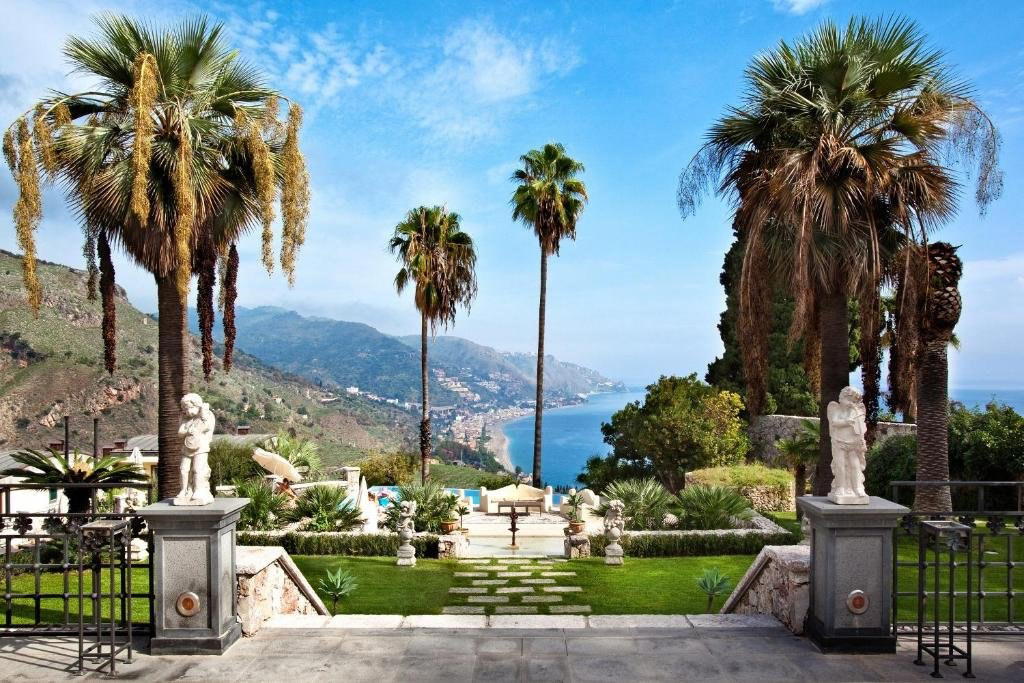
Approaching via Teatro Greco at dusk, Taormina performs in the way it has for centuries: narrow basalt lanes, the smell of bougainvillea, and the constant low presence of Etna on the horizon. Otto Geleng does not interrupt that arrival, it extends it. The terrace at number 59 holds eight tables, each positioned to take in the Bay of Naxos and the volcano's silhouette simultaneously. That view is not a backdrop; it is the room's dominant architectural feature, framing what is otherwise a setting that draws on the language of Sicily's grand villa tradition: warm stone, considered details, the unhurried tempo of a private residence that happens to serve dinner.
Within Taormina's fine-dining tier, this format occupies a specific position. Principe Cerami and St. George by Heinz Beck operate at the same €€€€ price point with larger footprints and more formal hotel contexts. Otto Geleng counters with scale as its proposition: eight tables, five evenings per week (Wednesday through Sunday, from 7:30 PM), and a tasting menu structure that requires the kitchen to perform at the same register every night rather than spreading effort across a full à la carte operation. The Michelin star formalises what the format already implied.
How Sicily Cooks with Herbs: The Flavour Logic Behind the Menu
Sicilian cooking is, at its structural core, an herb-driven cuisine. The island's position at the convergence of Greek, Arab, Norman, and Spanish culinary traditions left a flavour vocabulary that skews aromatic: wild oregano on grilled fish and caponata, fresh basil in pasta alla norma and pesto trapanese, thyme folded into braises and roasted meats, za'atar-adjacent spice combinations that arrived with Arab traders and were absorbed into the local pantry long before they appeared on any menu. This is not decorative garnish culture; it is a cooking tradition where herbs carry structural weight, calibrating the acidity, sweetness, and bitterness that Sicilian dishes rely on in equal measure.
Across the broader Mediterranean region, this same herb intelligence appears in different forms. La Brezza in Ascona works the northern end of the Mediterranean herb spectrum, while Arnaud Donckele at Louis Vuitton in Saint-Tropez approaches the same tradition from the Provençal angle. Sicily sits at the complex node of that network, drawing simultaneously on North African aromatics and northern European technique.
Chef Roberto Toro works within that inherited framework rather than departing from it. The kitchen's orientation is Sicilian by ingredients and reference point, reinterpreted through contemporary technique rather than through fusion or displacement. The spaghetti with roast peppers, prawn, sesame, and lime, the dish that Michelin reviewers singled out in their write-up, demonstrates how that approach functions: the peppers and prawn are classically Sicilian in register, the sesame introduces the Arab strand of the island's flavour history, and the lime provides an acid note that is modern in application but entirely consistent with the brightness that Sicilian cooking has always valued. It is a dish that teaches rather than surprises.
The Menu Format and What It Signals
Tasting menus at this price point in southern Italy tend toward one of two poles: the maximalist parade of micro-courses that requires passive surrender, or the more restrained format where the kitchen makes decisive choices and trusts the guest to follow. Otto Geleng sits closer to the latter. The tasting menu structure includes a vegetarian option, less common in Sicilian fine dining than in northern Italian contexts, and dishes can be selected à la carte style within the tasting format, a flexibility that avoids the rigidity of full prix-fixe without sacrificing the kitchen's narrative coherence.
This approach places it in an interesting position relative to Italy's broader fine-dining conversation. Restaurants like Osteria Francescana in Modena and Enoteca Pinchiorri in Florence have established the maximalist northern Italian model as the default frame of reference for serious Italian fine dining. Enrico Bartolini in Milan operates in a similarly elaborate register. Otto Geleng's eight-table, five-evening format is a deliberate statement about what the south can offer on different terms: intimacy over spectacle, regional depth over cross-regional ambition.
A Wine List Built for the Terrace
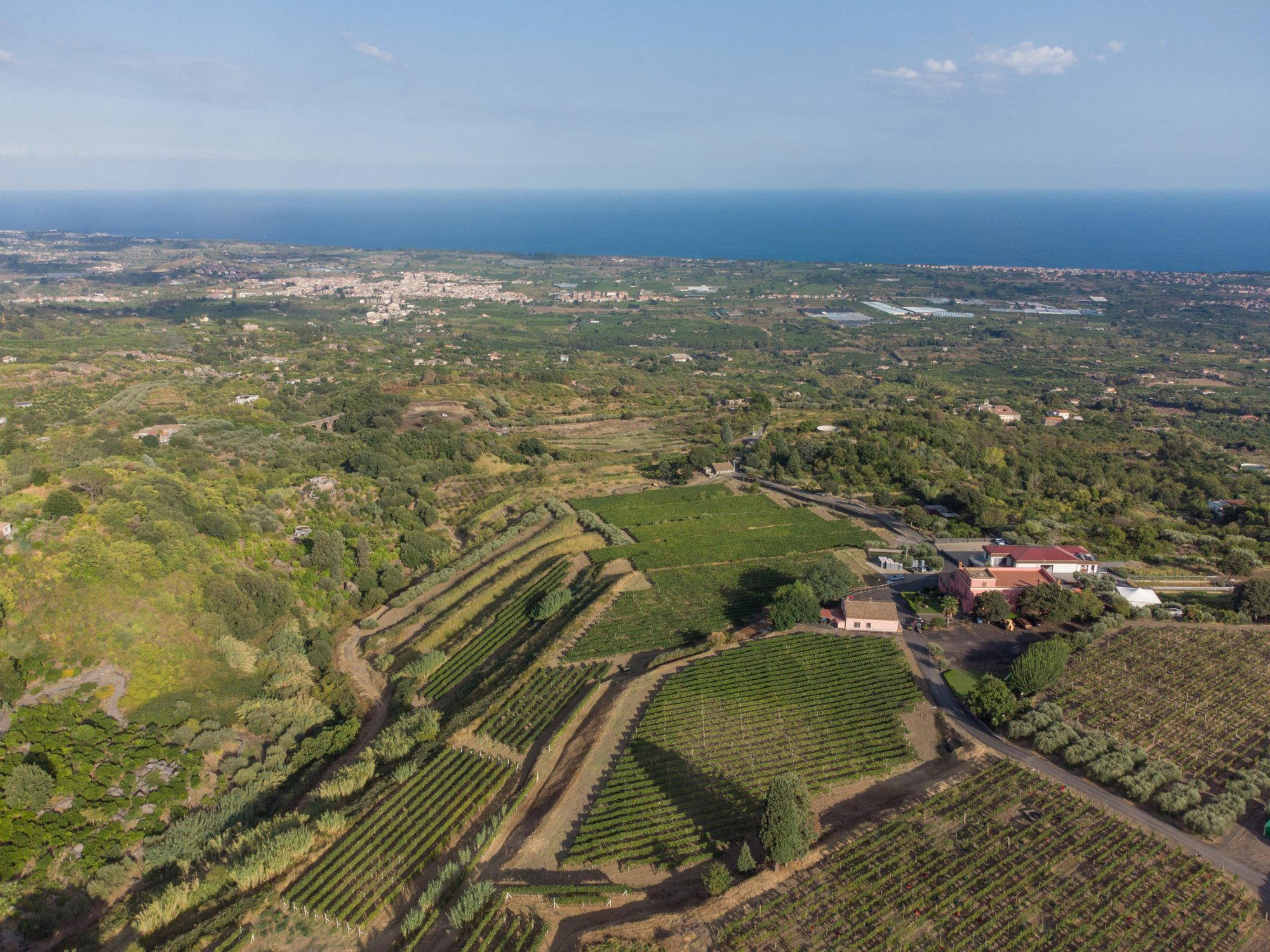
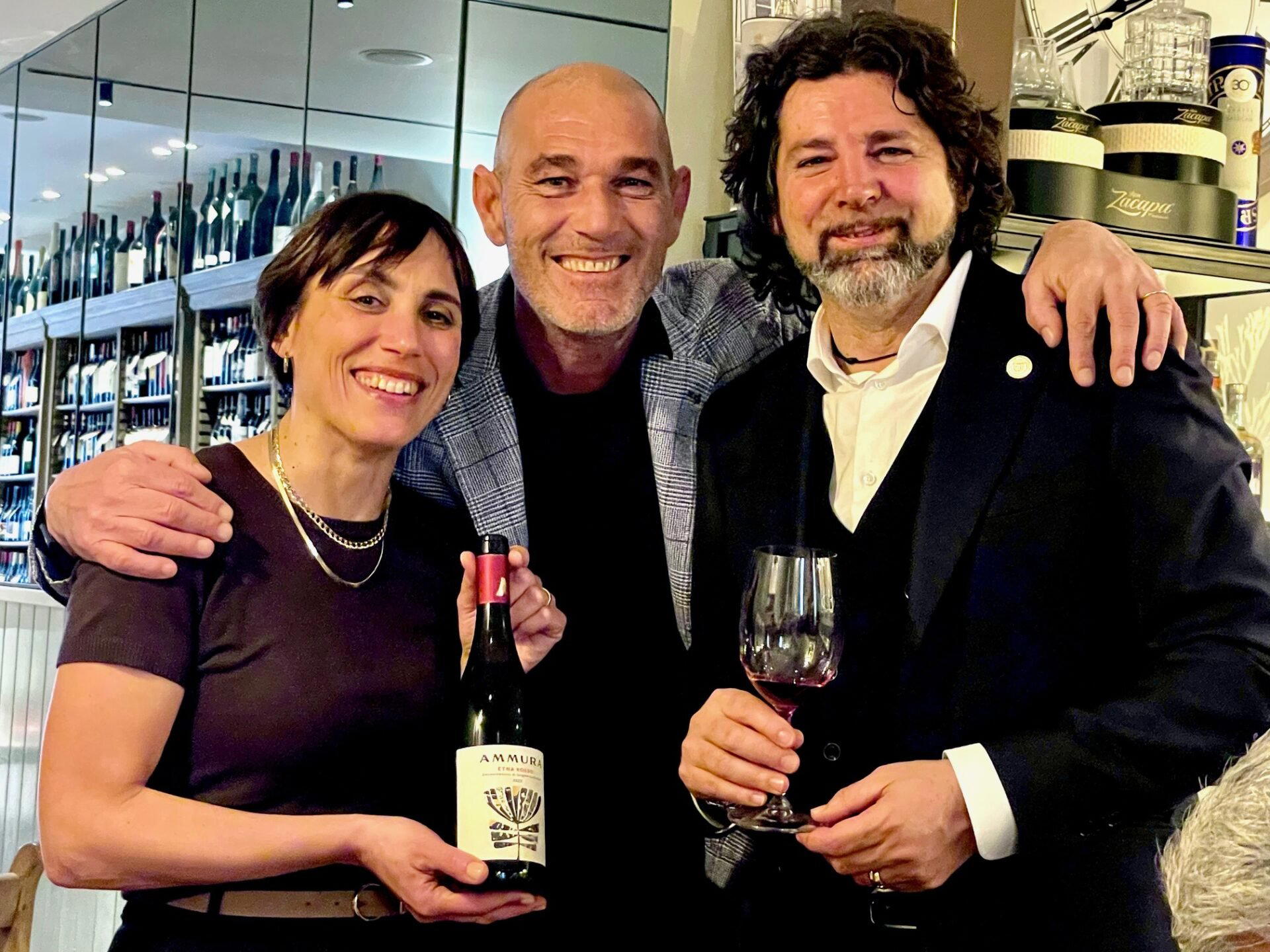
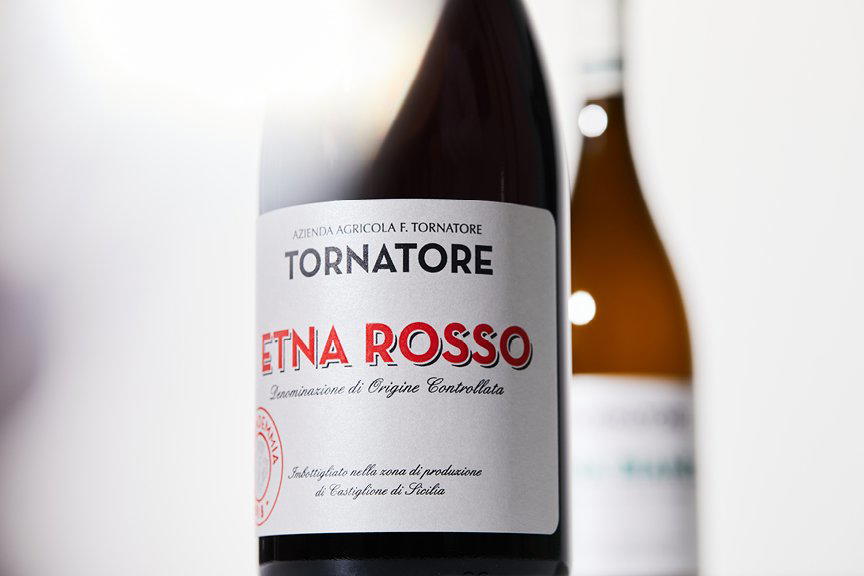
More than 400 labels is a significant number for a restaurant of this scale. The wine program at the restaurant runs across regional Sicilian producers, broader Italian labels, and French references, with particular attention to small local wineries, a category that, in Sicily's case, means Etna-area producers working with Nerello Mascalese and Carricante on volcanic soils that have drawn serious international attention over the past decade. Etna Rosso and Etna Bianco now appear on lists across Europe and the US, but tasting them at eight tables facing the volcano that produced the grapes carries a geographic logic that no off-island restaurant can replicate.
The depth of the French section signals that the kitchen is not playing exclusively to Sicilian terroir nationalism. Guests who want to anchor an Etna-inflected tasting menu to a Burgundian white or a Loire Valley red will find options. That breadth, managed at the scale of eight tables, implies that the wine service is a genuine program rather than a list padded to an impressive number.
For context on how Sicilian and Italian fine dining wine programs compare at different scales, Quattro Passi in Marina del Cantone and Dal Pescatore in Runate represent the depth achievable in established Italian fine-dining cellars. Atelier Moessmer Norbert Niederkofler in Brunico offers the comparison point from the Alpine end of Italian regional cooking, where local wine culture operates on a different axis.
Where Otto Geleng Sits in Taormina's Dining Hierarchy
Taormina's restaurant scene stratifies clearly. At the €€ level, Blum offers approachable modern cooking without the ceremonial overhead. The €€€ tier includes La Capinera, which holds its own Michelin recognition and focuses tightly on Sicilian seafood tradition, and Vineria Modì, which takes an Italian contemporary approach at a more accessible price point. At €€€€, the restaurant, Principe Cerami, and St. George compete for the upper tier of the market. The restaurant differentiates on format compression: fewer tables, fewer evenings, and a terrace experience that ties the setting directly to the food's regional identity.
The low review count is a function of capacity, eight tables, five evenings a week, and a destination city that draws visitors who often do not review in large numbers, rather than any signal about quality or notoriety. The Michelin star carries more weight as a data point here than the review volume.
Planning a Visit
The restaurant is at via Teatro Greco 59, Taormina, a short walk from the ancient Greek theatre that defines the upper town's geography. The restaurant is closed Monday and Tuesday, with service running Wednesday through Sunday from 7:30 PM to 10:30 PM. At eight tables and with a Michelin star earned in 2024, reservations will be competitive, particularly across the peak summer season when Taormina operates at full tourist capacity. Booking well ahead is the practical requirement, not a courtesy suggestion. The €€€€ price tier positions the meal at the upper end of the Taormina market, in line with Principe Cerami and St. George. No phone or booking URL is listed in public sources; the safest approach is direct contact via the restaurant's physical address or through a concierge at one of Taormina's hotel properties.
For a broader picture of what Taormina offers across categories, EP Club maintains guides to Taormina restaurants, Taormina hotels, Taormina bars, Taormina wineries, and Taormina experiences.
A Lean Comparison
Comparable venues nearby, for context on price, style, and recognition.
| Venue | Cuisine | Price | Notes |
|---|---|---|---|
| Otto GelengThis venue — the venue you are viewing | Taormina, Modern Sicilian Fine Dining | $$$$ | Not listed |
| La Capinera | Taormina, Modern Sicilian Fine Dining | $$$$ | Not listed |
| Vineria Modì | Not listed | $$$ | historic centre, Modern Sicilian Fine Dining |
| Kisté - Easy Gourmet | Taormina, Modern Sicilian Gourmet | $$$$ | Not listed |
| Principe Cerami | Taormina, Modern Sicilian Fine Dining | $$$$ | Not listed |
| Osteria Rosso Divino | Not listed | $$$ | Historic Center, Modern Sicilian Seafood Osteria |
Recognition history
Dated appearances from independent guides and award organizations, with the underlying list record or original source where available.
Michelin 1 Star
Michelin
Michelin 1 Star
Michelin
Michelin 1 Star
Michelin
Continue exploring
More in Taormina
Restaurants in Taormina
Browse all →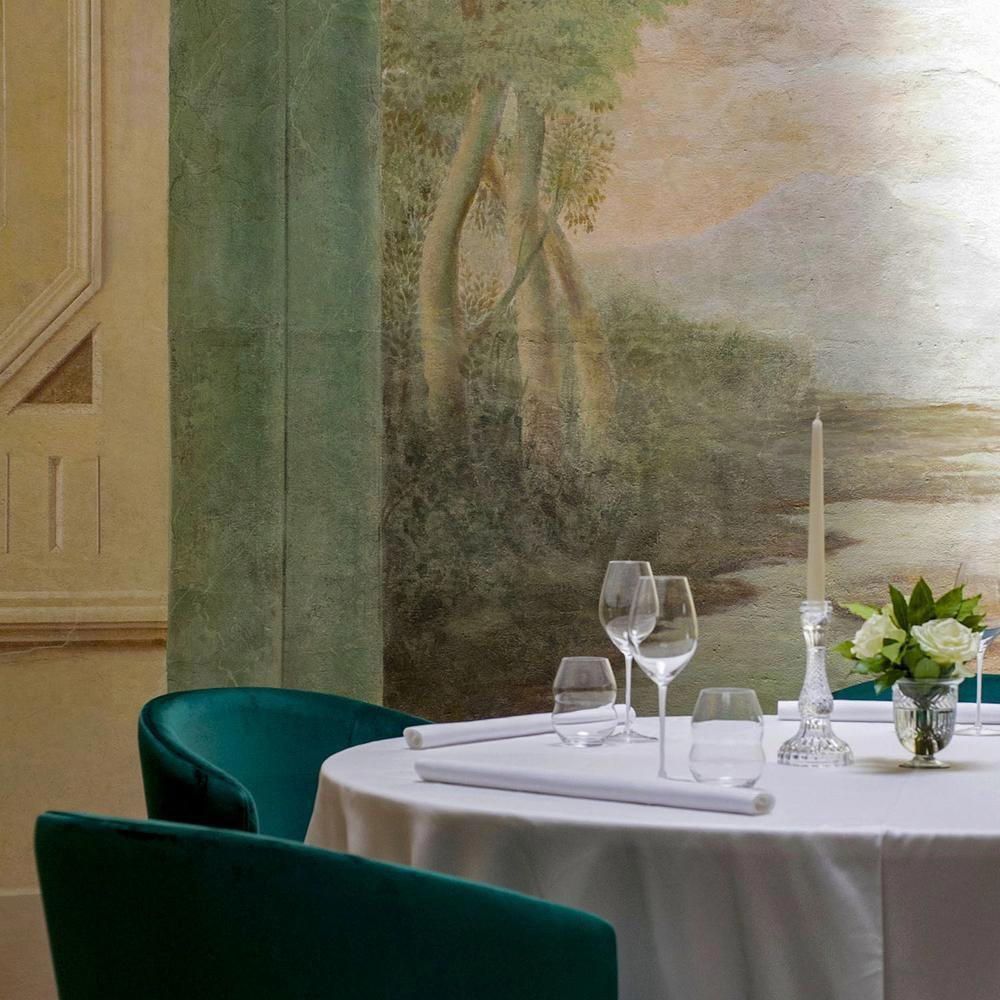
Bars in Taormina
Browse all →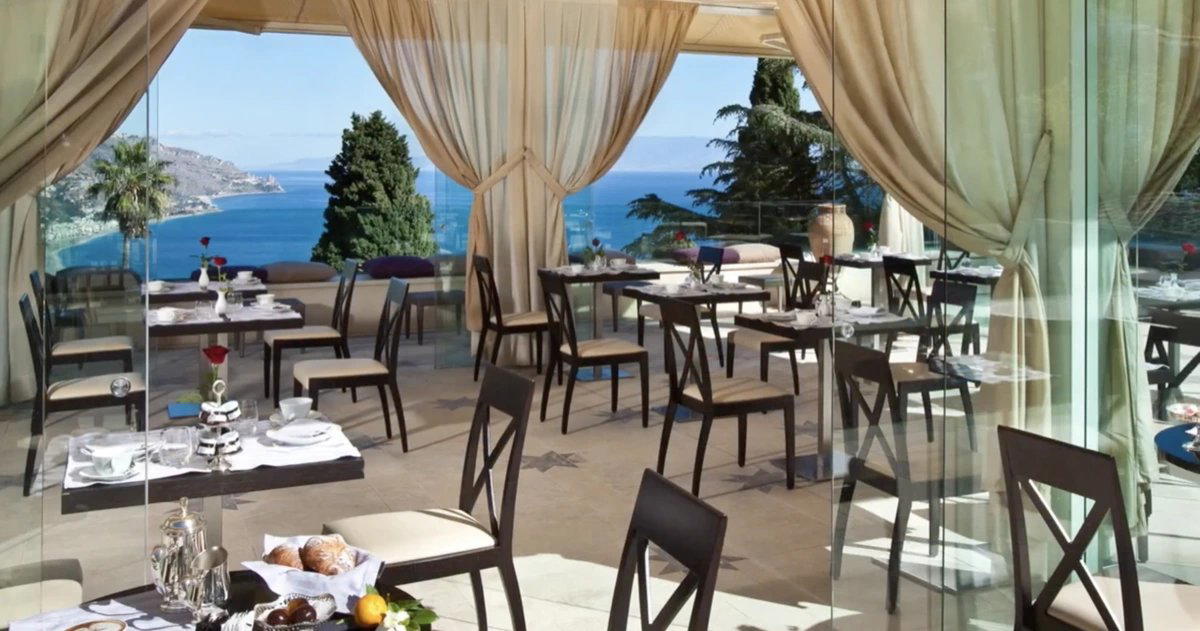
Hotels in Taormina
Browse all →

At a Glance
- Romantic
- Elegant
- Intimate
- Scenic
- Sophisticated
- Date Night
- Special Occasion
- Celebration
- Terrace
- Panoramic View
- Historic Building
- Hotel Restaurant
- Extensive Wine List
- Sommelier Led
- Local Sourcing
- Mountain
- Waterfront
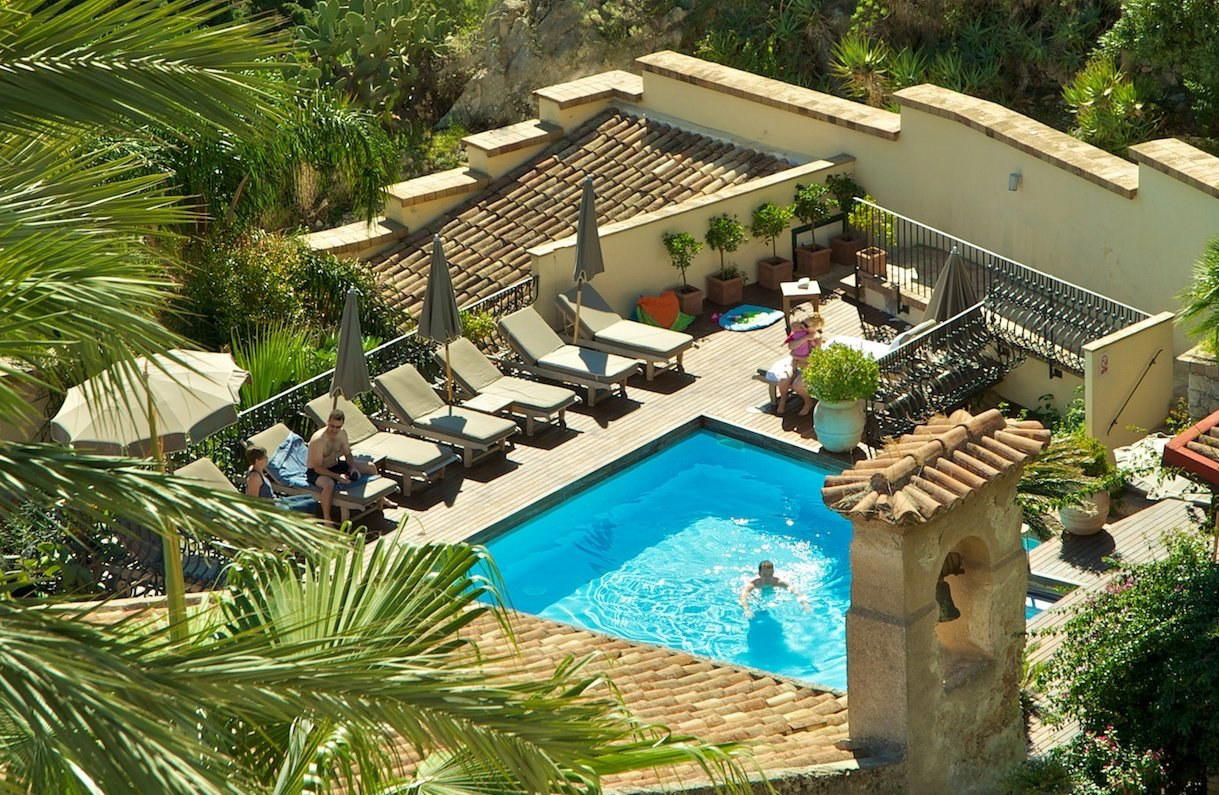
Elegant atmosphere reminiscent of Sicily’s old villas, with bougainvillea-adorned terrace, flickering oil lamps, and refined familial sophistication.