
A Michelin-starred address on Via Calapitrulli that evolved from a wine bar into one of Taormina's most considered contemporary Sicilian kitchens. Chef Dalila Grillo's cooking leans on Sicilian provenance with broader Mediterranean influences, supported by a wine list that remains the programme's spine.
Pearl is the En Primeur Club membership app — saves, bookings, and concierge access live there. Same editors, same standards.
- Address
- Via Calapitrulli, 13, 98039 Taormina ME, Italy
- Phone
- +39 0942 23658
- Website
- vineriamodi.com
- Directions
- Get directions
 Saves & bookings on Pearl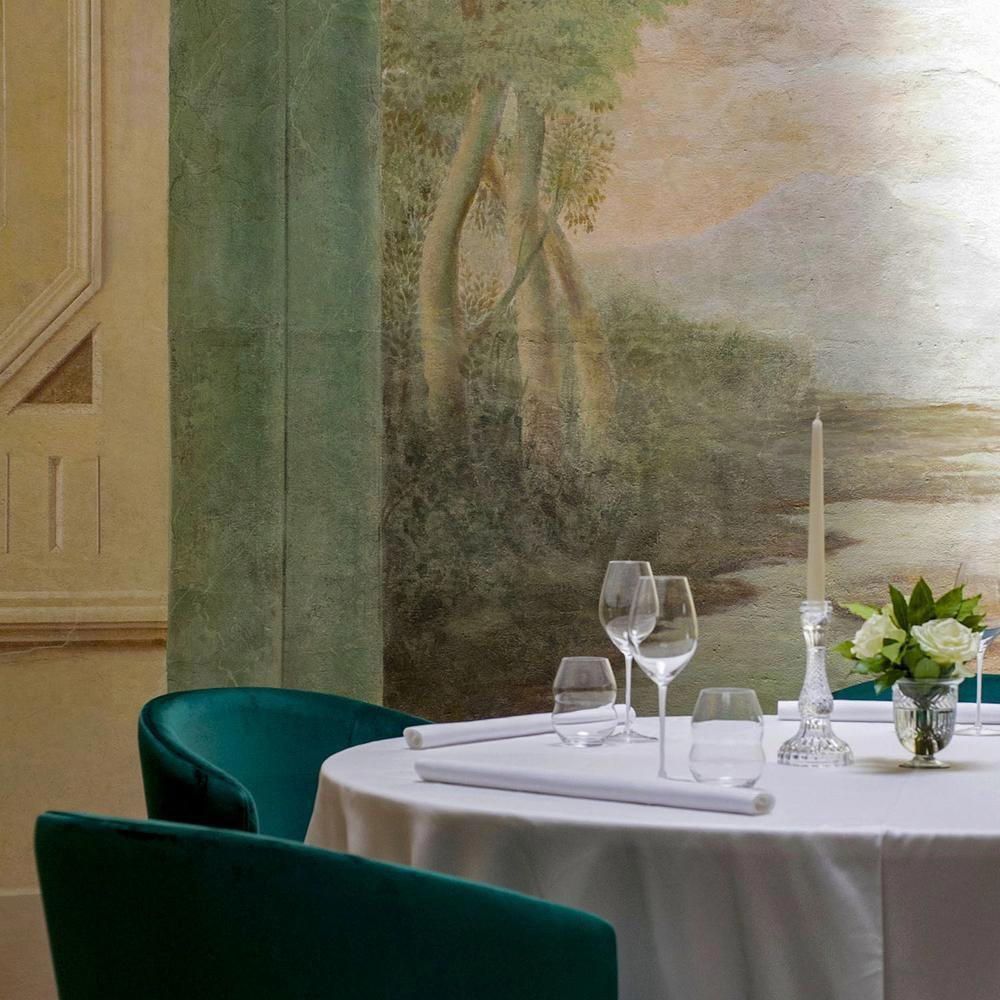
A Street That Hides Its Ambitions Well
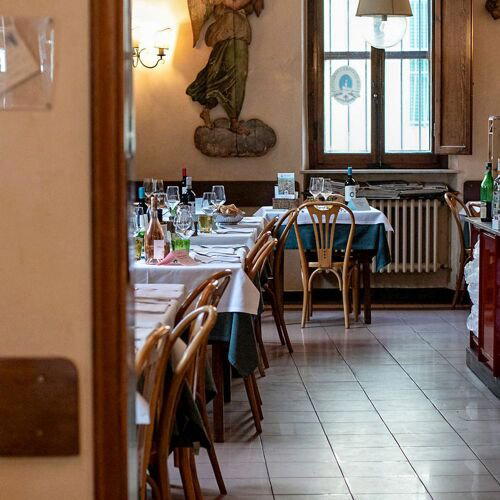
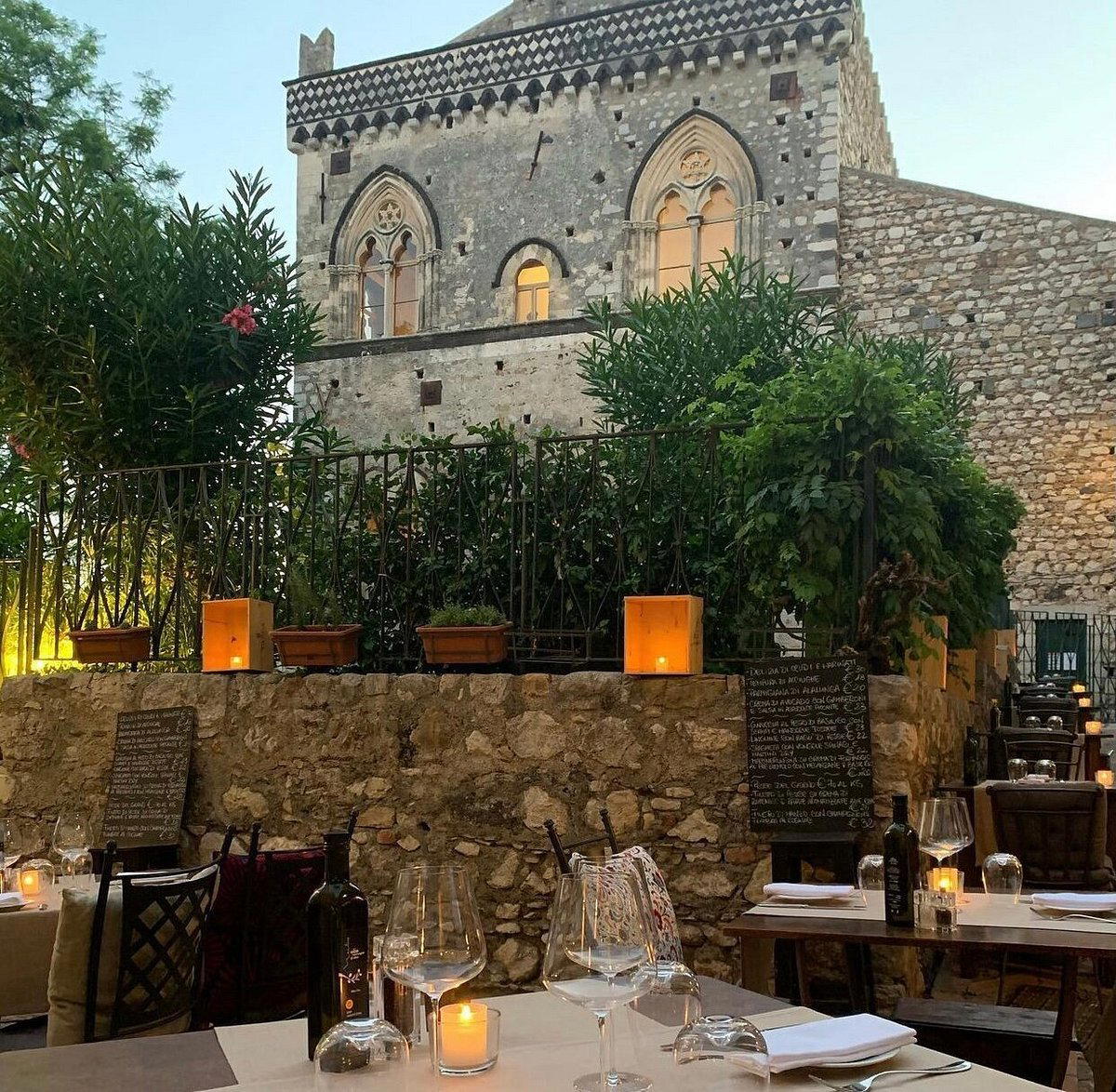
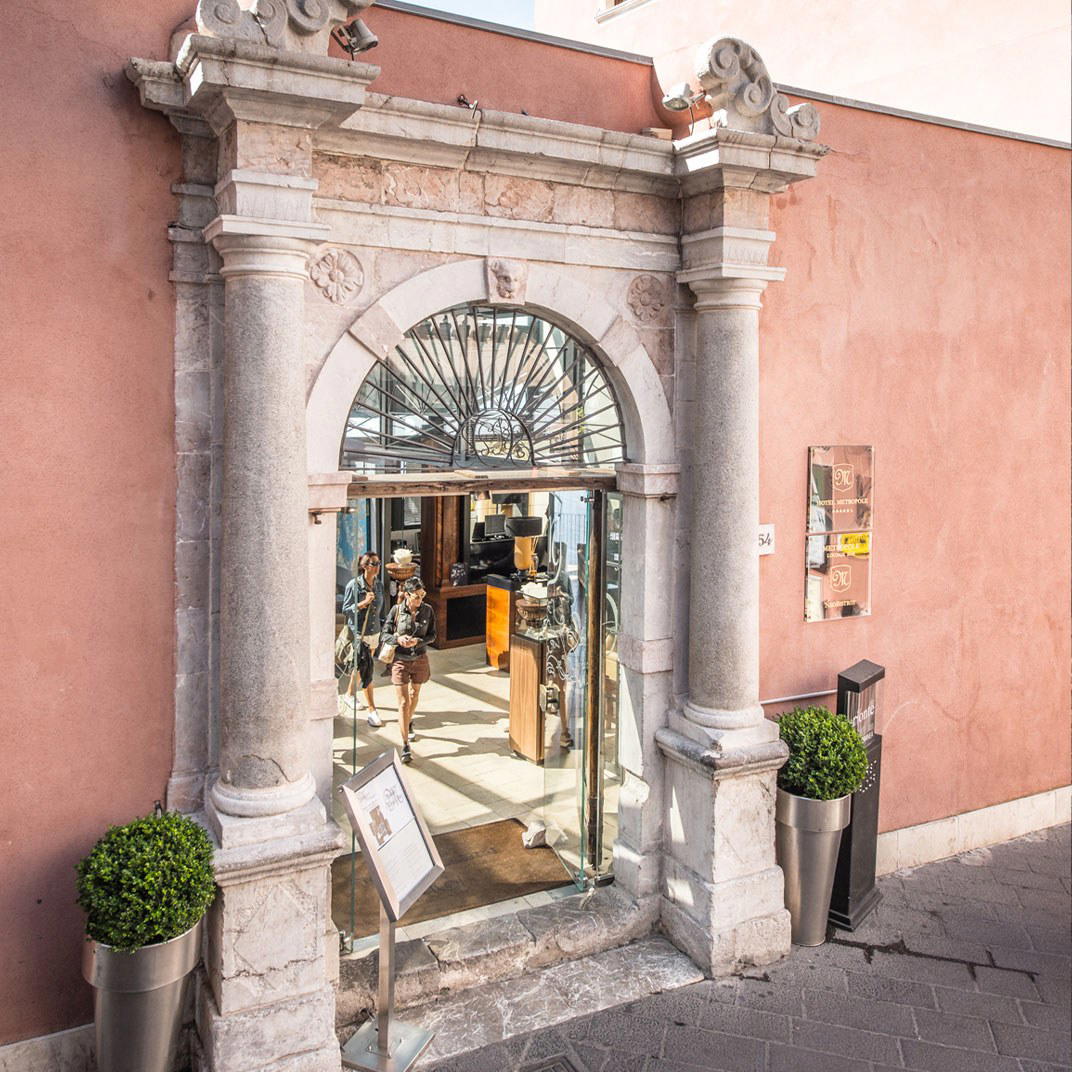
Via Calapitrulli sits close enough to Corso dello Struscio to catch the overflow of summer foot traffic, yet far enough removed from its luxury-brand storefronts that the street retains a residential scale. The approach to Vineria Modì reads like much of Taormina's historic centre: narrow, sun-bleached stone, the occasional potted plant at a doorway, and very little signage designed to impress. In summer, tables placed along the pedestrianised strip in front of the restaurant extend the dining room outward in a way that feels natural rather than staged, with the low ambient noise of the old town rather than a curated soundtrack.
That restraint is deliberate. Taormina's premium dining tier has bifurcated sharply in recent years: on one side sit the grand-hotel rooms, where altitude views and brand heritage carry as much weight as the plate; on the other, a smaller cohort of destination-independent kitchens where the food carries the argument.
From Wine Bar to Starred Kitchen: What the Lineage Tells You
Across Italy, some of the most interesting contemporary restaurants have wine-bar origins, and the pattern is not accidental. Wine-first establishments tend to build their food programmes around what the cellar demands rather than the other way around. That discipline produces a different kind of kitchen: one where sauce weights, acidity, and fermentation matter as structural elements, not as afterthoughts. Enoteca Pinchiorri in Florence is the most cited example of this trajectory at the top of the Italian system, but the logic applies at every price tier.
At Vineria Modì, the wine-bar provenance is still visible in how the programme is structured. The wine list remains an anchor, assembled with the kind of care you see in dedicated enoteca operations rather than in restaurants where the sommelier list is a secondary commercial concern. Front-of-house is managed by Ettore Grillo, whose presence as a family member of the chef signals something about how the operation runs: decisions about wine and service are made by people with a direct stake in the kitchen's identity, not by hotel-group staffing hierarchies.
The Cooking: Sicilian Provenance as the Governing Logic
Sicily's culinary identity is inseparable from its ingredient calendar. The island sits at the confluence of North African, Arab, Norman, and Spanish food cultures, and that layering produced an agricultural tradition of remarkable specificity: capers from Pantelleria and Salina that carry protected designation; pistachios from Bronte with a fat content and flavour profile that distinguishes them from any mainland equivalent; anchovies from Sciacca; almonds from Noto; wild oregano from the Nebrodi mountains. This is the pantry that Sicilian cooking, at its most considered, draws from.
Chef Dalila Grillo's kitchen operates within that Sicilian framework while admitting influences from elsewhere in the Mediterranean and beyond. The menu format gives structural evidence of ambition: guests choose between two tasting menus or an à la carte, from which a minimum of three courses must be ordered. That minimum-course requirement is a common signal in this tier of Italian restaurant — it indicates that the kitchen is building progression into the meal rather than allowing it to be reduced to a single plate. The two tasting menus extend that logic further, building coherence across the full arc of a sitting.
Otto Geleng and Principe Cerami operate at the €€€€ tier, carrying the overhead and aesthetic of grand-hotel dining. St. George by Heinz Beck brings a named international chef into the equation, with pricing and format to match. Vineria Modì at €€€ sits one bracket below on price while holding the same Michelin recognition, which places it in an interesting position for travellers who want to eat across multiple starred rooms during a stay rather than concentrating their budget in one.
For a comparable approach in the broader Italian contemporary scene, Agli Amici in Rovinj and L'Olivo in Anacapri offer useful reference points: coastal Italian kitchens where local provenance governs the menu architecture and the wine programme is integral rather than decorative. Further north, Dal Pescatore in Runate and Atelier Moessmer Norbert Niederkofler in Brunico represent the regional-ingredient-led model taken to its most committed expression.
The Wine List as Evidence
Sicily's wine identity has shifted considerably over the past two decades. The island spent much of the late twentieth century producing bulk wine for blending elsewhere in Italy and France; the turn toward estate bottling, appellation identity, and lower-intervention winemaking gathered pace in the 1990s and has produced a generation of producers — working with Nerello Mascalese on Etna, Nero d'Avola in the south, Carricante for whites on the volcano's eastern slopes, whose wines now sit credibly alongside those of Piedmont and Tuscany on serious Italian lists.
A wine programme that grew out of the passion and institutional memory of a wine bar is well-positioned to represent that story with depth. The staff's engagement with the list, which is noted consistently in the awards documentation, is a meaningful practical signal: a team that knows the cellar can navigate it for guests rather than defaulting to the top-margin bottles. In a region where the connection between volcanic soil, altitude, and finished wine is genuinely instructive, that knowledge translates directly into the quality of the evening.
Seasonal Timing and the Summer Terrace
Taormina is a high-season destination, with July and August bringing maximum crowd density to the corso and the hillside. The outdoor terrace at Vineria Modì overlooks a pedestrianised street, which means the summer experience is substantively different from the enclosed dining room: cooler air off the Ionian below, reduced ambient noise from traffic, and the particular quality of Sicilian evening light before it drops entirely. For visitors planning around that context, booking for June or September rather than peak August offers comparable outdoor conditions with more room in the booking window.
Service hours run Tuesday through Monday with a Wednesday closure, and Saturday extends to 10:30 PM last entry, offering slightly more flexibility for travellers working around day trips to Etna or the coast. The restaurant opens at 7 PM each evening, which aligns with an Italian rather than tourist-facing rhythm, arriving at opening gives access to the full menu without the compression that comes later in service.
Where It Sits in Taormina's Current Dining Order
Taormina's dining scene has not historically been associated with cooking of this ambition. The town's economic model is built on volume tourism, and the restaurants serving that market operate on very different terms. The emergence of a cluster of Michelin-recognised addresses, including La Capinera and the newer entrant Blum alongside the longer-established names, signals a structural change in what the town can offer travellers with serious food priorities.
Vineria Modì's particular contribution to that shift is its demonstration that wine-programme depth and kitchen ambition can coexist in the €€€ tier without the support of a hotel infrastructure. For travellers assembling a stay around Taormina's serious dining options, the full picture is available in our complete Taormina restaurants guide. Those building a wider itinerary can also consult our Taormina hotels guide, our bars guide, our wineries guide, and our experiences guide for a complete read on what the area offers beyond the table. Elsewhere in the Italian starred network, Enrico Bartolini in Milan, Osteria Francescana in Modena, and Quattro Passi in Marina del Cantone offer useful reference points for the calibre of cooking this recognition tier represents nationally.
Planning Your Visit
Vineria Modì is at Via Calapitrulli, 13 in Taormina's historic centre, within easy walking distance of the main corso. The restaurant opens at 7 PM Thursday through Tuesday (closed Wednesday), with Saturday service running until 10:30 PM. Pricing sits at the €€€ tier, a meaningful step below the €€€€ addressed by the hotel-restaurant competitors.
In Context: Similar Options
| Venue | Cuisine | Price | Awards |
|---|---|---|---|
| Vineria ModìThis venue — the venue you are viewing | Italian Contemporary | €€€ | Michelin 1 Star |
| St. George by Heinz Beck | Creative | €€€€ | Michelin 2 Star |
| La Capinera | Sicilian | €€€ | Michelin 1 Star |
| Otto Geleng | Mediterranean Cuisine | €€€€ | Michelin 1 Star |
| Principe Cerami | Modern Cuisine | €€€€ | Michelin 1 Star |
| Kisté - Easy Gourmet | Modern Cuisine | €€ | Modern Cuisine, €€ |
Recognition history
Dated appearances from independent guides and award organizations, with the underlying list record or original source where available.
Michelin 1 Star
Michelin
Michelin 1 Star
Michelin
Michelin 1 Star
Michelin
Continue exploring
More in Taormina
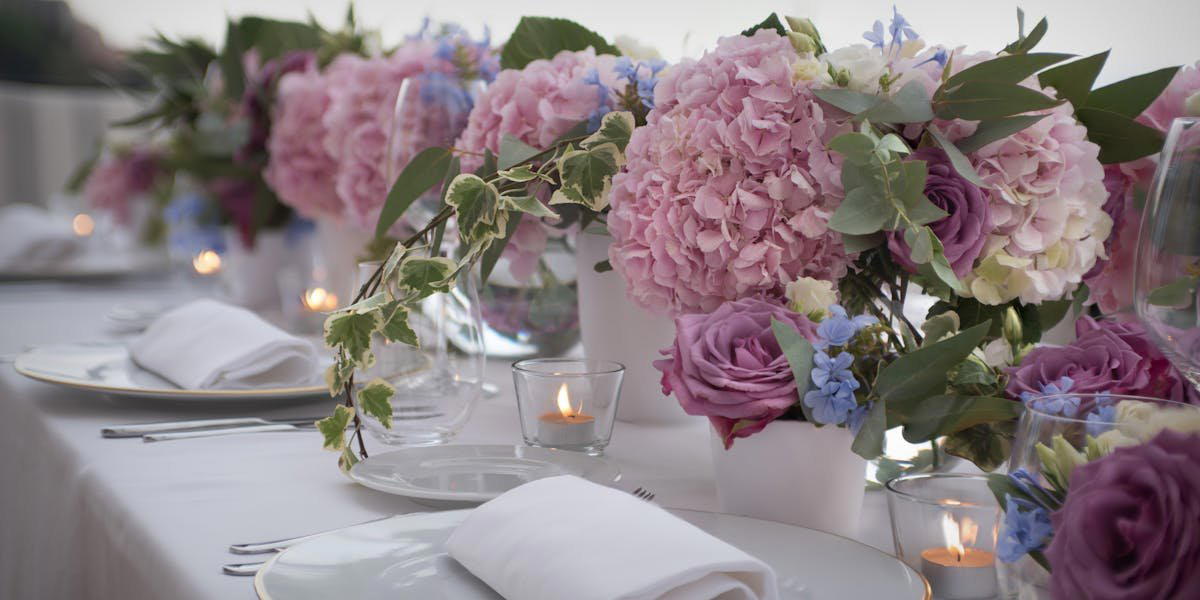
Restaurants in Taormina
Browse all →
Bars in Taormina
Browse all →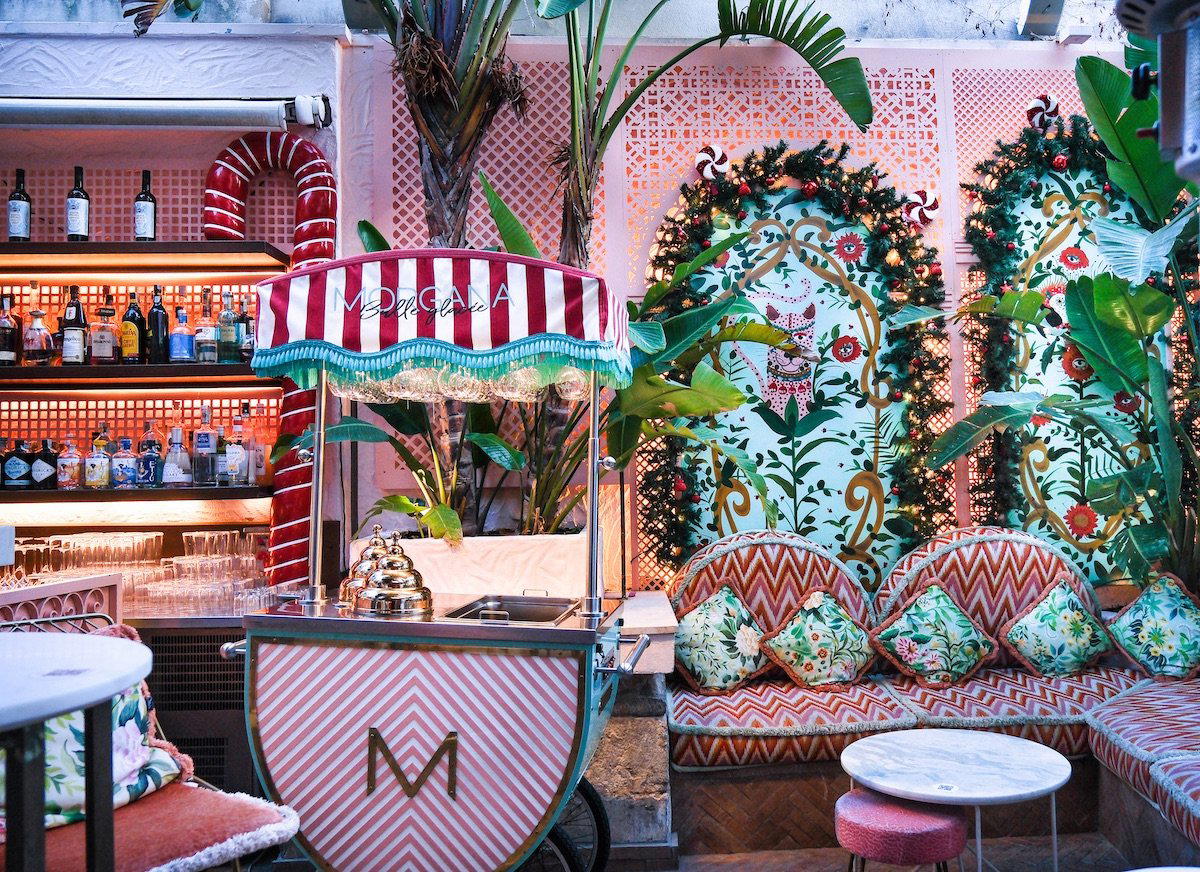
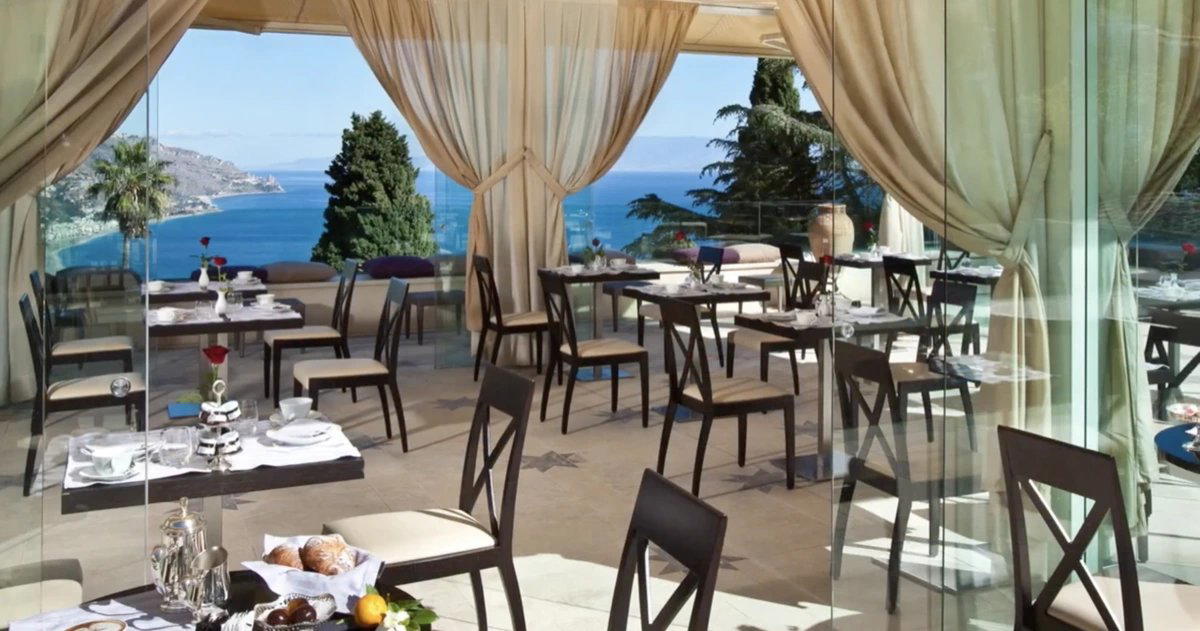
Hotels in Taormina
Browse all →

At a Glance
- Elegant
- Romantic
- Sophisticated
- Intimate
- Date Night
- Special Occasion
- Celebration
- Terrace
- Extensive Wine List
- Sommelier Led
- Local Sourcing
- Street Scene
Current opening hours
- Monday
- Closed
- Tuesday
- 7–10 PM
- Wednesday
- 7–10 PM
- Thursday
- 7–10 PM
- Friday
- 7–10 PM
- Saturday
- 7–10:30 PM
- Sunday
- 12:30–3 PM
Hours can change for holidays and private events. Last verified .
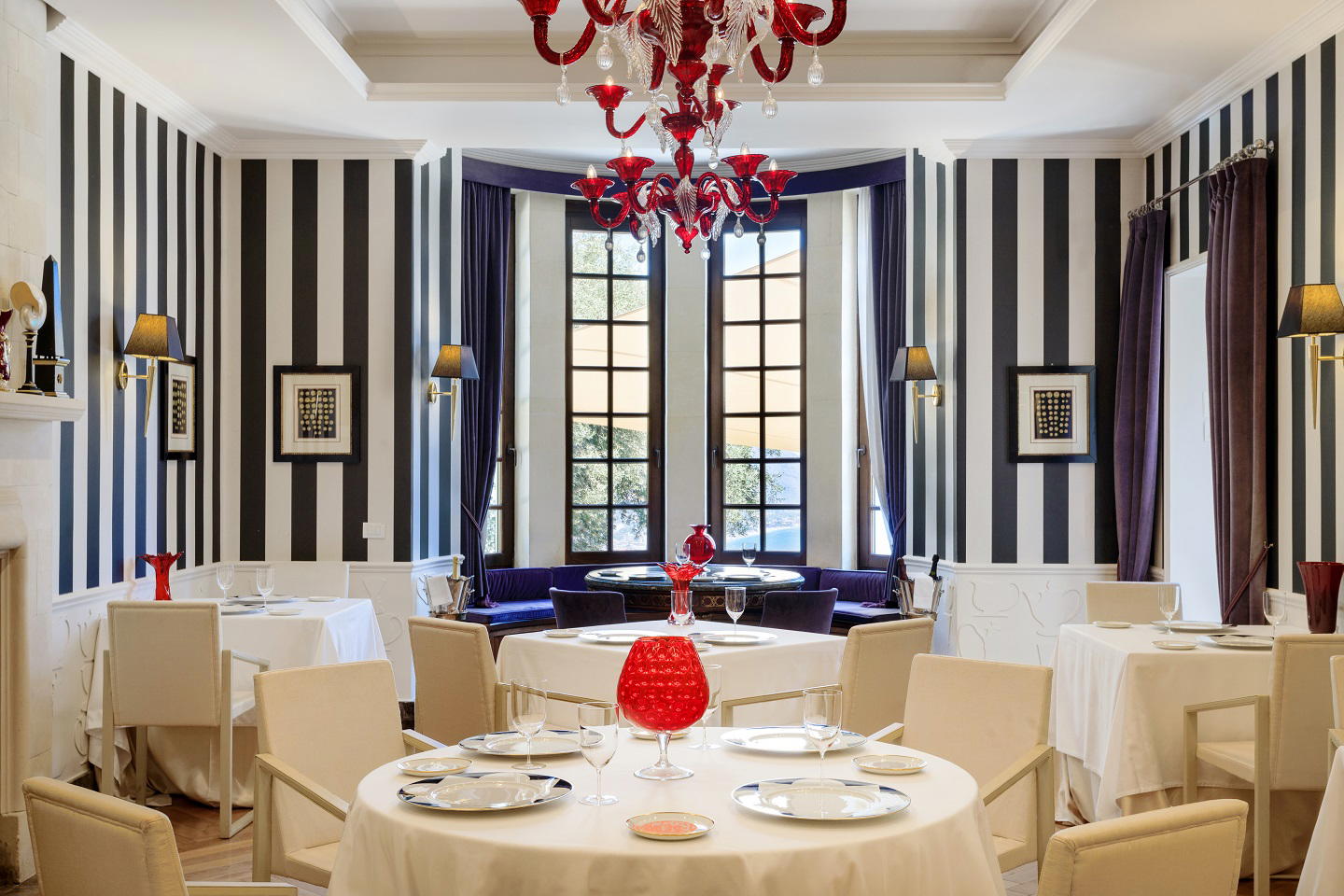
Calm and refined atmosphere with professional service and elegant dining room; charming outdoor patio overlooking a pedestrian street.
Know Before You Go
- Getting there
- Via Calapitrulli, 13, 98039 Taormina ME, Italy