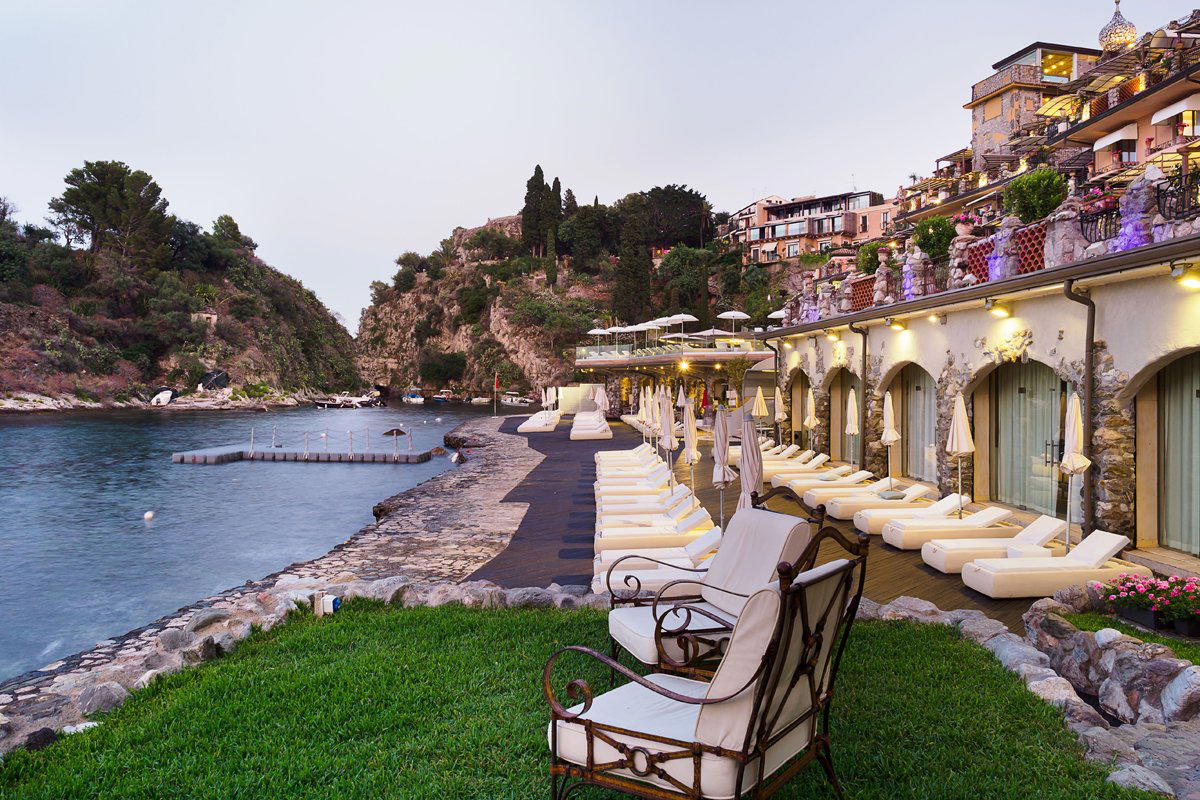
La Baia sits on Via Nazionale in Taormina, positioned where the Sicilian coastline asserts itself most directly onto the plate. Along this stretch of the Ionian shore, the sourcing question matters more than most: what arrives from local waters and Etna-facing farmland defines the character of any serious kitchen. La Baia occupies that conversation in a town where the dining scene ranges from tourist-facing trattorias to destination-level fine dining.
Pearl is the En Primeur Club membership app — saves, bookings, and concierge access live there. Same editors, same standards.
- Address
- Via Nazionale, 149, 98039 Taormina ME, Italy
- Phone
- +39 0942 21276
- Directions
- Get directions
 Saves & bookings on Pearl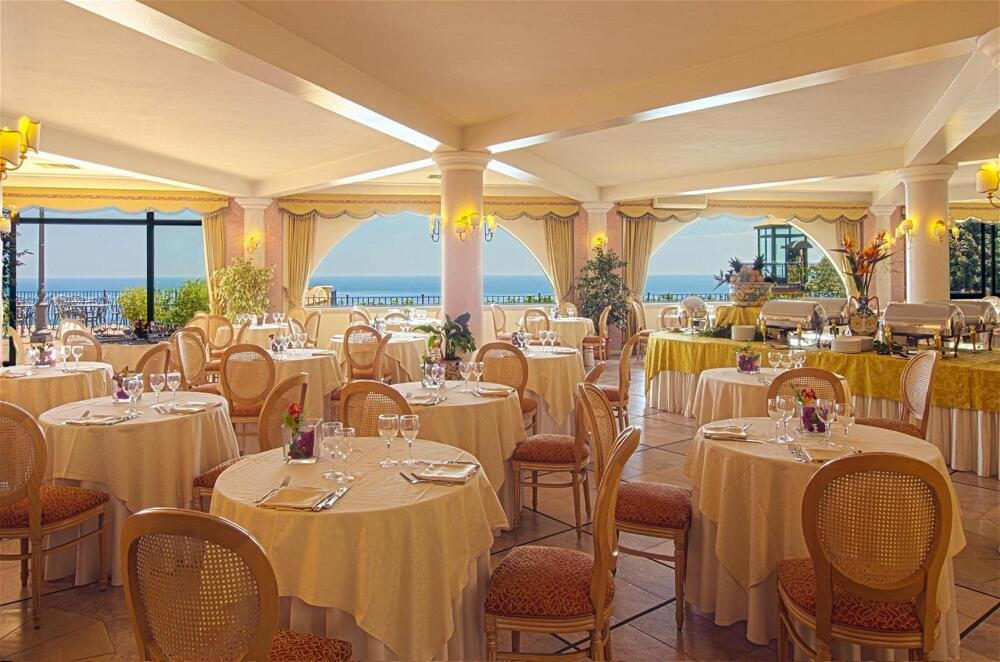
Where the Ionian Shore Meets the Table
Taormina sits on a promontory above the Ionian Sea, and that geography does more than provide a view. It positions the town at the intersection of two distinct sourcing traditions: the deep-water fishing grounds off Sicily's eastern coast, and the volcanic farmland that climbs toward Etna to the west. Kitchens that understand this dual inheritance tend to cook differently from those that simply import a generic southern Italian repertoire. La Baia, on Via Nazionale 149, sits within reach of both the coastal road connecting it to the fishing activity below and the Sicilian interior a short distance inland.
The dining scene in Taormina has stratified considerably over the past decade. At the upper tier, you find places like St. George by Heinz Beck, operating at the €€€€ level with a creative European framework, and Otto Geleng, which applies Mediterranean cuisine to Sicilian ingredients at a comparable price point. Principe Cerami offers modern cuisine in the same bracket. Below that, La Capinera and Vineria Modì hold down the €€€ tier with Sicilian and Italian contemporary formats respectively. La Baia enters this conversation from Via Nazionale, a corridor that has historically served both locals navigating between Taormina's hilltop centro and the Giardini-Naxos coast below, and visitors following the shoreline rather than the tourist circuits higher up.
The Sourcing Logic of a Coastal Sicilian Kitchen
Across coastal Sicily, the leading kitchens operate with a sourcing discipline that is part practical and part philosophical. The Ionian waters off Taormina yield swordfish, sea bream, red mullet, and seasonal shellfish that arrive with a shorter cold chain than anything shipped to mainland Italy. That proximity changes what a cook can do: fish served the same day it was landed behaves differently in texture and flavor than product that has travelled. Kitchens that build their menus around this reality tend toward simplicity in technique, not because simplicity is easier, but because the ingredient itself carries the argument.
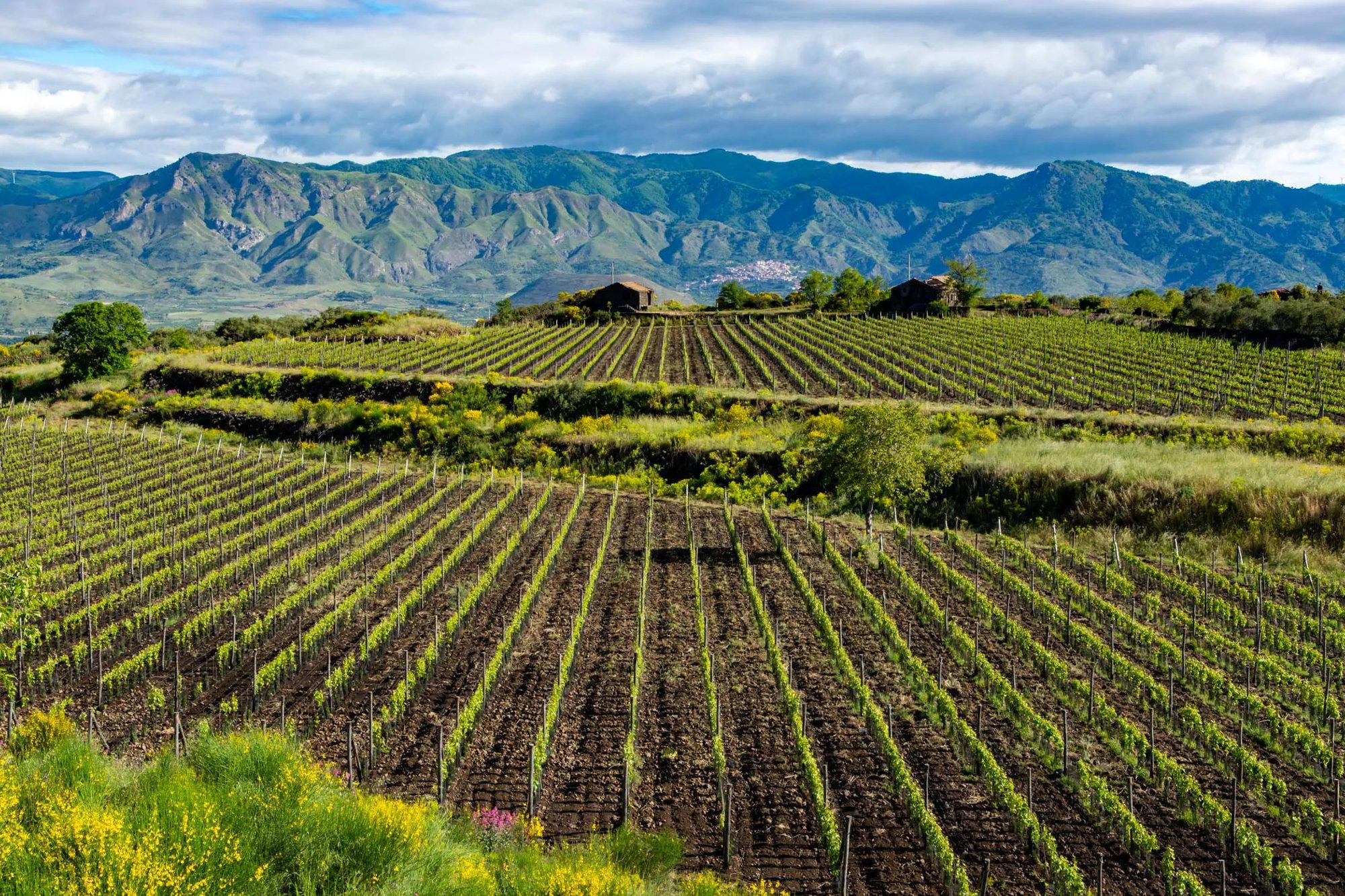
The agricultural dimension is equally specific. Etna's volcanic soils produce tomatoes, pistachios, and herbs with a mineral intensity that distinguishes them from produce grown in flatter, less geologically active terrain. Capers from the Aeolian Islands, almonds from the Agrigento interior, and citrus from the slopes between Taormina and Catania round out a sourcing map that any kitchen in this part of Sicily can theoretically access, but few use with the same consistency. The question for any dining room along this stretch of coast is how deliberately it engages that geography, and how much of the plate reflects what is actually growing and swimming within a realistic radius.
Italy's dining conversation at the highest level has increasingly centered on this kind of regional specificity. Restaurants like Atelier Moessmer Norbert Niederkofler in Brunico have built entire formats around hyper-local Alpine sourcing. Dal Pescatore in Runate has maintained a Po Valley identity across generations. Uliassi in Senigallia has made Adriatic seafood the primary lens for its three-Michelin-star kitchen. The pattern repeats: Italy's most distinctive kitchens tend to be the ones most deeply embedded in a specific terrain. That principle applies as much to a Taormina address as it does to Emilia-Romagna or the Alto Adige.
Taormina's Dining Geography in Practice
For a visitor arriving in Taormina, the practical geography of eating here is worth understanding. The hilltop centro, where the Greek Theatre and the Corso Umberto concentrate tourist traffic, supports a dense cluster of restaurants, many of which price for the view rather than the kitchen. The Via Nazionale corridor below operates at a different pace, more connected to the working rhythms of the Sicilian coast than to the day-tripper economy above. This distinction matters when choosing where to eat: a dining room on the lower road tends to draw a different clientele and, often, a different sourcing relationship with the surrounding area.
The broader Italian dining circuit provides useful reference points for understanding what ambition looks like at different scales. Osteria Francescana in Modena operates as a benchmark for Italian cuisine at the global level. Piazza Duomo in Alba and Le Calandre in Rubano anchor their respective northern regions with comparable rigor. In the south, Reale in Castel di Sangro has built a case for Abruzzo's ingredient depth. Sicily's case for the same kind of recognition is built on precisely the sourcing logic described above, and Taormina, with its dual access to sea and volcanic farmland, sits in a particularly strong position to make that argument. Venues like Quattro Passi in Marina del Cantone illustrate how a coastal Italian address can anchor a serious kitchen on the strength of its immediate maritime geography alone.
Further afield, rooms like Enoteca Pinchiorri in Florence, Enrico Bartolini in Milan, Le Bernardin in New York City, and Lazy Bear in San Francisco set the international frame for what ingredient-driven cooking can achieve at the highest level of execution. They are not direct comparisons for a Taormina address, but they define the vocabulary, precision, provenance, restraint, that increasingly shapes expectations for serious dining anywhere.
Planning Your Visit
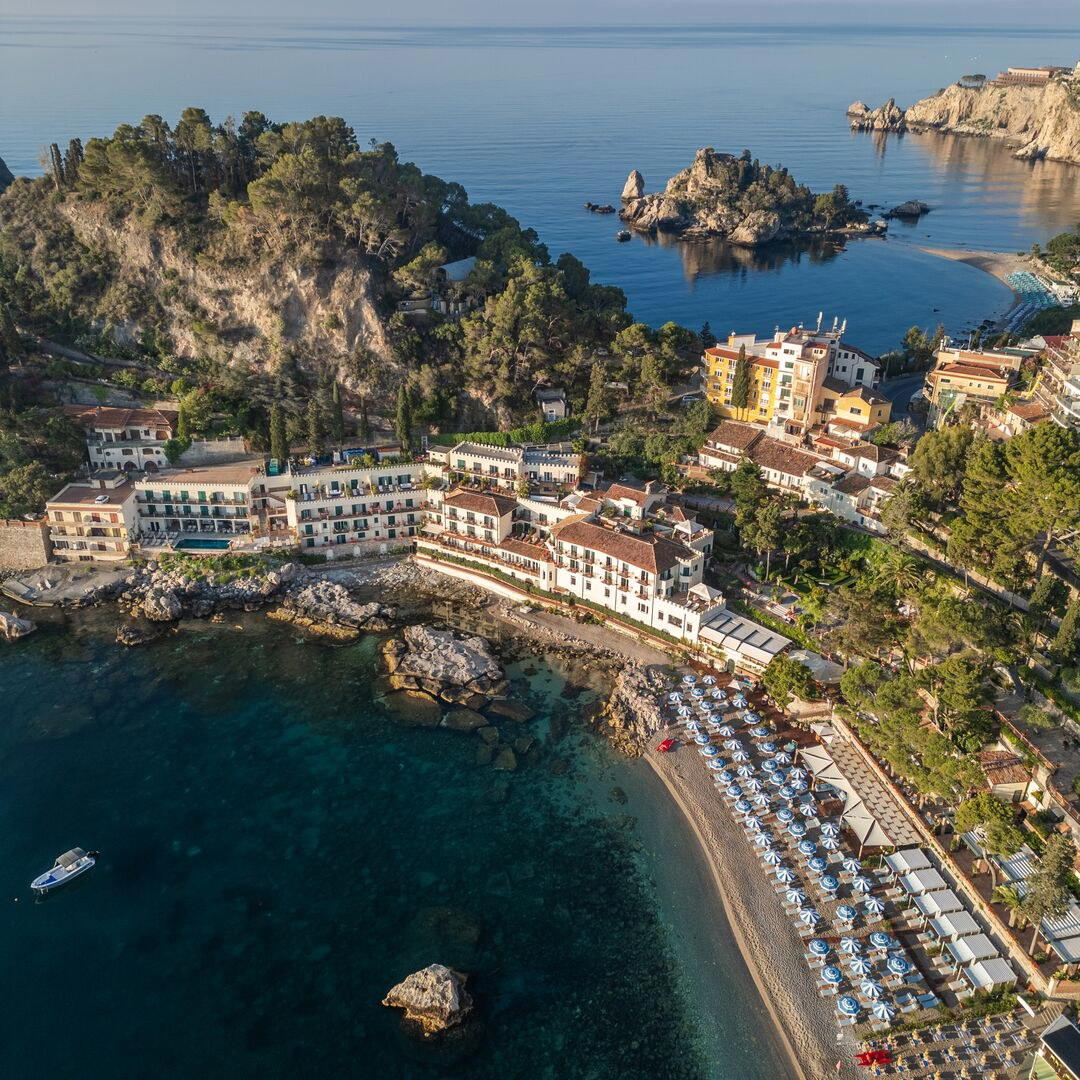
La Baia is located at Via Nazionale 149 in the Taormina municipality, on the coastal road that runs below the hilltop centro. Reaching it from central Taormina typically involves descending toward the sea, either by the funicular to Mazzarò or by road. The address places it within the working coastal strip rather than the tourist centro, which affects both the atmosphere and the practical logistics of getting there and back.
Comparison Snapshot
Comparable venues nearby, for context on price, style, and recognition.
| Venue | Cuisine | Price | Awards | Notes |
|---|---|---|---|---|
| La BaiaThis venue — the venue you are viewing | Italian Pizza with Sea Views | $$ | Not listed | Not listed |
| Osteria Nero d'Avola | Traditional Sicilian Osteria | $$$ | Not listed | Taormina |
| Malvasia | Traditional Sicilian Trattoria | $$ | Not listed | Central Taormina |
| Osteria Rosso Divino | Modern Sicilian Seafood Osteria | $$$ | Not listed | Historic Center |
| Blum | Modern Sicilian Fine Dining | $$$$ | Michelin Plate | Mazzarò |
| Kisté - Easy Gourmet | Modern Sicilian Gourmet | $$$$ | Michelin Plate | Taormina |
Continue exploring
More in Taormina
Restaurants in Taormina
Browse all →
Bars in Taormina
Browse all →
Hotels in Taormina
Browse all →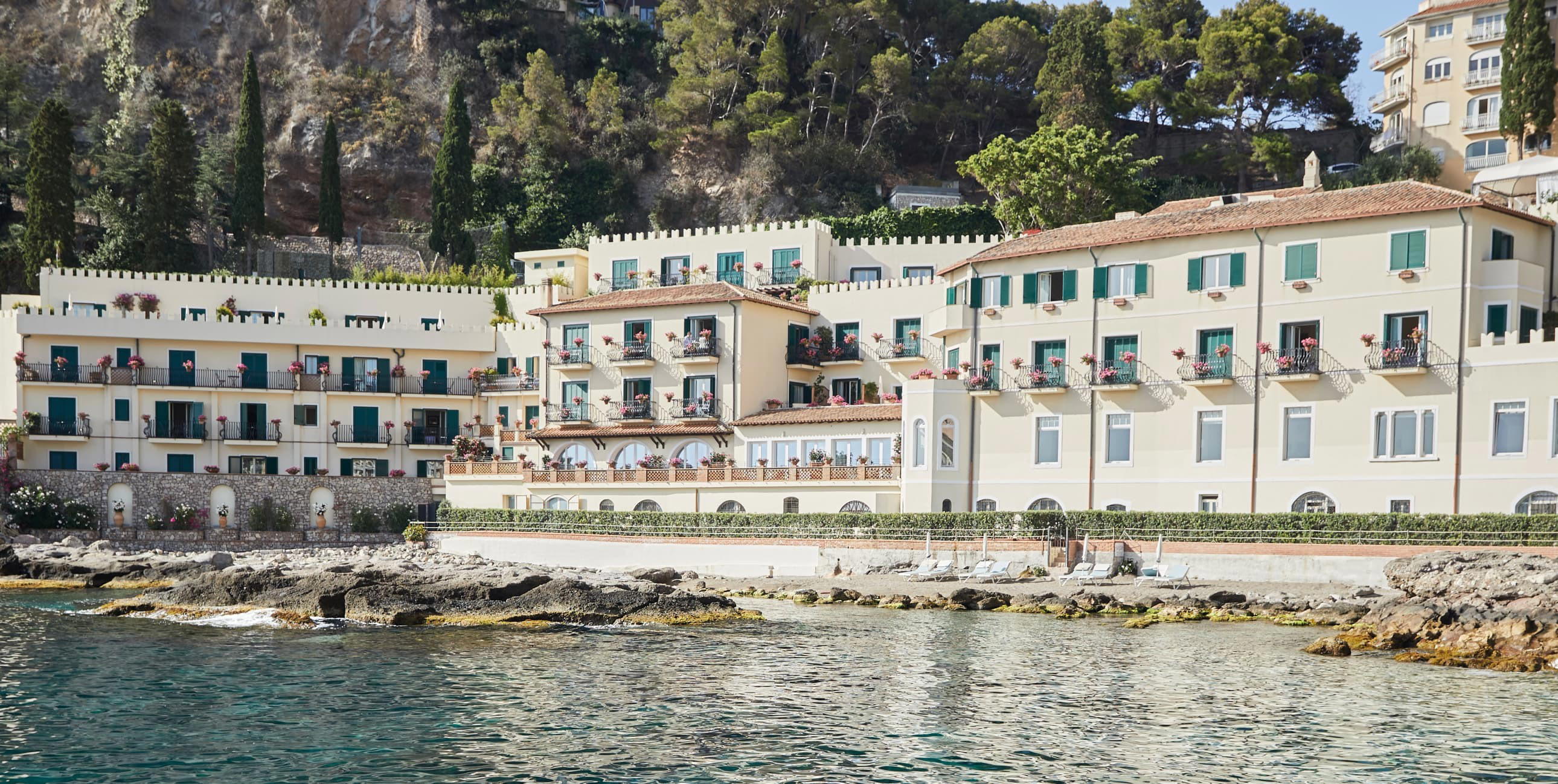
At a Glance
- Scenic
- Elegant
- Family
- Casual Hangout
- Terrace
- Waterfront
- Waterfront
Current opening hours
- Monday
- 8:30 AM–7:30 PM
- Tuesday
- 8:30 AM–7:30 PM
- Wednesday
- 8:30 AM–7:30 PM
- Thursday
- 8:30 AM–7:30 PM
- Friday
- 8:30 AM–7:30 PM
- Saturday
- 8:30 AM–7:30 PM
- Sunday
- 8:30 AM–7:30 PM
Hours can change for holidays and private events. Last verified .
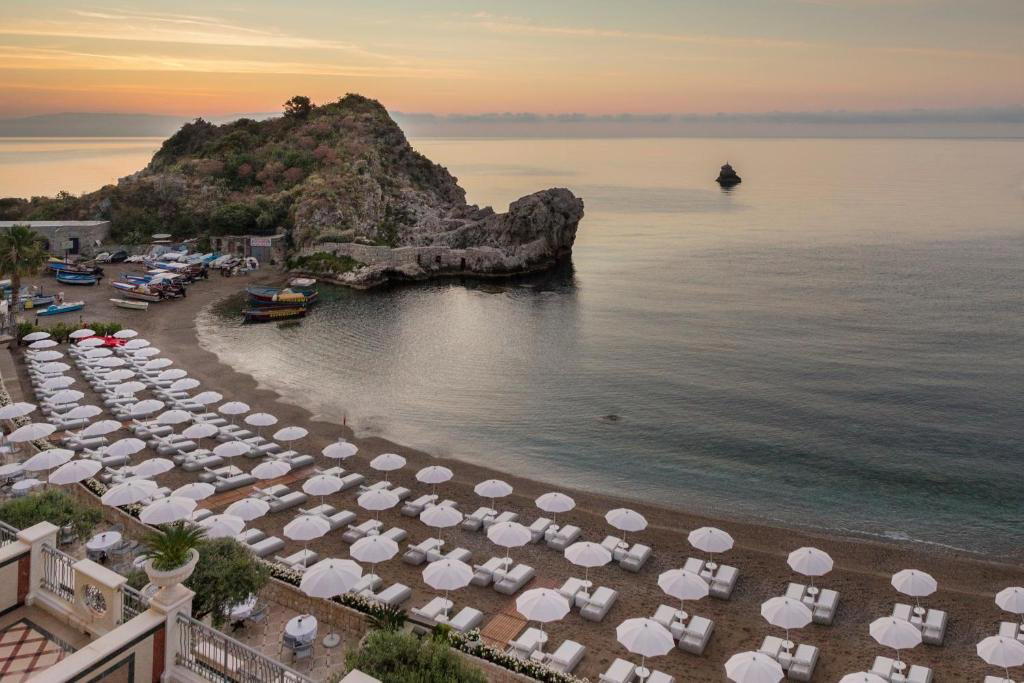
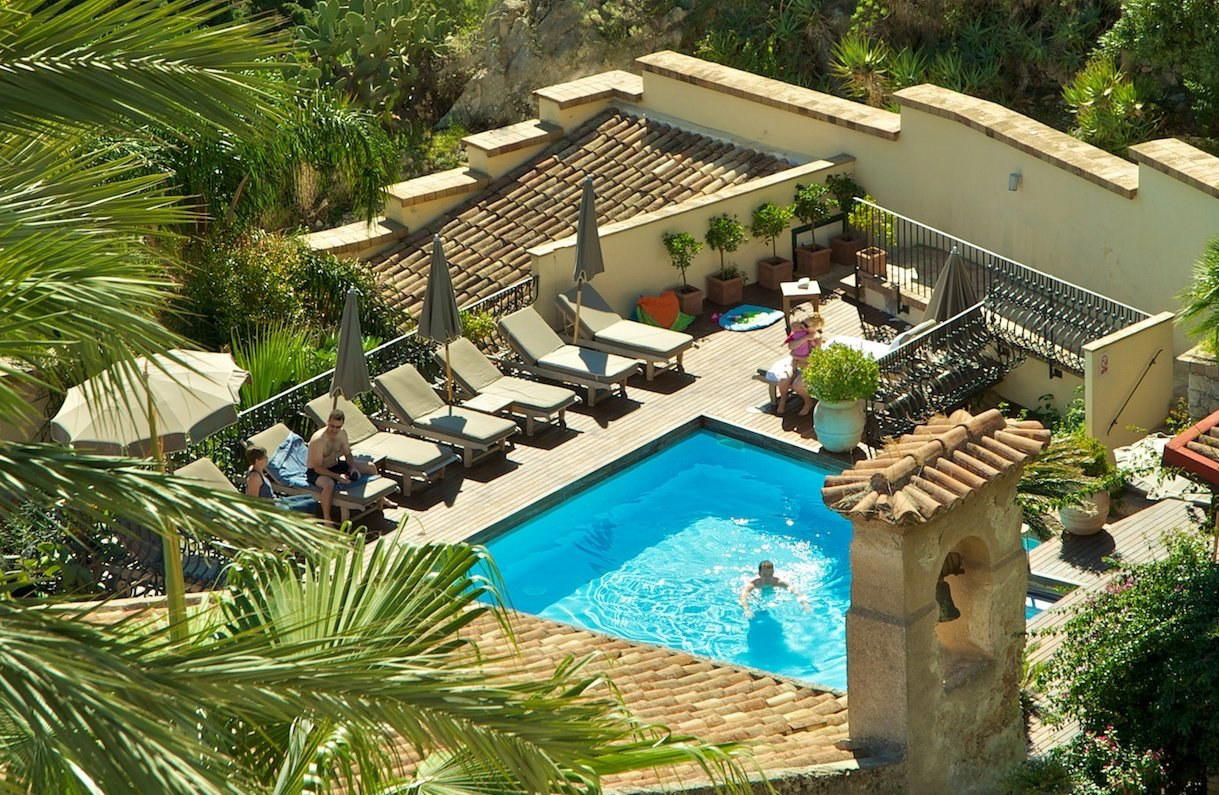
Pleasant terrace atmosphere with scenic views and relaxed service.