

Osteria Rosso Divino sits on Via De Spuches in the historic centre of Taormina, earning a White Star recognition from Star Wine List in 2024 for the depth of its wine program. The osteria format places it in a different register from the town's high-ticket tasting-menu restaurants, with a focus on Sicilian and Italian wine culture alongside the kitchen.
Pearl is the En Primeur Club membership app — saves, bookings, and concierge access live there. Same editors, same standards.
- Address
- Via De Spuches, 8, 98039 Taormina ME, Italy
- Phone
- +39 0942 628653
- Website
- facebook.com
- Directions
- Get directions
 Saves & bookings on Pearl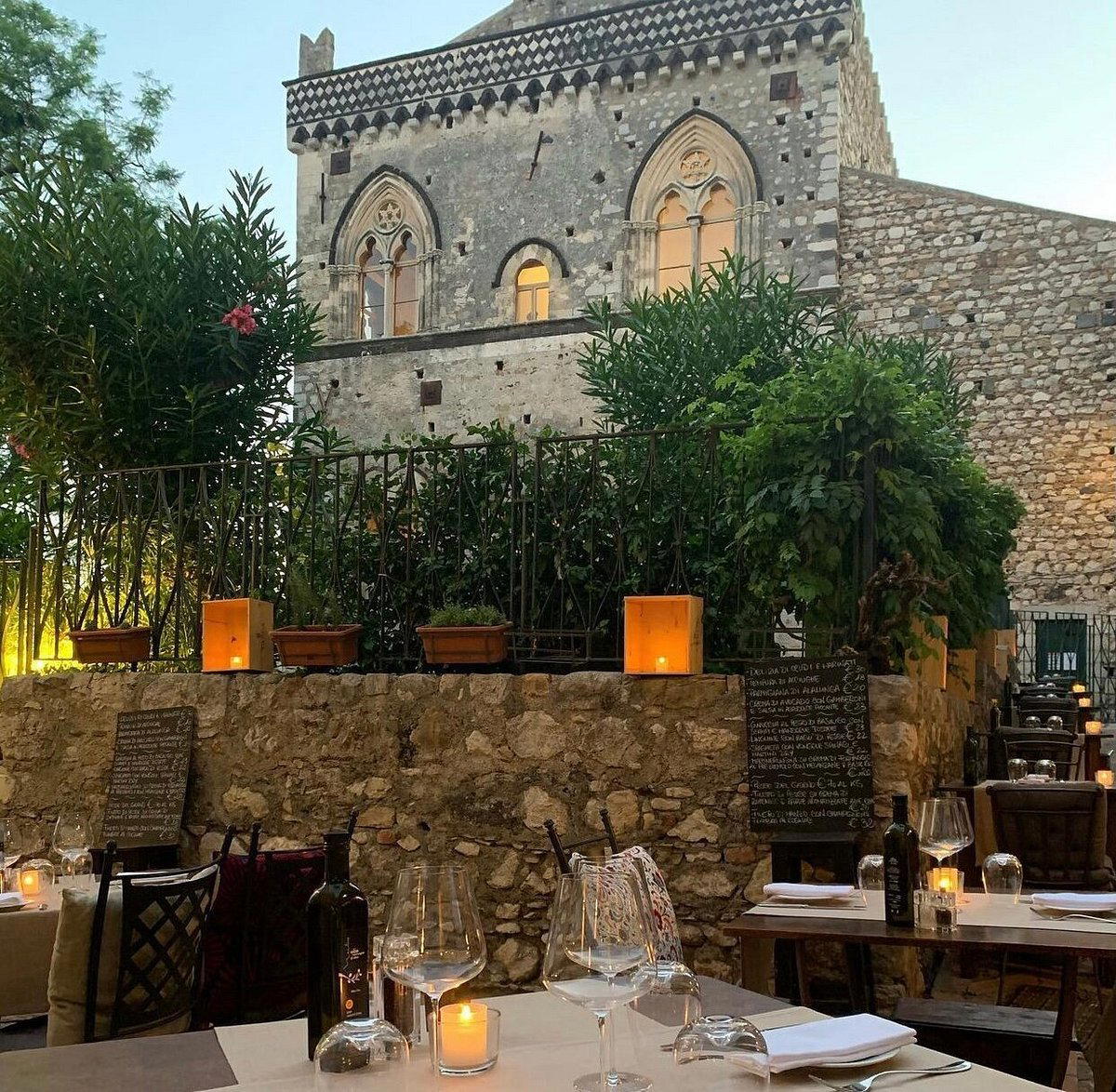
Wine Culture at the Table in Taormina's Old Town
Taormina's dining scene sorts itself into recognisable tiers. At the upper end sit the grand-hotel restaurants and Michelin-recognised tables: St. George by Heinz Beck, Otto Geleng, and Principe Cerami all occupy the €€€€ bracket. Below that sits a smaller, wine-led middle tier, where the osteria format does something those grander rooms do not: it places the bottle at the centre of the conversation rather than as a supporting element. Osteria Rosso Divino, on the narrow Via De Spuches in the historic centre, operates in that register.
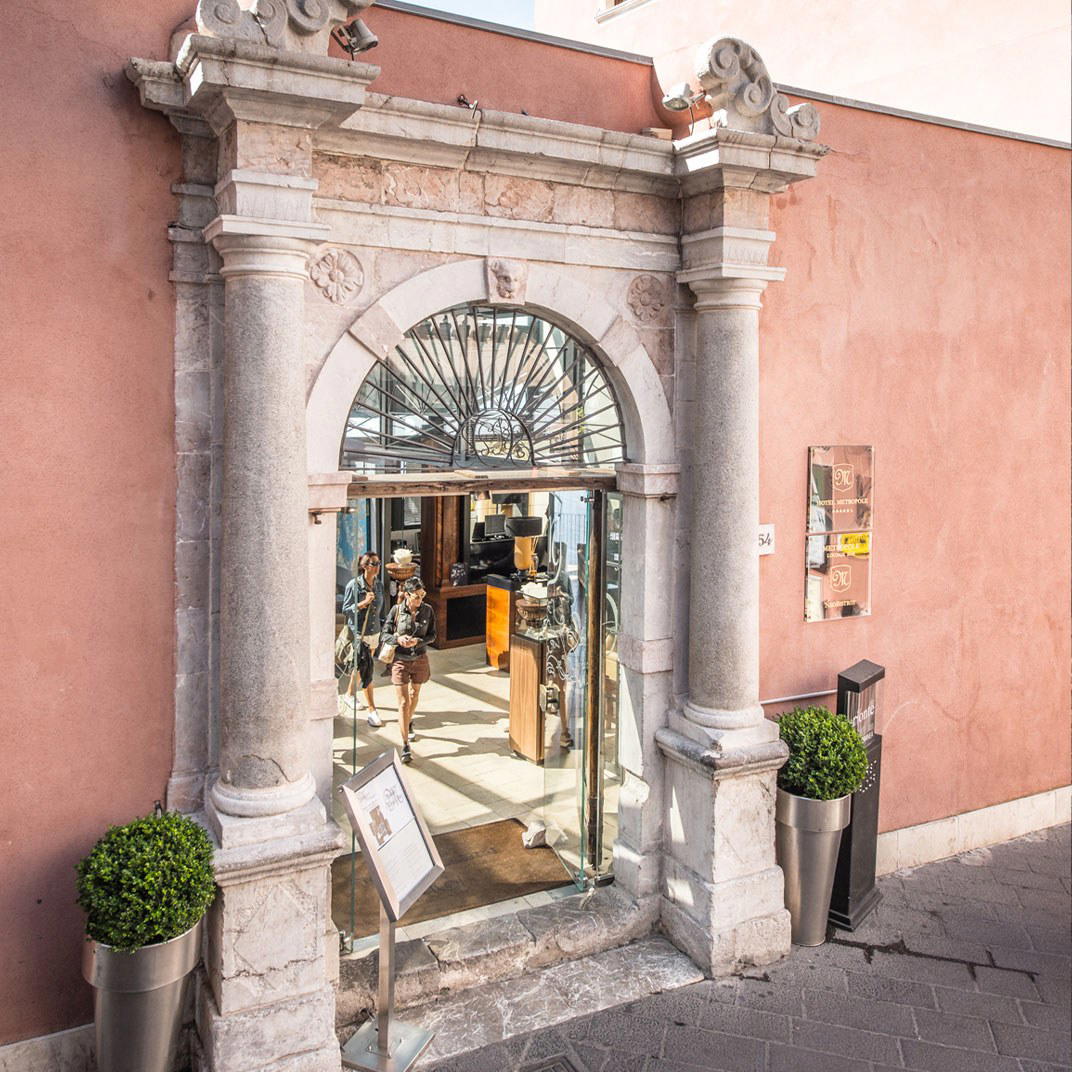
The address alone signals the approach. Via De Spuches runs through the older residential fabric of Taormina, away from the tourist-facing Corso Umberto strip. That positioning is consistent with how serious Italian wine bars have always operated: not on the main square, but close enough to be found by anyone who looks. The physical setting of Taormina's medieval grid, stone underfoot and facades overhead, provides the kind of ambient architecture that no designed interior quite replicates.
The Osteria Tradition and Where It Sits in Italian Wine Culture
The osteria format has a longer history in Italy than almost any other restaurant category. Originally simple taverns selling wine alongside basic food, the leading modern versions have evolved into something more considered: a room where wine selection is editorial, food is calibrated to accompany rather than overshadow, and the pace is set by the guest rather than the kitchen. Across Italy, the category now ranges from genuinely rough neighbourhood places to establishments with serious cellar programs and food that rivals dedicated restaurants.
What the Star Wine List White Star designation, awarded to Osteria Rosso Divino in September 2024, signals is that the wine program here falls into the more considered end of that spectrum. Star Wine List recognition is awarded for the quality and depth of a wine list rather than the food or the room, so the White Star functions as a specific credential: the selection has been assessed and found to meet a threshold that most restaurants in a tourist-heavy town like Taormina do not reach. For context, venues elsewhere in Italy operating at this level of wine seriousness include operations like Enoteca Pinchiorri in Florence and Osteria Francescana in Modena, though those sit in an entirely different size and prestige category. The point is that wine-list recognition is a specific, assessable signal rather than general praise.
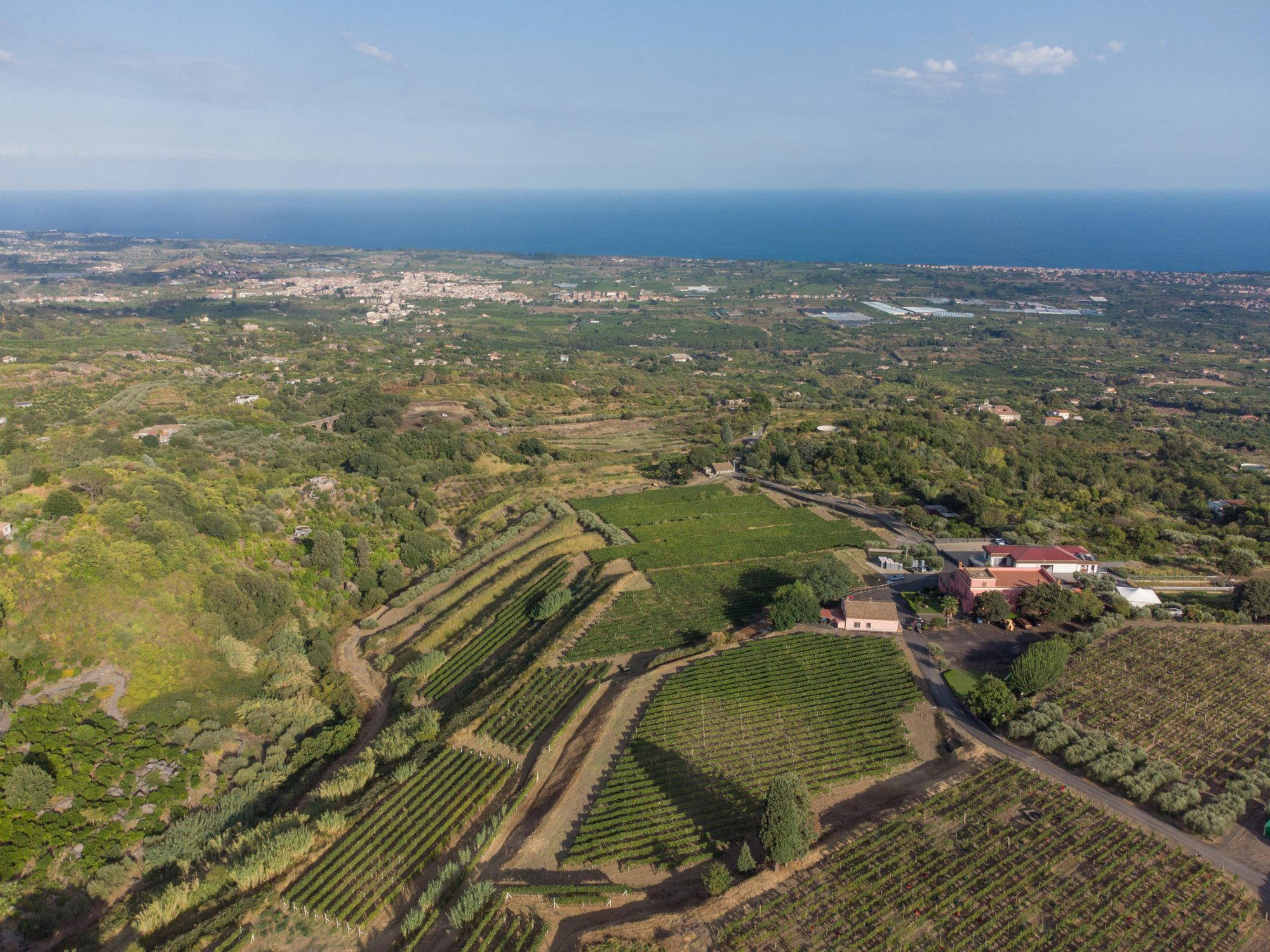
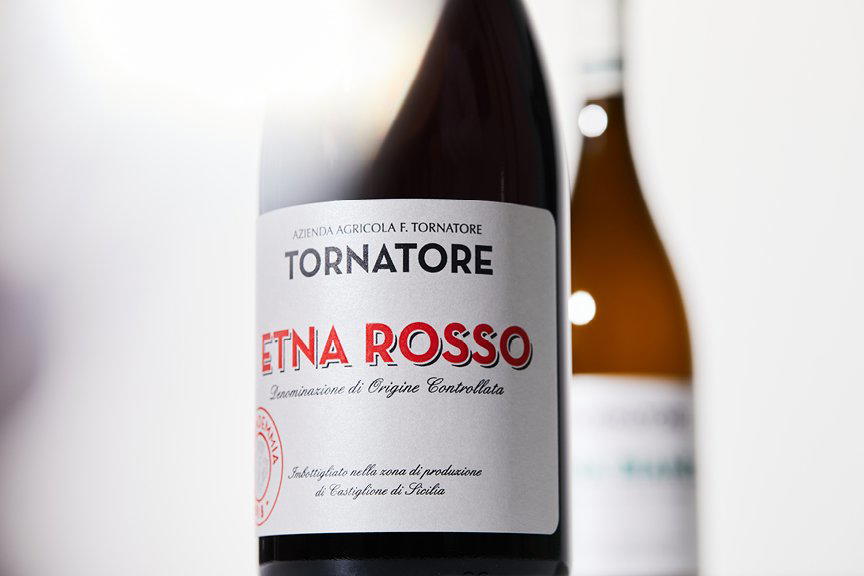
In Sicily, wine-list depth is particularly meaningful because the island's wine culture has shifted considerably over the past two decades. Etna's volcanic slopes, visible from Taormina on a clear day, now produce Nerello Mascalese that draws comparison to Burgundian Pinot Noir in its structural complexity. Alongside that high-profile narrative, the broader Sicilian DOC system covers Nero d'Avola, Grillo, Catarratto, and Carricante, among others. A restaurant in Taormina with a serious wine program has immediate access to some of the most discussed regional production in Italy.
How Rosso Divino Compares in Taormina's Mid-Tier
Within the town, the comparable mid-range with wine focus includes Vineria Modì, an Italian Contemporary operation also in the €€€ bracket. Both sit below the grand-format rooms and above the generic tourist trattorias that fill the main pedestrian street. La Capinera, another Sicilian-focused address, occupies a similar price tier and provides a useful comparison point for those choosing between a more kitchen-driven Sicilian experience and a wine-anchored osteria format.
The distinction matters because Taormina, despite its relatively small size, now supports a range of serious dining options across different formats. Visitors spending several nights have enough variety to move between the tasting-menu registers of the major hotel restaurants and the more relaxed, wine-led format of places like Rosso Divino. The Italian dining tradition has always made room for both. For reference, Italy's most formally recognised wine-and-food institutions, from Le Calandre in Rubano to Dal Pescatore in Runate, demonstrate how seriously the country takes the pairing of cellar depth with kitchen craft, even when the formats differ entirely.
Planning a Visit
Osteria Rosso Divino is located at Via De Spuches 8, in the historic centre of Taormina. The address is walkable from the main Corso Umberto and from the town's principal piazzas. Taormina's old town is a pedestrian zone for much of its core, so arrival on foot from most hotel accommodations is standard. For visitors arriving from Catania or Messina by train, the Taormina-Giardini station sits below the cliff town and requires either a taxi or bus connection up to the centro storico. Given the wine focus and the osteria format, an evening visit is the natural fit, though the pacing of Italian osteria culture means there is no expectation of rapid turnover. Booking ahead is advisable during the peak summer months, when Taormina's visitor numbers compress available covers across every category of restaurant.
Those building a wider dining itinerary in Taormina can use our full Taormina restaurants guide for cross-category comparisons. For accommodation context, our full Taormina hotels guide covers the town's main options. Broader exploration of the area's drinking culture is covered in our full Taormina bars guide, and those interested in the regional wine production behind any serious Sicilian list will find context in our full Taormina wineries guide. For cultural and experiential programming beyond the table, our full Taormina experiences guide covers the main options. Internationally, wine-program-led restaurants that illustrate the broader category at different scales include Enrico Bartolini in Milan and, in a very different register, Le Bernardin in New York City and Emeril's in New Orleans. For a northern Italian comparison of the wine-forward format, Atelier Moessmer Norbert Niederkofler in Brunico shows how the Alpine end of Italian fine dining handles the same question of cellar-and-kitchen balance.
How Osteria Rosso Divino Taormina compares with similar nearby venues.
| Venue | Cuisine | Price | Awards |
|---|---|---|---|
| Osteria Rosso Divino | Not listed | Not listed | Star Wine List (2026) |
| Kisté - Easy Gourmet | Modern Cuisine | €€ | Not listed |
Recognition history
Dated appearances from independent guides and award organizations, with the underlying list record or original source where available.
Falstaff Wine Bar - Listed
Falstaff
Star Wine List
Star Wine List
Continue exploring
More in Taormina
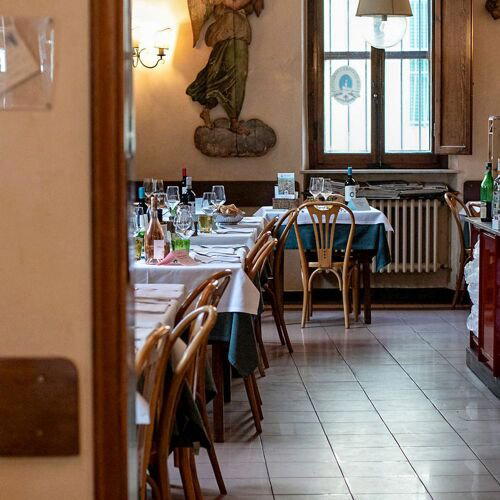
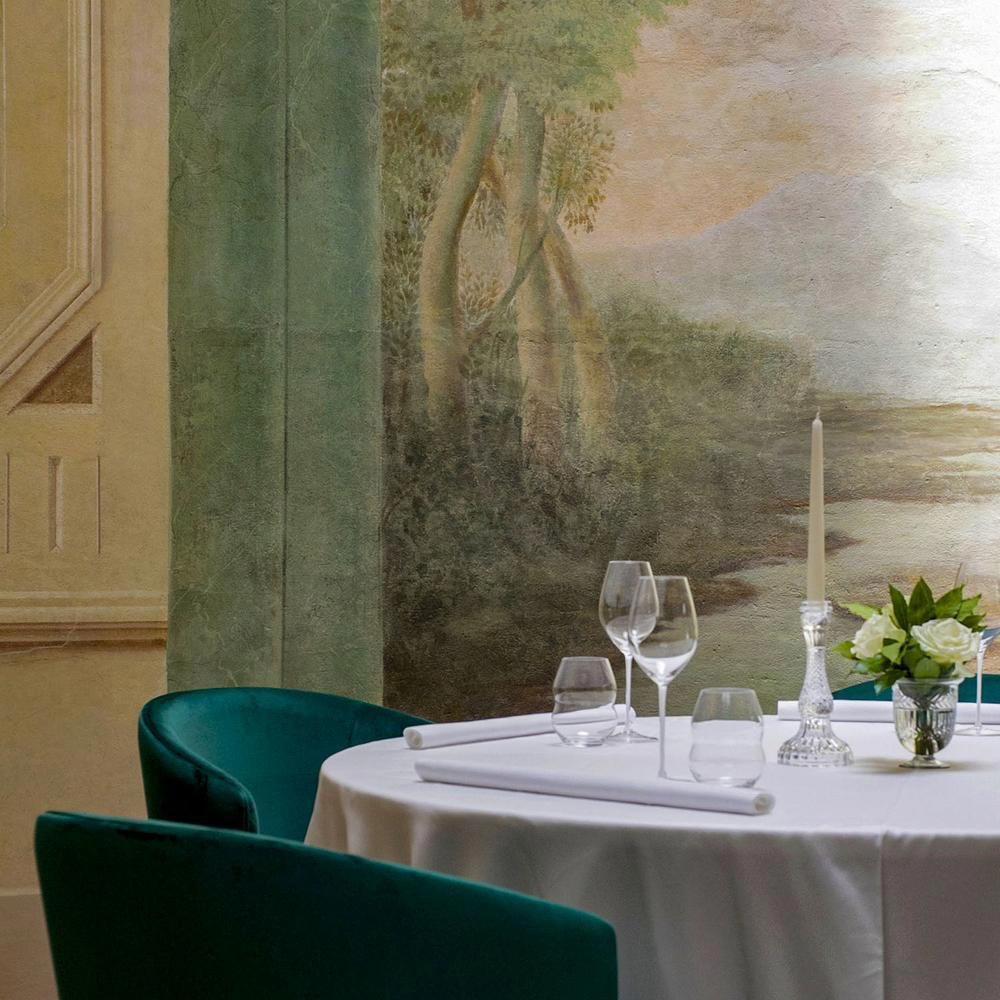
Restaurants in Taormina
Browse all →
Bars in Taormina
Browse all →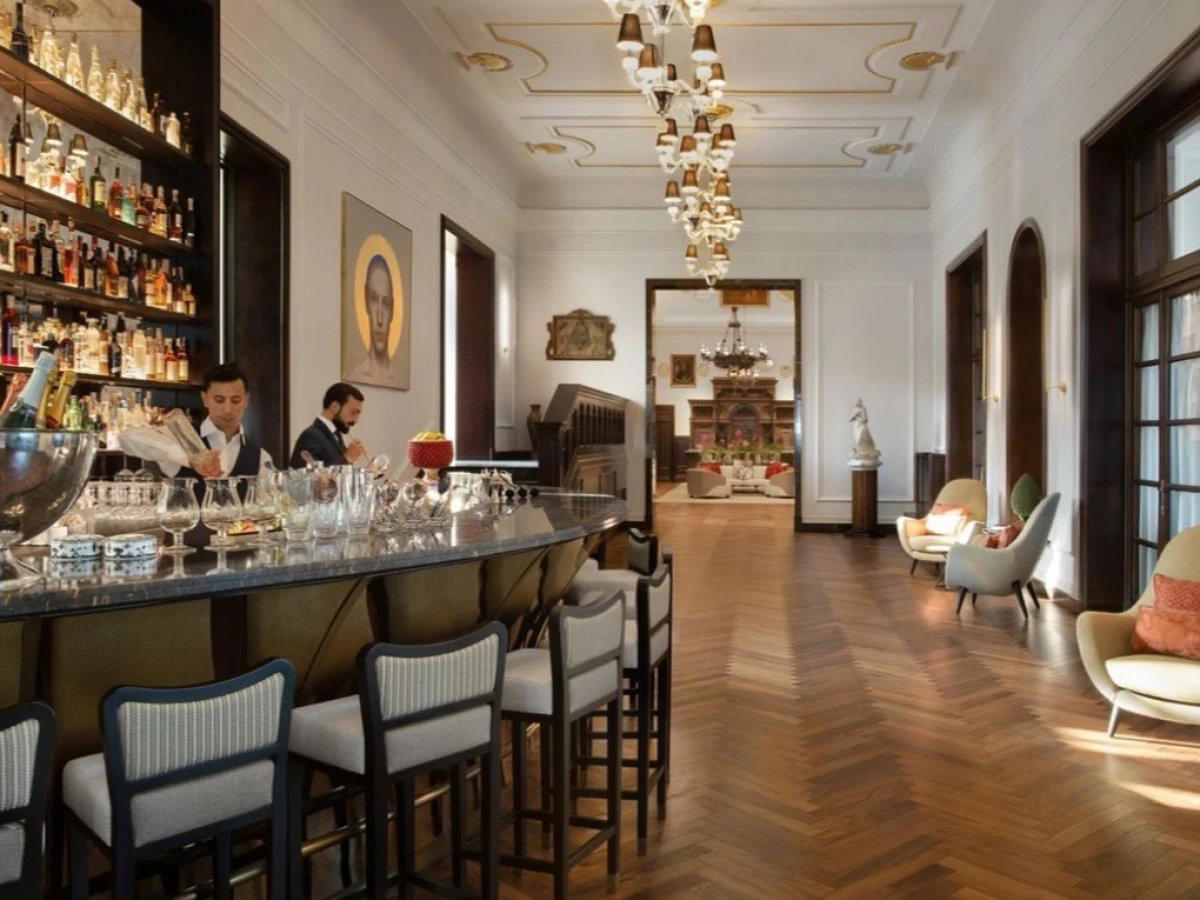
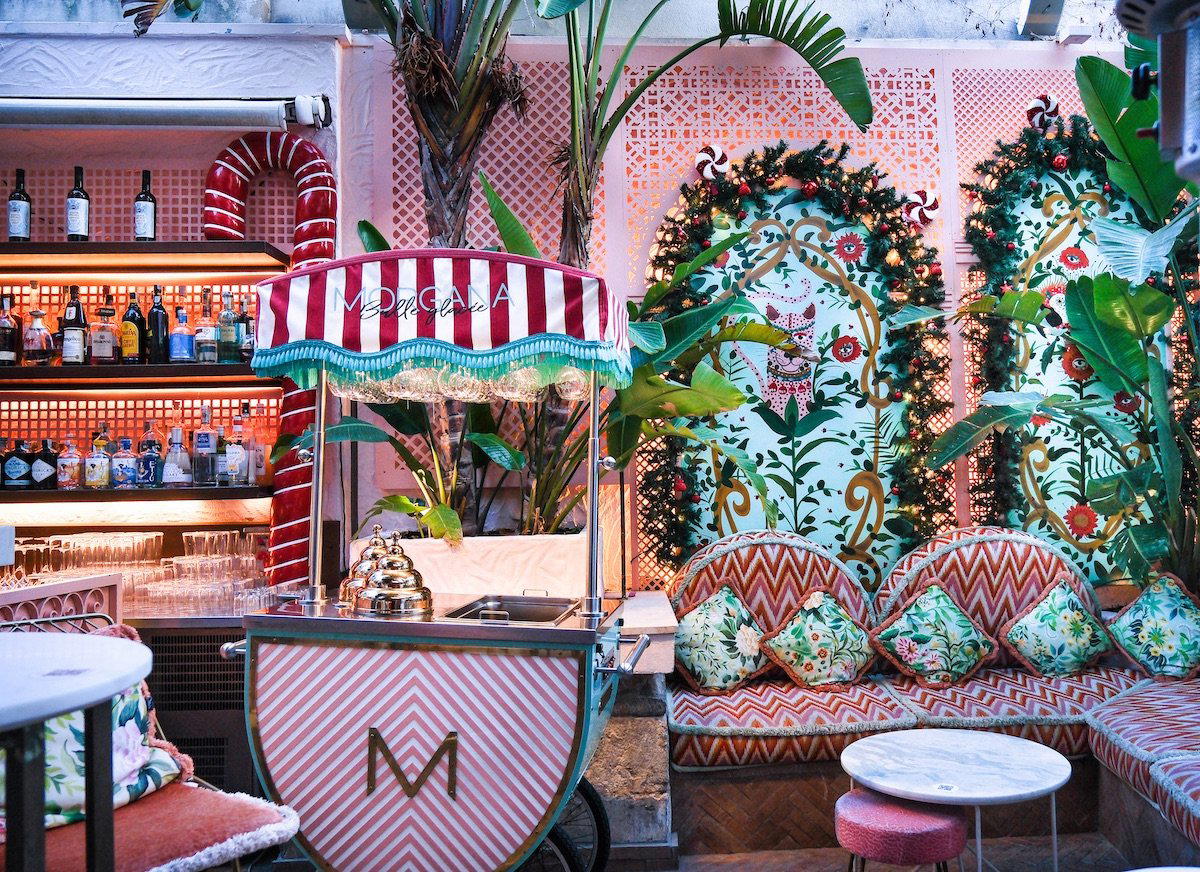
Hotels in Taormina
Browse all →

At a Glance
- Romantic
- Elegant
- Intimate
- Rustic
- Cozy
- Date Night
- Special Occasion
- Celebration
- Courtyard
- Open Kitchen
- Terrace
- Extensive Wine List
- Sommelier Led
- Local Sourcing
Current opening hours
- Monday
- 12–2:30 PM, 7–10:30 PM
- Tuesday
- Closed
- Wednesday
- 12–2:30 PM, 7–10:30 PM
- Thursday
- 12–2:30 PM, 7–10:30 PM
- Friday
- 12–2:30 PM, 7–10:30 PM
- Saturday
- 12–2:30 PM, 7–10:30 PM
- Sunday
- 12–2:30 PM, 7–10:30 PM
Hours can change for holidays and private events. Last verified .
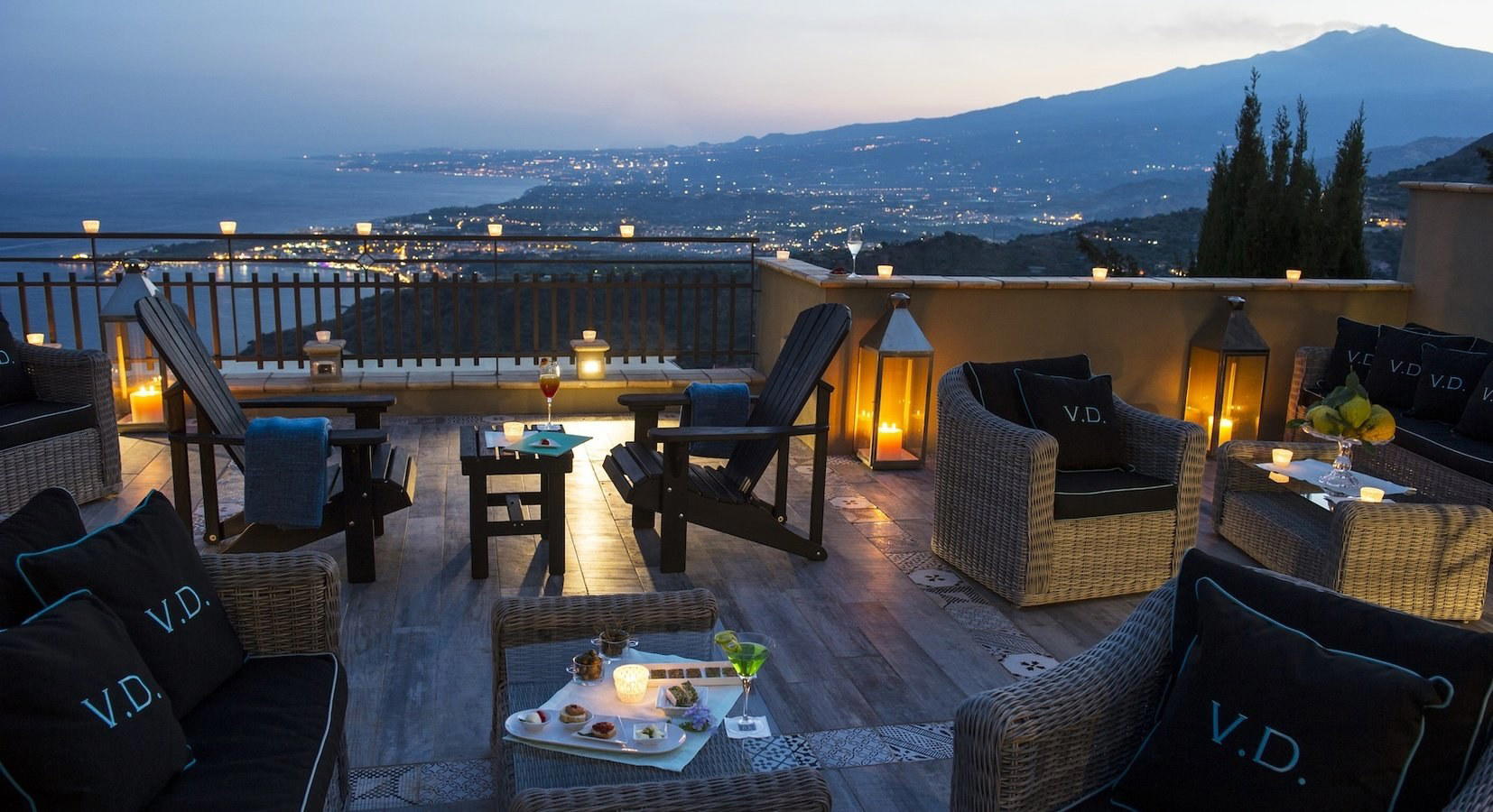
Quiet, relaxing, and romantic atmosphere in a candlelit courtyard with elegant, refined setting.
Know Before You Go
- Getting there
- Via De Spuches, 8, 98039 Taormina ME, Italy