Our verdict
Osteria Malandra sits in Ismaning, a compact municipality on Munich's northeastern fringe where Italian trattoria cooking has found a quiet foothold. The address on An der Torfbahn places it away from the city-centre competition, framing it as a neighbourhood-anchored alternative to Munich's more prominent Italian dining circuit. For the broader Ismaning dining scene, see our full guide.

Pearl is the En Primeur Club membership app — saves, bookings, and concierge access live there. Same editors, same standards.
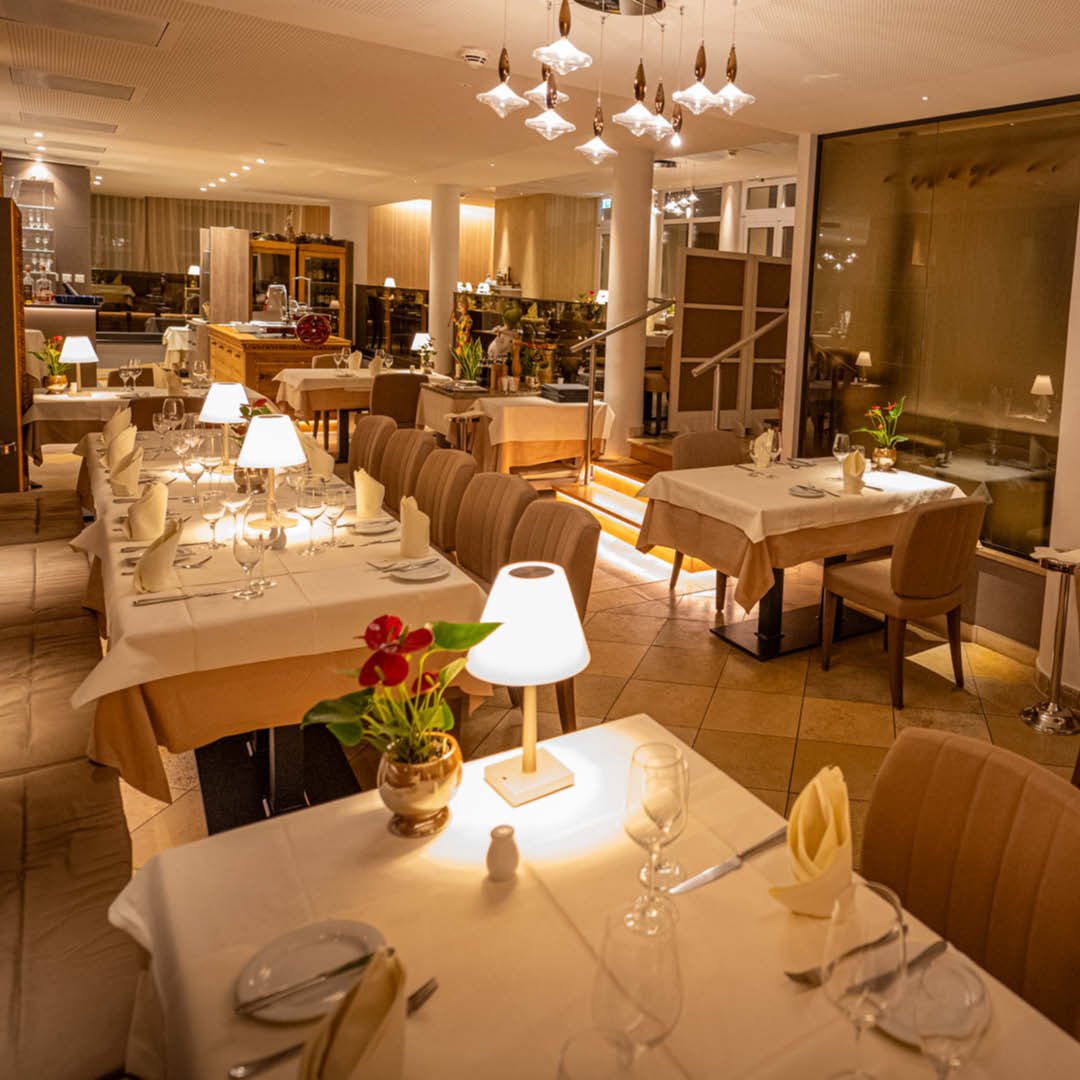
The menu
What to order
- Handmade pasta
- Grilled calamari
- Seafood pasta
Italian Cooking on Munich's Quiet Edge
The northeastern fringe of Munich operates by different rules than the city's restaurant-dense Maxvorstadt or Schwabing quarters. Ismaning is a small municipality of around 15,000 residents where the dining scene runs shallow by metropolitan standards, which means that when an osteria-format restaurant takes root here, it fills a specific gap rather than competing in a crowded category. Osteria Malandra, addressed on An der Torfbahn, sits in this kind of context: a spot where regulars arrive not because there are twenty alternatives within walking distance, but because the cooking earns the repeat visit on its own terms. For a broader view of what Ismaning offers at the table, our full Ismaning restaurants guide maps the full picture.
The Osteria Format and What It Implies
The word "osteria" carries specific weight in Italian dining culture, and its adoption in a German suburban context is worth examining. Historically, an osteria was a place that prioritised wine and simple, regionally sourced food over elaborate kitchen performance. The format has evolved considerably, but the leading contemporary interpretations hold on to the central idea: that ingredients, handled with restraint, should carry the argument. Where a ristorante deploys technique as a signal of ambition, an osteria in its proper sense makes sourcing the central credential. What arrives on the plate is a direct expression of where the raw material came from and how carefully it was selected.
This framing matters because it sets the terms on which a venue like Osteria Malandra should be read. The question is not whether the kitchen is producing architectural tasting-menu constructions, but whether the produce justifies confidence. Italian regional cooking at its most considered relies on supply chains built over years: a cheese producer in one province, a specific cured meat tradition from another, a pasta flour with a particular protein content. When those relationships are in place, the cooking can be deliberately simple without reading as under-ambitious. When they are not, simplicity becomes thinness.
Ismaning's Position in the Wider Munich Dining Circuit
Munich supports a serious fine-dining tier, with venues like JAN in Munich operating at the top of the contemporary European bracket. That concentration of ambition in the city proper tends to leave outer municipalities underserved at the upper end, which in practice creates room for neighbourhood restaurants to operate with less direct competition. Ismaning's most prominent dining reference point is Restaurant Erber, which anchors the local fine-dining category. Osteria Malandra occupies a different register: Italian and more casual in format, positioned for the kind of meal where the occasion is the company rather than the event.
Further afield, Germany's most decorated tables include Aqua in Wolfsburg, which draws on Italian and Japanese reference points at the highest price tier, and Schwarzwaldstube in Baiersbronn, which represents the classic French end of the national fine-dining spectrum. Creative formats like CODA Dessert Dining in Berlin and destination addresses such as Vendôme in Bergisch Gladbach define the upper tier of the country's contemporary scene. Osteria Malandra does not play in that register, and it should not be measured against it. The relevant comparison set is neighbourhood Italian cooking in mid-sized German towns, where the ceiling is set by sourcing quality and kitchen consistency rather than by tasting-menu architecture.
Ingredient Sourcing as the Central Argument
Italian cooking exported beyond Italy lives or collapses on one variable more than any other: whether the kitchen has access to the right raw materials, and whether it is willing to pay for them. Pasta made from domestic German wheat flour can be technically competent without resembling its Italian counterpart. Olive oil sourced from a bulk supplier reads very differently from a single-estate pressing. Prosciutto outside a PDO designation is a different product entirely from the Parma or San Daniele original. These distinctions are granular but cumulative, and they are what separate an osteria operating at the level the format implies from one using Italian vocabulary as branding.
For a venue in Ismaning, the sourcing question is logistically non-trivial. Munich has strong import networks and a substantial Italian-origin population that sustains specialist suppliers, but those supply chains require active management. The difference between an osteria that sources deliberately and one that defaults to convenience is audible in the cooking, even when the menu descriptions are identical. This is the axis on which Osteria Malandra's quality case rests.
The Neighbourhood Meal in Context
Germany's smaller municipalities outside the top-tier city circuits host a category of restaurant that rarely attracts national critical attention but carries real weight for residents: the reliable neighbourhood anchor where the cooking is honest, the room is comfortable, and the kitchen does not overreach. Venues in this category serve a different function from destination restaurants. The comparison is not with ES:SENZ in Grassau or Victor's Fine Dining by Christian Bau in Perl or the Mosel valley's Schanz in Piesport. The comparison is with what a local resident has access to within fifteen minutes of home, and whether the kitchen earns that loyalty.
That context applies directly to Osteria Malandra. Ismaning residents who want refined Italian cooking without travelling into Munich have limited options. A venue that sources properly and cooks with attention to the osteria tradition's core principles occupies a specific and useful position in that geography. The format works well when it is not trying to become something else, and an osteria that holds its lane, sourcing and cooking Italian regional food with discipline, offers something the area's dining scene does not provide in volume.
Planning Your Visit
Osteria Malandra is located at An der Torfbahn 1 in Ismaning, accessible from central Munich by S-Bahn on the S8 line, which stops at Ismaning station roughly a ten-minute walk or short taxi ride from the address. For visitors building a wider itinerary around German fine dining, the national scene extends well beyond Munich: Waldhotel Sonnora in Dreis, Restaurant Haerlin in Hamburg, Bagatelle in Trier, ammolite in Rust, ATAMA by Martin Stopp in Sankt Ingbert, and AUGUST in Augsburg all represent different facets of the country's dining range. For international reference points in the Italian-influenced fine-dining space, Le Bernardin in New York City and Atomix in New York City show how European culinary traditions translate at the highest level of the American market. Current hours and reservation details for Osteria Malandra are best confirmed directly, as the venue's operational specifics were not available at time of publication.
Frequently asked questions
Where is Osteria Malandra located?
Osteria Malandra is located at An d. Torfbahn 1, 85737 Ismaning, Germany, Ismaning.
How far is Osteria Malandra from central Munich, and how do you get there?
Osteria Malandra is located at An der Torfbahn 1 in Ismaning, a municipality on Munich's northeastern fringe. The S8 S-Bahn line connects central Munich to Ismaning station, making the restaurant accessible without a car. For diners based in Munich's city core, the journey positions Osteria Malandra clearly as a local neighbourhood restaurant rather than a drop-in city option.
What do people recommend at Osteria Malandra?
Without a current public menu on record, specific dish recommendations are difficult to pin down. Given the osteria format and its location in Ismaning, the kitchen likely centres on honest Italian cooking where pasta and seasonal mains carry the most weight. Asking staff for the day's specials is the most reliable approach at any osteria operating at this scale.
Do they take walk-ins at Osteria Malandra?
No booking policy is publicly documented for Osteria Malandra at An der Torfbahn 1, Ismaning. Smaller osterias in suburban settings often accommodate walk-ins during quieter midweek periods, though weekend evenings at neighbourhood restaurants this close to Munich can fill quickly. Calling ahead when possible is advisable.
What's the defining dish or idea at Osteria Malandra?
The osteria format itself is the central argument here. Historically, Italian osterias prioritised a short, rotating menu anchored to what was fresh and locally sourced rather than a fixed showcase of elaborate plates. Transporting that philosophy to a suburban German setting, where Italian ingredient supply chains require deliberate sourcing, defines what separates a credible osteria from a generic Italian restaurant.
Can Osteria Malandra adjust for dietary needs?
No dietary accommodation policy is listed in available venue data for Osteria Malandra. Italian osteria kitchens typically operate with compact teams and shorter menus, which can work in either direction: fewer dishes to modify, but also less menu depth to draw alternatives from. Contacting the restaurant directly before visiting is the practical step.
Is Osteria Malandra worth it?
The case for Osteria Malandra rests on context more than credentials. Ismaning sits on Munich's northeastern edge, reachable on the S8 S-Bahn line, and the restaurant occupies a category that rarely draws critical coverage despite often delivering more consistent cooking than city-centre venues competing for attention.
In Context: Similar Options
Comparable venues nearby, for context on price, style, and recognition.
| Venue | Cuisine | Price | Notes |
|---|---|---|---|
| Osteria MalandraThis venue — the venue you are viewing | Traditional Italian Osteria | $30–50 | Not listed |
| Restaurant Erber | Bavarian Regional Cuisine | $20–30 | Fischerhäuser |
| Forsthaus am See | Bavarian-Apulian Italian Lakeside | Not listed | Possenhofen |
| Da Paolo | Sardinian Trattoria | $50–100 | Theresienwiese |
| Il Gattopardo | Traditional Italian Trattoria | $50–100 | Schwabing |
| Ristorante Cleo | Sicilian-Influenced Italian | $50–100 | Pasing |
Continue exploring
More in Ismaning
Restaurants in Ismaning
All restaurants in Ismaning →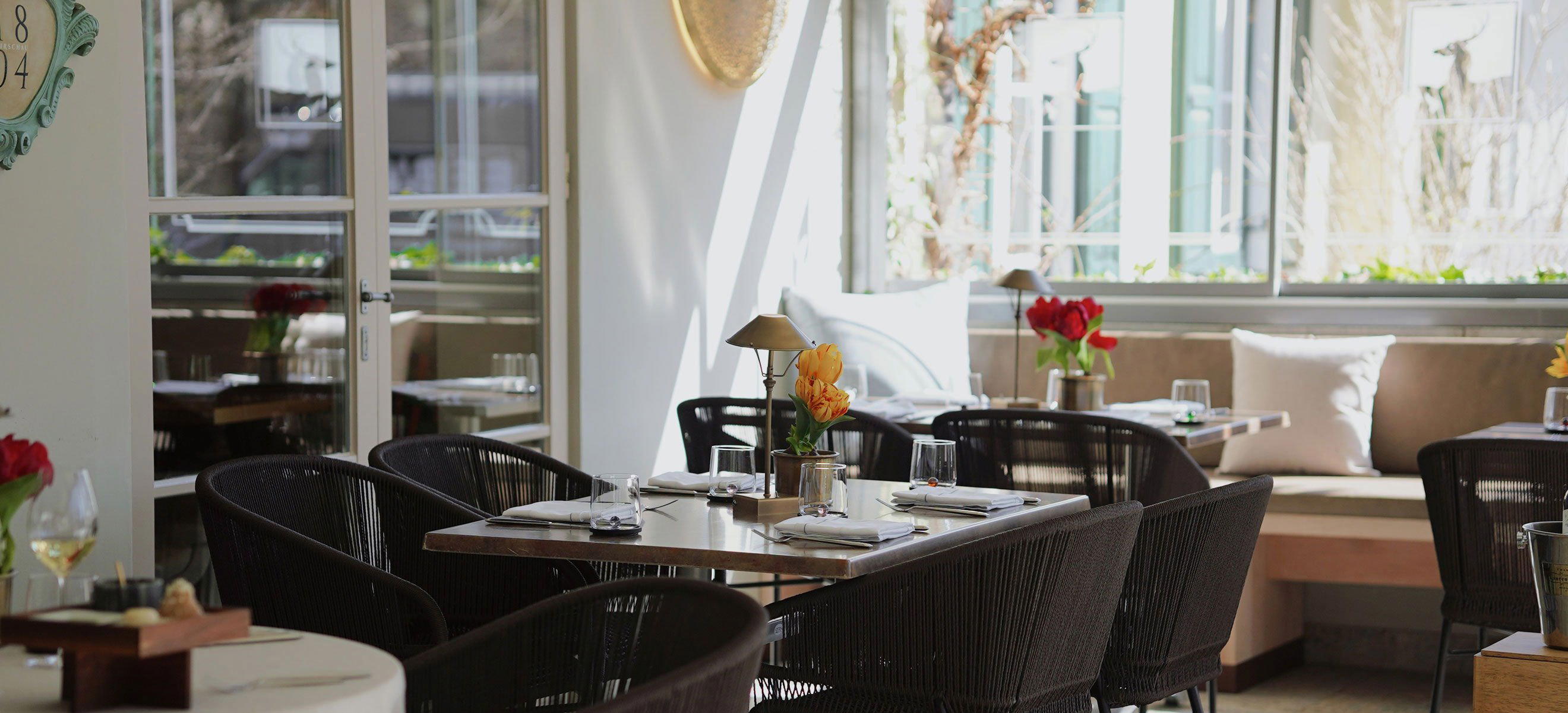
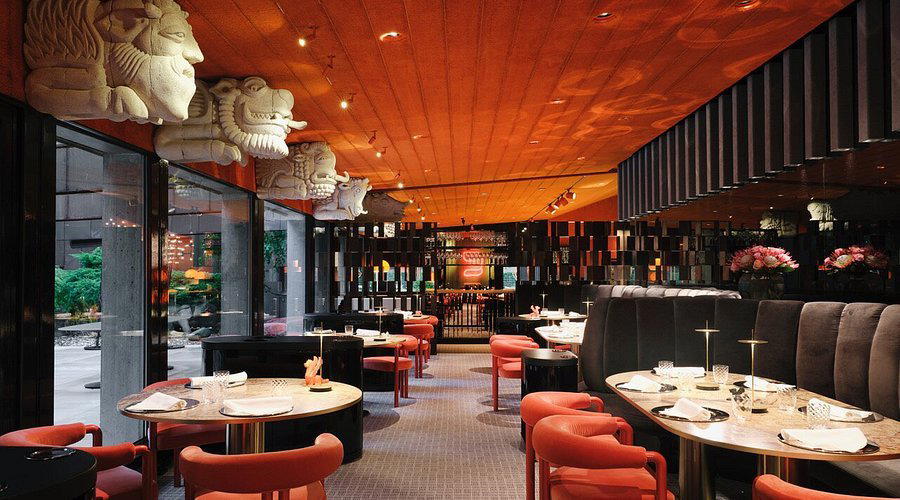
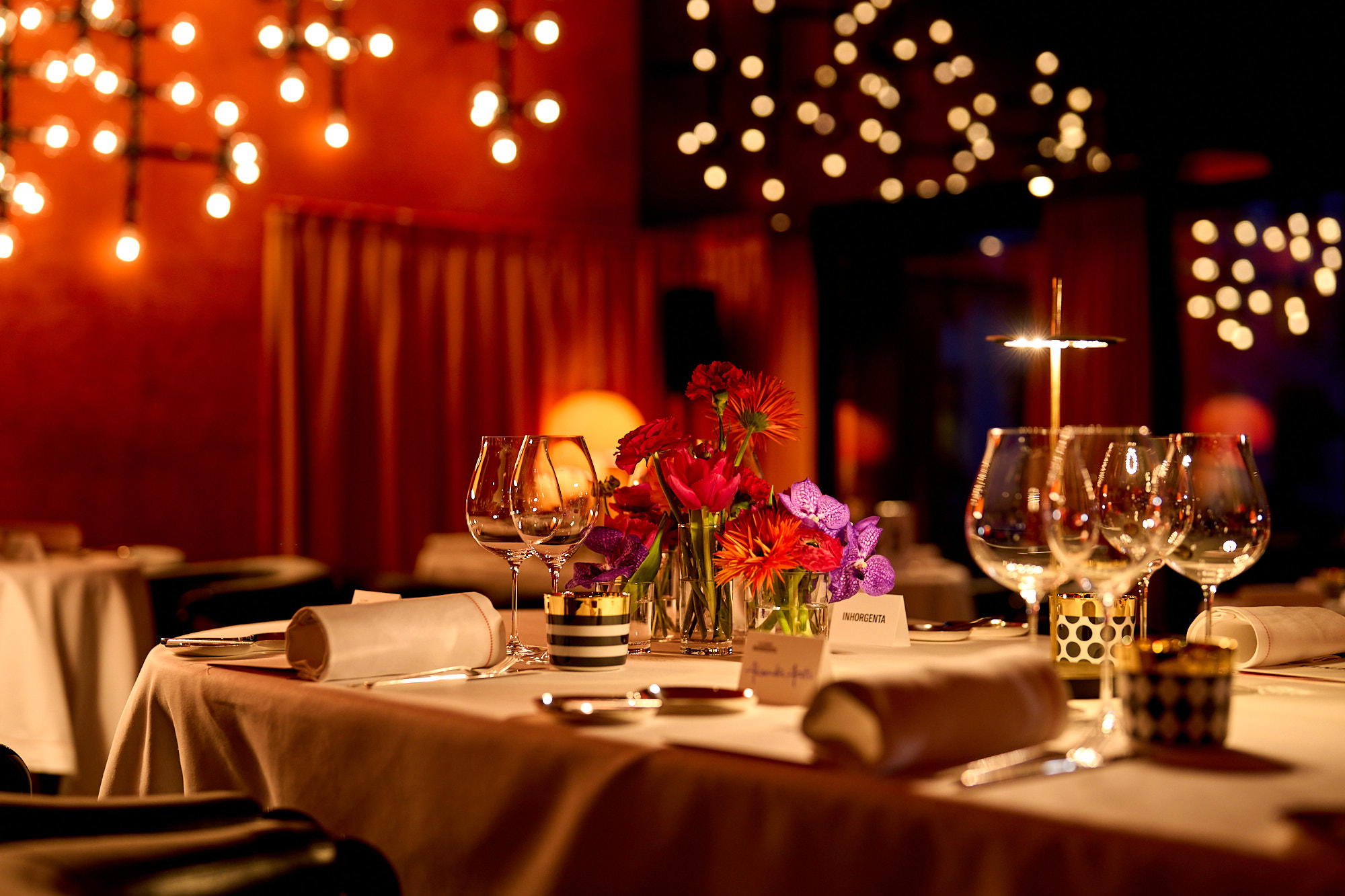
Bars in Ismaning
Browse all →

Details
- Cozy
- Elegant
- Classic
- Business Dinner
- Date Night
- Terrace
- A La Carte
- Vegetarian Friendly
- Vegan Options
- Gluten Free Options
Current opening hours
- Monday
- 11:30 AM–2 PM, 6–9:15 PM
- Tuesday
- 11:30 AM–2 PM, 6–9:15 PM
- Wednesday
- 11:30 AM–2 PM, 6–9:15 PM
- Thursday
- 11:30 AM–2 PM, 6–9:15 PM
- Friday
- 11:30 AM–2 PM, 6–9:15 PM
- Saturday
- Closed
- Sunday
- Closed
Hours can change for holidays and private events. Last verified .
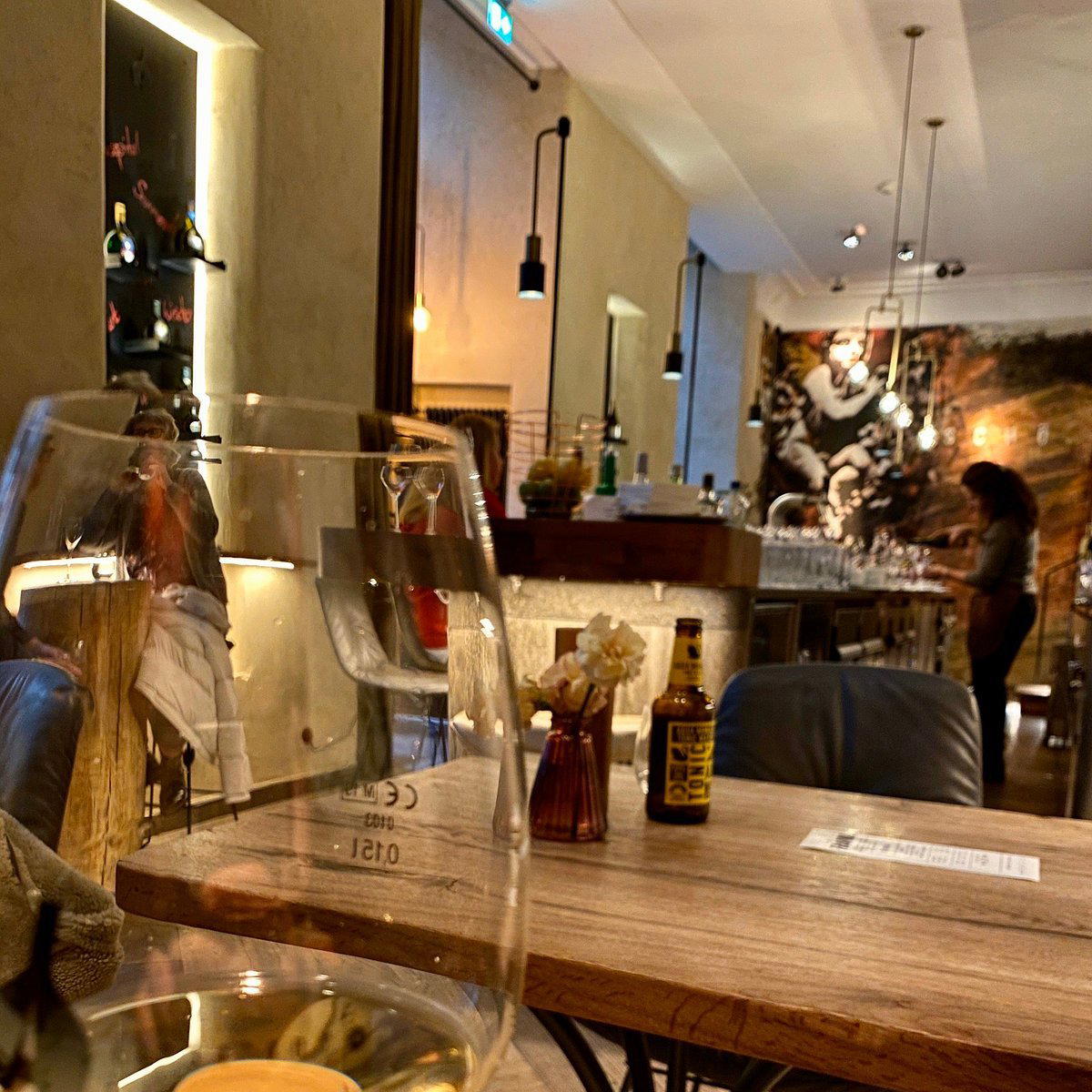
Relaxed and familial atmosphere with Italian flair, clean and nice decor, not too loud.