
A Michelin Plate-recognised address on a quiet Tolentino street, Osteria Ime runs tasting menus built around seasonal, high-quality ingredients and dishes that carry distinct geographical names. The dining room holds only a handful of tables, making advance booking necessary. At a mid-range price point, it represents one of the more considered cooking propositions in the Marche interior.
Pearl is the En Primeur Club membership app — saves, bookings, and concierge access live there. Same editors, same standards.
- Address
- Via S. Nicola, 48, 62029 Tolentino MC, Italy
- Phone
- +39 331 121 7733
- Website
- osteriaime.it
- Directions
- Get directions
 Saves & bookings on Pearl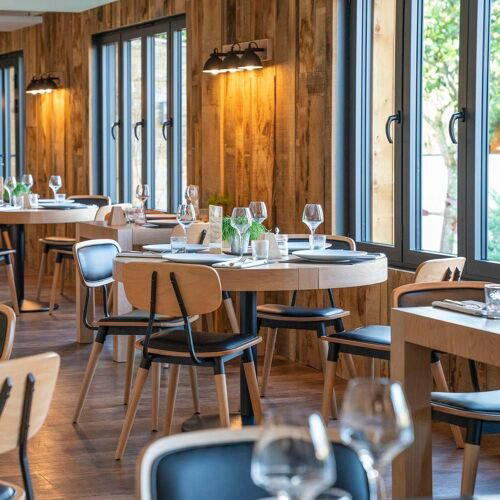
A Small Room, a Considered Kitchen
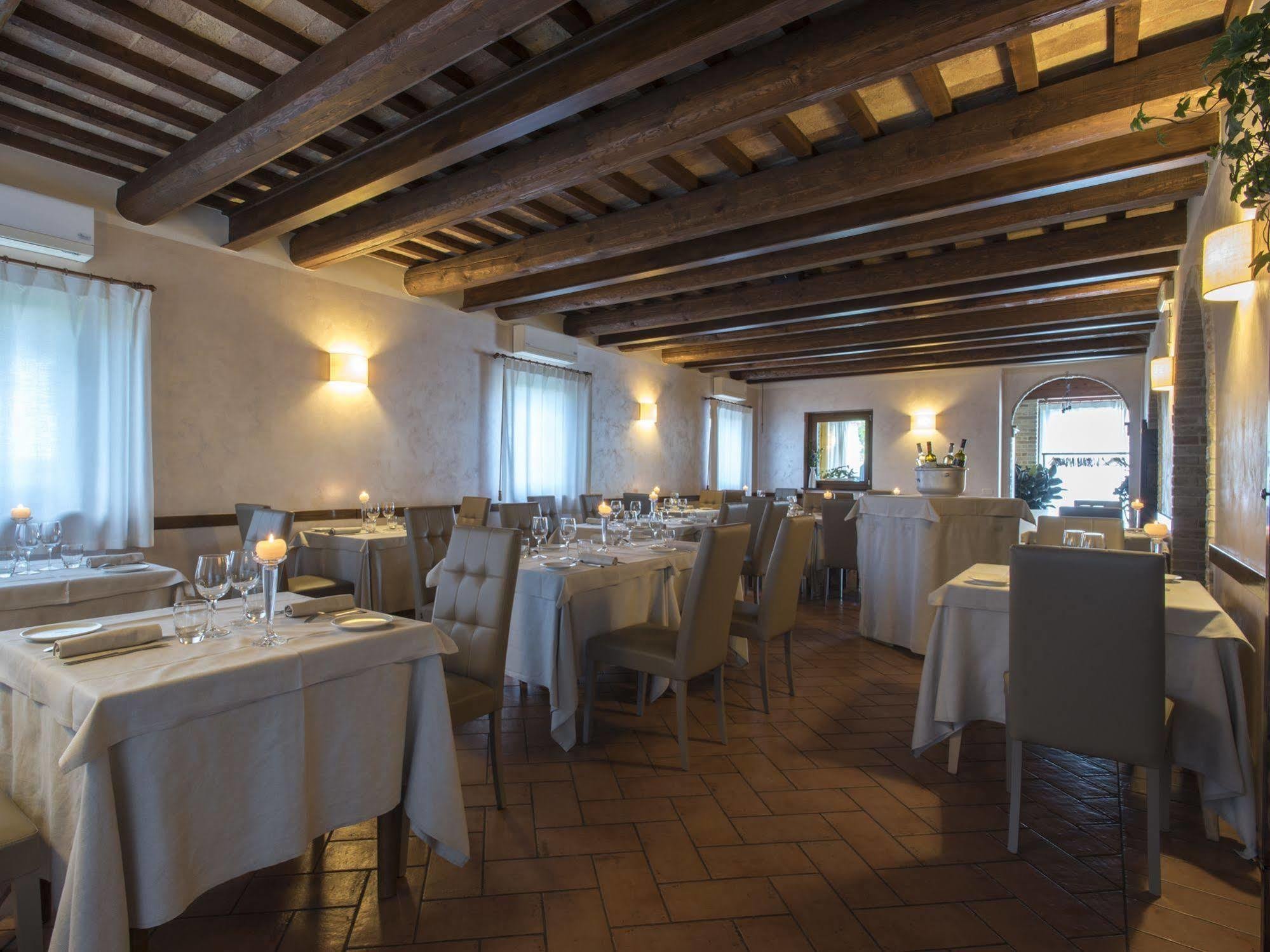
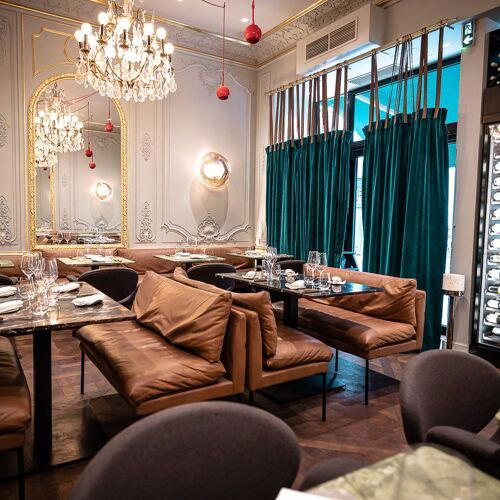
Tolentino sits in the hill country of the Marche, roughly equidistant between the Adriatic coast and the Apennine ridge, and the town's relationship with food reflects that position: produce from both directions arrives here, and the local tradition has always been one of resourceful, ingredient-led cooking rather than grand ceremony. Via S. Nicola is a modest street by any measure, and the entrance to Osteria Ime does nothing to announce itself. What you find inside is a small, welcoming room with only a few tables, the kind of space where the absence of scale is itself a design decision. The tight capacity means every service is managed rather than rushed, and the atmosphere sits closer to a private dinner than a restaurant evening.
Seasonal Sourcing as the Structural Logic
The Michelin Plate recognition Osteria Ime earned in 2025 signals a level of technical discipline and ingredient seriousness that places it clearly above the casual osteria category, even as the price point remains accessible at €€. That combination, serious sourcing at a mid-range price, is not common in any Italian region, and it is rarer still in smaller inland towns where the economics of fine dining rarely work in the diner's favour.
The menu's organising principle is seasonal rotation built around high-quality ingredients, and this is not a marketing claim but a structural one: the dishes change as the seasons turn, which means the kitchen is committing to procurement cycles that larger, static menus do not require. In the Marche, this kind of commitment has real meaning. The region produces truffles from the Acqualagna area, cured meats from the inland valleys, legumes from the Sibillini foothills, and seafood accessible from the coast. A kitchen that genuinely tracks the season in this geography has a wide range to draw from, and the discipline lies in editing that range down to a coherent menu rather than simply listing everything available.
Dishes carry distinct geographical names, which functions as a kind of transparency: the naming convention signals where an ingredient or preparation comes from, placing the sourcing logic in front of the diner rather than leaving it implicit. This approach aligns Osteria Ime with a broader movement in Italian contemporary cooking, seen at a much higher price tier in restaurants like Atelier Moessmer Norbert Niederkofler in Brunico and Reale in Castel di Sangro, where the provenance of each element is treated as part of the editorial content of a dish, not a footnote. At Osteria Ime, the same philosophy operates at a fraction of the cover price.
The Albanian-Italian Culinary Position
Italian contemporary cooking has, over the past two decades, expanded its definition of who gets to cook it. The recognition granted by Michelin to this address reflects something the guide has increasingly acknowledged: that culinary tradition is transmitted through years of practice and commitment, not through birthplace. The chef at the restaurant arrived from Albania and has spent many years working within Italian culinary frameworks. The result is cooking that reads as distinctly Italian in its seasonal logic and ingredient focus, while carrying the kind of attentiveness that often marks those who adopted a tradition by choice.
This dynamic is not isolated to Tolentino. Across Italy's mid-sized and smaller cities, restaurants operated by chefs who moved to Italy from elsewhere in Europe or beyond have quietly accumulated recognition over the past decade. The story is less about fusion and more about absorption: the Italian model of produce-driven, technique-restrained cooking is one that rewards practitioners who commit to its internal logic, regardless of background.
Tasting Menus in a Town of This Size
The tasting menu format is unusual for a town the size of Tolentino. At the upper end of Italian cooking, it is the default: Osteria Francescana in Modena, Enoteca Pinchiorri in Florence, and Dal Pescatore in Runate all operate at €€€€ price points where the tasting menu is both the expected format and the commercial justification for the kitchen's complexity. At €€, the same format requires a different calculus. The kitchen must hold a coherent seasonal sequence together without the revenue headroom that four-figure cover charges provide. That restaurant does this in a town of around 20,000 people, with a handful of tables and a limited seat count, says something about the level of commitment behind the operation.
For context on what the Michelin Plate represents: it sits below the star tiers but is awarded specifically for good cooking, distinguishing it from mere inclusion in the guide. Restaurants across Italy that hold Plate recognition include addresses operating at prices many times higher than the restaurant. The recognition at this price point is worth noting for any traveller pricing up an itinerary through the Marche interior.
Planning a Visit
The restaurant is on Via S. Nicola 48 in Tolentino, in the Macerata province of the Marche region. The limited number of tables means advance booking is not optional in practice, even on quieter nights. The menu rotates seasonally, so what is available in autumn differs from what you would find in spring, and this is worth factoring into the timing of a visit if there is a particular ingredient cycle you want to catch. The price range sits at €€, which in the context of a tasting menu format represents strong value relative to comparable Michelin-recognised addresses in Italian cities. No phone or website is listed in current records, so booking should be arranged through local accommodation or in person if visiting the town.
Tolentino itself has a manageable centre, a significant basilica, and the kind of everyday market infrastructure that supplies the region's cooking. If you are building a broader itinerary across the Marche, the town sits within reach of the coast and the inland wine country. For further reading on what the area offers, see our full Tolentino restaurants guide, along with our guides to hotels, bars, wineries, and experiences in Tolentino.
For those building a broader tour of serious Italian cooking, addresses worth comparing at higher price tiers include Uliassi in Senigallia on the Adriatic coast, Enrico Bartolini in Milan, Piazza Duomo in Alba, Quattro Passi in Marina del Cantone, Le Calandre in Rubano, and Casa Perbellini 12 Apostoli in Verona. For contemporary cooking operating outside the Italian tradition, César in New York City and Jungsik in Seoul offer useful reference points on how the contemporary format reads in other contexts.
How It Stacks Up
Comparable venues nearby, for context on price, style, and recognition.
| Venue | Cuisine | Price | Awards | Notes |
|---|---|---|---|---|
| Osteria ImeThis venue — the venue you are viewing | Seasonal Italian Tasting Menus | $$$ | Michelin Plate | Not listed |
| Benedikto | Modern Regional Italian Fine Dining | $$$ | Michelin Plate | Assisi historic center |
| Lo Scudiero | Modern Italian Fine Dining | $$$ | Michelin Plate | historic center |
| Il Frantoio | Modern Umbrian Fine Dining | $$$ | Michelin Plate | Assisi |
| Degusteria del Gigante | Modern Marchigian | $$$ | Michelin Plate | historic town center |
| Osteria Grande | Modern Italian Trattoria | $$$ | Michelin Plate | Piazza Grande |
Recognition history
Dated appearances from independent guides and award organizations, with the underlying list record or original source where available.
Michelin Plate
Michelin
Michelin Plate
Michelin
Continue exploring
More in Tolentino
Restaurants in Tolentino
Browse all →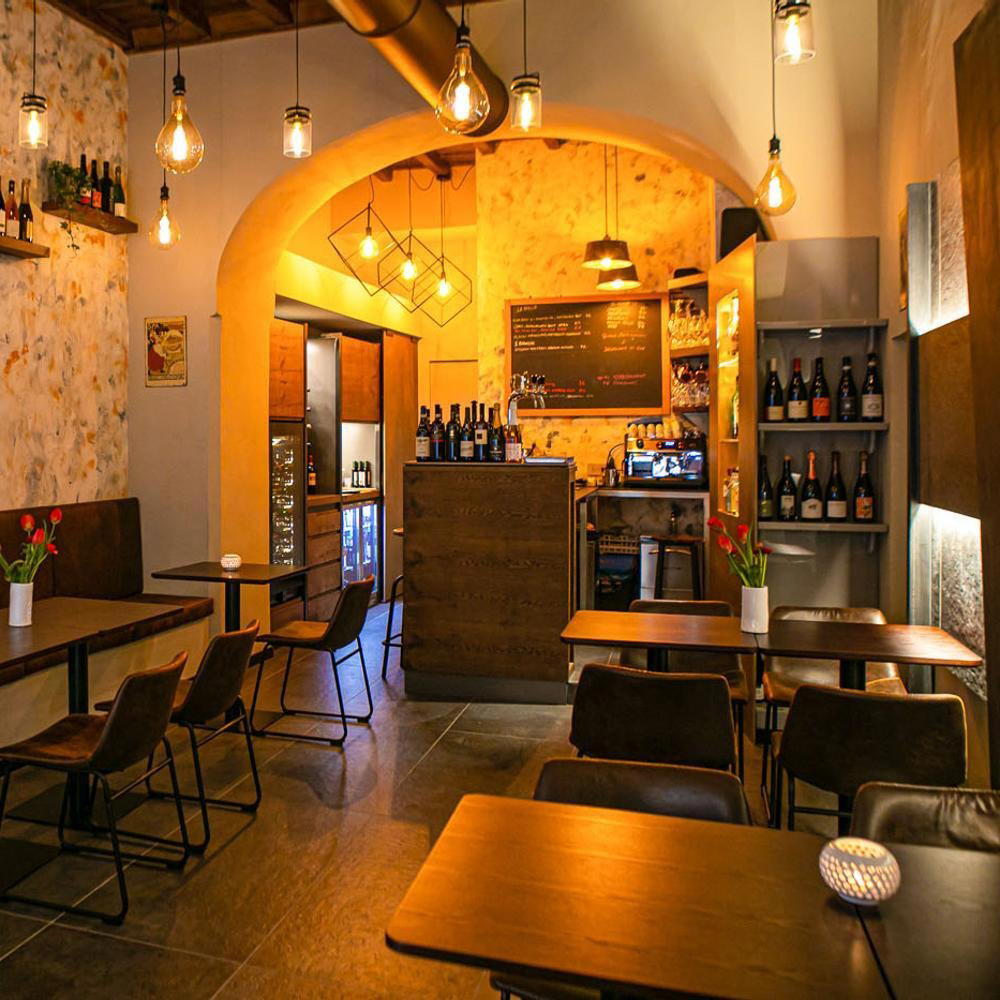
Hotels in Tolentino
Browse all →


At a Glance
- Intimate
- Cozy
- Elegant
- Rustic
- Date Night
- Special Occasion
- Open Kitchen
- Extensive Wine List
- Local Sourcing
Current opening hours
- Monday
- Closed
- Tuesday
- 7:30 PM–12 AM
- Wednesday
- 7:30 PM–12 AM
- Thursday
- 7:30 PM–12 AM
- Friday
- 7:30 PM–12 AM
- Saturday
- 7:30 PM–12 AM
- Sunday
- Closed
Hours can change for holidays and private events. Last verified .
Intimate and nice setting with elegant decor, warm and friendly atmosphere where staff attentively adjusts comfort like temperature, creating a refined yet homey feel.