

Michelin Plate · We're Smart World 2 Radishes
Our verdict
In Macerata's historic centre, Signore te ne ringrazi holds a Michelin Plate for chef Michele Biagiola's cooking rooted in the rural traditions of the Marche. Foraged herbs from surrounding fields and mountains shape a menu that leans heavily vegetable-forward, with a split format: gourmet preparations at lunch, more relaxed and traditional plates in the evening. Priced at €€, it represents one of the more considered addresses in this undervisited hill town.

Pearl is the En Primeur Club membership app — saves, bookings, and concierge access live there. Same editors, same standards.
- Address
- Via della Pescheria Vecchia, 26, 62100 Macerata MC, Italy
- Phone
- +39 0733 187 4869
- Hours
- Mon 12:30–3 p.m., 7:30–11 p.m.Tue–Wed ClosedThu–Sat 12:30–3 p.m., 7:30–11 p.m.Sun 12:30–3 p.m.
- Website
- signoreteneringrazi.it
- Directions
- Get directions
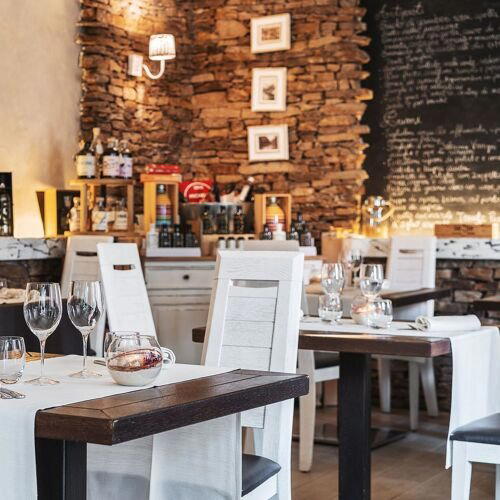
A Hill Town Address Built Around What Grows Nearby
Macerata sits in the Apennine foothills of the Marche, an inland hill town without a coastline pull or a single dominant export to anchor its food identity. What it has instead is altitude, seasons, and proximity to one of Italy's least-documented foraging territories. The mountains of the Marche region supply wild herbs, greens, and plants that rarely reach restaurant menus outside the region. Via della Pescheria Vecchia, a narrow street in the historic centre, runs through the kind of dense medieval fabric you find throughout this part of central Italy, where ground-floor restaurants have operated in the same stone buildings for generations. Signore te ne ringrazi occupies this space, working from the same logic as many Marchigian trattorie but with a sharper focus on what the fields and mountains directly supply.
The Sourcing Logic Behind the Menu
In Italian regional cooking, the gap between a kitchen that sources locally and one that builds its entire creative vocabulary around local sourcing is significant. Vegetables and herbs foraged from fields near Macerata and from the surrounding mountains appear not as garnish or supporting material but as the primary structural element of the cooking here. Chef Michele Biagiola has described his relationship with vegetables in terms that go beyond preference: he calls himself a vegetarian who forgets to introduce animal products into the kitchen. That framing matters because it signals something specific about how the sourcing operates. Ingredients are gathered because they exist seasonally in these hills, not because they fit a prepared menu. The menu adapts to what the land produces.
This approach places the restaurant inside a broader shift visible across serious Italian regional cooking, where the most coherent kitchens in less-visited provinces are finding their identity by refusing to compete with coastal or city-based restaurants on their own terms. Uliassi in Senigallia on the Adriatic coast represents the Marche's most decorated address, with a three-Michelin-star operation that leans on the sea. The inland counterpart to that model is quieter, less celebrated internationally, and dependent on a different kind of ingredient logic entirely. Signore te ne ringrazi belongs to that inland register.
The Format: Lunch and Evening as Two Distinct Experiences
The restaurant operates a split format across the day that reflects a genuine difference in intent rather than a simple price or complexity gradient. At lunchtime, Biagiola presents the gourmet and more technically considered side of his cooking. The evening service moves toward traditional Marchigian fare in a more informal register. This structure is more common in serious provincial Italian restaurants than in city destinations, where commercial pressure tends to standardise format across services. The daytime offering gives the kitchen room to express the foraged-herb philosophy in longer, more composed preparations; the evening serves as a reminder that the same culinary tradition also has a direct, unfussy expression.
For visitors planning around the split, lunch is the session to prioritise if the sourcing-led cooking is the draw. The informal evening format works well as part of a broader wander through the historic centre, with the low price point at €€ removing any barrier to a spontaneous drop-in. Booking ahead for lunch is advisable given the restaurant's Michelin Plate recognition; walk-in availability on evenings may be more flexible, though this cannot be confirmed without current operational data.
Spaghetti as a Category of Thinking
Among the dishes most associated with Biagiola's cooking is a version of spaghetti all'arrabbiata built entirely around wild herbs rather than the tomato-and-chilli base the name usually implies. The dish involves a long roll of spaghetti seasoned with herbs that increase in heat progressively, drawing on the foraged material from the surrounding mountains to reframe a familiar format. Biagiola has written a book dedicated to spaghetti, which gives some indication of how seriously this particular format is treated in the kitchen. In a region where pasta holds considerable cultural weight, a chef who focuses intellectual energy on a single pasta form is making an argument about what depth looks like in simple ingredients.
This kind of single-subject seriousness appears in several of Italy's most grounded provincial kitchens. Anticofurlo in Acqualagna operates across the Marche border and represents another address working deeply within regional tradition rather than across it. The pattern is consistent: cooks in this part of central Italy tend to find their authority by narrowing focus rather than broadening it.
Macerata's Position in the Marche
The Marche sits between Emilia-Romagna to the north and Abruzzo to the south, with the Adriatic to the east and the Apennines to the west. It remains one of Italy's least-trafficked regions for international visitors, which means the food culture here has developed without significant external market pressure. The restaurants that earn recognition in Macerata do so primarily through local and domestic reputation.
For context on where this sits within Italian fine dining more broadly, the gap between a Michelin Plate restaurant in a provincial hill town and the starred operations in Italy's major dining cities is substantial in format, price, and visibility. Osteria Francescana in Modena, Enoteca Pinchiorri in Florence, and Enrico Bartolini in Milan operate in a different tier entirely. The value of a place like Signore te ne ringrazi lies precisely in what that gap reveals: serious, grounded cooking at a price and in a setting that the starred tier cannot replicate. See our [full Macerata restaurants guide]() for a broader picture of what the city offers across categories.
Planning Your Visit
The restaurant is located at Via della Pescheria Vecchia 26 in the historic centre of Macerata, walkable from the main piazza and well within the pedestrianised core of the old town. Macerata is reachable by train from Ancona on the Adriatic coast, with connections running through the hills. The €€ price range makes this accessible without advance financial planning. For lunch, securing a reservation removes uncertainty given the Michelin recognition; for the evening, the informal format may allow more flexibility. No booking platform or phone number is currently listed publicly. If you are building a longer itinerary around the Marche, Caffè Meletti in Ascoli Piceno offers another entry point into Marchigian food culture further south.
For everything else in the city, EP Club covers [hotels](), [bars](), [wineries](), and experiences in Macerata across separate guides.
Frequently asked questions
Is Signore te ne ringrazi expensive?
Pricing at Signore te ne ringrazi is listed as €€.
What part of town is Signore te ne ringrazi in?
Signore te ne ringrazi is located at Via della Pescheria Vecchia, 26, 62100 Macerata MC, Italy, Macerata.
In Context: Similar Options
| Venue | Cuisine | Price | Awards | Notes |
|---|---|---|---|---|
| Signore te ne ringraziThis venue — the venue you are viewing | Modern Marche Cuisine with Foraged Herbs | $50–100 | Michelin Plate · We're Smart World 2 Radishes | Not listed |
| Atelier Moessmer Norbert Niederkofler | Italian, Creative | Not listed | Michelin 3 Star | Not listed |
| Dal Pescatore | Italian, Italian Contemporary | Not listed | Michelin 3 Star | Not listed |
| Enoteca Pinchiorri | Contemporary Italian Fine Dining | $200–300 | 3 Michelin Stars · World's 50 Best #32 | Italian - French, Italian Contemporary |
| Enrico Bartolini | Creative | Not listed | Michelin 3 Star | Not listed |
| Osteria Francescana | Avant-Garde Italian Contemporary | $300–500 | 3 Michelin Stars · World's 50 Best #1 | Progressive Italian, Creative |
Recognition history
Dated appearances from independent guides and award organizations, with the underlying list record or original source where available.
Michelin Plate
Michelin
We're Smart World 2 Radishes
We're Smart World
Full recognition history (3 entries)
Michelin Plate
Michelin
Details
- Cozy
- Elegant
- Rustic
- Intimate
- Date Night
- Special Occasion
- Business Dinner
- Open Kitchen
- Historic Building
- Extensive Wine List
- Local Sourcing
- A La Carte
- Tasting Menu
- Vegetarian Friendly
- Vegan Options
Current opening hours
- Monday
- 12:30–3 p.m., 7:30–11 p.m.
- Tuesday
- Closed
- Wednesday
- Closed
- Thursday
- 12:30–3 p.m., 7:30–11 p.m.
- Friday
- 12:30–3 p.m., 7:30–11 p.m.
- Saturday
- 12:30–3 p.m., 7:30–11 p.m.
- Sunday
- 12:30–3 p.m.
Hours can change for holidays and private events. Last verified .
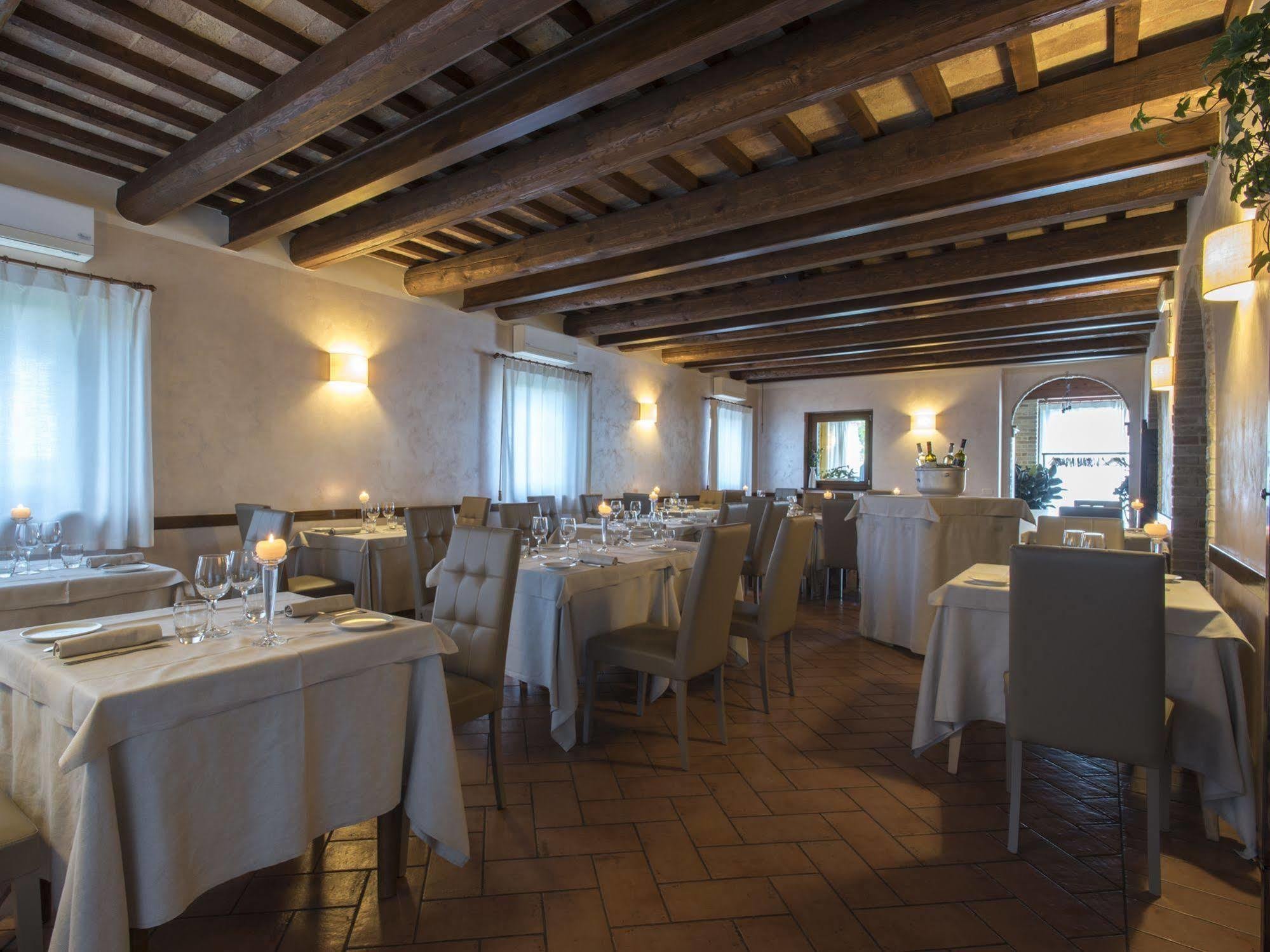
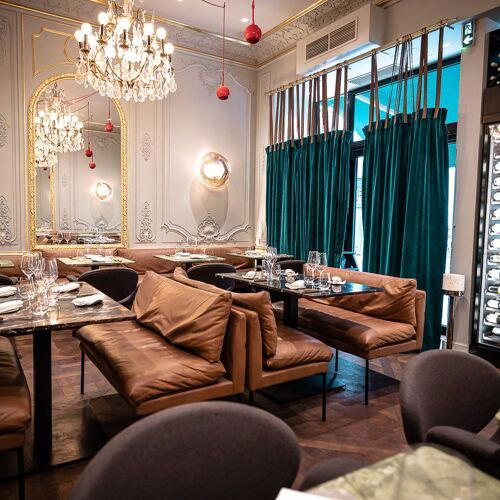
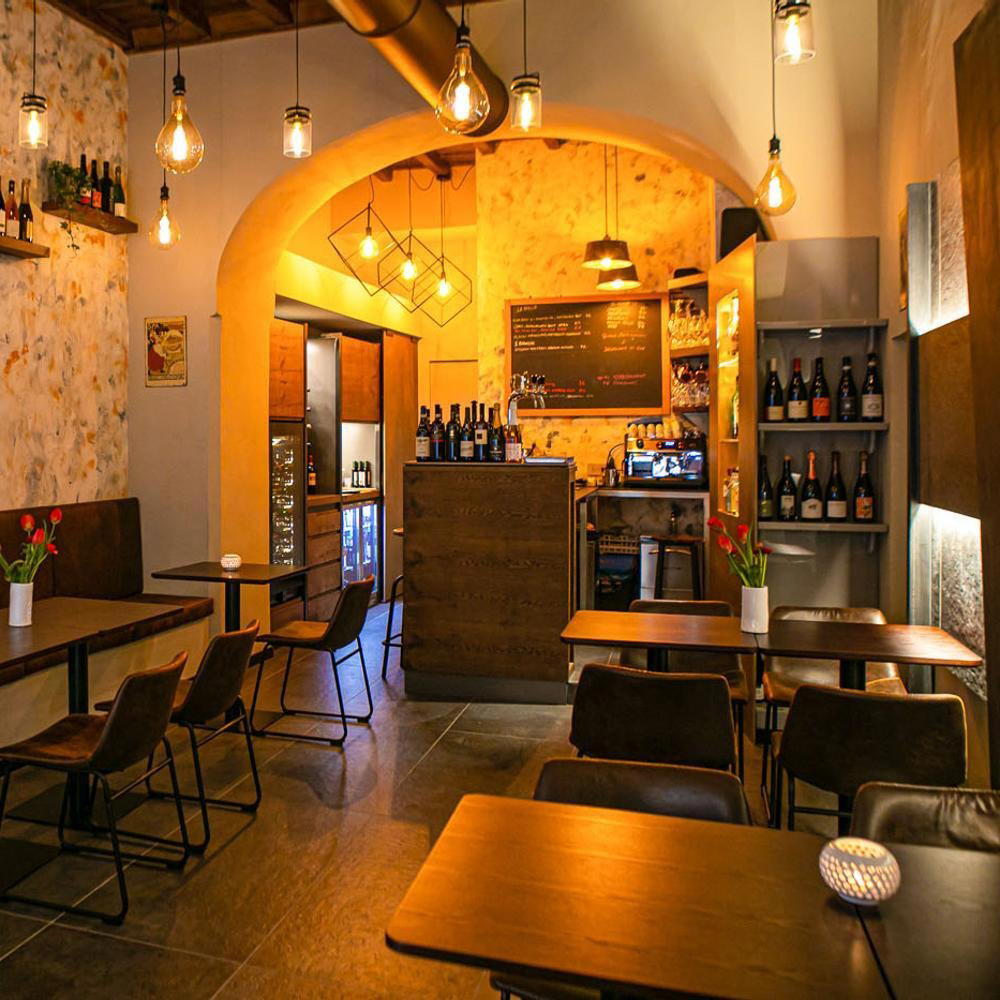
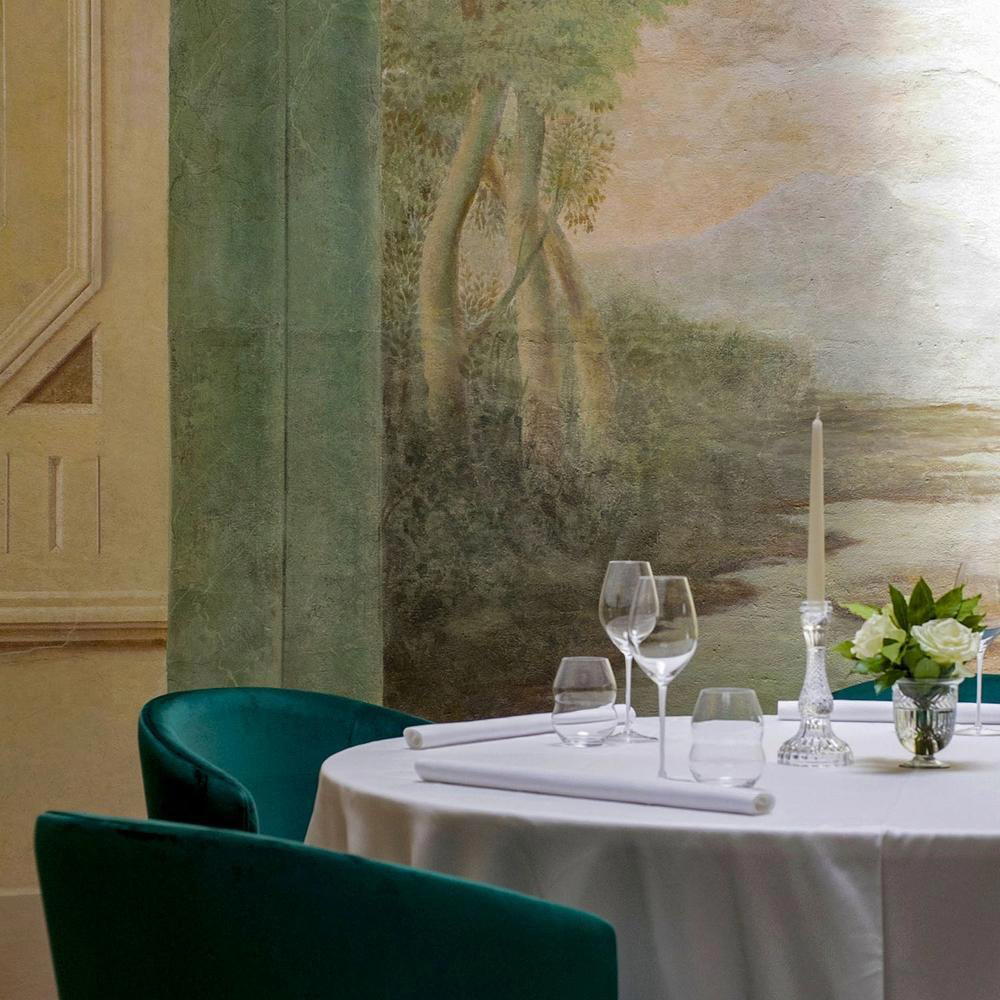
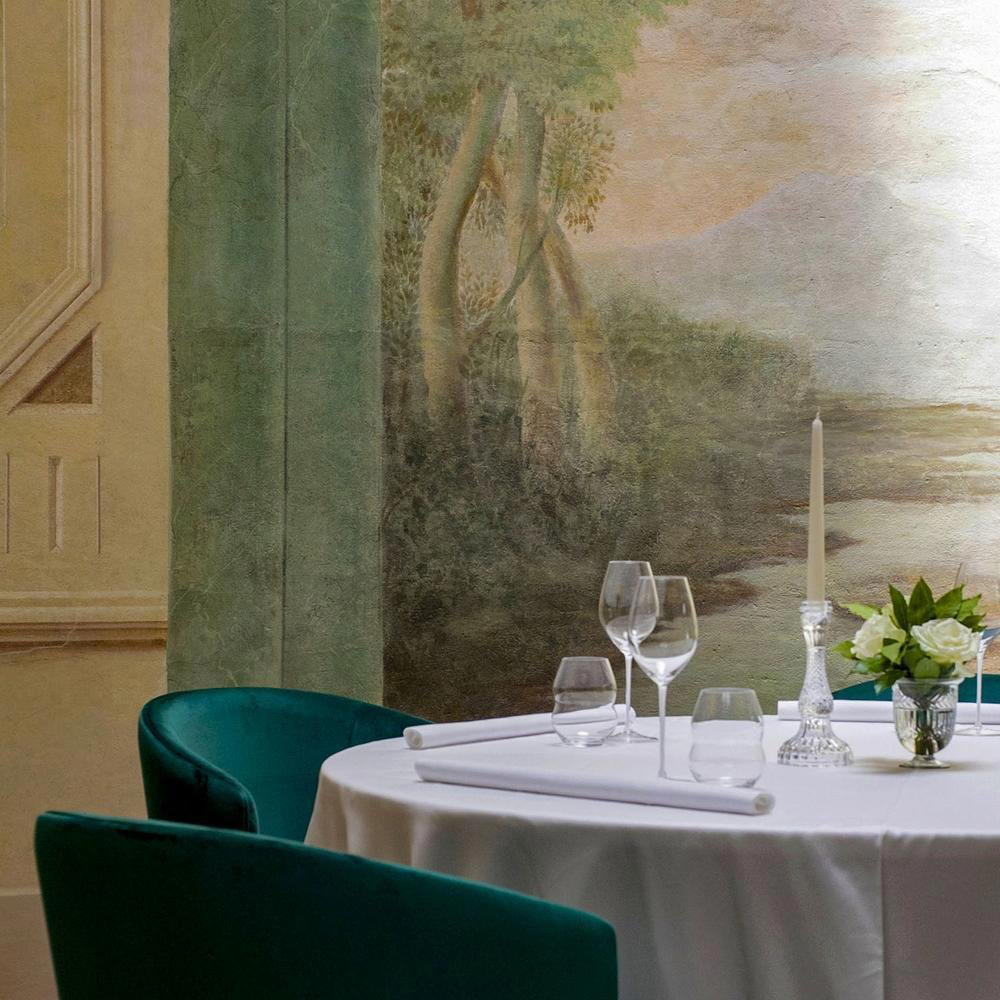
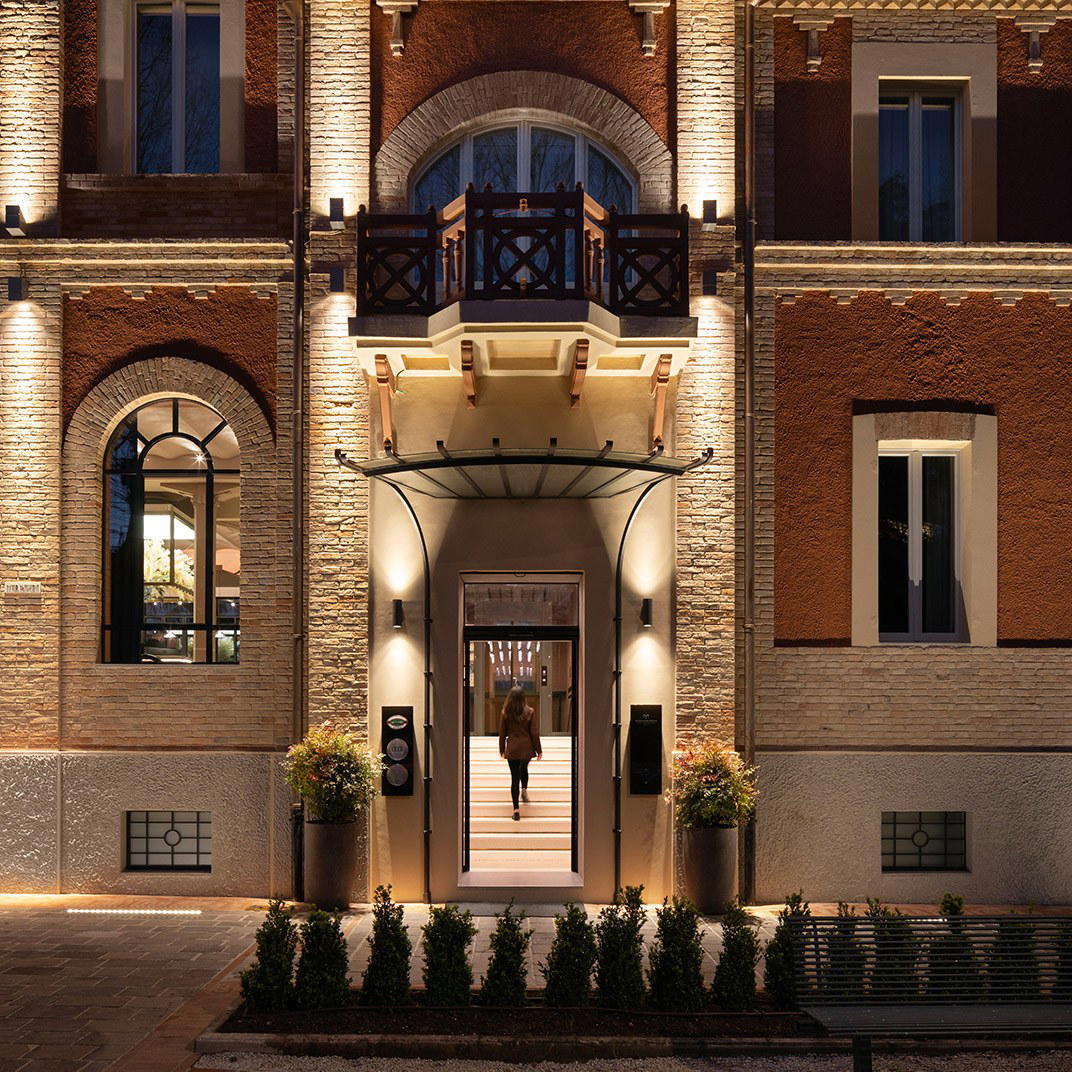
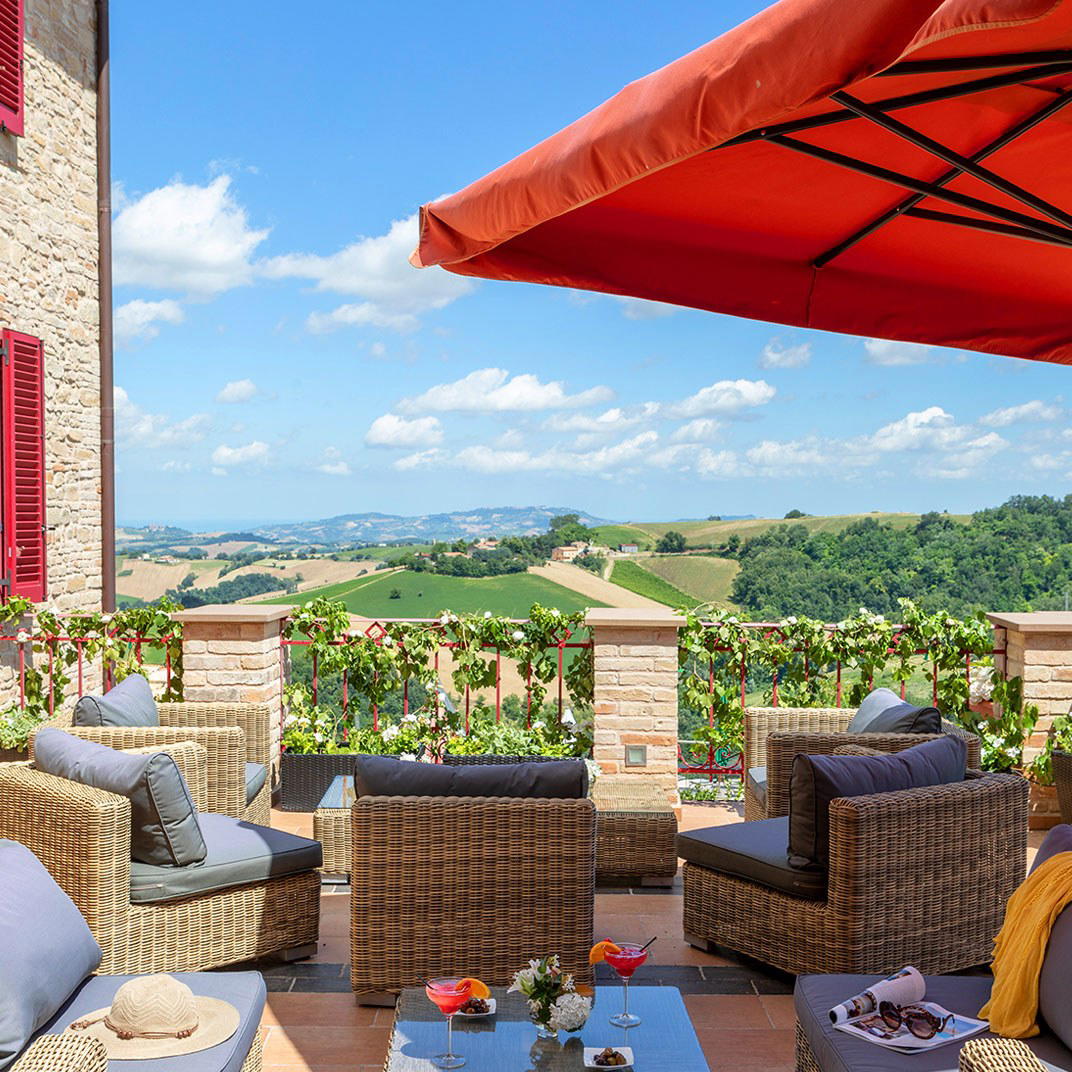
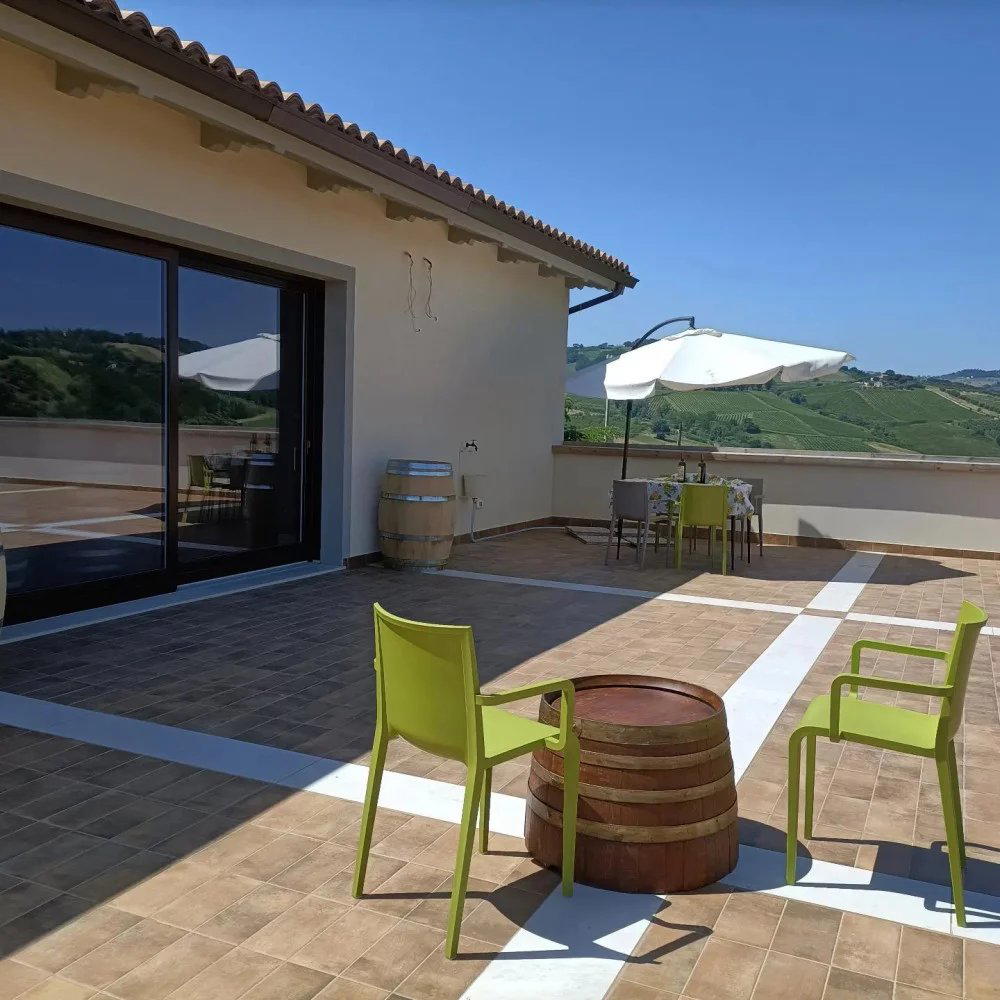
Welcoming historic setting with wildflowers, flower curtains, vintage cozy interior, and a pleasant outdoor veranda on a picturesque alley.