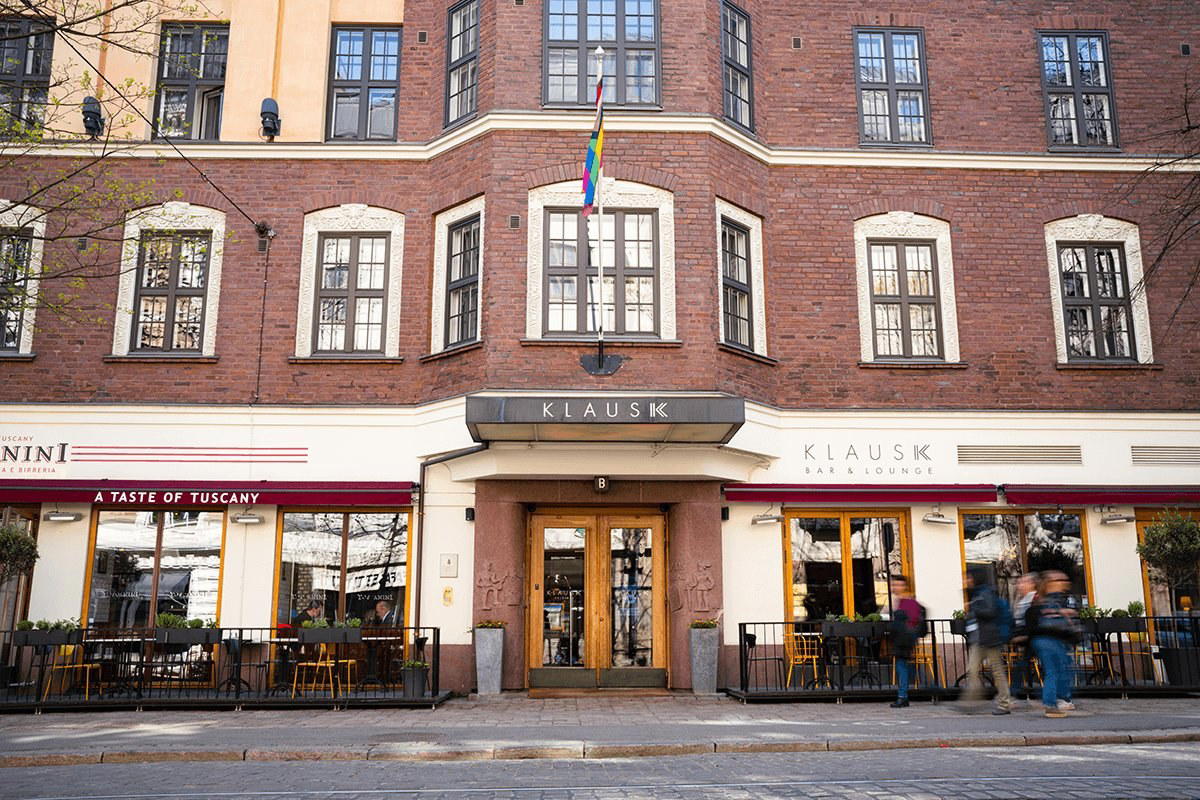
An Italian osteria on Tehtaankatu in Helsinki's Ullanlinna district, Osteria dei Mancini brings the unhurried rhythms of central Italian dining to a city that has largely defined itself through Nordic restraint. The address places it among residential streets rather than the tourist circuit, and that positioning alone signals something about its intended audience: people who come to eat, not to be seen eating.
Pearl is the En Primeur Club membership app — saves, bookings, and concierge access live there. Same editors, same standards.
- Address
- Tehtaankatu 38, 00150 Helsinki, Finland
- Phone
- +358442461400
- Website
- osteriadeimancini.fi
- Directions
- Get directions
 Saves & bookings on Pearl
The Ritual Before the Food
There is a particular grammar to eating at an Italian osteria that has nothing to do with the menu. It begins with the pacing, the way a table is given time to settle, the way bread arrives without ceremony, the way the meal is understood to occupy an evening rather than a slot in it. In Helsinki, where the dominant fine-dining mode leans toward the Nordic tasting menu format with its strict sequencing and timed seatings, an establishment operating closer to the osteria tradition occupies a noticeably different register. Osteria dei Mancini, at Tehtaankatu 38 in Ullanlinna, sits in that space: a southern European dining rhythm transplanted into a northern European city that does not produce many of them.
Ullanlinna is one of Helsinki's older residential quarters, the kind of neighbourhood where the streets are quiet enough that you hear your own footsteps. It is not where Helsinki's highest-profile restaurant openings tend to happen, those cluster closer to the Design District or the central waterfront. An Italian osteria here is not chasing the same audience as, say, the four-course modern Finnish programs at Palace or the hyper-seasonal tasting menus at Grön. It is, by address and format, positioning itself as a neighbourhood restaurant for people who know the neighbourhood.
What the Osteria Format Actually Means
The word osteria has been softened by international use into something closer to a generic Italian restaurant label, but its original function was specific: a place where wine was the anchor and food was the accompaniment, over time inverting to something more balanced but retaining the emphasis on informal hospitality over theatrical service. In contemporary Italian dining, the leading osterie sit in a middle tier between trattoria informality and ristorante formality, they expect you to linger, to order in rounds rather than courses, and to let the meal develop at the table's pace rather than the kitchen's schedule.
That format is relatively rare in Helsinki. The city's dominant serious-dining mode, visible across Finnjävel Salonki, Olo, and The ROOM by Kozeen Shiwan, tends toward structured progression: a set menu, a fixed number of courses, a wine pairing offered alongside. The osteria model inverts that logic. The diner assembles the meal. The kitchen responds. That shift in agency changes the experience considerably, and it is one reason why Italian osterie and trattatorie abroad attract a specific kind of repeat customer, people who want to eat well without having the evening managed for them.
Italian Dining in a Nordic City: The Context
Helsinki's relationship with Italian food is longer than the city's recent Nordic fine-dining reputation might suggest. Italian restaurants have operated in the Finnish capital for decades, ranging from pizza-forward casual spaces to more considered regional Italian programs. What has shifted in recent years is the emergence of restaurants taking the central or southern Italian kitchen more seriously, not as a delivery mechanism for familiar dishes, but as a regional cuisine with its own logic of seasonality, technique, and hospitality.
The osteria model fits that more serious approach better than the generic trattoria format. It carries inherent editorial weight: calling a restaurant an osteria implies a commitment to wine, to a certain simplicity of execution, and to the idea that the room exists for the people sitting in it. Across Finland more broadly, that kind of positioning is increasingly common at the country's better regional tables, places like Kaskis in Turku and VÅR in Porvoo share a similar philosophy of letting the cooking speak without the frame of grand-occasion dining.
How to Approach the Meal
The practical question for a first visit is one of sequencing. An osteria meal rewards a slower approach than a modern tasting menu does. Arriving with the intention of letting the meal develop, starting with something light, allowing the middle of the meal to expand based on what arrives and how it lands, produces better results than front-loading decisions. Wine choices ideally precede food choices rather than following them, because the list will shape what reads well on the plate.
For those calibrating a Helsinki dining itinerary, the Tehtaankatu address is walkable from the city's southern waterfront and a short distance from the Eira and Kaivopuisto areas. The residential setting means the surrounding streets are quiet in the evening, which is either an asset or a drawback depending on whether you plan to continue elsewhere after dinner. The neighbourhood does not have the density of late-night options available closer to Kamppi or Kallio, so the practical advice is to let the dinner itself be the plan.
For context on how the city's Italian and Mediterranean options sit relative to the Nordic-dominant tasting menu scene, our full Helsinki restaurants guide maps the full spectrum, from the Michelin-tier Finnish programs to the more casual mid-market options that fill the gaps between them.
Where It Sits in the Finnish Dining Picture
Finland's restaurant culture outside Helsinki is worth understanding for visitors moving around the country. The regional picture has improved considerably: Bistro Henriks in Tampere, Figaro in Jyväskylä, Hejm in Vaasa, and Vintti in Hämeenlinna each anchor their local scenes in ways that would have been unusual a decade ago. Even further afield, Hai Long in Rovaniemi, Filipof in Joensuu, Gösta in Mänttä, and JJ's BBQ in Salo demonstrate that considered dining has spread well beyond the capital. In that context, a neighbourhood osteria in Helsinki represents not an anomaly but a natural maturation of the city's dining range, the kind of place that fills in the register between the Michelin-chasing tasting rooms and the casual everyday options, serving people who want serious cooking without the ceremony that increasingly defines the former.
For international reference points, the osteria format occupies a position in Italian dining that parallels what wine-anchored American restaurants like Le Bernardin or the tightly conceived tasting rooms of Atomix represent in their respective categories: a distinct philosophy of hospitality that resists being reduced to a price bracket or a star count.
Planning Your Visit
Osteria dei Mancini is at Tehtaankatu 38, 00150 Helsinki, in the Ullanlinna district. Reservations are recommended.
At-a-Glance Comparison
Comparable venues nearby, for context on price, style, and recognition.
| Venue | Cuisine | Price | Notes |
|---|---|---|---|
| Osteria dei ManciniThis venue — the venue you are viewing | Authentic Southern Italian Coastal | $$$ | Not listed |
| Goose Pastabar | Modern Italian Pasta Bar | $$ | Kamppi |
| Scolare | Modern Italian | $$$ | Kaartinkaupunki |
| Lappi | Traditional Lappish Finnish Cuisine | $$$ | Kamppi |
| Kaisan pitseria | Classic Pizza Pizzeria | $$ | Kaartinkaupunki |
| Rue Madame Brasserie | French-Finnish Brasserie | $$$ | Kluuvi |
At a Glance
- Cozy
- Classic
- Intimate
- Date Night
Current opening hours
- Monday
- 11 AM–11 PM
- Tuesday
- 11 AM–11 PM
- Wednesday
- 11 AM–11 PM
- Thursday
- 11 AM–11 PM
- Friday
- 11 AM–12 AM
- Saturday
- 12 PM–12 AM
- Sunday
- Closed
Hours can change for holidays and private events. Last verified .
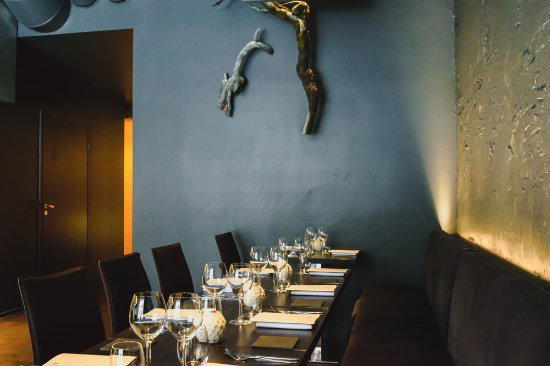
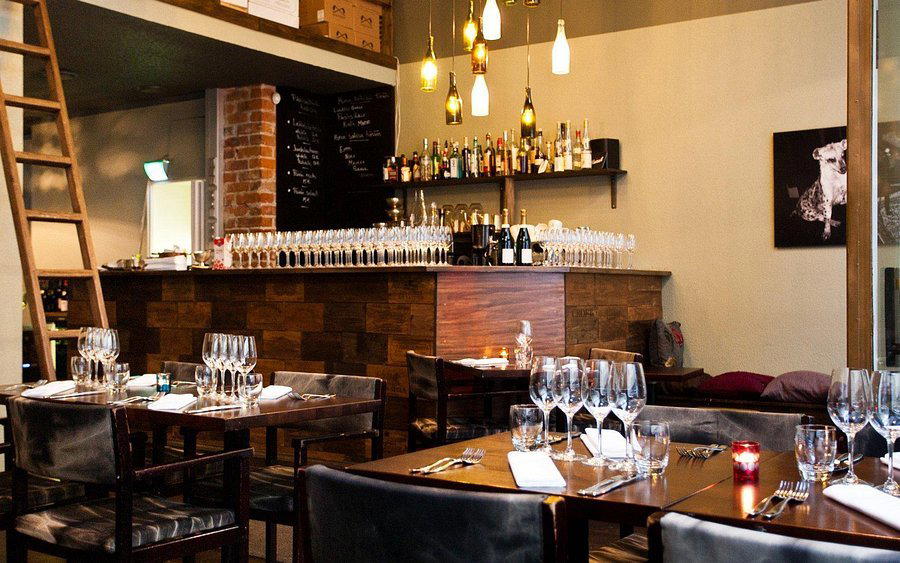
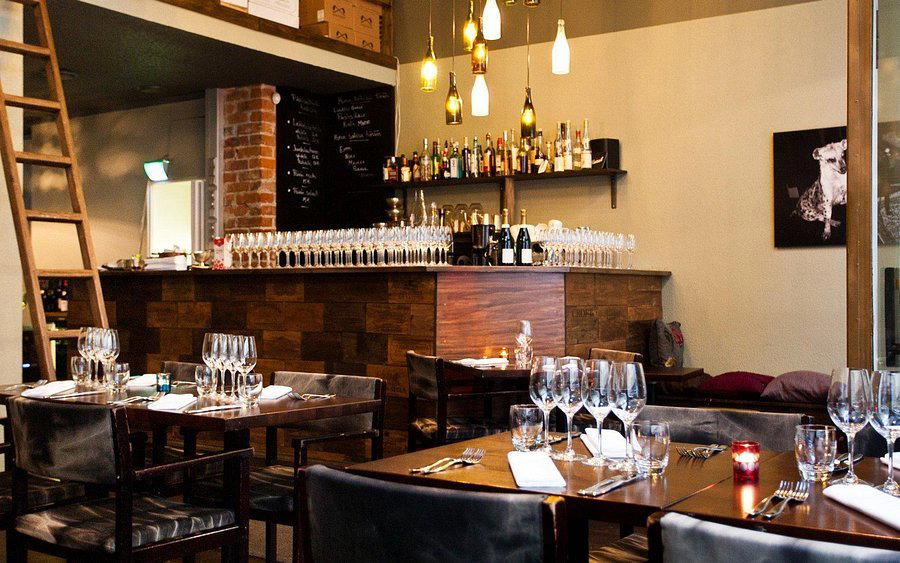
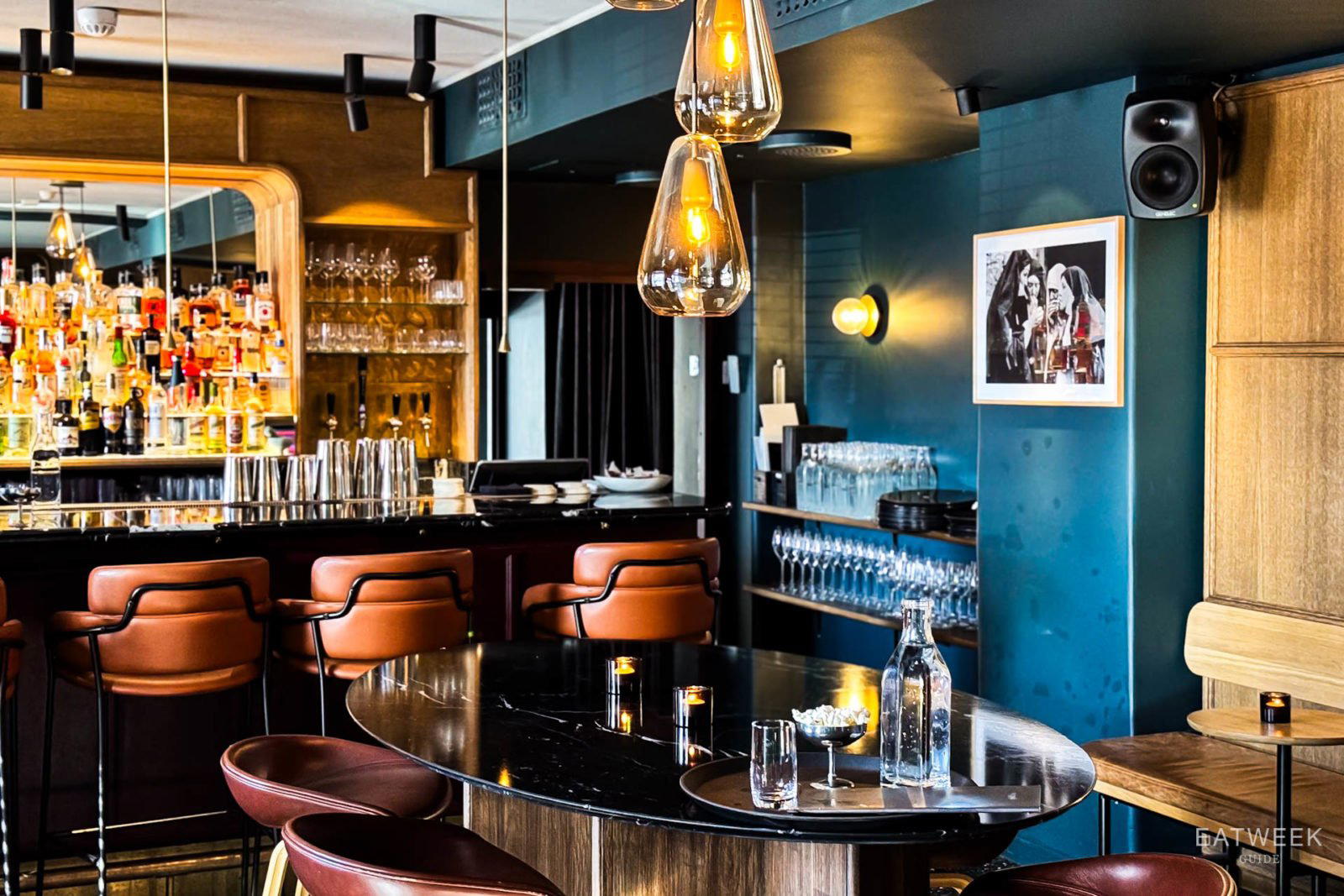
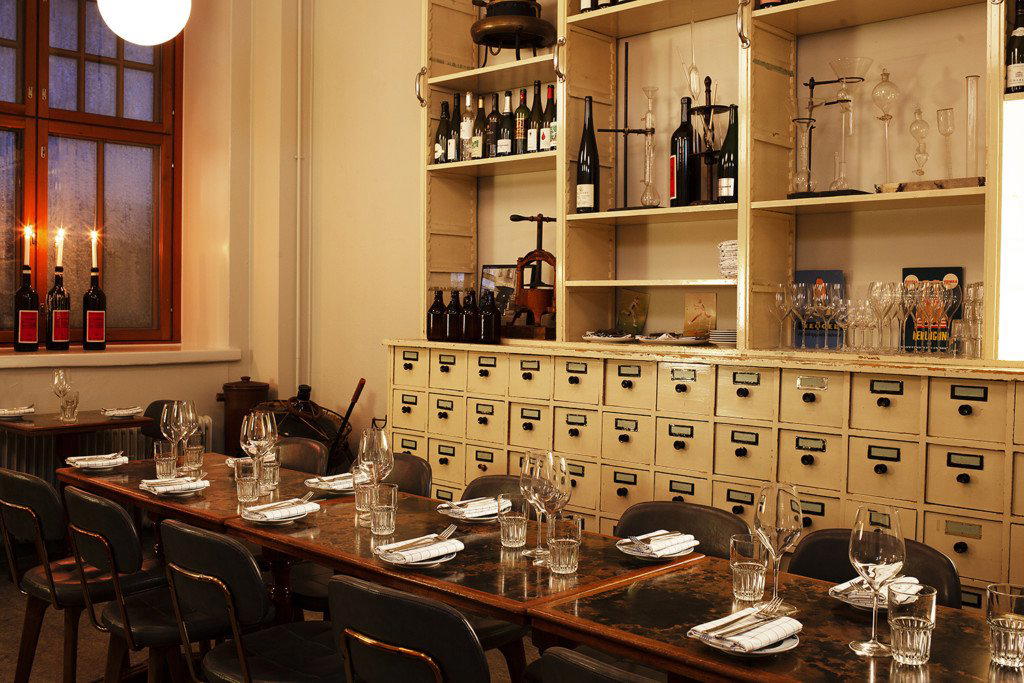
Warm and inviting atmosphere that transports guests to Italy, with great ambiance praised in reviews.