Ossobuco Coconut Grove
Our verdict
Ossobuco Coconut Grove occupies a corner of Miami's most canopied neighbourhood, at 2801 Florida Ave, where the Italian-American tradition of slow-braised cooking meets Coconut Grove's longstanding commitment to neighbourhood dining over destination spectacle. The address situates it within walking distance of the Grove's independent restaurant corridor, separating it clearly from the hotel-driven dining clusters of Brickell and South Beach.

Pearl is the En Primeur Club membership app, where members save venues, book tables and use the concierge.

The menu
What to order
- Smoked lamb chops with pistachio dukkah
- Ossobuco empanada
- Sweetbreads with wagyu potato purée
- Smoked baby beets with ricotta mousse
- Prime beef tartare
Coconut Grove's Dining Character and Where Ossobuco Fits
Coconut Grove has always operated at a different register from the rest of Miami's dining scene. Where Brickell runs on corporate expense accounts and South Beach on tourism volume, the Grove draws a clientele that tends to live within a few miles of the table. That neighbourhood loyalty shapes what restaurants here build toward: repeat business, seasonal familiarity, and the kind of Italian-American cooking that rewards return visits more than first impressions. Ossobuco Coconut Grove, at 2801 Florida Ave, sits inside that pattern. The name itself signals intent: ossobuco, the Milanese cross-cut veal shank braise, is not a dish that performs well under shortcuts. It is fundamentally a slow-cooking exercise, one that rewards patience in the kitchen and a diner willing to order without urgency.
That positioning matters in a Miami market where the dominant conversation tends toward raw bars, Peruvian-Japanese fusion (see ITAMAE for a strong example of that tradition), and high-format tasting menus. Italian-American neighbourhood cooking with a braised-protein anchor is a quieter proposition, and Coconut Grove is one of the few Miami neighbourhoods where that quietness reads as a feature rather than a gap.
The Sustainability Frame in South Florida Cooking
South Florida's restaurant community has been slow to adopt the kind of structured sourcing frameworks that define places like Blue Hill at Stone Barns in Tarrytown or Single Thread Farm in Healdsburg, where farm ownership and menu design are formally integrated. The reasons are partly logistical: Florida's climate and soil profile make year-round vegetable farming viable but fragmented, and the state's protein supply chains are heavily oriented toward national distributors. That context makes any Coconut Grove restaurant that prioritises local sourcing and low-waste kitchen practice relatively notable, not because the bar is high nationally, but because the structural obstacles in South Florida are real.
Ossobuco, as a dish category, has a built-in sustainability argument that is worth understanding. Veal shank is a working cut, not a premium loin. Braising traditions across Northern Italy developed precisely because they extracted maximum value from tougher, less expensive parts of the animal, using long cook times to convert collagen into gelatin and generate depth from what would otherwise be discarded or undervalued. A restaurant built around that tradition is, at its core, making an argument for whole-animal thinking and patient technique over premium-cut shortcuts. Across the United States, the restaurants that have built the most coherent sustainability programs, places like Lazy Bear in San Francisco and Providence in Los Angeles, have tended to anchor those programs in exactly this kind of technique-forward, cut-conscious kitchen philosophy.
Reading the Address: 2801 Florida Ave
The Florida Ave corridor in Coconut Grove runs through the neighbourhood's older, more residential core, away from the Cocowalk retail cluster and the bayfront. Restaurants along this stretch tend to have lower visibility from passing traffic, which filters the clientele toward those who know the address in advance. That self-selection produces a different room dynamic than a high-visibility corner on Brickell Ave: the tables fill with Grove residents, repeat diners, and people who have been pointed here by someone who has already eaten. It is a geography that rewards consistency over novelty, which aligns with what a braised-protein restaurant actually needs to sustain itself.
For comparison, the Miami restaurants that have built durable reputations in similarly residential contexts include Ariete in Coconut Grove itself, which has operated at the $$$$-tier Modern American level, and Boia De, the Italian-contemporary counter in the Upper East Side that built a national profile without a high-visibility address. Both cases suggest that Miami diners will seek out a specific address when the cooking warrants it, regardless of foot traffic.
Where Ossobuco Coconut Grove Sits in Miami's Italian Dining Tier
Miami's Italian restaurant market spans a wide range, from the white-tablecloth Continental rooms that cater to the Coral Gables professional class to the newer contemporary-Italian wave that draws comparison with New York's downtown scene. Boia De, at the $$$-tier, has attracted the most critical attention in that newer wave. At the formal end of Miami's European dining, L'Atelier de Joël Robuchon Miami sets the benchmark for French technique, while Cote Miami and others demonstrate how non-Italian European and Asian formats have expanded Miami's fine-dining vocabulary. Italian-American neighbourhood cooking in the Coconut Grove mode occupies a different register from all of these: it is not competing on tasting-menu ambition or on celebrity-chef credentialing. It is competing on comfort, consistency, and the specific pleasure of a well-executed braise.
Nationally, the Italian-American tradition at the neighbourhood level has proven remarkably durable. In New York, the model has been refined over decades. In Chicago, it coexists with the avant-garde approaches that define places like Alinea. In New Orleans, the Italian-Creole crossover produced a distinct regional dialect that restaurants like Emeril's helped codify. Miami has historically been less sure of its Italian-American identity, given the city's stronger Cuban and Caribbean culinary gravitational pull. Coconut Grove, with its older Anglo residential demographic, has always been the neighbourhood most likely to sustain a traditional Italian-American room.
Planning a Visit
Frequently asked questions
What should I eat at Ossobuco Coconut Grove?
The restaurant's name directs you clearly: the braised veal shank is the anchor of any visit. Ossobuco alla Milanese, served traditionally with gremolata and risotto, is a kitchen-defining dish that reveals more about a restaurant's discipline and sourcing than any number of composed appetisers. Order it, and judge the kitchen by it. For context on how Miami's dining scene handles Italian cuisine at different formats and price tiers, Boia De offers a useful contemporary-Italian reference point.
Do they take walk-ins at Ossobuco Coconut Grove?
Walk-in availability at neighbourhood restaurants in Coconut Grove tends to be more realistic on weeknights than on Friday and Saturday evenings, when the Grove's residential dining crowd fills rooms that don't necessarily have the seat counts of South Beach hotel restaurants. Miami's dining culture broadly skews toward late reservation times, with 8pm and 9pm seatings common across the $$$ and $$$$ tier, which can free up earlier slots for walk-ins. That said, booking in advance is the safer position, particularly if you are visiting from outside the neighbourhood. Current booking policy should be confirmed directly with the venue.
What has Ossobuco Coconut Grove built its reputation on?
In a Miami market that trends toward raw-forward, fusion-inflected, and high-format dining, a restaurant anchored in the slow-braised Italian-American tradition occupies a relatively specific niche. Ossobuco Coconut Grove's reputation rests on that specificity: it offers a category of cooking, patient, technique-dependent, centred on secondary cuts and long cook times, that few Miami addresses pursue as their primary identity. The Coconut Grove address reinforces this, situating the restaurant in a neighbourhood where repeat, local dining loyalty is the most reliable business foundation. For the broader context of Miami's dining development, see our full Miami restaurants guide.
Is Ossobuco Coconut Grove worth visiting if you are already planning a night in Coral Gables or Brickell?
The restaurant's address in central Coconut Grove makes it a reasonable detour from Coral Gables, which borders the Grove to the west, but a less convenient option for diners anchored in Brickell or South Beach. The Florida Ave location is well suited to those staying in the Grove itself or to Miami residents with a specific interest in the Italian-American braised-protein tradition that the restaurant's name and positioning signal. It does not sit in the same evening-itinerary cluster as Atomix-tier destination dining, but rather in the neighbourhood-anchor category that rewards a dedicated visit over a casual add-on. For Italian dining at different price points and formats across Miami, compare with Boia De and the broader Italian options covered in our Miami guide.
Budget and Context
Comparable venues nearby, for context on price, style, and recognition.
| Venue | Cuisine | Price | Awards | Notes |
|---|---|---|---|---|
| Ossobuco Coconut GroveThis venue (the venue you are viewing) | Modern Grilled Cuisine | $50–100 | Not listed | Not listed |
| Rodeo Grill | Argentine Steakhouse | $30–50 | Not listed | Port of Miami, Argentine Steakhouse |
| To Be Determined | Premium Steakhouse | $200–300 | Michelin Bib Gourmand · Resy Best of the Hit List | South Beach, Premium Steakhouse |
| 1986 Steak House | Argentine Steakhouse | $100–150 | Not listed | Coconut Grove, Modern Argentine Steakhouse & Parrilla |
| Toro Toro | Pan-Latin Steakhouse | $50–100 | Not listed | Port of Miami, Pan-Latin Steakhouse |
| Adrift Mare | Modern Mediterranean restaurant & cocktail bar with Biscayne Bay views | $50–100 | Not listed | Brickell, Modern Mediterranean restaurant & cocktail bar with Biscayne Bay views |
Continue exploring
More in Miami
Restaurants in Miami
All restaurants in Miami →
Bars in Miami
All bars in Miami →

Ossobuco Coconut Grove
The wine
- Extensive wine list
- Craft cocktails
- Beer program
Details
- Modern
- Elegant
- Sophisticated
- Trendy
- Date Night
- Business Dinner
- Group Dining
- Celebration
- Special Occasion
- Private Event
- Open Kitchen
- Private Dining
- Standalone
- Extensive Wine List
- Craft Cocktails
- Beer Program
- Organic
- Local Sourcing
- A La Carte
- Wine
- Craft Cocktails
- Organic Focus
Current opening hours
- Monday
- 4–10 PM
- Tuesday
- 4–10 PM
- Wednesday
- 4–10 PM
- Thursday
- 4–10 PM
- Friday
- 11 AM–11 PM
- Saturday
- 11 AM–11 PM
- Sunday
- 11 AM–10 PM
Hours can change for holidays and private events. Hours as of .
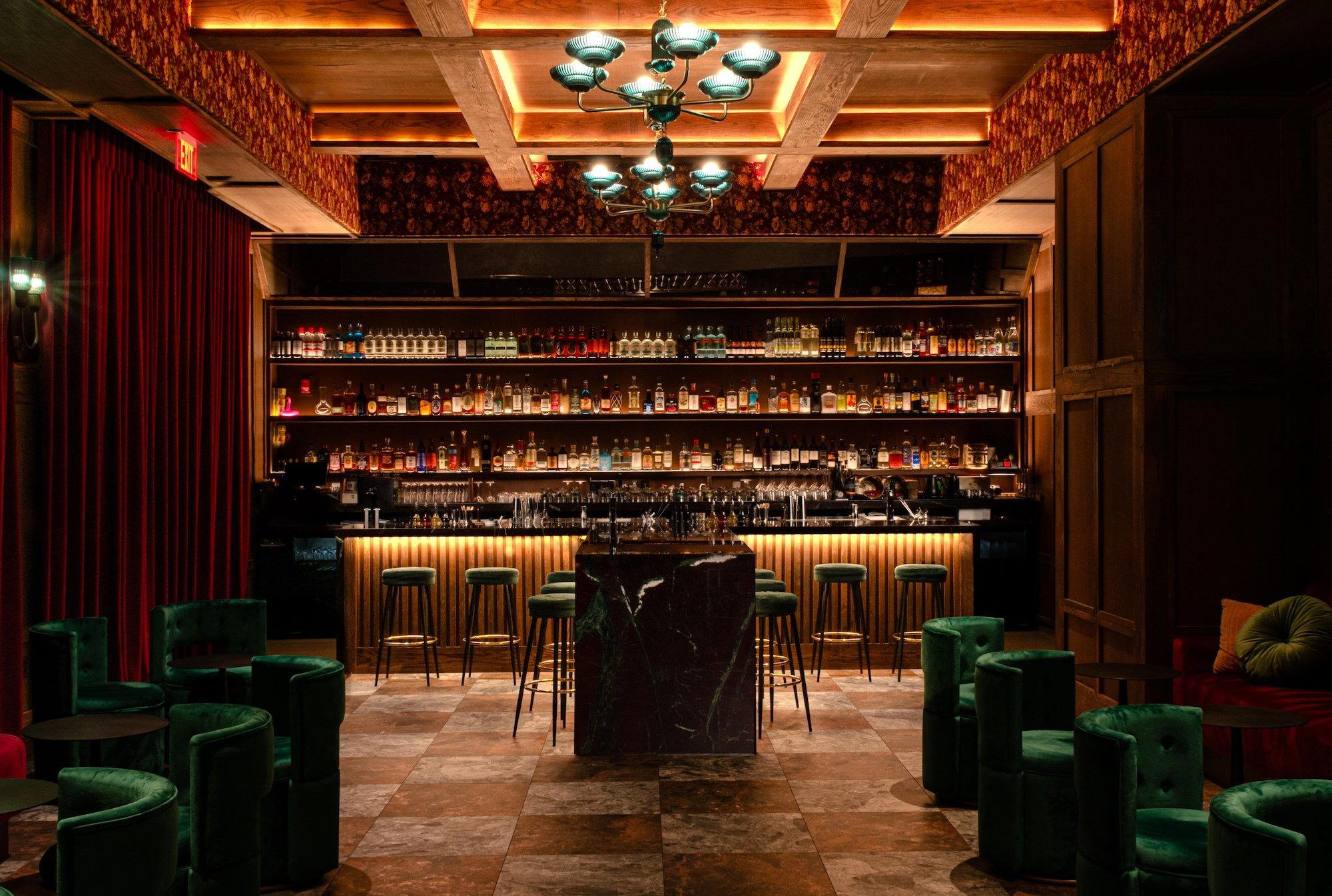
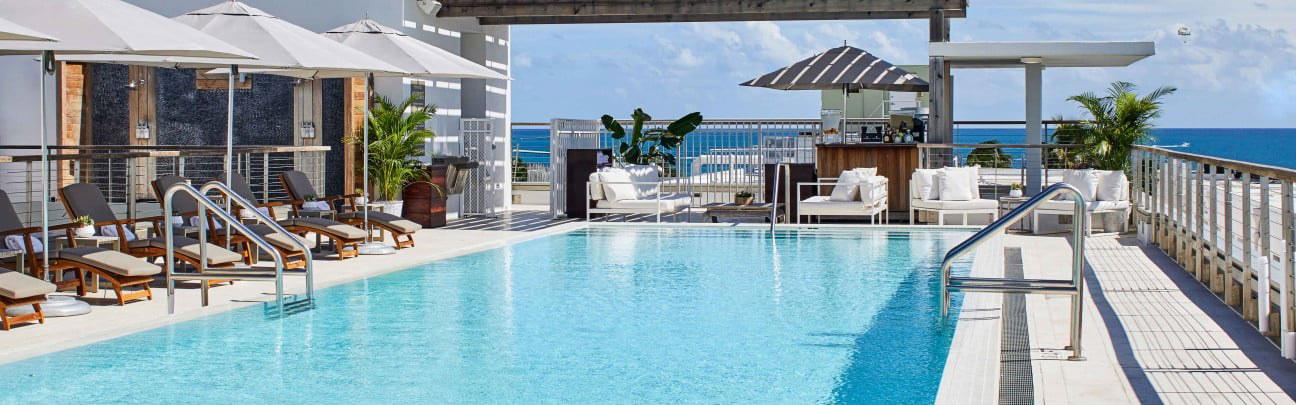
Relaxed yet sophisticated atmosphere anchored by a roaring wood-burning grill, designed for sharing and connection with friends and family.