1986 Steak House
1986 Steak House brings an Argentine steakhouse lens to Miami’s beef-heavy dining culture, a city where Latin American grilling traditions sit comfortably beside expense-account steak rooms and late-night social dining. The draw is less about novelty than category discipline: fire, beef, wine-friendly pacing, and the kind of room that makes sense for a long dinner rather than a quick stop.
Pearl is the En Primeur Club membership app — saves, bookings, and concierge access live there. Same editors, same standards.
- Address
- Miami, United States
- Website
- 1986steakhouse.com
 Saves & bookings on Pearl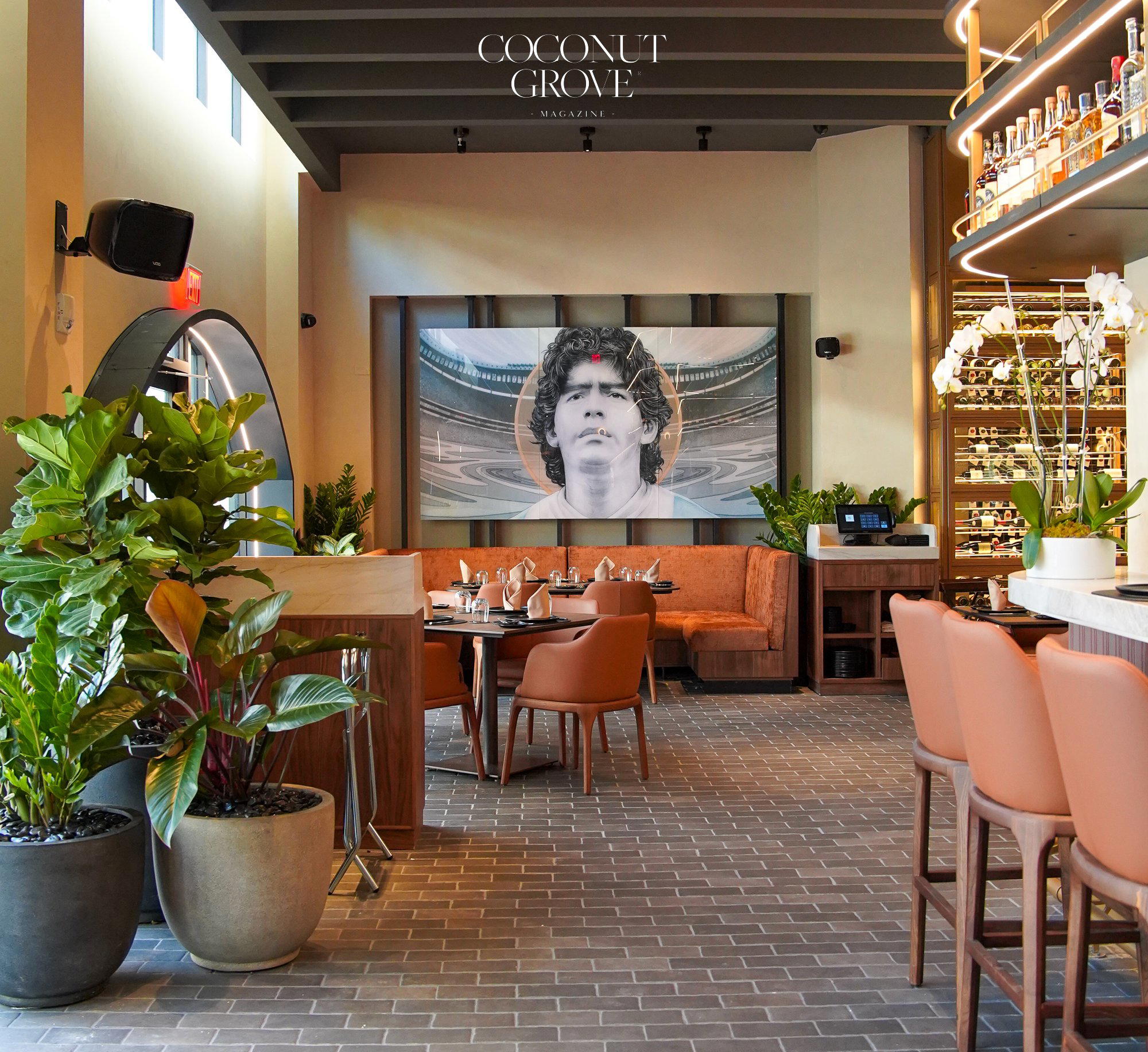
Approach an Argentine steakhouse in Miami and the cues are usually direct: meat in the foreground, the sound of a room settling into long tables, and a style of hospitality built for lingering rather than turning seats at speed. 1986 Steak House belongs to that tradition, where the drama is not plating theater but the slower grammar of beef, heat, smoke, fat, salt, and time.
Miami is a natural city for this format. Its steak culture is not only American expense-account dining; it is shaped by Argentine, Uruguayan, Brazilian, Colombian, Cuban, and Venezuelan habits of eating meat socially, often late, often with wine, and rarely as a solitary main course. In that context, an Argentine steakhouse reads less like an imported concept than a local fit. The category has clear expectations: substantial cuts, a grill-led menu, simple accompaniments, and pacing that lets the table take the lead.
Argentine steakhouse cooking in a city that understands fire
The Argentine steakhouse model depends on restraint. It does not need elaborate sauces to explain itself. The pleasure comes from sourcing, aging where the program supports it, seasoning, grill control, and the way the kitchen handles different cuts without flattening them into the same texture. Dry-aging, when used well, is not a luxury label; it is a technique for moisture loss, enzymatic change, and deeper beef character. The result should be concentration rather than heaviness, with enough structure to make the first slice and the last bite feel connected.
That distinction matters in Miami, where steak restaurants can lean in two directions: high-gloss rooms that sell celebration, and Latin American grill houses that make beef feel conversational. 1986 Steak House sits closer to the second lineage by cuisine identity, though the city’s appetite for occasion dining inevitably shapes how the room is used. The sharper read is not whether it imitates Buenos Aires, but whether it understands the hierarchy of a steak dinner: meat first, fire second, everything else in support.
Argentine steakhouse cooking also carries a different rhythm from the American steakhouse template. The table often builds around shared cuts and sides rather than one person, one plate. Chimichurri, provoleta-style starters, sausages, offal, and rib cuts are common markers of the genre, though specific dishes should be checked against the current menu. What matters editorially is the structure: the meal is designed for conversation, not for a chef’s sequence of surprises.
Where 1986 Steak House fits in Miami's restaurant map
For readers sorting Miami by mood, the restaurant belongs in the city’s dinner-driven category: meat, wine, and a room that rewards an unhurried table. It is not competing with fast-casual grazing or small-plate bar dining. It answers a narrower question: where does Argentine steakhouse cooking sit within a city already comfortable with beef as a social language?
That makes it a useful counterpoint to other Miami dining modes. Coral Way’s Italian comfort zone, represented in EP Club by O Munaciello Coral Way, reads through neighborhood regularity and pizza tradition. Wynwood’s food-hall energy, captured by 1-800-Lucky, favors variety and movement. Casual Spanish snacking at 100 Montaditos or slice-driven appetite at 11th Street Pizza (Pizzeria) solve different dining problems. A steakhouse dinner asks for more time, more appetite, and usually a table that wants one central subject.
Miami also has a tourist-facing dining layer, visible around addresses such as 401 Biscayne Blvd, where convenience and location often drive the decision. An Argentine steakhouse is a different calculation. The meal is less about checking off a district and more about choosing a format. For broader planning, Our full Miami restaurants guide maps the restaurant field, while Our full Miami hotels guide, Our full Miami bars guide, Our full Miami wineries guide, and Our full Miami experiences guide help place dinner inside a fuller itinerary.
The smart order is built around restraint, not excess
The better way to approach this kind of table is to avoid treating the menu as a dare. Start with the grill logic: choose a cut or selection of cuts that makes sense for the party size, then build around acidity, greens, potatoes, and wine rather than piling richness on richness. Argentine steakhouse dining works when contrast is present. Fat needs acid. Char needs freshness. A long dinner needs pace.
For dry-aged beef in particular, diners should expect a stronger profile than standard wet-aged steak, though exact intensity depends on the cut, age, storage conditions, and trimming. A well-run program uses aging to create depth, not funk for its own sake. In a Miami context, that restraint is valuable. The city already supplies spectacle; the plate does not need to shout.
The broader EP Club map offers useful contrasts outside Miami as well. Japanese drinking-food precision at Jōdo Saké Bar in Los Angeles, hand-held simplicity at Onigiri Time in Pasadena, Portland taqueria energy at ¿Por Qué No? in Portland, plant-based Hawaiian cooking at 'Ai Love Nalo in Waimanalo Beach, and island-rooted California dining at 'āina in San Francisco all show how regional identity can shape casual and serious dining without forcing the same template. The same holds for 'Ama 'Ama in Kapolei, -Grilled beef Sukiyaki- KAMAKURA TANUKIAN 鎌倉 たぬき庵 in Kamakura, and ¡Salud! in Los Angeles: each makes more sense when read through format first, then address.
Read the restaurant the same way. Its reputation rests on Argentine steakhouse identity in Miami, a city that understands beef as both dinner and social ritual. Go for a table that wants the meal to revolve around the grill, not for a tasting-menu performance or a quick pre-theater bite. The category has its own discipline, and that discipline is exactly the point.
- charcoal-grilled foie gras with membrillo
- Argentine skirt steak
- American Prime ribeye
- Japanese A5 wagyu
- Prime beef tartare with grilled bone marrow
- provoleta from the grill
How It Compares
Comparable venues nearby, for context on price, style, and recognition.
| Venue | Cuisine | Price | Notes |
|---|---|---|---|
| 1986 Steak HouseThis venue — the venue you are viewing | Modern Argentine Steakhouse & Parrilla | $$$$ | Not listed |
| Bourbon Steak, Miami by Michael Mina | Modern American Steakhouse | $$$$ | Aventura |
| El Toro Loco Steakhouse Tamiami | Brazilian Steakhouse | $$$ | Sweetwater |
| Toro Toro | Pan-Latin Steakhouse | $$$$ | Port of Miami |
| Salty Flame | Pan-Asian Steakhouse | $$$ | Miami Financial District |
| La Cabrera Coconut Grove | Argentine Steakhouse | $$$$ | Coconut Grove |
At a Glance
- Elegant
- Modern
- Sophisticated
- Trendy
- Lively
- Date Night
- Business Dinner
- Group Dining
- Celebration
- Special Occasion
- After Work
- Open Kitchen
- Design Destination
- Standalone
- Craft Cocktails
- Zero Proof
- Local Sourcing
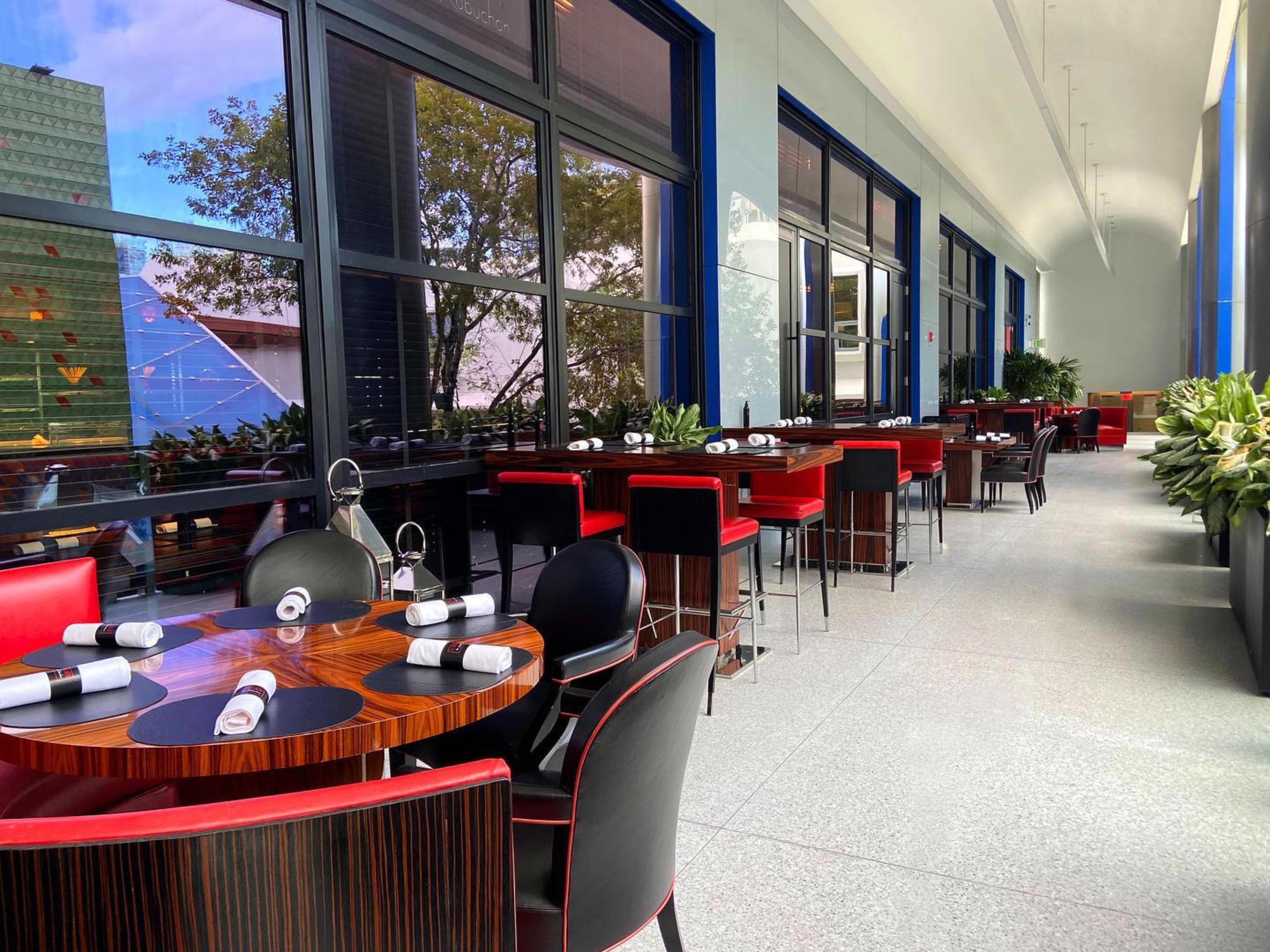
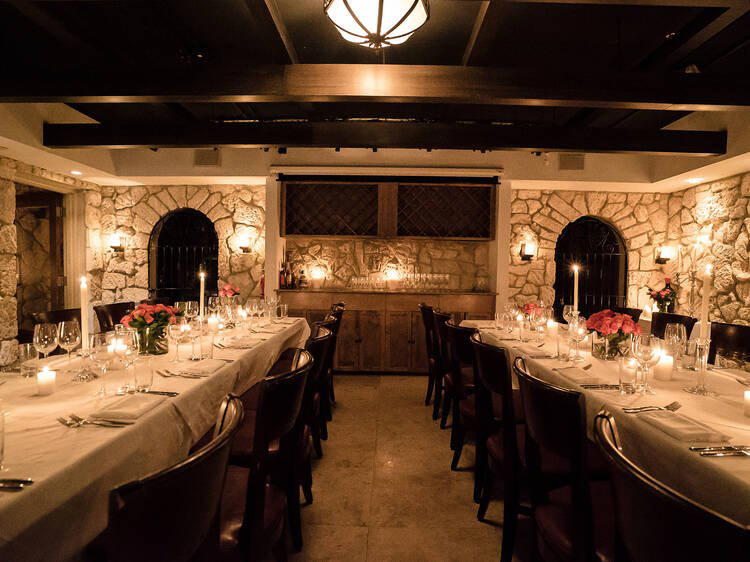
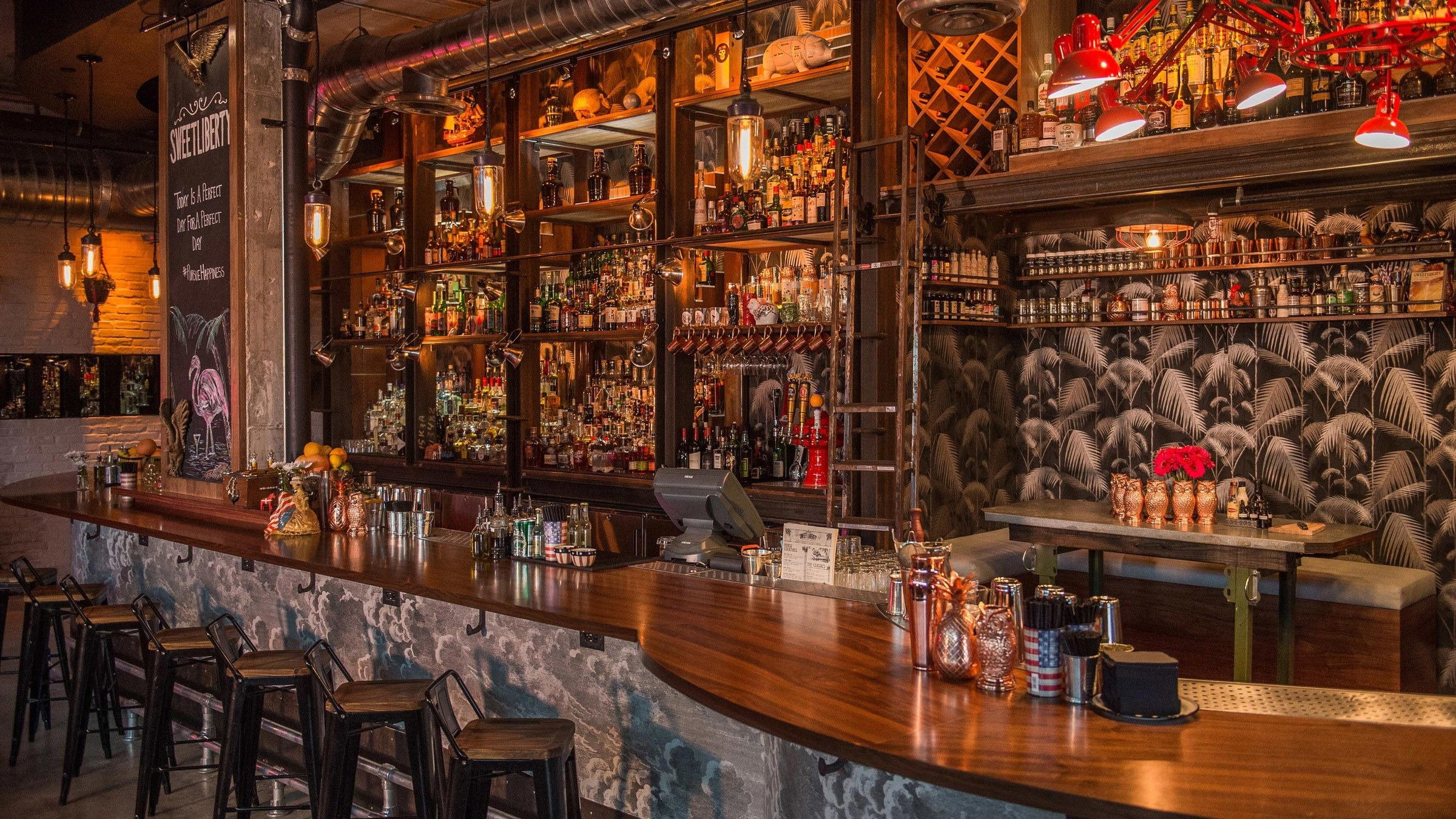
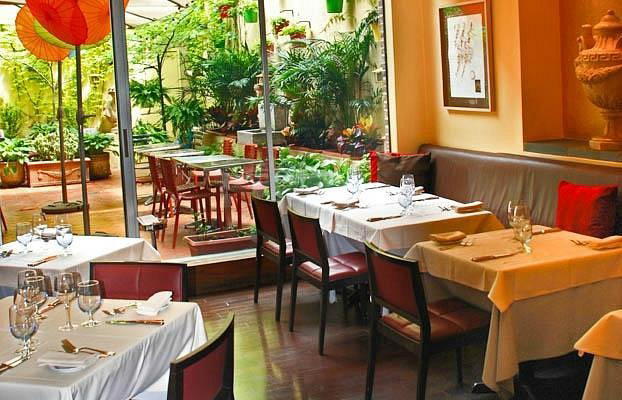
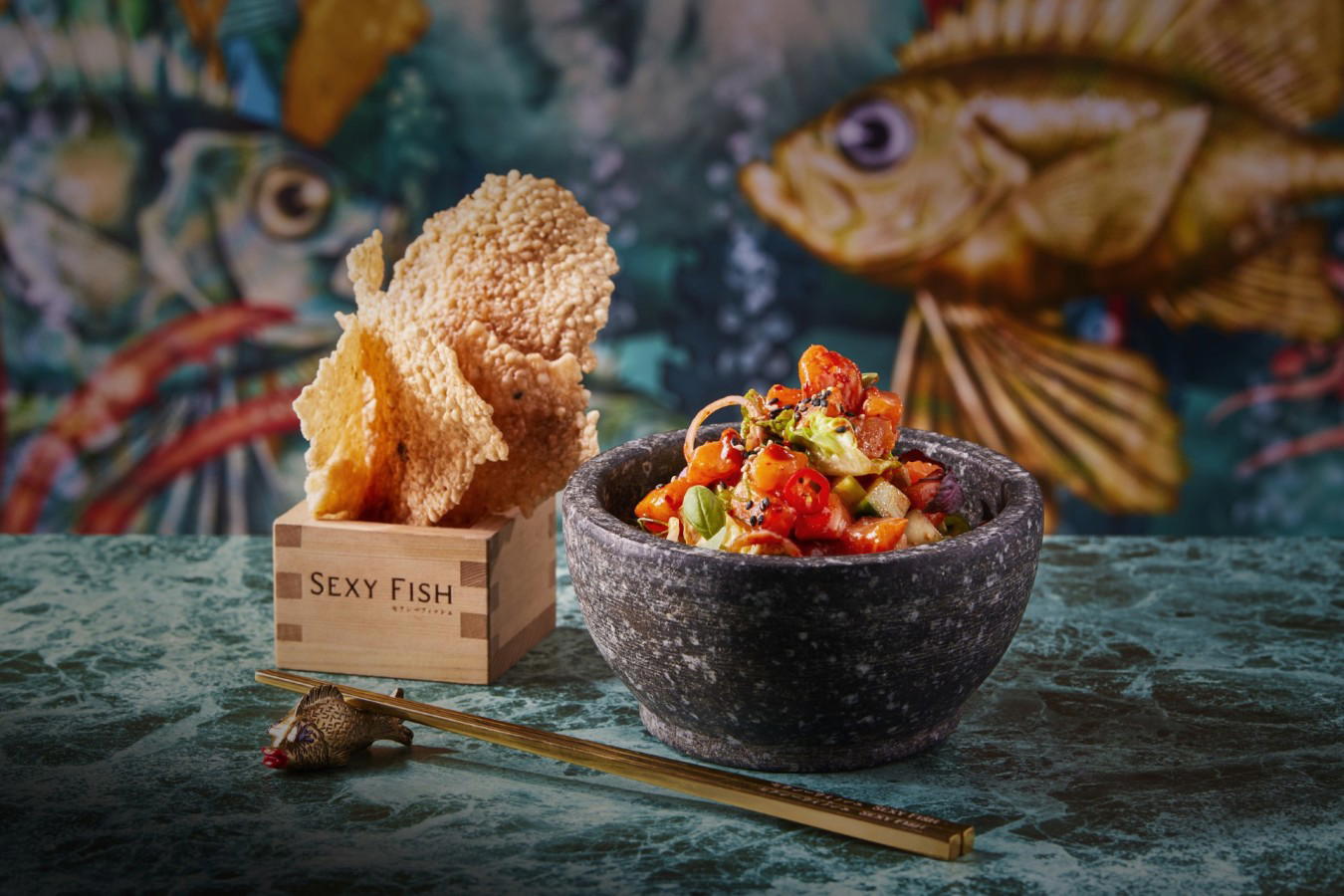
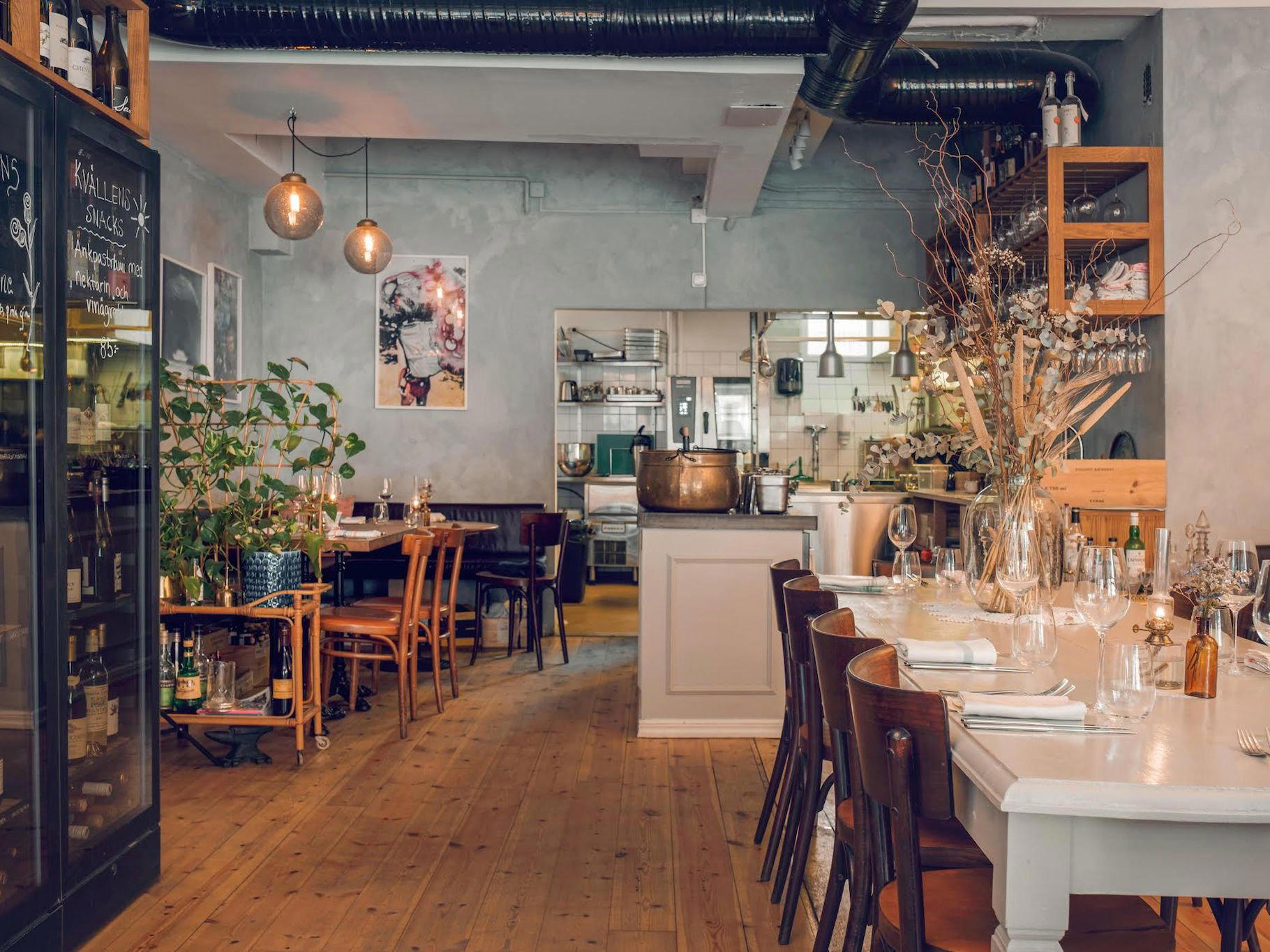
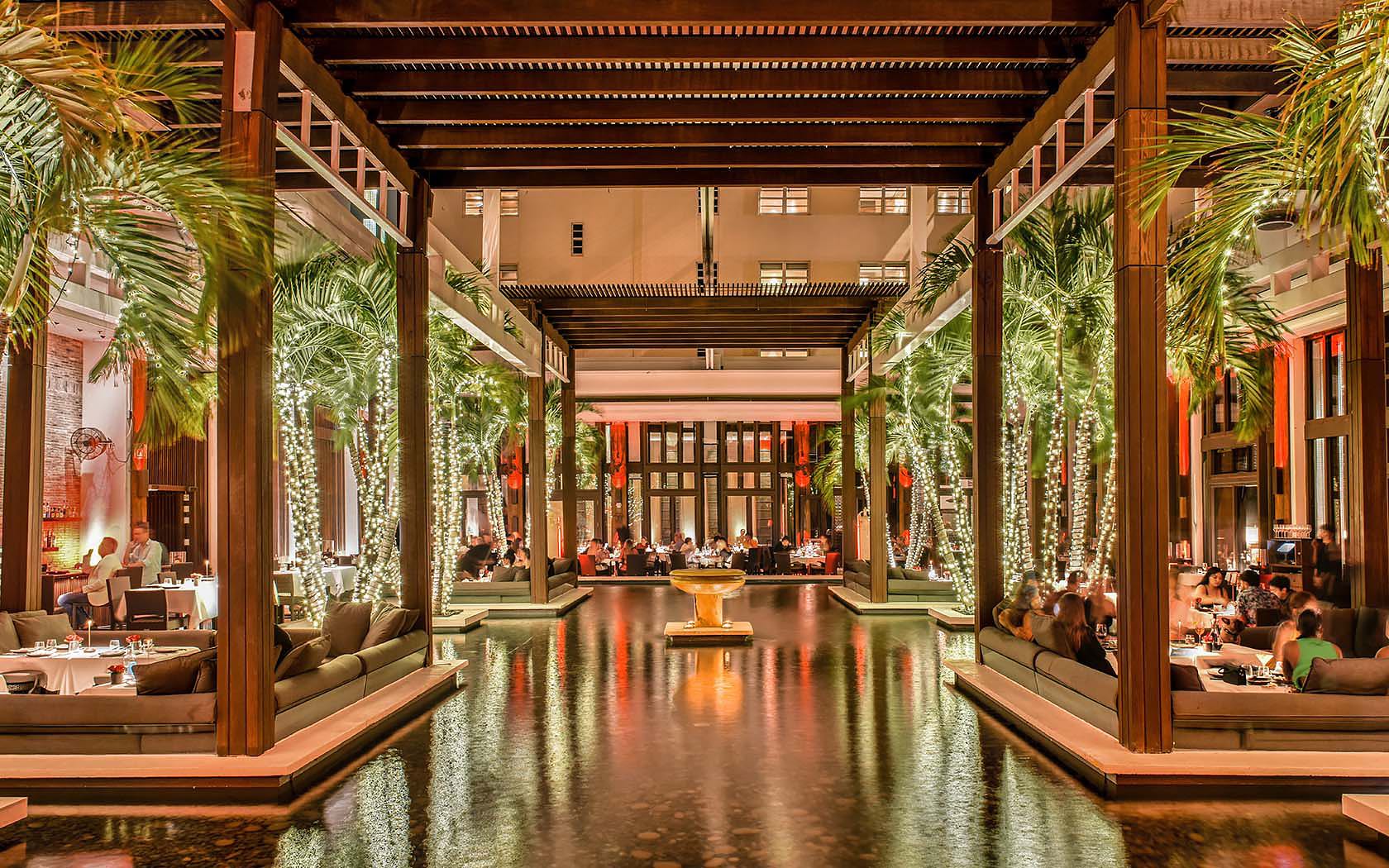
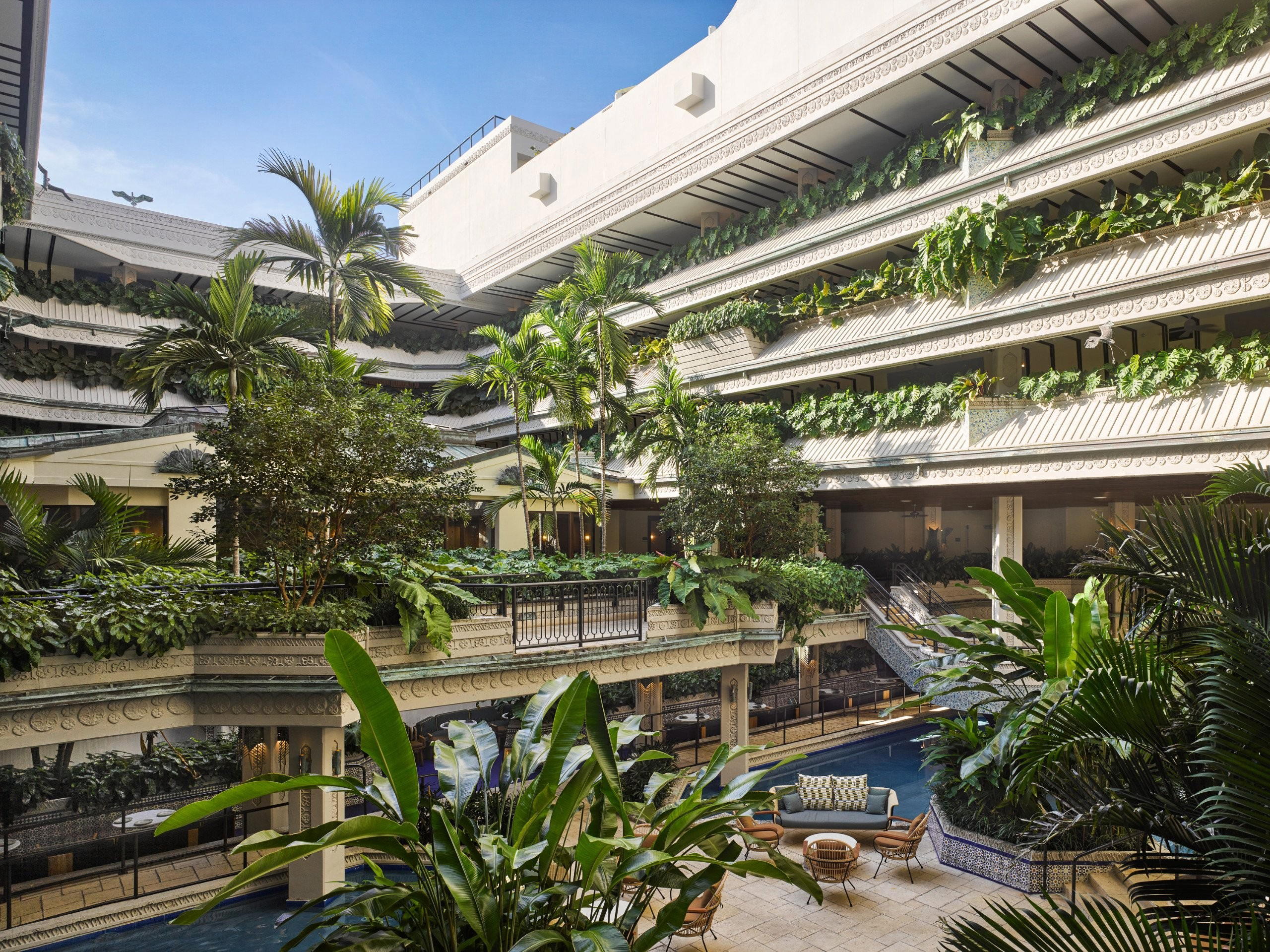
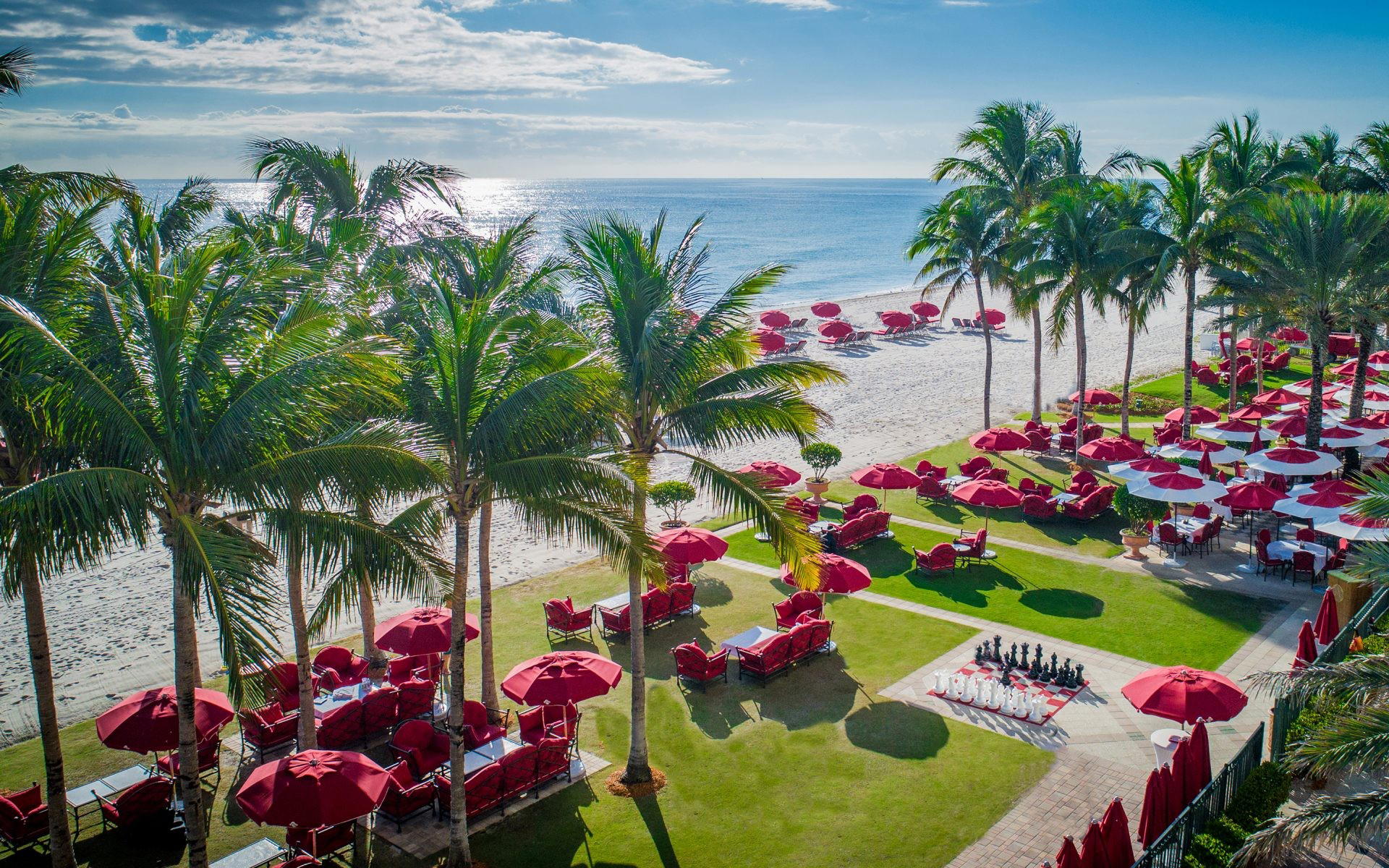
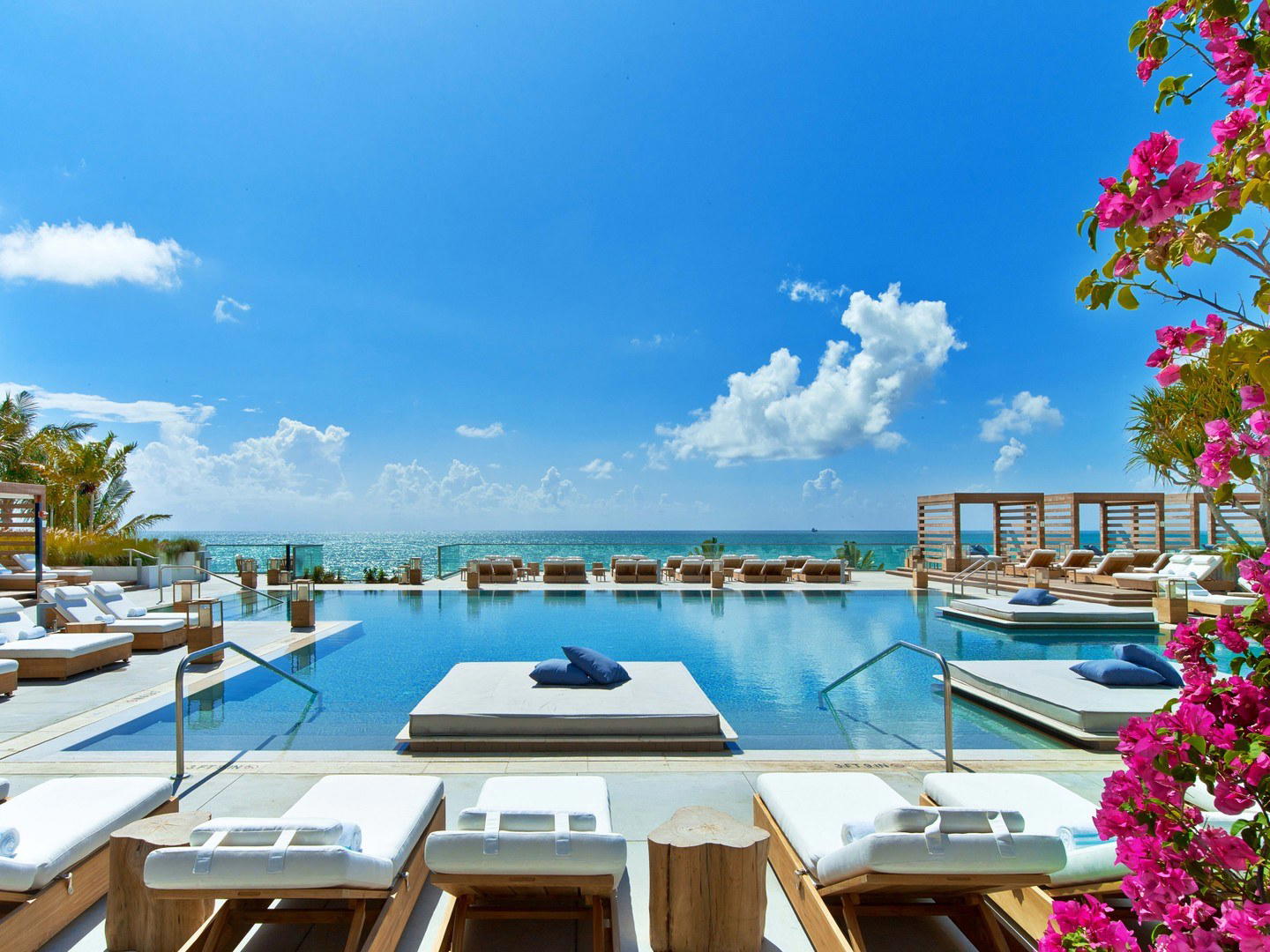
Modern, polished Argentine steakhouse design that feels elegant yet unpretentious, with a focus on the glowing parrilla grill, a prominent bar, and a lively, social dining room that emphasizes gathering around fire and sharing long meals.