Adrift Mare
Adrift Mare brings Mediterranean coastal cooking into Miami’s herb-forward dining conversation, where oregano, thyme, basil and za’atar matter as much as seafood and grill work. The appeal is less about spectacle than a familiar regional grammar translated for a city built around warm weather, late dinners and a broad appetite for coastal cuisines.
Pearl is the En Primeur Club membership app — saves, bookings, and concierge access live there. Same editors, same standards.
- Address
- 1395 Brickell Ave, Miami, FL 33131
- Phone
- (305) 503-6529
- Website
- adriftmare.com
- Directions
- Get directions
 Saves & bookings on Pearl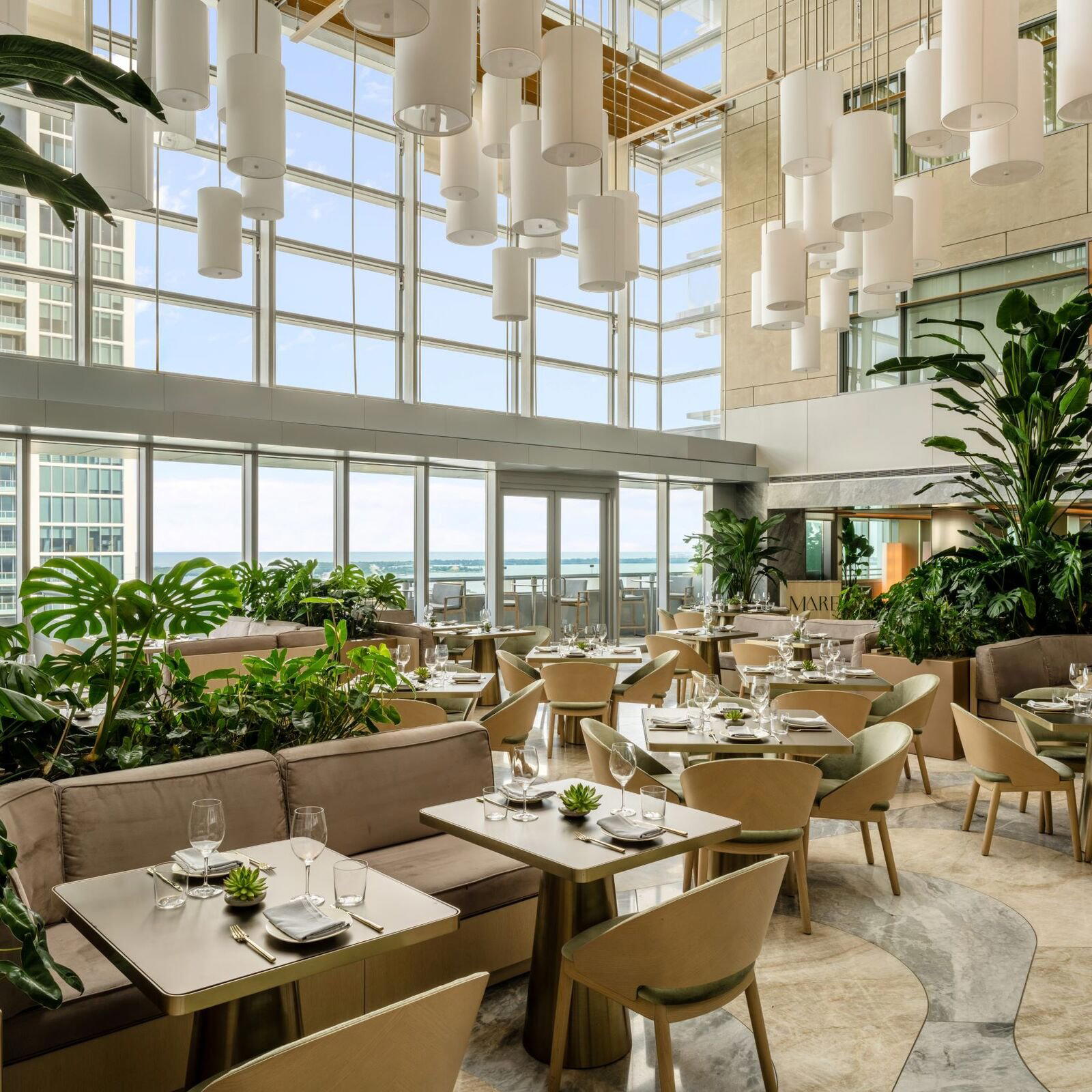
Miami dining rooms often announce themselves before the plate arrives: warm-weather pacing, tables built for conversation, and a citywide appetite for meals that feel social rather than stiff. In that setting, Adrift Mare belongs to a broader Mediterranean coastal lane. The category is less about heaviness than balance, using bright, coastal flavors and a lighter register to give the meal direction without turning it into a formal exercise.
The city has long been comfortable with seafood-minded dining, open-air energy and cross-cultural menus, but Mediterranean coastal cooking asks for a particular kind of attention. It rewards restraint. The question is whether the kitchen lets freshness, seasoning and pace do the work rather than dressing the plate into anonymity. Adrift Mare is useful to read through that lens: a Miami restaurant built around Mediterranean coastal cooking, positioned for diners who want that coastal Mediterranean frame within the city’s warm-weather rhythm.
Herbs set the tone before richness takes over
The Mediterranean coastal category is often misread as simply light food and seaside mood. The stronger version is more disciplined. Herbs, acidity, olive oil, char and brine can give the cooking structure without requiring heavy sauces or elaborate presentation. When that logic is handled well, the food can feel lighter without becoming timid.
Miami is a natural audience for this style because the city already understands meals built around sharing, brightness and heat. The difference here is the flavor base. Where other warm-weather coastal kitchens might lean on different regional signatures, Mediterranean coastal cooking tends to emphasize a cleaner, herb-forward and sea-adjacent vocabulary. That makes Adrift Mare part of a useful local counterpoint: not a rejection of Miami’s dominant food languages, but another coastal vocabulary inside the same city.
Readers mapping the wider scene can place it within Miami’s broader restaurant spread rather than against a single direct rival. The city’s dining identity works through many imported and adapted formats, from neighborhood casual rooms to seafood-led tables, wine-friendly dining rooms and high-energy group settings that become local through pace, setting and crowd. Adrift Mare’s role in that mix is clearer when it is read as a Miami expression of Mediterranean coastal cooking rather than as a stand-in for the entire category.
Miami's coastal appetite suits a cleaner Mediterranean register
In many American cities, Mediterranean menus are treated as safe territory: familiar shared plates, lighter preparations and coastal cues. Miami changes the stakes because the climate makes that repertoire feel functional rather than decorative. Brighter seasoning, lighter sauces and a flexible table style make sense in a city where dinner often follows sun, salt air and long social afternoons. The format does not need heavy ornament to read as complete.
Adrift Mare’s category also sits inside a national move toward coastal restaurants that draw from a broad Mediterranean idea rather than binding themselves to one narrow template. That can be lazy when it becomes a vague mood board. It becomes more convincing when the kitchen has a clear seasoning logic and a sense of restraint. The Mediterranean coastal frame matters because it gives the restaurant a center: freshness, balance and a way of eating that should feel generous without becoming heavy.
For travelers building a Miami itinerary, the practical decision is not only about chasing recognition, though Adrift Mare has appeared in Eater Miami’s coverage of the city’s best rooftop restaurants and bars. It is also about matching the meal to the day. This is the kind of cuisine that suits a lunch that should not flatten the afternoon, or a dinner where the table wants a coastal Mediterranean direction without committing to a formal tasting-menu structure. For the wider city edit, start with our full Miami restaurants guide, then layer in stays from our full Miami hotels guide, drinking plans from our full Miami bars guide, regional cellar context via our full Miami wineries guide and cultural planning through our full Miami experiences guide.
How to read the room, and the wider map
Because the provided venue details identify David Myers with Adrift Mare and note its Eater Miami recognition, the cleaner way to assess the restaurant is by connecting that context to format and cuisine rather than relying on unsupported extras. Mediterranean coastal cooking succeeds when the table feels paced rather than staged: dishes that can be combined, flavors that stay bright, and a meal that treats ease as part of the experience. That is the editorial test for Adrift Mare.
It also belongs to a larger EP Club map of regional cooking translated through place. Across Miami and beyond, the same question applies to very different dining rooms: does the restaurant’s climate, crowd and cooking style line up, or does the concept feel imposed from the outside? For Adrift Mare, the more relevant comparison is not a list of named peers but the wider field of Miami dining, where coastal appetite and social meals give Mediterranean coastal cooking a natural setting.
The stronger case for Adrift Mare is not that it rewrites Miami dining. It gives the city a coastal Mediterranean option where the value lies in clarity: a lighter coastal register, a cuisine type that fits the city, and a style of eating that suits Miami’s climate rather than fighting it.
How Adrift Mare Miami compares with similar nearby venues.
| Venue | Cuisine |
|---|---|
| Adrift Mare | Mediterranean coastal |


At a Glance
- Scenic
- Elegant
- Sophisticated
- Romantic
- Trendy
- Date Night
- Business Dinner
- Group Dining
- Special Occasion
- After Work
- Private Event
- Rooftop
- Waterfront
- Private Dining
- Terrace
- Panoramic View
- Hotel Restaurant
- Craft Cocktails
- Extensive Wine List
- Sommelier Led
- Waterfront
- Skyline
Current opening hours
- Monday
- 8 AM–10 PM
- Tuesday
- 8 AM–10 PM
- Wednesday
- 8 AM–10 PM
- Thursday
- 8 AM–10 PM
- Friday
- 8 AM–10 PM
- Saturday
- 8 AM–10 PM
- Sunday
- 8 AM–10 PM
Hours can change for holidays and private events. Last verified .
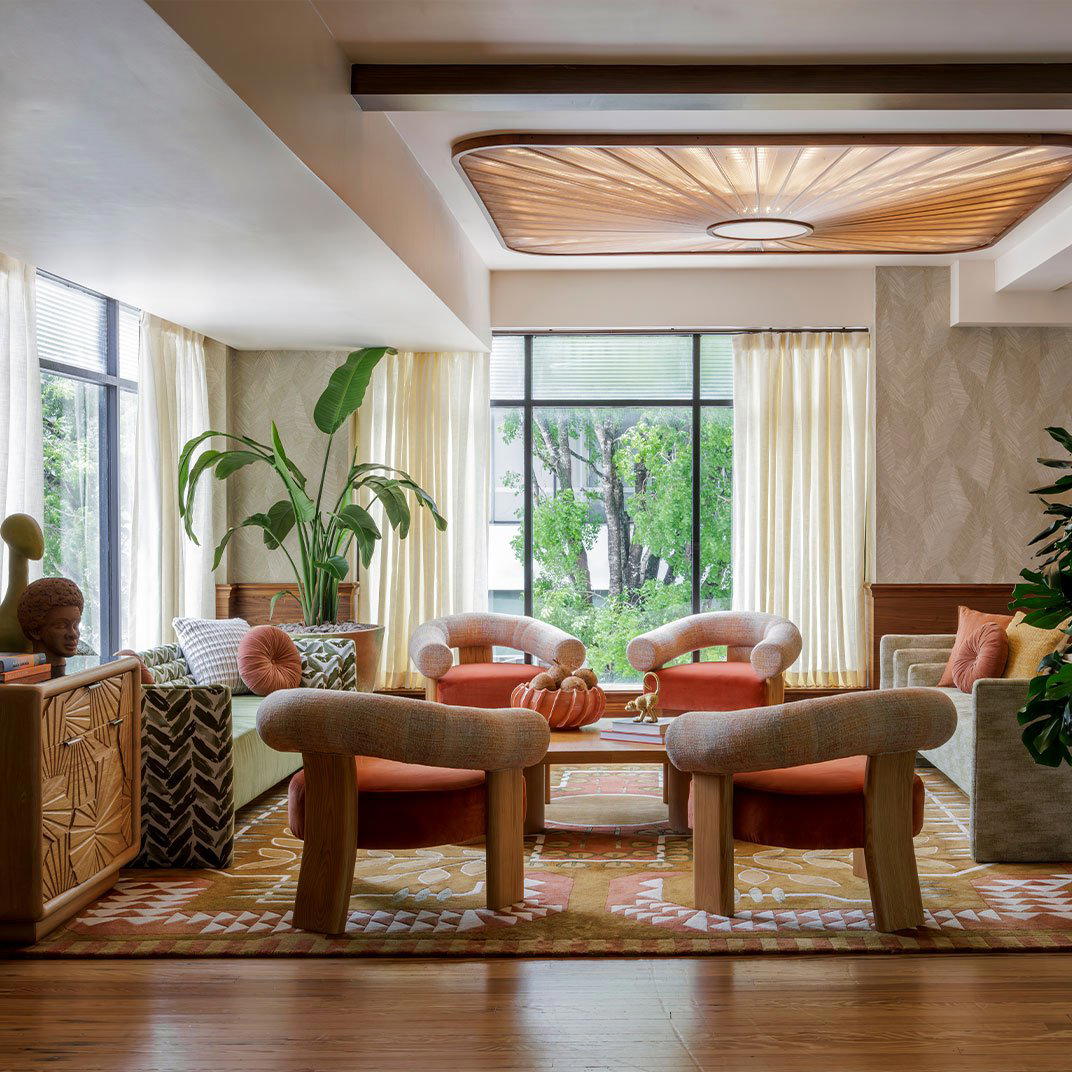
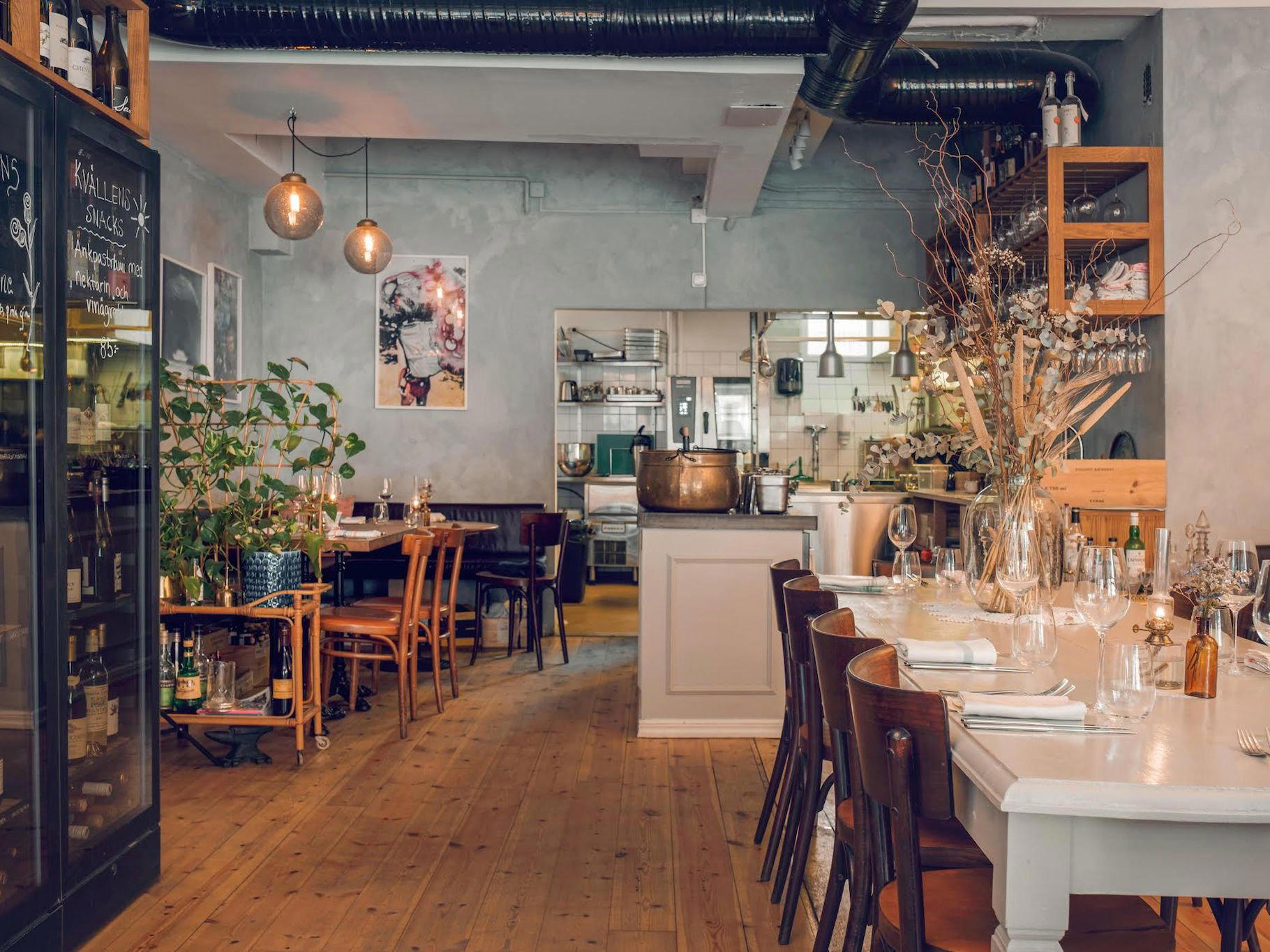
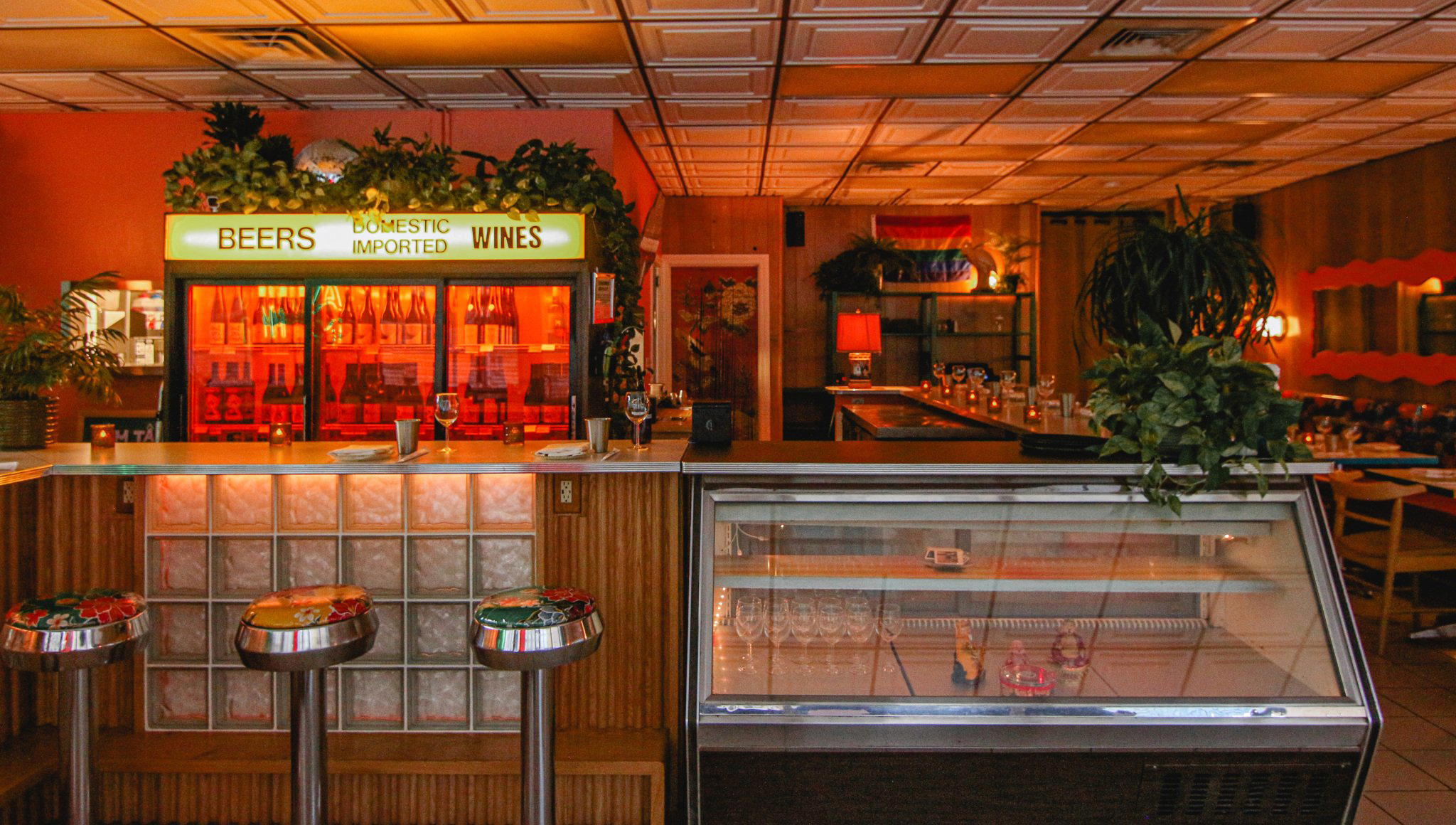
Upscale but relaxed Mediterranean atmosphere with elegant, minimalist design, dramatic skyline and bay views, and a lively, social energy that suits both dates and business dinners.
Know Before You Go
- Reservations
- Recommended
- Dress code
- Smart casual