Toro Toro
Toro Toro occupies a prominent address at 100 Chopin Plaza in downtown Miami, positioning itself within a city that has made Pan-Latin cuisine one of its defining dining identities. The format draws from a broader tradition of large-format Latin steakhouses that have found a natural home in Miami's appetite for bold, communal eating. It sits in a competitive tier alongside venues that blend South American grilling traditions with urban-luxury presentation.
Pearl is the En Primeur Club membership app — saves, bookings, and concierge access live there. Same editors, same standards.
- Address
- 100 Chopin Plaza, Miami, FL 33131
- Phone
- +1 305 372 4710
- Website
- torotoromiami.com
- Directions
- Get directions
 Saves & bookings on Pearl
Where Downtown Miami Meets Pan-Latin Ritual
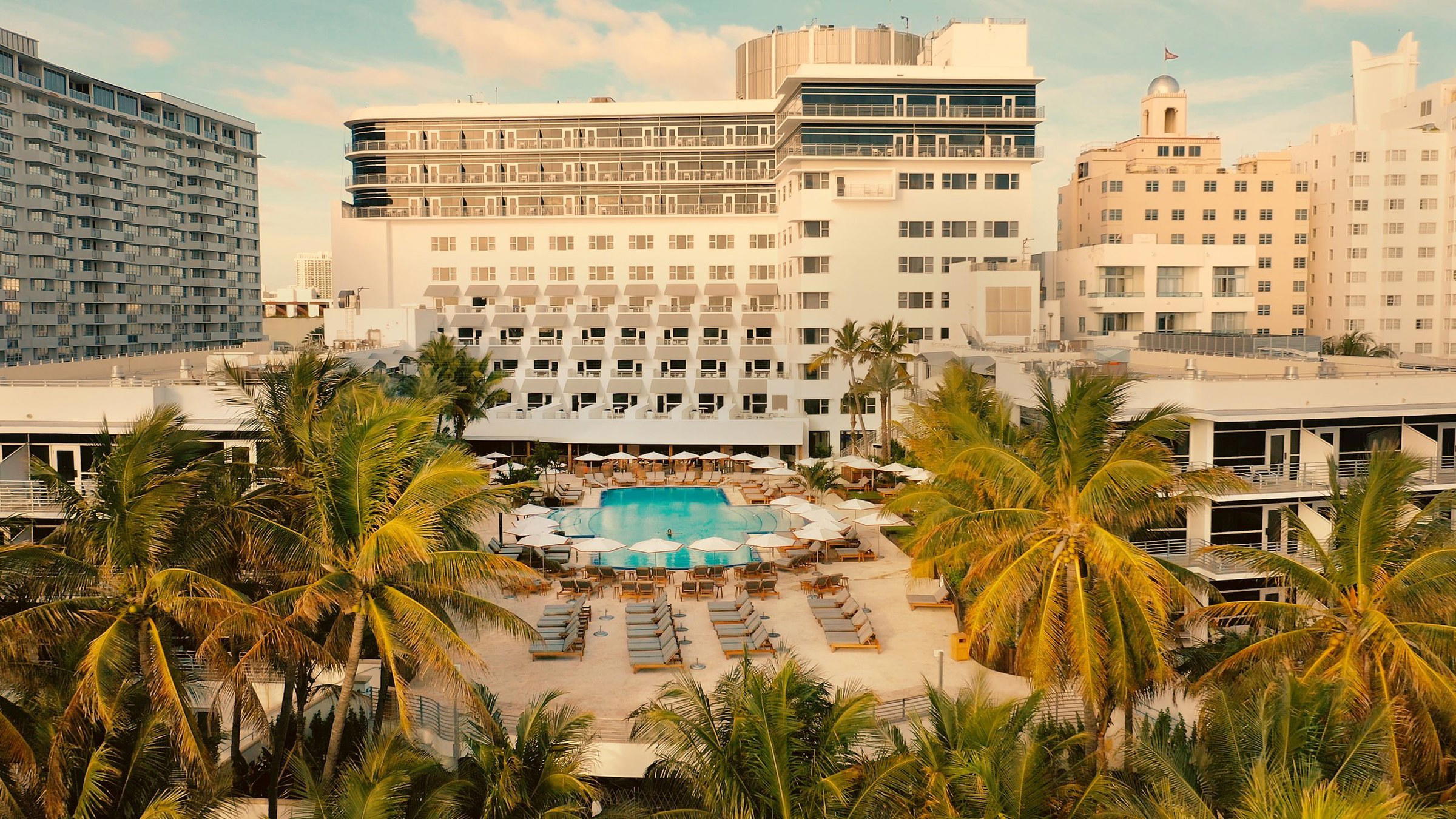
The approach to 100 Chopin Plaza sets a particular expectation. Downtown Miami's Brickell corridor runs on a logic of scale: wide avenues, glass towers, and restaurants that must hold their own against both the skyline and the humidity pressing in off Biscayne Bay. Toro Toro occupies that environment deliberately, operating as one of the larger-format dining rooms in a neighborhood that has steadily built a case for itself as a serious destination for Latin-influenced cuisine, sitting alongside steakhouse formats that draw from Argentine, Peruvian, and Brazilian traditions in roughly equal measure.
Miami's relationship with Pan-Latin dining is not incidental. The city functions as a convergence point for culinary traditions from across South and Central America, and the restaurant scene reflects that with unusual density. A single evening in Brickell might involve choosing between a wood-fire Argentine grill at Ariete, a Korean steakhouse format at Cote Miami, or Peruvian-Japanese technique at ITAMAE. Toro Toro enters that conversation as a format built around the Pan-Latin steakhouse model: cuts presented with ceremony, sauces with regional provenance, and a dining rhythm calibrated to encourage extended tables rather than quick turns.
The Logic of the Pan-Latin Steakhouse Format
Across major American cities, the large-format Latin steakhouse has become a recognizable category, distinct from both the Brazilian churrascaria circuit and the fine-dining tasting menu tradition. It borrows from both without fully committing to either. Proteins arrive with context: a chimichurri made to a specific regional specification, a causa or ceviche as an appetizer frame that signals Peruvian influence, beef cuts sourced and aged with the same seriousness a traditional American steakhouse would apply. The ritual of the meal matters as much as individual dishes.
This format rewards a particular approach from the diner. Arriving with a group rather than as a pair changes the experience materially. The menu is structured to encourage sharing across multiple courses, with the protein as the organizing principle rather than a single destination dish. Cold preparations lead into heavier cuts, and the pace is meant to be negotiated at the table rather than imposed by a fixed tasting sequence. Compared to the tightly choreographed progression of formats like those found at L'Atelier de Joël Robuchon Miami, the Pan-Latin steakhouse offers something more lateral: the meal expands or contracts around what the table orders and how quickly it moves.
Miami's Competitive Field for Bold Latin Formats
Downtown Miami and Brickell have accumulated enough serious restaurants that the competitive set for a venue like Toro Toro is genuinely crowded. Boia De operates in a completely different register, intimate and Italian-inflected, but the broader dining-out dollar in this part of the city flows toward formats that signal event dining. Los Fuegos by Francis Mallmann, also in Miami, occupies the Argentine open-fire tradition with a specific celebrity-chef anchoring. Toro Toro sits in a peer group defined less by a single national cuisine and more by the premise that South American protein culture translates well to a luxury hotel-adjacent urban room.
That positioning connects it to a wider conversation happening in American restaurant cities. From Le Bernardin in New York City to Providence in Los Angeles, the high-end American dining scene has built its authority through a combination of formal structure and sourcing discipline. The Pan-Latin steakhouse proposes something different: authority through abundance and cultural specificity rather than through restraint. Where The French Laundry in Napa or Smyth in Chicago build their case through reduction and precision, a format like Toro Toro builds it through range and generosity of presentation.
How the Meal Is Meant to Unfold
The dining ritual at a Pan-Latin steakhouse carries its own internal etiquette, which differs from both the European fine-dining sequence and the casual Latin family-table model. Dishes are not strictly sequential but neither are they unordered. Cold starters set the palate's coordinates: acid from a leche de tigre or a bright citrus-forward preparation, then something richer and warmer, then the main event of beef or other proteins. The table functions as a kind of editorial space where each diner contributes to the overall arc rather than following a predetermined path.
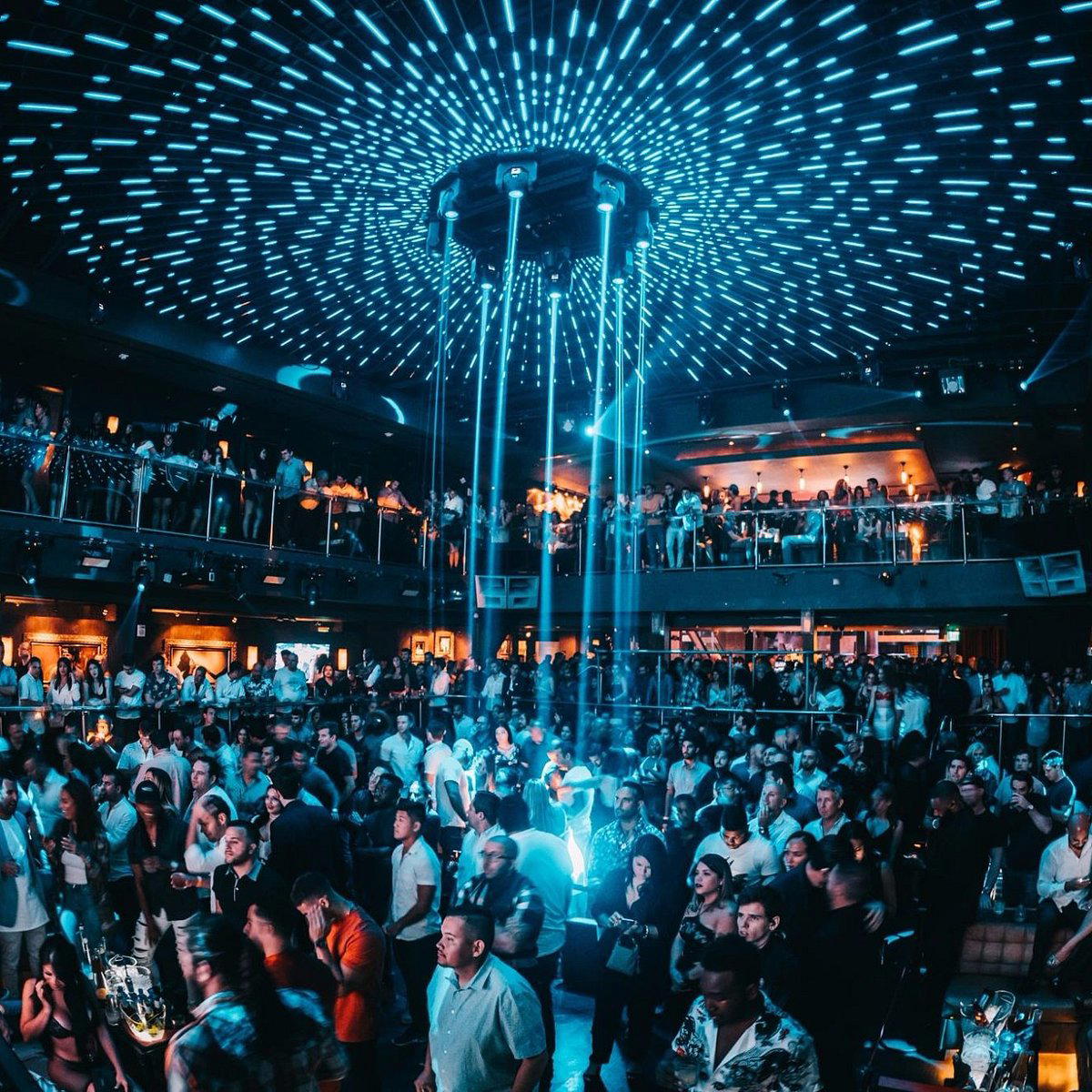
For a first visit, understanding this rhythm makes the difference between a meal that feels chaotic and one that feels generous. The menu is wide enough that over-ordering is easy; the more practiced approach is to identify two or three cold preparations, a shared main protein, and one or two sides that bridge the two. The room is designed for noise and movement, which positions Toro Toro firmly in the event-dining category rather than the contemplative-meal category. That is not a criticism. Miami's dining culture at this price tier expects energy, and the format delivers it.
Planning Your Visit
Toro Toro is located at 100 Chopin Plaza, placing it within easy reach of Brickell's hotel corridor and accessible from the Miami Metromover's Brickell City Centre stops. For those arriving from further afield, the address puts the restaurant close to other significant Miami dining: the Coconut Grove neighborhood is a short drive south, while the Design District's more chef-driven rooms are accessible by rideshare in under twenty minutes.
Reservations are advisable for weekend dining, when the downtown corporate crowd gives way to larger social tables and the room fills at a pace that makes walk-in seating uncertain. Weekday dinner typically offers more flexibility, and the pace of service adjusts accordingly toward something less pressured. The format rewards groups of four or more; solo diners or pairs looking for a quieter experience might find the scale of the room works against the intimacy they want, in which case smaller rooms like Boia De or the tighter counter format at ITAMAE offer a different calculus entirely.
For broader context on where Toro Toro sits within Miami's dining geography, EP Club's full Miami restaurants guide maps the city's key neighborhoods and the venues that define each tier, from the chef-driven rooms of the Design District to the event-dining corridor running through Brickell and downtown. Comparable large-format experiences elsewhere in the country, including Single Thread Farm in Healdsburg, Blue Hill at Stone Barns in Tarrytown, or Addison in San Diego, operate in a more restrained register, which helps clarify what the Pan-Latin format is specifically proposing: volume, warmth, and cultural range as the basis for a serious evening out.
At-a-Glance Comparison
| Venue | Cuisine | Price | Awards |
|---|---|---|---|
| Toro ToroThis venue — the venue you are viewing | This venue | Not listed | Not listed |
| Cote Miami | Korean Steakhouse, Korean | $$$ | Michelin 1 Star |
| Ariete | Modern American, Contemporary | $$$$ | Michelin 1 Star |
| Boia De | Italian, Contemporary | $$$ | Michelin 1 Star |
| Stubborn Seed | Progressive American, Contemporary | $$$$ | Michelin 1 Star |
| Los Fuegos by Francis Mallmann | Argentinian | $$$$ | Argentinian, $$$$ |
At a Glance
- Lively
- Modern
- Trendy
- Sophisticated
- Energetic
- Date Night
- Group Dining
- Celebration
- Special Occasion
- Hotel Restaurant
- Open Kitchen
- Private Dining
- Craft Cocktails
Current opening hours
- Monday
- 12–10 PM
- Tuesday
- 12–11 PM
- Wednesday
- 12–11 PM
- Thursday
- 12–11 PM
- Friday
- 12–11 PM
- Saturday
- 12–11 PM
- Sunday
- 12–10 PM
Hours can change for holidays and private events. Last verified .
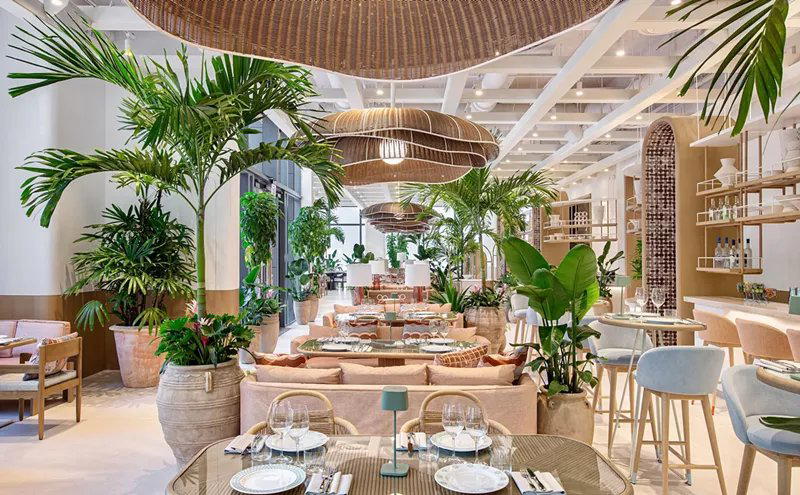
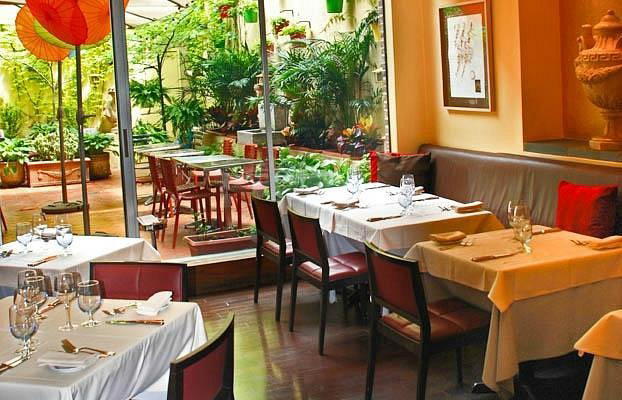
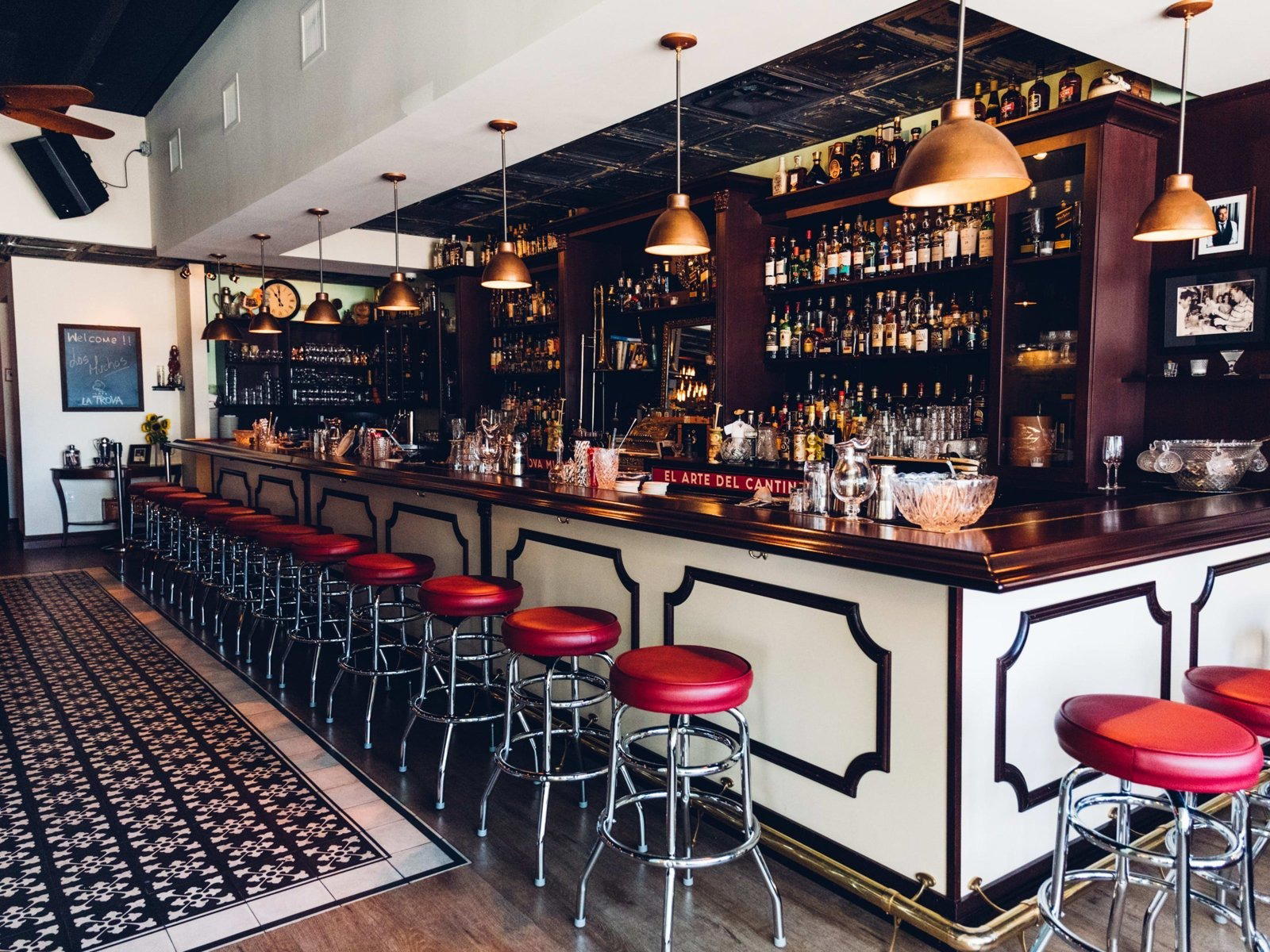
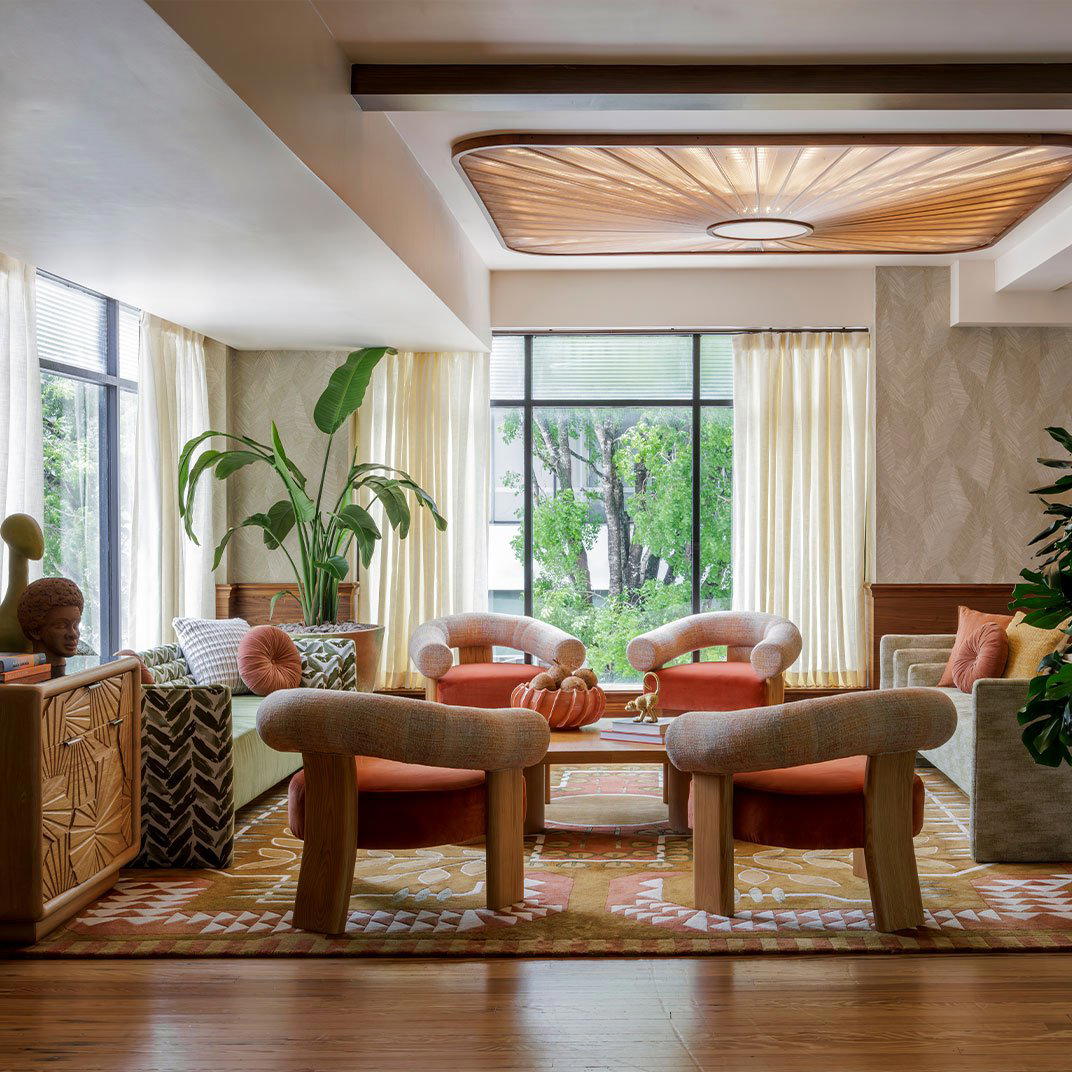
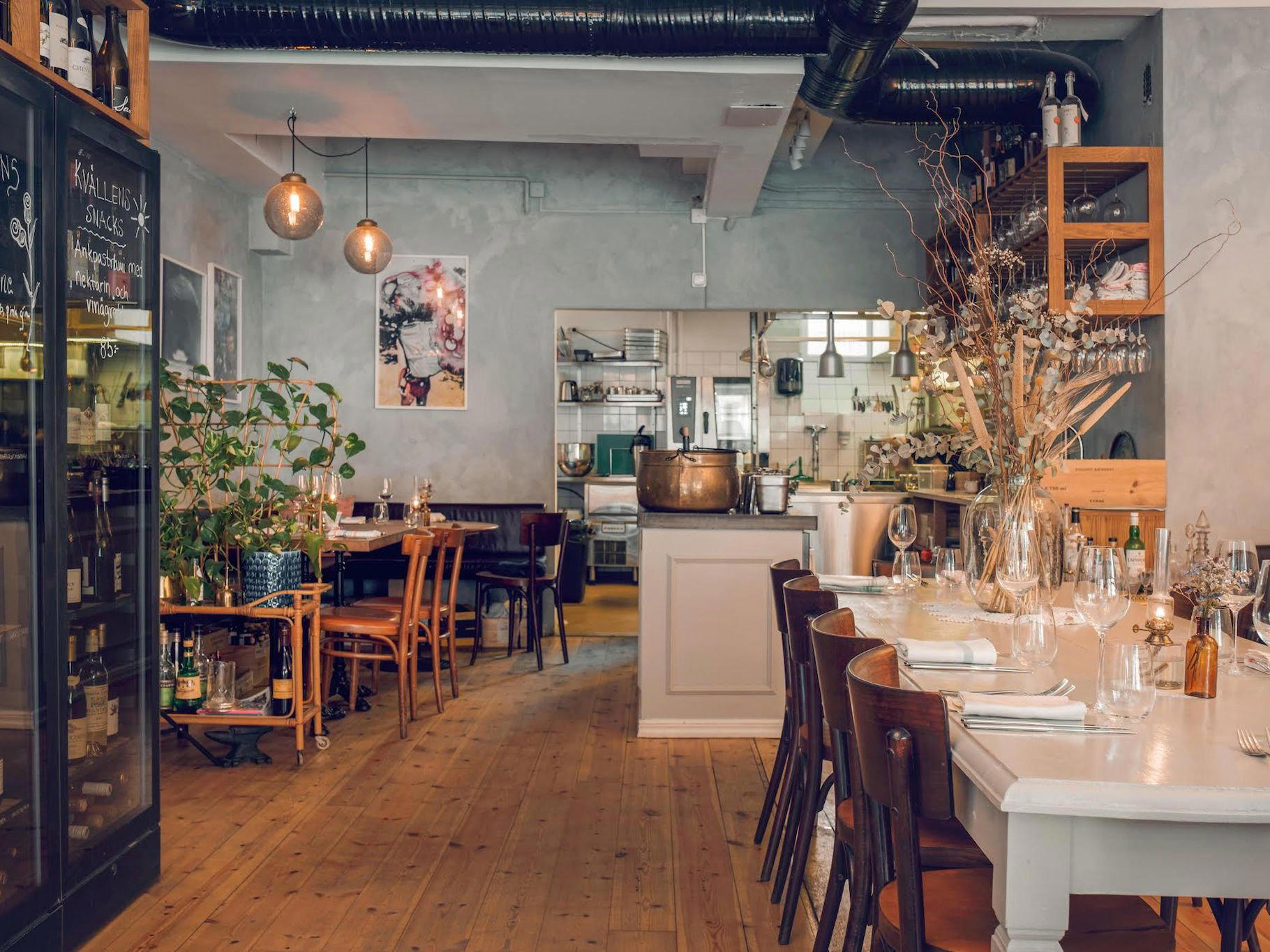
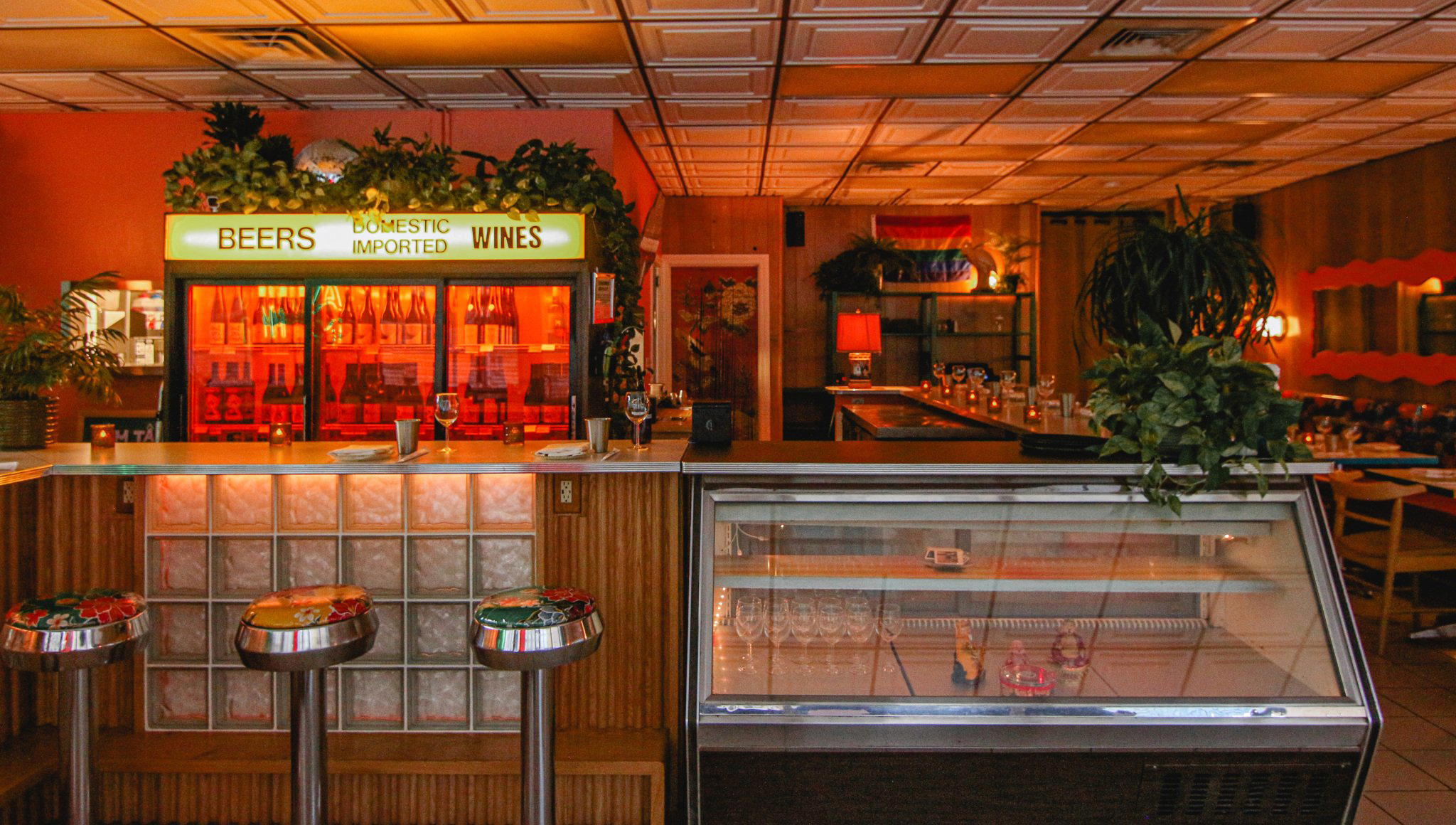
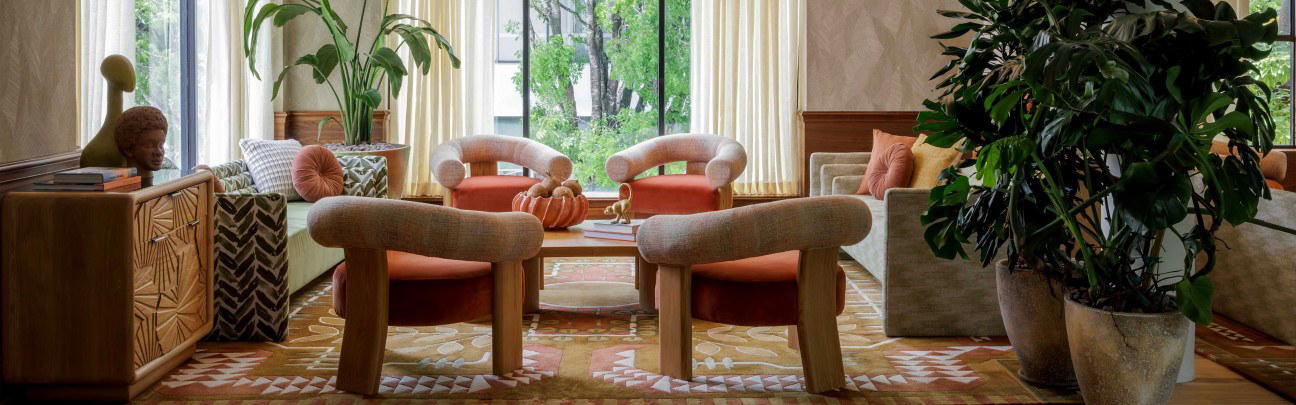
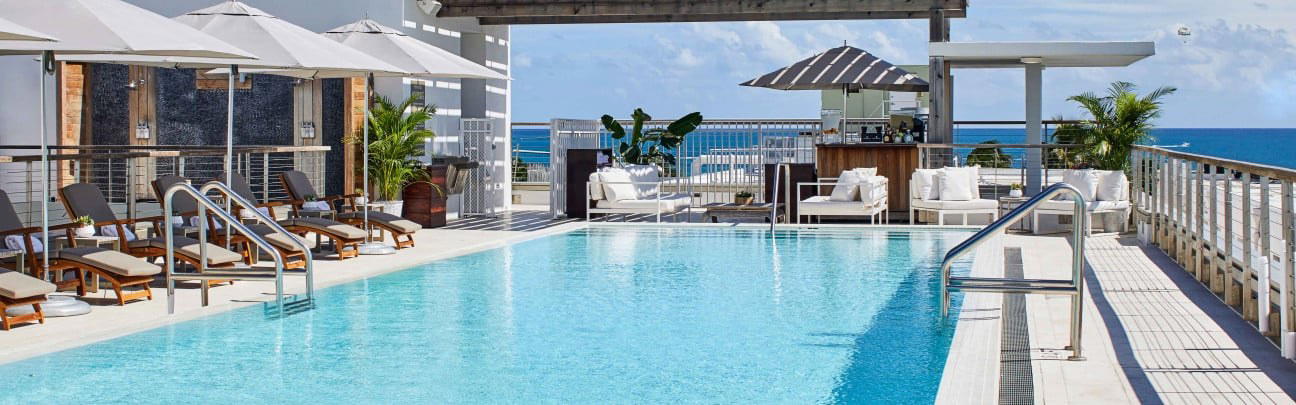
Dim lighting with elongated Edison-era bulbs, leather couches, wrought-iron and dark wood accents creating a sleek, modern-international atmosphere with high-energy music.
Know Before You Go
- Getting there
- 100 Chopin Plaza, Miami, FL 33131