Astrid y Gastón in San Isidro is the restaurant that reframed what Peruvian cuisine could be on the global stage, and its drinks programme has evolved to match that ambition. Housed in a colonial mansion on Av. Paz Soldán, the bar counter here draws on native botanicals, pisco heritage, and the same ingredient rigour that defines the kitchen. Reserve well in advance.
 Discover on Pearl
Pearl is the En Primeur Club membership app — saves, bookings, and concierge access live there. Same editors, same standards.
- Address
- Av. Paz Soldán 290, San Isidro 15073, Peru
- Phone
- +51 1 4422777
- Website
- astridygaston.com
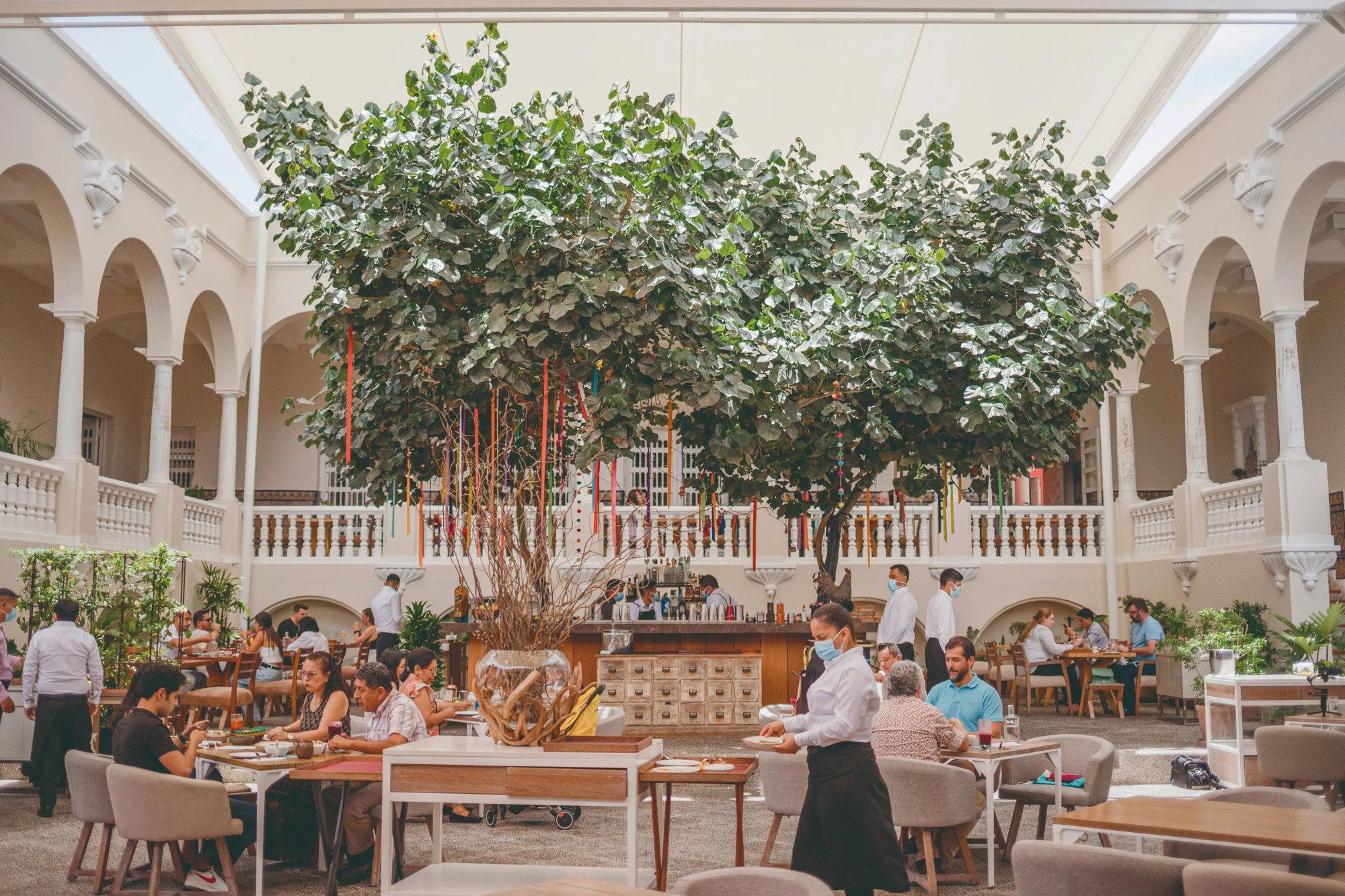
Where San Isidro's Colonial Architecture Meets the Seriousness of the Pisco Canon
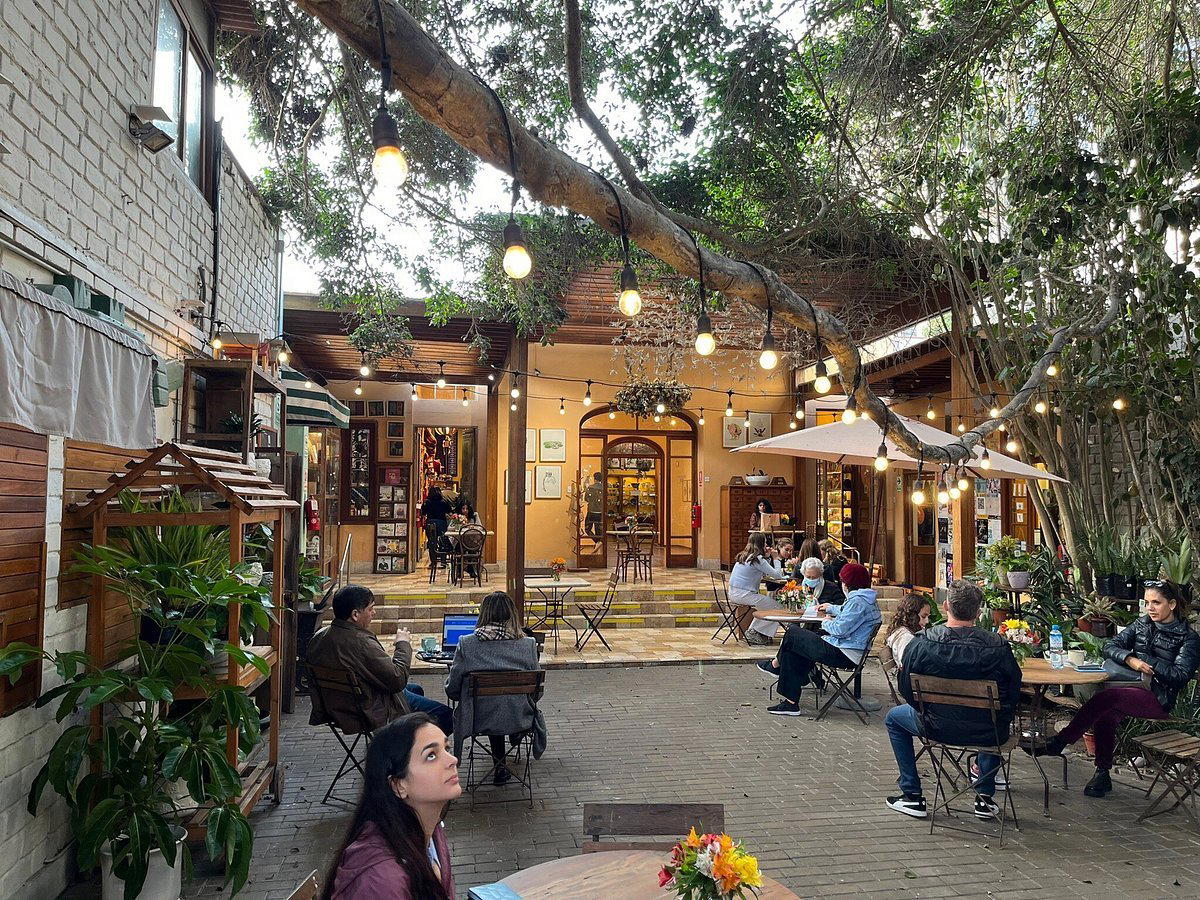
Astrid y Gastón is a bar in San Isidro, Lima, at Av. Paz Soldán 290, with a 4.6 Google rating from 7,493 reviews and an estimated price of about US$75 per person. There is a particular quality of stillness in the courtyards of San Isidro's older mansions, the kind that makes the noise of Lima feel like a rumour rather than a fact. Av. Paz Soldán 290 delivers exactly that transition. The building that houses Astrid y Gastón is a colonial-era house, and arriving here feels less like entering a restaurant than passing through a threshold into a different register of the city. The interior moves between open-air courtyard sections and covered dining rooms, and the light shifts accordingly, warm and indirect in the evening, the kind of setting that encourages a slower pace before you've ordered anything.
That architecture is not decorative context. It establishes the terms of the experience: this is a place operating at a deliberate remove from Lima's more frenetic dining rooms, and the drinks programme reflects the same unhurried discipline.
Pisco as a Serious Ingredient, Not a Heritage Prop
Lima's cocktail culture has matured considerably over the past decade. The city's better bars have moved away from treating pisco as a patriotic gesture and toward treating it as a technically complex base spirit that rewards the same attention given to aged rum or mezcal in other capitals. Astrid y Gastón's bar sits inside that shift. The cocktail programme here uses Peru's native grape distillate as an ingredient with genuine range, and the supporting cast draws heavily on the Amazon basin and the Andes, native fruits, roots, and botanicals that don't appear in standard bar manuals.
That approach puts the programme in direct conversation with a small peer group of serious pisco-forward bars in Lima. Carnaval has built its reputation on theatrical presentation and deep spirits knowledge. Lady Bee works a more intimate format with a strong focus on fermentation technique. Curador has positioned itself around curation and provenance. Astrid y Gastón's bar occupies a different position within that comparable set: it is embedded inside a full-scale tasting-menu restaurant, which means the drinks are calibrated against food at a high level of complexity, not served as a standalone programme.
That integration matters. Drinks designed to work alongside multi-course menus built on Peruvian biodiversity tend to be more restrained in their sweetness and more precise in their acidity than drinks designed for standalone consumption. The result is a cocktail list that rewards attention rather than immediate impact.
The Broader Significance of Peruvian Ingredients at the Bar
Peru's biodiversity gives its bartenders a raw material advantage that few other countries can match. The Amazon alone accounts for thousands of native plant species, many of which have been used in local food systems for centuries and are only now appearing in fine-dining and fine-drinking contexts. The country's coastal desert, highland grasslands, and tropical forest produce flavour profiles that resist simple categorisation, sour, herbal, and often intensely aromatic in ways that European and North American palates are still learning to read.
Astrid y Gastón's kitchen has been instrumental in pushing that ingredient agenda into the mainstream over more than two decades of operation, and the bar has followed the same logic. Native fruit distillates, chicha-inspired ferments, and Andean herb infusions appear in formats that are recognisable as cocktails while using materials that remain genuinely unfamiliar to most international visitors. For travellers arriving from cocktail programmes that have exhausted the possibilities of the usual spirits canon, this is a more productive direction to explore than another aged-rum sour or a mezcal negroni variation.
Context Within Global Fine-Dining Bar Programmes
The model of a serious bar programme embedded inside a tasting-menu restaurant is not unique to Lima, but it is executed here with a consistency that places Astrid y Gastón in a recognisable international tier. Comparable in ambition, if different in spirit and geography, are programmes like Kumiko in Chicago, where Japanese technique and local spirits are applied with the same rigour that defines the kitchen. Jewel of the South in New Orleans draws on a deep regional cocktail tradition in a similar way. Bar Leather Apron in Honolulu has built its programme around Pacific ingredients and careful sourcing. What connects these programmes is not style but methodology: indigenous ingredients, technical precision, and drinks designed to hold up at the same table as serious food.
Lima's position in the global fine-dining conversation has been well-established for over a decade. Astrid y Gastón was central to building that position. The bar's evolution tracks the same arc as the kitchen: from a focus on refined Peruvian classics to a more experimental engagement with biodiversity and technique. Restaurants at this level in other cities, such as Julep in Houston, Superbueno in New York City, or Dédalo here in Lima, each reflect how regional identity can be translated into a drinks format that travels.
Planning Your Visit
San Isidro is Lima's financial and diplomatic district, quieter and more residential in character than Miraflores or Barranco, and the address on Av. Paz Soldán is direct to reach by taxi or rideshare from either neighbourhood, typically a ten-to-twenty minute ride depending on traffic. The restaurant operates in the upper tier of Lima pricing, which still sits below comparable tasting-menu restaurants in European or North American capitals. Reservations are strongly advisable, particularly for weekends or if you are travelling with a group; the colonial-house format limits capacity in a way that makes last-minute availability unreliable. If you are visiting Lima for fewer than four days, the bar counter can function as a shorter, less structured alternative to the full tasting-menu experience, allowing access to the drinks programme and the kitchen's simpler offerings without committing to a multi-hour dinner.
A Quick Peer Check
Comparable venues nearby, for context on price, style, and recognition.
| Venue | Cuisine | Price | Awards | Notes |
|---|---|---|---|---|
| Astrid y GastónThis venue — the venue you are viewing | cocktail_bar | $$$$ | , | |
| Sayani | Bar | , | Miraflores | |
| Dédalo | lounge | $$ | , | Barranco |
| Peña Don Porfirio, Barranco | lounge | $$ | , | Barranco |
| Isolina | Bar | $$ | , | Barranco |
| Curador | wine_bar | $$ | Miraflores |
Continue exploring
More in Lima

Restaurants in Lima
Browse all →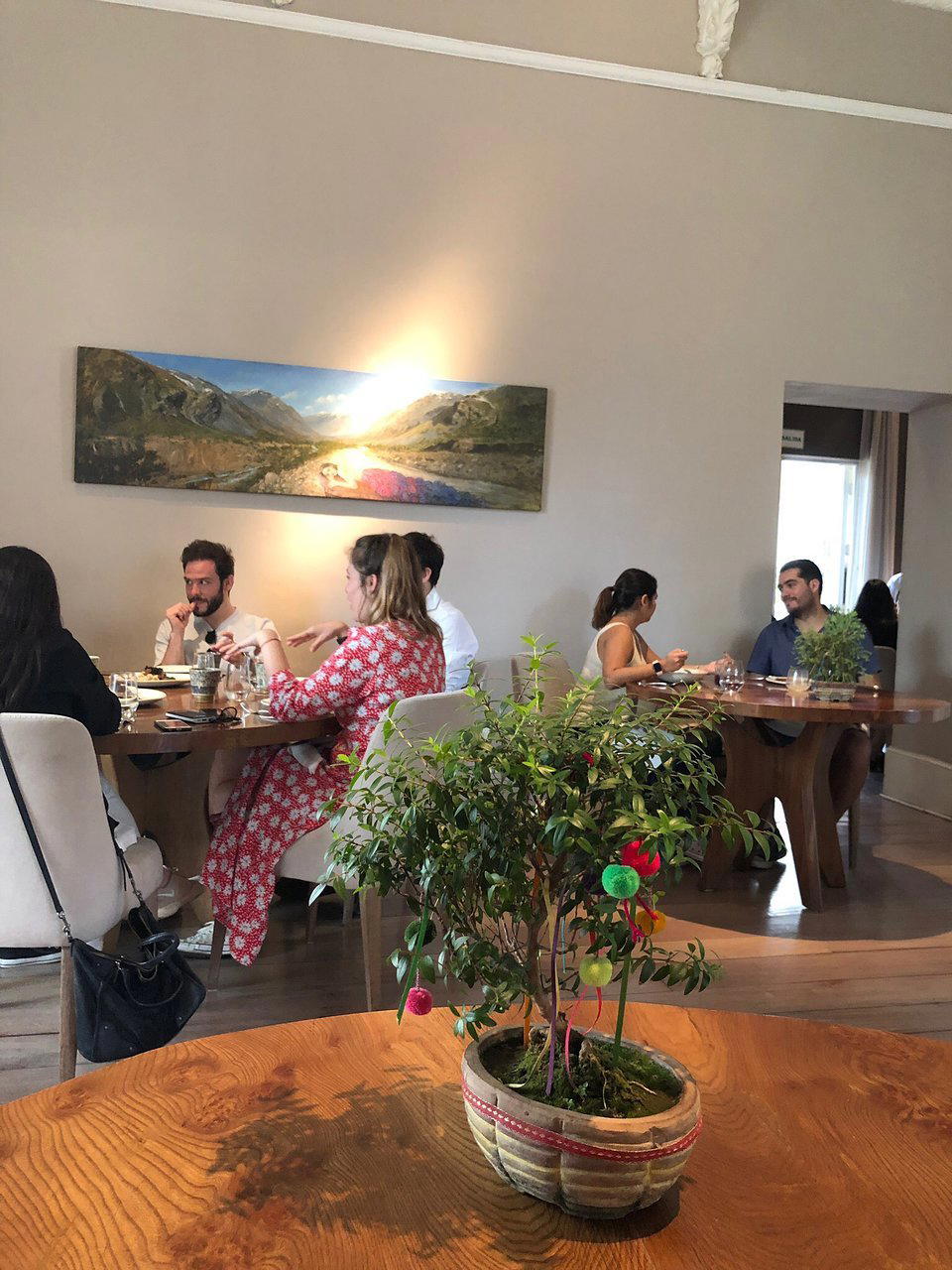
Hotels in Lima
Browse all →



Wineries in Lima
Browse all →
At a Glance
- Elegant
- Sophisticated
- Iconic
- Modern
- Special Occasion
- Celebration
- Date Night
- Group Outing
- Live Music
- Historic Building
- Design Destination
- Courtyard
- Standalone
- Seated Bar
- Lounge Seating
- Outdoor Terrace
- Private Rooms
- Craft Cocktails
- Conventional Wine
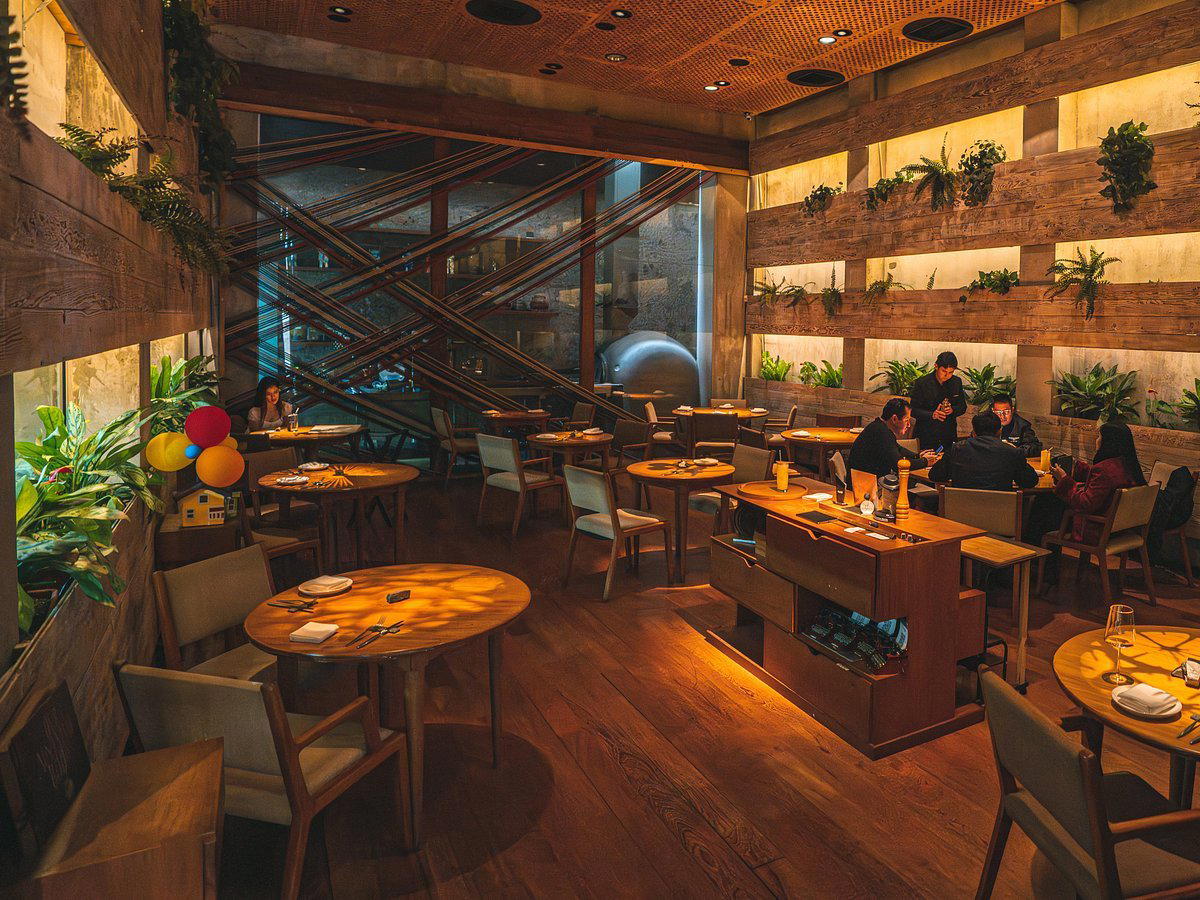
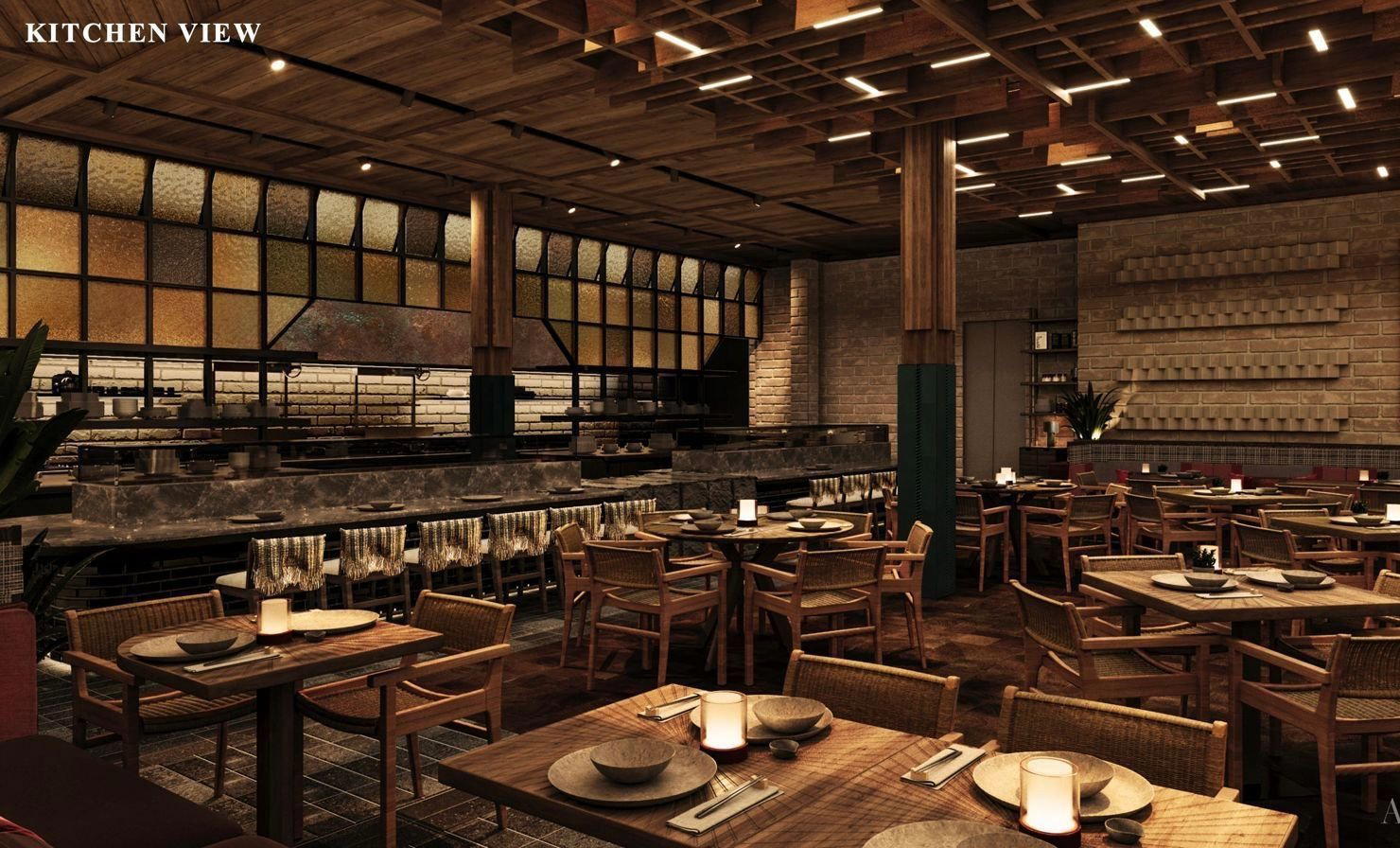
Elegant and sophisticated with artistic contemporary Peruvian décor, floodlit architecture, and a two-level Spanish courtyard; atmosphere ranges from formal dining rooms to casual terraced areas with occasional loud music.