
Tabelog 100 #65
Our verdict
Oscar occupies a compact address in Fukuoka's Daimyo district, a neighbourhood that has become the city's most concentrated block for serious drinking and dining. The room sits within a wine-forward format where cellar curation does much of the editorial work, placing it alongside Fukuoka's growing cohort of European-leaning small plates venues. For those already tracking the city's independent scene, it is a natural point of reference.
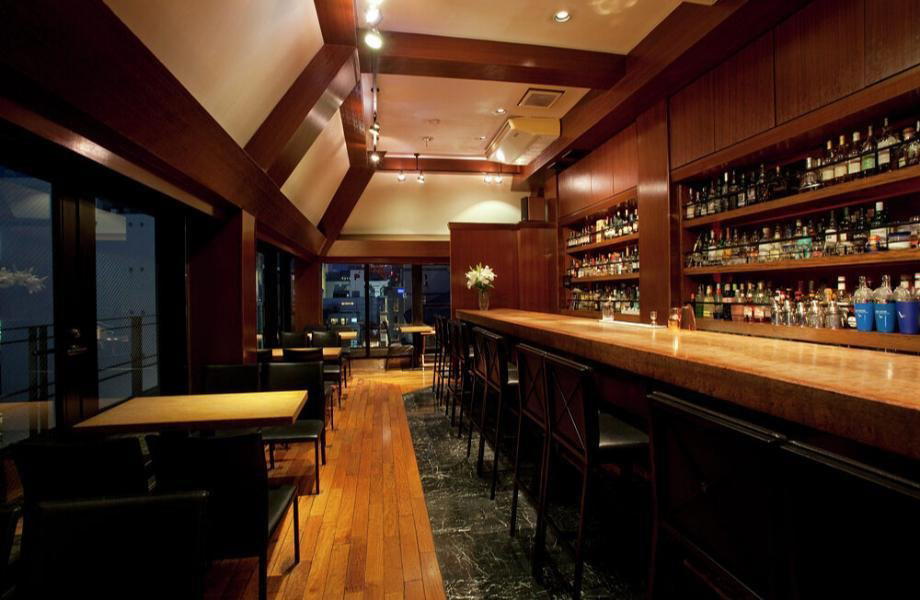
Daimyo's Drinking Culture and Where Oscar Sits Within It
Fukuoka's Chuo Ward has spent the better part of a decade becoming the city's most commercially dense block for independent hospitality. Daimyo, specifically, functions as the neighbourhood where European dining formats have taken the strongest hold in a city otherwise defined by ramen counters, yakitori lanes, and the long tradition of yatai stall culture. Within that context, a wine-led room on 1-chome is less surprising than it might appear in another Japanese city, Daimyo has the foot traffic, the demographic, and the appetite for it.
Oscar occupies that address in the Daimyo district of Fukuoka's Chuo Ward, at 1-10-29. The surrounding block contains several of Fukuoka's more considered independent operators, which makes the neighbourhood itself a useful framing device. What a room chooses to prioritise in its cellar, and how it structures the relationship between wine and food, says more about its positioning than any single dish. In Daimyo, the answer across the better addresses tends to be: curation over volume, with a format that rewards guests who arrive with some prior knowledge.
The Wine-Forward Format in a Japanese City Context
Japan's wine culture has matured considerably over the past fifteen years. The country is now among the world's significant importers of Burgundy and Champagne, and the sommelier profession carries institutional weight in ways that would have seemed premature in the early 2000s. Cities like Tokyo, Osaka, and Kyoto have well-established wine bar and wine-pairing restaurant formats; Fukuoka's version of that scene is smaller but follows a recognisable pattern, intimate rooms, wine lists, a preference for natural and grower-producer bottles in the more independent operations.
Wine-led venues in this tier tend to organise their lists around a philosophy rather than a sales strategy. The distinction matters: a list built to move volume through recognisable labels operates differently, both in service style and in what ends up in the glass, from one where the buyer is working through relationships with importers and tracking specific producers across vintages. In Fukuoka, the better rooms in Daimyo and surrounding Tenjin lean toward the latter model. Oscar's address places it inside that cohort, though the specifics of its list depth and importer relationships are leading assessed on the ground.
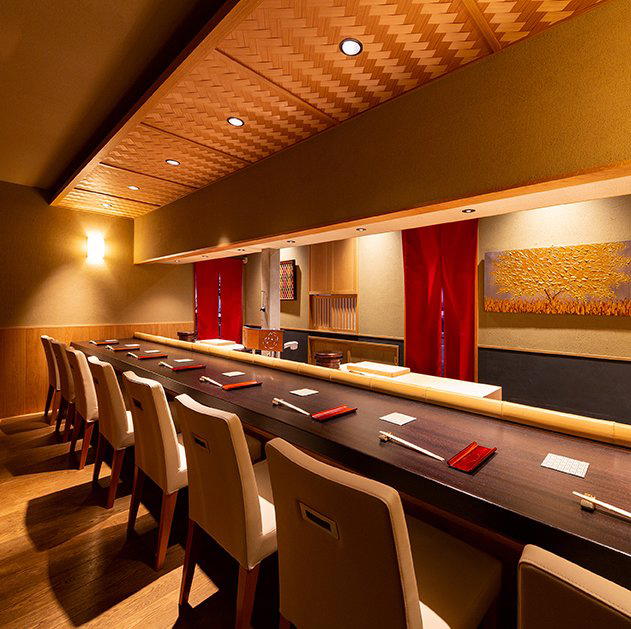
For context on how Fukuoka's serious dining scene looks more broadly, our full Fukuoka restaurants guide maps the city's key neighbourhoods and formats. Within that guide, venues like Goh (French) and Chikamatsu (Sushi) represent different ends of the city's premium dining range, while Bekk and Asago illustrate the independent, smaller-format operators that give Daimyo and its adjacent streets their character.
Placing Oscar within Fukuoka's current scene requires acknowledging what that scene is and is not. It is not Tokyo. The density of Michelin-starred counters, the depth of sommelier programmes, and the volume of international wine press attention that Tokyo commands are simply not replicable in a city of Fukuoka's size. What Fukuoka does have is a local dining culture with genuine depth at the independent level, where operators are serving a city audience rather than an international tourist base, and where the pressure to perform for external validation is lower. That often produces more honest rooms.
Across Japan, the wine-forward restaurant format has produced some of the country's most interesting lists precisely because the buyers are working outside the safe choices. HAJIME in Osaka represents how far a Japanese kitchen can push European technique at the top of the format. akordu in Nara shows what happens when a serious wine programme meets a regional Japanese city with less footfall than the main centres. Fukuoka's version of this story is still being written, and Oscar's Daimyo address is part of that narrative.
Beyond Japan's borders, the format has clear international reference points. Le Bernardin in New York City demonstrates how a serious cellar can function as a second editorial voice alongside a kitchen, and Atomix in New York City shows how Korean-inflected tasting formats can carry wine programmes of genuine ambition. These comparisons are not about parity of scale but about the underlying logic: that wine and food, when treated as equal partners in a room's identity, produce a different kind of hospitality than venues where the list is incidental.
Approaching Daimyo: Practical Notes
Daimyo is walkable from Tenjin Station on the Fukuoka City Subway, and the surrounding block is compact enough that arriving on foot from the central interchange is the standard approach. The neighbourhood's layout means that even first-time visitors tend to orient quickly. Oscar's address at 1-10-29 Daimyo is within the dense residential-commercial fabric typical of this part of Chuo Ward, where ground-floor hospitality venues occupy the lower levels of mixed-use buildings. As with most serious independent rooms in Japanese cities of this size, confirming hours and availability directly before visiting is advisable, since operating patterns at smaller venues in Fukuoka do not always follow the rhythms of larger Tokyo operations.
For visitors building a wider Fukuoka itinerary, Beef Taigen offers a contrasting format in the same city, and the range across Fukuoka's independent scene is wide enough to sustain several evenings of genuinely different experiences. Elsewhere in Japan, Gion Sasaki in Kyoto and Harutaka in Tokyo represent the standard-setting counters in their respective cities for those building a broader Japan dining circuit.
Frequently asked questions
What's Oscar's location?
Oscar is located at Japan, 〒810-0041 Fukuoka, Chuo Ward, Daimyo, 1 Chome−10−29 6F, Fukuoka.
Is Oscar in Fukuoka a good option for wine drinkers visiting from outside Japan?
Daimyo's independent bar scene, where Oscar operates, has developed alongside Japan's broader maturation as a wine-importing country, with Burgundy and other European appellations now well represented across Fukuoka's serious wine venues. Oscar's position within that Chuo Ward cluster makes it a considered stop for visitors specifically seeking wine-led formats outside Tokyo's more saturated scene.
How hard is it to get a table at Oscar?
Oscar's address in Daimyo at 1 Chome-10-29 places it in one of Fukuoka's most commercially active hospitality blocks, where foot traffic is consistent and smaller venues fill quickly on weekends. Walking in on a weekday evening from nearby Tenjin Station is the lower-friction option, though weekend visits to Daimyo generally benefit from advance contact with the venue directly.
Side-by-Side Snapshot
| Venue | Cuisine | Price | Awards |
|---|---|---|---|
| OscarThis venue (the venue you are viewing) | Cocktail Bar | Not listed | Tabelog 100 #65 |
| Chikamatsu | Edomae Sushi Omakase | $200–300 | La Liste Top Restaurants · Tabelog Gold #5 |
| Gahoujin 我逢人 | Seasonal Sushi Omakase | $200–300 | Tabelog Bronze #80 |
| Genkiippai | Hakata Tonkotsu Ramen | $10–20 | Tabelog 100 #51 |
| Matsuyama | Seasonal Kyushu Kaiseki Omakase | $300–500 | Tabelog Silver #74 |
| Mihara Tofuten | Traditional Japanese Tofu Izakaya | $30–50 | Not listed |
Recognition history
Dated appearances from independent guides and award organizations, with the underlying list record or original source where available.
Tabelog 100 #65 · No. 65
Tabelog · Tabelog 100 - Bar - 2022
Continue exploring
More in Fukuoka
Restaurants in Fukuoka
All restaurants in Fukuoka →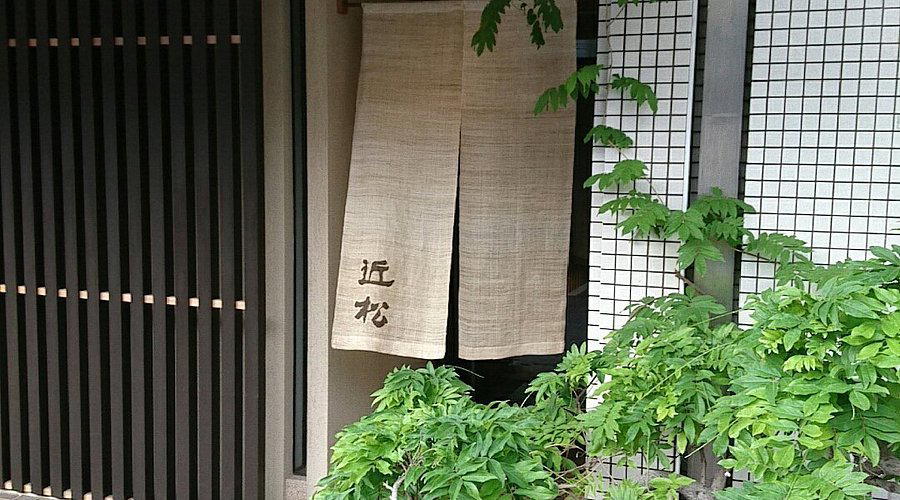
Details
- Cozy
- Elegant
- Sophisticated
- Intimate
- Date Night
- After Work
- Craft Cocktails
- Street Scene
- Cocktails
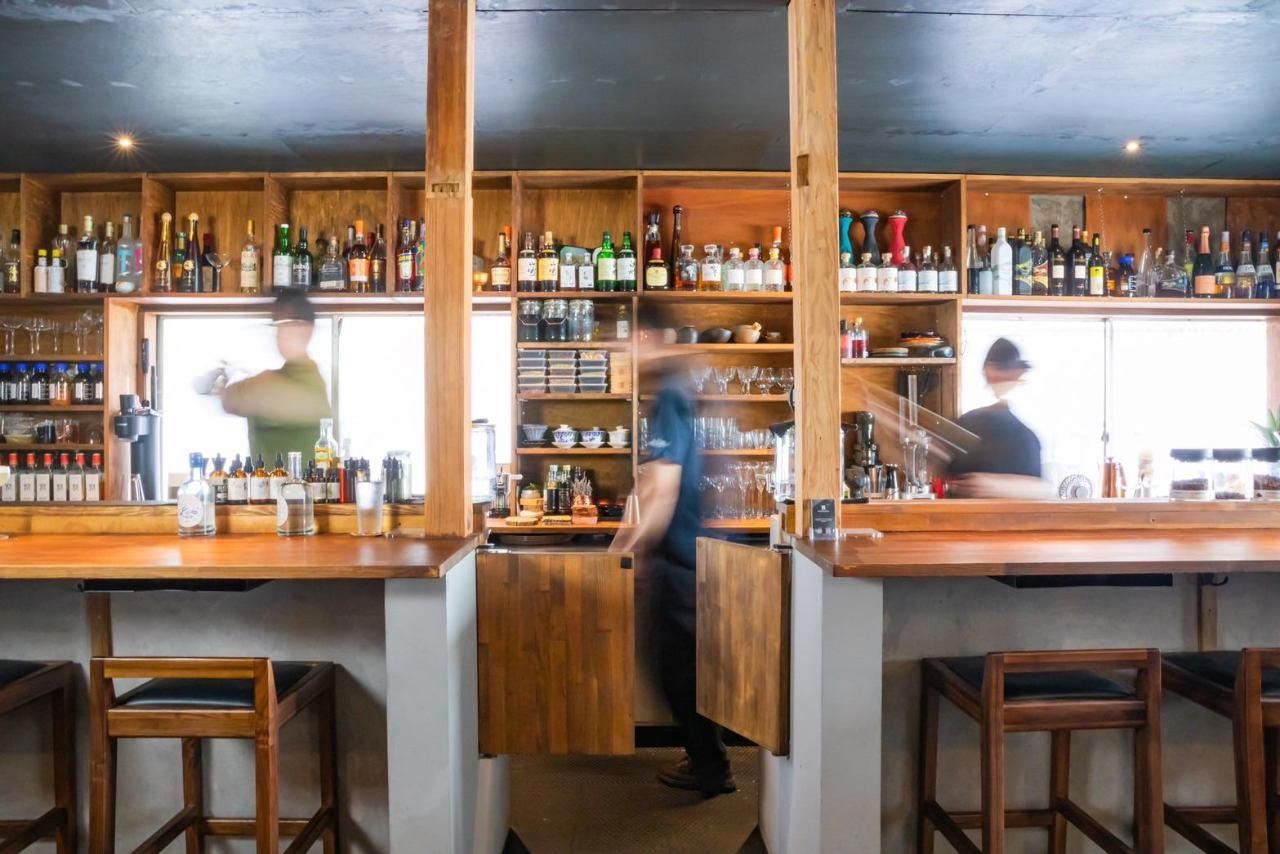
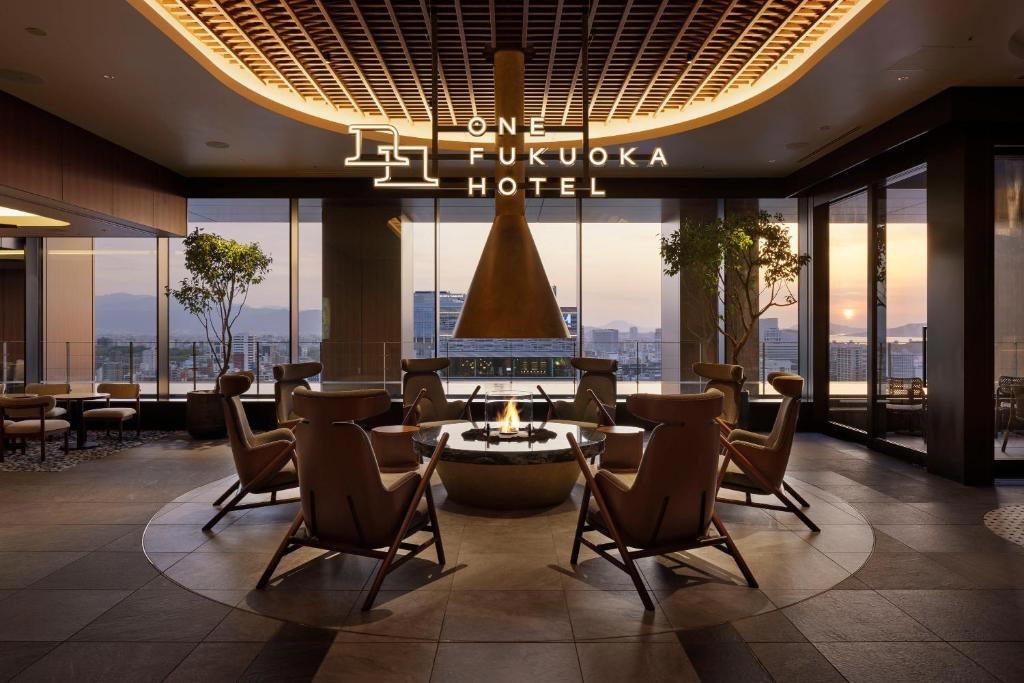
Dark, cozy wood-panelled interior with calm, chic atmosphere, smooth jazz, and quiet conversations.