
Osaka Matsushita belongs to Osaka’s compact soba tier, where buckwheat craft, sake, and small-room pacing matter more than ceremony. Its Tabelog Soba WEST “Tabelog 100” selections in 2024 and 2025 place it within a regional benchmark for Kansai noodle specialists rather than a general-purpose Japanese dining list.
Pearl is the En Primeur Club membership app — saves, bookings, and concierge access live there. Same editors, same standards.
- Address
- Japan, 〒530-0014 Osaka, Kita Ward, Tsurunocho, 4−4 1階
- Phone
- +81 6-6377-1553
- Website
- osakamatsushita.com
 Saves & bookings on Pearl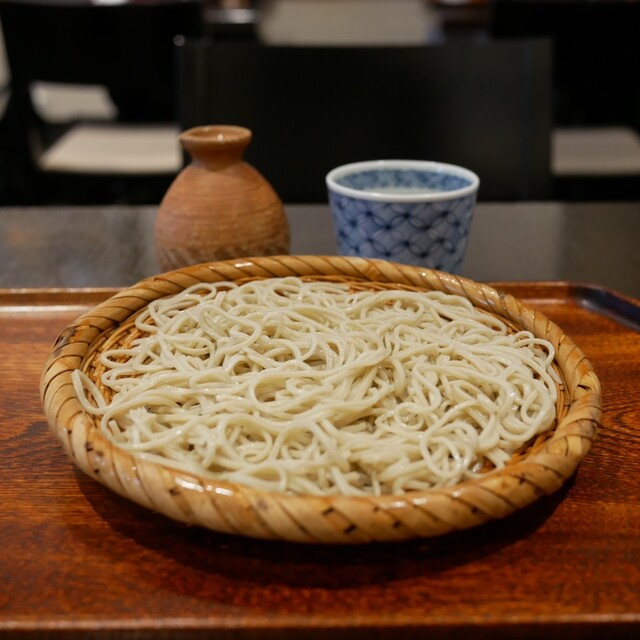
The approach to serious soba in Osaka is quieter than the city’s louder food clichés suggest. Around Nakazakicho and Umeda’s northern fringe, the tempo shifts from station-side turnover to small rooms where buckwheat, dipping broth, and sake carry the meal. Osaka Matsushita fits that register: compact, non-smoking, and built around soba rather than a broad izakaya sprawl.
That matters because soba occupies a different cultural lane from Osaka’s better-known wheat-and-sauce repertoire. The city is often read through takoyaki, okonomiyaki, kushikatsu, and pork buns, but buckwheat asks for another kind of attention. It is less about abundance than precision, less about spectacle than texture, temperature, and the timing between noodles, tsuyu, and drink. In Kansai, where udon often dominates the noodle conversation, a soba specialist with repeat Tabelog Soba WEST “Tabelog 100” recognition signals a narrower, more deliberate choice.
Kansai soba with a sake-led rhythm
Soba’s roots run through everyday Japan as much as formal dining. It can be lunch, a closing bowl, a seasonal marker, or the centre of a restrained evening. The better rooms do not need a long script. They make a case through buckwheat handling, broth balance, and the way the meal can stretch when sake is part of the format. Here, the sake emphasis is not decorative; it places the restaurant closer to the adult soba-ya tradition than to a quick noodle stop.
The useful comparison in Osaka is not with sushi counters or kaiseki rooms. It is with noodle specialists that define a meal through one staple and a tight set of decisions. Udonya Kisuke sits in a lower-spend udon bracket, while Kawahara operates in a broader Japanese category. Osaka Matsushita belongs to the soba side of that conversation, with a smaller seating footprint and a more focused identity. For travellers building an Osaka food itinerary, that distinction is important: this is the counterweight to the city’s frying, grilling, and sauce-heavy pleasures.
The Tabelog 100 Soba WEST selections in 2024 and 2025 provide the clearest public signal. Tabelog’s Hyakumeiten lists are category-specific, which makes them more useful than generic popularity badges for this kind of venue. A soba selection places the restaurant among regional peers judged within the buckwheat-noodle category, not against ramen, tempura, or multi-course Japanese dining. Its Tabelog score of 3.66 also sits in the zone where Japanese users tend to mark specialist credibility rather than casual convenience.
A small-room format, not a grand dining production
Room’s scale shapes the experience as much as the cuisine. Sixteen seats, arranged as eight two-seater tables, point to a meal that rewards small parties. That structure suits soba: it keeps pacing controlled, makes sake practical, and avoids the banquet-room energy that can flatten a noodle meal. Private rooms are not part of the format, and the absence of on-site parking reinforces its urban, neighbourhood pattern rather than a destination-by-car model.
Osaka dining often asks visitors to choose between breadth and depth. A market crawl, a department-store basement, or a late-night bar run shows the city’s range; a specialist soba meal shows its discipline. Osaka Matsushita is useful precisely because it narrows the frame. Buckwheat noodles, sake, modest scale, and category recognition make the argument without requiring chef mythology or luxury signalling.
For context across the city, the surrounding Osaka directory helps separate different kinds of eating rather than ranking them as one list. The broader restaurant map includes .cafe, 52CHO-ME BAKERY, 551 Horai (551蓬莱), 99 Pizza Napoletana Gourmet, and a canto (Italian), each sitting in a different lane from soba. For planning beyond dinner, use Our full Osaka restaurants guide, Our full Osaka hotels guide, Our full Osaka bars guide, Our full Osaka wineries guide, and Our full Osaka experiences guide.
How it fits into a Japan food itinerary
The better way to read this meal is as a regional specialist stop, not as an all-purpose Osaka recommendation. It suits travellers who already understand the city’s louder signatures and want a meal that shows Kansai restraint. Soba also travels well conceptually across Japan: compare the quiet focus here with beef sukiyaki at -Grilled beef Sukiyaki- KAMAKURA TANUKIAN 鎌倉 たぬき庵 in Kamakura, charcoal-and-tuna dining at. 鮪と炭火焼き うお炭 秋葉原店 in Tokyo, contemporary regional cooking at.know in Kumamoto, Vietnamese cooking at (Shoku) Vietnam in Kawasaki, curry specialization at [Curry Senmon Ten] Maruyama Kyoju. in Sapporo, and Kyoto’s tighter modern register at [ki:] in Kyoto.
There is also a transpacific lens for readers who think about Japanese food through sake and rice culture. Jōdo Saké Bar in Los Angeles and Onigiri Time in Pasadena show how Japanese formats are translated abroad; a soba room in Osaka shows the domestic baseline, where understatement is part of the point. The verdict is simple: choose this when the meal should be specific, compact, and rooted in buckwheat craft rather than a broad survey of Osaka dining.
Cuisine and Recognition
Comparable venues by cuisine and price in the same metro.
| Venue | Cuisine | Price | Notes |
|---|---|---|---|
| Osaka MatsushitaThis venue — the venue you are viewing | Traditional Soba & Sake | $$ | Not listed |
| Sobabito Aki | Traditional Soba & Japanese Small Plates | $$ | Chūō |
| Negiyaki Yamamoto Honten | Japanese Negiyaki | $$ | Yodogawa |
| Ramen Shuki | Japanese Ramen | $$ | Higashinari |
| Usagi to Boku | Home-roasted Japanese coffee & light cafe bites | $$ | Abeno |
| Kodou | Soba, duck and fermented Japanese dishes | $$ | Toyonaka |
Recognition history
Dated appearances from independent guides and award organizations, with the underlying list record or original source where available.
Tabelog 100 #87 · No. 87
Tabelog · Tabelog 100 - Soba - WEST - 2025
Continue exploring
More in Osaka
Restaurants in Osaka
Browse all →




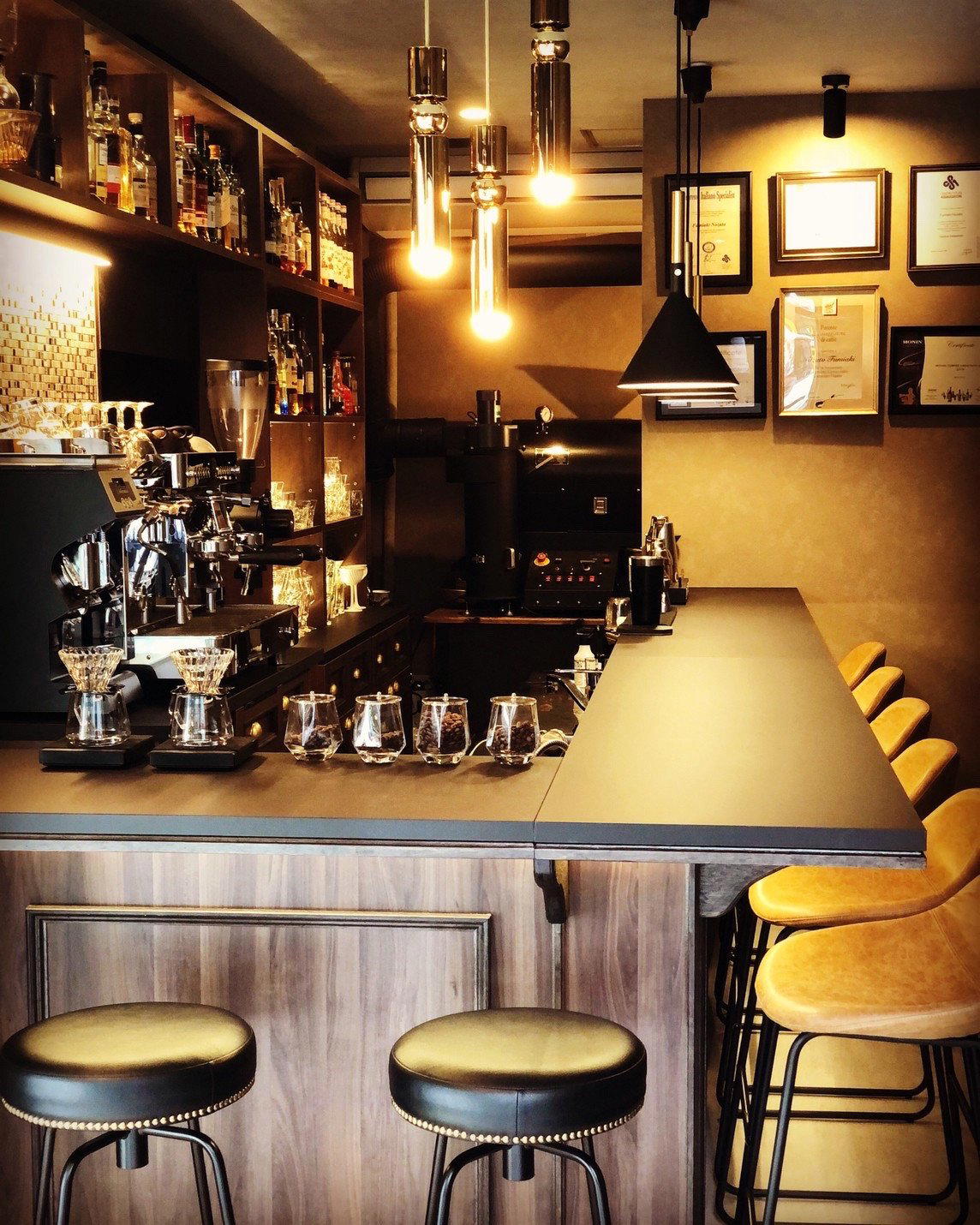
Bars in Osaka
Browse all →



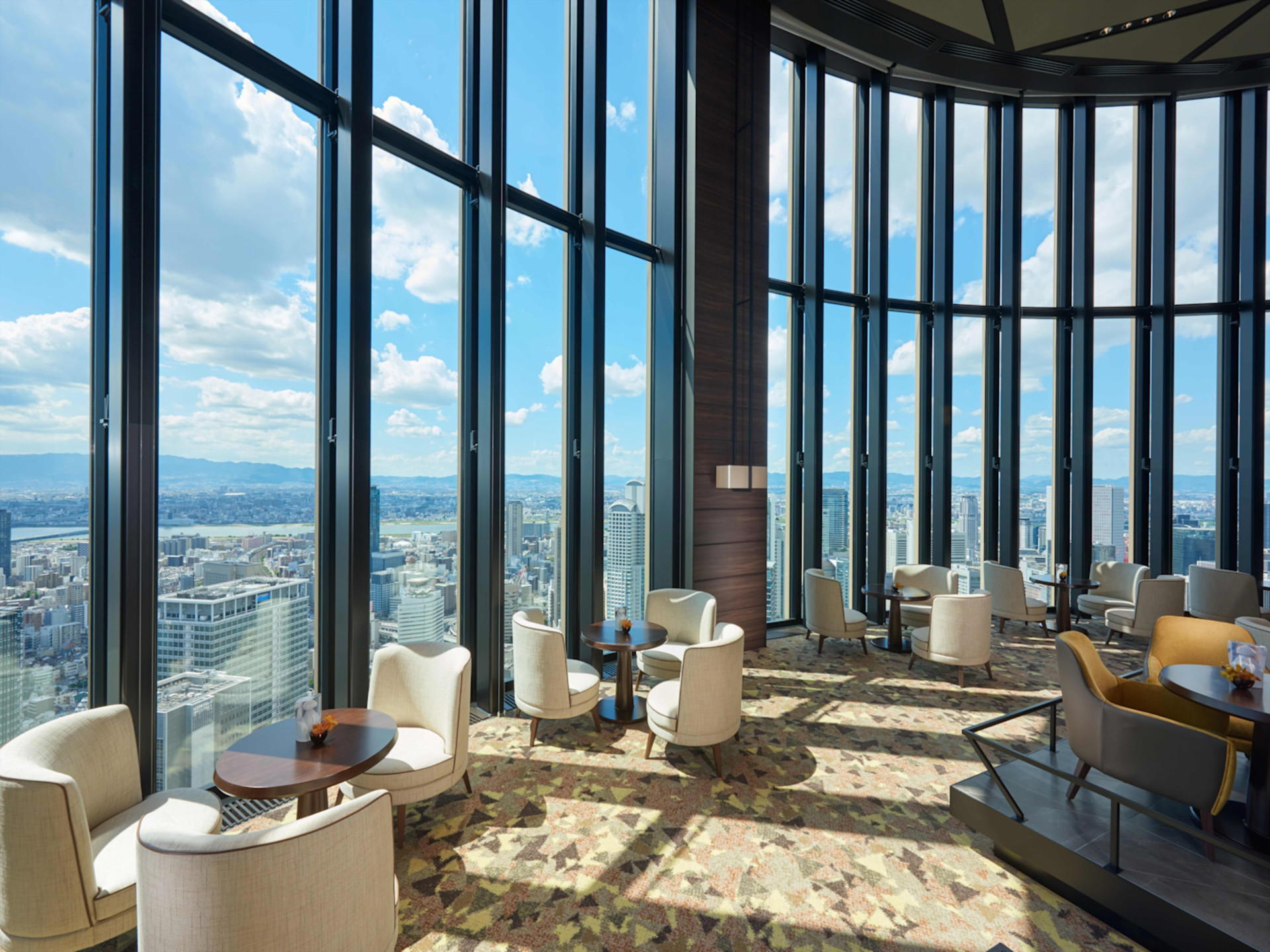
Hotels in Osaka
Browse all →



Wineries in Osaka
Browse all →
At a Glance
- Cozy
- Classic
- Intimate
- Solo
- Casual Hangout
- After Work
- Standalone
Current opening hours
- Monday
- Closed
- Tuesday
- 11 AM–8 PM
- Wednesday
- 11 AM–8 PM
- Thursday
- 11 AM–8 PM
- Friday
- 11 AM–8 PM
- Saturday
- 11 AM–8 PM
- Sunday
- 11 AM–8 PM
Hours can change for holidays and private events. Last verified .
Reviews and the Tabelog introduction describe a small, non-smoking soba shop with only 16 seats, simple wooden furnishings, and a calm, quietly conversational atmosphere focused on soba, sake, and light snacks rather than bustle or crowds.