
Ramen Shuki places Osaka ramen in a compact Tsuruhashi format: counter-led, low-priced, and shaped by recognition from the Tabelog 100 Ramen OSAKA list in 2024 and 2025. The draw is not luxury theater but a focused neighborhood ramen stop with 11 seats, no reservations, and a price band that keeps it firmly in the everyday dining tier.
Pearl is the En Primeur Club membership app — saves, bookings, and concierge access live there. Same editors, same standards.
- Address
- 大阪府大阪市東成区東小橋3-14-10
- Website
- tabelog.com
 Saves & bookings on Pearl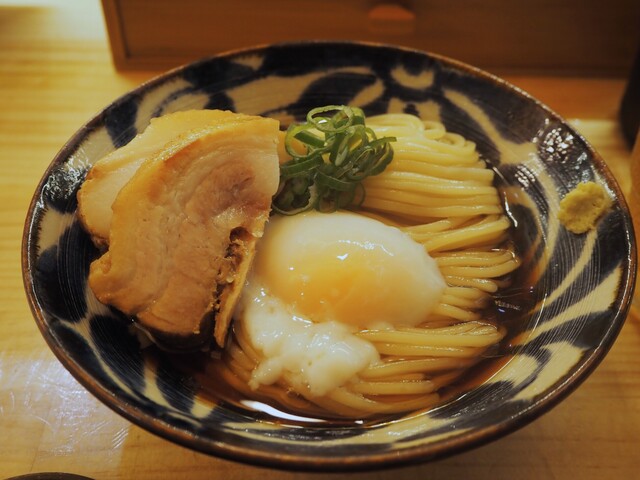
Tsuruhashi is not a polished dining district; it is a railway-and-market neighborhood of smoke, station noise, late meals, and quick decisions. That setting suits ramen. Osaka’s serious noodle shops often work small, with limited seating, tight turnover, and a format that rewards diners who can read a queue rather than a wine list. Ramen Shuki fits that category: compact, counter-driven, and recognized by Tabelog 100 Ramen OSAKA in 2024 and 2025.
The useful comparison is not Osaka’s tasting-menu restaurants, but its democratic noodle and casual dining culture. Around Tsuruhashi, Men to Niku Daitsuru Tsuruhashi ten and Udon Jojo sit in a lower price bracket, while Yaoyasu and Sora Tsuruhashi souhonten run higher for a fuller meal. Ramen Shuki occupies the middle: a ramen specialist priced for repeat visits, with enough critical traction to separate it from anonymous station-area bowls.
A small-room ramen format in a city that rewards precision
Osaka is often described through takoyaki, okonomiyaki, kushikatsu, and market eating, but ramen has become a serious subculture. Unlike Tokyo, where destination ramen can feel like a competitive circuit, Osaka’s strongest shops often stay embedded in commuter neighborhoods. The format is lean: short menus, fast seating, and a room built around the bowl, not the occasion.
That is why the 11-seat setup matters. Seven counter seats and a small four-seat table put Ramen Shuki at the intimate end of the ramen spectrum without making it a luxury counter. It is non-smoking, a practical advantage where turnover and proximity shape the experience. The room dictates the meal: solo diners fit naturally, pairs need timing, and larger groups should choose another format.
The JPY 1,000 to JPY 1,999 lunch and dinner band keeps the shop inside ramen’s essential contract with the city. This is not fine dining disguised as noodles, but a low-ticket meal judged on execution, consistency, and reputation. The Tabelog 100 selection matters because it places a small Tsuruhashi shop in the broader Osaka ramen conversation without changing its category.
For travelers building a wider Osaka itinerary, this is a useful counterweight to formal meals and hotel dining. The city’s casual food intelligence often sits in places with little ceremony. EP Club’s Osaka coverage maps that contrast through Our full Osaka restaurants guide, while adjacent planning across Our full Osaka hotels guide, Our full Osaka bars guide, Our full Osaka wineries guide, and Our full Osaka experiences guide frames how ramen fits into a full trip, not just one stop.
Why the Tabelog 100 signal matters for Osaka ramen
Tabelog’s Hyakumeiten lists are not Michelin-style star systems, but in Japan they matter because they surface category specialists across cities and prefectures. For ramen, that is useful: the field is crowded, prices are compressed, and the difference between a functional bowl and a serious shop is not always visible from the street. A 2024 and 2025 Tabelog 100 Ramen OSAKA selection gives the restaurant a public reputation marker in a category shaped by local diners, repeat visits, and online scoring.
The listing’s 3.69 score should be read in Japanese restaurant-rating context. On Tabelog, scores above the mid-threes can show meaningful traction, especially for small, casual shops with narrow formats and low spend. The better reading is comparative: this is a low-cost ramen counter judged against specialists, not a broad-service restaurant trading on décor, drinks, or private rooms.
That helps avoid a common Osaka traveler mistake: treating every acclaimed casual shop as a destination requiring a full evening. Ramen is different, often a focused meal inserted between station moves, market walks, or late-night plans. Nearby options reinforce the point. Matsushita kitchen and Yaoyasu occupy different casual brackets, while Sora Tsuruhashi souhonten offers another, higher-spend Tsuruhashi path. The restaurant’s appeal is narrower and more precise: a recognized ramen stop with modest spend and limited seats.
Readers comparing Japanese casual dining across cities can use EP Club’s restaurant archive as calibration. Osaka’s casual density differs from [ki:] in Kyoto, [Curry Senmon Ten] Maruyama Kyoju. in Sapporo.know in Kumamoto, and (Shoku) Vietnam in Kawasaki. Even within Osaka, the range runs from bakery and café stops such as.cafe and 52CHO-ME BAKERY to local staples like 551 Horai (551蓬莱), Italian dining at a canto (Italian), and pizza at 99 Pizza Napoletana Gourmet.
How to fit it into a Tsuruhashi day
The logistics favor spontaneity with a plan. Reservations are unavailable, so treat the meal as a flexible ramen stop, not a fixed appointment. Tsuruhashi Station is the anchor, with JR, Kintetsu, and Osaka Metro access, and the shop is listed a short walk from the station area. It pairs easily with the neighborhood’s market streets or as a quick reset between Namba, Umeda, and eastern Osaka.
Hours are split between daytime and evening service, with a late closing listed, so it works for lunch and post-dinner ramen. The caveat is capacity: eleven seats fill quickly, and small ramen rooms do not absorb crowds gracefully. Solo diners have the advantage. Families are explicitly accommodated, including school-age children and strollers, but the room remains small. Payment flexibility is unusually useful for casual ramen, with major credit cards, transport IC cards, several e-money options, and QR payments listed.
Parking is not provided, normal for a station-adjacent Osaka address. Use rail unless the day requires a car, then expect paid lots nearby. The absence of private rooms and private-use service is not a flaw; it is the format. Ramen at this level is a short, concentrated meal, not a lingering table. Travelers who understand that rhythm get the point faster.
For broader Japan casual-dining comparison, the same logic appears differently at -Grilled beef Sukiyaki- KAMAKURA TANUKIAN 鎌倉 たぬき庵 in Kamakura. 鮪と炭火焼き うお炭 秋葉原店 in Tokyo, and, outside Japan, Japanese-leaning formats such as Jōdo Saké Bar in Los Angeles and Onigiri Time in Pasadena. The lesson is consistent: casual Japanese dining is often strongest when the format is narrow, the room is small, and expectations are set before arrival.
The Quick Read
Comparable venues at a glance for context.
| Venue | Cuisine | Price | Notes |
|---|---|---|---|
| Ramen ShukiThis venue — the venue you are viewing | Higashinari, Japanese Ramen | $$ | Not listed |
| Sora Tsuruhashi souhonten | Not listed | $$ | Tennōji, Traditional Osaka yakiniku & horumon |
| Kitahama Choji | Chūō, Donburi-style Japanese curry | $$ | Not listed |
| OXYMORON Kitahama | Chūō, Japanese Curry Cafe | $$ | Not listed |
| Udon Ubara | Tennōji, Japanese Udon | $$ | Not listed |
| Udon to Osake Karahori Kinugawa | Chūō, Udon and Sake | $$ | Not listed |
Recognition history
Dated appearances from independent guides and award organizations, with the underlying list record or original source where available.
Tabelog 100 #89 · No. 89
Tabelog · Tabelog 100 - Ramen - OSAKA - 2025
Continue exploring
More in Osaka
Restaurants in Osaka
Browse all →




Bars in Osaka
Browse all →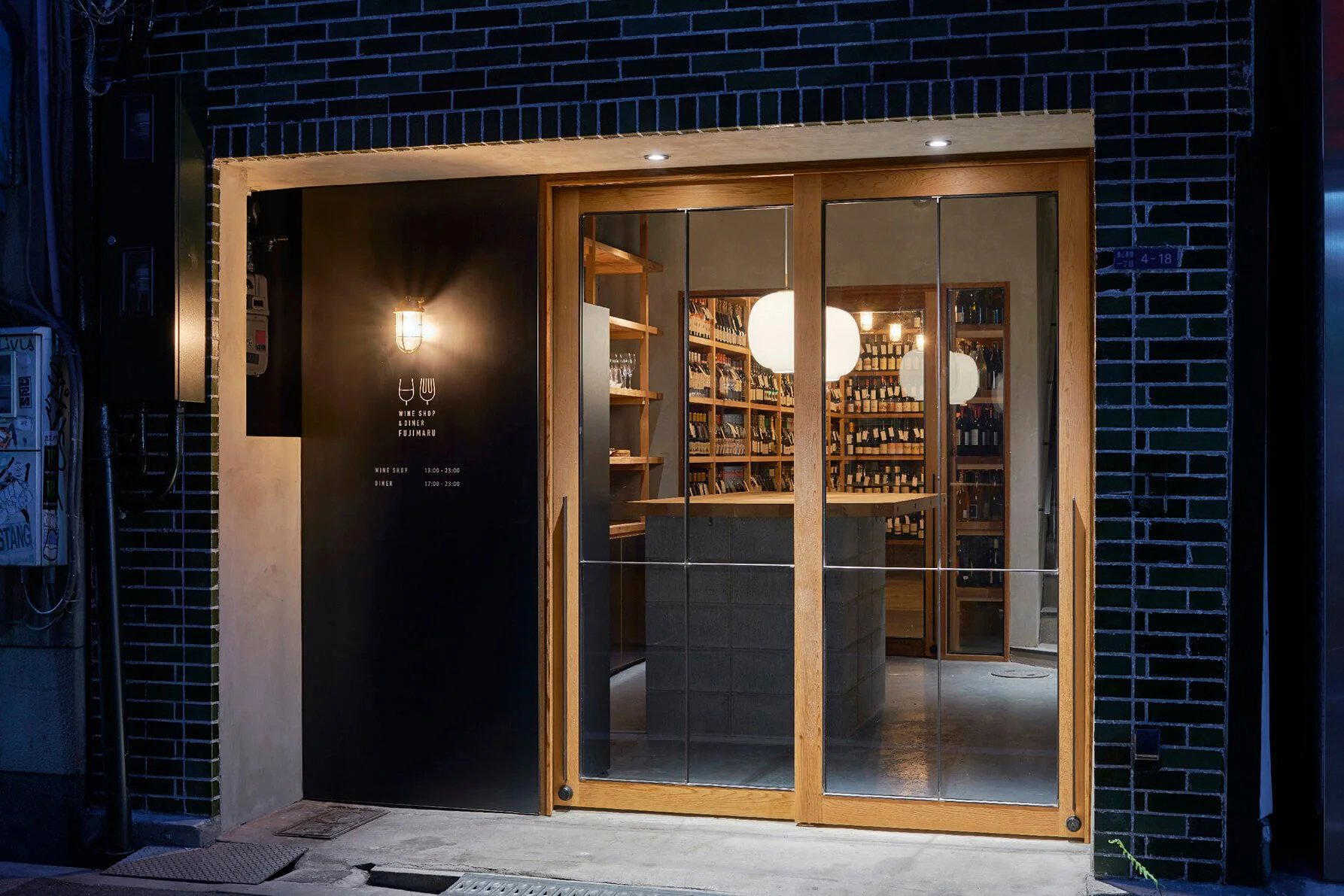
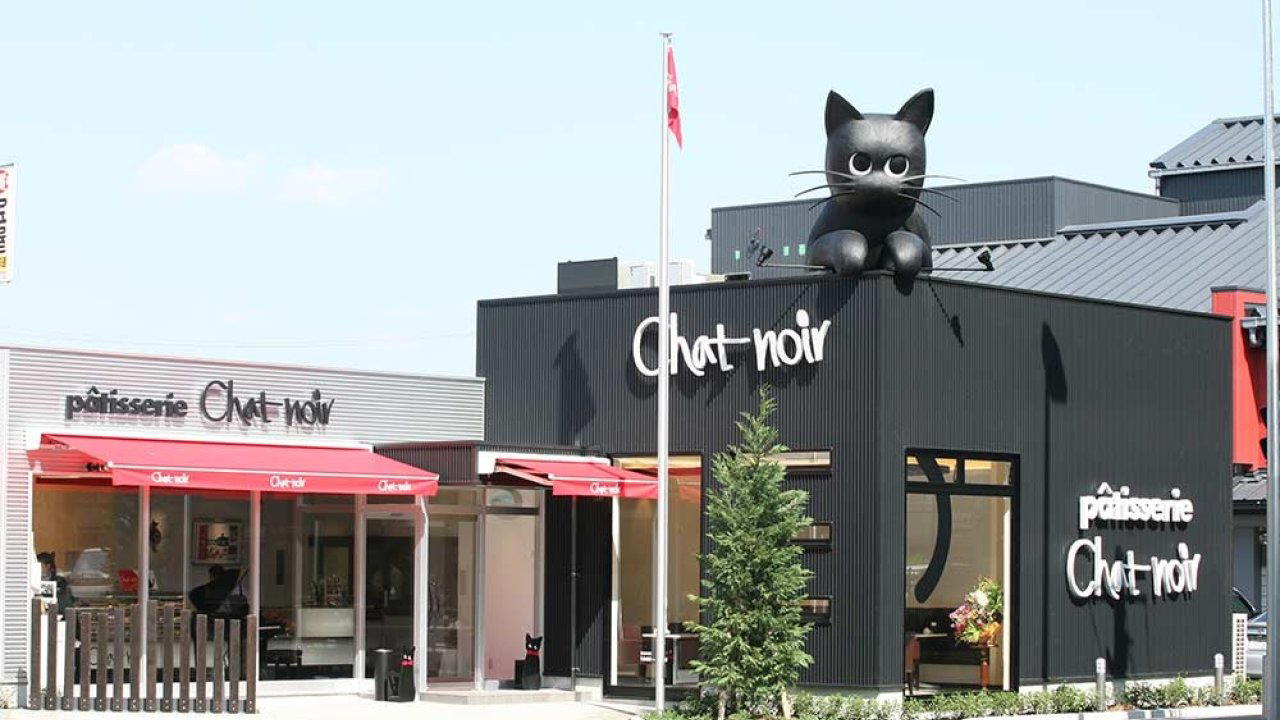

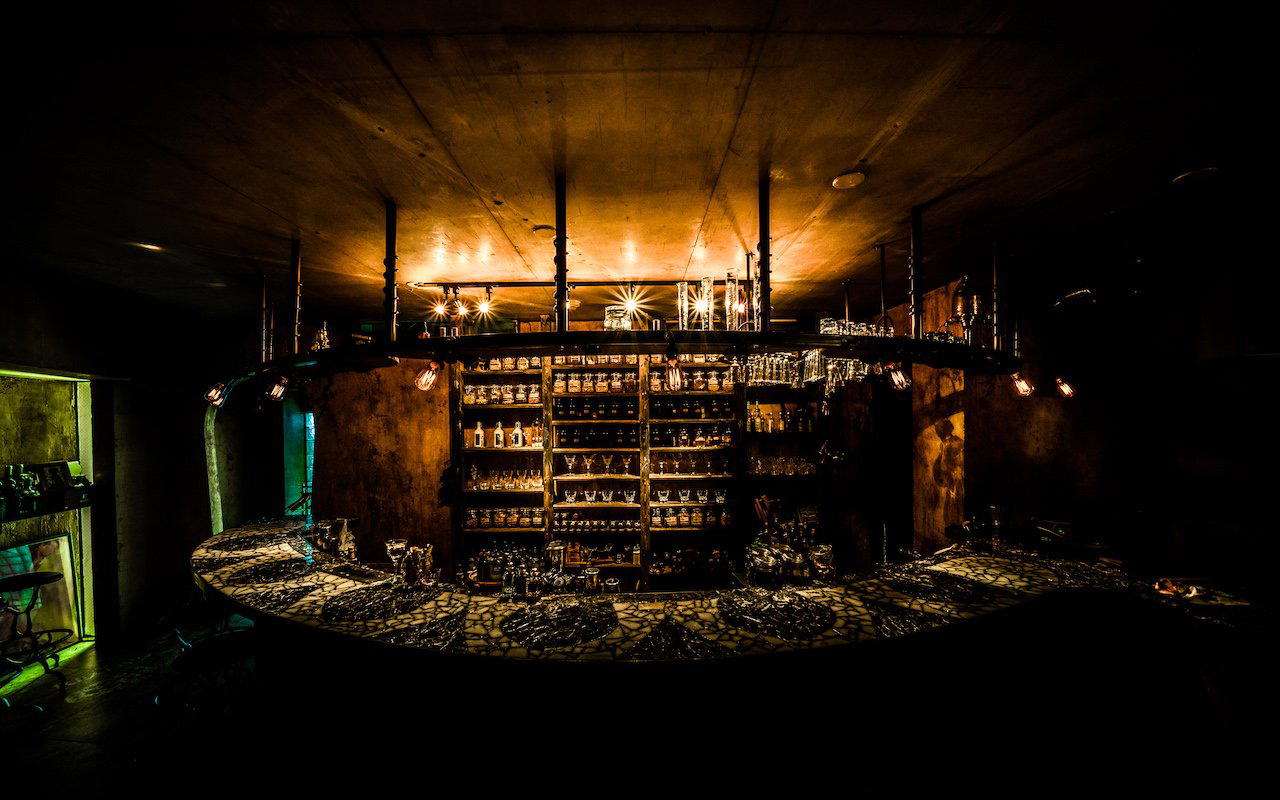

Hotels in Osaka
Browse all →



Wineries in Osaka
Browse all →
At a Glance
- Cozy
- Modern
- Casual
- Solo
- Casual Hangout
- Family
- Standalone
- Beer Program
A compact, casual ramen shop atmosphere with counter and table seating and a direct, neighborhood feel.