
Kodou puts Toyonaka’s soba culture in a more composed register: buckwheat noodles, chicken dishes, oyako-don, fermented cooking, and a drinks program that reaches sake, shochu, and wine. Its Tabelog Soba WEST 100 selections in 2024 and 2025 place it among the Kansai soba addresses watched by serious noodle diners, not just neighbourhood regulars.
Pearl is the En Primeur Club membership app — saves, bookings, and concierge access live there. Same editors, same standards.
- Address
- Japan, 〒560-0021 Osaka, Toyonaka, Honmachi, 5 Chome−2−2 1F
- Phone
- +81 6-6852-7558
- Website
- kodou.co.jp
 Saves & bookings on Pearl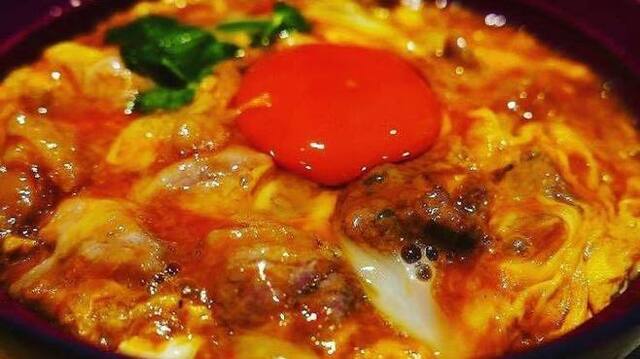
Approach Toyonaka’s residential side and the mood shifts from central Osaka’s station-front appetite to a quieter house-restaurant rhythm: a low-rise address and a dining room built for meals needing more time than a commuter bowl. In Osaka, soba competes with udon, okonomiyaki, kushikatsu, and louder forms of eating. Kodou works in another register, where buckwheat noodles share the table with chicken dishes, oyako-don, fermented cooking, and drinks that treat sake, shochu, and wine as part of the meal.
That matters because Kansai soba has a subtler public profile than Tokyo soba, and serious rooms outside the central tourist grid are easy to misread. Kodou’s selection for Tabelog Soba WEST 100 in both 2024 and 2025 gives the address a clear trust signal inside western Japan’s soba conversation. Its Tabelog score of 3.61 matters less than the category placement: this is not a general Japanese restaurant borrowing soba as a side note, but a soba-led table with enough range for lunch, dinner, groups, and family use.
Soba in Toyonaka, with chicken and fermentation in the supporting cast
Read Kodou through the team dynamic implied by the format. Soba requires discipline in sourcing, milling, boiling, rinsing, and timing; chicken dishes and oyako-don demand different kitchen control; fermented preparations pull the meal toward depth rather than speed. Add a sommelier-listed service note and drinks covering nihonshu, shochu, and wine, and the restaurant feels closer to a coordinated dining room than a single-specialty noodle stop.
Osaka’s casual dining culture is built on clarity: what the place does, how much time it asks, and whether it fits the occasion. Around Toyonaka, comparison venues such as Toyonaka Mente Tsu and Soratobu Udon Yamabuki Ya sit in the lower everyday noodle bracket, while Lime Light, Mori no Ohagi, and Nick&Renée Toyonaka honten map a neighbourhood pattern of focused, modestly priced food addresses. Kodou is priced and structured differently, especially at dinner, shifting expectation from quick refuelling to a planned meal with soba as anchor.
The lunch-versus-dinner split is part of the interest. Lunch frames the place around soba and fermented dishes; dinner moves toward duck and fermented dishes alongside soba. That arc reflects a wider Japanese dining logic: noodles can be everyday, yet the same craft can support a more adult evening if kitchen and floor pace it well. Private rooms, tatami seating, and a 36-seat room also broaden the social use. This is not a tiny counter forcing hushed ceremony, but a soba restaurant flexible enough for families, friends, and longer gatherings.
A Kansai soba address that reads beyond the noodle bowl
The Tabelog Soba WEST 100 recognition is the cleanest context. Hyakumeiten lists are category-specific, and for soba they tend to reward restaurants that regular diners and specialists treat as regional destinations. In western Japan, that distinction matters. Osaka diners have many noodle choices, but soba rooms drawing attention for craft, service structure, and a broader meal format occupy a narrower lane.
Drinks program reinforces that lane. Sake is expected in a serious Japanese dining room, but nihonshu, shochu, and wine, plus a sommelier service note, point to a table where pairings and pacing count. The front-of-house role becomes visible without theatrical service: the floor must manage groups, families, private rooms, and diners coming for a simple soba lunch or a longer evening. In a city where hospitality can be efficient to the point of compression, that wider operating range is a strength.
For travellers building an Osaka food itinerary, Kodou works better as a northern Osaka counterpoint than as a substitute for the central eating districts. Pair it conceptually with the breadth in Our full Osaka restaurants guide, then read across categories through Our full Osaka hotels guide, Our full Osaka bars guide, Our full Osaka wineries guide, and Our full Osaka experiences guide. The point is not to make every meal central. Osaka rewards movement between dense urban food streets and smaller neighbourhood addresses where local habits show more clearly.
Seen against other Japanese and Japanese-adjacent listings, the distinction sharpens. 551 Horai (551蓬莱) represents Osaka’s portable, crowd-facing comfort-food lane; a canto (Italian), 99 Pizza Napoletana Gourmet, 52CHO-ME BAKERY, and.cafe show how the city absorbs non-washoku formats into daily life. Outside Osaka, entries such as [ki:] in Kyoto.know in Kumamoto, (Shoku) Vietnam in Kawasaki, [Curry Senmon Ten] Maruyama Kyoju. in Sapporo. 鮪と炭火焼き うお炭 秋葉原店 in Tokyo, and -Grilled beef Sukiyaki- KAMAKURA TANUKIAN 鎌倉 たぬき庵 in Kamakura underline how regional Japanese dining resists one template. Overseas Japanese-food references, Jōdo Saké Bar in Los Angeles and Onigiri Time in Pasadena, make the same point from abroad: format defines expectation as much as cuisine does.
Who should plan a meal here
Kodou suits diners who want soba with structure around it, not a fast noodle stop between sightseeing. Its private-room capacity, children-welcome policy, and broader menu categories make it unusually adaptable for a soba address with regional recognition. Decide by occasion: lunch for a lighter read on the kitchen’s soba-and-fermentation identity, dinner for the fuller version involving duck, drinks, and longer pacing.
The critical appeal lies in that balance. Kodou need not behave like central Osaka’s high-energy dining rooms, nor adopt the austerity of a tiny specialist counter. Its value is showing how soba can operate as a complete meal in northern Osaka: disciplined enough to earn category recognition, flexible enough for groups and families, and broad enough for a sommelier and kitchen team to shape the evening without turning the noodles into a supporting act.
At a Glance
Comparable venues to calibrate price, style, and recognition.
| Venue | Cuisine | Price | Notes |
|---|---|---|---|
| KodouThis venue — the venue you are viewing | Not listed | $$ | Not listed |
| Moeyo Mensuke (燃えよ麺助) | Fukushima, Duck Ramen Specialist | $$ | Not listed |
| Soba-ya Kida | Toyonaka, Traditional Soba Noodle House | $$ | Not listed |
| Okonomiyaki Chigusa | Not listed | $$ | Kita, Traditional Osaka Okonomiyaki & Teppan Grill |
| tanpopo Kitashinchi honten | Not listed | $$ | Kita, Teppanyaki & Okonomiyaki with Italian Wine |
| Izumi Burger | Not listed | $$ | Nishi, Yoshoku European-style curry & hamburger steak |
Recognition history
Dated appearances from independent guides and award organizations, with the underlying list record or original source where available.
Tabelog 100 #18 · No. 18
Tabelog · Tabelog 100 - Soba - WEST - 2025
Continue exploring
More in Osaka
Restaurants in Osaka
Browse all →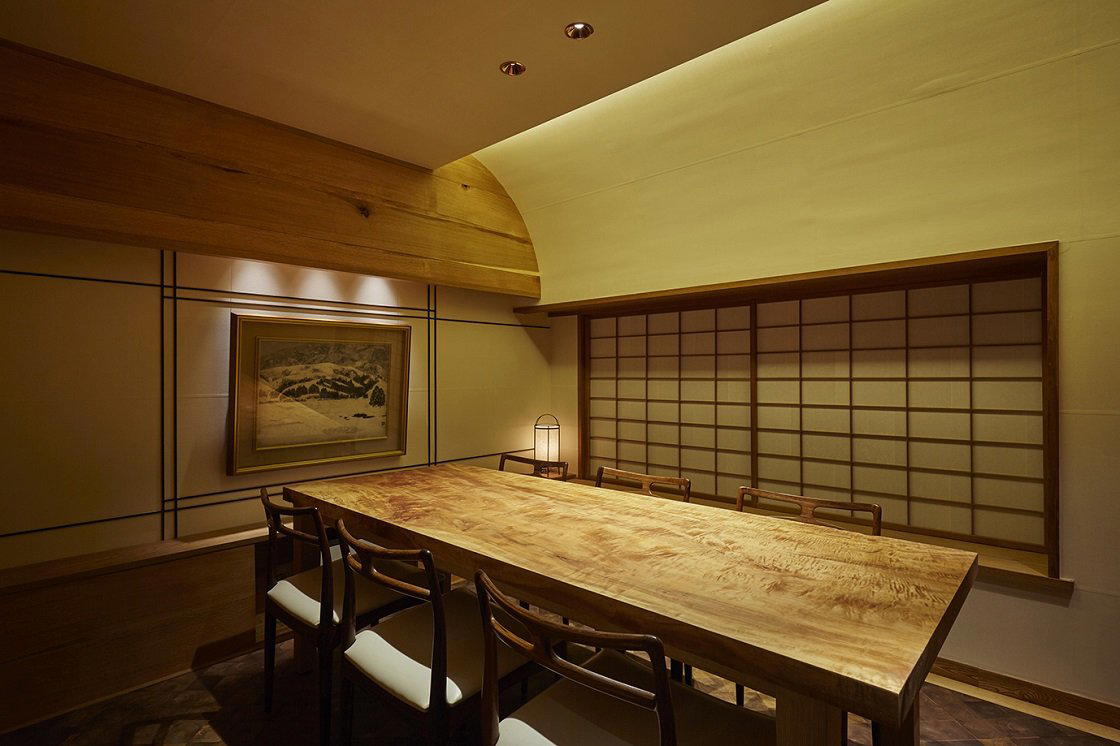


Bars in Osaka
Browse all →
Hotels in Osaka
Browse all →


Wineries in Osaka
Browse all →
At a Glance
- Cozy
- Classic
- Family
- Group Dining
- Casual Hangout
- After Work
- Standalone
- Design Destination
- Private Dining
- Sake Program
- Beer Program
- Local Sourcing
Current opening hours
- Monday
- 11 AM–2:30 PM, 5:30–9 PM
- Tuesday
- 11 AM–2:30 PM, 5:30–9 PM
- Wednesday
- Closed
- Thursday
- 11 AM–2:30 PM, 5:30–9 PM
- Friday
- 11 AM–2:30 PM, 5:30–9 PM
- Saturday
- 11 AM–2:30 PM, 5:30–9 PM
- Sunday
- 11 AM–2:30 PM, 5:30–9 PM
Hours can change for holidays and private events. Last verified .
A warm, classic soba-shop atmosphere with an intimate dining room, sake-focused feel and a relaxed but lively buzz, more like a neighborhood low-profile address than a formal restaurant.