
Usagi to Boku belongs to Osaka’s quieter cafe register: small-scale, reservation-free, and built around coffee roasted after ordering rather than volume service. Its Tabelog Cafe WEST 100 selection in 2025 gives it a credible place in the city’s specialist cafe conversation, while its welfare-facility baked goods and unusually detailed accessibility measures make the ethical dimension more concrete than decorative.
Pearl is the En Primeur Club membership app — saves, bookings, and concierge access live there. Same editors, same standards.
- Address
- 大阪府大阪市阿倍野区阪南町3-9-10
- Phone
- +81675022155
- Website
- usaboku-coffee.com
 Saves & bookings on Pearl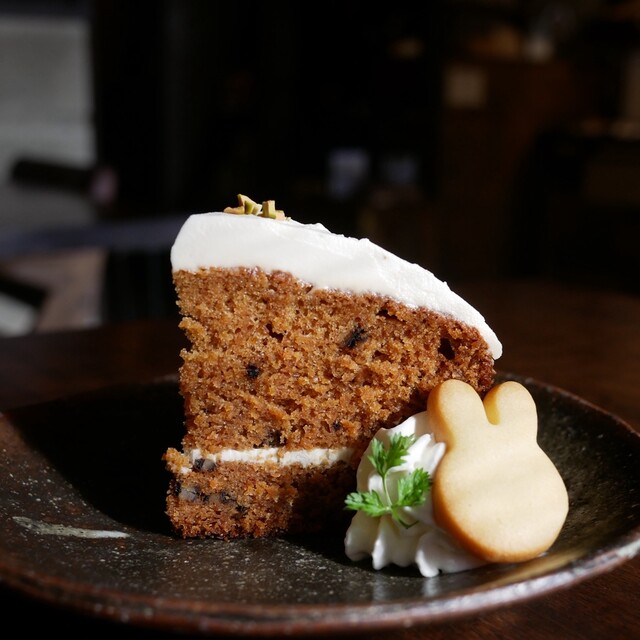
In Showacho, the cafe ritual slows before it starts. The setting is a 90-year-old row house, a form of Osaka domestic architecture that changes the social contract of coffee: lower voices, smaller parties, fewer table turns, more attention to the room. Usagi to Boku operates in that register, where the act of ordering coffee is tied to roasting, waiting, and restraint rather than quick caffeine service.
Osaka’s dining reputation often leans toward speed and appetite, from counters built for noodles and gyoza to department-store sweets and takoyaki queues. The cafe scene asks for a different reading of the city. Here, seriousness is not measured by luxury signals but by format discipline: limited seats, narrow service rules, and an insistence that atmosphere is part of the product. In that sense, Usagi to Boku sits closer to a craft workshop than a casual coffee stop.
Small-room coffee culture with a social conscience
The clearest point of difference is the on-demand roasting model. Coffee beans are roasted after the order is placed, which moves the cafe away from pre-batched convenience and toward a slower, less wasteful rhythm. For a category often saturated with origin language and design cues, this is a useful corrective: the format itself shows the priorities. Freshness, inventory control, and attention to each order carry more weight than spectacle.
The sustainability story is not limited to beans. Baked goods are sourced from welfare facilities, connecting the cafe’s purchasing to disability employment rather than treating ethics as a slogan. That matters in Japan’s specialist cafe culture, where precision can sometimes become inward-looking. Here, the supply chain is part of the editorial interest: a small cafe can make social choices visible without turning them into theatre.
Recognition gives the format external weight. The cafe was selected for Tabelog Cafe WEST 100 in 2025, a useful trust signal in a region where independent coffee rooms compete with patisseries, kissaten traditions, and design-led modern cafes. A Tabelog score of 3.62 places it in the serious local conversation without suggesting that this is a trophy-room experience. The point is narrower and more persuasive: a compact cafe, selected in a regional cafe list, working with a format that rewards patience.
Why the room changes the way to use it
The 14-seat setup shapes the experience as much as the roasting. Four counter seats and 10 table seats create a room where group behavior is part of hospitality. Tables are limited to up to two adults, not as exclusivity theatre, but to protect the quiet of the row house. That rule tells informed travellers what kind of visit to plan: solo reading, a measured conversation, or a coffee-focused pause rather than a long catch-up with a crowd.
Compared with the Showacho-area options listed in the same local orbit, the cafe occupies a distinct lane. Menya Saisai Shouwa chou honten points toward quick noodle eating; Gyoza no Mise Momo and Sumisho Kishimoto sit in more meal-driven territory; Matsuzushi and Tempura Kozaki belong to formal Japanese dining categories with different expectations around pacing and spend. Usagi to Boku is not competing with those rooms on meal structure. It competes on quiet, craft, and the degree to which a cafe can be treated as a serious address.
Accessibility is also unusually specific for a small, old building. The entrance has a roughly 5 cm curb, the sliding door is 77 cm wide, and staff assistance is available for entry. The restroom is not wheelchair accessible, but aisle space, power strips for medical devices or electric wheelchairs, assistance-dog support, a writing board, simple sign-language communication, and menu compatibility with smartphone magnification and read-aloud functions all point to a more considered version of welcome. Even sound sensitivity is addressed with approximate indoor sound levels, seating consultation, volume adjustment, earmuffs, and disposable earplugs. These details are not decorative; they affect who can use the room.
The operating style remains intentionally bounded. There is no private-room logic, no large-party energy, and no attempt to make the cafe behave like a co-working lounge. Free Wi-Fi is available, but table power outlets are not part of the basic setup; mobile batteries may be lent when needed. Takeout extends the format to coffee beans, baked goods, drinks, and gift sets, while cakes and light meals stay inside the cafe experience. That separation keeps the small room from becoming a general-purpose shop.
Where it fits in an Osaka itinerary
For travellers building a wider Osaka food map, this is a counterweight to the city’s louder pleasures. Use the broader Our full Osaka restaurants guide for meal planning, then treat cafe stops as their own category rather than filler between restaurants. Nearby or citywide reference points such as .cafe, 52CHO-ME BAKERY, 551 Horai (551蓬莱), 99 Pizza Napoletana Gourmet, and a canto (Italian) show how varied the city’s casual and specialist registers can be.
Planning beyond food should stay equally category-aware. Osaka’s lodging, drinking, winery-adjacent, and cultural options sit in separate guides: Our full Osaka hotels guide, Our full Osaka bars guide, Our full Osaka wineries guide, and Our full Osaka experiences guide. For readers comparing how small specialist venues work elsewhere in Japan and beyond, useful contrasts include -Grilled beef Sukiyaki- KAMAKURA TANUKIAN 鎌倉 たぬき庵 in Kamakura. 鮪と炭火焼き うお炭 秋葉原店 in Tokyo.know in Kumamoto, (Shoku) Vietnam in Kawasaki, [Curry Senmon Ten] Maruyama Kyoju. in Sapporo, [ki:] in Kyoto, Jōdo Saké Bar in Los Angeles, and Onigiri Time in Pasadena.
The editorial case for the restaurant is not that it turns coffee into luxury. It does something more useful: it makes scale, sourcing, accessibility, and quietness part of the cafe’s value. In a city often read through appetite and speed, that restraint is the reason to pay attention.
A Quick Peer Check
Comparable options at the same price tier.
| Venue | Cuisine | Price | Notes |
|---|---|---|---|
| Usagi to BokuThis venue — the venue you are viewing | Home-roasted Japanese coffee & light cafe bites | $$ | Not listed |
| Lilo Coffee Kissa | Japanese Specialty Coffee Kissa | $$ | Chuo Ward, Shinsaibashi |
| Soba Kiri Oshiro | Traditional Soba Noodle Shop | $$ | Abeno |
| Takada Noageage | Osaka stand-up fried foods bar | $$ | Chūō |
| Datedachi | Stand-up Yakitori & Izakaya | $$ | Chūō |
| wad omotenashi cafe | Japanese tea & wagashi cafe | $$ | Chūō |
Recognition history
Dated appearances from independent guides and award organizations, with the underlying list record or original source where available.
Tabelog 100 #14 · No. 14
Tabelog · Tabelog 100 - Cafe - WEST - 2025
Continue exploring
More in Osaka
Restaurants in Osaka
Browse all →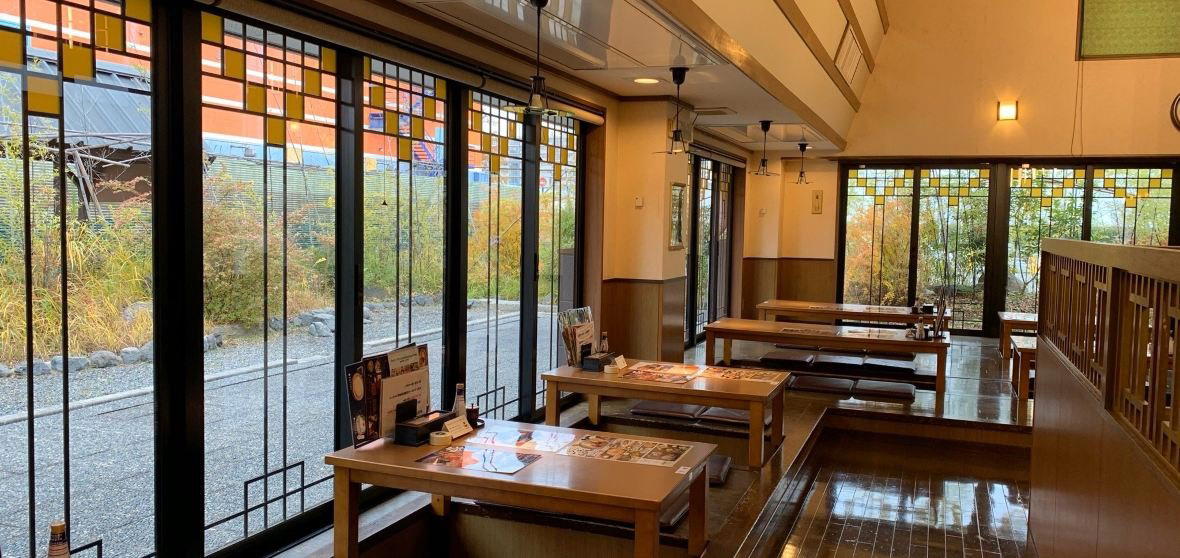


Bars in Osaka
Browse all →
Hotels in Osaka
Browse all →


Wineries in Osaka
Browse all →
At a Glance
- Quiet
- Cozy
- Classic
- Intimate
- Solo
- Casual Hangout
- Brunch
- After Work
- Historic Building
- Design Destination
- Standalone
- Zero Proof
- Local Sourcing
Calm and nostalgic, with a focus on quiet conversation and slow time in a traditional tenement-style space; soft background music and a small number of seats create an intimate, contemplative cafe experience.