Osaka

On West Sahara Avenue, away from the Strip's concentrated dining corridors, Osaka represents the kind of neighbourhood Japanese restaurant that Las Vegas's off-Strip dining scene depends on. The menu and format speak to a local clientele rather than a tourist circuit, placing it in a different competitive conversation from the high-profile omakase counters and Japanese concepts attached to major casino properties.
Pearl is the En Primeur Club membership app — saves, bookings, and concierge access live there. Same editors, same standards.
- Address
- 4205 W Sahara Ave, Las Vegas, NV 89102
- Phone
- +17028764988
- Website
- lasvegas-sushi.com
- Directions
- Get directions
 Saves & bookings on Pearl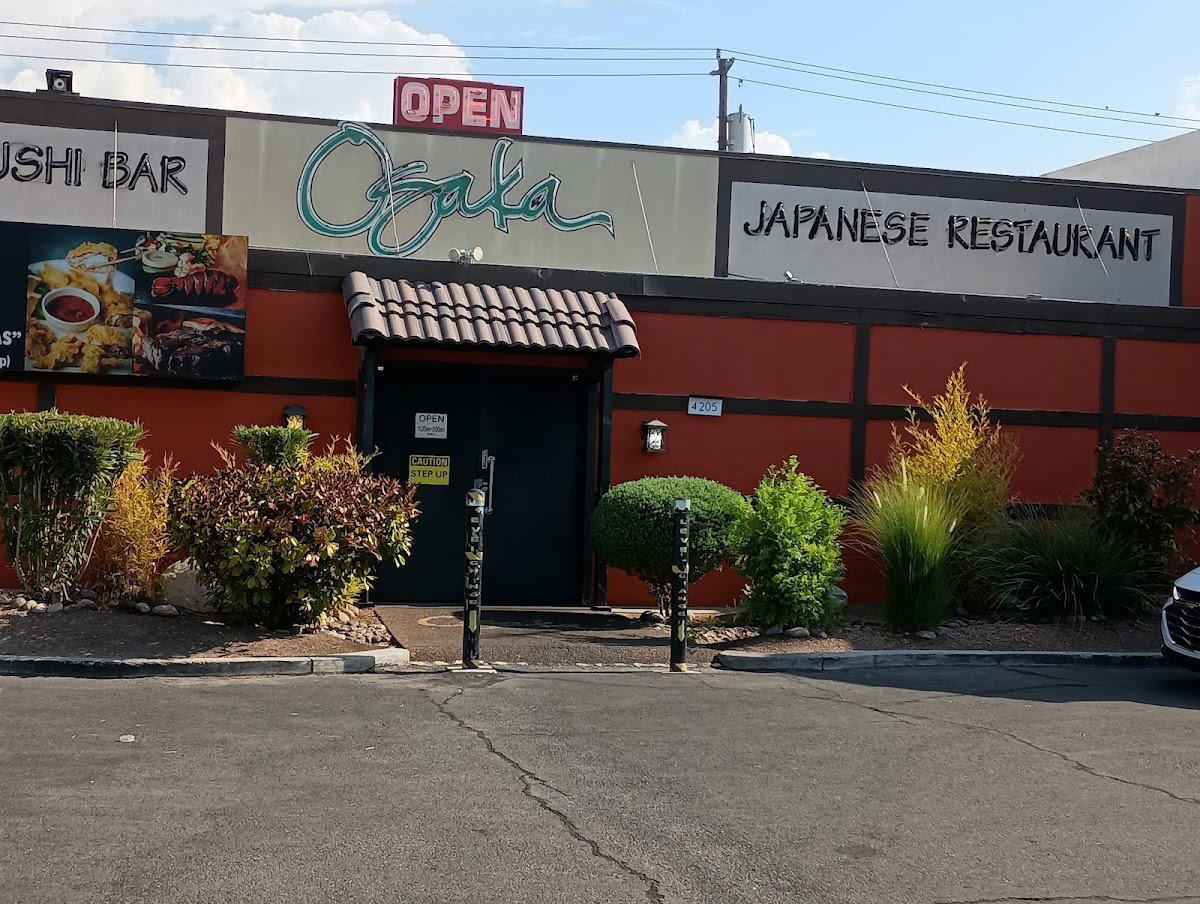
Off the Strip, Into the Neighbourhood
Las Vegas has two distinct Japanese dining scenes operating in parallel. The first is the one most visitors encounter: high-production omakase counters, sushi bars inside casino hotels, and celebrity-chef Japanese concepts priced for expense-account dining. The second operates largely below that radar, on surface streets and in strip malls, serving a local population that wants consistent, accessible Japanese food without the theatrical markup. Osaka, a Traditional Japanese Sushi & Teppanyaki restaurant at 4205 W Sahara Ave in Las Vegas, sits in that second category, a West Sahara address that places it firmly in the residential mid-city corridor rather than the visitor economy.
That geography matters more than it might seem. Off-Strip dining in Las Vegas functions differently from the casino corridor. Restaurants here compete on regulars rather than walk-in tourist traffic, which tends to produce menus calibrated for repeat visits rather than one-time spectacle. It's the same logic that makes certain neighbourhoods in any American city, the Avenues in Salt Lake City, the Midtown corridor in Sacramento, produce steadier neighbourhood dining than their respective downtowns.
Reading the Menu Structure
Japanese restaurants in the American mid-market occupy a specific architectural range. At one end sit the ramen and donburi specialists, built around a single format repeated with depth. At the other end sit the izakaya-style operations, where the menu sprawls across small plates, grilled items, and rice or noodle bases in a way that rewards group ordering and multiple visits. Between those poles sits a large category of generalist Japanese restaurants, places that offer sushi alongside cooked dishes, teriyaki alongside more technical preparations, which serve the broadest audience but require a certain discipline to avoid becoming unfocused.
The menu architecture at a venue like Osaka, operating in a neighbourhood context on West Sahara, typically reflects the demands of that local audience: accessible entry points that don't alienate first-timers, alongside enough range to keep regulars cycling through options. That structure, when executed with consistency, is what sustains a neighbourhood restaurant across years rather than seasons. It's a different kind of ambition from the omakase format, but no less deliberate.
Compare this to how the American fine dining circuit approaches Japanese cuisine: venues like Atomix in New York City operate through tightly controlled, sequenced menus where every course is a considered editorial statement. That format demands a different kind of engagement from the diner and a different kind of operation from the kitchen. Off-Strip neighbourhood Japanese restaurants are making a different wager, that consistency, value, and approachability over time outperform any single spectacular meal.
The West Sahara Corridor in Context
West Sahara Avenue functions as one of Las Vegas's more reliable off-Strip dining corridors, running through residential and commercial mid-city neighbourhoods that have developed their own dining identity independent of the casino economy. This part of the city has seen consistent growth in independent restaurants serving local communities, Korean spots, Vietnamese operations, and Japanese restaurants among them. 777 Korean Restaurant and venues like 18bin represent the kind of independent operators that have built reputations on this side of Las Vegas's dining map.
For a broader orientation to where Osaka fits within Las Vegas's full restaurant picture, the the guide Las Vegas restaurants guide maps the city's dining across both Strip and off-Strip contexts. Other off-Strip independents worth cross-referencing include 108 Eats and A Different Beast, both of which demonstrate how the non-casino dining scene operates on different terms from the visitor economy.
Japanese cuisine in Las Vegas's off-Strip segment competes in a genuinely crowded field. Aburiya Raku has long held a position as the serious late-night Japanese option for industry insiders, and Blue Ribbon Sushi Bar and Grill occupies a different tier within the casino environment. Osaka's West Sahara location positions it for a different audience entirely: mid-city residents, nearby workers, and visitors who specifically seek out neighbourhood dining over the curated casino experience.
American Fine Dining as a Reference Point
Understanding what Osaka is requires understanding what it is not, and that comparison is most useful when framed against the full spectrum of American restaurant ambition. At the apex of that spectrum, venues like The French Laundry in Napa, Alinea in Chicago, and Le Bernardin in New York City represent the tasting-menu, multi-Michelin tier where dinner is a structured event lasting several hours. Further along the spectrum, places like Lazy Bear in San Francisco, Single Thread Farm in Healdsburg, and Blue Hill at Stone Barns in Tarrytown operate with a strong sense of place and ingredient sourcing as the organising principle. Venues like Addison in San Diego, Providence in Los Angeles, The Inn at Little Washington, and Emeril's in New Orleans fill out the upper-middle tier. Even within Las Vegas, Craftsteak represents a different price and ambition bracket from the off-Strip independent.
Osaka operates at none of those registers, and that is not a criticism. Neighbourhood Japanese restaurants fill a role that fine dining cannot: they are available on a Tuesday without a reservation made six weeks in advance, they accommodate a family or a solo diner with equal ease, and they sustain a community's relationship with a cuisine across years of repeat visits. That is a distinct form of value, and one the Las Vegas dining scene requires to function beyond the casino footprint. Internationally, comparable neighbourhood positioning can be observed in cities like Hong Kong, where venues such as 8½ Otto e Mezzo Bombana occupy a completely different tier, illustrating how wide the spectrum runs from neighbourhood staple to destination dining.
Know Before You Go
Planning Details
- Address: 4205 W Sahara Ave, Las Vegas, NV 89102
- Neighbourhood: West Sahara corridor, off-Strip mid-city Las Vegas
- Phone / Website: not listed at time of publication, confirm via Google Maps or a local directory before visiting
- Hours: Not confirmed, verify directly before making plans
- Reservations: Format and booking method not confirmed; walk-in likely viable given the neighbourhood context, but calling ahead is advisable for larger groups
- Price range: Not confirmed; West Sahara neighbourhood positioning suggests mid-market pricing
- Parking: Surface parking typical of this corridor; the West Sahara address is easily accessible by car from most Las Vegas residential areas
Peers in This Market
Comparable venues nearby, for context on price, style, and recognition.
| Venue | Cuisine | Price | Notes |
|---|---|---|---|
| OsakaThis venue — the venue you are viewing | Traditional Japanese Sushi & Teppanyaki | $$ | Not listed |
| Monta Ramen | Authentic Japanese Tonkotsu Ramen | $$ | The Asian District |
| Raku | Japanese Robatayaki Izakaya | $$$ | The Asian District |
| Curry Zen | Authentic Japanese Curry | $$ | The Asian District |
| Kabuki Japanese Restaurant | Japanese Sushi & Traditional | $$ | Boulder Junction |
| Monta Japanese Noodle House | Japanese Ramen Noodle House | $$ | The Asian District |
Recognition history
Dated appearances from independent guides and award organizations, with the underlying list record or original source where available.
Diners, Drive-Ins and Dives Featured Restaurant
Diners, Drive-Ins and Dives · 2026 Diners, Drive-Ins and Dives Featured Restaurants
Continue exploring
More in Las Vegas
Restaurants in Las Vegas
Browse all →
Bars in Las Vegas
Browse all →
At a Glance
- Classic
- Well Known
- Lively
- Casual Hangout
- Group Dining
- Late Night
- Date Night
- Chefs Counter
- Live Music
- Open Kitchen
- Private Dining
- Historic Building
- Sake Program
Current opening hours
- Monday
- 11:30 AM–2 AM
- Tuesday
- 11:30 AM–2 AM
- Wednesday
- 11:30 AM–2 AM
- Thursday
- 11:30 AM–2 AM
- Friday
- 11:30 AM–2 AM
- Saturday
- 11:30 AM–2 AM
- Sunday
- 11:30 AM–2 AM
Hours can change for holidays and private events. Last verified .
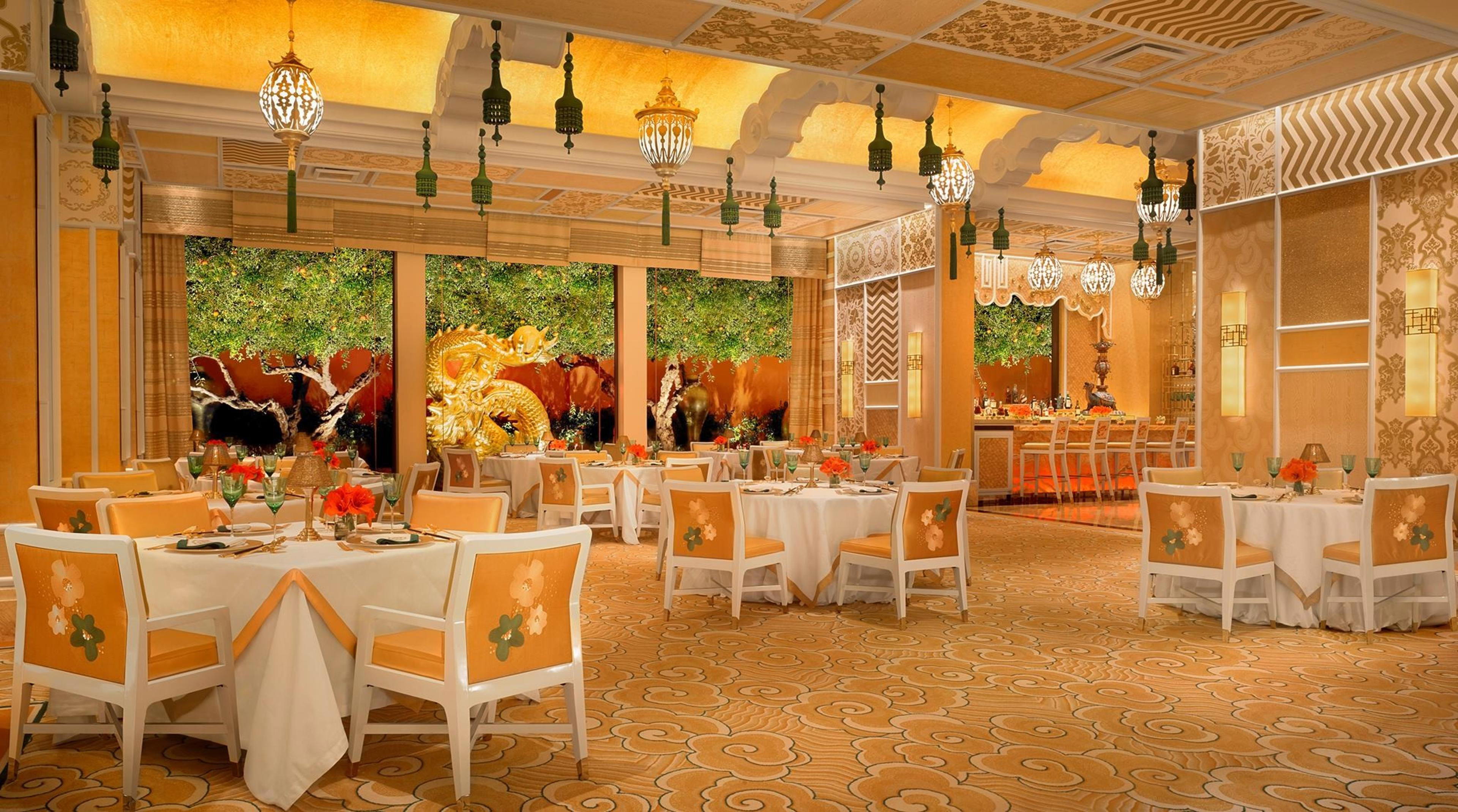
Classic Las Vegas atmosphere with options ranging from intimate tatami rooms to lively teppanyaki grills; the original West Sahara location evokes the Rat Pack era while the Henderson location offers a modern, open, light and airy setting.