Curry Zen
On Spring Mountain Road, Las Vegas's most concentrated corridor of South and East Asian dining, Curry Zen occupies a position that rewards those who look beyond the Strip. The address places it squarely in a neighbourhood where culinary identity is built on community regulars rather than tourist foot traffic, making it a reference point for the city's working Asian dining scene rather than its performance dining circuit.
Pearl is the En Primeur Club membership app — saves, bookings, and concierge access live there. Same editors, same standards.
- Address
- 5020 Spring Mountain Rd #1, Las Vegas, NV 89146
- Phone
- (702) 985-1192
- Website
- curryzen.com
- Directions
- Get directions
 Saves & bookings on Pearl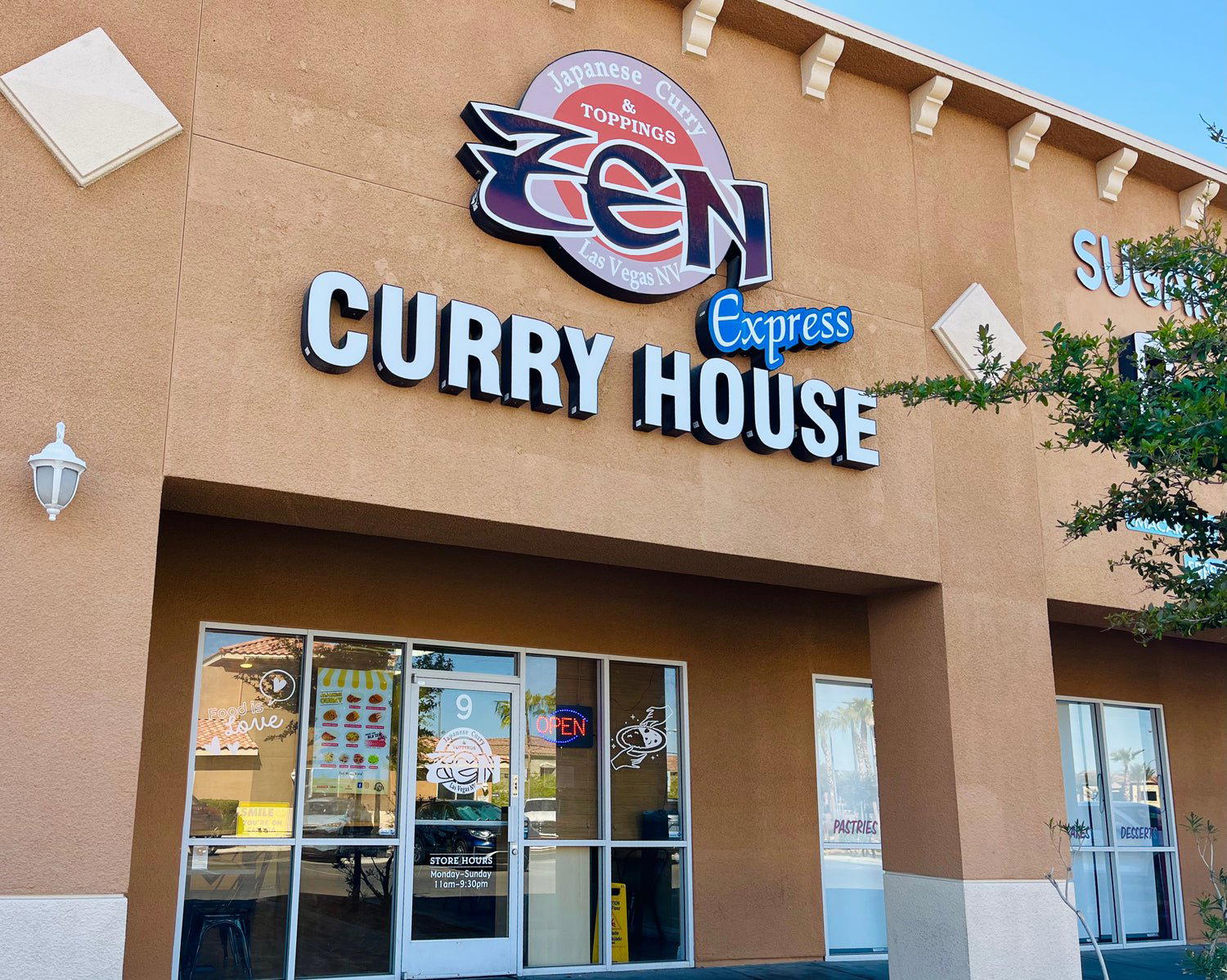
Spring Mountain Road and the City Behind the Strip
Las Vegas has two distinct dining cultures, and Spring Mountain Road is the spine of the one that most visitors miss. Stretching west from the Resort Corridor through a dense grid of strip malls and low-rise commercial blocks, this is where the city's South and East Asian restaurant community is concentrated: Vietnamese pho houses, Cantonese dim sum halls, Korean BBQ spots that run past midnight, and a handful of Indian and South Asian kitchens that answer to neighbourhood regulars rather than convention schedules. Curry Zen, at 5020 Spring Mountain Road, sits inside that ecosystem, positioned not as a gateway experience for curious tourists but as a functional part of a community-facing dining corridor that operates on its own logic.
The comparison with Strip dining is instructive. At venues like Craftsteak or the Italian rooms that fill casino floors, the physical environment is the product: high ceilings, theatrical lighting, a room designed to signal occasion. Spring Mountain Road operates differently. The strip-mall format here is not a compromise, it is the norm for a corridor where kitchen output and price-to-value matter more than architectural statements. Regulars navigating this stretch are calibrated differently than visitors who arrived via a concierge recommendation.
The Cultural Architecture of Curry
Authentic Japanese Curry, as a category, is among the more misread comfort-food traditions in the American dining context. In the United Kingdom, the curry house tradition evolved over decades into a distinct British-South Asian hybrid, balti dishes, poppadoms on arrival, a house lager culture built around Friday-night ritual. In the United States, particularly outside major coastal cities, the term "curry" often collapses multiple distinct regional traditions into a single undifferentiated idea. But the better South Asian kitchens in secondary and tertiary American markets have spent years working to disaggregate that, drawing distinctions between the slow-cooked meat curries of northern Pakistani cooking, the coconut-milk-based gravies of Kerala, the tamarind-heavy sauces of Tamil Nadu, and the dry spice profiles of Rajasthan.
Las Vegas sits in an interesting position within that American evolution. The city's South Asian population, concentrated in part along and around Spring Mountain Road, has generated enough demand to sustain restaurants that go beyond the generic "Indian restaurant" format. That creates a meaningful comparable set for a place like Curry Zen: not fine dining, not tourist-facing, but a kitchen that operates within a community that knows the reference points. For context on what the apex of American fine dining looks like in 2024, venues such as The French Laundry in Napa or Le Bernardin in New York City occupy a different tier entirely, but the comparison clarifies that the Spring Mountain Road corridor serves a fundamentally different set of priorities, and does so deliberately.
What the Address Tells You
Location on Spring Mountain Road is itself a trust signal for a certain kind of diner. The stretch from roughly Decatur Boulevard westward has a density of Asian dining options that functions like a self-selecting filter: if you know the address, you probably already understand the format. The strip-mall placement is shared by particularly respected names in Las Vegas's non-casino Asian dining, including 108 Eats, 18bin, and 777 Korean Restaurant, all of which operate on the same strip-mall logic without any corresponding loss of culinary seriousness.
The Spring Mountain corridor also functions as a corrective to a persistent misreading of Las Vegas dining: the assumption that quality is proportional to spectacle. Venues like A Different Beast have made the same argument from a different culinary tradition, that the Strip is not the city's only frame of reference. For South Asian food specifically, the corridor's density means that a kitchen on Spring Mountain Road is cooking for an audience that can immediately compare it against four or five alternatives within walking distance. That competitive pressure tends to produce more honest cooking than the captive-audience economics of a resort dining room.
Curry Traditions in an American Context
The broader American moment for South Asian food is worth framing. Across cities like New York, Chicago, and Los Angeles, South Asian dining has moved into a phase of greater specificity, chefs who trained in regional Indian, Pakistani, Sri Lankan, or Bangladeshi traditions are opening restaurants that foreground those distinctions rather than smoothing them into a pan-subcontinental menu. The reference points for serious American diners have shifted: a decade ago, the category ceiling was set by upmarket tandoor-and-naan formats; now, tasting-menu South Asian, regional street food specialists, and diaspora-fusion rooms coexist across multiple price tiers. Venues like Atomix in New York City represent one end of the ambition spectrum for Asian-rooted fine dining in America; the community-serving strip-mall kitchen represents the other, and that end is not the lesser one.
For the Las Vegas iteration of this evolution, Spring Mountain Road is the primary geography. The corridor has not attracted much national editorial attention, restaurants here do not appear in the annual award cycles that drive coverage at venues like Smyth in Chicago, Providence in Los Angeles, or Addison in San Diego, but that absence is a function of how awards cycles work, not a judgment on kitchen quality. The same logic applies to celebrated destination restaurants like Blue Hill at Stone Barns, Lazy Bear in San Francisco, or Single Thread Farm in Healdsburg, the frameworks for evaluating fine dining do not translate directly to the community-restaurant format, and applying them is a category error.
Curry Zen operates in that community-restaurant register, in a city that is still building its South Asian dining identity outside the casino footprint. The address, the format, and the corridor it belongs to are all legible signals to the diner who has done the basic work of mapping where Las Vegas actually eats.
Know Before You Go
- Address: 5020 Spring Mountain Rd #1, Las Vegas, NV 89146
- Neighbourhood: Spring Mountain Road corridor, west of the Strip
- Format: Strip-mall dining room; community-facing South Asian kitchen
- Booking: Walk-in friendly
- Price range: About $15 per person
- Getting there: 5020 Spring Mountain Rd #1, Las Vegas, NV 89146
Compact Comparison
Comparable venues nearby, for context on price, style, and recognition.
| Venue | Cuisine | Price | Notes |
|---|---|---|---|
| Curry ZenThis venue — the venue you are viewing | Not listed | $$ | Not listed |
| Osaka | Not listed | $$ | Las Verdes Heights, Traditional Japanese Sushi & Teppanyaki |
| Sushi Fever | West Sahara, Traditional Japanese Sushi | $$ | Not listed |
| Naked Fish's Sushi & Grill | Not listed | $$ | Southwest Las Vegas, Japanese Sushi & Grill |
| Geisha Mix | Not listed | $$ | Southeast Las Vegas, Japanese Fusion Sushi & Hibachi |
| Boon Tong Kee | Resorts World, Hainanese Chicken Rice | $$ | Not listed |
Continue exploring
More in Las Vegas
Restaurants in Las Vegas
Browse all →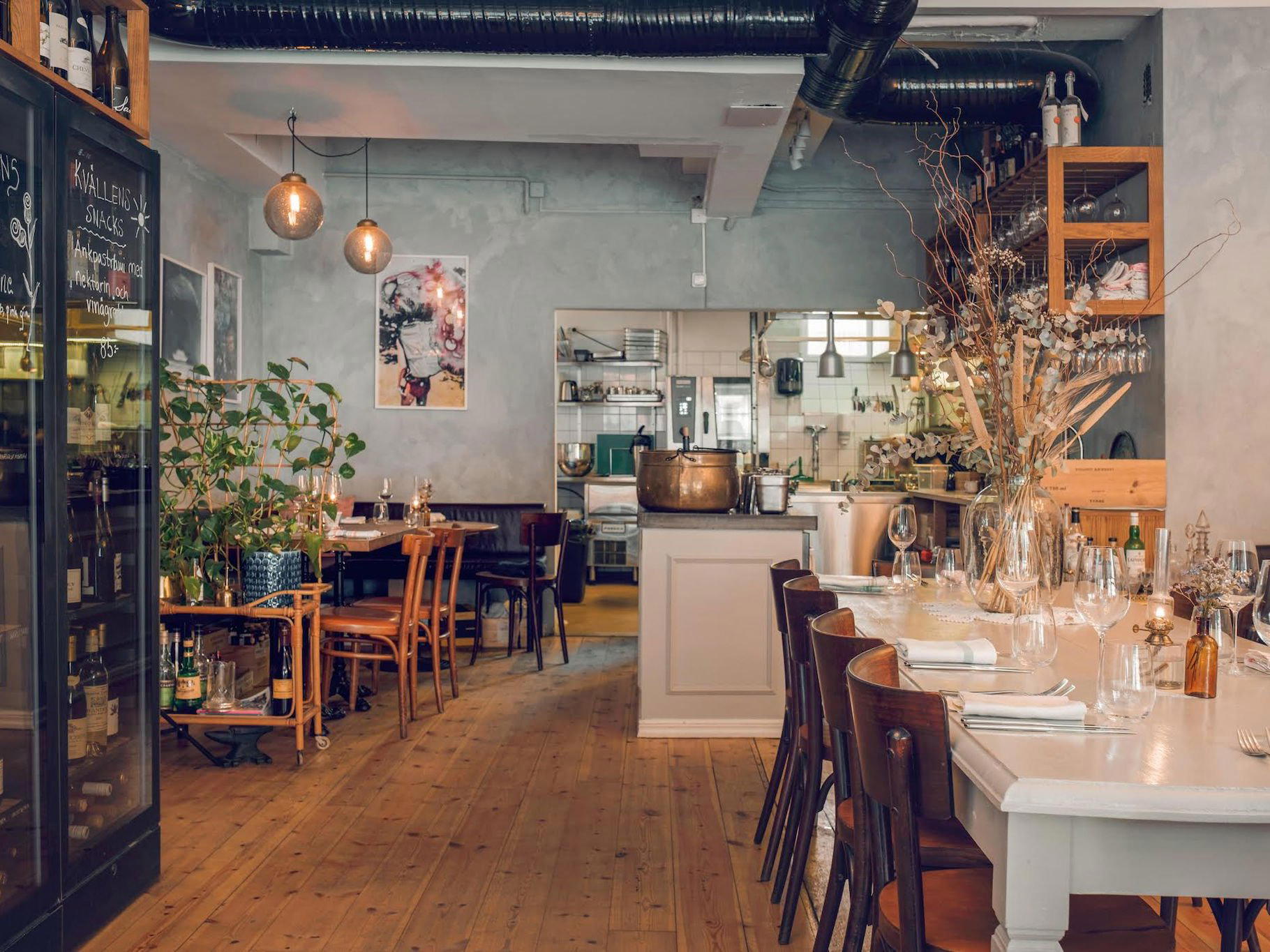
Bars in Las Vegas
Browse all →
At a Glance
- Cozy
- Casual Hangout
- Family
- Open Kitchen
Current opening hours
- Monday
- 11 AM–11 PM
- Tuesday
- 11 AM–11 PM
- Wednesday
- 11 AM–11 PM
- Thursday
- 11 AM–11 PM
- Friday
- 11 AM–12 AM
- Saturday
- 11 AM–12 AM
- Sunday
- 11 AM–11 PM
Hours can change for holidays and private events. Last verified .
Clean and simple strip mall interior with a casual, cozy atmosphere focused on hearty comfort food.