
Michelin Plate
Our verdict
Tacos El Franc holds consecutive Michelin Plate recognitions for 2024 and 2025, placing it in a small tier of Tijuana street-format spots to earn that distinction.

Pearl is the En Primeur Club membership app, where members save venues, book tables and use the concierge.
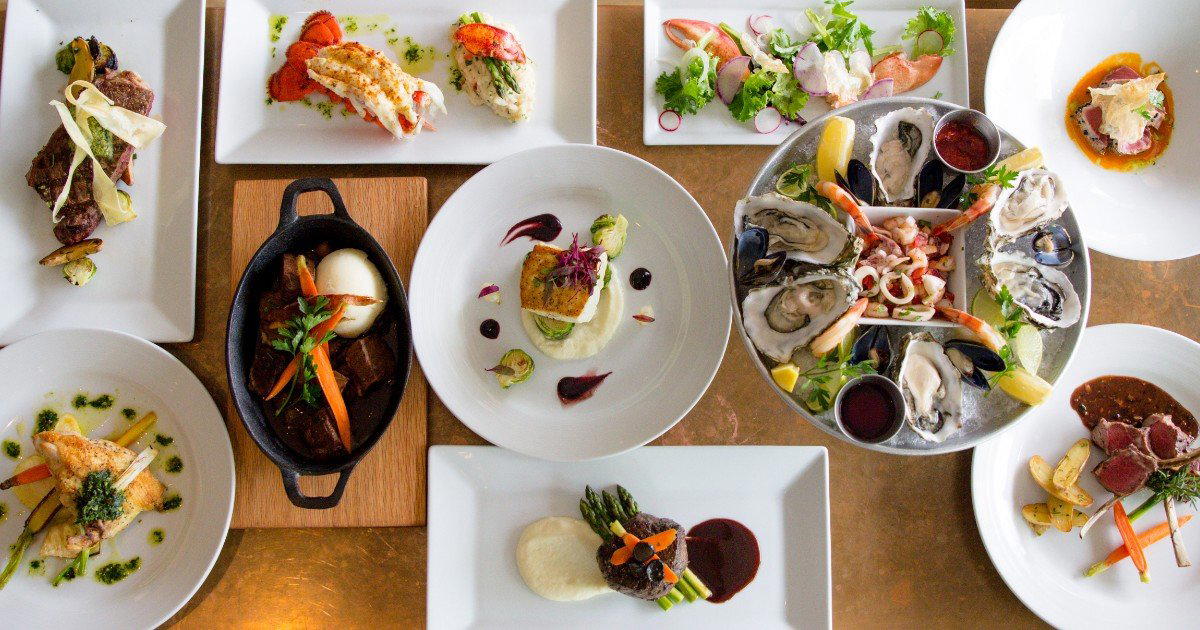
Where Tijuana's Taco Tradition Meets Formal Recognition
Tijuana's relationship with the taco is less a dining tradition and more a civic identity. The city sits at one end of one of the world's most-crossed international borders, and its street food culture has absorbed influences from every direction: Baja California's Pacific coast, the cattle ranches of Sonora, the spice corridors of Sinaloa, and the rolling foot traffic of the San Ysidro crossing. In this context, a taco stand earning a Michelin Plate, twice, in consecutive years, is less a surprise than a confirmation of what locals have long understood: that the leading eating in Tijuana often happens at a counter, not a tablecloth.
Tacos El Franc, on Bulevar General Rodolfo Sánchez Taboada in the Zonaeste district, operates in that tradition. Its Michelin Plate awards in both 2024 and 2025 place it in a specific and still-small group of Mexican street-format venues that Michelin has chosen to acknowledge. The Plate designation does not carry the star hierarchy, but its meaning is clear: the inspectors believe the food is worth stopping for.
Zonaeste and the Geography of Tijuana Eating
The Zonaeste corridor has become one of Tijuana's more active dining zones over the past decade, developing alongside the wider professionalization of the city's food scene. While Zona Rio and Avenida Revolución carry the older commercial weight, neighborhoods further east along Sánchez Taboada have generated a denser mix of format and price point: from the upscale tasting-menu ambitions of Mision 19 to mid-range operators like Oryx and Carmelita Molino y Cocina, and further down the price register to accessible street-format spots that still draw serious attention.
That spread matters for understanding where Tacos El Franc sits. Its single-dollar price marker positions it at the accessible end of a market that now ranges from $15 street tacos to multi-hundred-dollar tasting menus. The fact that Michelin's inspectors moved across that range and chose to acknowledge a spot at this price point is consistent with what the guide has done in other Mexican cities: Pujol in Mexico City and Levadura de Olla Restaurante in Oaxaca represent the formal, high-investment tier; street-format recognition in Tijuana signals that the guide is reading Mexican food culture more broadly.
The Agave Frame: Drinking Culture Around Tijuana's Taco Counters
The editorial angle worth holding here is not the taco itself in isolation, but what surrounds it in Baja California's drinking culture. Tijuana's street-food counters increasingly sit inside a broader agave ecosystem. Artisanal mezcal production, once concentrated in Oaxaca and the central valleys, has expanded its reach, and Baja-facing markets have responded. Taquería counters in Tijuana, particularly those operating at the higher end of the informal register, now routinely pair with mezcal pours from small producers in Guerrero, Durango, and San Luis Potosí alongside the more familiar Oaxacan bottles.
This reflects a wider shift in how Mexican food culture is being consumed north of the Tropic of Cancer. The taco-and-mezcal pairing has moved from a niche enthusiast preference to something closer to standard practice in Tijuana's more serious informal venues. A Michelin-acknowledged spot like Tacos El Franc sits inside that current, whether or not spirits are a formal part of its offer. The agave culture shapes the competitive environment around it: diners who seek out Plate-level taco spots are, increasingly, the same audience that plans evenings around regional mezcal variation.
That culture also has a geographic logic in Baja California. The Valle de Guadalupe wine corridor, roughly 90 minutes south, has brought international dining attention to the region in a way that raises awareness of all its food formats. Restaurants like Animalón in Valle de Guadalupe and Olivea Farm to Table in Ensenada have helped build a regional narrative that Tijuana's street-food operators benefit from, even tangentially. And for travellers extending into northern Mexico's food corridor, comparisons extend further: KOLI Cocina de Origen in Monterrey, Pangea in San Pedro Garza Garcia, and Lunario in El Porvenir map a different but parallel conversation about Mexican regional cooking at various price tiers.
Michelin Recognition in the Mexican Street-Food Register
Two consecutive Michelin Plate awards carry a specific implication in a market like Tijuana. The Plate is not awarded automatically to all listed venues; it signals the inspectors' view that the kitchen is producing food of genuine quality, distinct from mere convenience or volume. In a city where taquerias number in the hundreds, the distinction is substantive even if it sits below star level.
For context elsewhere in Mexico, the Michelin pattern has been to acknowledge street-adjacent and market-format restaurants alongside fine-dining rooms, a practice that reflects the guide's methodology in markets like Bangkok, Singapore, and Hong Kong, where the formal/informal boundary has long been more porous. Tacos El Franc's back-to-back recognition fits that global pattern and positions Tijuana within a conversation about Mexican street food that North American counterparts are also entering: Alma Fonda Fina in Denver and Cariño in Chicago represent the northward extension of Mexican culinary ambition, even if the format and setting differ substantially.
For the Michelin guide's Mexican edition, the presence of a $-category taquería alongside starred fine-dining rooms like Le Chique in Puerto Morelos speaks to an editorial position: that quality in Mexican food is format-agnostic.
Planning a Visit
Tacos El Franc sits on Bulevar General Rodolfo Sánchez Taboada 9257 in the Zonaeste district of Tijuana. At the $ price tier, it operates in the most accessible bracket of the city's dining range. No booking details or contact information are confirmed through EP Club's verified sources, so visiting without a reservation on the day remains the practical default for street-format operations of this type. For those building a broader Tijuana itinerary, the city's dining, drinking, and accommodation options are mapped in our full Tijuana restaurants guide, our full Tijuana bars guide, our full Tijuana hotels guide, our full Tijuana wineries guide, and our full Tijuana experiences guide.
Frequently asked questions
What's the address for Tacos El Franc?
Tacos El Franc is located at Blvrd Gral Rodolfo Sánchez Taboada 9257, Zonaeste, 22010 Tijuana, B.C. Mexico, Tijuana.
Is Tacos El Franc Michelin-listed?
Tacos El Franc has received recognition including: Michelin Plate (2025); Michelin Plate (2024).
What dish is Tacos El Franc famous for?
EP Club's confirmed venue data does not include specific signature dish details for Tacos El Franc. What the record does establish is two consecutive Michelin Plate awards (2024 and 2025) within the Mexican cuisine category at a $ price point, recognition that, in Tijuana's taco-dense Zonaeste corridor, points toward focused execution of a core format rather than a broad menu. The taco, in some form, is almost certainly the anchor.
What does dinner at Tacos El Franc typically cost?
Pricing at Tacos El Franc is listed as $.
The Quick Read
| Venue | Cuisine | Price | Awards | Notes |
|---|---|---|---|---|
| Tacos El FrancThis venue (the venue you are viewing) | Tijuana-Style Taqueria | $10–20 | Michelin Plate | Not listed |
| Carmelita Molino y Cocina | Modern Mexican with Nixtamalized Corn | $20–30 | Michelin Bib Gourmand | Mexican |
| Mision 19 | Modern Baja Med | $50–100 | Michelin Plate | Mexican |
| Oryx | Modern Mexican | $50–100 | Michelin Plate | Mexican |
Recognition history
Dated appearances from independent guides and award organizations, with the underlying list record or original source where available.
Michelin Plate
Michelin
Full recognition history (3 entries)
Michelin Plate
Michelin
Michelin Plate
Michelin
Continue exploring
More in Tijuana
Restaurants in Tijuana
All restaurants in Tijuana →
Bars in Tijuana
All bars in Tijuana →

Details
- Lively
- Energetic
- Rustic
- Casual Hangout
- Late Night
- Group Dining
- Open Kitchen
- A La Carte
Current opening hours
- Monday
- 2–11 PM
- Tuesday
- 2–11 PM
- Wednesday
- 2–11 PM
- Thursday
- 2–11 PM
- Friday
- 1 PM–12 AM
- Saturday
- 1 PM–12 AM
- Sunday
- Closed
Hours can change for holidays and private events. Hours as of .
Bustling, smoky atmosphere with open cooking stations, bright blue awnings, crowded tables, and the sounds of sizzling meat and lively crowds.